

Évora Wine: Cartuxa & Alentejo Wine Tours Travel Guide
Tour Cartuxa winery on an Alentejo wine day from Évora. How to book tastings, reach the vineyards, and find the region's best reds in 2026.
On this page
Évora Wine: Cartuxa & Alentejo Wine Tours
Évora, a UNESCO World Heritage site, sits at the heart of Portugal's Alentejo region. This area is famous for its rich history and exceptional wines. Exploring Évora wine means discovering ancient traditions and modern winemaking.
First-time visitors should start with a guided tour of Cartuxa Winery for a comprehensive introduction to Alentejo wines. Many tour operators offer combined city and wine tours, providing an excellent overview of Évora and its surrounding vineyards. Consider a visit to the Wines of Alentejo Visitor Center for general information and tastings.
The Alentejo region boasts a diverse wine landscape, from small family-run vineyards to large estates. Visitors can experience unique grape varietals and production methods. Many tours offer a deep dive into this fascinating world.
A highlight for many travelers is a visit to Cartuxa Winery, a revered name in Alentejo winemaking. This historic estate offers a glimpse into centuries of viticulture. Plan your Évora wine adventure to savor the flavors and stories of this incredible region.
Cartuxa Winery Tours & Tastings
The Cartuxa Winery sits just outside Évora's walls at the old Quinta de Valbom estate, and it is the single most-booked wine experience in the area. The standard visit walks you through the gravity-flow cellar, the stainless-steel and barrel-ageing rooms, and finishes with a seated tasting of the estate's flagship labels. Tours run roughly 60 to 90 minutes and are offered in Portuguese and English; you book a fixed time slot rather than dropping in.
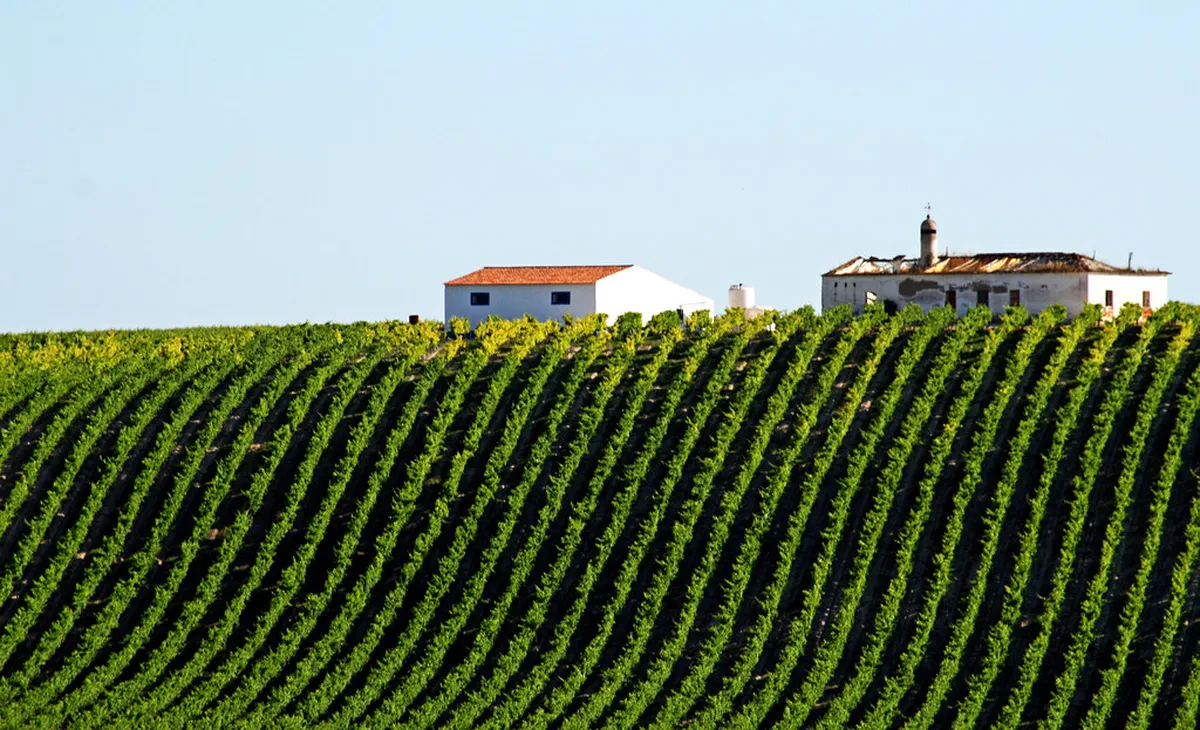
Cartuxa pours across three tiers depending on which tasting you choose. The everyday EA range (red, white, and rosé) is the most widely poured and the easiest to take home. The mid-tier Cartuxa reds and the barrel-fermented Cartuxa white show what Alentejo DOC fruit does with serious oak. At the top sits Pêra-Manca, the estate's legendary red and white that is only declared in exceptional years, released in tiny quantities, and tasted only on the premium visits — ask specifically if it is open the day you go.
Choose your tasting level when you reserve. A "classic" visit usually covers two EA wines plus the estate olive oil; the "premium" or "reserve" options step up to Cartuxa-tier reds and occasionally a Pêra-Manca pour at a higher price. Cartuxa also presses its own olive oil under the same estate, so most tastings include a drizzle alongside bread — a genuinely useful preview of Alentejo's other liquid export.
Book ahead through the winery's wine-tourism page or by email, ideally a week out and earlier on weekends, holidays, and through harvest (September–October). Slots are capped, large groups are split, and the most interesting reserve tastings sell out first.
Adega Cartuxa & the Fundação Eugénio de Almeida
To understand why Cartuxa wines carry the weight they do, you have to know who owns them. The vineyards, cellar, and olive groves all belong to the Fundação Eugénio de Almeida, a charitable foundation set up in 1963 by the Évora landowner Vasco Maria Eugénio de Almeida. Wine profits do not go to private shareholders — they fund social, cultural, educational, and spiritual works across the Évora district. When competitors say Cartuxa is "wine built with a cause," this foundation is the cause.
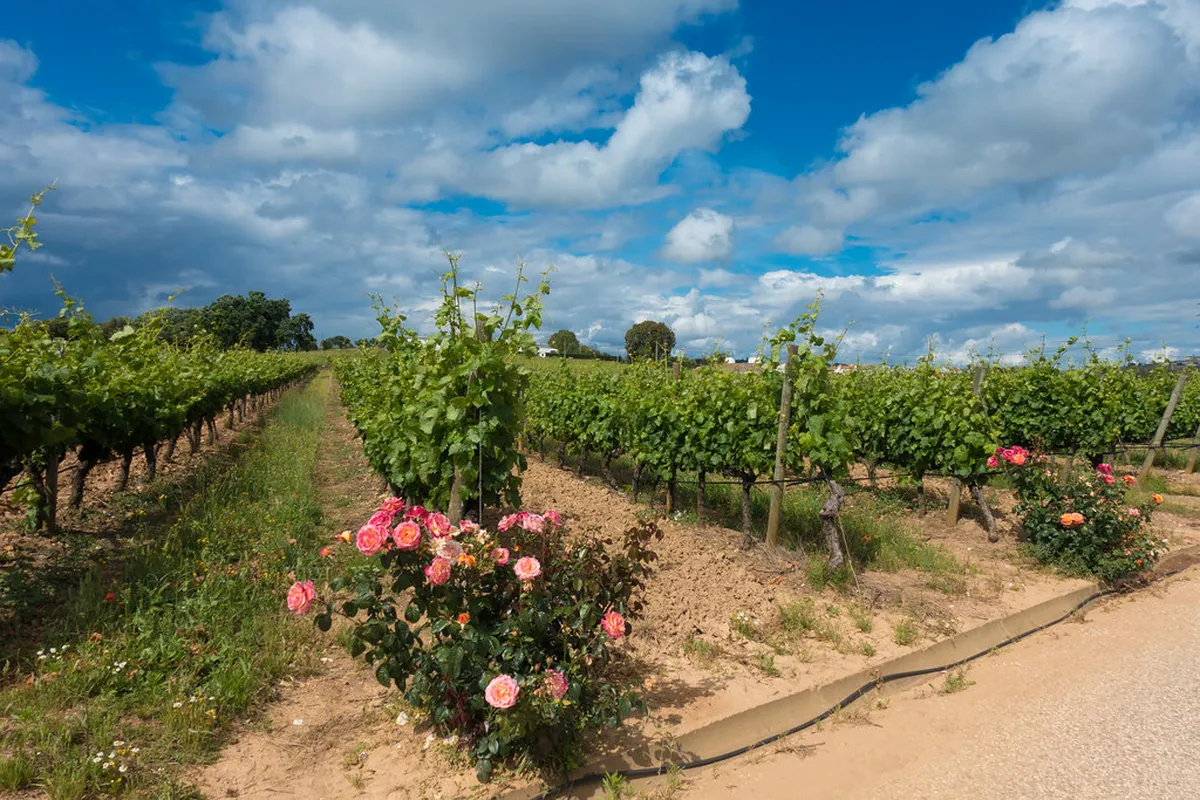
The wine label is Adega Cartuxa; the name nods to the 16th-century Cartusian (Carthusian) monastery, the Cartuxa de Santa Maria Scala Coeli, on the hill outside town. The cellar itself occupies the historic Quinta de Valbom estate at the city's edge, which is why a Cartuxa visit feels less like an industrial winery and more like touring a working heritage property — old buildings, foundation history, and modern winemaking under one roof.
The same Foundation runs Évora's main contemporary-culture venue near the Évora Cathedral, with rotating art exhibitions and the historic Inquisition-era courtyard. It is an easy pairing: spend the morning on art and the foundation's history in town, then drive five minutes to Quinta de Valbom for the cellar tour and tasting in the afternoon. Buying a bottle of EA or Cartuxa is, quite literally, a small donation to the region.
The Alentejo Wine Region Explained
Évora is the natural base for the Alentejo DOC, one of the largest and warmest quality wine regions in Portugal. The denomination is split into eight officially demarcated sub-regions — including Évora, Reguengos, Borba, Redondo, Vidigueira, Granja-Amareleja, Portalegre, and Moura — each contributing a slightly different style. Hot, dry summers and big day-to-night temperature swings give Alentejo its trademark: ripe, full-bodied, generous reds.
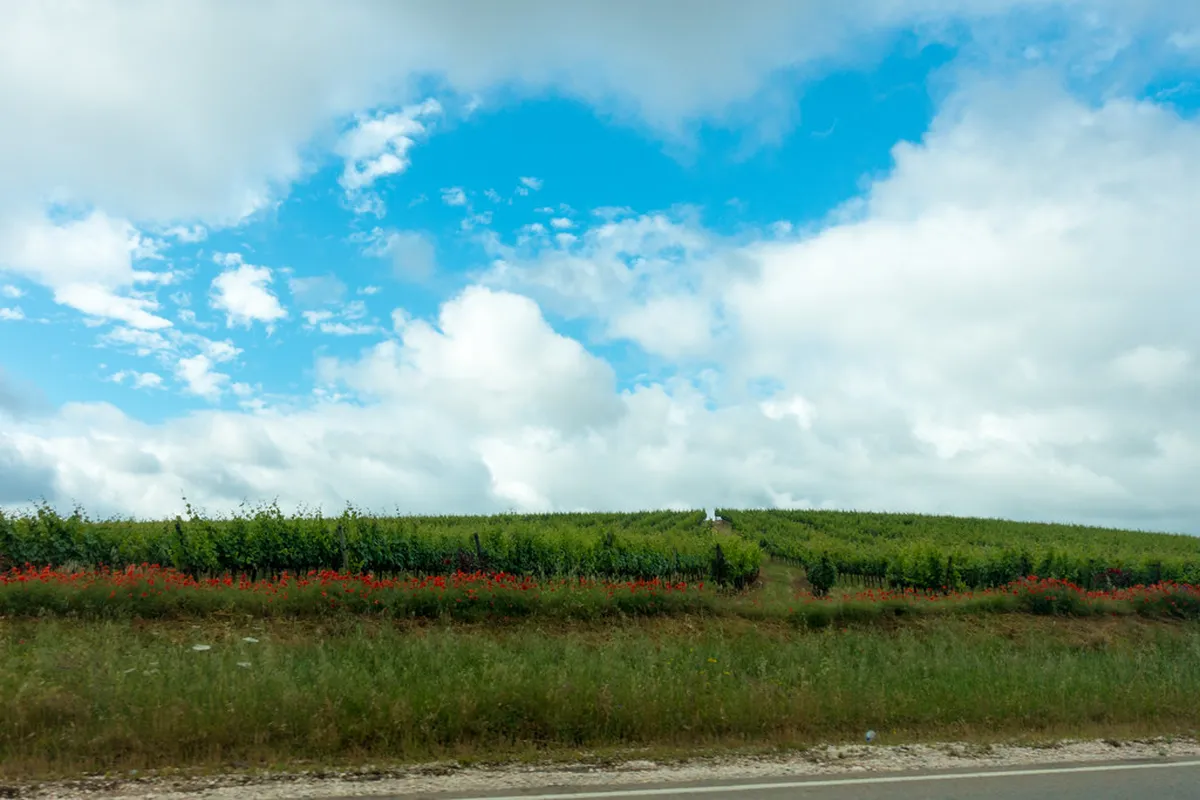
On the reds, expect the local trio of Aragonez (Tempranillo), Trincadeira, and Alicante Bouschet, often blended with Touriga Nacional and Syrah. Whites lean on Antão Vaz, Arinto, and Roupeiro. Tell a tasting host you like structured reds and you will be steered to Alicante Bouschet; say you want something fresh in the heat and you will get Antão Vaz.
The region's most distinctive draw is its vinho de talha — wine fermented in tall clay amphorae (talhas), a technique the Romans brought to Alentejo two thousand years ago and which a handful of estates still practise. These are the "wines that pre-date Portugal," and tasting one is the region's signature experience; the Vidigueira sub-region south of Évora is the heartland. The Wines of Alentejo Visitor Center on Praça Joaquim António de Aguiar in the centre of Évora is the best place to get oriented before heading into the vineyards — it pours flights from dozens of producers in one sitting and the staff will sketch a route for you.
Best Wineries Near Évora
Cartuxa is the headline, but it pairs well with one or two estates in the same direction so you are not crisscrossing the Alentejo. A few standouts within easy reach of Évora:
- Adega Cartuxa (Quinta de Valbom) — minutes from the city walls; the must-do for EA, Cartuxa, and Pêra-Manca, plus estate olive oil.
- Adega da Cartuxa's neighbours toward Reguengos — the Reguengos de Monsaraz sub-region southeast of Évora is wine co-op country and home to large, visit-friendly estates with modern tasting rooms.
- Talha specialists in Vidigueira — head south for the clay-amphora producers if tasting vinho de talha is your priority; several open by appointment.
- Borba, Redondo & Estremoz (the "marble triangle") — northeast of Évora, an easy half-day loop combining several adega visits with marble-town stops.
Most estates outside Cartuxa are smaller and run tastings strictly by appointment, so email a day or two ahead rather than turning up. If you would rather not pick, the Wines of Alentejo Visitor Center in town is the budget-friendly catch-all — a flight there lets you taste a dozen producers for the price of one winery tour, and the staff will tell you which estates are worth the drive that week.
Travelling with kids or non-drinkers? Cartuxa and the larger Reguengos estates can usually accommodate a grape-juice or olive-oil tasting alongside the wine flight, and the marble-triangle towns give everyone something to do between stops.
How to Book a Wine Tour & Get to the Vineyards
Évora wineries run on reservations, not walk-ins. Book Cartuxa directly through its wine-tourism page or by email; book smaller estates by email a day or two ahead. Always confirm your tasting tier when you reserve — a classic flight and a reserve flight that includes Pêra-Manca are different experiences at different prices, and the premium slots are limited per day.
Getting to the vineyards from Évora, you have three realistic options:
- Rent a car (with a designated driver). Cartuxa is a 5-minute drive or a long walk from the city walls; the Reguengos and marble-triangle estates are 30–45 minutes out. Best for combining multiple wineries, but someone has to stay sober — Portugal's drink-drive limit is a strict 0.5 g/L.
- Join a private or small-group wine tour. The cleanest option: a driver-guide handles transport and bookings while everyone tastes. Operators such as Portugal by Wine run private Évora & Alentejo wine routes, and combined Lisbon-day-trip tours pair a city visit with a Cartuxa tasting.
- Stay in town and taste in Évora. No transport needed at all — use the Wines of Alentejo Visitor Center and the city's wine bars (see below).
On timing, build in about 60–90 minutes per winery plus driving, so two estates plus a town tasting is a comfortable full day. The shoulder seasons are the sweet spot: spring and autumn bring vibrant vineyards and mild weather, while peak summer regularly tops 35 °C (95 °F) — see our guide to the best time to visit Évora. Harvest (September–October) is atmospheric but the busiest, so book even further ahead.
Évora Wine Tasting in Town
You do not have to leave the city walls to taste seriously good Alentejo wine. The Wines of Alentejo Visitor Center (Rota dos Vinhos do Alentejo) on Praça Joaquim António de Aguiar is the obvious first stop: it pours rotating flights from producers across all eight sub-regions, sells the bottles you like, and the staff will plan a vineyard route around your taste. It is walkable from the Roman Temple of Évora and the main square.
Beyond the visitor center, Évora's old town has a cluster of wine bars and tasting rooms where you can order Cartuxa EA, Pêra-Manca by the glass when available, and small-producer talha wines without committing to a full estate tour. These spots are ideal for a relaxed evening tasting after a day of sightseeing — and a low-cost way to figure out which styles you want to chase at the wineries.
If you are buying to take home, both the visitor center and the in-town shops ship internationally; ask about cost and customs limits before you commit to a case. Tasting in town also solves the transport problem entirely — no car, no driver, no drink-drive worry.
What's Included on a Cartuxa Wine Tour
Knowing exactly what you are paying for helps you pick the right tasting tier. A typical Cartuxa visit includes:
- Guided cellar tour — the gravity-flow winery, ageing rooms, and a walk-through of the Quinta de Valbom estate's history and the Eugénio de Almeida Foundation story (about 30–45 minutes).
- Seated tasting — two to four wines depending on tier: EA wines on the classic visit, Cartuxa-tier reds (and occasionally a Pêra-Manca pour) on the premium and reserve options.
- Estate olive oil — Cartuxa presses its own, so most tastings include a drizzle with bread.
- On-site shop access — buy the wines you tasted, often including library vintages not sold elsewhere.
What's usually not included: transport to and from Évora (unless you book a tour package with a driver), lunch, and any rare Pêra-Manca bottle purchases, which are allocated and priced separately. Combined day-trip products sold from Lisbon bundle the transport and a city walk but cover only a single tasting — confirm which Cartuxa tier they actually include before booking, since the cheapest packages default to the classic EA flight.
On cancellations, the winery's own bookings tend to be flexible if you give notice, while third-party tour platforms set their own policies — read the cancellation window (typically 24–48 hours for a refund) before you pay.
Premium & Private Alentejo Wine Experiences
To truly offer a memorable Évora wine experience, consider unique and personalized touches. Opt for a private wine tour Évora & Alentejo that focuses on your specific interests. This could mean a deep dive into organic wines or a focus on specific varietals. Customization elevates the entire journey.
Many wineries provide exclusive barrel tastings or winemaker dinners. These intimate experiences offer unparalleled insight into the winemaking process. They create lasting memories for serious wine enthusiasts. Inquire about these special offerings when booking.
Combine your wine tour with a cultural workshop, like cork harvesting or traditional pottery. This adds another layer of authenticity to your trip. It connects you with the local heritage beyond just wine. Websites like Portugalbywine.com highlight such unique experiences.
Consider staying at a vineyard estate for an immersive experience. Many offer charming accommodations and direct access to the vineyards. Waking up among the vines adds an unforgettable dimension to your Évora wine journey. This allows for deep relaxation and connection to the land.
Other Things To Do Nearby
Évora offers a wealth of things to do in Évora beyond its renowned wine scene. Explore the city's historic center, a UNESCO World Heritage site, filled with ancient Roman ruins and medieval buildings. The Chapel of Bones is a unique and thought-provoking site. It provides a fascinating, albeit macabre, historical insight.
Take a day trip to explore other charming towns in the Alentejo region. Monsaraz, with its stunning castle and lake views, is a popular choice. Vila Viçosa, known for its marble quarries and Ducal Palace, also offers a rich history. These towns provide a broader perspective of the Alentejo. You can find more ideas for day trips from Évora here.
Visit the megalithic sites surrounding Évora, such as the Almendres Cromlech. These ancient stone circles predate Stonehenge and offer a mystical experience. They represent a significant part of the region's prehistoric past. This provides a fascinating historical detour.
Enjoy the local cuisine at one of Évora's many excellent restaurants. Alentejo food is famous for its robust flavors and use of fresh, local ingredients. Pair your meal with a regional wine for a complete culinary experience. Our guide to the best restaurants in Évora can help. This culinary exploration complements your wine journey.
Additional Information
When planning your Évora wine adventure, remember that many wineries operate with specific hours. Always confirm opening times and tour availability before your visit. Some smaller estates might require appointments well in advance. This ensures a smooth and enjoyable experience.
Transportation within the Alentejo region can be challenging without a car. Consider renting a vehicle if you plan to visit multiple remote wineries. Alternatively, specialized wine tour operators provide comfortable transport. Websites like Visitalentejo.pt offer great resources.
Évora's climate can be very hot in summer, with temperatures often exceeding 35°C (95°F). Dress appropriately with light clothing and stay hydrated. Spring and autumn offer milder temperatures, making outdoor activities more pleasant. Plan your visit during these shoulder seasons.
Many wineries offer shipping services for purchases, which can be convenient for international travelers. Inquire about costs and restrictions before buying large quantities. This allows you to enjoy your Évora wine long after your trip. Check customs regulations for your home country.
Frequently Asked Questions
Which Évora Wine: Cartuxa & Alentejo Wine Tours options fit first-time visitors?
First-time visitors should start with a guided tour of Cartuxa Winery for a comprehensive introduction to Alentejo wines. Many tour operators offer combined city and wine tours, providing an excellent overview of Évora and its surrounding vineyards. Consider a visit to the Wines of Alentejo Visitor Center for general information and tastings.
How much time should you plan for Évora Wine: Cartuxa & Alentejo Wine Tours?
Plan at least a full day to properly experience Évora wine, including a Cartuxa visit and another winery. If you want to explore more of the Alentejo region and its diverse wineries, consider dedicating two to three days. This allows for a more relaxed pace and deeper immersion into the local wine culture.
What should travelers avoid when planning Évora Wine: Cartuxa & Alentejo Wine Tours?
Avoid visiting without booking tours in advance, especially during peak season, as many wineries require reservations. Do not attempt to drive yourself after multiple wine tastings; arrange for a designated driver or use a tour service. Also, avoid underestimating the summer heat, which can make outdoor activities uncomfortable.
Is Évora Wine: Cartuxa & Alentejo Wine Tours worth including on a short itinerary?
Yes, Évora wine tours are definitely worth including even on a short itinerary. A half-day tour to Cartuxa or a nearby winery can be easily integrated into a one or two-day visit to Évora. It offers a unique cultural and sensory experience that highlights the region's heritage.
Évora wine offers an unforgettable journey through history, culture, and exceptional flavors. The Alentejo region provides a diverse landscape of vineyards and unique experiences. From the iconic Cartuxa Winery to charming family estates, there is much to explore.
Planning your Évora wine tour thoughtfully ensures a smooth and enriching adventure. Consider combining wine experiences with Évora's historical attractions. This creates a well-rounded and memorable trip.
Whether you are a seasoned connoisseur or a curious beginner, the Évora wine region promises delightful discoveries. Savor every sip and embrace the rich heritage of this remarkable part of Portugal.
 Óbidos Castle: Complete Visitor's Guide (2026)June 11, 2026
 Best Time to Visit Évora Travel GuideJune 8, 2026