University Of Coimbra Visitor Guide Travel Guide
Plan your university of coimbra visitor guide with top picks, neighborhood context, timing tips, and practical booking advice for a smoother trip.
On this page
University Of Coimbra Visitor Guide
The University of Coimbra stands as one of the oldest continuously operating academic institutions in the entire world today.
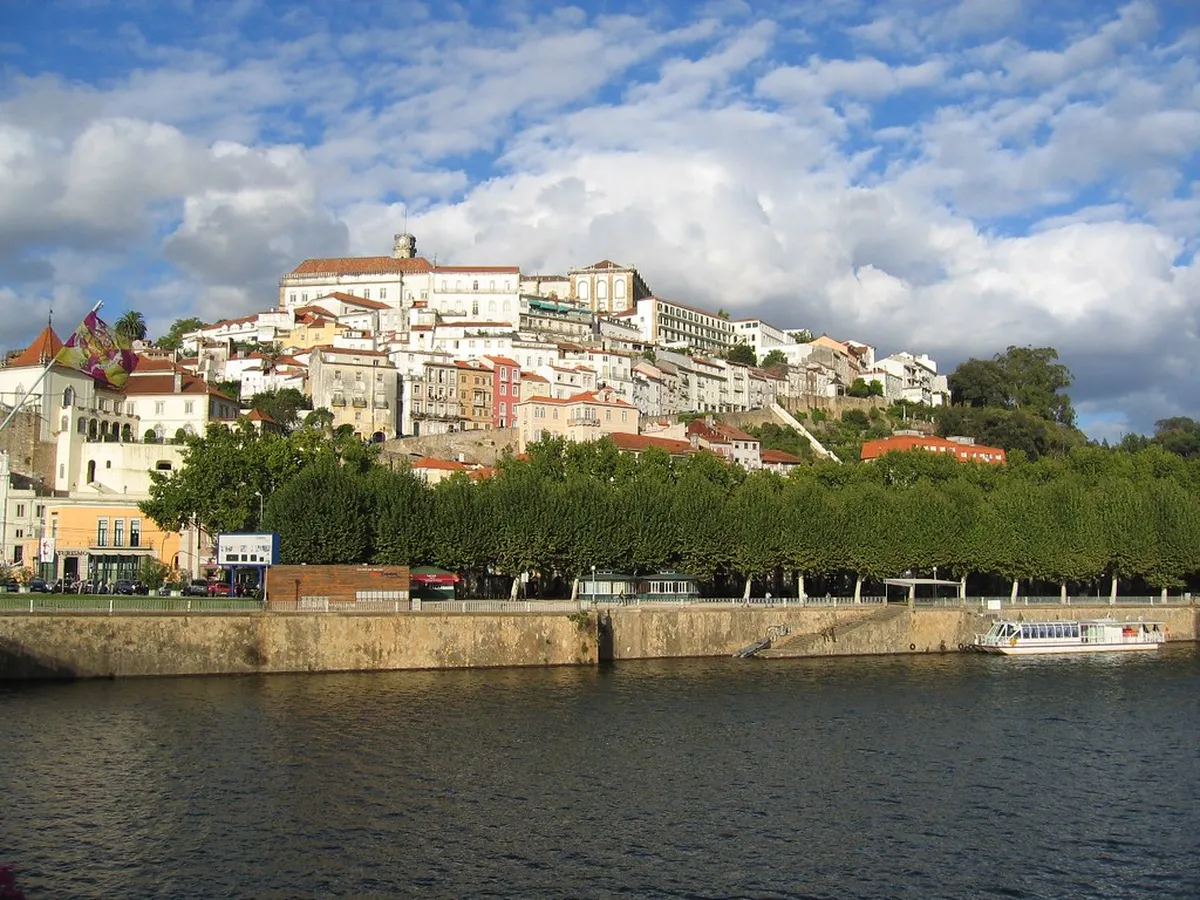
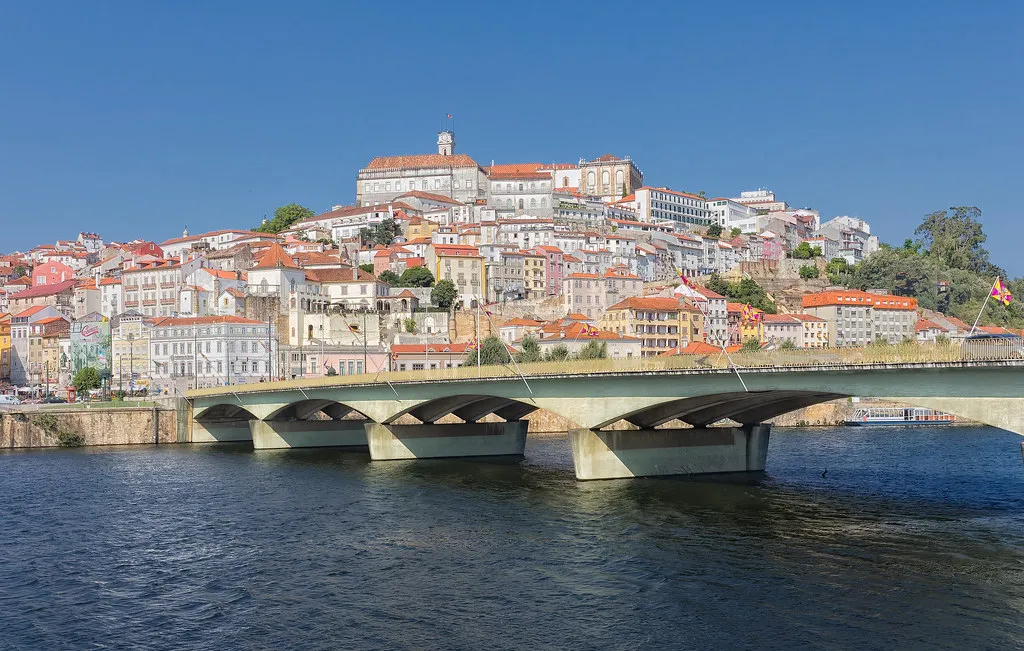
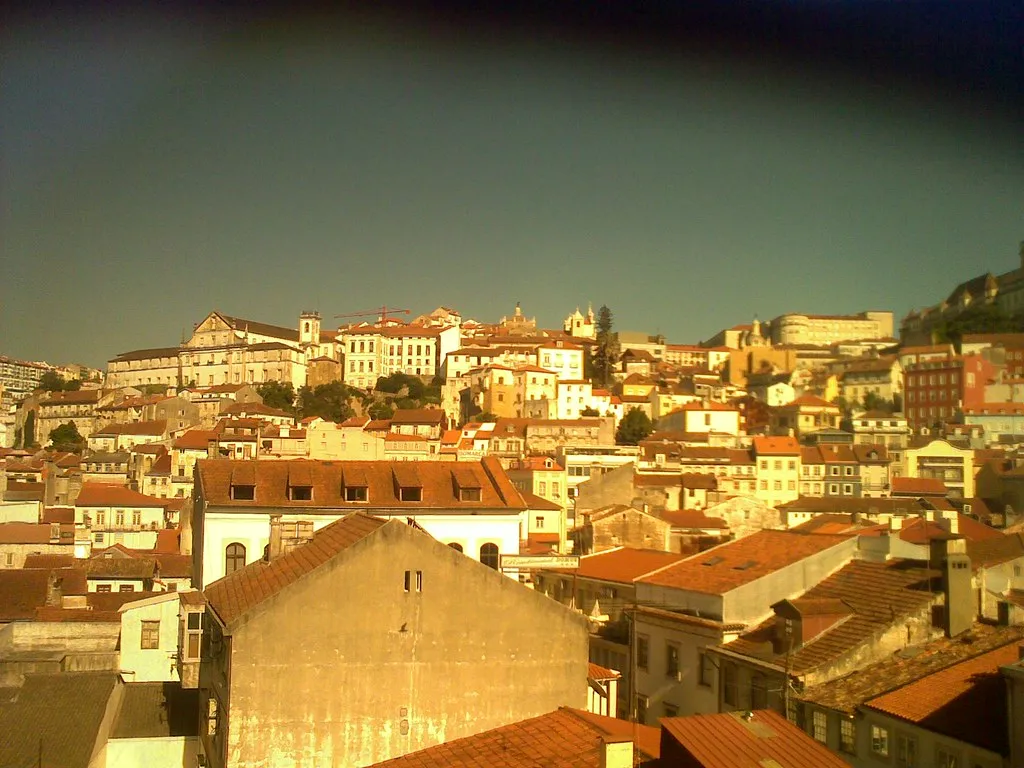
Perched majestically atop a hill overlooking the Mondego River, this UNESCO World Heritage site defines the skyline of central Portugal.
Visitors flock here to witness centuries of history etched into golden limestone and preserved within magnificent baroque halls.
This university of coimbra visitor guide will help you navigate the steep cobblestone streets and discover the campus's most legendary treasures.
Mini History of Coimbra University
Coimbra University is one of the oldest universities in the world — older than Oxford. It was founded by royal charter in 1290, initially in Lisbon, before King João III permanently transferred it to Coimbra in 1537. That date, 13 October 1537, marks the first meeting between rector D. Garcia de Almeida and the university's professors in what is now the Private Exam Room of the Royal Palace. The move anchored Coimbra's identity as Portugal's intellectual capital for the next five centuries.
The city itself was Portugal's capital from 1139 to 1256, which explains the royal scale of the campus buildings. Known as the "Athens of Portugal," it has produced generations of lawyers, doctors, and statesmen who shaped the country's history. Today roughly 20,000 students from 80 countries study here, keeping the campus alive rather than frozen as a museum. The black-caped student figures you see crossing the courtyards are not performers — they are working scholars continuing a seven-century tradition.
The campus earned UNESCO World Heritage status in 2013, recognised for its outstanding universal value as a model of the integrated university city. This recognition covers not just the buildings but the living traditions, student rituals, and urban fabric that surrounds them. Understanding that context transforms a visit from a quick photo stop into a genuinely moving experience.
Tickets and Practical Information
The ticket office sits in the Edifício da Biblioteca Geral at Largo da Porta Férrea. The full circuit ticket — Program 1 — costs approximately €16.50 and is the one to buy. It is the only ticket that includes the Joanina Library, the Royal Palace, Saint Michael's Chapel, and the university tower. Do not accept a partial ticket if your goal is seeing the library: no other combination includes it.
Opening hours vary by season. From 19 March to 31 October the campus opens daily from 08:30 to 19:00. From 1 November to 18 March the hours are weekdays 09:00 to 17:30 and weekends 10:00 to 16:00. Library entry is timed: only 60 visitors are admitted every 20 minutes, and slots fill by mid-morning during peak season. Arrive at the ticket office as your first act on campus, not your last.
You cannot currently buy general admission tickets online for the main university circuit. However, you can book a guided tour that includes skip-the-line entry. A University of Coimbra walking tour with an expert guide is worth the premium if you visit between June and September when queues are longest. A private full-day tour from Lisbon to Coimbra and Tomar is also available for those doing both cities in one trip. The Botanical Gardens are always free to enter.
The Joanina Library only admits 60 visitors every 20 minutes, and slots fill by mid-morning in peak season. Arrive at the ticket office as your very first act on campus — late arrivals are turned away without exception.
What To See At Coimbra University
Enter through the Porta Férrea — the ornate iron gate built in the 17th century, topped with allegorical figures of wisdom and portraits of founding kings. It opens onto the vast Pátio das Escolas, the main courtyard, where a muscular statue of João V presides over the space. This courtyard is free to enter and provides the best overview of the campus scale before you collect your ticket.
The Royal Palace is Portugal's oldest surviving palace and was a royal residence until the 15th century. Its first room, the Sala dos Archeiros (Hall of Arms), displays the ceremonial weapons of the Royal Academic Guard still used during rector investitures. Beyond it, the Sala dos Capelos (Great Hall of Acts) is the showstopper: a throne-room-scale hall with a fantastical 17th-century painted wooden ceiling. Doctoral theses are still defended here, which lends the gilded portraits of monarchs a genuinely intimidating presence. Note the deliberate absence of the Hapsburg kings (1580–1640) — the university sided with the Braganza claimant, and this room makes the political point visually.
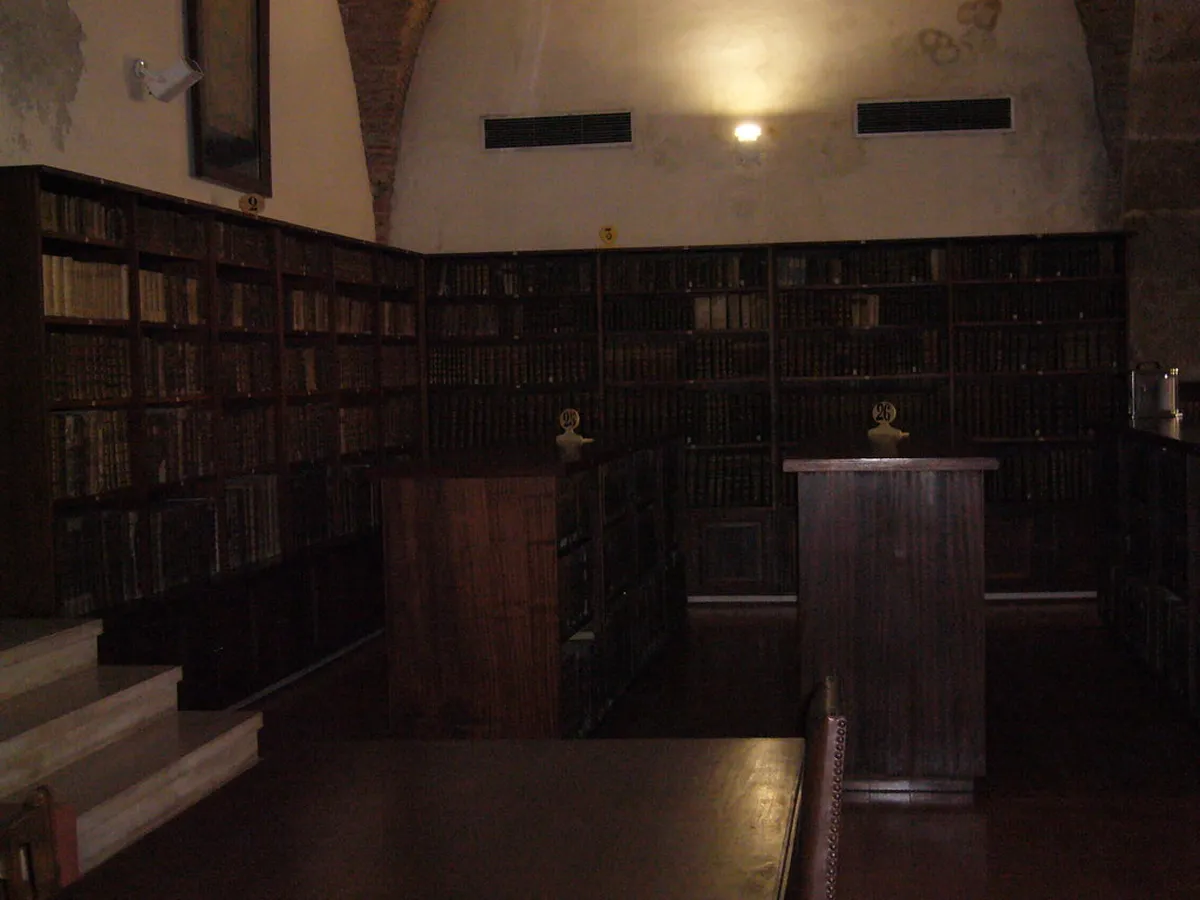
The Sala do Exame Privado (Private Exam Room) follows, where students historically took oral exams in secret at dusk. Its 1701 painted ceiling and 38 rector portraits from the 16th to 18th centuries create an atmosphere of quiet authority. The Chapel of Saint Michael next door rewards close attention: an intricate Manueline doorway leads inside to carpet-pattern azulejo walls and a 1733 pipe organ with 2,000 pipes, some jutting directly into the nave. The adjacent Biblioteca Joanina is the headline attraction — three floors of baroque excess, 200,000 ancient books, and a population of resident bats that have protected the paper from insects for roughly 300 years.
Climbing the university tower (€1 extra, 184 steps, narrow staircase) gives you unrestricted panoramic views of Coimbra and the Mondego. If the stairs are not accessible to you, the palace balconies offer a very similar view at no extra cost. The Science Museum, housed in the former Jesuit College, is included in the full ticket and holds scientific instruments, taxidermy, and botanical specimens from the colonial era.
The Black Cape Tradition and Queima das Fitas
The black wool capes worn by Coimbra students (capa alentejana) are not costumes for tourists — students wear them freely whenever they choose. Look closely at the hem: the left side carries tears made by family members, the right side tears made by friends or lovers. The wool is too dense for scissors or knives, so tears are made by hand or teeth. If a relationship ends, the torn section is stitched closed with brightly coloured thread rather than removed. This means every cape carries a visible, readable personal history of its wearer's years in Coimbra.
The biggest student event of the year is the Queima das Fitas — the Burning of the Ribbons — which takes place in May each year and runs for a full week. It marks the end of university life for graduating students and is consistently described as one of the largest student festivals in Europe. The week opens with a Fado serenade near the Sé Velha cathedral, followed by a ritualistic burning of the eight coloured ribbons that represent different academic programmes. If your trip falls in May, book accommodation months ahead — the city fills completely. If you visit outside festival season, you can see a Fado show at intimate local venues throughout the year instead.
The Fado de Coimbra is a distinct genre from Lisbon's fado, traditionally performed only by men and rooted in academic longing rather than urban melancholy. Performances take place in vaulted stone cellars that amplify the acoustic guitars naturally. Experiencing this music near the university, rather than in a tourist-facing restaurant, is the detail most first-time visitors miss.
How to Get to Coimbra University
The classic approach is the steep climb from the Arco de Almedina — the old Moorish gateway — winding up through narrow cobblestone streets past souvenir shops and fado bars on the Rua Quebra Costas. Budget 20 to 30 minutes and wear non-slip soles; the stones are polished smooth and genuinely treacherous after light rain. Most tour groups take this route upward, which means the streets are busiest between 10:00 and 14:00.
If the climb is not practical, take the bus marked "Botanica" from directly across from the tourist office on Avenida Emidio Navarro. The fare is €1.60. Many visitors take the bus up and walk down, which is a sensible combination — the descent through the historic lanes is enjoyable once you are not also carrying a full day pack uphill. Accessibility within the older parts of the campus remains limited, but the visitor centre staff can advise on ramp and elevator routes between the main monuments.
Parks, Gardens, and Outdoor Spots
The Botanical Garden of the University of Coimbra is one of the oldest in Europe, established in 1772 by the Marquis of Pombal to supplement medical and natural science studies. Entry is always free. You can wander terraced landscapes filled with exotic plants brought from former Portuguese colonies, and there is a 19th-century iron greenhouse that photographers particularly value. Allow 45 minutes here after the main campus tour — the garden sits in the southeastern direction from the university buildings and makes a natural final stop before descending into the city.
The Pátio das Escolas courtyard is worth revisiting in the late afternoon once the tour groups thin out. The golden light on the limestone facade and the view across to the Mondego River improve significantly after 17:00. The space is free to enter at all hours, which makes it ideal for a slower second pass after lunch.
Hidden courtyards behind the faculty buildings are used by students for quiet study between lectures. Exploring these lesser-known paths shows you the functional side of the campus — these are active learning spaces, not heritage displays. Stay quiet and respectful in these areas.
Visiting Coimbra University: Practical Tips
Arrive at the ticket office as your first act on campus. Library time slots sell out by mid-morning from June through September — late arrivals are turned away without exception due to strict preservation rules. If you are visiting in peak season, aim to reach the Porta Férrea by 09:00. Off-season visitors have more flexibility but should still secure a library slot before exploring the courtyards.
The visitor centre staff near the iron gate entry are generally multilingual and can provide current tour schedules. Late arrivals to timed slots are not admitted to the library under any circumstances — the 10-minute-per-group rule is enforced to protect the books and the resident bats. Build the schedule around your library entry time rather than fitting the library in around everything else.
Guided tours reward patience more than self-guided visits. Expert guides explain the significance of architectural details — such as the missing Hapsburg portraits in the Great Hall — that walk-in visitors typically miss entirely. If you prefer to go alone, download a detailed audio guide before you arrive; the campus is large and several of the most interesting rooms are behind unmarked wooden doors. Plan to spend at least two to three hours on the full circuit, more if you include the Science Museum and Botanical Garden.
Budget and Family Tips
The exterior campus, the Pátio das Escolas, and the Botanical Garden are all free. You can take in the bulk of the university's architectural grandeur without buying a ticket. The full circuit at €16.50 is reasonable given what it covers, but families with young children may find the quiet interiors less engaging than the open courtyards and garden.
Children tend to respond better to the Science Museum than the library. The taxidermy, old laboratory equipment, and Cabinet of Curiosities in the former Jesuit College capture younger imaginations more reliably than baroque book halls. Check for family ticket combinations at the ticket office, as these can reduce the per-person cost meaningfully for groups of four or more.
Eating near the campus does not require the tourist-priced restaurants in the main squares. Student cafeterias and small cafes near the faculties offer "prato do dia" meals — hearty, traditional, and significantly cheaper. A daily special with soup, main course, and drink typically costs under €8. This is the most efficient way to experience the authentic rhythm of a university city while keeping the day's budget in check.
Children tend to engage more with the Science Museum (taxidermy, old lab equipment, Cabinet of Curiosities) than the baroque library. Check at the ticket office for family combination tickets, which can reduce the per-person cost for groups of four or more.
Traveling from Lisbon to Coimbra by Train
The journey begins at Santa Apolonia or Oriente stations in Lisbon. High-speed Alfa Pendular trains reach Coimbra in just over an hour and a half. Intercidades trains take slightly longer but cost less, and both are comfortable options. Book tickets a few weeks ahead on the CP website for the best prices — last-minute fares on Alfa Pendular can be considerably higher.
Most trains stop at Coimbra-B, which sits on the edge of town. Do not exit here if you want the historic center. Use your existing ticket to board the frequent shuttle to Coimbra-A station, a five-minute transfer that puts you near the riverfront and the start of the climb to the university. Skipping this transfer is the most common logistical mistake first-time visitors make, and it results in a long walk or an unnecessary taxi fare.
Understanding how to get from Lisbon to Coimbra by train makes the day's logistics straightforward. From Coimbra-A, the riverfront Largo da Portagem is a short walk, and from there the climb to the university follows naturally. The train route also passes through the Portuguese countryside north of Lisbon, which is scenic enough to justify a window seat. Coimbra's position halfway between Lisbon and Porto also makes it easy to combine with a visit to either city on the same trip.
Beyond the University: What Else Coimbra Offers
The Sé Velha (Old Cathedral), built in 1146, is one of the best-preserved Romanesque buildings in Portugal and sits just below the university on the climb from the Arco de Almedina. Its fortress-like exterior hides a peaceful cloister and a gold-decorated high altar. Most visitors pass it quickly to reach the university; those who stop find it less crowded and equally impressive. The Sé Nova (New Cathedral) and the Museu Nacional Machado de Castro are nearby, with the latter holding Gothic sculptures and religious art in a complex with a genuinely interesting courtyard worth seeing even without buying a museum ticket.

The "Repúblicas" — traditional communal student houses — are scattered through the upper town, many decorated with political murals. Some open for cultural events or communal dinners accessible to the public. The Coimbra old town walking guide routes past several of them. Walking in the early morning, before tour groups arrive after 10:00, gives you the city as locals experience it: Portuguese housewives shopping at the municipal market, small corner bars serving the working day crowd, and streets that feel genuinely inhabited rather than curated.
The Praça 8 de Maio, at the bottom of the hill, is home to the Igreja de Santa Cruz — not the most ornate church in Portugal, but a National Monument because two early Portuguese kings are buried here. Nearby is the Claustro da Manga, one of Portugal's first Renaissance structures, and the Fonte Nova fountain dating to 1137. These lower-town sites make a natural endpoint to a full day in Coimbra before catching the evening train back to Lisbon or continuing north to Porto.
For the best restaurants in Coimbra, the area around the Largo da Portagem and the streets connecting the upper and lower town offer the widest choice. Smaller, unmarked spots with handwritten menus tend to offer better value than the clearly signposted tourist restaurants near the cathedral. A fresh sardine dish with potatoes and local white wine for under €10 is still achievable if you look half a block off the main routes. You can find further planning ideas across all of central Portugal at the Portugualwander travel blog.
Frequently Asked Questions
How many days in Coimbra?
Most visitors find that one full day is enough to see the university and the historic center. If you want to explore the botanical gardens and see a Fado show, two days are ideal. This allows for a more relaxed pace while visiting the many Coimbra tourist attractions.
Is Coimbra, Portugal worth visiting?
Coimbra is absolutely worth visiting for its unique academic history and stunning UNESCO-listed campus. It offers a more traditional and less crowded experience than Lisbon or Porto. The city's deep cultural roots and beautiful riverfront setting make it a highlight of any Portuguese itinerary.
Can I do a day trip to Coimbra?
Yes, a day trip is very feasible from both Lisbon and Porto via the high-speed train network. You can arrive in the morning, tour the university, and return by late evening. However, staying overnight allows you to experience the city's magical atmosphere after the day-trippers have departed.
Can I take a guided tour to Coimbra?
Guided tours are widely available and provide excellent context for the university's complex history. You can join a group walking tour or book a private guide for a more personalized experience. Many tours also include visits to the Old Cathedral and other hidden gems in the historic center.
The University of Coimbra is more than just a collection of old buildings; it is the living heart of Portuguese culture.
From the silent halls of the Joanina Library to the vibrant energy of the student Republics, the campus offers endless discovery.
By following this university of coimbra visitor guide, you can navigate the history and logistics of this ancient site with ease.
Prepare to be inspired by the beauty of knowledge as you walk the same paths as Portugal's greatest scholars.
Use our main Coimbra guide to plan the rest of your trip.
For related Coimbra deep-dives, see our Biblioteca Joanina Coimbra Library Guide Travel Guide and Coimbra Old Town Walking Guide: 2-Day Travel Itinerary guides.