Tavira Nightlife Travel Guide
Plan your Tavira nightlife experience with top bar picks, local neighborhood context, timing tips, and practical booking advice for a smoother trip in 2026.
On this page
Tavira Nightlife Guide: Best Bars & Clubs
Tavira nightlife is nothing like what you find 70 km west in Albufeira. This is the historic heart of the eastern Algarve — a riverside town of cobbled streets, Moorish ruins, and wine bars that close before 02:00. Evenings here are built around the slow rhythm the town runs on all day: a long dinner, cold drinks on an outdoor terrace, and a short walk home across a medieval bridge.
That is the honest pitch. If you want megaclubs and beach raves, Tavira is the wrong choice. If you want authentic Portuguese bars, fado echoing off tiled walls, and cocktails with a panoramic old-town view, this is one of the best places in the Algarve to spend an evening.
Must-See Tavira Nightlife Attractions
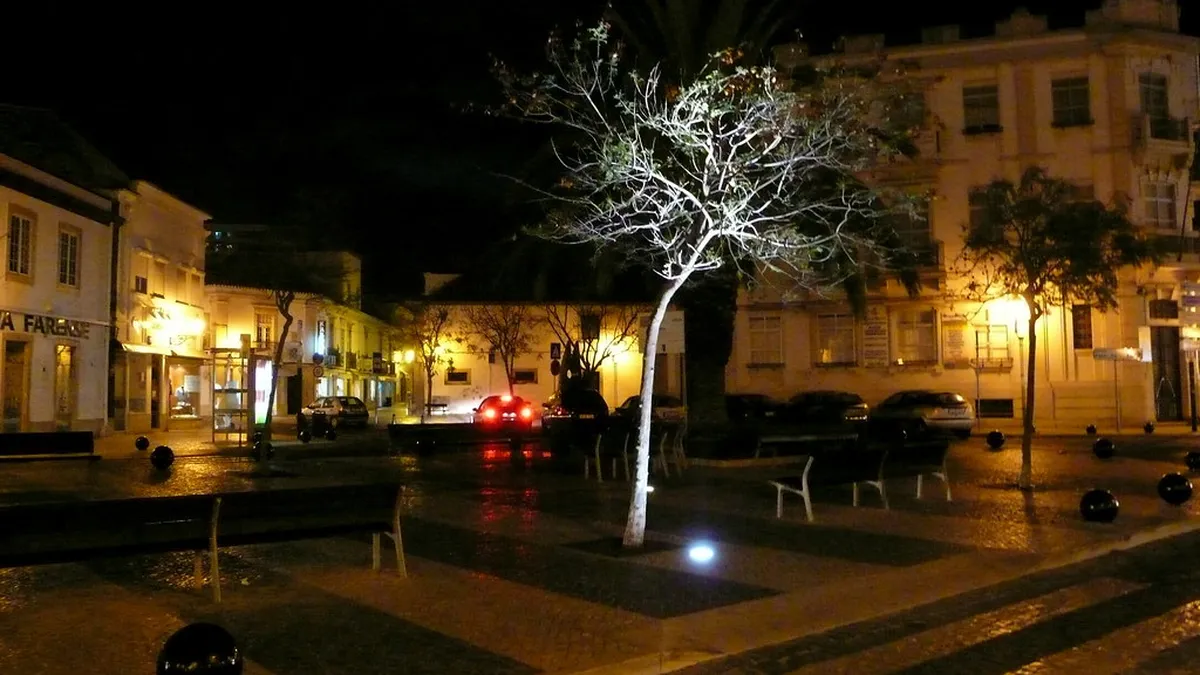
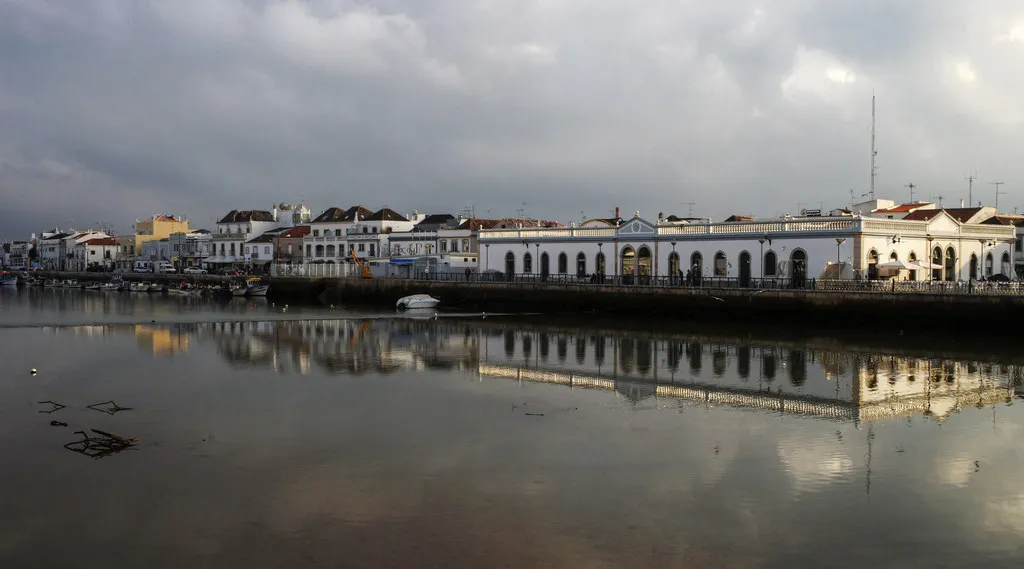
The nightlife in Tavira centers on two connected areas: the Praça da República and the Gilão riverfront. The Praça da República is the main town square — wide, tree-shaded, and lined with outdoor terraces that stay busy until midnight in summer. Locals and visitors share the same space here without the self-conscious separation you get in more tourist-heavy resorts.

The Roman Bridge (Ponte Romana) connects the two halves of the old town and is worth crossing slowly after dark. Lit from below, it frames the tiled merchant houses along the water. Street musicians sometimes perform at the southern end. It costs nothing and takes five minutes, but it is one of the best free experiences in Tavira after sunset.
For those who want a late-night option rather than a quiet terrace, Tavira does have a small club scene. The Meeting Room and Echo are the most frequently mentioned venues for groups — they run later than the wine bars and have a younger crowd on summer weekends. Neither is large by Albufeira standards, but they fill up fast in July and August.
If you want a busier evening overall, Faro nightlife bars and clubs is a realistic option. Faro is 35 km west by regional train and has a larger student population driving a livelier late-night scene. The last train back runs late enough to make a round trip workable.
Where to Drink: Tavira's Nightlife by Neighbourhood
The most useful thing competitors rarely explain is that Tavira's bar scene divides cleanly by neighbourhood, and each has a different feel. Choosing the right area for your group saves time and sets the right expectation before you leave the hotel.
The Gilão riverfront is where you find the cocktail and wine-bar crowd. The Nomad Lounge Terrace Bar and Arcada Cocktail & Wine Bar are the two most cited options for couples and quieter evenings. Both sit close to the water and lean toward creative cocktails and local wines over shots and cheap lager. Prices run slightly higher than backstreet taverns — expect €8–12 for a cocktail in 2026.
The old-town backstreets between the castle and the Praça da República hide the more local taverns. These are low-ceilinged, tiled places where a half-litre of Sagres costs under €3 and the clientele is a mix of Portuguese regulars and independent travellers. A few of these venues host impromptu fado sessions on weekend evenings — no schedule is published, so the best approach is to wander in around 21:30 and ask.
The Cabanas area, roughly 5 km east of Tavira along the coast road, has a different energy entirely. Santa Lucia Bar on the left bank of the Gilão River is a family-appropriate option with an outdoor esplanade and occasional live music. If you are staying with children or want a quieter option away from the old town, Cabanas is worth the short drive or taxi.
Rooftop Bar at the Maria Nova Lounge Hotel
The rooftop bar at what is now called the Maria Nova Lounge Hotel (formerly Porta Nova) is the most visible landmark of Tavira's evening scene. It sits on the northern edge of the town centre with panoramic views over the terracotta rooftops, the castle ruins, and the Gilão winding south toward the Ria Formosa. The light at sunset from this angle is genuinely remarkable.
The bar serves creative cocktails and a curated list of Alentejo and Algarve regional wines. Live DJs run on Saturday evenings during peak season (June–September); acoustic sets are more common earlier in the week. The atmosphere is smart-casual — no strict dress code, but flip-flops and beach towels look out of place. Prices are higher than street-level bars: €10–14 per cocktail is standard.
Arrive before 20:00 to guarantee an outdoor sofa during July and August. The bar is open to non-hotel guests, but terrace seating fills quickly on clear summer evenings. It is one of the few spots in Tavira where you can justify staying past 23:00 without feeling out of place.
The rooftop bar at Maria Nova Lounge Hotel is open to non-hotel guests. Cocktails run €10–14, and live DJs perform on Saturday evenings during peak season (June–September). Arrive before 20:00 in summer to secure outdoor terrace seating.
Museums, Art, and Culture After Dark
Tavira's cultural life does not stop at sunset. In summer, several of the town's historic churches and the castle gardens host outdoor concerts after 21:00. The Igreja da Misericórdia — the most significant Renaissance building in the Algarve, built between 1541 and 1551 — has been used as a concert venue for classical performances. Acoustics inside the three-nave interior are exceptional.
The Tavira Municipal Museum (Museu Municipal de Tavira, Palácio da Galeria) occasionally stays open late for special exhibitions. Check the Visit Portugal listings before your visit for current hours — seasonal schedules change and online sources frequently carry outdated information.
If you visit in late April, Freedom Day (Dia da Liberdade, April 25th) generates a genuine street festival atmosphere. The Camara Municipal de Tavira organises free public concerts in the Praça da República and along the riverfront. It is one of the few nights of the year when Tavira genuinely feels lively past midnight, even off-season.
Parks, Gardens, and Outdoor Evening Spots
The Jardim do Coreto, the oldest public garden in Tavira, sits by the river with lit pathways and a cast-iron bandstand shipped by sea from Porto in 1890. Local musicians perform near the bandstand during summer evenings — no entry fee, no schedule. It is the kind of thing you stumble into rather than plan, and it is better for that.

The Castelo de Tavira gardens are free to enter and offer the best elevated view of the illuminated town at night. Originally built by the Moors in the 10th century and expanded under Dom Afonso III, the castle walls are floodlit after dark and the gardens stay accessible into the evening. Couples consistently rate it as one of the most romantic free experiences in the town.
A river walk south from the Ponte Romana toward the fishing harbour takes around 20 minutes and passes the old Mercado da Ribeira (built 1887). The harbour has its own cluster of informal bars and fish restaurants that run later than the central square venues. Prices are lower and the clientele more local.
Family-Friendly and Budget-Friendly Evenings
Tavira's evening culture is genuinely family-inclusive. Children are welcome at every outdoor terrace and most restaurants until late — the Portuguese eating schedule means dinner does not start until 20:00, and tables with young children are normal at 21:30. Nobody will rush you out.
Budget travelers will find the pricing far below western Algarve levels. A domestic beer (Sagres, Super Bock) costs €2–3 in backstreet taverns; a glass of local wine runs €2.50–4. A full evening of drinks and petiscos (Portuguese tapas) for two rarely exceeds €30 if you stay off the riverside cocktail bars.
The Roman Bridge stroll is the definitive free evening activity. Street performers and artisans set up along the pedestrian crossing in summer. The view of the river from the bridge midpoint — both banks lit, boats below — is the image most visitors take away from Tavira.
Budget travelers can enjoy a full evening of drinks and petiscos (Portuguese tapas) for two for under €30 by staying in the backstreet taverns rather than riverside cocktail bars. A half-litre of Sagres costs under €3 in these local spots.
Festival do Marisco: What You Need to Know
If you visit in August, the Festival do Marisco in nearby Olhão is worth building your schedule around. Olhão is 20 km west of Tavira — a 25-minute drive or a short hop on the regional train. The festival runs across four days in mid-August at the Jardim Patrão Joaquim Lopes riverfront park, with live concerts every evening and dozens of seafood stalls open until the early hours.
The food is the main event: fresh oysters, amêijoas (clams), percebes (barnacles), and grilled bream served directly from the stalls at prices far below restaurant level. Entry costs a few Euros for the wristband. The big-name concert nights sell out — check the official Câmara Municipal de Olhão website in June for the 2026 programme and book tickets before you fly.
Practical notes: parking around Olhão is difficult during festival week. The regional train from Tavira runs frequently and drops you five minutes from the venue. Evenings are warm and humid in August, so plan for light clothing. Lines at the most popular stalls (especially oysters and clams) peak between 20:00 and 22:00 — arrive before or after to avoid the worst queues.
Tavira's Beaches: The Day Before the Night
The beaches near Tavira are among the most beautiful in Portugal, but the one thing that catches visitors off guard is that none are within walking distance of the town. They lie on Ilha de Tavira, a barrier island inside the Ria Formosa Natural Park, separated from the mainland by lagoons and mudflats. You reach them by ferry from Cais das Quatro Águas (year-round) or from the town centre quay (summer months only).
Praia de Tavira is the most accessible and busiest. Praia do Barril is quieter and reached by miniature train through the dunes — the rusting anchors of the Cemitério das Âncoras (a memorial from the old tuna-fishing community) make it one of the most unusual sights in the Algarve. Praia da Terra Estreita is the most isolated of the three main options, good for those who want space. All four named beaches (excluding the nudist Praia Naturista) hold Blue Flag certification.
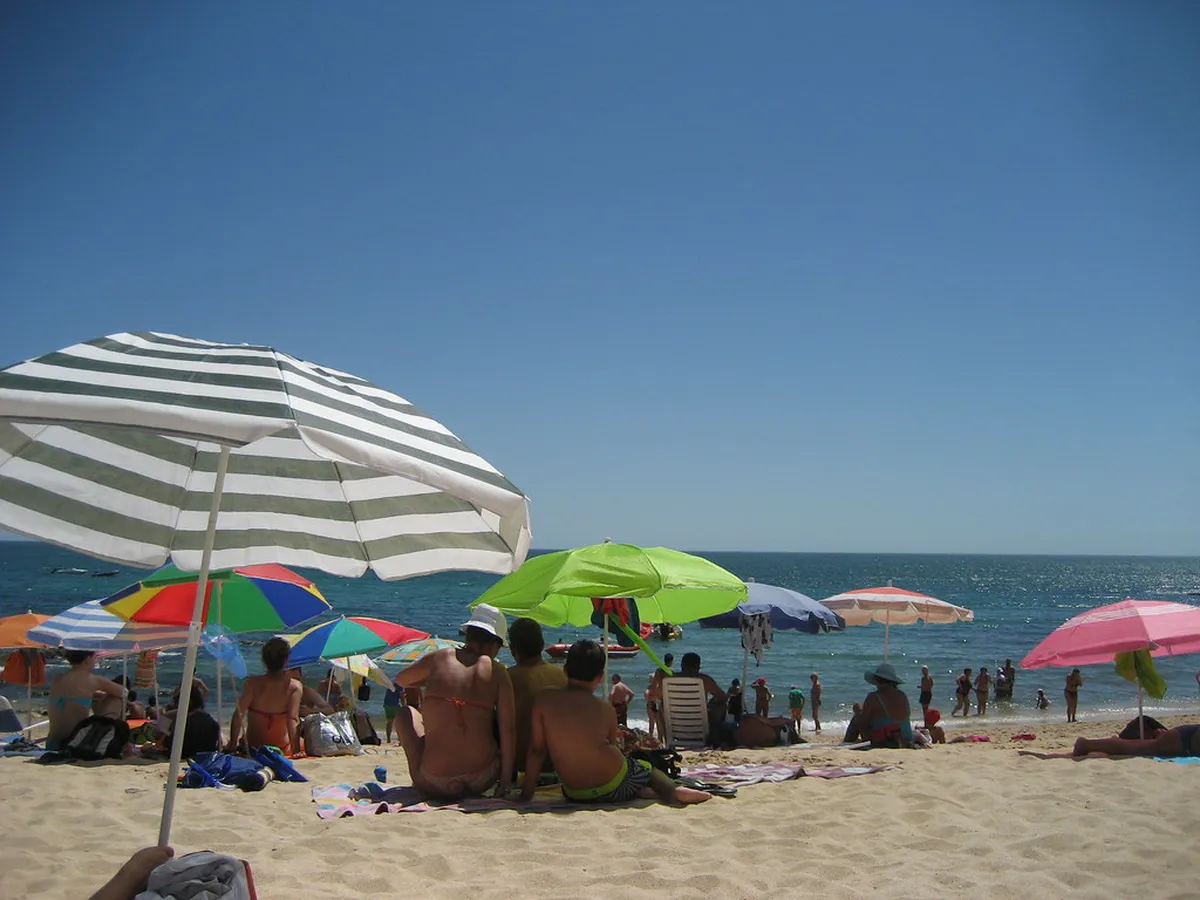
The Ilha de Tavira beaches face south-east and are sheltered from Atlantic swells, making the water calm enough for young children even in summer. The beach bars on Praia de Tavira serve cocktails on the beachfront from around 17:00, which makes for an easy transition from afternoon swim to early evening drink before catching the last ferry back. Compare this with Lagos' beaches if you want a rougher, surf-oriented coastline further west.
Getting to Tavira and Planning Your Stay
Faro Airport is the gateway for most visitors, sitting 35 km (about 40 minutes) west of Tavira. A pre-booked private transfer costs approximately €40–44 in 2026 and is the fastest option after a long flight. Uber and Bolt are both active but surge heavily in July and August — expect to wait 20–40 minutes for a connection during peak hours. The cheapest route is the Faro Airport bus to Faro train station, then the regional train east to Tavira for a combined fare of around €7.50, though the full journey can take up to two hours depending on timing.
How long to spend in Tavira depends on your travel style. Three to four days is enough to cover the historic centre, beaches, and evening scene without repeating yourself. A full week opens up day trips to Vila Real de Santo António (30 km east, on the Spanish border), Olhão, and the city of Faro. The eastern Algarve train line connects all of these towns with frequent departures and fares under €5 each way.
For accommodation, staying within the historic centre means you can walk to every bar and restaurant. The 4-star Maria Nova Lounge and Vila Galé Tavira are the two largest options with full facilities. The Pousada da Graça — a converted 16th-century convent painted bright yellow — is the most characterful choice. Budget travellers do well with the guesthouses converted from the grand merchant villas along the river: Formosa Guest House and Princesa do Gilão are reliable options. Book anything in the €60–120 per night range as early as March for July and August travel — Tavira's hotel stock is limited and fills faster than most visitors expect.
You can compare Tavira against other Algarve options in our full Algarve nightlife guide, or read about Albufeira Strip nightlife if you want a higher-energy alternative for part of your trip.
Frequently Asked Questions
Is Tavira the ideal holiday destination for you?
Tavira is perfect if you love history, quiet beaches, and relaxed evenings. If you want wild nightclubs, check our Algarve nightlife guide for busier towns. It offers an authentic Portuguese charm that is hard to find elsewhere.
How long to spend in Tavira?
Spend three to four days to explore the historic town and beaches. A week lets you enjoy day trips to nearby Spanish towns. You can easily experience the local evening scene at a relaxed pace.
Does Tavira have good beaches?
Yes, Tavira has beautiful island beaches with soft golden sand. You can reach them by a cheap ferry from the town centre. The beaches feature excellent seafood restaurants and calm waters.
What should travelers avoid when planning Tavira Nightlife?
Avoid expecting loud mega-clubs that stay open until noon. Tavira focuses on wine bars, taverns, and outdoor cafes. Plan your dinners around eight PM to match the local dining schedule.
Tavira rewards visitors who come expecting the real Algarve rather than a resort version of it. The evening scene is low-key, sociable, and cheap — exactly the conditions that make a good holiday. Riverside cocktails, impromptu fado in a backstreet tavern, and a walk home across a medieval bridge are difficult to beat anywhere in southern Portugal.
Plan your dinner for 20:00, start the evening in the old town, and let the night unfold from the Praça da República outward. You will find enough to fill every evening of a week-long stay without looking hard. For how Tavira's mellow scene compares with the rest of the region, see our Algarve nightlife guide.