
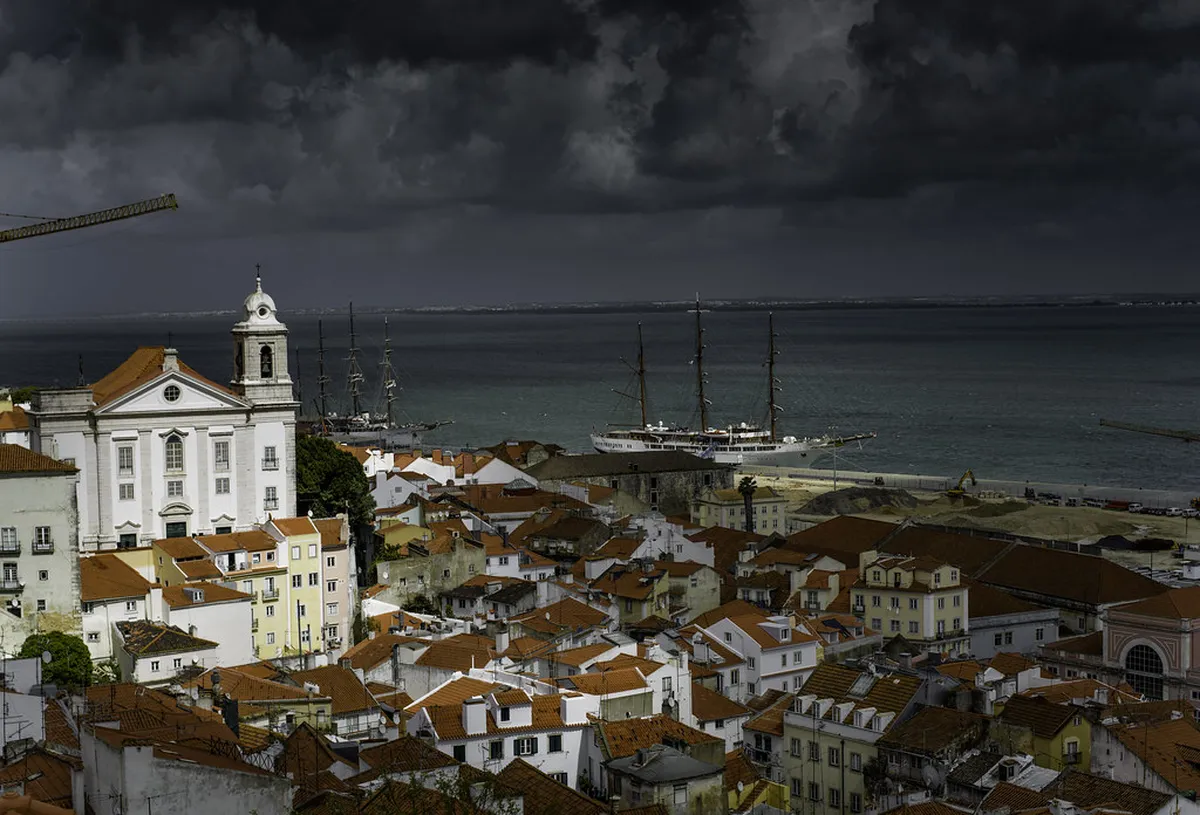
10 Essential Lisbon Neighborhoods: Where to Stay & Explore (2026)
Discover the 10 best Lisbon neighborhoods for your trip. From historic Alfama to trendy Príncipe Real, find the perfect area with our local guide and map.
On this page
10 Essential Lisbon Neighborhoods: Where to Stay & Explore
After my fourth visit to Lisbon this past autumn, I realized that the city's magic lies in its distinct pockets. Every district offers a completely different rhythm, from the rattling yellow trams to the scent of grilled sardines. Choosing the right base can determine whether you spend your trip climbing steep stairs or enjoying flat, breezy plazas.
This guide was last refreshed in early 2026 to reflect current prices and the newest local hotspots. I have personally walked these cobblestones to ensure the steepness ratings and transit tips remain accurate for your journey. Finding your ideal neighborhood requires a balance of convenience, budget, and your personal energy levels.
Lisbon continues to evolve as one of Europe's most popular capitals, yet its traditional soul remains intact in specific corners. We will explore the iconic landmarks and the quieter residential streets that most tourists accidentally overlook. Get ready to navigate the City of Seven Hills with confidence using these curated local insights.
Key Takeaways
- Best Overall: Chiado for its mix of culture, shopping, and central location.
- Best for Families: Estrela for its beautiful park and quieter residential feel.
- Best for Nightlife: Bairro Alto for its density of bars and vibrant street scene.
- Best Free Activity: Visiting the Miradouro da Senhora do Monte for the city's best sunset view.
- Best for Avoiding Hills: Baixa and the riverside strip between Cais do Sodré and Terreiro do Paço.
Understanding Lisbon's Layout Before You Book
Lisbon sits on a series of hills above the north bank of the Tagus estuary, and understanding the basic geography will save you from booking accommodation in the wrong spot. The flat zone runs along the waterfront — Baixa, Cais do Sodré, Belém — and climbs steeply inland toward Alfama, Graça, Bairro Alto, and Príncipe Real. The hills are not a minor inconvenience; some streets rise at gradients of 15 to 20 percent.
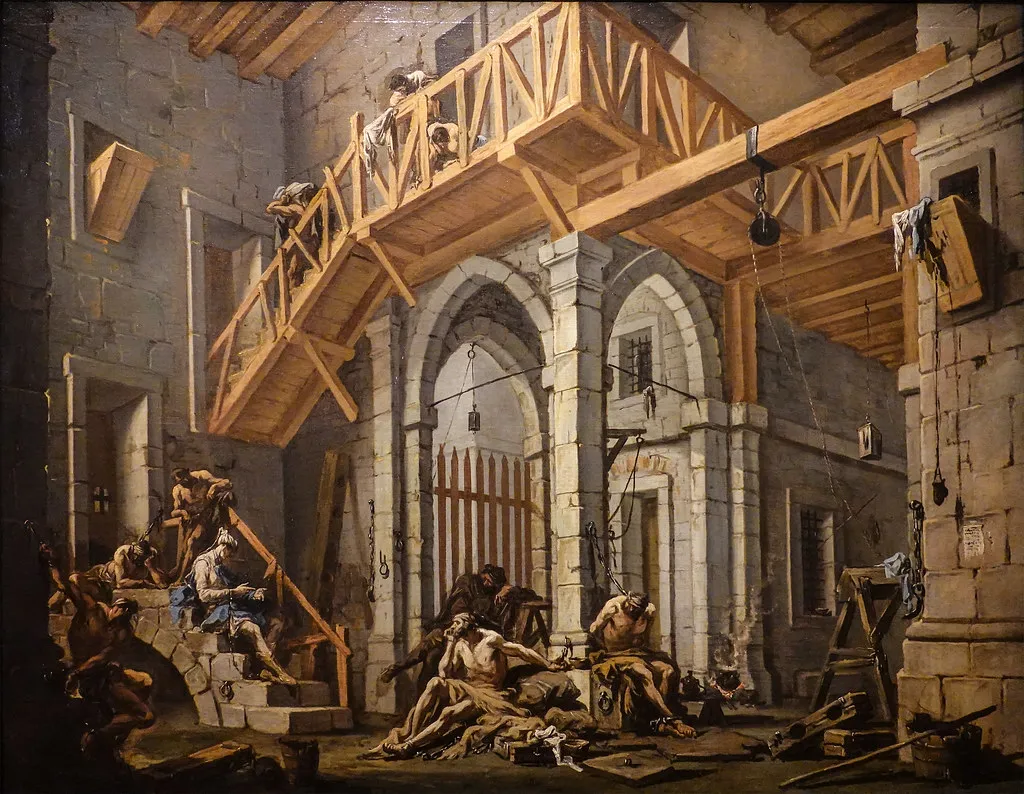
The city divides roughly into an eastern historic core (Alfama, Mouraria, Graça) and a western monumental quarter (Belém, Alcântara). The central plateau connects them through Baixa and Chiado. Most visitors find that staying anywhere within this central corridor gives easy metro or tram access to the rest.
For a broader orientation of the wider metro area and day-trip options, the official Visit Lisboa tourism portal maintains up-to-date transport maps and seasonal event calendars. It is the most reliable source for opening hours on museums and monuments, which change between summer and winter schedules.
Baixa: The Flat Central Hub for First-Timers
Baixa is the grid-plan district that the Marquês de Pombal designed after the 1755 earthquake, and its rationalist street layout makes it the most navigable area in the city. Everything is flat, the main drag Rua Augusta is pedestrianized, and every metro line passes through Baixa-Chiado or Rossio stations. If you are visiting Lisbon for the first time, a hotel here gives you zero navigational stress on arrival day.
The grand Praça do Comércio opens directly onto the Tagus, giving you a riverside square the size of several football pitches with free access around the clock. Ferries to Cacilhas depart from the adjacent Terreiro do Paço pier, and the Lisbon Story Centre museum on the square (around €7 in 2026) covers the earthquake and the city's reconstruction in detail.
The one drawback is that Baixa empties out at night. The streets feel institutional after 21:00, so it works better as a logistics base than a place to spend your evenings. Avoid the restaurants on the tourist strip of Rua Augusta — step one block back onto streets like Rua dos Correeiros or Rua da Conceição for much better quality at lower prices.
Alfama: The Soul of Old Lisbon
Alfama is Lisbon's oldest surviving district, pre-dating even the Roman settlement on the hilltop above. The Moors fortified this hillside between the 8th and 12th centuries, and the narrow, winding layout of the streets reflects that Islamic urban grain. Staying in the Alfama district means waking up to the sound of a city that still feels inhabited by its own history, not just by tourists.
The central anchor is the São Jorge Castle (€15 entry in 2026), which crowns the hill and offers a broad panorama of the city and the river. Below it, the Sé Cathedral and the Museu do Fado sit on the edge of the district near the more accessible lower streets. The Fado Museum charges €5 and gives excellent context before you spend on a live performance.
Fado dinners in Alfama typically run €35 to €70 per person including food and wine. The key distinction is between houses that operate as restaurants with music as atmosphere and dedicated Fado venues where silence is expected and the performance is the main event. Tasca do Chico on Rua do Diário de Notícias is one of the most respected small houses in the city, with tables for around 25 people — book weeks ahead in peak season. Tram 28 passes through Alfama, but the 737 bus (line 737) covers much of the same lower route without the crowds and rarely has a queue.
São Jorge Castle charges €15 entry in 2026, while the Fado Museum is just €5 — a worthwhile stop before booking a live performance. For dedicated Fado venues like Tasca do Chico, reserve weeks in advance during peak season (May to October).
Mouraria: The Neighborhood Most Guides Underrate
Mouraria sits just below Alfama on the western slope of the castle hill and is historically the quarter where Lisbon's Moorish residents were concentrated after the Christian reconquest in 1147. It remained a working-class neighborhood for centuries and only began attracting visitors seriously in the 2010s. In 2026 it occupies a sweet spot: genuinely local feel, a handful of excellent restaurants, and almost no tour-group foot traffic compared to Alfama.
The Intendente square at the northern edge of Mouraria has been transformed in recent years with independent cafes and a covered market selling produce, ceramics, and prepared food. The ceramic tile tradition is visible everywhere — look for the Fado singer Severa's mural on Rua do Capelão, a tribute to one of Fado's founding figures who lived in this district. The neighborhood also has a strong Cape Verdean and South Asian community concentrated around Largo do Intendente, which means the food options are some of the most diverse in the city.
Accommodation here is cheaper than in Alfama or Chiado. If you are on a mid-range budget and willing to walk twenty minutes to the main tourist corridor, Mouraria represents genuinely good value. The Mouraria neighbourhood is also one of the starting points for Lisbon's annual Santos Populares festival in June, when entire streets are decorated and sardines are grilled on every corner.
Chiado: Lisbon's Elegant Cultural Center
Chiado occupies the plateau above Baixa and is arguably the most livable neighborhood for a short stay. The streets are less steep than Alfama or Bairro Alto, the independent bookstores and design shops are genuinely good, and the café culture reaches a particular intensity here. Café A Brasileira on Rua Garrett has been operating since 1905 and is worth stopping for a bica espresso even if you sit on the terrace rather than the over-priced interior.
The Chiado neighborhood is home to the Museu do Chiado (Museu Nacional de Arte Contemporânea), the Teatro Nacional de São Carlos opera house, and the Carmo Convent — an open-air Gothic ruin whose roofless nave was never rebuilt after the 1755 earthquake and is now one of the most atmospheric museums in Portugal. Entry to the Carmo is around €5 and early morning visits before 10:00 are the most peaceful.
Shopping here leans toward Portuguese craft and contemporary design rather than fast fashion. Look at Livraria Bertrand on Rua Garrett, which holds the Guinness record for the world's oldest operating bookshop (founded 1732), for illustrated books and Portuguese literature in translation. The Baixa-Chiado metro station connects you to the entire city network in minutes.
Príncipe Real: Stylish Boutiques and Garden Views
Príncipe Real sits on a ridge above Chiado and is the neighborhood that most appeals to design-conscious travelers with a mid-to-upper budget. The central Jardim do Príncipe Real is a free garden with a large plane tree whose canopy provides shade for an outdoor chess table, a drinks kiosk, and an antiques market on Saturdays. It is the kind of square where you can spend two hours doing nothing productive and feel entirely justified.
The Príncipe Real area has the highest concentration of concept stores and independent Portuguese designers in the city. The Embaixada gallery on Rua da Escola Politécnica is housed in a neo-Moorish 19th-century palace and holds about twenty boutiques selling ceramics, textile, jewellery, and homeware. The adjoining Jardim Botânico (Botanical Garden) charges around €3 and is seriously undervisited given how beautiful it is.
Getting here from the lower city requires either a steep uphill walk or the Elevador da Glória funicular from Largo da Trindade (€3.80 each way using a Viva Viagem card). The 758 and 790 buses also serve the area. Most boutiques keep 10:00 to 20:00 hours through the week.
Bairro Alto: Quiet by Day, Loud by Night
Bairro Alto occupies the western hill directly above Chiado and has been Lisbon's nightlife district since the 1980s. During daylight hours it is a calm residential neighborhood of tall narrow buildings, laundry lines, and corner grocery shops. After 22:00 on Thursday to Saturday the streets fill with people moving between the small bars that line nearly every block, and the noise level builds steadily until the early morning.
The bar density here is extraordinary — in a four-block area you can find everything from jazz bars to sound-system dancehalls to cervejarias serving nothing but beer and olives. Most drinks cost €4 to €8. The street drinking culture means that much of the crowd spills onto the cobblestones with plastic cups, which the council has managed through a series of regulations limiting opening times to 03:00. Earplugs are a serious practical recommendation if your accommodation faces any of the main streets.
Staying in Bairro Alto makes most sense if you specifically came to Lisbon for the nightlife scene. Families and light sleepers should look elsewhere. The Bica Funicular (€3.80 on the Viva Viagem card) provides a scenic ride up from the Cais do Sodré direction, but walking down through Chiado is the more practical exit.
Cais do Sodré: The Waterfront Bar Quarter
Cais do Sodré is the central train station district on the riverfront west of Baixa, and it has transformed dramatically since 2010. The Mercado da Ribeira (Time Out Market) is here — a 1930s iron-and-glass market hall converted into a food hall with around forty restaurant counters under one roof. Prices are tourist-level (€12 to €20 per dish) but the quality is broadly reliable and the variety is hard to match for a quick meal.
The Pink Street (Rua Nova do Carvalho) is the cluster of bars that everyone photographs on Instagram. In honesty, it is more interesting late at night than it appears in daylight, when the painted cobblestones simply look like a street where someone spilled pink paint. The bars do get genuinely lively after midnight and the scale is more manageable than Bairro Alto. Regional trains to Cascais and Sintra depart from Cais do Sodré station, making this a practical base for day trips west.
The riverside promenade running east toward Praça do Comércio is entirely flat and makes a pleasant walk at any hour. Lisbon's most used ferry terminal connects from here to Cacilhas on the south bank, where the Cristo Rei statue and a quieter, local-feeling riverside town make a half-day excursion that most visitors skip.
Belém: Riverside Monuments and the World's Best Custard Tart
Belém sits about 6 km west of Baixa along the Tagus riverfront and contains the highest concentration of Manueline architecture in Portugal. The Torre de Belém (€6 entry, 2026) and the Mosteiro dos Jerónimos (€12, or a combined ticket with the Maritime Museum for around €15) are both UNESCO World Heritage sites and genuinely worth the journey. The monastery cloister in particular is one of the most elaborately carved stone spaces in Europe.
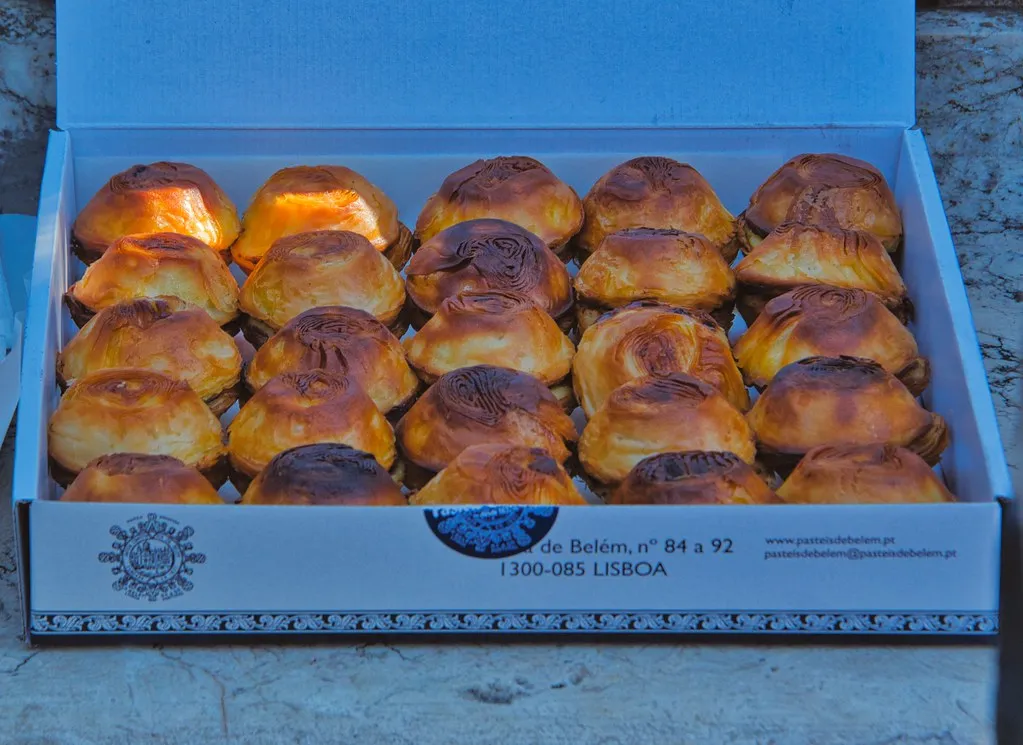
The Belém area is also where Pastéis de Belém has operated since 1837, producing the original recipe pastel de nata under a name protected by the Jerónimos monastery. The queue is real: arrive before 09:30 or after 16:00 on weekdays to avoid waiting more than twenty minutes. A single tart costs around €1.60 at the counter.
The 15E tram from Praça do Comércio is the scenic option, taking about 25 minutes on a good day. The regional train from Cais do Sodré to Belém station takes eight minutes and costs €1.50 with the Viva Viagem card — considerably faster and not dependent on tram congestion. The MAAT museum of contemporary art opened on the Belém waterfront in 2016 and has become one of the best modern art venues in Portugal, with the river-view terrace free to access.
Estrela and Lapa: A Peaceful Local Escape
Estrela and its lower neighbor Lapa form an upscale residential zone west of Bairro Alto that feels genuinely separate from the tourist circuit. The Jardim da Estrela is the finest public garden in central Lisbon — free, open daily from 07:00 to midnight, with ducks, a bandstand, a small café, and locals reading on benches at all hours. It is exactly the kind of urban green space that makes you understand why people actually live here.
The Basílica da Estrela opposite the park is a late-18th-century neoclassical church whose dome offers a panoramic view that almost no tourists visit, because climbing it requires asking at the sacristy and is rarely mentioned in guidebooks. The climb costs nothing and takes about ten minutes. Lapa below hosts the National Assembly building and several embassies, which keeps the streets calm and well-maintained.
The area is not served by metro. Tram 28 and bus lines 773 and 774 connect Estrela to Baixa and Chiado. For families with young children who find Alfama's cobblestones stroller-unfriendly, the Estrela garden and the flatter streets around the basilica provide a manageable daily routine. Accommodation here tends to be cheaper than equivalent quality in Chiado, with several good-value guesthouses on Rua Saraiva de Carvalho.
Graça: The Highest Views and a Village Feel
Graça sits above Alfama on the city's highest hill and maintains one of the strongest neighborhood identities in Lisbon. Unlike Alfama, which is now heavily touristic, Graça still functions primarily as a residential district where locals shop at the covered market, gather at the café on the corner, and largely outnumber visitors even in summer. The Miradouro da Senhora do Monte at the top is the highest viewpoint in the city and offers an unobstructed panorama that includes São Jorge Castle in the foreground, the Tagus in the middle distance, and the bridge to the south.
The Miradouro da Graça is the other main viewpoint, slightly lower and equipped with a popular outdoor kiosk-bar that stays open into the evening. Both viewpoints are free and accessible around the clock. Tram 28 terminates at Graça, and the walk up from Alfama takes about fifteen minutes — steep but manageable if you take the Escadinhas de Santo Estêvão staircase route, which passes some of the best tile work in the city.
The neighborhood is worth considering as a base if you want the character of Alfama without the full density of tour groups. Accommodation prices are around 15 to 20 percent lower than equivalent Alfama properties. The Sunday morning flea market at the Feira da Ladra in nearby Campo de Santa Clara is one of the best in Lisbon, selling everything from vintage furniture to old postcards at genuinely negotiable prices.
Alcântara: Industrial Cool and LX Factory
Alcântara is the former industrial zone under the 25 de Abril suspension bridge, and it is worth at least a half-day. The LX Factory occupies a 19th-century textile mill complex converted into a cluster of independent shops, restaurants, studios, and event spaces. The Sunday market is the best version of the experience — around 200 vendors selling vintage clothing, plants, ceramics, books, and street food, with a crowd that is genuinely mixed between locals and tourists.
The complex opens daily with most shops from 11:00. Rio Maravilha on the top floor has a rooftop terrace with a direct view of the bridge and river. The surrounding Alcântara streets hold a few good independent restaurants and the LxBrick vintage kiosk culture that has spread from here across the city. Alcântara-Mar train station, a six-minute ride from Cais do Sodré, sits at the edge of the complex.
Staying in Alcântara is a niche choice — it makes sense if you have specific business at the riverfront or want a quieter base with easy train access to Belém and Cascais. The 15E tram from Praça do Comércio takes about 20 minutes. For most visitors it works better as a half-day excursion.
Avenida da Liberdade: The Luxury Boulevard
The Avenida da Liberdade is Lisbon's kilometer-long answer to the Champs-Élysées — a wide, tree-shaded boulevard running north from Restauradores square toward the Marquês de Pombal roundabout. It is flat, spacious, and lined with the major luxury brands alongside several five-star hotels. For business travelers or those who prioritize modern amenities, a hotel on or just off the Avenida removes most urban friction.
The boulevard itself is pleasant to walk at any time of day. The kiosks along the central walkway serve decent coffee at reasonable prices. Pombalino square at the northern end has a large bronze lion that serves as a universal meeting point. The blue metro line runs underneath with stops at Avenida station (midpoint) and Marquês de Pombal (top end), giving fast connections to the airport and the rest of the network.
Accommodation here is noticeably more expensive than equivalent-star options in Chiado or Príncipe Real. The payoff is size — hotel rooms here tend to be larger, with better air conditioning and parking. The neighborhood lacks the atmospheric quality of the older districts and the dining scene is oriented toward hotel restaurants and international brands rather than local tasca culture.
Tram 28, the Pickpocket Risk, and the 737 Workaround
Tram 28 is the most photographed vehicle in Lisbon and also the most reliably overcrowded one. The yellow narrow-gauge trams on this line are genuine working vehicles from the 1930s, and the route through Alfama and Graça is undeniably scenic. But in peak season — May to October — the trams run packed to standing capacity, with queues of 30 to 60 people at major stops. Pickpocketing on tram 28 is the single most reported tourist crime in Lisbon, concentrated in the Alfama section where the car is most crowded and most distracted by the views.
The practical workaround that almost no guidebook explains: bus line 737 runs a broadly similar loop through the Mouraria-Alfama hill and costs the same €1.50 on a Viva Viagem card. It is never full, runs modern air-conditioned vehicles, and is used almost exclusively by residents. You lose the yellow tram aesthetic but you arrive at your destination with your phone still in your pocket.
For transit generally, the Viva Viagem rechargeable card (€0.50 card fee, available at all metro stations) covers metro, tram, bus, and funicular journeys within the city at €1.50 per journey. A 24-hour unlimited pass costs €6.70 and covers all Carris bus and tram lines plus the metro. The Visit Portugal national tourism portal also lists regional rail passes covering Sintra and Cascais day trips from Lisbon, which can save money if you plan multiple excursions in a single day.
Pickpocketing on Tram 28 is the single most reported tourist crime in Lisbon, concentrated in the Alfama section where cars are most crowded. Bus line 737 covers a broadly similar route at the same €1.50 fare on a Viva Viagem card, runs modern air-conditioned vehicles, and is used almost exclusively by residents.
Accommodation Costs by Neighborhood (2026)
Prices across Lisbon have risen sharply since 2019 but remain below equivalent European capitals. As a general guide for 2026, budget travelers paying under €80 per night for a double room will find most options in Mouraria, Graça, Alcântara, and the outer parts of Alfama. The mid-range of €80 to €150 covers good-quality guesthouses in Chiado, Baixa, Bairro Alto, and Estrela. Príncipe Real, Avenida da Liberdade, and the more central Alfama properties typically run €150 and up for anything with a private bathroom.
The general rule is that anything with a castle view or a Tagus river view carries a 25 to 40 percent premium over similar interior-facing rooms in the same property. Views from Graça and Alfama miradouros are free — paying a premium for a hotel room view is only worth it if you value waking up to it at sunrise or watching the city lights from bed at night.
Short-term apartment rentals through platforms like Airbnb remain available in Lisbon despite regulation introduced in 2023, but supply in the historic center has tightened. For stays of five nights or more, serviced apartments in the Intendente-Mouraria area frequently undercut hotel pricing by 30 percent while providing kitchen access. This is particularly relevant for families or those who want to cook using produce from the Mercado de Arroios, which is the least touristic major food market in the city.
How to Choose: Which Lisbon Neighborhood Is Best for You?
Selecting the right area depends heavily on your physical ability and what you want to experience nearby. If you struggle with steep inclines, the Baixa district and the Avenida da Liberdade corridor offer the flattest terrain. Those seeking a romantic, historic atmosphere should prioritize Alfama or Graça despite the many stairs involved.
Families often find Estrela and Lapa more manageable because of the parks and quieter streets. For nightlife, Bairro Alto is the undisputed density champion, though Cais do Sodré is more contained and less likely to keep you awake if your hotel is a block away. Príncipe Real offers the best balance of local feel and high-end convenience for mid-range travelers who want to shop, eat well, and avoid the tour-group concentrations.
Consider transit links if you plan on taking day trips to Sintra or Cascais. Staying near Rossio or Cais do Sodré stations will save you a lot of time on morning departures. Read the full breakdown in our where to stay in Lisbon guide for specific hotel recommendations by budget tier.
Navigating the City: A 48-Hour Neighborhood Flow
To see the best of Lisbon in two days, group your visits by geographic proximity. On day one, start in Baixa and walk up through Chiado into Príncipe Real in the morning. After lunch, cross into Mouraria and continue up the hill into Alfama in the afternoon. End the evening at either the Miradouro da Senhora do Monte in Graça or the Miradouro de Santa Luzia in Alfama for the city lights over the river.
Day two should focus on the western arc. Start with the monuments in Belém — take the regional train from Cais do Sodré (eight minutes, €1.50) rather than the tram to save time. After a morning at the Jerónimos Monastery and Torre de Belém, take the 15E tram back toward Alcântara to explore the LX Factory. End with a sunset drink at the riverside at Cais do Sodré before walking up to Bairro Alto if you want a late night out.
A note on pacing: Lisbon rewards slow walking more than most cities. The most memorable moments — a hidden azulejo panel in a stairwell, a fado guitar drifting through a window — happen between the landmarks rather than at them. The metro is faster, but walking between adjacent neighborhoods means you won't miss the city that exists between the official attractions.
Frequently Asked Questions
Which Lisbon neighborhoods are best for first-time visitors?
Baixa and Chiado are the best areas for first-timers due to their central location and flat terrain. You will be within walking distance of major landmarks and have easy access to all metro lines.
Is it better to stay in Baixa or Alfama?
Baixa is better for convenience and modern hotels, while Alfama offers a more traditional and romantic atmosphere. Choose Baixa if you dislike hills and Alfama if you want historic charm.
What is the safest neighborhood in Lisbon for tourists?
Príncipe Real and Estrela are considered among the safest and most upscale residential neighborhoods. While Lisbon is generally very safe, these areas are quieter and have less late-night noise.
Explore Lisbon Neighborhood by Neighborhood
Use these in-depth district guides to plan exactly where to stay, eat, and wander across Lisbon.
Historic Core
Nightlife & Riverside
Elegant & Residential
Belém & Modern Lisbon
Lisbon's neighborhoods each tell a different story of the city's long and resilient history. By choosing the right district for your home base, you can tailor your experience to match your travel style. Whether you prefer the luxury of the boulevards or the grit of the old alleys, this city has a place for you.
Remember to pack comfortable shoes and embrace the slower pace of life found in the local squares. The best discoveries in Lisbon often happen when you take a wrong turn and find a hidden viewpoint. Enjoy your journey through one of Europe's most captivating and colorful capitals.
 15 Magical Things To Do In Óbidos, Portugal (2026)June 11, 2026
 10 Best Family-Friendly Hotels in Lisbon (2026)May 29, 2026