
Mouraria Lisbon: A Local Guide to the Moorish Quarter
Explore Mouraria, Lisbon's most multicultural neighborhood. Discover the birthplace of Fado, hidden Moorish history, top restaurants, and practical travel tips.
On this page
Mouraria Lisbon: Exploring the Soul of the Moorish Quarter
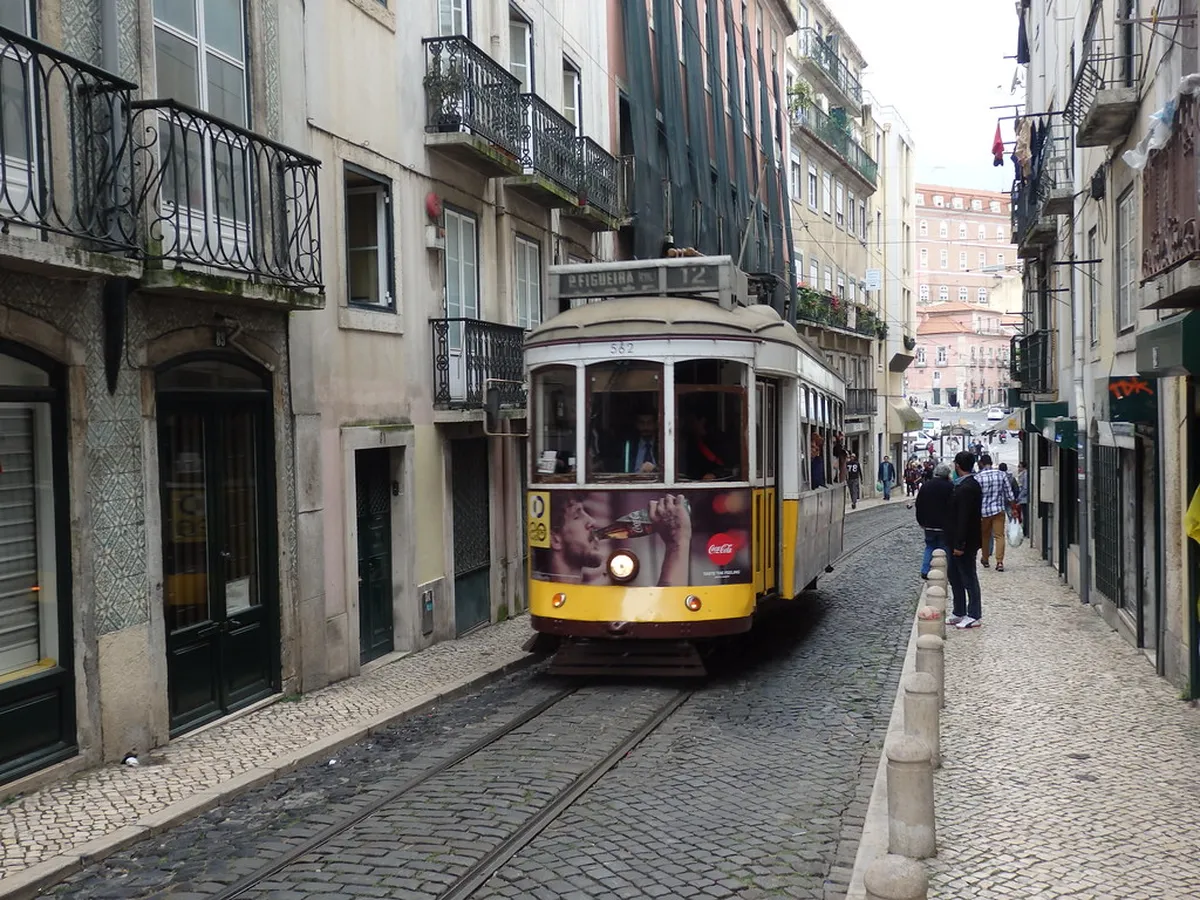
Mouraria is often called the best-kept secret in the Portuguese capital. This historic district sits directly below the walls of Castelo de São Jorge and offers a gritty alternative to the polished streets of Chiado. Travelers visiting mouraria lisbon will find a labyrinth of narrow alleys, faded tile facades, and laundry lines hanging between balconies.
The district is the documented birthplace of Fado music and home to over 50 nationalities packed into a few medieval blocks. While many visitors flock to neighboring Alfama Lisbon, Mouraria still feels lived-in. This 2026 guide covers the history, the walking route, the curry houses, the family logistics, and the sunset spot that locals still keep quiet about.
Soul of Lisbon: A Brief History of the Mouraria District
The history of this area dates back to the 12th century. After King Afonso Henriques conquered the city in 1147, he designated this quarter as the place where the remaining Moors were allowed to live. The name Mouraria literally translates to place where the Moors live. It served as a segregated community outside the main city walls until 1497, when Muslims and Jews were expelled from Portugal.
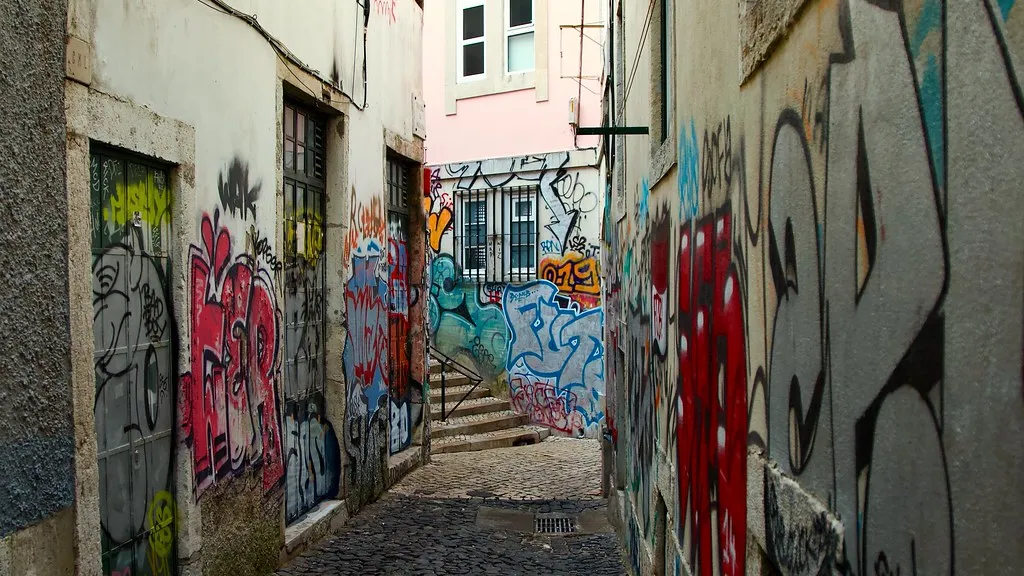
The neighborhood is famous for surviving the catastrophic 1755 earthquake. Because it was built on solid limestone bedrock and largely ignored by the post-quake reconstruction plans, much of its medieval street layout remained intact. Walking through these alleys today feels like stepping back into a pre-earthquake era. The tight grid of stairs and lanes still defines the district.
In the 19th century, the area became a hub for the working class and the city's marginalized artists. That social environment fostered the birth of Fado, Portugal's soulful national music, later inscribed on UNESCO's Intangible Cultural Heritage list in 2011. Today the district has transformed into Lisbon's most multicultural quarter, with over 50 nationalities calling these stone streets home.
- 1147: Christian conquest of Lisbon by King Afonso Henriques
- 1497: Forced expulsion of Muslims and Jews from Portugal
- 1755: Survival of the Great Earthquake on the limestone hill
- 1820s: Emergence of Fado in the taverns of Maria Severa
- 2009: City-led rehabilitation project to integrate locals and immigrants
- 2026: Active multicultural community with 50+ nationalities
Mouraria survived the catastrophic 1755 earthquake because it sits on solid limestone bedrock. Its medieval street layout remains largely intact, making it one of the few areas in central Lisbon where you can still walk pre-earthquake lanes.
Must-See Mouraria Attractions and Hidden Corners
The most useful frame for exploring Mouraria is the contrast between its lower and upper halves. Lower Mouraria around Praça Martim Moniz is a bustling international bazaar of curry houses, Indian textile shops, and Chinese supermarkets. As you climb toward the castle, the atmosphere shifts to medieval lanes, tile-covered facades, and tiny squares.
Start at Largo da Achada, one of the oldest squares in Lisbon. You can see one of the few surviving medieval houses with a traditional Gothic door. From there walk up Rua das Farinhas, a narrow street that captures the well-worn, shabby-chic charm the neighborhood is known for. Set your expectations: this is not a polished area, and that is exactly the point.
Look closely at the building facades as you wander. Many are decorated with weathered azulejos, and a series of black-and-white photographs by British artist Camilla Watson honors elderly long-time residents. The portal at the top of Rua do Regedor is a Manueline gateway that once led to a 15th-century palace. Just below the castle walls, St. Christopher's Church houses 36 paintings by 17th-century artist Bento Coelho da Silveira.
- Largo da Achada — medieval house with Gothic windows from the 1500s
- Rua das Farinhas — iconic shabby-chic street photography
- Largo da Severa — birthplace of Fado singer Maria Severa
- Beco das Farinhas — laundry lines, Camilla Watson portrait gallery
- St. Christopher's Church — 13th-century church with restored gilded interior
- Praça Martim Moniz — tram 28 terminus and Mercado Fusão food kiosks
Museums, Art, and the Birthplace of Fado
Mouraria is inseparable from the history of Fado. Maria Severa, the first legendary Fado singer, lived and performed in these streets in the 1830s. Her former house on Largo da Severa now hosts the Maria da Mouraria restaurant and Fado venue. The history of Fado traces its lyrical roots back to the 1820s taverns of this exact district. Many later stars followed in her footsteps, including Mariza, the biggest name in contemporary Fado. For deeper context on the genre's instrumentation and lineage, the Museu do Fado in nearby Alfama is the definitive archive.
The Fado Murals walking route is the best self-guided tour in the area. Begin at the Escadinhas de São Cristóvão to see the famous Fado Vadio mural depicting the singers and characters of the genre. Continue along Rua do Capelão, where a stone-engraved guitar marks an open-air gallery of portraits of legendary fadistas. Finish at Largo da Severa. Check out the Fado Legends Mural Image to preview the artwork.
Where you actually hear Fado matters as much as where it was born. The neighborhood splits cleanly into two listening experiences, and the right choice depends on your budget and patience for tourist menus.
- Tourist Fado venues (Maria da Mouraria, polished Fado houses): set menus from EUR 35 to 60 per person, advance booking required, English-speaking staff, 90-minute show with three or four performers, fixed start at 20:00 or 21:30.
- Local tavern Fado (Tasca do Chico in Bairro Alto, smaller spots around Largo da Severa, Casa-Museu Fernando Maurício): drinks-only minimum around EUR 8 to 15, walk-in seating, mostly Portuguese spoken, irregular sets that start when the singer feels like it, often after 22:30 on weekends.
You can find more venue-by-venue detail in our Lisbon Fado music guide. For a first-time visitor with one evening in Lisbon, a tourist house is safer; for a second visit, a tavern is the real thing.
Parks and Views: Finding Quiet in Jardim da Cerca da Graça
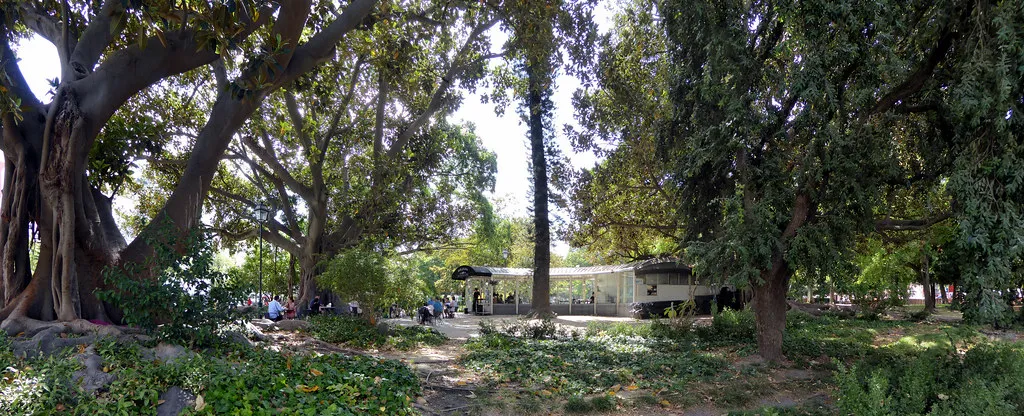
Escape the urban bustle at Jardim da Cerca da Graça. This large terraced green space sits on the border between Mouraria and Graça and offers some of the best panoramic views of the Castle of São Jorge. It is significantly less crowded than Miradouro da Graça or Senhora do Monte just up the hill.
The local move is timing your visit for sunset. Pick up a bottle of Vinho Verde and a couple of pastéis de bacalhau from the corner mini-market on Rua dos Cavaleiros, then arrive about 45 minutes before official sundown to claim a bench on the upper terraces. Aim for around 19:30 in summer and 17:30 in winter. The park has a small kiosk serving drinks and light snacks if you forgot supplies.
Children can roam the grassy slopes while parents take in the view, which makes this one of the only sunset miradouros in Lisbon that genuinely works for families. Compare with the other options in our list of Lisbon viewpoints. The atmosphere here stays laid-back even at peak summer.
A Multicultural Culinary Journey: From Curry to Petiscos
The food scene in Mouraria is a direct reflection of its 50-plus nationalities. You can move from spicy Mozambican curries to Bangladeshi thalis to traditional Portuguese petiscos within three blocks. Rua do Regedor and Rua dos Cavaleiros form the heart of this culinary melting pot, and prices here run roughly 30 to 40 percent lower than in the Baixa tourist core.
Skip the generic "multicultural" label and order specifically. A few proven anchors for a planned food crawl:
- Cantinho do Aziz (Rua de São Lourenço) — Mozambican classics. Order the frango zambeziano (coconut and chili chicken) or the caril de camarão (prawn curry). Mains around EUR 14 to 18.
- Tentações de Goa (Rua de São Pedro Mártir) — Goan-Indian, tiny dining room, run by a Portuguese-Indian family. The vindaloo and the sarapatel are the signatures. Mains around EUR 12 to 16.
- Cantina Baldracca (off Rua dos Cavaleiros) — Nepalese-Tibetan momos, dal bhat, and chow mein. Lunch thali around EUR 9.
- Zé da Mouraria (Rua João do Outeiro) — traditional Portuguese tasca with massive cod and steak portions meant to share. Lunch only, queue from 12:30. Mains around EUR 14 to 22 for two.
- O Velho Eurico (Largo de São Cristóvão) — modern petiscos and natural wine from a small kitchen run by ex-fine-dining chefs. Reservations essential. Plates EUR 6 to 14.
- Mercado Fusão at Praça Martim Moniz — open-air food kiosks rotating Senegalese, Pakistani, Brazilian, and Korean stalls. Plates EUR 7 to 10.
For a truly low-key local move, look for the hidden Chinese restaurants tucked inside upper-floor apartments around Rua do Benformoso. They have no signage and a menu posted next to a doorbell. Hot pot for four people typically lands around EUR 25 to 40. See our broader best restaurants in Lisbon guide for cross-neighborhood options.
Prices in Mouraria run 30–40% lower than in the Baixa tourist core. Skip the generic tourist menus and head to Rua do Regedor or Rua dos Cavaleiros for Mozambican, Goan, and Nepalese kitchens where mains average EUR 9–18.
Festas de Santo António: When Mouraria Takes Over the Streets
If you are visiting in June 2026, the entire calendar shifts. The Festas de Santo António turn Mouraria's lanes into a continuous open-air party from roughly June 1 to June 13, peaking on the night of June 12 to 13. Charcoal grills appear on every corner, the smell of grilled sardines hangs over the alleys, and improvised stages host amateur Fado, marchas populares parades, and pop-up DJ sets until 04:00.
This is genuinely Mouraria's moment, more than Alfama's, because the Mouraria marcha (a costumed parade group) is a multi-decade institution and competes annually on Avenida da Liberdade. Cheap plastic-cup ginjinha runs EUR 1 to 2, a sardine-and-bread plate is EUR 4 to 6, and the music is free. The downside is that hotels in the area book up six months out and rates double or triple.
If you do want sleep, do not stay on Rua do Capelão, Largo da Severa, or anywhere on Rua dos Cavaleiros that week — the noise is constant past 02:00. If you do not want sleep, this is the most concentrated cultural festival in Western Europe and worth scheduling around.
Family-Friendly and Budget-Friendly Tips for Mouraria
Mouraria works for families and tight budgets better than most of central Lisbon, but only if you plan around the hills. The cobblestones are uneven and many "streets" are flights of stairs, so strollers below the age of robust three-wheel models will struggle. A baby carrier is the right call for kids under three.
For budget travelers, the math is simple: eat lunch in Mouraria, pay 30 to 40 percent less than Chiado for the same meal, and use the Lisboa Card (EUR 22 for 24 hours, EUR 37 for 48 hours, EUR 46 for 72 hours in 2026) to get free metro, tram, and bus including the famous tram 28 that climbs through the upper neighborhood.
- Free for kids: Largo da Achada, the Camilla Watson photo gallery on Beco das Farinhas, the Fado mural at Escadinhas de São Cristóvão.
- Cheap eats for families: Mercado Fusão at Martim Moniz (kid-friendly seating, varied stalls), Cantinho do Aziz (kids' rice plate around EUR 6).
- Public toilets: Praça Martim Moniz metro station and Jardim da Cerca da Graça (small fee or free with park kiosk purchase).
- Drinking water: free public fountains in Largo da Achada and along Rua dos Cavaleiros.
- Avoid the steepest stairs by approaching from Graça rather than Martim Moniz when traveling with little kids.
How to Plan a Smooth Day in Lisbon's Moorish Quarter
The fastest way to reach Mouraria from anywhere in central Lisbon is the green-line metro to Martim Moniz (EUR 1.80 single ticket, EUR 6.80 day pass in 2026). Trains run every 4 to 7 minutes between 06:30 and 01:00. From the platform exit you are already in the lower part of the neighborhood. Tram 28 also terminates here, but boarding from this end of the line is the only way to actually find a seat.
The other smart option is to walk in from Rua da Madalena in Baixa: turn east at Largo Adelino Amaro da Costa and climb Rua do Regedor. This drops you directly into the Manueline portal and Largo da Achada within 8 minutes from Praça do Comércio. Plan for hills regardless of approach — the upper neighborhood sits 60 to 80 metres above Baixa.
For a low-impact route that avoids the worst climbs, take the green-line metro one stop further to Rossio, then catch the Elevador da Graça bus 734 (covered by the Lisboa Card) up to the Graça plateau. From there you walk down through Mouraria via Jardim da Cerca da Graça and finish at Martim Moniz. This downhill direction is the one most accessible-mobility travelers and grandparents prefer. There is no funicular inside Mouraria itself, so the bus is the closest thing to a stair-free option.
For a half-day visit, allow 2.5 to 3 hours and combine with the castle and Baixa Lisbon. For a full day, add the Fado mural route, lunch at Cantinho do Aziz or Zé da Mouraria, and finish with sunset at Jardim da Cerca da Graça. See our broader Lisbon transport guide for ticket types and connecting routes.
Where to Stay: Top Accommodations in and Around Mouraria
Staying in or near Mouraria gets you the city's authentic rhythm and a 5 to 10 minute walk to most major sights. The trade-off is hills and cobblestones, so request a property with an elevator if you have luggage or mobility limitations. Avoid streets directly beneath Largo da Severa during festival season unless you actively want noise.
For a luxury stay with views, the Pousada de Alfama sits on the edge of the historic district just across from Miradouro das Portas do Sol. Rooms feature historical pieces from the Museu de Lisboa and a Bordalo II graffiti work in the courtyard. Rates from around EUR 150 per night.
For a more flexible apartment-style option, Tandem Palacio Alfama Suites offers modern apartments with kitchenette, gym, and outdoor pool. Good for families or longer stays. Rates from around EUR 200. The São Vicente Alfama Hotel and the small Mouraria Lisboa Hotel near Rossio are reliable mid-range options under EUR 130.
- Pousada de Alfama — boutique 4-star, museum partnership, great views (from EUR 150)
- Tandem Palacio Alfama Suites — apartment-style with pool and gym (from EUR 200)
- São Vicente Alfama Hotel — 22 historic rooms, on-site art workshops (from EUR 200)
- Mouraria Lisboa Hotel — small, bright, 10-minute walk from Rossio (from EUR 100)
- Inn Possible Lisbon Hostel — budget dorms and private rooms in lower Mouraria
Beyond Mouraria: Alfama, Bairro Alto, and Príncipe Real
Mouraria pairs naturally with three adjacent neighborhoods, each pulling in a different direction. Crossing the castle hill east drops you into Alfama, the more famous medieval cousin, which holds the cathedral, the Fado Museum, the Feira da Ladra flea market on Tuesdays and Saturdays, and the Panteão Nacional. Alfama is more touristy but also more sight-dense.
West across the Baixa valley, Bairro Alto turns on after dark with its bar streets and small live-music venues. It is the obvious second move after a Fado night in Mouraria if you still have energy at 23:00. Further west, Príncipe Real offers concept stores, design hotels, and the Embaixada arcade — the polished counterpoint to Mouraria's grit.
If you only have one day in Lisbon, do Mouraria and Alfama back-to-back. If you have three days, layer in Bairro Alto for nightlife and Príncipe Real for shopping and brunch. The full miradouros viewpoint guide connects all four neighborhoods on foot via their shared ridge.
Frequently Asked Questions
Is Mouraria Lisbon safe for tourists?
Yes, Mouraria is generally safe for tourists during the day and night. Like any urban area, you should stay aware of your surroundings and keep an eye on your belongings. The neighborhood has improved significantly over the last decade and is now a popular spot for local families and visitors alike.
What is the difference between Alfama and Mouraria?
Alfama is more famous and often more crowded with tourists and souvenir shops. Mouraria feels more authentic and multicultural, with a gritty charm that reflects its local roots. While both districts have narrow streets and Fado history, Mouraria offers a more diverse culinary scene and fewer crowds.
How do I get to Mouraria from central Lisbon?
The easiest way to reach the neighborhood is by taking the Metro to the Martim Moniz station on the Green Line. From there, it is a short walk into the heart of the district. You can also take the iconic Tram 28, which passes through the upper edges of the neighborhood near Graça.
Mouraria remains a vital part of Lisbon's cultural identity. It offers a rare glimpse into the city's medieval past while embracing a vibrant, multicultural future. Whether you are hunting for street art, a Bangladeshi thali, or the perfect sunset spot, this district rewards travelers who slow down.
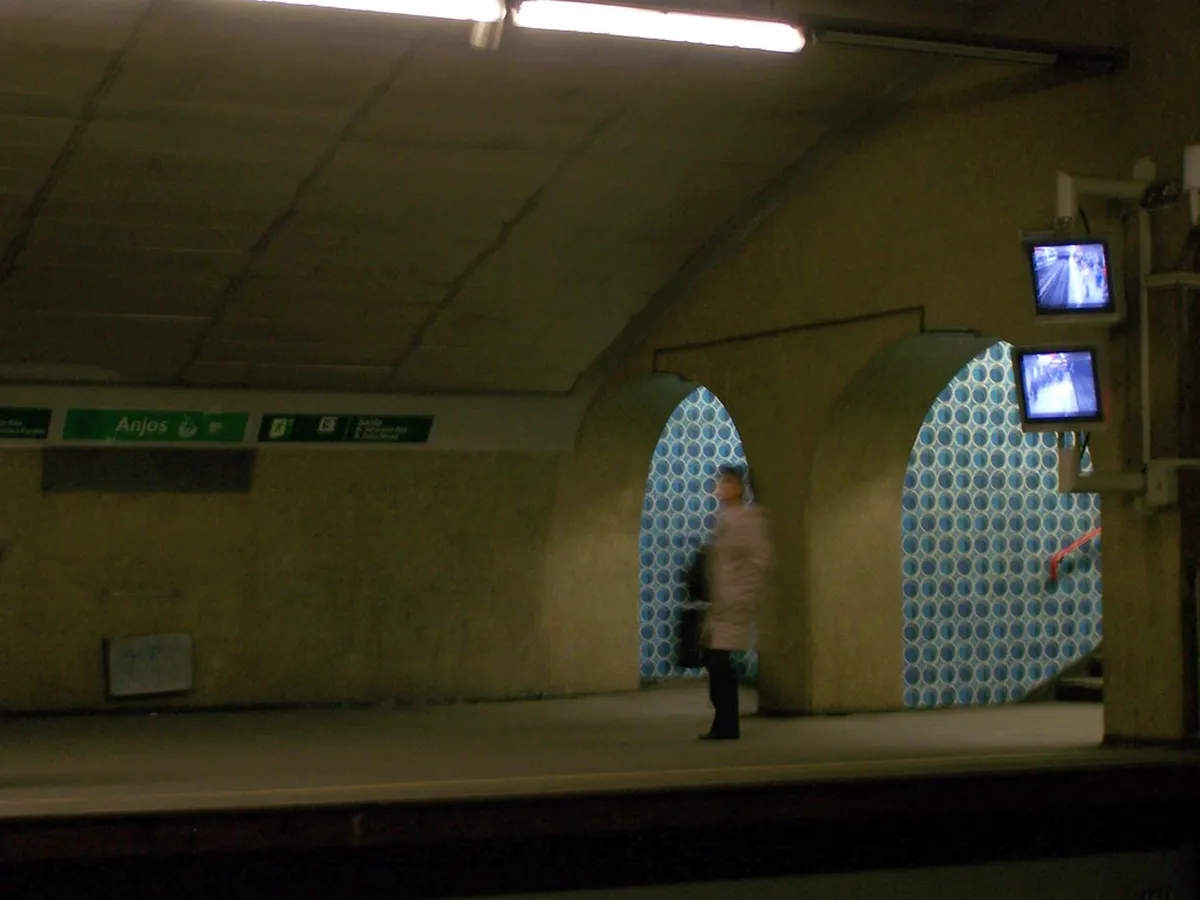
Respect the locals as you wander — many of these residents have lived here for decades and are still being squeezed by gentrification. Take your time with the Fado, eat where the menus are not in English, and the soul of the city will reveal itself within these ancient Moorish walls. Mouraria's multicultural corridor extends north into Anjos, where the Cape Verdean and Nepalese communities have built one of Lisbon's most genuinely diverse food scenes. Uphill from here, Graça offers the city's highest viewpoints and a flea market tradition that predates most of Lisbon's tourist infrastructure. For a wider look at every Lisbon neighborhood, day trip, and itinerary, see our full Things to Do in Lisbon guide. Pair this guide with our Lisbon Shopping Guide and Castle Of Sao Jorge Travel Guide for a fuller Lisbon picture.


 7 Essential Things to Do in Anjos, LisbonMay 29, 2026