
Lisbon Shopping Guide: Best Neighborhoods, Markets & Boutiques
Discover the best of Lisbon shopping, from luxury labels on Avenida da Liberdade to historic boutiques in Chiado and the famous Feira da Ladra flea market.
On this page
Lisbon Shopping Guide
Lisbon shopping in 2026 spans three centuries and four very different scenes: 18th-century candlemakers and gloveries in Chiado, designer flagships along Avenida da Liberdade, sprawling malls like Colombo and Vasco da Gama, and the twice-weekly Feira da Ladra flea market in Alfama. The city is compact enough to cover the historic core on foot, yet diverse enough to need a plan if you want more than chain stores.
This guide is structured the way a Lisboeta would tell a friend where to shop. Start with the neighbourhood that fits your style, then add a mall day if the weather turns, a market morning for character, and a concept-store afternoon for souvenirs that aren't airport magnets. Practical details on VAT refunds, opening hours, and the twice-yearly Saldos sales sit at the end so you can act on them.
Everything below is based on what's open and operating in spring 2026, including the Lojas Com História programme that protects more than 100 antique shops and the new digital tax-free validation system at Humberto Delgado Airport.
Best Shopping Neighbourhoods and Streets
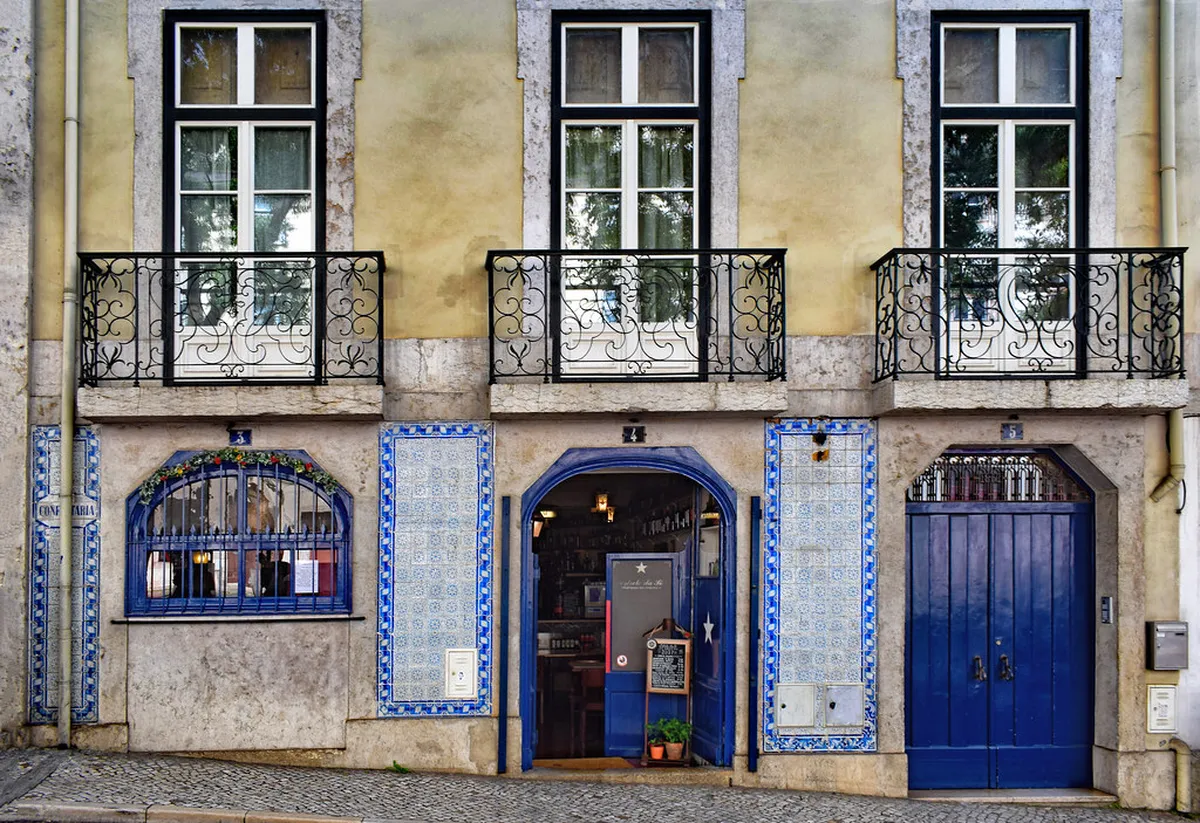
The Chiado district is the most elegant area, blending the world's oldest operating bookshop, Livraria Bertrand (1732), with international flagships and small heritage stores. Walking through Chiado shopping streets like Rua Garrett and Rua do Carmo, you pass Pop Closet's vintage Dior and Gucci, the modernist Cerâmicas na Linha, and A Brasileira café where Fernando Pessoa's bronze statue still keeps a seat at the table. This is the area to choose if you want to combine fashion, books, and unhurried café stops in a single afternoon.
The Baixa shopping district sits below Chiado on Lisbon's classic grid. Rua Augusta is the pedestrian artery, lined with Zara, Mango, Pull & Bear, the Benfica Official Store, and seasonal souvenir stalls running down to the Arco da Rua Augusta and the river. Step one block off Rua Augusta into Rua dos Sapateiros or Rua dos Fanqueiros and you find old-school haberdasheries, button shops, and tile dealers that have been trading since the post-1755 reconstruction.
Avenida da Liberdade is the luxury artery: a 1km tree-lined boulevard modelled on the Champs-Élysées, with Cartier, Dior, Gucci, Louis Vuitton, Prada, Versace, and Rolex on one side, and mid-priced anchors like Massimo Dutti and Mango on the other. Even with no intention to buy, the avenue is worth walking for the patterned cobbles, the shaded gardens, and the rooftop bars at the Tivoli and Avenida Palace hotels.
Príncipe Real, just uphill from the Avenida, is where curation replaces volume. Embaixada (a neo-Moorish 19th-century palace turned concept gallery), Solar Antiques for hand-painted azulejos from €10, and Stró for sustainable Portuguese textiles are the anchors. Shops cluster along Rua Dom Pedro V and Rua da Escola Politécnica, broken up by the Príncipe Real garden and a string of small restaurants. Allow at least two hours; many shops are tiny and reward slow browsing.
- Rua Garrett and Rua do Carmo in Chiado for heritage shops, books, and a refined café scene.
- Avenida da Liberdade for designer flagships and high-end jewellery.
- Rua Augusta in Baixa for pedestrian-friendly chain shopping and souvenirs.
- Rua Dom Pedro V in Príncipe Real for concept stores, antiques, and independent fashion.
- Rua das Flores between Chiado and Bairro Alto for newer independent labels like La Paz.
Top Shopping Centres and Department Stores
Lisbon's malls are useful when the weather turns or when you want a known brand quickly. Centro Comercial Colombo near the Benfica stadium is the largest in the Iberian Peninsula with over 340 stores, 60 restaurants, and 8 cinema screens, served directly by Colégio Militar/Luz on the metro blue line. Colombo is bright and efficient but, like its peers, light on independent retailers, so treat it as a one-stop refuel rather than a discovery destination.
Centro Vasco da Gama in Parque das Nações pairs naturally with the Oceanário aquarium and the riverfront. Its 170 stores spread across three floors with direct metro access at Oriente, and the building's nautical glass canopy makes it the most pleasant mall to wander on a hot afternoon. Amoreiras, opened in 1985 as Lisbon's first major shopping centre, has a postmodern silhouette, around 200 stores, a small luxury wing, and a €5 rooftop viewpoint with a 360-degree panorama that alone justifies the trip.
El Corte Inglés on Avenida António Augusto de Aguiar is Lisbon's only true department store, occupying seven floors near São Sebastião metro. The basement gourmet supermarket is the single best place in the city for take-home Portuguese pantry items: Vista Alegre porcelain, vintage port, olive oil flights, and decorative tinned sardines. The store also runs same-day tax-free processing for non-EU visitors, which can save the airport queue.
For mall convenience inside the historic core, Armazéns do Chiado links Baixa-Chiado metro to Rua Garrett across six floors of accessible chains (Zara, H&M, Bershka, Fnac), with a top-floor food court that holds prices below tourist-area norms. Campo Pequeno, built into the underground levels of an 1892 neo-Arabic bullring, is a smaller 80-store option worth the detour for the architecture alone.
The four major centres serve different jobs:
- Colombo: largest catalogue (340+ stores), best for full-day browsing, weakest character.
- Vasco da Gama: ~170 stores, paired naturally with Parque das Nações sights, modern and airy.
- Amoreiras: ~200 stores, mix of mid-range and luxury, plus a city-wide rooftop viewpoint.
- El Corte Inglés: department store rather than mall, strongest gourmet floor, in-store VAT desk.
- Armazéns do Chiado: smallest (~55 stores), most central, best for a quick rain shelter.
Traditional Markets and Flea Markets
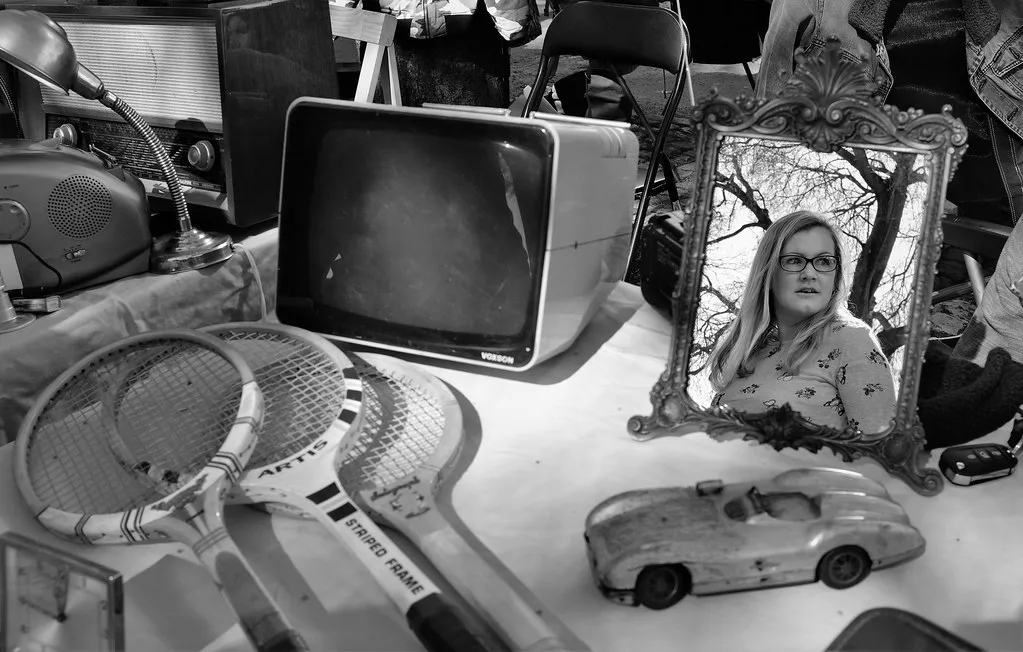
The best markets in Lisbon offer a closer look at how the city actually shops. Feira da Ladra, the city's flea market in Campo de Santa Clara, runs every Tuesday and Saturday from roughly 09:00 to 18:00 in the Alfama neighbourhood, a five-minute walk from Santa Apolónia metro. Stalls cover vintage azulejos, old cameras, second-hand books, costume jewellery, and bric-a-brac. Arrive before 11:00 for the best pieces, bring small cash, and expect prices that are higher for tourists than locals; polite haggling is normal.
Mercado da Ribeira at Cais do Sodré is two markets in one. The eastern wing remains a working fresh-produce market with fishmongers, butchers, fruit stalls, and florists open Monday to Saturday from 06:00. The western wing is the Time Out Market, opened in 2014, where 40+ kiosks from Lisbon's best chefs and restaurateurs serve small plates from late morning until midnight. Visit early on weekdays if you want a seat without elbow-fighting; the produce side is also where you can pick up vacuum-packed bacalhau and good olive oil for home.
Mercado de Campo de Ourique is a smaller, more residential alternative on Rua Coelho da Rocha, with a similar produce-plus-tasca-stalls model but a fraction of Time Out's foot traffic. The Saturday organic market in Príncipe Real garden runs 07:00 to 14:00 and brings small farmers in from the surrounding region. For a non-touristy experience, Feira do Relógio on Sunday mornings near Bela Vista metro is the city's largest market by stall count, geared squarely toward locals.
The monthly markets are worth checking against your travel dates. Feira da Avenida brings antiques and organics to Avenida da Liberdade on the second weekend of each month (and the fourth weekend May to October). The Praça da Figueira regional-products market runs the last Thursday-to-Sunday of each month, with cheeses, sausages, honey, and wine from across Portugal at producer prices.
Feira da Ladra runs every Tuesday and Saturday from around 09:00 to 18:00. Arrive before 11:00 for the best pieces, and bring small cash — polite haggling is normal and prices are often higher for tourists who don't negotiate.
Unique Portuguese Concept Stores and Boutiques
Lisbon is home to more than 100 historic shops protected by the Lojas Com História initiative, launched in 2015 by the city council to safeguard businesses with cultural and architectural value. Many predate the 1755 earthquake reconstruction or trace back to the 18th and 19th centuries: haberdasheries with original wooden cabinets, old tobacconists, family-run hat shops, and candlemakers like Caza das Vellas Loreto, founded on 14 July 1789. Look for the small bronze plaque next to the door that marks accredited shops; the official site lists every member with addresses if you want to plan a route.
A Vida Portuguesa is the easiest entry point to Portuguese heritage retail. Founded by journalist Catarina Portas in 2007, it now runs four Lisbon outposts. The Chiado branch in a former perfume factory uses antique cabinets and apothecary jars to display Claus Porto soaps, Benamôr 1925 facial creams, and Couto toothpaste. The Intendente outpost (Largo do Intendente Pina Manique 23) is the largest, housed in a former tile factory with high ceilings, and carries the deepest pantry selection: tinned sardines from Conserveira de Lisboa, woven Alentejo blankets, and dyed willow-straw baskets you won't find at the chain branches.
Luvaria Ulisses on Rua do Carmo 87A is the smallest historic shop in the city and arguably the most distinctive. Opened in 1925 in a tiny neoclassical-façade kiosk barely 4 square metres in size, it sells nothing but handmade leather gloves and serves only one customer at a time. The owner measures your hand, brings out the appropriate stock from a hidden back-room, and fits each glove individually; allow 15 minutes minimum and expect to pay €60–€180 for a pair sized to your hand.
LxFactory in Alcântara is the counterweight to Chiado's heritage feel. A converted 19th-century textile complex tucked under the 25 de Abril bridge, it now houses around 50 independent boutiques, design studios, art galleries, the Ler Devagar bookshop (built inside a former printing press, with a flying-bicycle sculpture overhead), and a strong Sunday brunch scene. The vibe is industrial, graffiti-heavy, and skews younger and more creative; pair it with Embaixada in Príncipe Real, which sits at the polished, palatial end of the same boutique-hunting axis. If you only have time for one, choose LxFactory for emerging designers and Embaixada for timeless luxury.
For brand-discount shopping, Freeport Fashion Outlet sits 30 minutes east in Alcochete, reached by crossing the 12km Vasco da Gama bridge. Over 150 outlets carry Polo Ralph Lauren, Hugo Boss, Tommy Hilfiger, Nike, and Calvin Klein at 30–70% off retail. The trade-off is real: the round trip eats half a day, the bus from Oriente runs hourly, and savings only justify the journey if you arrive with a specific brand or category in mind. Skip it on a 2–3 day Lisbon visit; consider it on day five or longer.
Saldos Sales Calendar and Souvenir Cheat Sheet
Portugal's twice-yearly Saldos are regulated and predictable. The winter Saldos run from 26 December 2025 through 28 February 2026, with the deepest discounts in the first two weeks and on the final weekend before stock clears. Summer Saldos open on 1 July 2026 and close 31 August 2026, with mid-July typically holding the broadest selection across sizes. Discounts start at 30% and climb to 70% by the final week. Avenida da Liberdade flagships and El Corte Inglés are the most aggressive participants; many small Chiado boutiques opt out or run shorter, narrower sales.
Souvenir-wise, here is what to buy and where to find it without paying tourist markups:
- Hand-painted azulejos: Solar Antiques in Príncipe Real or Cortiço & Netos in Anjos for affordable mismatched factory stock from €10.
- Vista Alegre porcelain: factory store on Largo do Chiado or El Corte Inglés' homewares floor.
- Claus Porto soaps: A Vida Portuguesa or the dedicated Claus Porto store on Rua da Misericórdia 135.
- Tinned sardines and conservas: Conserveira de Lisboa on Rua dos Bacalhoeiros 34, family-run since 1930.
- Cork goods (wallets, bags, hats): Cork & Co on Rua das Salgadeiras or any LxFactory studio.
- Ginjinha cherry liqueur: A Ginjinha on Largo de São Domingos for the bottle and the shot.
- Pastel de nata pans and ceramic ware: Cerâmicas na Linha on Rua do Capelo, sold by weight.
- Handmade leather gloves: Luvaria Ulisses, no substitutes.
Practical Information: VAT Refunds and Opening Times
Non-EU residents can claim a VAT refund on purchases of more than €61.50 per receipt at any single store displaying the Tax Free or Global Blue logo. The standard Portuguese VAT rate is 23%, and after operator fees the effective refund usually lands at 13–16% of the purchase price. The process has four steps: present your passport at the till and request a Tax Free form (the cashier scans it into the eTax-Free Portugal system); keep the goods unused and accessible in your hand luggage; on departure, validate the form at the eTax-Free kiosks in Humberto Delgado Airport before checking in (located in Terminal 1 departures, before security); then collect cash or card refunds at the Global Blue or Travelex desks airside.

The kiosks accept passport scan and form barcode and clear most claims in under three minutes. Items over €1,000, branded watches, and jewellery may still require a customs officer to physically inspect the goods, so allow an extra 30 minutes if you bought from designer flagships. Read the official guidance at Portal das Finanças before you travel; rules tightened slightly in 2025 around digital validation, and paper stamps are no longer accepted from most participating retailers.
Opening hours catch first-timers more often than VAT does. Most central street shops open Monday to Saturday around 10:00 and close at 19:00, and many heritage shops in Chiado and Príncipe Real still close for a 13:00–15:00 lunch break that is not always posted online; call ahead or build the gap into your day. Malls run 10:00 to 23:00 daily, including Sundays. Feira da Ladra and most outdoor markets are morning-only and close by 18:00. Public-holiday closures hit hardest on 13 June (Santo António, Lisbon's saint's day), 1 May, 25 April, and 1 December; on those days, only malls and tourist-strip shops stay open.
Getting between districts is straightforward with a 24-hour transit ticket (€6.80 in 2026) covering metro, tram, bus, and the Santa Justa Lift. Tram 28 runs through Chiado and continues toward Alfama, but it is now packed and pickpocket-prone year-round. Tram 24 connects Cais do Sodré to Amoreiras and is far calmer. For heavy bags, an Uber or Bolt across the centre rarely tops €8. The getting around Lisbon covers passes and route maps in detail. Many stores around the Time Out Market also accept the Lisboa Card for small discounts.
Most heritage shops in Chiado and Príncipe Real still close for a 13:00–15:00 lunch break that is not always posted online. On public holidays like 13 June (Santo António) and 1 May, only malls and tourist-strip shops stay open.
Frequently Asked Questions
Where is the best area for shopping in Lisbon?
The best area depends on your style, but Chiado is the top choice for a mix of fashion and history. For luxury, head to Avenida da Liberdade, while Baixa is great for traditional gifts. You can find more details in our things to do in Lisbon guide.
Are shops in Lisbon open on Sundays?
Yes, most shopping malls like Colombo and Vasco da Gama are open on Sundays from morning until late at night. Smaller independent boutiques in residential areas might be closed or have shorter hours. Most shops in the main tourist districts like Chiado and Baixa remain open all day.
How do I get a VAT refund in Portugal?
Non-EU residents should request a Tax Free form at the store when spending over the minimum threshold. Keep your receipts and the completed forms together until you reach the airport. You must present these documents to customs officials before checking your luggage to receive the refund.
What are the best things to buy in Lisbon?
Popular items include high-quality cork products, hand-painted ceramic tiles, and traditional Portuguese soaps. Heritage brands like Claus Porto and Vista Alegre porcelain are highly sought after by visitors. Canned sardines in decorative tins also make for a unique and portable souvenir from your trip.
Is Lisbon good for luxury shopping?
Lisbon is excellent for luxury shopping, primarily centered on the grand Avenida da Liberdade. This boulevard hosts world-famous brands like Chanel, Dior, and Cartier in a beautiful setting. The city offers a more relaxed high-end shopping experience compared to other major European capitals.
Lisbon shopping rewards a layered itinerary more than a single mall day. Anchor your visit with Chiado for heritage, Avenida da Liberdade for luxury, one mall for weather contingency, and either Feira da Ladra or LxFactory for character, and you'll cover what every competitor guide flags as essential without rushing. Slot a shopping morning into your lisbon 3 day itinerary and you'll bring home pieces that actually came from Portugal.
Save the VAT-refund and Saldos timing notes if you're flying back outside the EU; together they can return 15–25% of your spend on big-ticket items. The best Lisbon souvenirs aren't airport magnets but Vista Alegre porcelain, Claus Porto soaps, hand-painted azulejos, and (for one lucky person) a single pair of gloves from Luvaria Ulisses, fitted to a hand it will never see again. Pair this guide with our Obidos From Lisbon Travel Guide and Lisbon Oceanarium for a fuller Lisbon picture.
 Where To Stay In Évora Travel GuideJune 8, 2026