
8 Essential Stops & Routes for a Lisbon Walking Tour
Master your Lisbon walking tour with our 1-day itinerary. Includes hill-avoidance tips, neighborhood guides for Alfama and Chiado, and local pastry stops.
On this page
8 Essential Stops & Routes for a 1-Day Lisbon Walking Tour
Lisbon is built on seven hills and a lot of polished limestone. I refreshed this guide after a spring 2026 visit to verify opening hours, EUR ticket prices, and a few cafes that quietly closed. It is built for first-timers who want to see the historic core without burning out by lunch, with the most iconic things to do in Lisbon stitched into a sequence that respects gravity.
The center is compact (roughly 5 km if you use the free public lifts) but physically demanding. The route below routes the elevators into the path itself, balances grand plazas with narrow Moorish lanes, and pencils in three pastel de nata stops where they actually belong.
Route at a Glance: 1-Day Lisbon Walking Tour
This itinerary covers Baixa, Chiado, Alfama, and Bairro Alto in a single day, with an optional Belém half-day extension. I recommend starting at 9:00 to beat the cruise-ship crowds that flood Alfama from 11:00 onward. Most major sites open between 9:00 and 10:00 daily.
- Total distance: approximately 5.5 km using the free Elevador Castelo lifts (versus 9.8 km if you climb every hill)
- Total time: 7 to 9 hours including a one-hour lunch and pastry stops
- Morning: 9:00 to 13:00, Praça do Comércio through Chiado to Rossio
- Afternoon: 14:00 to 17:30, Sé Cathedral through Alfama to São Jorge Castle
- Evening: 19:00 to 22:00, Bairro Alto dinner and Pink Street nightcap
- Optional next day: Belém half-day, 9:00 to 14:00
Essential Planning for Your Lisbon Walking Tour
Spring (April to early June) and autumn (September to October) hit the sweet spot of 18 to 24 degrees Celsius and manageable crowds. July and August climb above 32 degrees on the south-facing hills, and the calçada radiates heat back at you. Check my best time to visit Lisbon guide if dates are flexible.
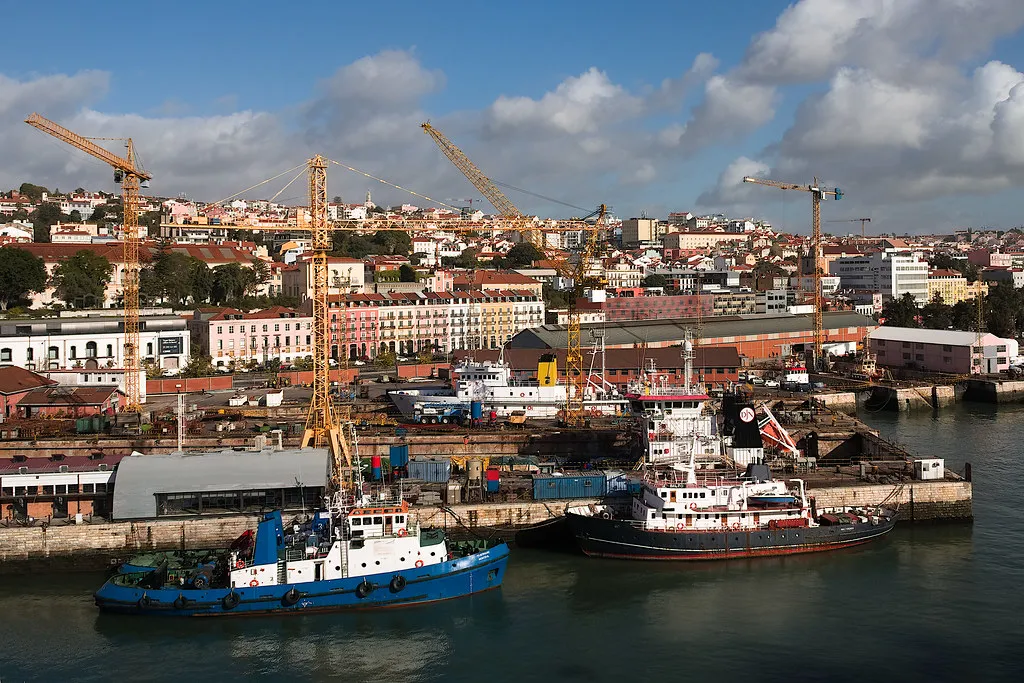
Start at the waterfront. Praça do Comércio sits at sea level, so everything from there is a measured climb instead of an exhausting yo-yo. The 1755 earthquake forced the Marquis of Pombal to rebuild Baixa on a tidy grid, the only flat district in central Lisbon and your morning launchpad.
Carry water, 30 to 50 EUR in cash for small cafes that still resist Apple Pay, and a Viva Viagem transport card loaded with at least 6 EUR. Phones lose GPS in the deepest Alfama lanes, so download the Google Maps offline tile for "Lisboa Centro" before you start.
Morning Route: The Grandeur of Baixa and Chiado
Begin in the Baixa neighborhood at Praça do Comércio (9:00). This 36,000 square meter riverside plaza was the site of the Royal Ribeira Palace until the 1755 earthquake swallowed it. A coffee at Martinho da Arcada (Pessoa's old haunt) costs 2.50 EUR at the counter versus 5 EUR if you sit, and the morning light on the yellow arcades is Lisbon's best photo.
Walk north up Rua Augusta, the pedestrian spine of Baixa, then climb gently into the elegant Chiado district. Stop at Livraria Bertrand on Rua Garrett, the world's oldest operating bookstore (since 1732, certified by Guinness), and the bronze statue of Fernando Pessoa outside Café A Brasileira.
Loop through Largo do Carmo to see the open-roofed Convento do Carmo, an arched skeleton left standing after the earthquake collapsed its roof. Entry is 7 EUR and the museum takes 45 minutes. Two minutes away, São Roque Church is plain outside but gilded with semi-precious stones inside, and free. Finish the morning at Miradouro de São Pedro de Alcântara for your first sweeping view across to the castle.
Midday Break: A Pastel de Nata Crawl and Honest Lunch Picks
This is the section every other Lisbon walking guide skips. Below is a pastry ranking based on the four shops directly on this route, ordered by what locals actually queue for.
- Manteigaria (Rua do Loreto, Chiado): warm tarts straight from the oven, 1.40 EUR each, crowned by a bell-ring every time a fresh tray comes out. The flaky lamination is unbeatable here.
- Fábrica da Nata (Rua Augusta, Baixa): the upstairs balcony is the secret weapon, and tarts are 1.50 EUR. Less crackly pastry than Manteigaria but a stronger custard.
- Confeitaria Nacional (Praça da Figueira): the historic option, opened in 1829, where the locals buy boxes for Sunday family lunches. Tarts are 1.20 EUR and the jewel-box interior is free to admire.
- Pastéis de Belém (Belém district, optional extension): the original 1837 recipe, 1.50 EUR. Worth the line only if you skip the queue and head to the back room with a number ticket.
For lunch, hunt for a chalkboard "Prato do Dia" at lanes one block off the main streets. Expect 10 to 15 EUR for grilled fish, salt cod, or a daily stew with bread, soup, and a small wine. Avoid any restaurant with a translated picture menu propped on the sidewalk; that is the universal Lisbon signal for a tourist trap. Two reliable picks on the route: Cervejaria Trindade for old-school tiled charm, or As Bifanas do Afonso near the Elevador Castelo for a 3.50 EUR pork bifana that is genuinely Lisbon's best.
Afternoon Route: Climbing Through Historic Alfama
After lunch, ride the free Elevador Castelo lifts to skip the meanest 80-meter climb. Emerge into the winding Alfama area, the city's oldest quarter and the only district that survived 1755 largely intact. Its foundations are Visigothic and Moorish, dating back to the 8th to 12th centuries.
Stop at Sé de Lisboa, the fortress-like cathedral commissioned in 1147 right after Christian crusaders retook the city. Entry is 5 EUR including the cloister and treasury. Walk five minutes uphill to the twin viewpoints, Miradouro de Santa Luzia (with the famous blue azulejo Reconquest panels) and Miradouro das Portas do Sol.
Climb the final stretch to Castle of São Jorge. Open daily 9:00 to 21:00 in summer (until 18:00 November to February), tickets 15 EUR online or 17 EUR at the gate. Book the 16:00 slot to walk past a queue that routinely tops 45 minutes between 14:00 and 15:30. Plan 90 minutes inside for the ramparts, peacock garden, and camera obscura.
On the descent, cut through the Alfama labyrinth. Listen for Fado spilling from open windows around Largo do Chafariz de Dentro; that is where the genre was born in the 1820s. Most Fado houses open from 19:30 and require reservations, but you can hear afternoon rehearsals through the doors of Tasca do Chico for free.
Evening Finish: Bairro Alto and Panoramic Views
Take the Elevador da Glória funicular from Restauradores up to Bairro Alto (4 EUR per ride or free with a 24-hour Viva Viagem). At the top, Miradouro de São Pedro de Alcântara catches the golden hour over the castle around 19:30 in summer, 17:30 in winter. The kiosk pours a 4 EUR vinho verde that tastes better with this view than anywhere else.
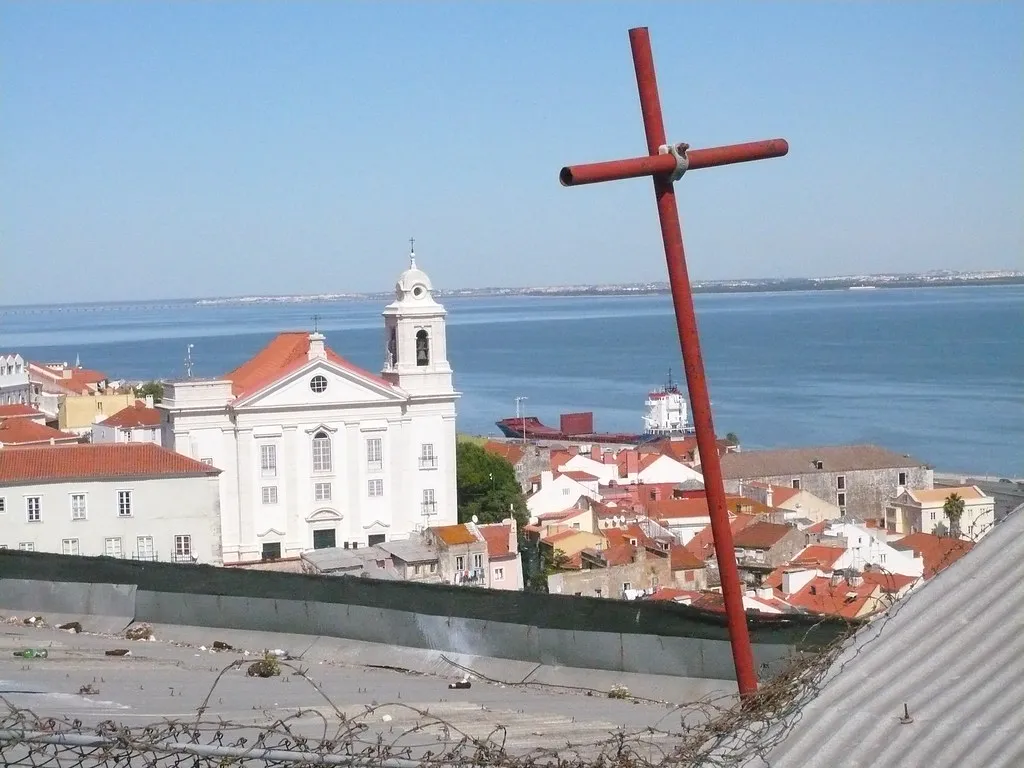
Bairro Alto wakes up around 20:00. The grid between Rua da Atalaia and Rua do Diário de Notícias hosts the densest cluster of small bars in the city. For dinner, book ahead at Bistro 100 Maneiras or Cantinho do Avillez (35 to 50 EUR per person). Cheaper and equally good is Taberna da Rua das Flores; arrive at 19:00 for the walk-in list.
Finish on Pink Street (Rua Nova do Carvalho) for a cocktail at Pensão Amor, or stop at Time Out Market in Cais do Sodré. The market closes at midnight Sunday to Wednesday and 02:00 Thursday to Saturday, with stalls from José Avillez and Henrique Sá Pessoa serving 12 to 18 EUR plates. From here you are a 10-minute riverfront walk back to Praça do Comércio, closing the loop.
The Belém Extension: Riverside Monuments and Pastries
With a second day, dedicate the morning to Belém, 6 km west of central Lisbon. Take the E15 tram from Praça da Figueira (3 EUR per ride or free with the 24-hour transit pass) for a 25-minute ride past the docks; it runs every 10 to 15 minutes from 6:00 to 23:00.
Belém is where the Age of Discovery monuments live: Manueline-style Jerónimos Monastery (12 EUR, closed Mondays, 30-minute timed entry), Belém Tower at the river's edge (8 EUR, closed Mondays), and the modernist Padrão dos Descobrimentos (10 EUR for the rooftop view). All three are within a 10-minute walk.
The non-negotiable stop is Pastéis de Belém, the 1837 bakery still using the original monastery recipe. The takeaway queue looks intimidating but moves in 15 minutes; the secret is to walk past it, take a numbered ticket inside, and wait 5 to 10 minutes for table service in the back. A tart is 1.50 EUR, and the cinnamon shaker is mandatory.
Choosing Your Style: Guided Tours vs. Self-Guided Routes
Travelers face the same fork on arrival: free walking tour, paid guide, or self-guided. Each has trade-offs that depend on your time, budget, and patience for groups.
- Free walking tours (SANDEMANs, Lisbon Chill-Out): 3 hours, tip-based with a suggested 10 to 15 EUR per person. Strong on storytelling, weak on flexibility, and groups balloon to 25 to 35 people in summer.
- Paid small-group tours (Take Lisboa, Inside Lisbon): 25 to 45 EUR for a 3 to 4 hour walk capped at 10 to 12 people. Better pace, better guides, easier to hear over street noise.
- Private guides (Viator, GetYourGuide): 80 to 150 EUR half-day, 150 to 250 EUR full-day. Worth it for specific interests (Jewish history, fado, architecture) or mobility needs.
- Self-guided (this article): 0 to 25 EUR depending on monuments entered, fully flexible, best for repeat visitors and anyone who hates group dynamics.
My honest recommendation: do a free walking tour on day one for the narrative, then walk this route on day two with the context loaded. Cheaper than a private guide, with both the storytelling and the freedom to linger.
Historical Context: 1755 Earthquake and the Age of Discovery
The All Saints' Day earthquake of 1 November 1755 struck at 9:40 at an estimated magnitude of 8.5 to 9.0. Three shocks, a 6-meter Tagus tsunami, and a six-day fire destroyed most of the lower city; roughly 30,000 to 40,000 people died out of a population of 200,000. The Marquis of Pombal rebuilt Baixa on a strict grid using the world's first quake-resistant timber-cage construction (gaiola pombalina). That is why Baixa feels so different from Alfama: rationalist post-disaster planning versus the medieval Moorish city the quake spared.
The Age of Discovery, roughly 1415 to 1543, is the second layer. Portuguese caravels mapped the African coast, opened the sea route to India, and reached Brazil and Japan. The Manueline architecture in Belém (twisted ropes, sea-monsters, astrolabes carved in stone) is the visual language of that empire, and spice-trade wealth funded São Roque's gilded interior and the rebuilding budget after 1755.
Practical Survival Guide: Hills, Lifts, and Footwear
The most underrated hazard in Lisbon is the calçada portuguesa, the white limestone mosaic that paves most of the center. When dry it is photogenic and slightly polished. When wet, it becomes one of the most slippery surfaces in any European capital. Locals call this "patinar," and emergency rooms see a noticeable spike in tourist falls during the first autumn rains.
The footwear rule is rubber soles with deep tread and a low profile. Trail runners (Salomon Speedcross, Hoka Speedgoat, Merrell Moab) outperform every other category. Flat-soled sneakers (Converse, Vans, classic leather Adidas) are the worst possible choice because the smooth rubber slides. Avoid heels, stiff hiking boots, and brand-new shoes. If it rains, walk on the dark basalt strips in the calçada; they grip noticeably better than the white limestone.
The free Elevador da Baixa lift is hidden inside Rua dos Fanqueiros 178 near a Pingo Doce supermarket. It runs 8:00 to 21:00 daily and saves a 70-meter climb to the castle area — most visitors walk right past the entrance.
For hills, use the free public lifts. The Elevador da Baixa is hidden inside Rua dos Fanqueiros 178 near a Pingo Doce supermarket: a normal-looking entrance, an elevator up four floors, then a connecting passage to a second elevator that drops you near the castle. The Elevador do Castelo does the same trick from the western side. Both are free, run 8:00 to 21:00, and save a 70-meter climb. The paid Elevador de Santa Justa is iconic but the queue tops 45 minutes; locals climb the back stairs from Largo do Carmo for the same view, free. See my Lisbon transport guide for tram and metro tradeoffs.
Book in Advance: Essential Lisbon Reservations
Lisbon's top sights now require timed entry, and walk-up queues in 2026 routinely exceed 60 minutes between April and October. Book São Jorge Castle at least 24 hours ahead through tickets-castelodesaojorge.pt. The Santa Justa Lift sells skip-line tickets on its official site for 5.30 EUR.
Fado dinner shows in Alfama and Bairro Alto need reservations 3 to 7 days early in shoulder season and 2 weeks ahead in summer. Try Clube de Fado, Mesa de Frades, or Tasca do Chico. Expect 35 to 65 EUR per person including a set menu.
For Belém, the Jerónimos Monastery requires a 30-minute timed entry slot via patrimoniocultural.gov.pt, and the entire complex closes Mondays. Always verify hours within 48 hours of your visit; Portuguese national holidays (10 June, 5 October, 1 December) close most state museums without advance notice.
Walk-up queues at São Jorge Castle routinely exceed 60 minutes between April and October. Book timed entry at least 24 hours ahead through the official site; online tickets (15 EUR) are cheaper than gate tickets (17 EUR) and let you skip the queue entirely.
Frequently Asked Questions
Is a walking tour in Lisbon worth it given the hills?
Yes, it is the best way to see the historic details. You can use public lifts to avoid the steepest climbs. Comfortable shoes are essential for the slippery stones.
How long does a self-guided walking tour of Lisbon take?
A comprehensive tour usually takes between six and eight hours. This includes time for a relaxed lunch and several pastry stops. You should start by 9:00 AM.
Can you walk from Baixa to Alfama easily?
The walk is short but involves a significant uphill incline. Most travelers can manage it in fifteen minutes at a slow pace. Use the free public elevator to save energy.
Lisbon rewards travelers who walk it slowly, drink the bica standing at the counter, and take the free lifts when their calves ask politely. This 1-day route hits the historic heart without breaking your knees, and the optional Belém day adds the Age of Discovery monuments. If a longer trip is on your mind, pair this walk with a Obidos day trip for a medieval contrast. Pack the right shoes, start at sea level, and let the calçada do the rest. Pair this guide with our Cascais From Lisbon and Lisbon Shopping Guide for a fuller Lisbon picture.
 10 Best Family-Friendly Hotels in Lisbon (2026)May 29, 2026