
10 Essential Stops and Tips for a Monchique Day Trip from Lagos (2026)
Plan your Monchique day trip from Lagos with our 2026 guide. Discover Mount Fóia, Caldas de Monchique, trail runs, and how to combine your visit with Silves.
On this page
10 Essential Stops and Tips for a Monchique Day Trip from Lagos
The drive from Lagos to Monchique takes around 45 minutes, yet the landscape shifts so completely that it feels like a different country. You leave behind the golden sea cliffs and arrive in a cool, eucalyptus-scented mountain range where cork oaks line the road and the altitude drops the temperature by five degrees or more. The Serra de Monchique is the green lungs of the Algarve — and most visitors from the coast never make it here. This day trips from Lagos option is one of the most rewarding, offering a mountain experience few coastal travelers discover.
This guide covers everything you need for a well-paced day trip in 2026: the essential stops at Fóia and Caldas de Monchique, the best food and cultural spots in town, a practical guide for active travelers, and whether it is worth combining the drive with a detour to Silves. All timings and prices have been verified for the current season. For regional context, see VisitAlgarve official guide.
Must-See Monchique Attractions
The summit of Mount Fóia at 902 meters is the highest point in the Algarve and the obvious first stop. On a clear morning you can see the Atlantic coast stretching from Sagres to Portimão, roughly 25 kilometres south. The site is free and open around the clock, though the cafe at the top runs from 10:00 to 18:00. Arriving before 11:00 avoids both the haze that rolls in from the ocean and the tour buses that pull up mid-morning.
From Fóia, drive back down to the town of Monchique and park near the main square. The Igreja Matriz church on the upper street is the standout building in town — its 16th-century Manueline doorway is carved from local granite in a style that mimics twisted maritime ropes, a design motif you only find in a handful of churches across Portugal. Entry is free; the church is typically open 09:00–12:00 and 14:00–17:00. For historical context on the Monchique municipality, the local heritage reflects centuries of Portuguese settlement.
The ruins of the Convento de Nossa Senhora do Desterro sit on the hill above town and take about 15 minutes to walk up to from the square. The interior is closed for safety, but the exterior terrace gives the best elevated angle on Monchique's white-washed rooflines. It is a quieter, more atmospheric viewpoint than the busy Fóia summit and sees far fewer visitors.
Caldas de Monchique: The Thermal Spa Village
Caldas de Monchique sits in a shaded valley about four kilometres below the town of Monchique and deserves at least 45 minutes of your morning. The village became a fashionable spa resort in the 19th century and retains a faded-grandeur charm: plane trees, neo-Moorish balconies, and a small central square ringed by pastel-painted facades. It is the closest thing the Algarve has to a proper mountain retreat.
The thermal springs here have been used since Roman times. The water emerges at 31°C with a pH of 7.6 — slightly alkaline, which is why locals claim it aids digestion. You can taste it for free at the Fonte dos Amores fountain in the wooded park just below the spa hotel complex. The walk through the botanical park is entirely free and winds past towering magnolias, ancient oaks, and a small stream.
Spa treatments at the Villa Termal range from €35 for a 30-minute soak to around €90 for a full hydrotherapy session. Booking a day ahead is wise in July and August. If you are not interested in treatments, the park and the fountain alone are worth the brief detour on the N266 as you drive up toward Monchique town.
Museums, Art, and Culture in Monchique
Monchique's most distinctive craft is the scissor chair — a wooden folding seat whose design traces back to the Roman period and has barely changed since. Several workshops in and around the town still produce them by hand. The chairs are sold in small artisan shops along the main street alongside cork items, wool blankets, and locally distilled medronho. Look for the small brown 'Artesanato' signs to find the best workshops rather than the souvenir stalls near the square.
The Largo dos Chorões main square is a good place to slow down and take stock of the town's unhurried pace. It is lined with weeping willow trees and anchored by a traditional water wheel. A small espresso at one of the surrounding cafes costs under €1.20. This is also where you will find the local tourism office, which keeps a schedule of seasonal events including the summer medronho harvest festival.
The Igreja da Misericórdia on the lower edge of town houses a gilded altar and tiled panels that are older than the more-visited Matriz church. It sees far fewer visitors and is often unlocked during the morning. Cultural performances and folk music events take place in the square during August; asking at the tourism office on the day is usually enough to find out what is on.
Parks, Gardens, and Outdoor Spots
The micro-climate of the Serra de Monchique supports plant life that cannot survive on the coast: tree heather, strawberry tree (arbutus), and dense stands of eucalyptus and pine. The botanical park at Caldas de Monchique is the easiest green space to explore without a guide. Well-marked paths wind through the valley for 20–40 minutes depending on which loop you take.
For something quieter, drive a few kilometres north of Monchique to Barranco dos Pisões. This small nature area features a restored water mill, a giant plane tree that provides deep shade, and a stream with stone picnic tables. It is a favourite Sunday spot for local families but is largely off the international tourist radar. There are no entry fees and the access road is narrow but paved.
Birdwatchers should keep an eye on the rocky outcrops above the treeline: Bonelli's eagle and peregrine falcon both nest in the Serra de Monchique and are frequently spotted near the Fóia summit. Spring (March to May) is the best season for wildflower displays, when the hillsides turn violet and yellow with heather, rock roses, and broom.
Mount Fóia for Active Travelers: Trail Running and Hiking
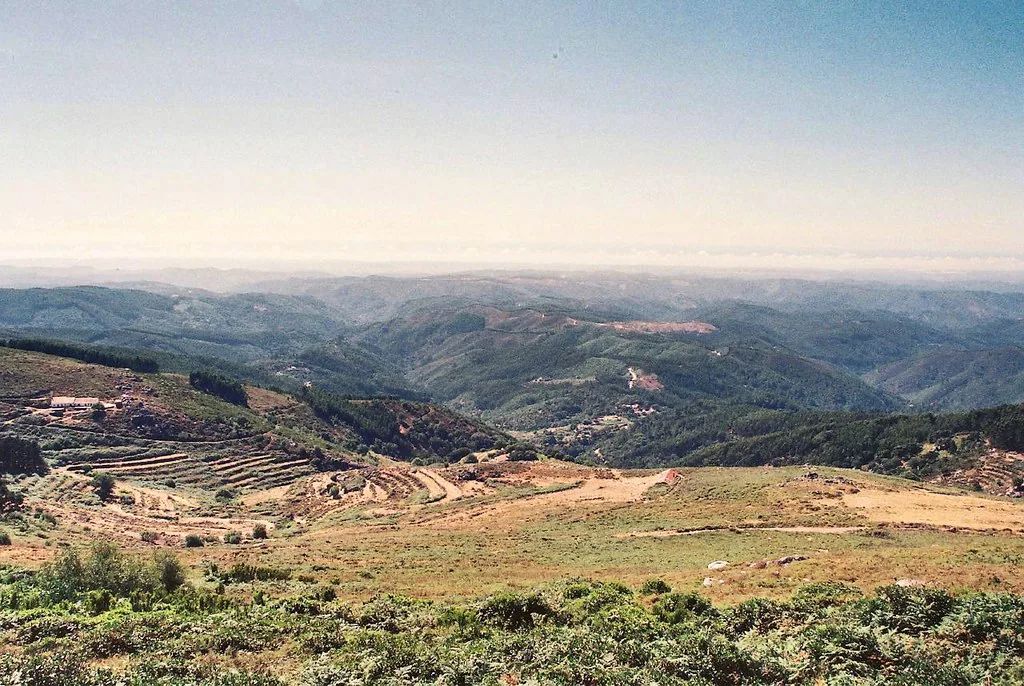
The Fóia summit has become a destination for trail runners and hikers looking for altitude on the southern Portuguese coast. The most direct ascent from the town of Monchique is roughly 6 kilometres and climbs about 500 vertical metres on a combination of paved mountain road and forest track. At 902 metres, Fóia is the highest point in the entire Algarve — a fact that surprises visitors expecting a low, flat region.
The air at the summit is noticeably different from the coast. Even in July, when Lagos bakes at 32°C, the ridge can feel 10 degrees cooler with a persistent westerly wind. Trail runners who come from the beaches often underestimate the wind chill on the exposed summit plateau. A lightweight running jacket and long socks for the brushy sections of trail are worth carrying regardless of the forecast in Lagos.
The Monchique mountain area has several marked walking routes of varying length. The GR11 connects Monchique to Picota peak (774m), which is less visited than Fóia and rewards walkers with better views of the interior hills rather than the coast. Budget four to five hours for Fóia and back, or a full day for a Fóia–Picota traverse. A car or taxi back from the summit is a sensible option if you run the ascent and want to save your legs for the afternoon.
Family-Friendly and Budget-Friendly Options
A Monchique day trip is genuinely low-cost if you skip the spa treatments. The Fóia viewpoint is free. The botanical park at Caldas de Monchique is free. The town's main church and the convent ruins are free. The only significant entry cost on a typical day is Parque da Mina, an ethnographic heritage park set in an old farm and mine about five kilometres from Monchique town. Adult tickets are around €10 and it includes a small petting farm that works well for children under ten.
The Fonte dos Amores mineral water fountain in Caldas de Monchique is a practical free activity for families: tasting the slightly fizzy alkaline spring water and walking the shaded forest park takes 20–30 minutes and costs nothing. Most children find the old water wheel in the main square and the working artisan workshops genuinely interesting rather than tedious.
For budget eating, the town of Monchique has several tascas — small local restaurants — where a lunch of piri-piri grilled chicken with salad and house wine costs €10–14 per person. Medronho firewater shots are typically €2–3 in a tasca versus €6–8 at a tourist-facing cafe. Try the specialty Loja do Mel e do Medronho shop on the main street for a free tasting before you commit to buying a bottle, which runs €12–20 for artisan-distilled.
What to Pack: The Temperature Drop Competitors Don't Warn You About
The Lagos coast sits at sea level and routinely reaches 30–33°C in summer. The Fóia summit at 902 metres can be 8–12 degrees cooler on the same afternoon, with a sustained westerly wind that makes it feel colder still. This gap surprises more visitors than any other aspect of the trip, because the sky in Lagos looks hot and cloudless right up until you step out of the car at the summit. Mist forms quickly on the ridge and can reduce visibility to 50 metres within minutes.
The westerly wind at Fóia summit is consistent and strong even on calm, sunny days in Lagos. A packable rain jacket rated for wind (not just rain) is worth its weight — you'll use it almost every visit, regardless of season.
- A windproof or waterproof layer — even a packable rain jacket is enough for most days
- Closed-toe shoes or light hiking shoes for the cobblestone streets and the convent trail
- An extra layer for the summit specifically — a long-sleeved shirt makes a significant difference at the top
- Sunscreen regardless of cloud cover — UV is stronger at altitude even when it feels cool
- A water bottle, since the summit cafe does not always have cold drinks stocked in early season
In winter and early spring (November to March), the mountain can see frost overnight and occasional snow on the highest sections. Driving the N266 hairpins in those conditions requires care. Caldas de Monchique, sitting in its sheltered valley, stays warmer than the exposed ridge and is a good fallback if the summit is fogged in.
How to Plan a Smooth Monchique Day Trip
The standard route from Lagos follows the N125 east to Portimão, then turns inland on the N266 through Caldas de Monchique and up to Monchique town. Total drive time is 45–50 minutes without stops. This is the scenic route and it passes directly through Caldas de Monchique, which you should stop at on the way up rather than the way back when energy is lower. If you want to save 10 minutes, the IC1/A22 motorway to the Portimão junction is faster but misses the valley entirely.
| Transport Mode | Duration (each way) | Cost Estimate | Best For |
|---|---|---|---|
| Private car (scenic) | 45–50 min | €15–20 fuel | Flexibility, stops, group travel |
| Private car (motorway) | 35–40 min | €12–18 fuel | Speed, skipping Caldas |
| Small-group tour | Pickup + 5–6 hours | €50–70 per person | No driving, guided experience |
| Public bus (Lagos→Portimão→Monchique) | 2+ hours | €8–12 total | Budget travelers, independent schedule |
| Taxi or ride-share | 45–50 min | €45–65 one-way | Airport transfers, single travelers |
Parking in Monchique town center is limited in July and August. The larger car park near the helipad on the eastern approach road (follow signs for 'Parque da Mina') usually has space even when the main square lots are full. From there it is a five-minute walk downhill into the historic center. The Fóia summit has a larger car park that is rarely full before noon. For up-to-date local info on events and services, consult the Monchique municipal website.
If you prefer not to drive, small-group tours depart daily from the Lagos marina area throughout the summer. These guided experiences typically include Caldas de Monchique, the summit, and a medronho tasting. Book at least 48 hours ahead during peak season to secure a seat on the smaller vans. The alternative — taking the bus from Lagos to Portimão and then a local EVA coach to Monchique — works but services are infrequent and the whole journey takes over two hours each way, leaving little time for the mountain itself.
July and August are peak tourist season. If you drive, arrive before 10:00 AM to secure parking at Fóia or in Monchique town center. Afternoon parking becomes scarce, especially near the summit. The larger helipad car park on the eastern approach is always a backup option.
Can You Visit Silves and Monchique in One Day?
Silves and Monchique are only 30 minutes apart by car, which makes a combined trip workable — but busy. The two destinations offer genuinely different experiences: Silves is about Moorish history (the red sandstone castle is one of the best-preserved in Portugal) while Monchique is about mountain nature and thermal relaxation. Neither benefits from being rushed.
If you are doing the combo, visit Silves first. Drive from Lagos to Silves in around 50 minutes, spend three hours exploring the castle and the cathedral quarter, then drive north to Caldas de Monchique for lunch and continue up to Fóia before heading back to Lagos. This sequence means the afternoon light — which is harsher on photography but better for the mountain views — is spent at altitude rather than on the red castle walls where morning light is ideal.
The trade-off is real: adding Silves makes the day noticeably more tiring and means you will likely skip either the Convent ruins or Barranco dos Pisões in Monchique. For a first visit to the region, most people find it more satisfying to give one destination a full day rather than both half a day. See the Silves day trip guide for a standalone itinerary if you want to do both properly on separate days.
Other Things to Do Nearby if Monchique Feels Too Quiet
Monchique is a genuinely slow-paced mountain town. If you travel with people who are not interested in walking, viewpoints, or artisan shops, it can feel limited after a couple of hours. A few nearby options work well as either additions or alternatives on the same day.
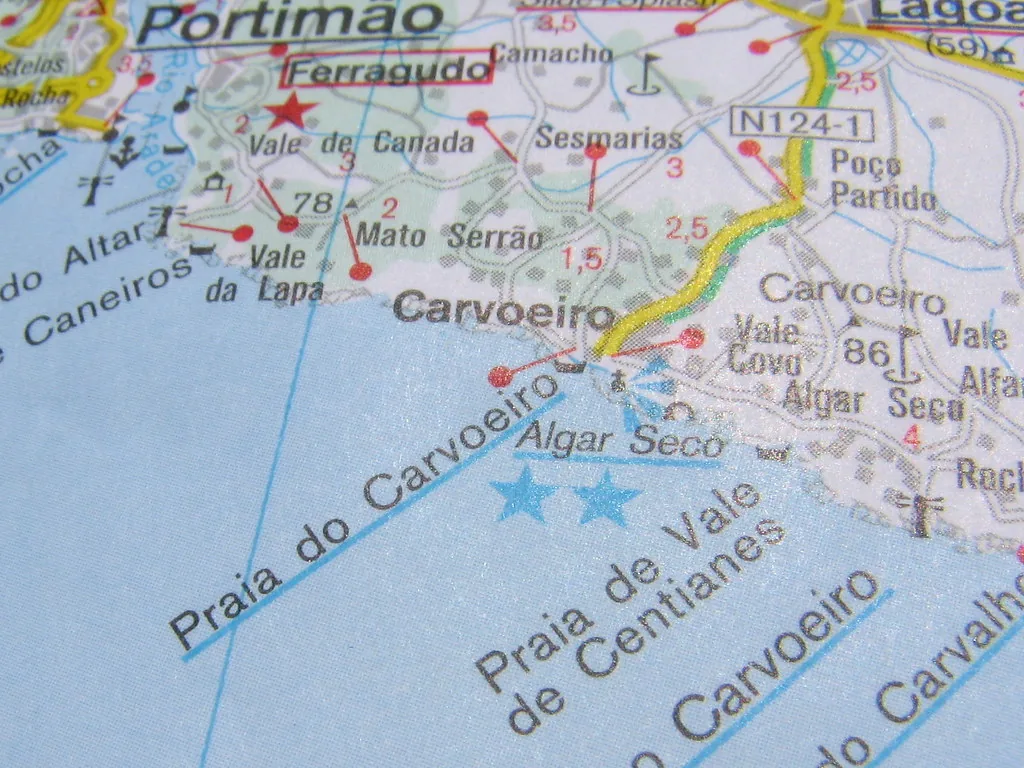
Portimão is 35 minutes south and offers a lively waterfront, a good sardine museum (Museu de Portimão, €3 entry), and easy access to the wide sandy beach at Praia da Rocha. It can be combined with Monchique if you visit the mountain in the morning and head to the coast in the afternoon. Just east, the Carvoeiro day trip provides an alternative beach-and-walks itinerary. Aljezur to the northwest is a 40-minute drive from Monchique and gives access to the wild west coast beaches at Arrifana and Amoreira — excellent for surfers and anyone wanting a dramatic, undeveloped coastline. For families with young children specifically, the Parque da Mina heritage park between Caldas de Monchique and the town of Monchique adds a structured, interactive element to the day that the summit alone does not provide.
Frequently Asked Questions
Is Monchique worth a day trip from Lagos?
Monchique is absolutely worth a visit for travelers seeking nature and authentic Portuguese culture. It offers a refreshing break from the coastal heat with unique artisan shops and the highest viewpoints in the Algarve. The drive is short and scenic, making it an easy addition to any Lagos itinerary.
How do I get from Lagos to Monchique without a car?
You can take a bus from Lagos to Portimão and then transfer to a local service heading to Monchique. However, public transport is infrequent and time-consuming for a single day. Most visitors without a car prefer booking a small-group guided tour to maximize their sightseeing time.
What should I wear for a mountain trip in the Algarve?
Layered clothing is essential because the mountain summit is often 5-8 degrees cooler than the coast. Wear sturdy walking shoes for the cobblestone streets and rocky trails. Don't forget a windbreaker, as Mount Fóia is notoriously breezy even on sunny summer days.
A Monchique day trip from Lagos offers a necessary perspective on the diversity of the Algarve landscape. By moving away from the ocean, you discover a world of thermal springs, ancient forests, and traditional mountain hospitality. Whether you are sipping medronho in a quiet square or standing atop the windy summit of Fóia, the experience is unforgettable.
Pack a layer for the altitude, start early enough to reach the summit before the haze builds, and save time for a slow lunch in town. The mountains reward visitors who do not rush them.
 8 Key Elements of a Tavira Day Trip From LagosJune 2, 2026