10 Essential Planning Guides for a Northern Portugal Road Trip
Plan the ultimate Northern Portugal road trip through Porto, Douro, Minho, and Gerês. Includes local driving tips, toll guides, and regional highlights.
On this page
7-Day Northern Portugal Road Trip: 10 Essential Planning Guides
I spent three weeks exploring the rugged north after my fifth visit to Portugal. This region offers a stunning mix of granite mountains and lush river valleys. This guide is designed for first-timers looking to escape the crowded Algarve beaches, focusing on authentic culture and world-class wine heritage.
This northern Portugal road trip covers Porto, the Douro Valley, Minho, and Gerês — four distinct regions that feel like four separate countries compressed into a five-hour drive. Most visitors underestimate how different each zone is. Planning around those differences is what makes or breaks the trip.
Navigating the winding roads of the Douro or Gerês requires preparation. I have included specific details on tolls, local payment systems, and where to base yourself to avoid unnecessary backtracking. Driving here is rewarding, but it requires patience and a decent car. Prepare for breathtaking views and some of the best hospitality in Europe.
Defining the Region: What Counts as Northern Portugal?
Northern Portugal sits between Spain's Galicia to the north and the Central Portugal cities of Coimbra and Aveiro to the south. It stretches from the coastal Viana do Castelo down through the port-wine heartland of the Douro. Heading east, you reach the remote Trás-os-Montes plateau — towns like Bragança and Chaves that most road-trippers never reach but should consider for a longer loop.
The four regions most relevant to this itinerary are: the Porto metro and coast, the Douro wine valleys inland toward Pinhão and Peso da Régua, the Minho province anchored by Braga and Guimarães, and Peneda-Gerês National Park. Together these cover the lush, green, mountainous character that makes the North fundamentally different from Lisbon or the Alentejo.
Geographically, the North is the most verdant and topographically varied part of mainland Portugal. You get Atlantic beaches, terraced river valleys, Celtic hillforts, and granite national park in the same week. That variety is the core reason to drive it rather than base yourself in one city.
Best Time to Visit: Weather, Harvests, and Festivals
The best single month for this road trip is September. The Douro grape harvest (vindima) runs from mid-September through early October, and many quintas allow visitors to watch — or participate in — the picking. Temperatures in the valleys sit around 25°C in the day and cool sharply at night, which makes hiking in Gerês comfortable. The crowds are lower than July and August, and accommodation prices drop noticeably after the first week of September.
Late spring — late April through June — is the second-best window. The national park is green, the rivers run high enough for kayaking, and Porto's São João festival on the night of 23–24 June is one of the best street parties in Europe. If São João is on your list, book accommodation in Porto at least two months ahead; the city fills completely.
July and August are viable but come with trade-offs. Summer is the easiest for beach days on the Costa Verde, and Gerês is warm enough for swimming in the lagoons. However, popular Douro viewpoints like the Casal de Loivos miradouro get crowded mid-morning, and parking near Pinhão fills before 10:00. Arrive early or go in the late afternoon. Winter brings heavy rain in the mountains and some shorter operating hours at rural quintas, but city sightseeing in Porto and Braga works fine year-round.
Road Trip Logistics: Car Rentals and Toll Transponders
A car is non-negotiable for this route. Public buses connect the main cities but leave the Douro quintas, Gerês waterfalls, and the smaller Minho villages entirely out of reach. Pick up your rental at Francisco Sá Carneiro Airport in Porto. If you prefer two days of city walking first, you can collect the car on Day 3 — city parking in Porto costs roughly €20 per 24-hour period at covered garages and the metro handles most sightseeing. I highly recommend 10 Essential Tips for Renting a Car in Portugal with a Via Verde transponder already included.
The electronic toll system is the single biggest logistical trap for foreign drivers in Northern Portugal. Many highways — especially the A3 north toward Braga and the A24 into Trás-os-Montes — use gantry-only tolls called SCUTs. There are no cash booths. Cameras photograph your license plate as you pass under the overhead beam. If you drive a foreign-registered rental without a transponder, you are responsible for paying within a few days via post office, a CTT Correios branch, or the EASYtoll online portal. Most international visitors miss the deadline entirely and receive a fine weeks later. Check the Via Verde Official Site before you travel — their tourist transponder (Via Verde Visitor) can be activated online or collected at Porto Airport. Rental agencies also offer their own daily transponder service for around €3–€5 per day, which is cheaper than one missed-payment fine.
The Via Verde Visitor transponder eliminates the biggest headache of driving in Portugal. You can activate it online before arrival or collect it at Porto Airport when you pick up your rental. It costs roughly €12–€25 for a week and covers all electronic tolls — no surprise fines weeks after your trip.
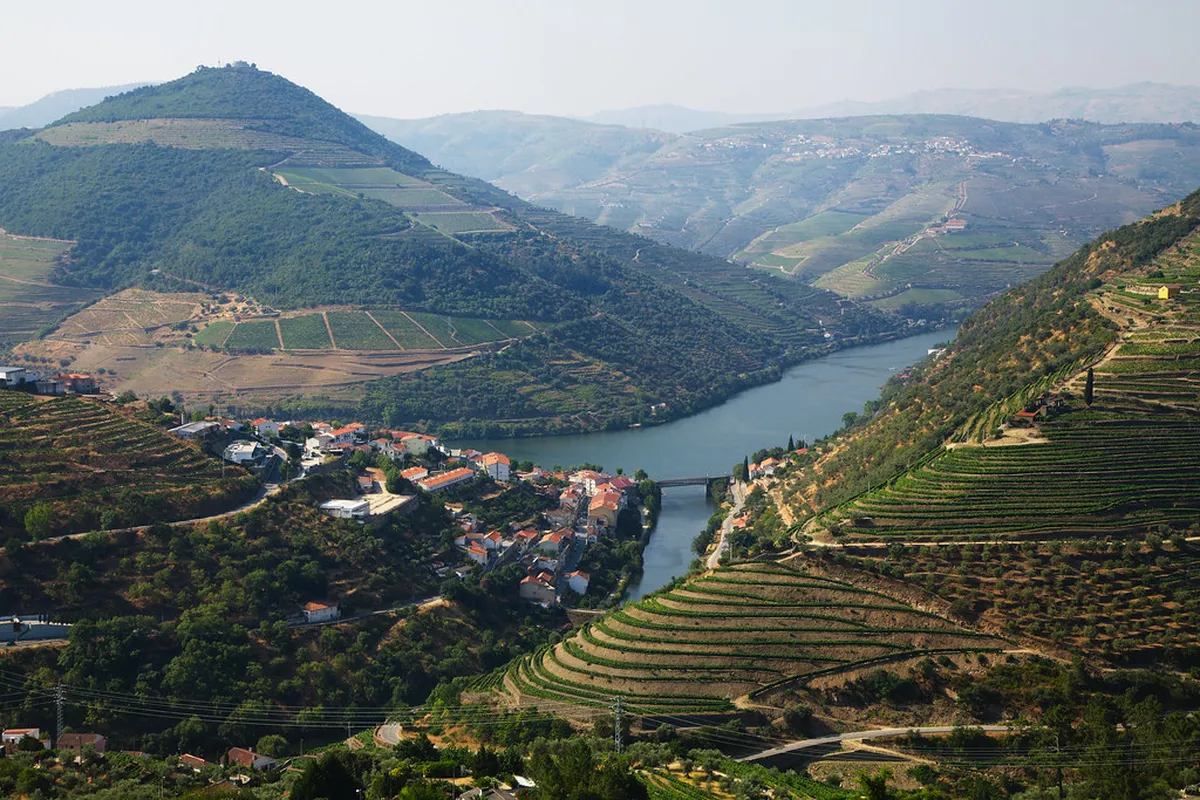
For the roads themselves: the N222 between Peso da Régua and Pinhão is consistently ranked among Europe's most scenic drives. The road is narrow, the curves are tight, and lorries come the other way. Drive it in the morning before tour buses clog the bends. In Gerês, a compact SUV or a higher-clearance vehicle handles the mountain tracks more confidently than a low-slung city car. Manual transmissions are standard in Portuguese rentals — request an automatic at least a week in advance or pay a premium. Always download offline maps before entering the national park; mobile signal drops out regularly on the mountain roads. See our full 9 Essential Things to Know About Portugal Toll Roads (Via Verde) for a breakdown of costs by highway.
Porto: Culture, Food, and Nightlife
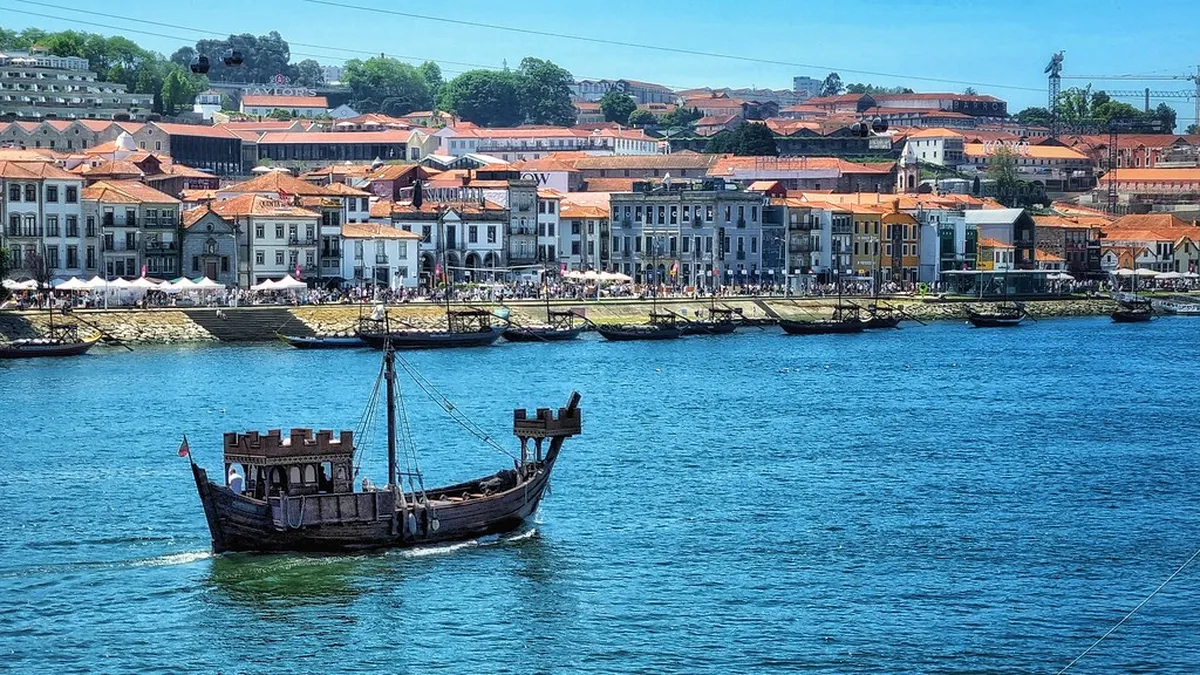
Porto deserves two full days at minimum. Start at the Ribeira waterfront — the UNESCO-listed medieval quarter that lines the Douro's north bank. At 09:00 the light on the azulejo-tiled buildings and the rabelo boats is exceptional and the crowds are thin. Cross the Luís I Bridge on foot (upper deck) to reach Vila Nova de Gaia, where the major Port wine lodges — Taylor's, Graham's, Sandeman — offer cellar tours from around €15. Book the elevated tasting flights if you want to understand the difference between a 10-year Tawny and a Vintage Port before you reach the Douro.
Mercado do Bolhão reopened after a major renovation and is worth the visit for cheese, presunto, and fresh bread. Go before 11:00 for the best produce and a less chaotic experience. Livraria Lello is beautiful but requires pre-booking (at least seven days ahead for morning slots) and has been overwhelmed by tourism — treat it as an architectural visit, not a bookshop stop. The São Bento train station, free to enter, contains some of the finest azulejo panel work in Portugal and takes fifteen minutes.
Porto's nightlife centres on the Galerias de Paris strip and the Bairro das Fontainhas area above the Ribeira. The city's São João festival on the night of 23–24 June turns the entire historic centre into a street party — plastic hammers, grilled sardines, and music until dawn. It is genuinely one of the best free events in Europe. Outside festival season, the cocktail bars along Rua de Galeria de Paris warm up after 22:00 and stay open until 03:00 or 04:00.
The Douro Valley: Vineyards, Boat Trips, and Viewpoints
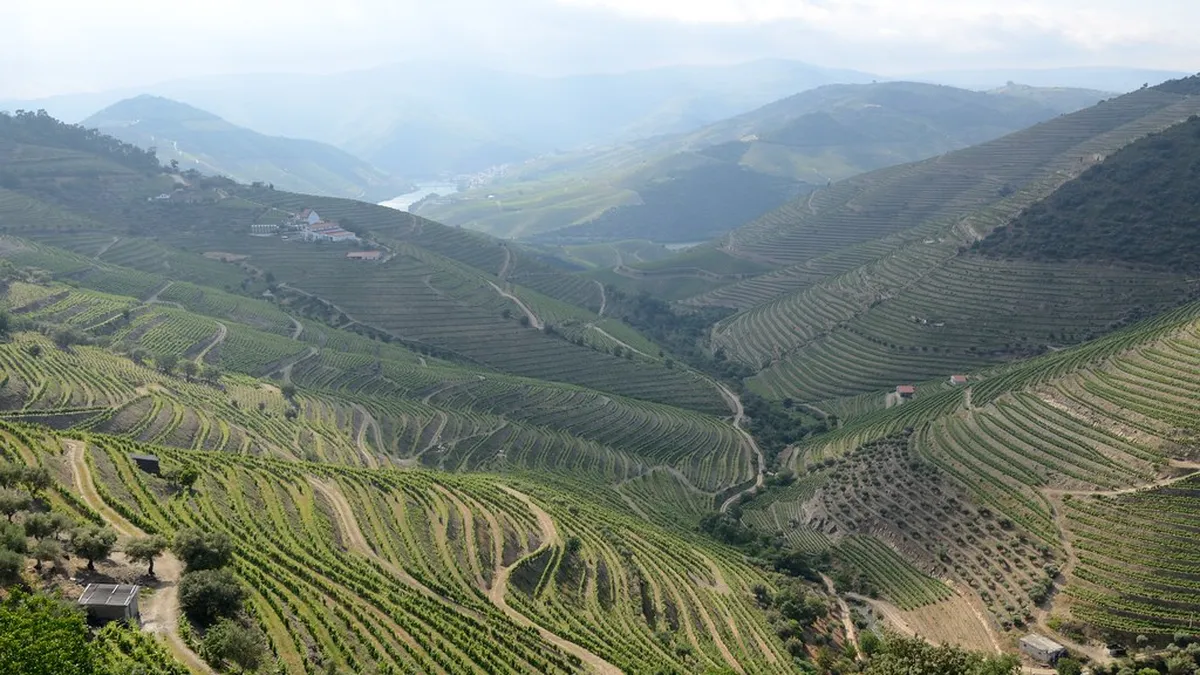
The Douro wine region — a UNESCO World Heritage Site and the world's oldest demarcated DOC, established in 1756 — runs roughly from Mesão Frio east to the Spanish border. The most visited stretch lies between Peso da Régua and Pinhão, a 25-kilometre section that concentrates the most dramatic terraced vineyards. Base yourself in Pinhão for two nights to minimize daily driving and morning packing. The village has a famous azulejo-decorated train station, a handful of quintas offering rooms and dinners, and direct boat trips on the river.
Key viewpoints include Casal de Loivos (above Pinhão, stunning sunrise panorama), São Salvador do Mundo (near Folgosa, free parking, uncrowded), and the Miradouro do Porão near Ervedosa do Douro. The boat trips from Pinhão up to Tua and back take roughly two hours and cost about €25–€35 per person. Book through your quinta or at the dock the evening before. Lamego, a 30-minute drive south of Peso da Régua, is worth a half-day for the baroque sanctuary staircase of Nossa Senhora dos Remédios and the exceptional Lamego Museum.
If you want to understand Douro wines specifically — not just Port, but the increasingly respected Douro reds and whites made from the same indigenous grape varieties — request a tasting at a quinta that bottles its own unfortified wines alongside Port. Quinta do Crasto (near Ferradosa) and Quinta da Pacheca (near Régua) both offer structured tastings with that dual focus. This is where the region's wine story gets genuinely exciting for wine-curious travelers, and it's a conversation most competitors on this route skip entirely.
The Douro Valley was officially demarcated as a wine region in 1756 — the world's oldest classified wine region. Port wine and Douro table wines come from the same terraced vineyards but are made differently. Port is fortified and sweet; Douro reds and whites are dry and increasingly world-class. Booking tastings at smaller, family-owned quintas gives you access to wines you cannot find abroad.
The Minho: Historic Cities and Vinho Verde Trails
The Minho province — roughly the triangle between Braga, Guimarães, and Viana do Castelo — is the greenest and most historically layered part of Northern Portugal. Guimarães is the birthplace of the Portuguese nation, and its medieval quarter is another UNESCO World Heritage Site. The castle (Castelo de Guimarães) costs €2 entry and gives views over the old town; the Paço dos Duques palace costs €5. Allow four hours minimum for the historic centre.
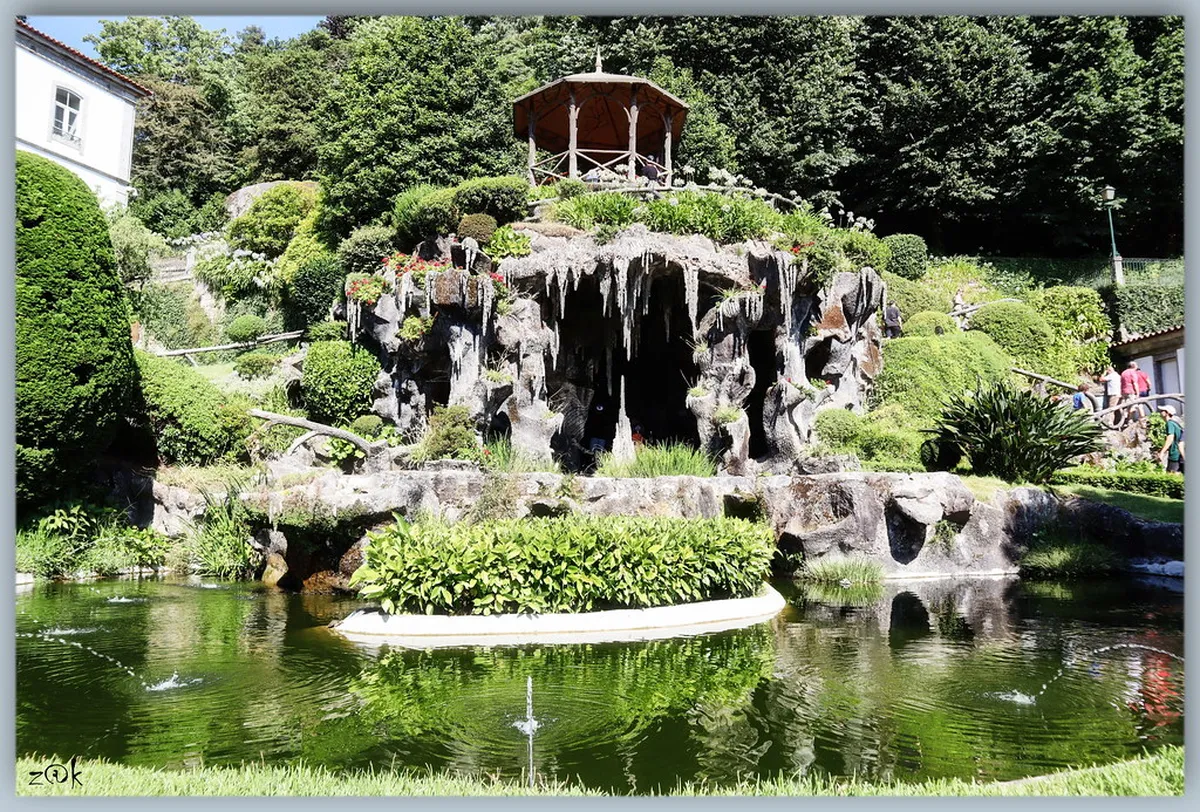
Braga is one of Portugal's oldest cities and holds Portugal's oldest cathedral (Sé de Braga, free entry). The Bom Jesus do Monte sanctuary outside the city — famous for its theatrical baroque staircase — is free to climb or reachable by a hydraulic funicular from 1882 for €1.30 each way. The city also has the best restaurant scene in the Minho outside Porto, particularly along Rua do Souto. Base yourself in Braga for one or two nights to access both Guimarães (30 minutes south) and Gerês (45 minutes north) without moving hotels.
Ponte de Lima is the best single-night stop in the Minho for Vinho Verde wine tourism. The town sits on the Lima River beside a Roman bridge and is surrounded by quintas producing the region's signature light, slightly fizzy white wine. Vinho Verde and Port wine are made in entirely different terrains with different objectives: Vinho Verde comes from the wetter, granite-soiled Minho and is harvested early to preserve its refreshing acidity; Port comes from the schist soils of the hot, dry Douro Valley and is fortified to stop fermentation and preserve residual sugar. If you taste both in their home regions on the same trip — a Vinho Verde lunch in Ponte de Lima, a Port sunset in Pinhão — you understand Portuguese wine at a level that no single tasting room can teach.
Peneda-Gerês National Park: Hiking, Lagoons, and Villages
Peneda-Gerês is Portugal's only national park and one of the most rewarding natural areas in the Iberian Peninsula. The park covers 702 km² of granite peaks, oak forests, and fast-running rivers along the Spanish border. The spa town of Vila do Gerês at the park's centre makes the most convenient overnight base, with thermal baths, restaurants, and small hotels. Camping is also permitted in designated areas — a popular option in summer when accommodation books out weeks ahead.
The best half-day hike from Vila do Gerês is the Trilho das Cascatas (Waterfall Trail) to the Cascata do Arado, roughly 7 km return through boulder-strewn forest with multiple swimming holes. Pedra Bela viewpoint (accessible by car) offers the park's most photographed panorama. For a longer day, drive north to Soajo to see the famous espigueiros — rows of granite grain stores raised on pillars, used to dry maize and keep rodents out. The village of Lindoso has another cluster of espigueiros beside a medieval castle with views into Galicia.
The Sanctuary of Our Lady of Peneda, in the park's northern section, is less visited than Bom Jesus in Braga but arguably more dramatic — a baroque pilgrimage church set against a granite cliff face at the end of a winding mountain road. The road up is narrow enough that two cars pass each other with care; go early or late to avoid the pilgrimage buses. Wildlife in the park includes garrano ponies, wolves (rarely seen), and the Iberian desman — a semi-aquatic mammal found almost nowhere else in Western Europe. Check the Peneda-Geres National Park Wikipedia entry for the most current trail access and seasonal restrictions before you go.
The Atlantic Coast: Beaches and the Portuguese Camino
The Costa Verde — the Green Coast — runs north from Porto to the Minho River at the Spanish border. The beaches here are wide, backed by dunes and pine forests, and significantly less crowded than anywhere in the Algarve. The best family beach near Porto is Miramar in Vila Nova de Gaia, which features a small ocean-side chapel (Senhor da Pedra) on a rocky outcrop — an unusual landmark. Further north, Viana do Castelo is the coast's most complete town: a proper historic centre, the Santa Luzia basilica with views from the hilltop, and long beaches at Cabedelo reachable by ferry from the town centre for €1.20.
The Portuguese Camino (Caminho Português) runs through this region in two variants. The Coastal Route follows the Atlantic coast northward through Vila do Conde, Póvoa de Varzim, and Esposende before turning inland toward Santiago de Compostela in Spain. The Central Route goes through Porto, Braga, and Ponte de Lima. Road-trippers can sample the Camino without committing to the full walk: park in Vila do Conde and walk 5–6 km north along the coast path, following the yellow arrows and scallop-shell markers. The stretch between Vila do Conde and Póvoa de Varzim takes about 90 minutes each way and runs along a boardwalk with sea views. It gives you a genuine feel for the pilgrimage energy without the logistics of a multi-day trek.
Budgeting: Average Costs and Using Credit Cards
Northern Portugal is noticeably cheaper than Lisbon and significantly cheaper than comparable experiences in Spain, France, or Italy. A mid-range meal with a half-bottle of local wine runs €15–€25 per person. Hotel rooms in Braga and Guimarães start around €50–€80 for a comfortable double; Douro quinta stays run €80–€150 for rooms that include the property's own wine at dinner. Porto has the widest price range — from €40 guesthouses in Cedofeita to €200+ design hotels on the river.
The local Multibanco payment network is the backbone of Portuguese card infrastructure, and it works differently from standard Visa or Mastercard acceptance in one practical way: some smaller restaurants and shops in Gerês and rural Minho are set up exclusively for Portuguese domestic cards. International Mastercard and Visa debit cards usually work fine at ATMs and larger establishments, but Revolut and some challenger bank cards are occasionally refused at smaller merchants. Carry at least €50 in cash before entering the national park — the ATMs in Vila do Gerês have limited capacity and run out on busy summer weekends.
Museum and monument entry fees are modest: most run €3–€8. Parking in Porto garages costs around €20 per 24-hour period. Douro boat tours cost €25–€35 per person. Quinta wine tastings typically run €12–€25 depending on how many wines are poured. A budgeter doing mostly self-catering, picnicking with market food, and free viewpoints can get through a day in the Douro or Minho on €60–€80 all-in. Tipping is appreciated but not mandatory; rounding up the bill or leaving €1–€2 for a coffee and pastel de nata is entirely normal.
Itinerary Planning: 5-Day to 2-Week Routes
Five days is enough to cover Porto and one other region properly. For a Porto-plus-Douro focus, spend two nights in Porto and three nights based in Pinhão. You will drive the N222, do at least one quinta tasting, and have a half-day free for Lamego on the way back. For a Porto-plus-Minho focus, spend two nights in Porto and two nights in Braga, using Braga as a base for day trips to Guimarães, Ponte de Lima, and Gerês.
| Duration | Focus | Porto nights | Regional nights | Key activities |
|---|---|---|---|---|
| 5 days | Porto + Douro | 2 | 3 (Pinhão) | City walking, N222 drive, quinta tasting, Lamego |
| 5 days | Porto + Minho | 2 | 2 (Braga) | City walking, Guimarães, Ponte de Lima, Gerês day trips |
| 7 days | Full loop | 2 | 2 (Pinhão) + 1 (Braga) + 2 (Vila do Gerês) | Porto, Douro, Minho, Peneda-Gerês, all regions |
| 14 days | Extended loop | 2 | All regions + coast | Porto, Douro, Minho, Gerês, Viana do Castelo, Ponte de Lima, Bragança option |
Seven days allows the full loop: two nights in Porto, two nights in Pinhão (Douro), one night in Braga (Minho), and two nights in Gerês. This is fast but achievable. The total driving across all transfers is under ten hours, spread across the week. Pick up the car on Day 3 morning after your two Porto days — this avoids city parking costs and lets you use the excellent metro for the first two days.
Two weeks is the comfortable option. Add Viana do Castelo and the Minho coast (two nights), a detour to Ponte de Lima (one night for Vinho Verde wine tourism), and optionally swing east to Bragança and Trás-os-Montes for the dramatic interior landscapes almost no foreign traveler visits. The 10 Essential Sections for a Portugal Road Trip Itinerary guide covers the extended southern loop if you want to continue from Porto to Lisbon after the northern leg.
Regardless of your duration, resist the urge to move hotels every single night. Pinhão for Douro, Braga for inner Minho, and Vila do Gerês for the park are the three most efficient bases. Three nights minimum in each cuts daily repacking stress and gives you proper morning-light access to the best viewpoints. Check the Comboios de Portugal (CP) rail schedules if you want to return from Porto to Lisbon by train at the end — the high-speed Alfa Pendular takes under three hours and runs frequently.
Frequently Asked Questions
Is 7 days enough for Northern Portugal?
Yes, 7 days allows you to cover the major highlights of Porto, Douro, and Gerês. You will spend about 2 days in each major zone. This pace is fast but manageable with a car.
Can Americans drive in Northern Portugal?
Americans can drive using a valid U.S. license for short visits. An International Driving Permit is recommended to avoid issues with local police. Check the driving requirements for full details.
What is the best time for a northern Portugal road trip?
Late spring and early autumn offer the best weather for hiking and wine tours. September is especially popular for the Douro grape harvest. Winter can be very rainy in the mountains.
Northern Portugal is a land of deep traditions and stunning natural beauty. Following this route ensures you see the best of the four regions. From the cellars of Porto to the peaks of Peneda-Geres National Park, the variety is extraordinary. I hope this guide helps you plan a seamless and memorable adventure in 2026.
Remember to take the slow roads whenever possible to find hidden gems. The true magic of the north lies in its small villages and local flavors. Safe travels as you navigate the winding paths of this beautiful country.