Portugal Road Trip Itinerary: 5, 10 & 14-Day Routes (2026)
Plan your perfect Portugal road trip itinerary with 5, 10, and 14-day routes. Includes driving tips, coastal gems, and local wine valley secrets.
On this page
Portugal Road Trip Itinerary: 5, 10 & 14-Day Routes (2026)
Portugal is one of the most rewarding countries in Europe for a self-drive holiday. The country is compact — about 740 km from north to south — which means you can move between radically different landscapes in a single morning behind the wheel. This guide covers everything you need to plan a 5 to 14-day route, from the tiled facades of Lisbon to the terraced vineyards of the Douro Valley.
Determining How Many Days in Portugal: 10-Day Essential Itinerary you need depends on your pace. Five days gives you a tight but satisfying focus on Lisbon and the Algarve. Ten days lets you add the Alentejo plains and Porto. Two weeks allows a full north-to-south loop with time to breathe. I've structured this itinerary so you can drop in at whatever length suits you.
The routes below prioritize the scenic coastal roads over fast inland highways wherever practical. You will find hidden villages, dramatic cliff walks, and medieval castles that are genuinely inaccessible by public transport. The first-timer's mistake is staying on the A2 motorway all the way south — and missing everything good in between.
Key Takeaways
- Use the Via Verde transponder to simplify toll payments on all Portuguese highways.
- Book tickets for the Pena Palace and Jerónimos Monastery at least one month in advance.
- Choose the scenic N120 Costa Vicentina route instead of the A2 highway for better views.
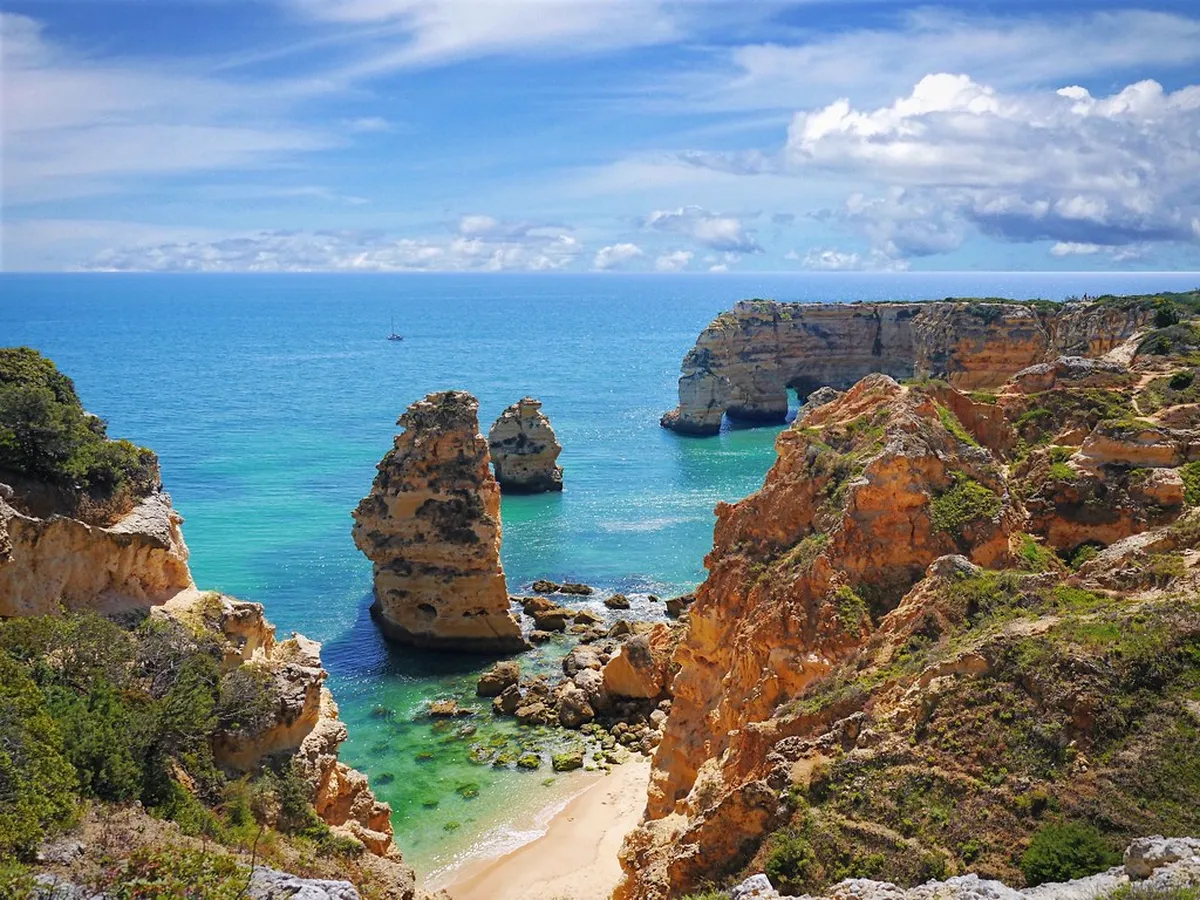
- Arrive at popular Algarve beaches like Praia da Marinha before 10:00 AM to find parking.
- Rent a compact vehicle to navigate the narrow and winding streets of historic town centers.
Portugal Road Trip Itinerary Overview
The classic Portugal road trip runs from Lisbon south to the Algarve, then back north through the Alentejo and up to Porto and the Douro Valley. This loop covers the country's four headline regions and keeps backtracking to a minimum. Most travelers pick up a rental car at Lisbon airport, drive south and west, then return the car in Porto before flying home. For official travel planning resources, Visit Portugal offers comprehensive regional guides and event calendars.
For a 5-day trip, focus on Lisbon and the western Algarve. For 10 days, add the Alentejo, Évora, and Porto. For two weeks, include the Douro Valley, Coimbra, and a side trip to Sintra from Lisbon. The route below is written as a 10-day framework — compress or expand the days based on your available time.
The total driving distance for the full loop from Lisbon to Porto via the Algarve is approximately 1,200 km. At a comfortable pace with stops, that works out to roughly 15 hours of driving spread across 10 days. Check our 10 Essential Tips for Renting a Car in Portugal guide before you confirm your booking — compact cars are noticeably easier to park in historic town centers.
- Days 1–2: Lisbon — Alfama, Belem, Bairro Alto
- Day 3: Lisbon to Portimão via the Costa Vicentina coastal road
- Day 4: Western Algarve — Lagos and Ponta da Piedade
- Day 5: Algarve — 7 Hanging Valleys Trail, Silves, Ferragudo
- Day 6: Algarve to Évora via Beja (Alentejo)
- Day 7: Évora to Coimbra
- Day 8: Douro Valley — N222 scenic drive and wine estates
- Day 9: Porto — city center and main sights
- Day 10: Porto — Serralves, Foz do Douro, Vila Nova de Gaia
When to Visit Portugal for a Road Trip
Late spring and early autumn are the best windows for a Portugal road trip. May brings warm days, light crowds, and wildflowers along the coastal roads. September and October offer the same pleasant temperatures with the added bonus of grape harvest season in the Douro Valley — the hillside terraces turn gold and you can participate in traditional treading at several estates.
Summer is workable but comes with real trade-offs. Temperatures in Lisbon, the Alentejo, and the Algarve regularly exceed 38 °C in July and August. Popular beach parking lots fill by 09:30, and accommodation prices spike sharply. The roads themselves are fine, but you will stand in queues at every major attraction.
Winter is pleasant in the Algarve, where mild days and low prices make it popular with long-stay visitors and golfers. The north — Porto and the Douro — can be cold and wet from November through February. If you are planning a winter trip, keep the route southern and avoid the Serra da Estrela mountain roads, which can see snow and ice closures.
Algarve in August vs October: What No One Tells You
Most guides tell you to visit in shoulder season without being specific. Here is a direct comparison for anyone deciding between summer and autumn for the Algarve leg of their trip.
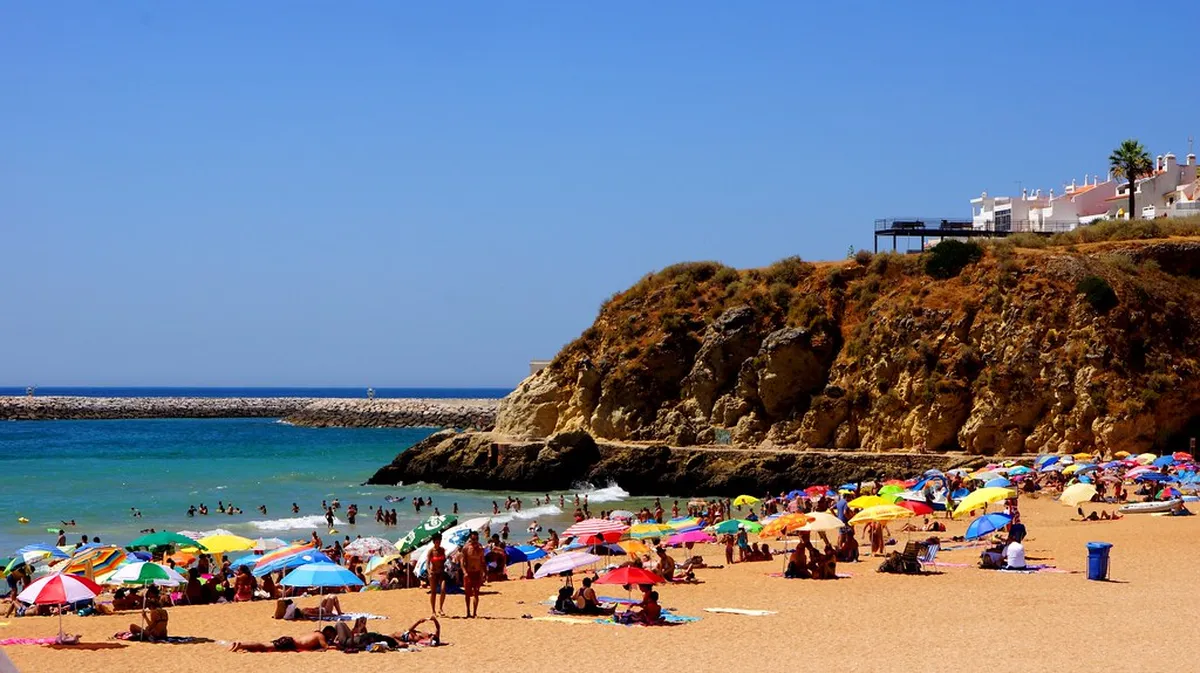
In August, the sea temperature at Lagos reaches around 22–23 °C — ideal for swimming. But Praia da Marinha car park fills before 09:00, boat tours to Ponta da Piedade sell out days ahead, and a mid-range guesthouse in Lagos costs €150–220 per night. You will also share the 7 Hanging Valleys Trail with hundreds of other hikers, which dulls the experience considerably.
In October, the sea is still 20–21 °C — warm enough for most swimmers. The same Lagos guesthouse drops to €80–120 per night. Praia da Marinha has space all morning, boat tours have same-day slots, and the trail is almost empty before 11:00. The main trade-off is shorter daylight — sunset in the Algarve falls around 18:30 in late October versus 20:30 in August. If beach swimming is your priority, go in late September, when you get the warmth without the August peak.
Late September is the sweet spot for the Algarve: sea temperature still 22–23 °C, accommodation €80–120/night (vs €150–220 in August), and popular spots like Praia da Marinha remain accessible without pre-dawn parking runs.
The Perfect 5 Day Portugal Road Trip
Our journey begins in Lisbon, a city of seven hills, pastel-tiled facades, and extraordinary pastries. Spend your first full day in the Alfama district, climbing to the São Jorge Castle for a panorama of the terracotta rooftops and the wide Tagus below. In the evening, the Bairro Alto neighbourhood fills with locals for dinner and Fado — arrive after 20:00 for the most authentic atmosphere.
On day two, head west to Belém. The Jerónimos Monastery opens at 10:00 and queues build fast without a pre-booked ticket. The Belem Tower and the nearby Monument to the Discoveries are within easy walking distance. Stop at Pastéis de Belém for the original custard tart — the queue moves quickly and the tarts are worth it.
Day three is a full driving day south via the Costa Vicentina. Take the N120 instead of the A2 motorway. Vila Nova de Milfontes makes the ideal lunch stop — a whitewashed fishing town at the mouth of the Mira River with excellent grilled fish restaurants along the harbour. The total drive to Portimão is around 300 km but takes closer to 5 hours with stops, so start by 08:30.
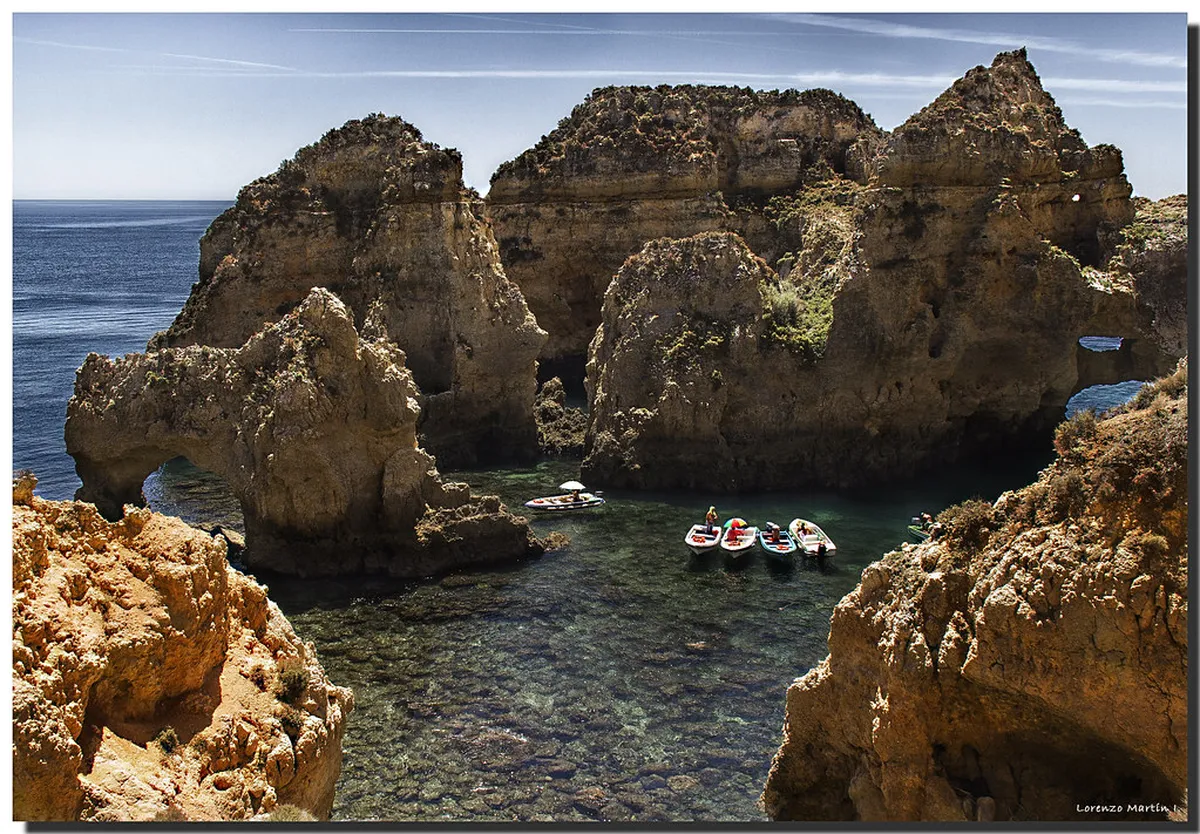
Days four and five belong to the Algarve. On day four, walk the Ponta da Piedade cliff path from Lagos early in the morning, then take a small-boat tour through the sea arches — operators run from the beach below the viewpoint. On day five, start the 7 Hanging Valleys Trail (Percurso dos Sete Vales Suspensos) from Praia da Marinha no later than 08:30. The 11 km trail takes around 3 hours and ends near Carvoeiro. Finish the afternoon at the red walls of Silves Castle before dinner in the riverside village of Ferragudo.
- Day 1: Lisbon — Alfama, São Jorge Castle, Bairro Alto Fado
- Day 2: Lisbon — Belém monuments, Jerónimos Monastery, Pastéis de Belém
- Day 3: Coastal drive via N120 — Vila Nova de Milfontes lunch, arrive Portimão
- Day 4: Algarve — Ponta da Piedade, Lagos old town, Sagres sunset
- Day 5: Algarve — 7 Hanging Valleys Trail, Silves Castle, Ferragudo dinner
Driving in Portugal: What to Expect
Roads in Portugal are well-maintained and clearly signed following standard European conventions. The motorway network (IP and A-roads) connects all major cities efficiently. Portuguese drivers tend to drive fast on highways, so stay in the right lane unless overtaking. For detailed rules and speed limits, see our 9 Essential Tips for Driving in Portugal before you set off.
Fuel prices run among the highest in Western Europe. In 2026, expect to pay around €1.75–€1.95 per liter for unleaded (95 octane). Filling up at supermarket petrol stations (Pingo Doce, Continente) saves €0.10–€0.15 per liter compared to motorway service stations. Diesel is slightly cheaper and widely available if your rental car runs on it.
Parking in historic centers is the biggest headache. Lisbon, Lagos, and Silves all have very limited street parking in their old towns. Look for underground car parks marked with a blue "P" — Lisbon's Parque do Belem near the monuments costs around €2 per hour. In smaller villages like Ferragudo or Milfontes, free street parking is usually available a 5-minute walk from the centre.
Navigation works well with Google Maps or Waze. Both apps handle Portuguese roads accurately, including the slower coastal routes. Download offline maps before leaving — mobile signal drops in parts of the Alentejo and the Serra da Estrela highlands.
Portugal Toll Roads: Via Verde and How to Avoid Fines
Portugal's toll system is where most rental car tourists make an expensive mistake. There are two types of tolled road in the country, and confusing them can result in fines sent to your home address weeks after you return. Our 9 Essential Things to Know About Portugal Toll Roads (Via Verde) covers this in full, but here is the essential summary.
Standard tolls (found on older motorway sections like parts of the A1 and A22) have physical booths where you can pay by cash or card. These are straightforward. The problem is the SCUT highways — former free roads converted to electronic-only tolls — which have no booths at all. Gantry cameras record your number plate as you pass beneath them. If your rental car is not registered with a payment system, those plates are captured and a fine — often €50–€100 per gantry — is issued to the rental company, which passes it on to you with an admin fee.
The solution is simple: at the rental car desk, ask for a Via Verde transponder. This small device sits on the dashboard and is read automatically at every toll gantry. Rental companies charge €2–€4 per day for it, which is far less than a single SCUT fine. Confirm the transponder is activated before you leave the lot — ask the desk agent to show you the indicator light. For the most current toll rates and payment options, check PT Tolls, the official Portugal toll administrator.
If your rental company does not offer Via Verde, you can register your rental car's number plate with the CTT EASYToll service online before your trip. You link a credit card and all SCUT charges are billed directly without needing a physical transponder. This is the best option for last-minute bookings where the transponder was not pre-arranged.
Via Verde transponder rentals typically cost €2–€4 per day — far cheaper than a single SCUT fine (€50–€100+). Always confirm the device is activated before leaving the rental lot by checking the indicator light.
Day 8: Douro Valley Wine Region
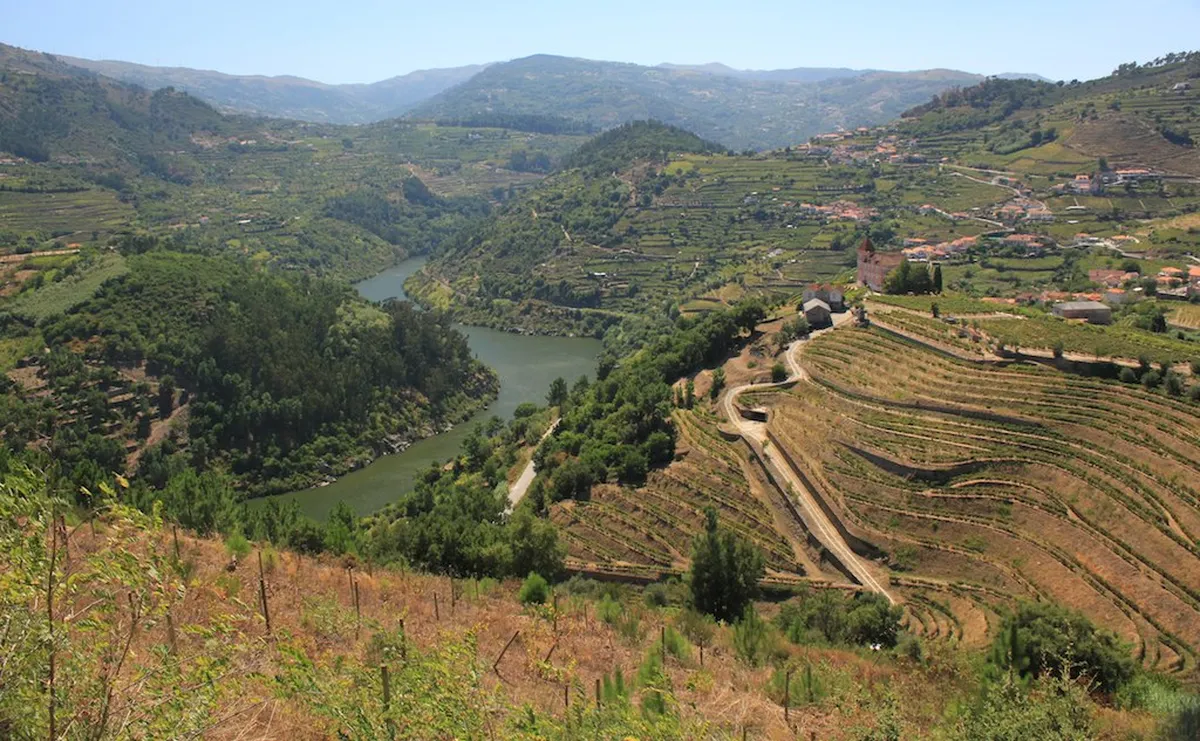
The Douro Valley is the most visually spectacular driving day of any Portugal road trip. From Coimbra or Lamego, head east along the valley floor to the town of Peso da Régua, then follow the N222 river road east toward Pinhão. This 25 km stretch was named one of the world's best driving roads by National Geographic — the road hugs the Rio Douro as it winds through terraced vineyards that drop steeply to the water below. The Douro Valley has been a UNESCO-designated wine region since 1756.
The Douro Valley is also Portugal's oldest demarcated wine region, established in 1756. Most quintas (wine estates) welcome visitors for tastings and tours without a reservation during the week, though weekends in harvest season (September–October) fill quickly. Quinta do Crasto, above the river near Régua, offers one of the best views from its terrace and charges around €15 for a guided tasting of three wines. Quinta da Pacheca in Cambres allows you to sleep inside a giant wine barrel — novel, but genuinely comfortable.
If you are including this day as part of a 10-day portugal road trip itinerary, plan to spend the night in Pinhão or Régua rather than pushing on to Porto in the evening. The valley at dusk, with the terraces glowing amber, is one of the finest sights in the country. Driving the N222 in low light is also significantly safer than in the dark — the road has no barriers on the river side in several sections.
Day 9: Porto — City Center and Main Sights
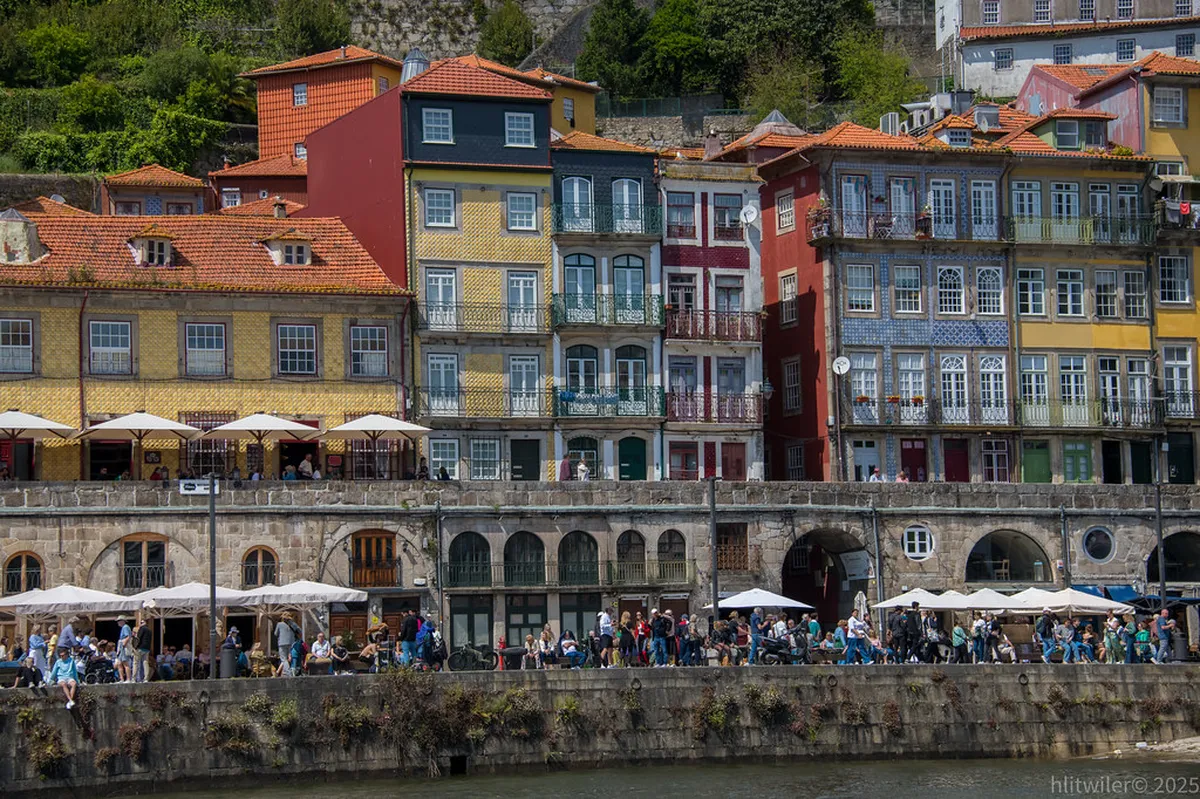
A 1-hour drive from the Douro Valley brings you into Porto, Portugal's second city and one of the most atmospheric urban destinations in Europe. The historic centre is a UNESCO World Heritage Site — its granite towers, azulejo-tiled church facades, and crumbling baroque buildings crowd together on a steep hillside above the Douro. Allow at least two full days here; one is manageable but rushed.
Start on day nine at the Sé Cathedral, which opens at 09:00 and offers free entry to the main nave. Walk down through the medieval Ribeira waterfront neighbourhood, then cross the lower deck of the Dom Luís I Bridge on foot. The upper deck is for the metro; the lower deck is for pedestrians and gives you eye-level views of the Gaia wine lodges across the river. Cross back on the upper deck for the city panorama.
Other key sights in the city centre: the São Bento train station and its 20,000 azulejo tile panels depicting Portuguese history (free to enter, 06:00–24:00), the Clérigos Tower (€8 entry, open from 09:00), and the Bolhão Market, recently renovated, where you can buy local cheese, smoked sausage, and fresh bread. For a Lisbon to Porto Road Trip: 10 Best Stops and Driving Route that skips the Algarve, Porto rewards a 3-night stay and day trips to Braga or Guimarães.
On day ten, dedicate the morning to the Serralves Foundation — a world-class contemporary art museum set in 18 hectares of gardens (€22 entry). In the afternoon, head to the seafront at Foz do Douro for lunch at one of the oceanfront restaurants. Finish the trip with a port wine tasting in Vila Nova de Gaia, just across the bridge — most lodges offer 45-minute tours for €15–€20 that include two or three wine samples.
Where to Stay in Portugal: Best Road Trip Bases
Choose your bases to minimize morning driving. In Lisbon, the Alfama and Mouraria neighbourhoods give you the most authentic atmosphere, though parking is non-existent — rely on the nearest underground car park and keep the car there during your city days. Mid-range boutique hotels in Alfama cost €120–€200 per night in 2026. The Bairro Alto and Príncipe Real areas are better for nightlife access.
Lagos is the strongest base for the western Algarve. It has a compact old town, a lively restaurant scene, and direct access to the Ponta da Piedade cliffs. Most guesthouses here include free or very cheap private parking — confirm this when booking. If you prefer to avoid the busiest spots, Sagres is calmer, less commercial, and only 30 km further west. The surfer crowd keeps it relaxed even in summer.
In the Douro Valley, staying in Pinhão puts you right at the heart of the wine country. The town is tiny but has two or three good guesthouses and some of the best valley views from any accommodation in the region. Nightly rates run €80–€130 — significantly cheaper than coastal equivalents. For the Porto end of the trip, the Ribeira waterfront is the most scenic but also the most expensive. The Bonfim neighbourhood, a 15-minute walk east, offers good value guesthouses with easy metro access to the centre.
Consider a traditional pousada for one night of the trip. These are historic properties — converted monasteries, castles, or manor houses — managed by a national hospitality group. The Pousada de Évora, inside a 15th-century convent, costs around €150–€200 per night and sits a short walk from the Roman temple. Booking 4–6 weeks ahead is recommended for summer dates.
Book in Advance: Essential Portugal Reservations
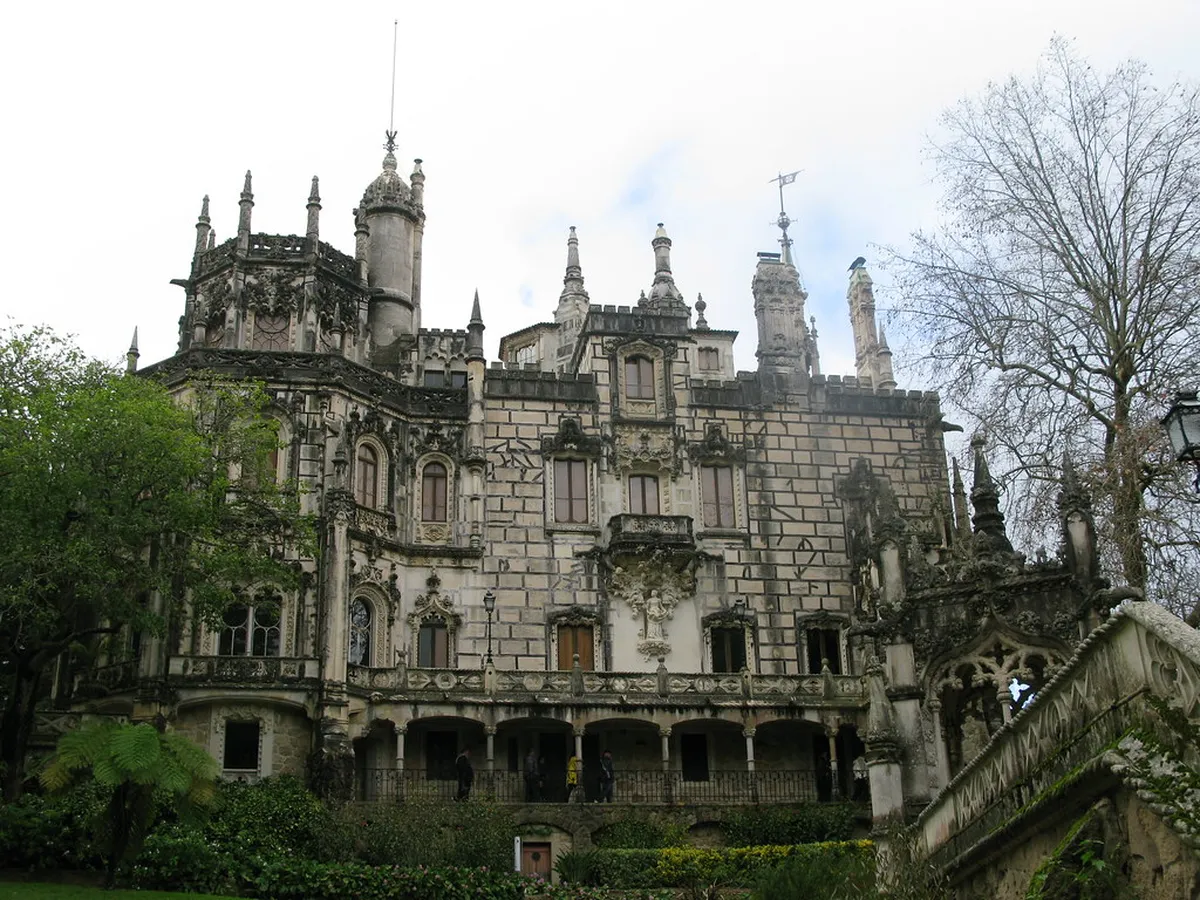
A few bookings genuinely need to happen weeks before you arrive. The Jerónimos Monastery in Lisbon sells a limited number of timed entry tickets online — without one, the queue in summer can exceed 90 minutes. Book via the official Mosteiro dos Jerónimos website (€10 standard entry) at least 3 weeks ahead for July or August visits. The Pena Palace in Sintra requires the same approach; the car park also fills by 09:30, so the rack railway from Sintra town is the more reliable option.
Boat tours to the Benagil Cave from Carvoeiro or Lagos sell out during June to September — book at least 5 days ahead online. Early morning slots (around 09:00) offer the calmest water and best light inside the cave. Car rentals should be confirmed 2–3 months before arrival if you are travelling in summer; prices roughly double in the final 4 weeks before peak dates.
For Douro Valley wine estate visits on weekends in September or October, email or call the quinta directly — online booking systems for harvest-season tours often fill before they are listed publicly. Weekday visits almost never require advance notice outside of harvest.
Extend Your Trip: 14-Day Portugal Itinerary Options
If you have a full two weeks, add three stops that the 10-day route skips. First, start with a day trip from Lisbon to Sintra — the colourful palaces and misty forests require a full day to do properly. Arrive at Pena Palace by 09:00 before tour groups take over. Second, build in a night at Évora, the Roman-walled capital of the Alentejo. The city's Roman temple, bone chapel, and slow-paced café culture are unlike anything else on the route.
Third, extend the Porto stay by one night and use it for a day trip to Braga or Guimarães — both medieval cities are less than an hour by train and radically undervisited compared to Porto itself. For a longer adventure, a 2 Weeks In Portugal Itinerary (14-day Road Trip) Travel Guide can comfortably include all four regions plus these extra stops at a pace that does not feel exhausting.
The Serra da Estrela mountain detour is worth adding if you are travelling in late spring or early autumn. The N338 road through the glacial valley is one of the most dramatic drives in the country. The village of Manteigas is the best base, and local producers sell the famous Queijo Serra da Estrela — a runny, spoon-eaten cheese — from small shops along the main road.
Frequently Asked Questions
When is the best time to do a road trip in Portugal?
Late spring and early autumn are the best times for driving. I found May and September offer mild weather and fewer crowds. Summer temperatures in the south can often exceed 35 degrees Celsius.
What are the toll road rules in Portugal for rental cars?
Portugal uses electronic-only tolls on many highways. Most rental cars come with a Via Verde transponder. This device tracks your usage and charges your credit card automatically after the trip.
Is driving in Portugal difficult for tourists?
Driving is generally easy on the modern highway network. However, narrow streets in historic villages require careful maneuvering. I recommend renting a compact car to make parking and navigation much simpler.
Portugal is one of the most rewarding countries in Europe for a driving holiday. From the sun-drenched cliffs of the Algarve to the terraced vineyards of the Douro Valley, the variety is immense. Whether you have 5 days or two full weeks, a self-drive itinerary lets you move at your own pace and reach places that buses simply do not go.
Sort the Via Verde transponder before you leave the rental lot, book your monastery tickets at least three weeks ahead, and choose October over August if you want the Algarve without the crowds. Safe travels as you explore the beautiful landscapes and historic cities of this Atlantic gem.
Explore More Portugal Road Trip Guides
Plan every leg of your Portugal road trip — from choosing routes and renting a car to tolls, driving rules, and the best multi-day itineraries.
Routes & Multi-Day Itineraries
- Lisbon to Porto Road Trip: 10 Best Stops and Driving Route
- 10 Day Portugal Road Trip Itinerary: The Ultimate Guide
- 2 Weeks In Portugal Itinerary (14-day Road Trip) Travel Guide
- 10 Essential Planning Guides for a Northern Portugal Road Trip
- 14-Day Portugal and Spain Road Trip Itinerary
Driving Logistics & Car Rental
- 9 Essential Tips for Driving in Portugal
- Driving in Portugal for Americans
- 10 Essential Tips for Renting a Car in Portugal
- 9 Essential Things to Know About Portugal Toll Roads (Via Verde)