14-Day Portugal and Spain Road Trip Itinerary
Plan the ultimate Portugal and Spain road trip with our 14-day itinerary. Includes border crossing tips, car rental advice, and must-see stops from Lisbon to Barcelona.
On this page
14-Day Portugal and Spain Road Trip Itinerary
This 14-day route through the Iberian Peninsula is designed for first-timers who want depth, not just highlights. The journey starts in Lisbon's hilly Alfama district and ends in Barcelona, covering roughly 1,200 miles of coastline, mountain ranges, and medieval city centres along the way.
We updated this portugal and spain road trip itinerary for 2026 with current ticket prices, toll road details, and cross-border rental advice. Understanding the practical logistics — especially Portugal's electronic toll system and one-way rental fees — will save you both money and stress before you leave home. If you have only ten days, the 10 Essential Tips for Renting a Car in Portugal guide covers the condensed Portugal leg in detail.
Driving between these two countries offers a genuine shift in landscape and culture within a single journey. You move from Atlantic-battered sea cliffs to Mediterranean whitewashed plazas in three days of driving. Most travellers get caught off-guard by the toll system, the restricted city centre zones, and the cross-border insurance paperwork. Every one of those details is covered below.
How to Structure a Portugal and Spain Road Trip
The most logical flow is west to east: fly into Lisbon, drive south to the Algarve, cross into Andalusia at Ayamonte, then push north through Granada, Toledo, and Madrid before finishing in Barcelona. This direction avoids backtracking and aligns naturally with prevailing wind conditions if you are travelling between October and March. Reverse it only if your flight deals dictate otherwise — flying into Barcelona and out of Lisbon is equally valid.
Two weeks split cleanly into three phases: four nights in Portugal (Lisbon plus Sintra day trip, two nights in the Algarve), five nights in Andalusia (Seville and Granada), and five nights in central and northeast Spain (Toledo, Madrid, and Barcelona). If you have only ten days, cut either the Algarve or Toledo — most travellers find dropping Toledo easier because Madrid can absorb a half-day medieval fix via the Prado's El Greco rooms.
Decide early whether you want a circular or one-way route. Circular means picking up and returning the car in the same city — almost always Lisbon — and using trains for the Madrid-to-Barcelona leg. One-way means dropping the car in Madrid and catching the high-speed AVE to Barcelona. Each option carries different rental costs, which the driving logistics section below covers in detail.
Book timed entry tickets for the Alhambra, Pena Palace, Sagrada Família, and Park Güell at least 6–8 weeks ahead for peak-season travel. These major attractions require mandatory time slots and sell out weeks before your trip, especially for summer dates.
Southern Iberia in winter is one of Europe's most underrated road trip windows. January and February bring daytime temperatures of 15–18°C in the Algarve and Seville, near-empty beaches, and accommodation prices that are 30–50% below August peaks. The Alhambra in Granada is easier to book in winter and the long queue at Sintra's Pena Palace shrinks dramatically after mid-October.
The Ultimate 14-Day Portugal and Spain Road Trip Itinerary
Your journey begins in Lisbon, a city of seven hills and stunning views. Start early to avoid the heavy mid-day tourist crowds — most major sites open at 10:00 and hit full capacity by midday. If you are working with fewer days, see this 10-day Portugal road trip itinerary for a tighter version of the Portugal leg. Parking in central Lisbon is frustrating; use the Príncipe Real or Intendente underground garages and walk in.
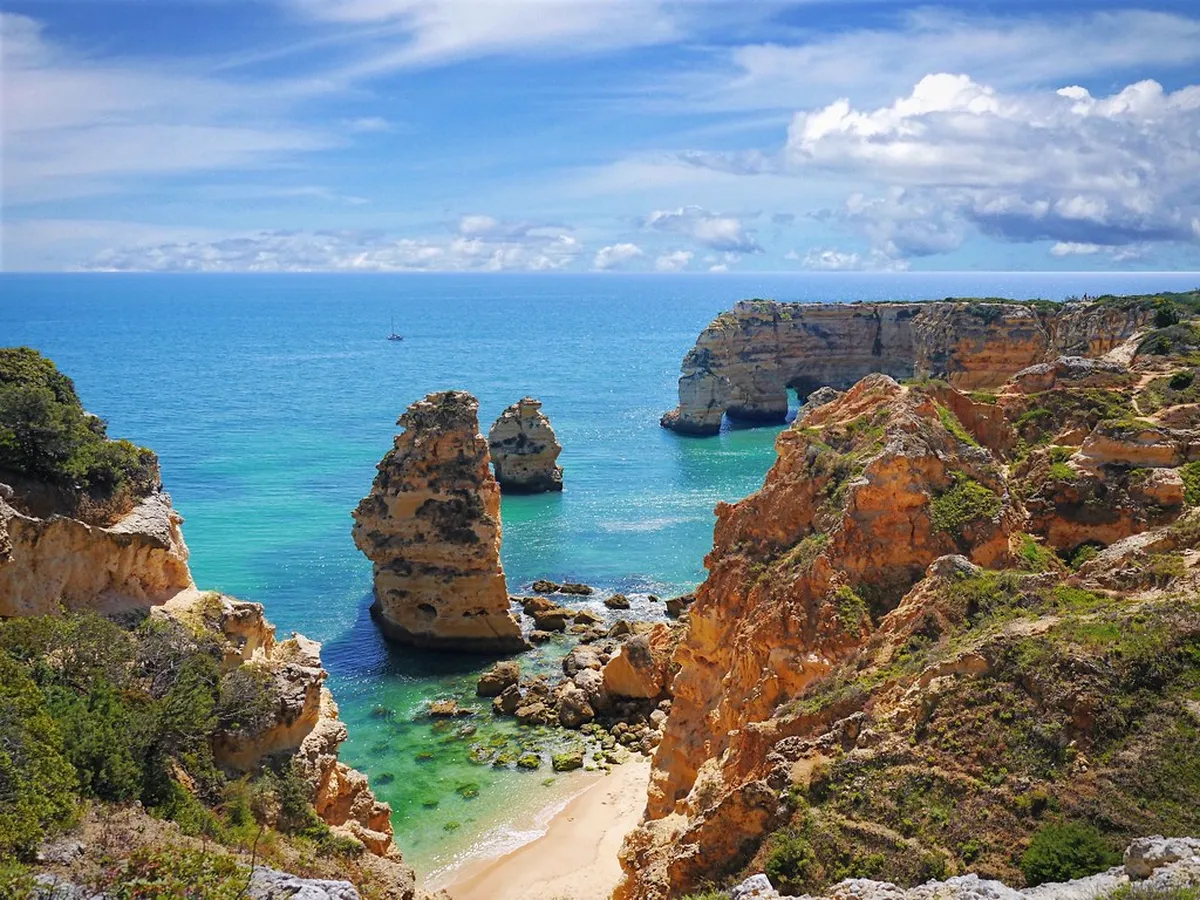
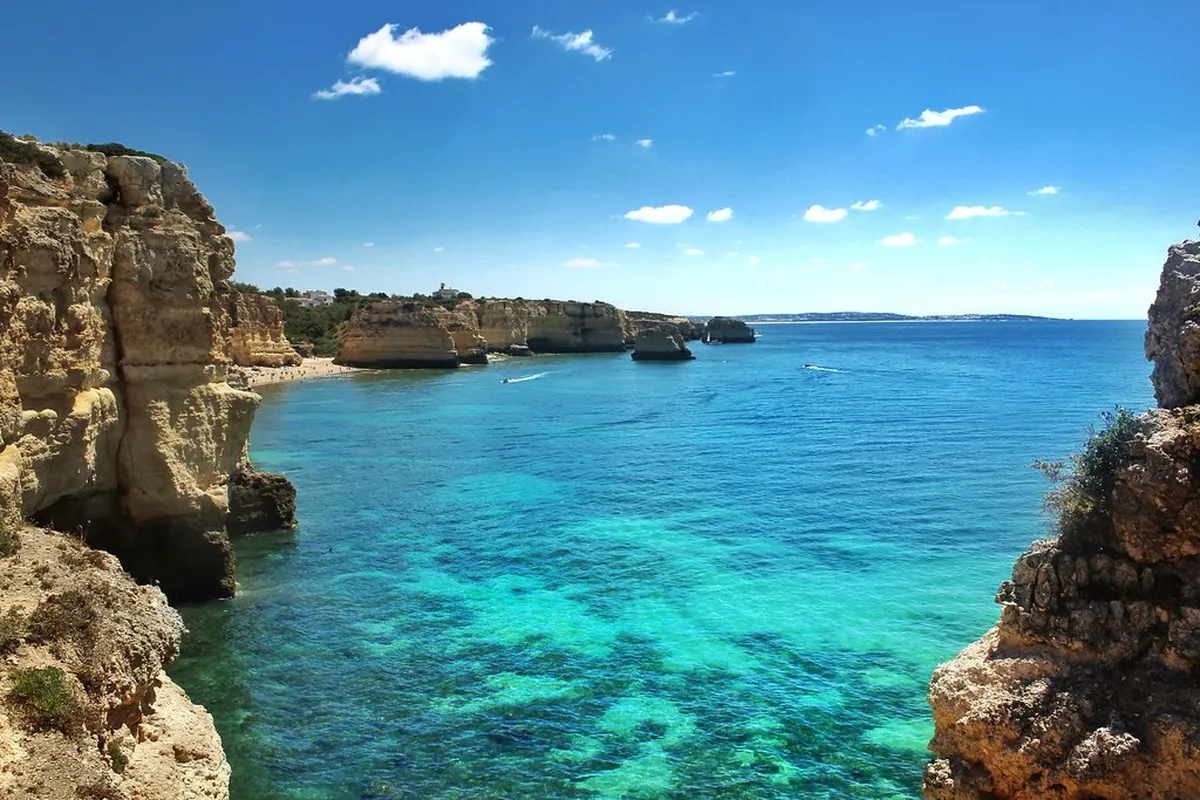
The drive from Lisbon south to the Algarve takes about three hours on the A2. Stop for grilled sardines at any small Tasca along the N2 interior road — the traditional local restaurants here bear no resemblance to the tourist-facing places in central Lagos or Albufeira. The Algarve coast between Lagos and Sagres offers the most dramatic sea-cliff scenery in western Europe. Crossing into Spain at Ayamonte is seamless; there are no checkpoints on the bridge over the Guadiana river.
The Alhambra in Granada requires tickets booked at least six to eight weeks ahead for peak months. Enter by 08:30 and you beat the worst of the day-tripper coaches from Seville and Málaga. The drive from Seville to Granada is three hours on the A-92; the drive from Granada to Toledo is four hours on the A-44 and A-4, with a short stretch of open Castilian plateau before you descend into the medieval city.
- Day 1: Lisbon — Alfama district walk, São Jorge Castle, fado dinner in Bairro Alto
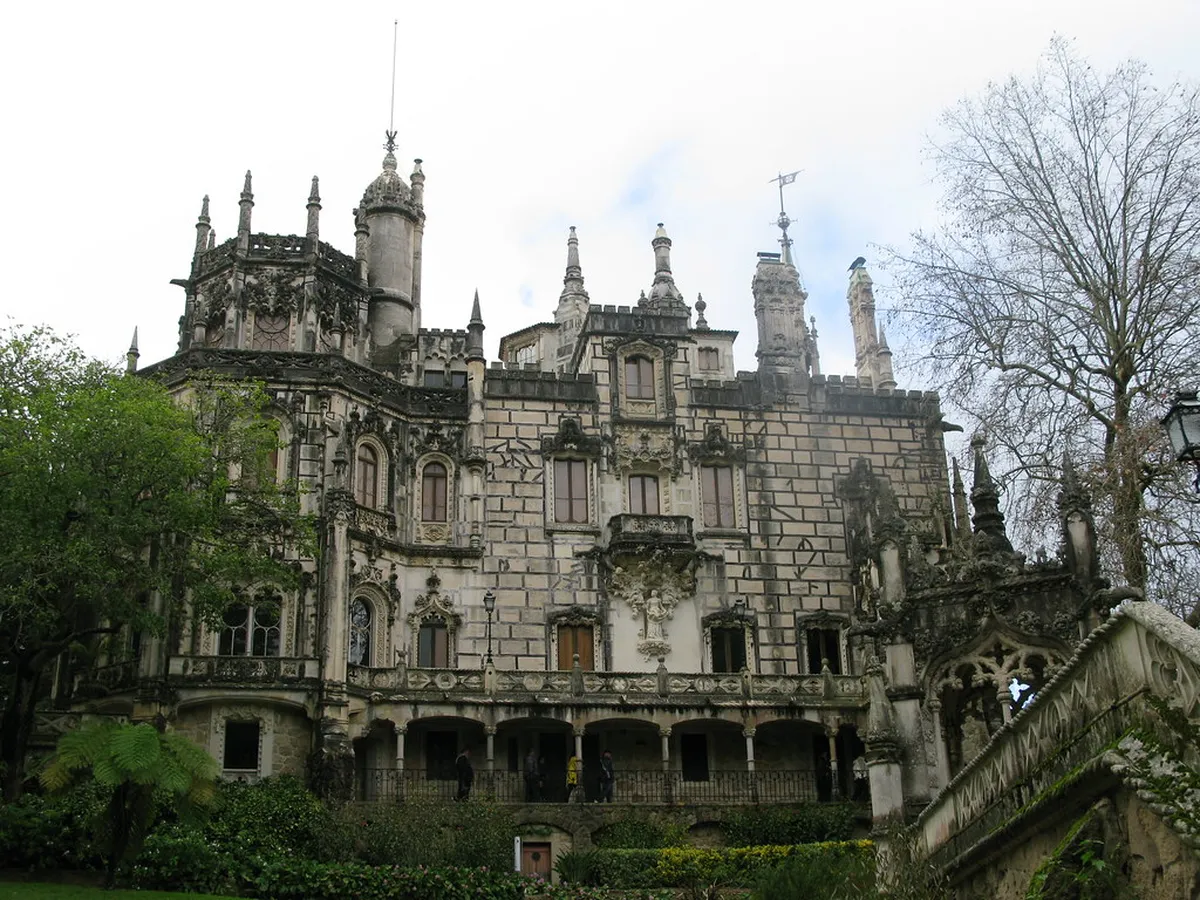
- Day 2: Sintra — Pena Palace (timed entry, book in advance), Quinta da Regaleira, Sintra old town dinner
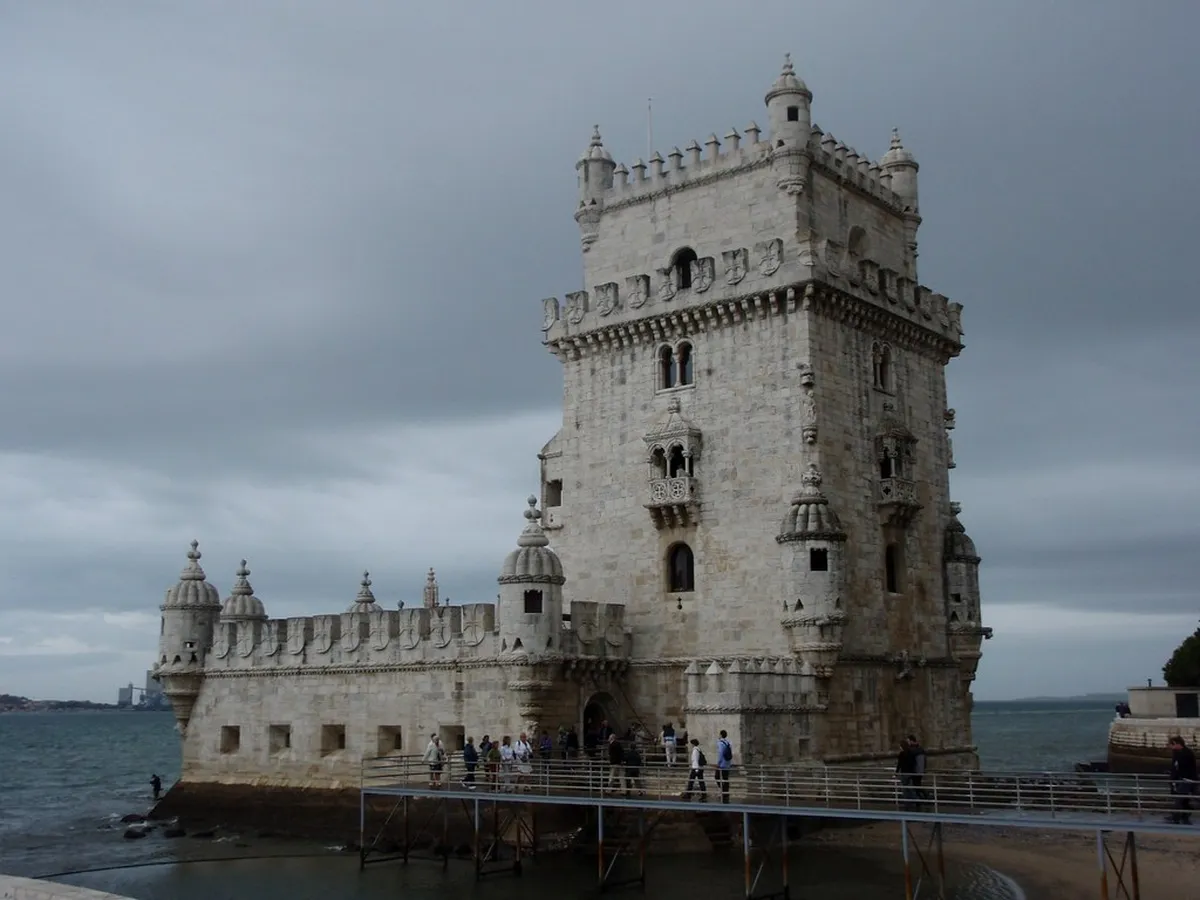
- Day 3: Lisbon/Belém — Jerónimos Monastery, Belém Tower, Pastéis de Belém, LX Factory evening
- Day 4: Drive to Lagos (A2, 3 hours) — Ponta da Piedade sea-cliff walk, Lagos old town evening
- Day 5: Sagres — Sagres Fortress, Cape Saint Vincent (westernmost point of mainland Europe), Benagil Cave boat tour from Portimão (book a day ahead, €30–50)
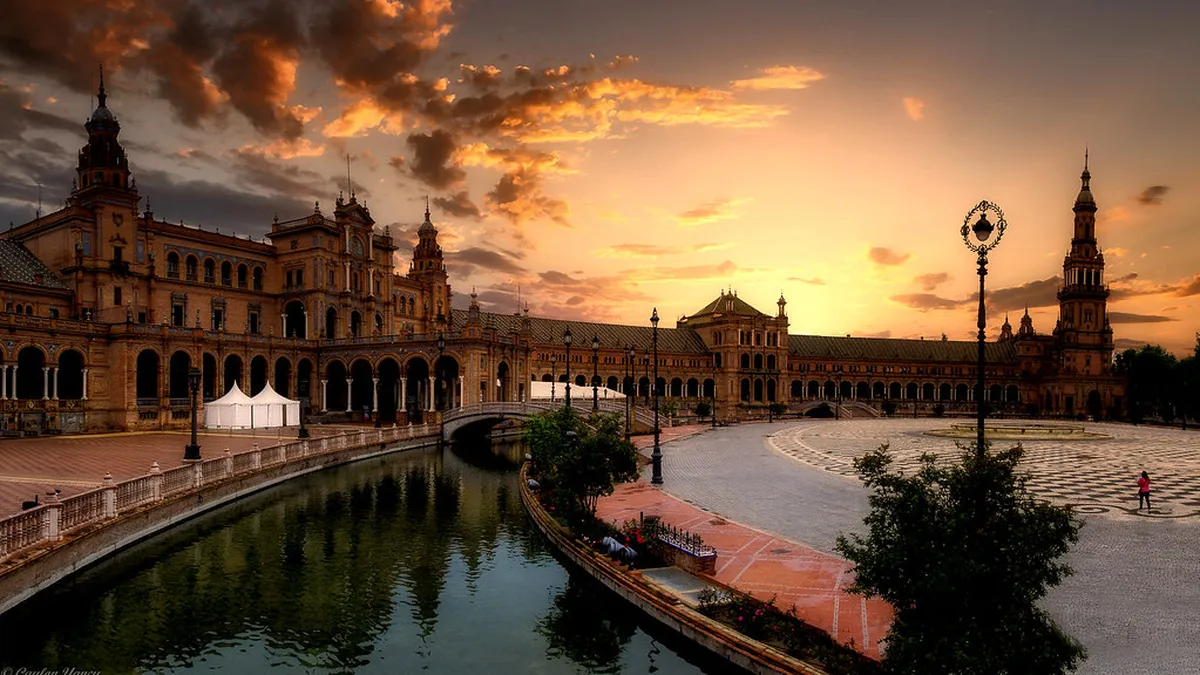
- Day 6: Cross into Spain — Drive to Seville via Ayamonte border (2.5 hours), Plaza de España, Triana district tapas
- Day 7: Seville — Royal Alcázar (pre-booked tickets essential, €16.50), Seville Cathedral and Giralda Tower, flamenco show in Santa Cruz
- Day 8: Drive to Granada (A-92, 3 hours) — Albayzín hill walk, Mirador San Nicolás at sunset, Sacromonte cave district
- Day 9: Alhambra — Enter at 08:30, Nasrid Palaces, Generalife Gardens, Royal Chapel afternoon visit
- Day 10: Drive to Toledo (A-44 / A-4, 4 hours) — Toledo Cathedral, Alcázar, Jewish Quarter, Mirador del Valle sunset
- Day 11: Drive to Madrid (45 minutes) — Royal Palace tour, Plaza Mayor, Mercado de San Miguel, return car here
- Day 12: Madrid — Prado Museum (€15, book online), Retiro Park, Reina Sofía Museum for Picasso's Guernica
- Day 13: High-speed AVE train to Barcelona (2h30 from Atocha, from €40) — Sagrada Família, Passeig de Gràcia evening walk
- Day 14: Barcelona — Park Güell (timed entry, €10), Gothic Quarter, Casa Batlló, Barceloneta beach farewell dinner
| Day | Location | Drive Time | Distance | Key Activity |
|---|---|---|---|---|
| 1 | Lisbon | — | — | Alfama district walk, São Jorge Castle |
| 2 | Sintra | 40 min | 30 km | Pena Palace, Quinta da Regaleira |
| 3 | Lisbon | 40 min | 30 km | Jerónimos Monastery, Belém |
| 4 | Lagos, Algarve | 3 hours | 240 km | Ponta da Piedade sea-cliff walk |
| 5 | Sagres | 1.5 hours | 120 km | Cape Saint Vincent, Benagil Cave tour |
| 6 | Seville, Spain | 2.5 hours | 200 km | Border crossing at Ayamonte, Plaza de España |
| 7 | Seville | — | — | Royal Alcázar, Cathedral, Flamenco show |
| 8 | Granada | 3 hours | 240 km | Albayzín hill walk, Mirador San Nicolás |
| 9 | Granada | — | — | Alhambra: Nasrid Palaces, Generalife |
| 10 | Toledo | 4 hours | 320 km | Cathedral, Alcázar, Jewish Quarter |
| 11 | Madrid | 45 min | 60 km | Royal Palace tour, return rental car |
| 12 | Madrid | — | — | Prado Museum, Retiro Park, Reina Sofía |
| 13 | Barcelona | 2h30 train | 615 km | AVE high-speed train from Madrid, Sagrada Família |
| 14 | Barcelona | — | — | Park Güell, Gothic Quarter, Casa Batlló |
Must-See Portugal Attractions
Lisbon offers more than just the Alfama viewpoints. The Jerónimos Monastery in Belém is the finest example of Manueline architecture in existence — a style that fuses late Gothic stonework with maritime symbolism from the Age of Discovery. Entry costs €10 and the monastery opens at 10:00 Tuesday through Sunday. Arrive by 09:30 to join the short queue before the tour groups from the cruise terminal arrive after 11:00.
Sintra, 40 minutes northwest of Lisbon by road or commuter train (€4.70 from Rossio station), is the single most visited day trip from the capital. Pena Palace sits above the treeline at 530 metres and uses timed entry — book your slot at least a week ahead in summer. Quinta da Regaleira deserves at least two hours: the so-called Initiation Well descends 27 metres through nine spiralling landings, each said to represent a degree of initiation in Masonic rites. The whole estate feels deliberately strange and rewards slow exploration.
In the Algarve, Cape Saint Vincent at Sagres is the most southwesterly point of mainland Europe. On still mornings you can hear the Atlantic swell hitting the 60-metre cliffs before you see them. The Sagres Fortress itself (€3 entry) is a relatively thin attraction, but the short walk out to the lighthouse at the cape is one of the most atmospheric spots on the entire route. For comprehensive Algarve travel planning, the official Portugal tourism board offers detailed regional guides. The Benagil Cave, accessible only by boat or stand-up paddleboard from Carvoeiro or Portimão, is best photographed between 09:00 and 11:00 when direct sunlight enters the sea-cave opening from above.
Museums, Art, and Culture in Portugal
Lisbon punches well above its size for museums. The National Museum of Ancient Art (Museu Nacional de Arte Antiga) on Rua das Janelas Verdes holds the Panels of Saint Vincent, a 15th-century polyptych that depicts Lisbon's population at the moment of Portugal's imperial expansion. Entry is €6. The MAAT (Museum of Art, Architecture and Technology) in Belém offers rotating contemporary exhibitions in a building that sits directly on the Tagus riverbank — the rooftop walk alone is worth the €11 ticket.
The National Tile Museum (Museu Nacional do Azulejo) is one of the most overlooked attractions in Lisbon. It sits in a former 16th-century convent in the Xabregas neighbourhood, a 20-minute walk east of Alfama. Entry costs €5 and the building houses a 36-metre panoramic tile panel of Lisbon as it looked before the 1755 earthquake — an irreplaceable historical document rendered in blue-and-white ceramic. Allow 90 minutes.
Fado is Portugal's most distinctive cultural export and Lisbon is the place to hear it live. Alfama has the highest concentration of fado houses, ranging from tourist-facing dinner shows (€40–60 per person including a set meal) to smaller atmospheric casas like Tasca do Chico on Rua do Diário de Notícias, which takes only 30 people and books out weeks ahead. If you are in Porto for any extension, the Casa da Música offers world-class contemporary and classical programming in an extraordinary Rem Koolhaas-designed building.
Parks, Gardens, and Outdoor Spots in Portugal
Sintra's Pena Park (separate from the palace, free to enter) covers 200 hectares of woodland and connects several palaces via walking trails. The trail between Pena Palace and Monserrate Palace takes about 90 minutes on foot and passes through old camellia groves and moss-covered ruins. This walk is one of the best free outdoor experiences in the Lisbon region and most tourists skip it entirely because they don't know the trail exists.
The Algarve's coastline between Lagos and Sagres offers the most dramatic cliff walking in Portugal. The Rota Vicentina trail network connects coastal headlands via well-marked paths — the Fishermen's Trail (Trilho dos Pescadores) runs for 226 km from Porto Covo to Lagos and any 2–3 hour section near Carrapateira or Bordeira makes an excellent half-day detour. The beach at Praia da Bordeira is vast, wild, and rarely crowded even in July.
Évora, located two hours east of Lisbon on the A6 and easily added as a lunch stop on your drive toward Spain, has a Roman temple, a medieval cathedral, and one of the most pleasant historic centres in Portugal. The town sits within the Alentejo cork oak plain — a landscape that looks nothing like either the coastal Algarve or the urban Lisbon basin. It costs nothing to walk the old town walls and the main cathedral charges €1.50 for the roof terrace, which gives a view across the entire Alentejo plateau.
Family-Friendly and Budget-Friendly Options
This route works well for families because the driving distances are manageable — typically two to four hours per day — and most major cities are compact enough to walk without a stroller becoming a problem on the hills. The Alfama in Lisbon is cobbled and steep; bring a carrier for children under four. Sintra's Pena Palace is pushchair-accessible on the lower palace circuit but the upper ramparts require steps. The Alhambra's main Nasrid Palace complex is mostly level and does well for school-age children who can engage with the geometric tile patterns and courtyard fountains.
Budget travellers can substantially reduce costs by front-loading museum visits on days when free admission applies. In Lisbon, most national museums offer free entry on Sunday mornings until 14:00. The Prado in Madrid is free daily from 18:00 to 20:00 (17:00 on Sundays). Granada's Alhambra has no free window, but the Generalife gardens are included in the standard €14 ticket and worth the full afternoon. Accommodation savings are largest in the Algarve: an apartment in Lagos for four people costs €60–90 per night in May, versus €130–180 in August.
Food costs in Portugal run significantly lower than in Spain's major cities. A set lunch menu (menu do dia) in a Lisbon neighbourhood tasca costs €9–12 including soup, main course, bread, and a drink. In the Algarve, grilled fish at a harbour-side restaurant in Sagres or Vila do Bispo costs €12–18 per person. In Seville, the same quality of sit-down meal runs €15–25. Budget €30–40 per person per day for food across the whole trip if you eat one sit-down lunch and one sit-down dinner.
Portugal's A22 Algarve motorway uses all-electronic tolls with no booths — rental cars without Via Verde transponders incur €15–25 processing fees on top of €6–12 actual tolls. Rent a Via Verde device for €2 per day from your rental company to eliminate hidden charges entirely.
How to Plan a Smooth Portugal Attractions Day
The single biggest mistake on the Portugal leg is trying to combine Sintra and Belém in the same day. Both require at least three hours on-site and both fill up by 11:00 in summer. Give Sintra a full day from Lisbon — take the commuter train (40 minutes, €4.70 each way) and avoid driving, as parking in the village is extremely limited and the approach roads jam from 09:30 onward. Belém deserves a separate morning: walk the 6 km from Lisbon's Cais do Sodré along the river or take the 15E tram.
Book all major timed entries before you leave home. Pena Palace, the Alhambra, the Sagrada Família, and Park Güell all use mandatory timed slots that sell out weeks to months ahead. For 2026, Alhambra Nasrid Palace slots for July and August typically sell out by April. The Sagrada Família recommends booking at least three weeks ahead for summer visits. Pena Palace's busiest slots (09:30–12:00) go first; the 14:30 entry is usually available longer.
In the Algarve, organise your days around the tide schedule for coastal walks and the boat tour timing for cave visits. The Benagil Cave interior receives direct sunlight only during a roughly two-hour window around midday — tours that depart between 10:00 and 11:00 offer the best light for photographs. Check the swell forecast on windguru.cz before booking any Algarve boat trip; operators cancel on short notice when swells exceed 1.5 metres and will not refund on the day.
Driving Logistics: Car Rentals, Tolls, and Border Crossings
Most rental companies permit cross-border travel between Portugal and Spain, but require written authorisation in advance and charge a supplement — typically €30–80 depending on the company and vehicle class. One-way rentals (picking up in Lisbon and dropping in Madrid) carry much larger fees, often €150–300 above the standard daily rate. The most cost-effective approach for a 14-day trip is to rent in Lisbon, keep the car for the Portugal and Andalusia legs, return it in Madrid on Day 11, and use the high-speed AVE train for the final leg to Barcelona. Check the 9 Essential Things to Know About Portugal Toll Roads (Via Verde) for current supplement rates by company before booking.
Portugal's toll system catches most foreign visitors off-guard. The A22 motorway through the Algarve — the most direct coastal route between Faro, Lagos, and the Spanish border — is all-electronic and has no toll booths. Foreign-registered rental cars without a Via Verde transponder are charged via number-plate recognition, and the bill arrives through your rental company weeks after you return home, often with a processing surcharge of €15–25 added on top of the actual tolls (typically €6–12 for the full Algarve stretch). Ask your rental company at pickup whether a Via Verde device is included or available to rent for around €2 per day — it eliminates the surcharge entirely. The A2 from Lisbon south to the Alentejo uses conventional toll booths that accept cards, so the electronic-only issue is specific to the A22. See the full breakdown in our 9 Essential Tips for Driving in Portugal.
For travellers who want to avoid Algarve tolls altogether, the N125 coastal road runs parallel to the A22 and passes through every town between Faro and Lagos. It adds 30–45 minutes versus the motorway but passes through Loulé market, the Carvoeiro cliffs, and Portimão harbour — all worth seeing. The N2 interior route from Lisbon to the Algarve through Alentejo is an entirely different experience: quiet cork-oak groves, whitewashed villages, and zero tolls on the main carriageway. It adds about 45 minutes versus the A2 motorway but is the recommended choice if you have time and prefer rural Portugal to motorway driving.
Parking in Seville, Toledo, and Granada's historic centres is restricted to residents. Book accommodation that includes private parking — most Seville boutique hotels in the Santa Cruz district do — and budget €15–25 per night for public garages in Toledo and Granada. The Spanish LEZ (Low Emission Zone) camera systems in central Madrid apply to most pre-2015 diesel vehicles; confirm your rental car's DGT environmental sticker with the rental company before entering the M-30 ring.
Add an Extra Day: Gibraltar or the Northern Alternative
Gibraltar sits between Granada and the Algeciras motorway junction, making it a technically easy detour. In practice, the border queue at La Línea de la Concepción runs 45 minutes to two hours on most weekday mornings — longer on weekends when day-trippers from the Costa del Sol arrive in bulk. Once across, the cable car to the Upper Rock (£15.60 return) and the obligatory encounter with the Barbary macaques take two to three hours. Gibraltar is worth adding if you have 15 or more days; on a tight 14-day schedule, most travellers find the border delay eats too much of a single day.
The northern Iberia route — San Sebastián to Santiago de Compostela through the Picos de Europa — is a completely different road trip that some travellers combine with the southern loop by flying into Bilbao and out of Lisbon. The Picos de Europa massif, specifically the Caín gorge walk and the Fuente Dé cable car up to 1,850 metres, belongs on any serious Iberian road trip list. Galicia's coast around Finisterre and the Rías Baixas offers the Atlantic wildness of the Algarve but without the crowds. The two itineraries do not combine cleanly into 14 days; the north works best as a standalone 10-day trip.
The Douro Valley in northern Portugal makes a strong case as a one-night extension from Porto if you fly home from there. The N222 along the river between Peso da Régua and Pinhão is one of the most scenic drives in Europe. Most quintas offer wine tastings for €15–25 and several — including Quinta do Crasto and Quinta da Roêda — produce wines that regularly score above 92 on major wine publications. Travellers often find community discussions on Reddit.com useful for comparing niche mountain routes and off-season timing across both countries.
Frequently Asked Questions
How many days do I need for a Portugal and Spain road trip?
A 14-day trip is the ideal duration for first-timers. It allows you to see Lisbon, the Algarve, Seville, and Madrid without feeling rushed. If you have less time, focus on just one country.
Can I drive a rental car from Portugal to Spain?
Yes, but you must inform the rental company first. They usually charge a cross-border fee for insurance coverage. Always check the contract for one-way drop-off costs between countries.
Is driving in Portugal and Spain difficult?
Main highways are excellent and easy to navigate. However, historic city centres have very narrow streets and restricted zones. I recommend parking on the outskirts and using public transit.
This portugal and spain road trip itinerary offers a perfect blend of history and scenery. You will see everything from Moorish palaces to rugged Atlantic cliffs. The practical details — tolls, timed entries, cross-border rental fees — make the difference between a frustrating trip and a smooth one. The Iberian Peninsula rewards travellers who plan the logistics early and stay flexible on everything else.
Remember to book your major attraction tickets as early as possible. Stay flexible with lunch stops and give yourself time in small villages between the main cities. We found that the best moments often happen between the major stops — a Tasca in Alentejo, a cliffside track near Sagres, a neighbourhood bar in the Triana. Safe travels as you explore these two beautiful and historic nations.