
How Many Days in Portugal: 10-Day Essential Itinerary
Discover how many days in Portugal you need. Explore 5, 10, and 14-day itineraries, transit tips, and regional highlights to plan your perfect trip.
On this page
How Many Days in Portugal: 10-Day Essential Planning Guide
Portugal is one of Europe's most rewarding short-trip destinations. The country is small enough that a first-timer can see Lisbon, Porto, and the Algarve coast in ten days without feeling like they are on a tour bus sprint. But the right answer to "how many days in Portugal" depends entirely on your travel style, your budget, and which regions you actually want to visit.
This guide breaks the question down by trip length. Use the duration that matches your available vacation days, then read the logistics section to understand how to move between regions efficiently. Everything here is based on 2026 conditions, including current train times and seasonal crowd patterns.
Key Factors for Deciding Your Portugal Trip Length
The single biggest variable is whether you plan to rent a car. With a car, you can fold in slower regions — the Alentejo plains, the Costa Vicentina, remote Douro Valley quintas — that are awkward by rail. Without a car, stick to the Lisbon–Coimbra–Porto rail corridor and use a dedicated Algarve transfer or flight. Most first-timers underestimate how much this choice shapes the feasible itinerary.
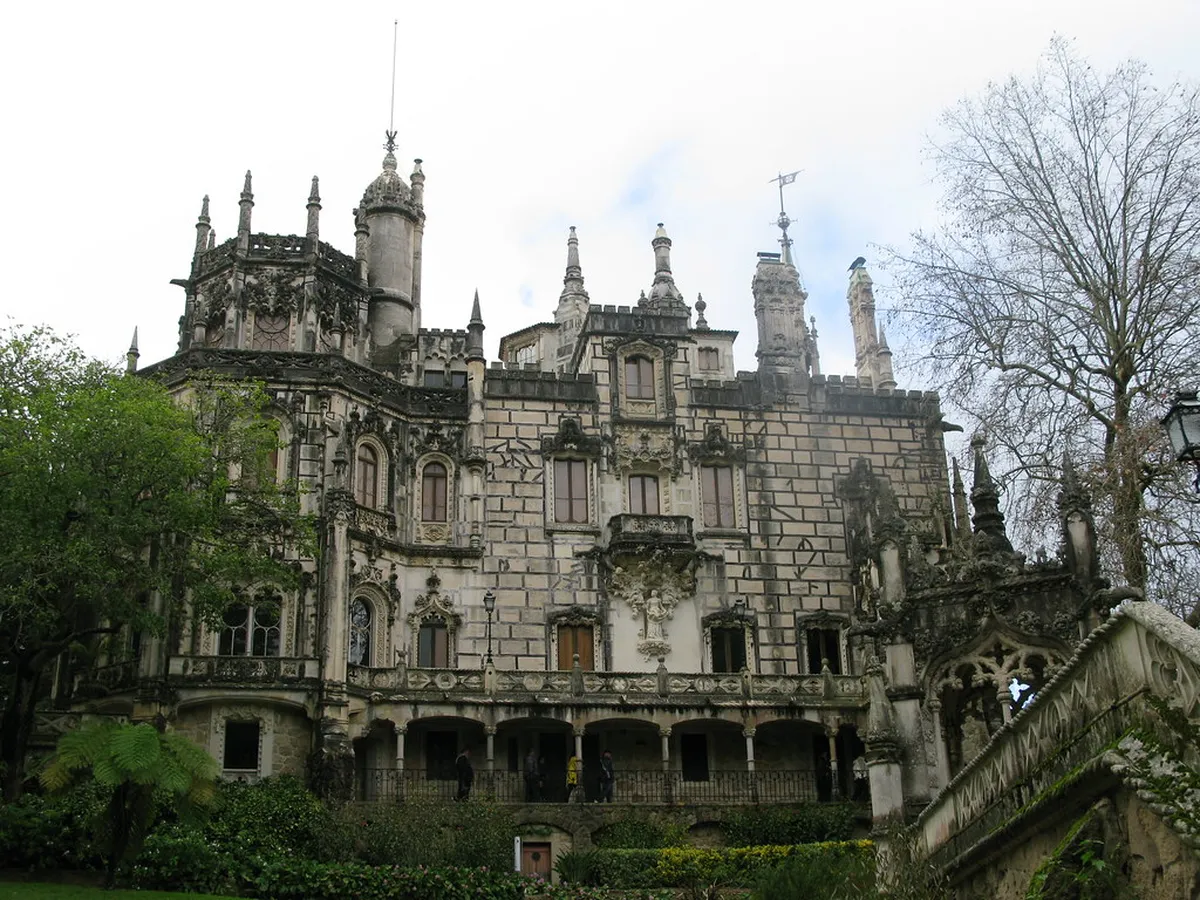
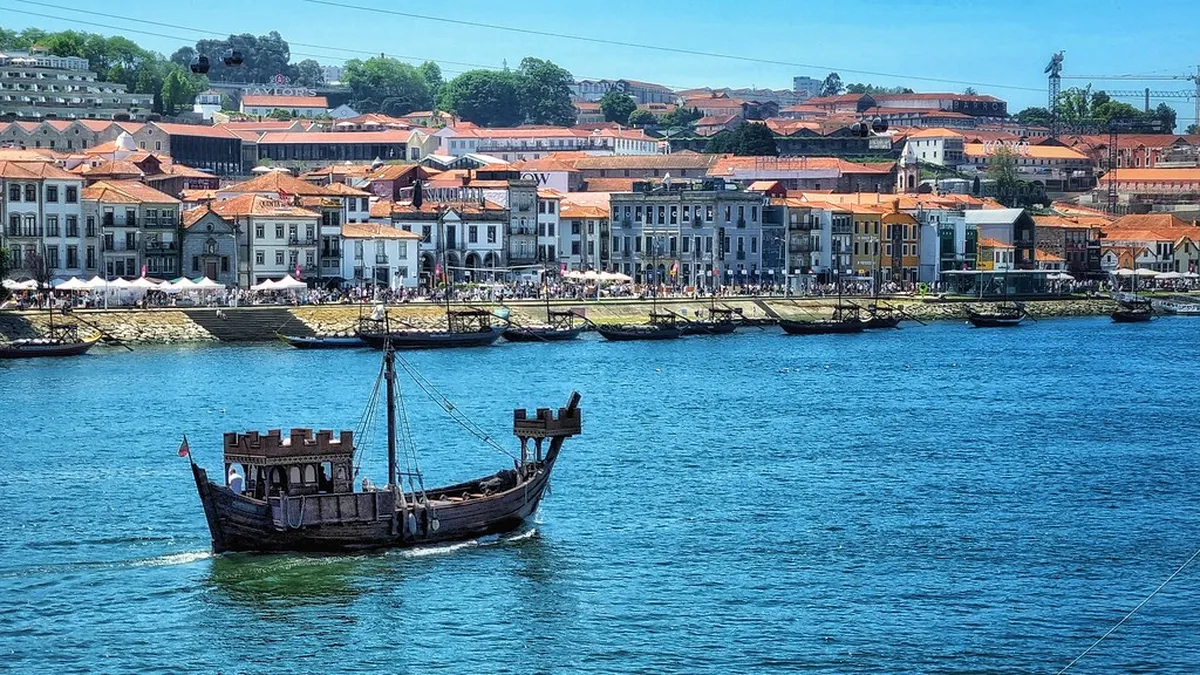
The second factor is pace. Portugal's two main cities each deserve more time than most travellers give them. Lisbon alone can fill three days comfortably: one day for Alfama and Baixa, one day for Belém and Jerónimos Monastery, and one day trip to Sintra. Porto needs at least two full days for the Ribeira, Vila Nova de Gaia's port wine lodges, and a proper walk through the Cedofeita galleries district. Cutting either city to one day means skipping half of what makes them worth visiting.
The third factor is time of year. April, May, and September give you ideal temperatures (18–25 °C), manageable crowds, and every attraction fully open. July and August are hot (35 °C+ inland) and heavily booked — popular sites like Pena Palace in Sintra sell out morning slots weeks in advance. Portugal's meteorological authority publishes detailed climate profiles for each region to help you pick the optimal season. If you are travelling in peak summer, budget an extra half-day of logistics per city to absorb queues and heat breaks.
Shoulder months (April–May and September–October) offer warm weather, lower accommodation costs, and shorter queues at major landmarks. If you are flexible with dates, shifting your trip by just two weeks can mean the difference between walking into Sintra's Pena Palace at 09:30 or waiting in a three-hour line.
Portugal in 5–6 Days: The Essential Lisbon and Porto Duo
A five or six-day trip works best if you keep your ambitions narrow. Trying to reach the Algarve from Porto and back within six days turns every day into a transit exercise. Instead, commit to the two cities and do them properly.
Spend three nights in Lisbon. Use the first day to walk Alfama and São Jorge Castle, arriving at the castle by 09:00 to beat the coach groups. On day two, take the 35-minute train from Rossio station to Sintra (€2.30 each way) and see Pena Palace — book your timed entry slot at least two weeks ahead in 2026. Spend day three in Belém: Jerónimos Monastery opens at 10:00 and the entry fee is €12; pair it with the Belém Tower across the waterfront.
Then catch the Alfa Pendular train from Oriente station to Porto. The journey takes about 2 hours 45 minutes and costs €30–€40 booked in advance through Comboios de Portugal. Spend two nights in Porto. On the first day cover Ribeira, the Dom Luís I bridge, and a port wine tasting in Vila Nova de Gaia (most lodges charge €15–€25 for a tasting with two wines). On the second day, visit Livraria Lello (€8 entry, credited against book purchases) and the Serralves Foundation for contemporary art.
Six days is not enough for the Algarve beaches or the Douro Valley. Accept that trade-off and you will enjoy both cities far more than if you had rushed through them. A 10-day Portugal road trip itinerary is the minimum if you want all three regions.
Portugal in 7–10 Days: The Classic Central Route
Seven to ten days is the most popular trip length for first-time visitors, and for good reason — it covers Portugal's essential four without too much backtracking. The four anchors are Lisbon, the Algarve coast, the Douro Valley, and Porto. Whether you drive the whole route or mix train and a short-haul flight from Faro to Porto determines how tightly you can connect them.

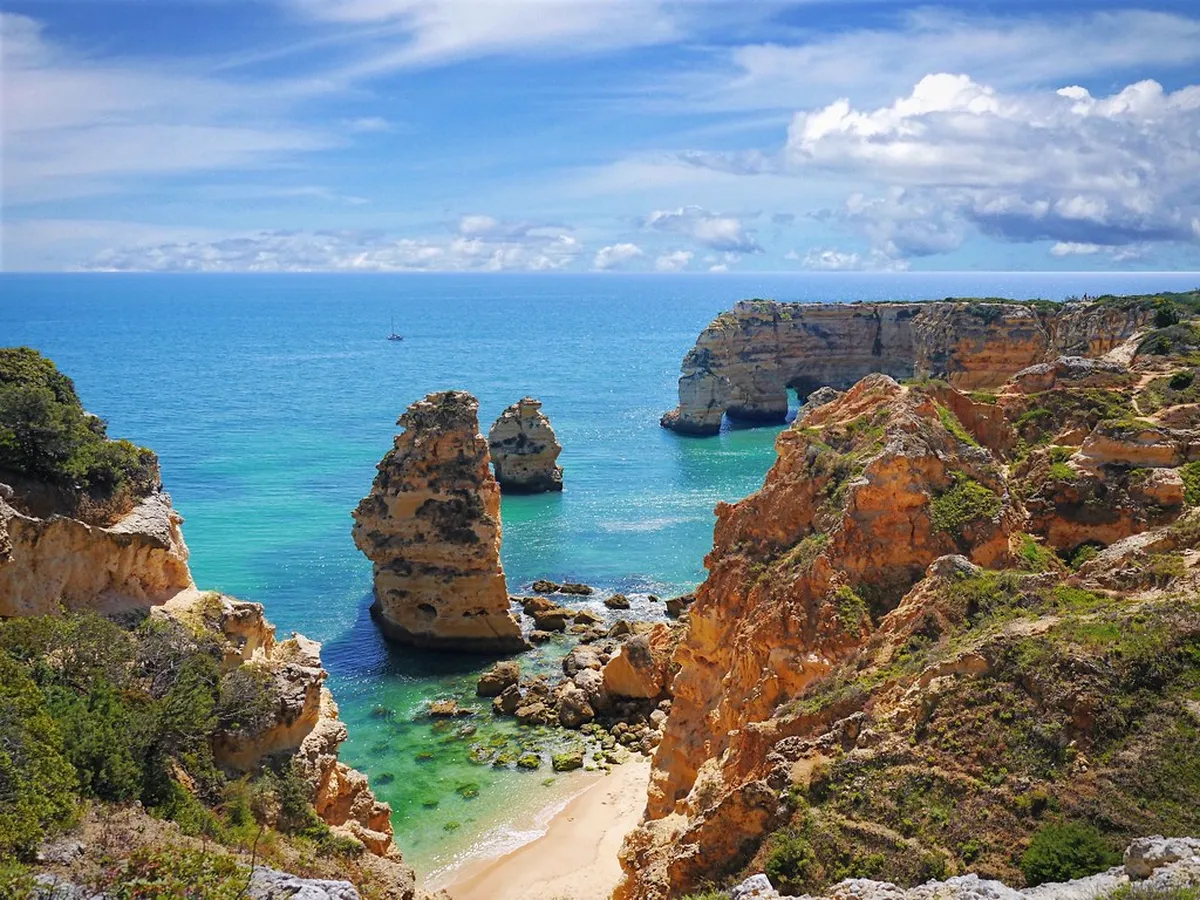
A practical seven-day structure: two days in Lisbon (plus the Sintra day trip), one travel day south by train to the Algarve (Alfa Pendular Lisbon–Tunes, then regional rail to Lagos, total 3 hours 20 minutes, approximately €30), two days exploring Lagos and the limestone sea stacks at Ponta da Piedade, and two days in Porto. You skip the Douro Valley and Coimbra, but you see the coast and both cities without rushing.
For ten days, the classic road trip route runs south to north: Lisbon → Algarve (via the Costa Vicentina if driving) → Évora → Coimbra → Douro Valley → Porto. This route minimises backtracking. Pick up your rental car on day three after your Lisbon hotel checkout; return it in Porto on day nine. Driving the A2 from Lisbon to the Algarve takes about 3 hours. Évora to Coimbra is another 3 hours. Coimbra to the Douro Valley town of Pinhão is 1.5 hours.
Is 7 days enough for Portugal? Yes — if you focus. Lisbon plus Porto plus one region (Algarve or Douro) gives you a complete trip. Ten days lets you cover all four without feeling compressed. For a deeper look at the driving route, our 10 Essential Sections for a Portugal Road Trip Itinerary maps each day with specific stops and driving distances.
Book timed-entry tickets for Sintra's Pena Palace at least two weeks ahead in peak season (June–August) — same-day tickets often sell out by 11:00 AM. Entry costs €20 for adults in 2026. The official Sintra-Cascais Natural Park website lets you reserve directly without additional booking fees.
Actual transit times between major cities (2026)
| Route | Train (Alfa Pendular) | By car |
|---|---|---|
| Lisbon → Porto | 2 h 45 min / €30–€40 | 3 h 15 min |
| Lisbon → Lagos (Algarve) | 3 h 20 min / €28–€35 | 3 h 00 min |
| Lisbon → Évora | 1 h 40 min / €14–€18 | 1 h 20 min |
| Porto → Pinhão (Douro Valley) | 2 h 15 min / €12–€16 | 1 h 30 min |
| Coimbra → Porto | 1 h 10 min / €9–€14 | 1 h 20 min |
Portugal in 11–14 Days: The Complete North-to-South Experience
A 2-weeks in Portugal itinerary allows you to slow down at each stop without cutting anything significant. Fourteen days is the right length if you want the Algarve beaches, the Douro Valley vineyards, the medieval university atmosphere of Coimbra, and the rural quiet of the Alentejo all in one trip.
With this duration, you can add destinations most travellers never reach. The Peneda-Gerês National Park north of Porto rewards a two-night stay: granite mountains, waterfalls, and almost no international tourist crowds. The town of Óbidos, a walled medieval village an hour north of Lisbon, makes a perfect half-day stop before heading to Coimbra. In the far south, the Costa Vicentina — the stretch of wild Atlantic coast between Sagres and the Alentejo border — is one of the least developed coastlines in Western Europe.
A fourteen-day road trip itinerary might look like this: three nights in Lisbon (with Sintra), two nights in the Algarve, two nights in Évora and Alentejo, two nights in Coimbra, one night in the Douro Valley (Pinhão), and three nights in Porto. That leaves a buffer day for weather, spontaneous stops, or an extra night wherever you fall in love with a place.
Alentejo or Algarve: Which Third Region Should You Add?
Most first-timers plan for Lisbon and Porto, then ask: "What should I add as my third region?" The SERP is full of generic recommendations to see both, but that only works with two weeks. If you have seven to ten days and must choose one, the decision comes down to what you actually want from a holiday.
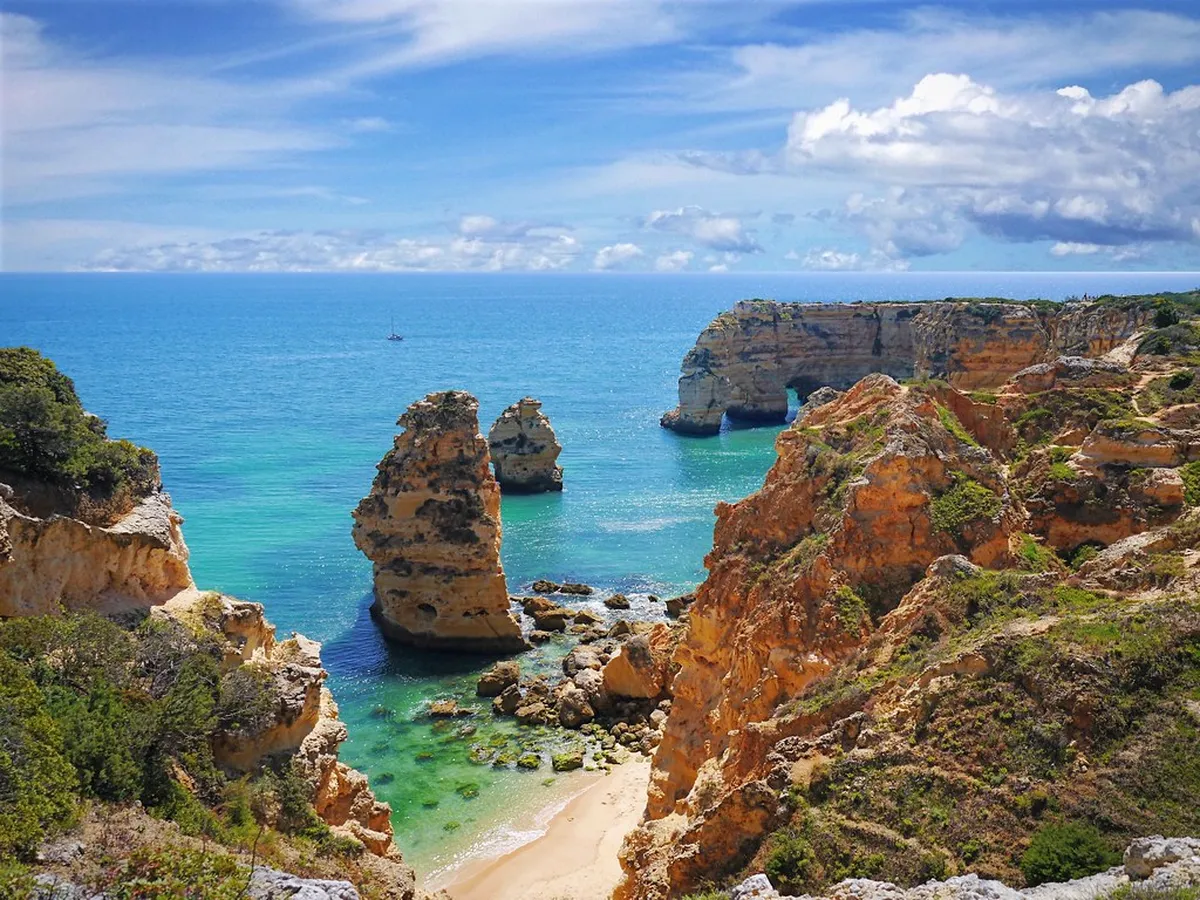
The Algarve is the right choice if you want sunshine, dramatic coastal scenery, and the option to relax on a beach between sightseeing days. Lagos is the best base: the old town has 16th-century walls and a compact centre, and Ponta da Piedade is fifteen minutes on foot. The water is warm enough to swim from May through October. The trade-off is that the central Algarve (between Portimão and Albufeira) is very developed, with package-holiday infrastructure that feels at odds with the rest of Portugal's character.
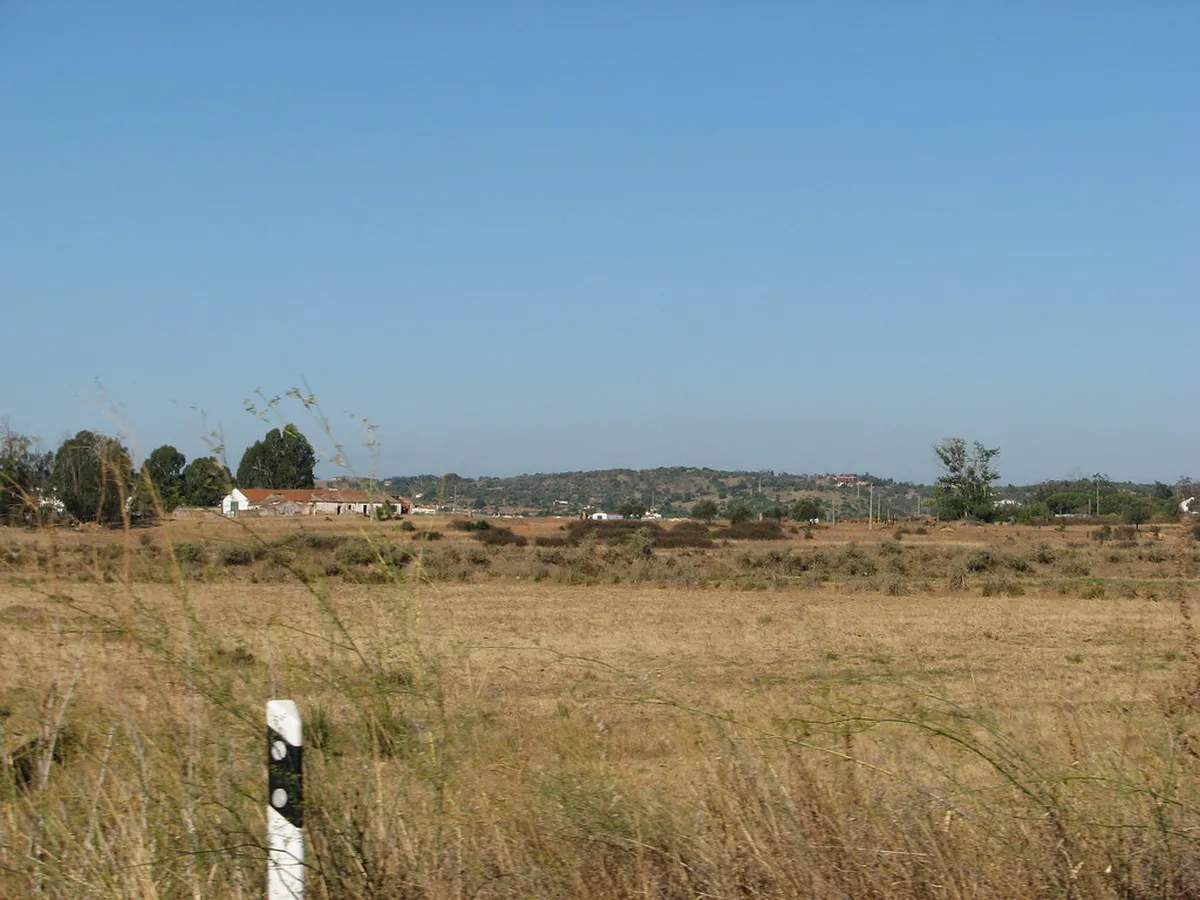
The Alentejo is the right choice if you want rural Portugal: cork forests, wheat plains, small whitewashed towns, and the country's best red wines. The Alentejo region stretches across south-central Portugal with a distinct character from the coast — Évora is the gateway, a UNESCO World Heritage city with a Roman Temple in the middle of a pedestrian square and a bone chapel that surprises visitors who find it more thoughtful than macabre. Farm stays in the Alentejo cost €90–€150 per night and typically include breakfast and sometimes dinner with local produce. The downside is that you absolutely need a car; public transport between Alentejo towns is sparse.
A useful rule: if your travel dates are May–September and you haven't been to Portugal before, choose the Algarve. If you are returning, travelling in the shoulder season, or specifically want slow-travel immersion over beach time, choose the Alentejo. The two regions have almost nothing in common beyond their Portuguese identity, which is exactly why picking one makes the trip more coherent.
Practical Logistics: Getting Around and Best Seasons
Train travel covers the Lisbon–Coimbra–Porto spine efficiently. The Alfa Pendular is punctual, comfortable, and significantly cheaper than equivalent European high-speed routes — a Lisbon-to-Porto ticket booked a week out costs under €40. Visit Portugal's official tourism site for comprehensive transport planning, or book directly through the Comboios de Portugal website or app; the interface is in English and accepts international cards.
For the Alentejo and the Algarve's lesser-known beaches, a rental car is the practical choice. If you are 10 Essential Tips for Renting a Car in Portugal, book automatic transmission at least six to eight weeks before travel in summer — automatics are a minority of the Portuguese fleet and prices double when supply tightens. Portugal's highways are electronic-toll only; you will need either a Via Verde transponder (available from the rental company for €2–€3/day) or the Easytoll pre-registration system. For a full breakdown of how toll roads work, our 9 Essential Things to Know About Portugal Toll Roads (Via Verde) covers every scenario including the Lisbon urban tolls.
If you prefer public transport throughout, the Lisbon–Porto–Sintra–Coimbra corridor is fully doable without a car. The Algarve is also reachable by train. But the rural Alentejo, the Douro Valley's smaller quintas, and the Costa Vicentina require a car — or an organised day tour from Évora or Lagos. Our 10-Day Portugal Without A Car Itinerary (by Train & Bus) maps a complete train-and-bus route for car-free travellers.
The best months for a first visit are April–May and September–October. These months combine comfortable walking temperatures, shoulder-season hotel prices, and fully-open attractions. July and August are viable but require earlier booking for accommodation and timed entry tickets everywhere significant. Winter visits (November–February) work well in Lisbon and the Algarve but can be cold and wet in Porto and the north.
First-Timer Mistakes That Cost You a Day
Trying to combine the Algarve and Porto in a five-day trip is the most common planning error. The two cities are 500 km apart. Getting from Porto to Lagos by train takes five hours with a connection; driving takes four and a half. You lose an entire travel day each way, which in a five-day trip means you only have three functional days of sightseeing.
Booking Pena Palace tickets on the day is a reliable way to waste a morning. The palace is the most-visited site in Portugal and morning slots (the best light, shortest queues) sell out days ahead in summer and often weeks ahead in spring. Buy tickets on the official Sintra-Cascais Natural Park website before you leave home. The entry fee in 2026 is €20 for adults. If you cannot pre-book, arrive at Sintra village by 08:30 and walk directly up — the palace opens at 09:30 and in-person ticket queues clear within the first hour.
Underestimating Lisbon's hills is a recurring complaint from travellers who pack the day too tightly. The city is built on seven hills and the main tourist areas — Alfama, Mouraria, Bairro Alto — involve steep cobblestone streets. Budget 20–30% more time than Google Maps suggests for walking, especially in summer heat. Tram 28E and the three funiculars (Glória, Bica, Lavra) exist for a reason; use them freely.
Finally, skipping a Lisbon to Porto Road Trip: 10 Best Stops and Driving Route in favour of flying misses the most underrated part of Portugal: the central coast towns of Óbidos, Nazaré, and Aveiro, which sit directly on the route and reward even a one-hour stop each.
Final Recommendation: How Many Days Is Enough?
For most first-time visitors with no specific regional priority, ten days is the answer. It is enough time for Lisbon (three nights), the Algarve (two nights), one stop in the Alentejo (one night in Évora), and Porto with the Douro Valley (three nights). You will not feel rushed, and you will leave having seen the country's four essential regions.
If your priority is depth over breadth, seven days in Lisbon and Porto only is a better trip than ten days trying to squeeze in the Algarve. The two cities alone contain more to do than most travellers realise. Save the coast and the wine country for a second visit.
For slow travellers, retired visitors, or anyone visiting in the shoulder season, fourteen days unlocks the Portugal that does not appear in travel brochures — the Alentejo farm mornings, the Douro Valley at grape harvest, the empty Costa Vicentina cliffs. That is when Portugal stops being a holiday and starts being a place you think about coming back to.
Frequently Asked Questions
Is 7 days enough for Portugal?
Seven days is enough to see Lisbon and Porto comfortably during your first visit. You can easily include a quick day trip to the palaces of Sintra. However, you will likely miss the southern beaches of the Algarve or the Douro Valley.
How many days do you need in Lisbon and Porto?
You should spend at least three days in Lisbon and two days in Porto. This allows time for major landmarks and local dining without feeling rushed. Adding a day for Sintra is highly recommended for most travelers.
Do I need a car to travel around Portugal?
You do not need a car if you stay in the major cities. Trains and buses connect Lisbon, Porto, and Coimbra very efficiently. However, a car is useful for exploring the rural Alentejo or remote Algarve beaches.
Is it better to visit Porto or Lisbon first?
Most travelers start in Lisbon because it has the largest international airport. Starting in the south and moving north is a very logical route. However, both cities are excellent entry points depending on your flight options.
Deciding how many days in Portugal is a personal choice. Ten days provides the most comprehensive first-time experience. You will leave feeling like you truly saw the country. It balances history, culture, and relaxation perfectly.
Start planning your route and booking your tickets today. Portugal is waiting to welcome you with open arms. Safe travels on your upcoming European adventure.