Ria Formosa Natural Park Guide: 8 Essential Things to Know
Discover the Ria Formosa Natural Park with our expert guide. Explore the 5 barrier islands, rare wildlife, best boat tours, and essential logistics for your Algarve trip.
On this page
Ria Formosa Natural Park Guide: 8 Essential Things to Know
The Ria Formosa Natural Park stretches across 60 kilometres of the stunning Algarve coastline in southern Portugal. This intricate system of lagoons and barrier islands represents one of the most vital ecosystems in Europe. Visitors flock here to experience pristine beaches and observe rare wildlife in their natural habitat.
This ria formosa natural park guide covers everything you need to plan a perfect visit in 2026. You will discover how to navigate the tidal channels, which islands suit your travel style, and when to come for the best wildlife sightings. Understanding the rhythm of the tides is essential for enjoying the full beauty of this protected area.
Whether you are a birdwatcher or a sunseeker, the park delivers diverse experiences for every type of traveller. Local culture remains deeply connected to the sea through traditional salt harvesting and shellfish farming. Exploring these traditions adds a rich layer of history to your coastal adventure through the marshlands.
The Ria Formosa: An Introduction to Portugal's Coastal Wonder
The Ria Formosa earned its place as one of the seven natural wonders of Portugal for good reason. This massive wetland covers over 18,000 hectares of salt pans, marshes, and sand dunes. It serves as a protective barrier between the Algarve mainland and the powerful Atlantic Ocean.
The park is a cornerstone of the local economy, particularly for the communities in Faro and Olhão. Traditional practices like hand-harvesting sea salt and farming clams continue to thrive within the park boundaries. These sustainable industries provide a livelihood for locals while maintaining the ecological health of the lagoon.
Visitors can easily access the park from several points along the central and eastern Algarve. Most journeys begin with a scenic boat ride through the maze of shallow channels. Watching the landscape transform as the tide recedes is a highlight for many first-time visitors.
Geography and the Five Barrier Islands
The park spans roughly 170 km² in total, though the lagoon itself covers around 80 km². Two mainland-attached peninsulas — Ancão in the west and Cacela in the east — bookend five separate barrier islands. These landmasses shift constantly due to wind and tidal currents, creating a dynamic coastal environment.
From west to east, the five islands are Barreta (Deserta), Culatra, Armona, Tavira, and Cabanas. Each has a distinct character. Barreta is completely uninhabited except for a single resident and a celebrated seafood restaurant. Culatra hosts genuine fishing communities with no roads, just walkways. Armona offers over six kilometres of beach across both its ocean and lagoon sides. Tavira island stretches eleven kilometres and includes the quieter sub-beaches of Terra Estreita and Barril. Cabanas, at the far eastern end, is the least-visited and rewards travellers who make the effort.
Planning your visit requires deciding which island fits your travel style and interests. Some offer full amenities like restaurants and shops, while others provide total seclusion and silence. You can find detailed descriptions of these coastal gems in our Faro beach guide for more specific planning.
History and Conservation Status
Human occupation of the Ria Formosa dates back at least two thousand years. The Romans established salt production and fish-preservation operations here — large salting tanks have been excavated across the eastern Algarve, including at Cacela Velha. The Moors left their mark too, and you can trace the history through the defensive fortresses at Cacela Velha and the ruins near Tavira.
In 1987, the Portuguese government formally designated the area as a Natural Park, placing it under the authority of the ICNF (Instituto da Conservação da Natureza e das Florestas). International recognition followed quickly. The lagoon is now listed under the Ramsar Convention on Wetlands, included in the Natura 2000 network, and recognised as a globally important bird habitat by BirdLife International.
The 1755 Lisbon earthquake reshaped the coastline significantly, and the barrier islands have continued shifting ever since. Ongoing research from the University of the Algarve has classified the Ria Formosa as a "blue carbon warehouse" — its seagrass meadows and salt marshes sequester carbon at rates comparable to tropical forests. That finding has strengthened the scientific case for strict conservation inside the park boundaries.
Flora and Fauna: Wildlife of the Lagoon
The Ria Formosa is a world-renowned destination for birdwatching. Over 200 species have been recorded here, and the park serves as a major stopover for migratory birds passing between Europe and Africa. The rare Purple Swamphen — the park's unofficial mascot — lives here year-round alongside egrets, spoonbills, and Greater Flamingos.
Beneath the surface, the lagoon hosts one of Europe's most significant seahorse populations. These delicate creatures thrive in the dense seagrass meadows lining the channel floors. Conservationists have designated specific zones as off-limits to boats and visitors to protect these habitats, and a strict "no-touch" rule applies throughout the lagoon. The population is recovering after a sharp decline caused by illegal fishing and seagrass degradation earlier this century.
The flora is equally impressive. Sea lavender, glasswort, and cord grass have all adapted to the high salinity of the marshes and bloom visibly from spring through early autumn. These plants stabilise the sediment and feed the base of the food chain that supports everything from shellfish to wading birds.
The oysters, clams, mussels, and razor clams farmed inside the lagoon supply much of the Algarve's famous seafood. If you eat clams in a restaurant in Faro or Olhão, there is a strong chance they were harvested a few hundred metres from where you are sitting. Wildlife sightings vary by season — see the next section for the best months to visit for specific species.
Seasonal Bird Calendar: When to Visit for Wildlife
No SERP guide for this park provides a clear month-by-month breakdown, yet timing your visit correctly makes an enormous difference to what you see. The Ria Formosa is not a static destination — the bird population turns over dramatically between seasons.

- October to March — Peak flamingo season. Flocks of Greater Flamingos concentrate in the salt pans near the Ludo Trail and around the Quinta de Marim visitor centre. Numbers can reach several hundred birds on a calm winter morning. Spoonbills are also present from late autumn onward.
- March to May — Spring migration. Waders such as black-tailed godwits, dunlins, and little stints pass through in large numbers. Spoonbills are at their most visible in March and April, often feeding in the shallows near Olhão at low tide.
- May to August — Breeding season for resident species including little terns, kentish plovers, and the Purple Swamphen. Flamingos thin out but a resident flock remains through summer. This is also the best season for spotting seahorses on snorkelling tours, as the seagrass is at its densest.
- August to October — Return autumn migration. Many of the same wader species from spring reappear. Osprey are regularly sighted hunting the lagoon channels in September and October.
Early mornings consistently produce the best sightings regardless of season. Arrive at the Ludo Trail or the Quinta de Marim loop before 08:00 and you will typically have the bird hides to yourself. The midday hours between 12:00 and 15:00 are the least productive across all seasons — birds rest in shade or move to deeper water.
For flamingos, visit between October and March when flocks can reach several hundred birds near the Ludo Trail salt pans. Arrive before 08:00 for the quietest hides and best light.
Best Beaches in the Ria Formosa
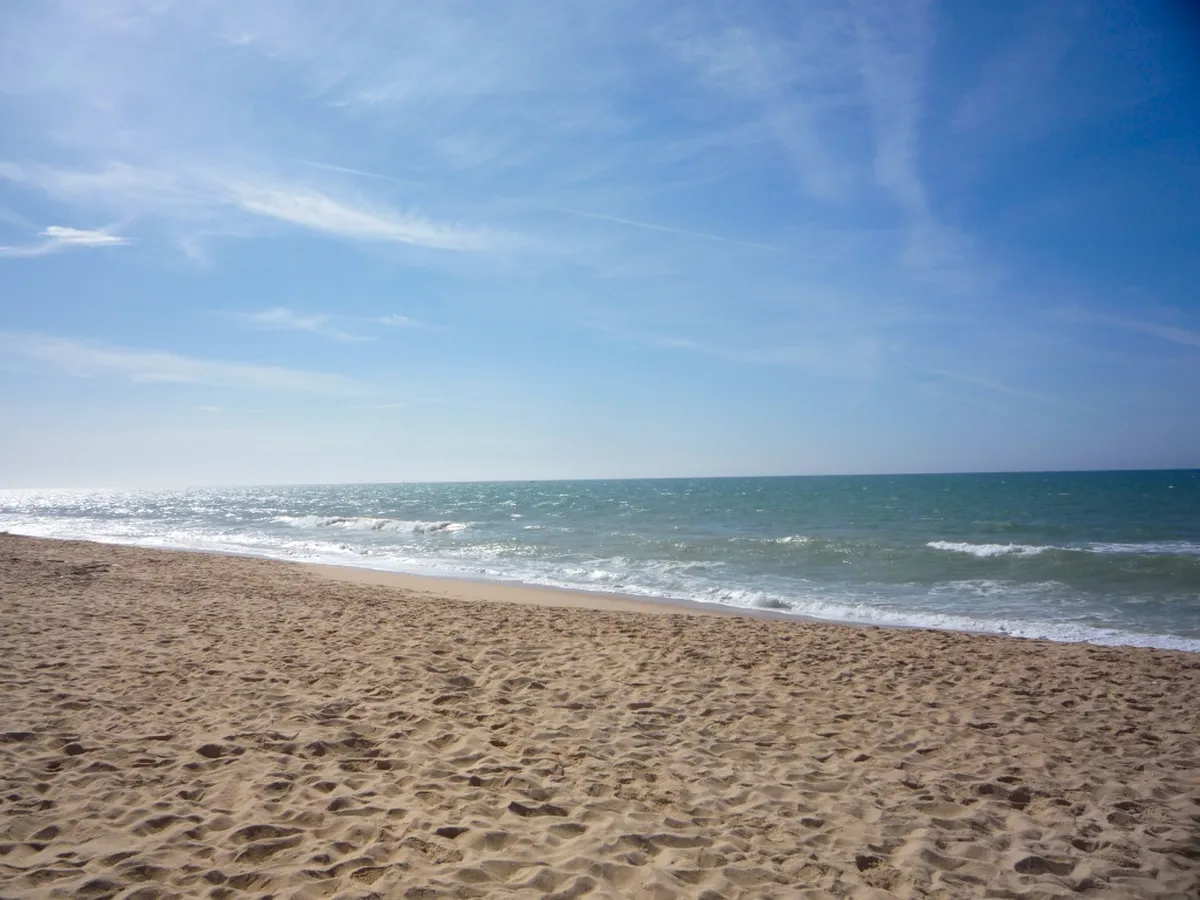
Beach lovers will find some of the most pristine sands in Europe within the park's boundaries. The outer shores of the barrier islands face the Atlantic and offer miles of golden dunes with clear, clean water. These beaches remain much quieter than the more accessible spots on the mainland Algarve, even in peak July and August.
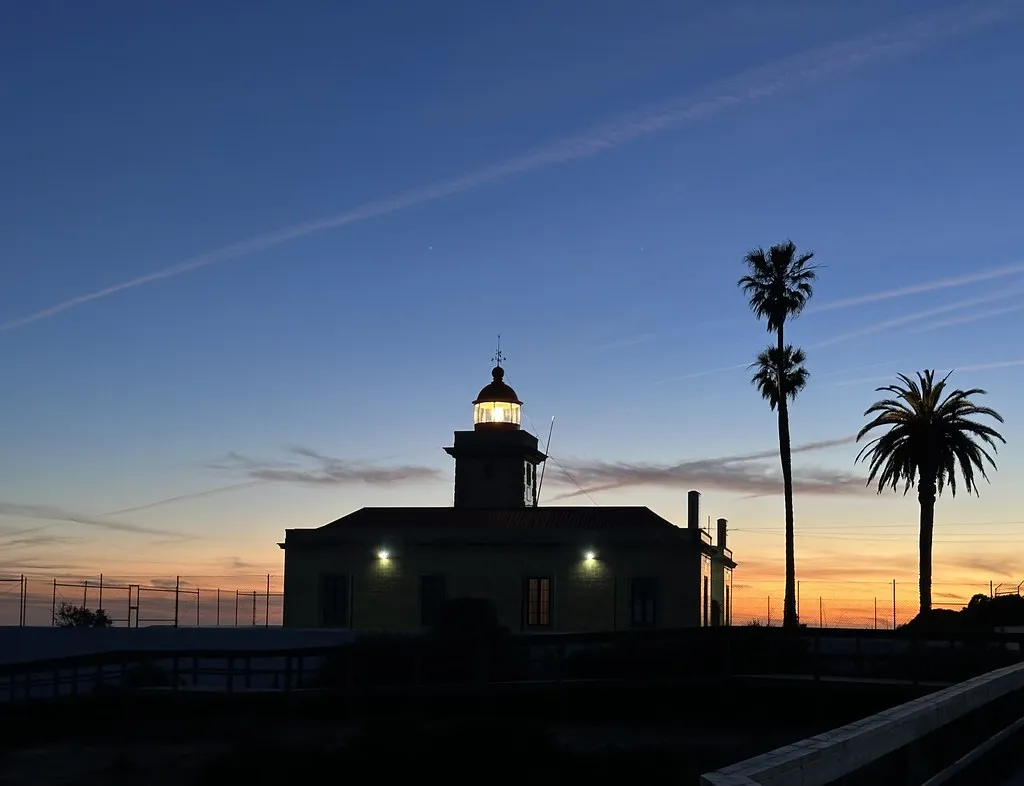
Praia da Ilha da Farol on Culatra Island is one of the most photographed in the region — crystal water, near-white sand, and a working lighthouse just behind the dune line. Praia da Fuseta faces inward toward the lagoon rather than the ocean, which means almost no waves and slightly warmer water. That makes it the best option for families with young children or anyone learning to kayak or stand-up paddleboard.
Praia da Cacela Velha deserves its own logistics note. The beach sits below a beautifully preserved historic hamlet at the far eastern end of the park. At low tide you can wade across the shallow lagoon channel — boots are useful, and the crossing takes around five minutes. At high tide the channel is chest-deep in places and you will need to hire one of the small wooden boats from the village for roughly €2–3 per person. Checking the tide tables before you drive out saves a wasted journey.
For those staying near the capital, a boat tour to Ilha Deserta is a must. This island features the southernmost point of continental Portugal and exceptional water clarity. The lack of permanent residents keeps the beach in a genuinely wild state, though the island's one restaurant means you do not need to carry your own lunch.
Top Activities: Boat Tours, Kayaking, and Hiking
Boat trips remain the most popular way to see several islands in a single day. You can choose between large catamarans for comfort or smaller traditional boats for a more personalised experience. Most operators run full-day, half-day, and sunset departures from the marinas at Faro, Olhão, and Tavira, with no advance booking required for most departures outside peak summer weekends.
Kayaking offers a more intimate way to navigate the narrow channels and hidden inlets of the lagoon. Paddling through the calm inner waters lets you observe marine life without engine noise. Many local operators offer guided sunset tours that end near a beach where you can swim before paddling back. Stand-up paddleboarding is particularly popular around Fuseta, where the almost wave-free lagoon surface is ideal for beginners.
The Ludo Trail is the easiest entry point for hikers and cyclists. The route runs approximately 7 km from the edge of Faro toward Quinta do Lago, passing salt pans on one side and the natural tidal lagoon on the other. Parking is available at the Ludo agricultural estate entrance on the EN125 road near Faro airport — follow signs for "Herdade do Ludo". The bird hides along the trail offer direct sightlines into the salt pans where flamingos feed, often just 20–30 metres away. Bring binoculars and walk quietly past the hides.
Cycling is another practical way to cover the trail. You can join a guided bike tour that runs approximately three hours from central Faro and includes stops at salt production sites and bird hides with expert commentary on the ecology. The Ciclovia de Tavira is a separate route following the Gilão River through salt pans toward Cabanas — bike hire is available in both Tavira and Cabanas.
Key Towns to Explore: Faro, Olhão, Tavira, and Cacela Velha
Faro is the regional capital and offers the most comprehensive transport links into the park. The marina at Faro is the main departure point for ferry services to Barreta (Deserta) Island. A stroll through the Faro Old Town is the natural way to spend an afternoon after a morning boat trip — the walled medieval quarter takes under two hours to explore on foot.
Olhão is a bustling fishing port with Moorish-influenced architecture that sets it apart visually from other Algarve towns. The covered red-brick market halls on the waterfront are the best place in the region to see the range of fresh local seafood. From the harbour, public ferries run to both Armona and Culatra islands; frequency peaks in summer but boats run year-round.
Tavira, located 30 km east of Faro, is consistently cited as the most architecturally beautiful town in the Algarve. A Roman bridge crosses the Gilão River at its centre, and the pace here is noticeably slower than Faro. The ferry to Ilha de Tavira departs from Quatro Estradas, roughly 2 km north of the town centre, or you can take a water taxi from Santa Luzia just to the east.
Cacela Velha is a tiny hilltop hamlet that most guides mention briefly but few describe fully. It sits on a bluff overlooking the eastern lagoon, with the restored Forte de Cacela Velha at its edge and almost no commercial development. There are no hotels here — just a church, a handful of houses, and a small café. The combination of historic fortress views and the beach logistics described above makes it the most memorable stop in the eastern park. Staying in any of these towns allows easy daily excursions; you can find accommodation options in our guide on where to stay in Faro for the western section of the park.
How to Visit: Logistics and Visitor Centres
Ferry services are the most affordable way to reach the islands. From Faro harbour, boats to Barreta run multiple times daily in summer and at least twice daily in winter. From Olhão, ferries to Armona and Culatra run roughly every 45 minutes in peak season and every 2–3 hours in winter. From Tavira (Quatro Estradas), boats run to Ilha de Tavira with similar seasonal frequency. Water taxis offer more flexibility for reaching less-visited stretches of the islands, and prices are typically fixed per person rather than negotiated — around €2–5 each way depending on distance.
For a structured introduction to the ecosystem, visit the Official Visitor Centre (CEAM) at Quinta de Marim on the eastern outskirts of Olhão. Entry costs €3 per adult. The site features educational exhibits, a restored 17th-century tide mill now operating as a museum, a chameleon habitat within the trees, and a 3-kilometre circular walking trail with bird hides along the lagoon edge. It is the most informative starting point in the park, particularly for first-time visitors with children.
The "low tide warning" matters for planning. At low tide, large sections of the inner lagoon drain to mudflats, shallow channels become unnavigable by boat, and some swimming spots disappear entirely. Check the daily tide table for Faro before planning any boat-dependent activity. Most commercial boat tours are timed to avoid the lowest tidal windows, but independent travellers should verify departure times with operators before booking.
At low tide, shallow channels become unnavigable and some swimming spots disappear entirely. Always check the Faro tide table before booking independent boat trips or planning a crossing to beaches like Cacela Velha.
When packing, prioritise high-SPF sunscreen — the islands offer almost no natural shade. Insect repellent is essential if you plan to hike the inner marsh trails in the evening. A light windproof layer is useful year-round on the Atlantic-facing beaches, where the onshore breeze can be deceptively cool even in summer.
Sustainable Travel and Conservation Efforts
Conservation is at the heart of everything that happens within the Ria Formosa. Recent research from the University of the Algarve into blue carbon storage highlights the critical role of seagrass and salt marsh in fighting climate change. These underwater meadows trap carbon and provide nursery habitat for countless marine species, making them among the most ecologically productive environments on Earth per square metre.
Visitors are encouraged to follow Leave No Trace principles to keep the park pristine. Stay on marked paths across the dunes, which are actively managed to prevent erosion. Do not remove shells, plants, or any natural material from the beaches — the rule applies even to the most seemingly common items. Avoid approaching nesting areas on the beaches between May and August, when little terns and kentish plovers breed directly on the sand.
Supporting eco-certified local operators is a practical step. Several boat companies in Faro and Olhão use electric or solar-assisted vessels. Guided tours led by trained naturalists provide educational value that standard boat trips do not, and a portion of their fee typically goes directly to conservation organisations working inside the park.
The park remains a living landscape where humans and nature coexist. Traditional shellfish farming and salt harvesting inside the park boundaries are not just heritage attractions — they are active, sustainable land uses that support the ecology as much as they depend on it. Buying directly from local producers when you see them at the Olhão market is one of the most tangible ways to support the people who have looked after this lagoon for generations.
Frequently Asked Questions
What's the best island to visit in the Ria Formosa?
The best island depends on your goals. Choose Ilha Deserta for total seclusion and pristine nature. Visit Ilha da Culatra if you want to experience an authentic fishing village and enjoy a fresh seafood lunch. Families often prefer Ilha de Tavira for its excellent amenities and calm swimming waters.
How do you get to the Ria Formosa islands?
You can reach the islands via public ferries, water taxis, or guided boat tours departing from Faro, Olhão, and Tavira. Ferries are the most budget-friendly option, while water taxis offer more flexibility. Some islands, like Ilha de Faro, are accessible by a bridge for those traveling by car or bus.
Where is the best place to see flamingos in the Algarve?
The salt pans along the Ludo Trail near Faro are the best spots for flamingo sightings. These birds are most active during the early morning or late afternoon. You can also see them in the marshes near the best day trips from Faro locations throughout the winter months.
Can you swim in the Ria Formosa?
Yes, swimming is permitted and very popular in many areas of the park. The outer beaches of the barrier islands offer clean Atlantic waters and vast sandy shores. The inner lagoon also has several designated swimming spots, though you should always be mindful of tidal currents and boat traffic.
Is the Ria Formosa worth visiting?
The Ria Formosa is absolutely worth visiting for its unique landscape and incredible biodiversity. It offers a peaceful alternative to the more developed tourist areas of the Algarve. Whether you enjoy hiking, birdwatching, or simply relaxing on wild beaches, the park provides a truly memorable natural experience.
The Ria Formosa Natural Park is a true jewel of the Algarve that offers endless opportunities for discovery. From the silent dunes of Ilha Deserta to the busy markets of Olhão, the variety is staggering. This ria formosa natural park guide covers the essential framework — but the park always reveals more once you are on the water.
Planning your visit around the tides and seasons will ensure you see the park at its very best. Take the time to learn about the local conservation efforts and support the traditional communities working inside the lagoon. Your respect for this delicate ecosystem helps preserve its beauty for all future visitors to enjoy.
Whether you spend a day kayaking or a week island-hopping, the Ria Formosa leaves a lasting impression. The combination of rare wildlife, tide-sculpted beaches, and genuine fishing culture is unmatched in Portugal. Start your journey today and experience the wild heart of the Algarve for yourself.
For the full city overview, see our guide to things to do in Faro. Pair this with our Ria Formosa boat tours and Ilha de Faro beach guides.
 Faro Weather By Month: 8 Key Climate InsightsJune 4, 2026