Faro Weather By Month: 8 Key Climate Insights
Plan your Algarve trip with our guide to Faro weather by month. Includes average temperatures, rainfall, and sunshine hours to find your perfect travel window.
On this page
Faro Weather By Month: 8 Key Climate Insights
Faro is the capital of the Algarve and the entry point for most visitors arriving at the region's international airport. Its Mediterranean climate means long, dry summers and mild, occasionally rainy winters — but the numbers hide some nuance worth knowing before you book. Updated June 2026 with current IPMA climate data.
The city sits on the edge of the Ria Formosa lagoon, which creates a coastal microclimate slightly distinct from the open-ocean beaches to the west. Understanding the Algarve weather picture as a whole is useful, but Faro has its own patterns worth examining month by month.
Faro Monthly Climate at a Glance
The table below pulls together the key data points for every month of the year. Temperatures are average daily highs and lows. Rainfall figures are monthly totals. Sea temperature refers to Atlantic coastal conditions recorded near Faro. Sunshine hours are average daily figures published by IPMA, Portugal's national meteorological institute.
| Month | High (°C) | Low (°C) | Rain (mm) | Rainy Days | Sea Temp (°C) | Sun (hrs/day) |
|---|---|---|---|---|---|---|
| January | 16 | 8 | 72 | 9 | 15 | 5.3 |
| February | 17 | 9 | 65 | 8 | 15 | 6.1 |
| March | 19 | 10 | 52 | 7 | 15 | 7.0 |
| April | 21 | 12 | 32 | 5 | 16 | 8.5 |
| May | 24 | 14 | 18 | 3 | 17 | 9.8 |
| June | 28 | 17 | 5 | 1 | 19 | 11.2 |
| July | 30 | 19 | 1 | 0 | 20 | 12.0 |
| August | 30 | 20 | 2 | 1 | 21 | 11.5 |
| September | 27 | 18 | 16 | 3 | 20 | 9.2 |
| October | 23 | 15 | 55 | 7 | 19 | 7.4 |
| November | 19 | 11 | 80 | 10 | 17 | 5.9 |
| December | 17 | 9 | 91 | 12 | 16 | 5.3 |
Faro receives around 505 mm of rain per year — concentrated almost entirely in the November-to-March window. July is the driest month on record, averaging just 1 mm. Sunshine peaks at 12 hours a day in July, which is among the highest in Europe.
Faro Average Temperatures by Month
Average daily highs range from 16°C (61°F) in January to 30°C (86°F) in July and August. Nighttime lows in summer sit around 19–20°C (66–68°F), making evenings comfortable for outdoor dining without a jacket. January and February nights drop to around 8–9°C (47°F), cool but rarely below freezing.
Spring warms steadily from March onward. By April, daytime highs reach 21°C (70°F), which is ideal for walking the historic city centre or exploring the Ria Formosa. The temperature jump between May (24°C) and June (28°C) is the sharpest of the year — plan your visit carefully if you want warmth without intense heat.
Autumn brings a gradual cooling that many visitors find more appealing than summer. September averages 27°C (81°F) during the day, and October holds a comfortable 23°C (73°F). Mornings and evenings cool quickly in October, so pack a light layer for after dark. Winter highs of 15–17°C remain warm enough for café terraces on sunny afternoons.
Faro Rainfall and Rainy Day Expectations
Rainfall in Faro is highly seasonal. The dry season runs from May through September, when you can expect close to zero precipitation. December is the wettest month, averaging 91 mm across 12 rainy days. November is nearly as wet, with 80 mm over 10 days. These are not drizzly days — showers tend to arrive fast and pass within an hour or two, leaving blue skies in between.
The shoulder months of March and April carry some rain risk: March averages 52 mm over 7 days, April drops to 32 mm over 5. By May, rain falls on only 3 days on average. June records just 5 mm total — effectively dry for most visitors. Compared to Albufeira rainfall, Faro's totals are broadly similar, but the Ria Formosa position means the town is partially sheltered from Atlantic storm tracks.
If you're visiting in winter, carry a compact waterproof jacket. A full day of continuous rain is uncommon — but November and December can string together three or four grey mornings in a row. The reward is near-empty streets and restaurants with no queues.
Sunshine Hours and Daily Light in Faro
Faro is one of the sunniest cities in mainland Europe. The annual average is around 3,000 sunshine hours per year — well above the European average of roughly 1,700. Daily sunshine peaks at 12 hours in July and holds above 11 hours in June. Even December offers a respectable 5.3 hours of daily sunshine, meaning winter visits rarely feel oppressively grey.
Practical daylight for sightseeing starts building fast from February onward. By April you have 8.5 hours of sun per day on average, rising to nearly 10 hours in May. The golden light in late afternoon during May and September is particularly good for photography around the old town and the waterfront boardwalk.
Note that sunshine hours are averages — individual days can vary widely, especially in spring when clouds from Atlantic weather systems pass through. If you're planning an outdoor activity that requires reliable all-day sun, July and August are the safe bet. For everything else, May, June, and September give you most of the light without the July crowd levels.
Water Temperature and Swimming Conditions
Sea temperatures around Faro range from 15°C (59°F) in January to 21°C (70°F) in August. This is cooler than the Mediterranean but consistent with the Atlantic Algarve coast. August and September are the warmest months for swimming. Most casual swimmers find the water comfortable from mid-June onward, though June's 19°C can feel brisk after an air temperature of 28°C. The Algarve sea temperature guide covers the full regional picture.
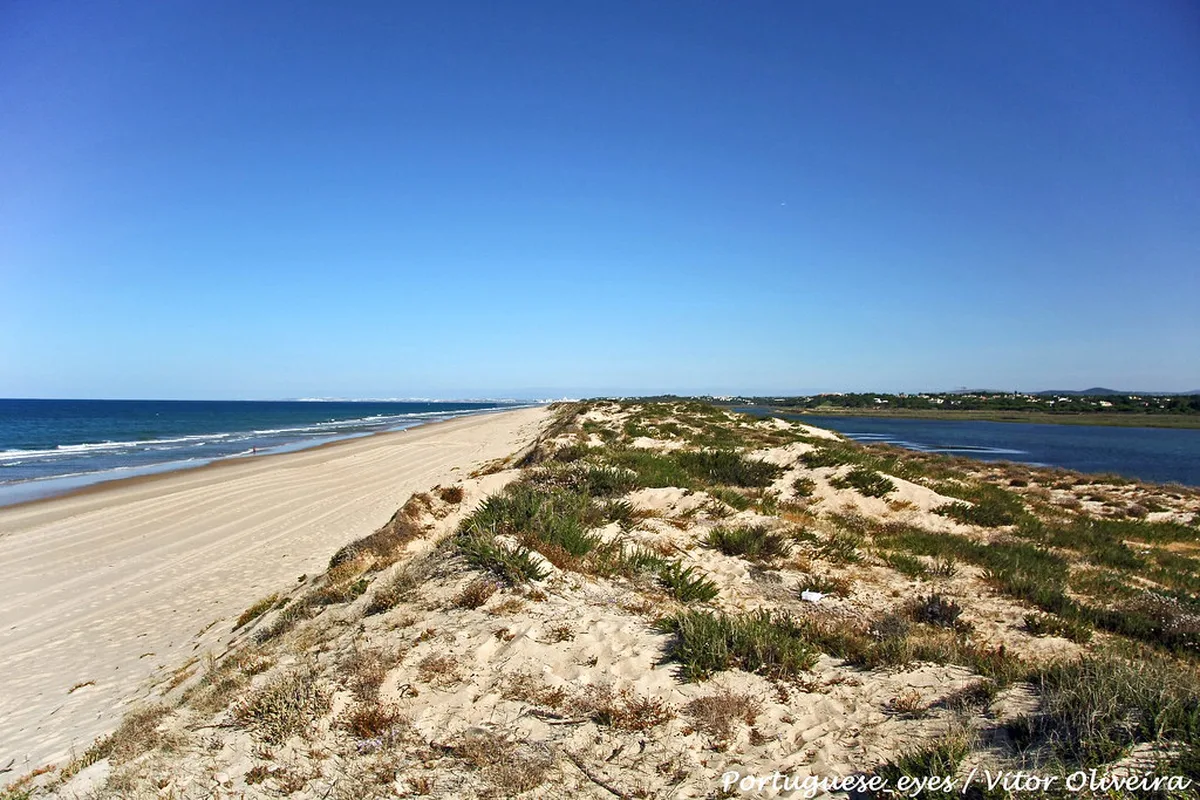
Surfers and divers often prefer winter. Atlantic swells build from November through February, and water temperatures of 15–16°C are manageable in a 5mm wetsuit. Faro's beaches face the protected Ria Formosa lagoon rather than the open ocean — ocean surfing requires driving 15–20 minutes west to Meia Praia or Quarteira, where wave exposure is direct.
Families with young children often find October a sweet spot. Sea temperatures hold at 19°C, the air is still warm at 23°C, and beaches are nearly empty compared to August. Water conditions in the lagoon-side beaches remain very calm throughout the season.
The Ria Formosa Effect: Faro's Coastal Microclimate
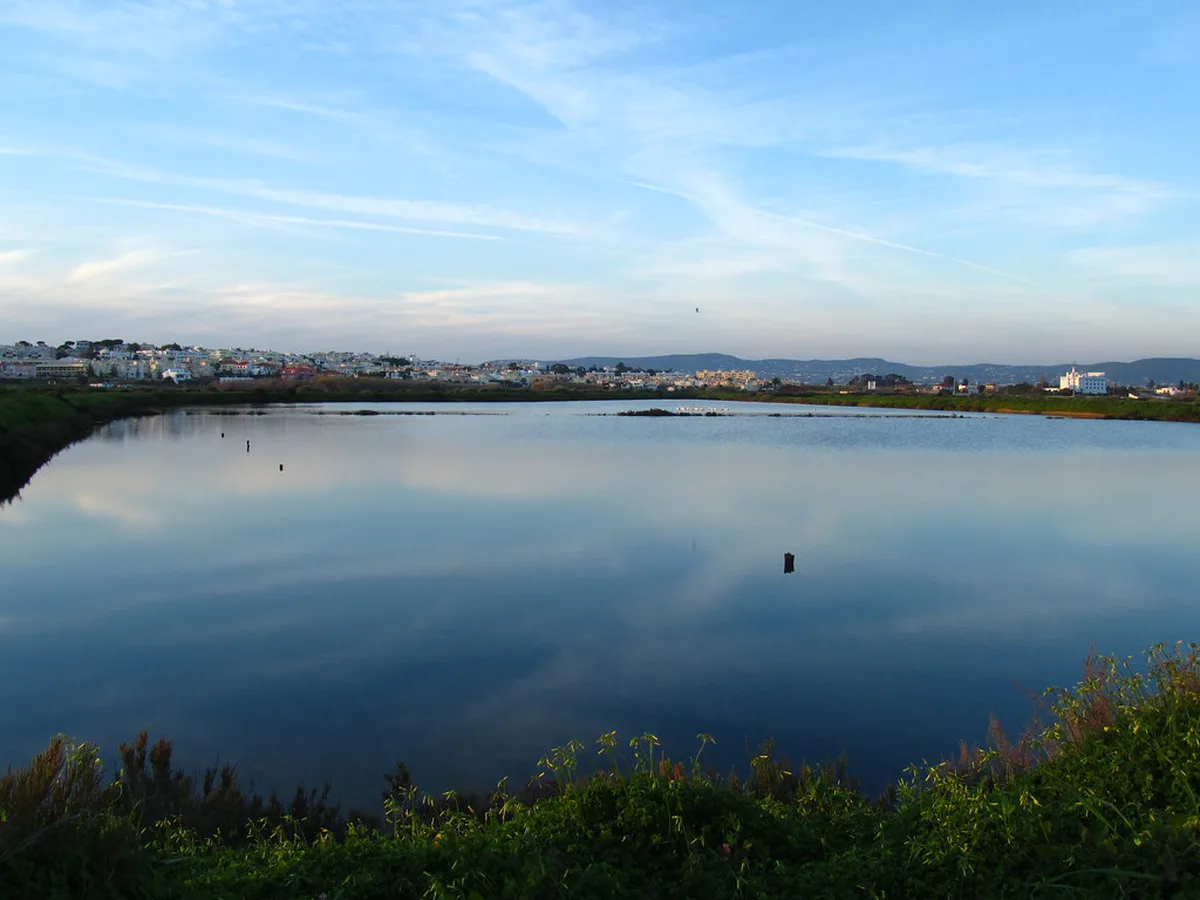
What most weather guides miss about Faro is the Ria Formosa lagoon's influence on day-to-day conditions. The lagoon — a protected nature reserve stretching 60 km along the coast — acts as a thermal buffer. Shallow lagoon water warms faster in spring than the open Atlantic, which is why the inner-lagoon beaches like Praia de Faro feel noticeably warmer for paddling in April and May compared to west-facing beaches at the same latitude.
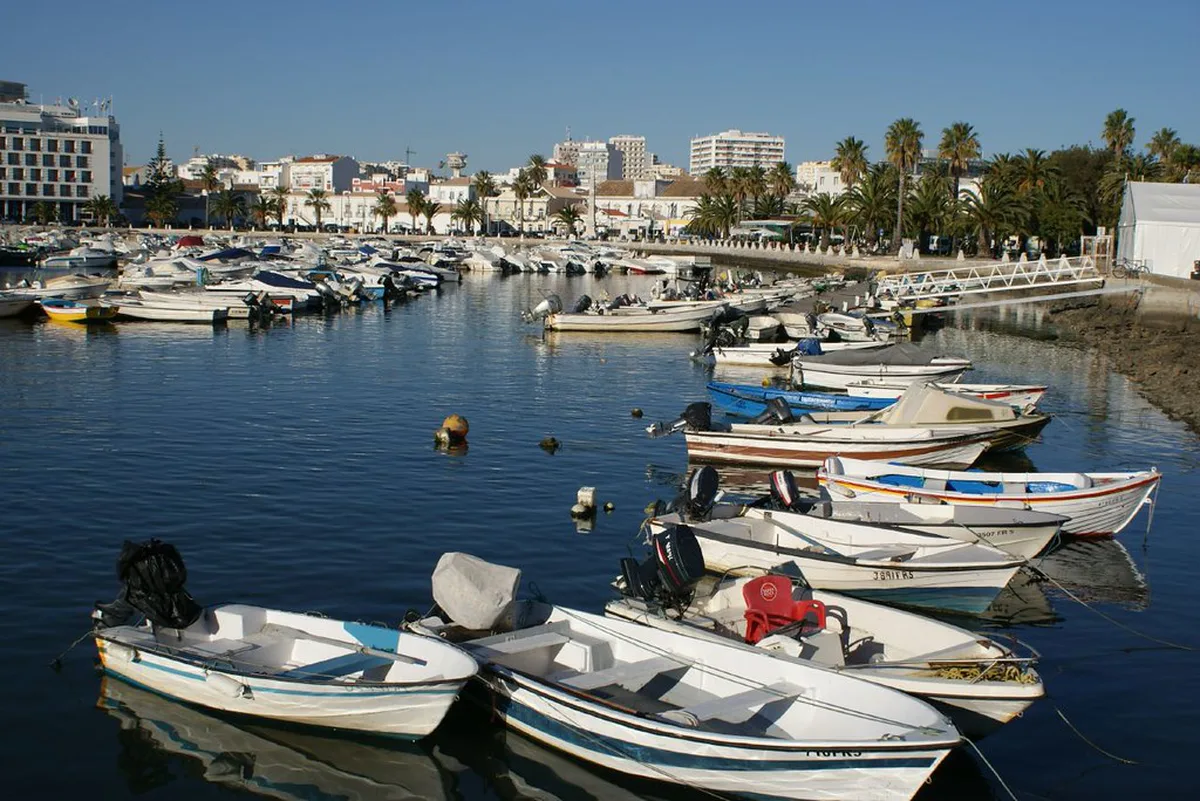
This same geography shelters boat tours from Atlantic chop. Ferries to Ilha Deserta and Ilha da Culatra operate in conditions that would cancel similar trips elsewhere on the coast. Wind speed data from Visit Algarve shows that Faro's lagoon crossing averages 3–4 m/s (6–8 knots), which is typically flat enough for small vessels year-round except during named Atlantic storms. However, winter departures (November to February) do run on a reduced timetable — check the marina operator's schedule rather than relying on general guides.
The Ria Formosa lagoon's shallow water warms faster in spring than the open Atlantic — inner-lagoon beaches like Praia de Faro feel noticeably warmer for paddling in April and May despite the same latitude.
The Levante wind is the other local variable worth knowing. This warm, dry easterly can push temperatures up by 4–6°C above the seasonal average, sometimes lasting two to four days in a row. It occurs most often in summer but can appear in spring too. When the Levante is blowing, the lagoon side stays calmer than the ocean side, so if you're planning a boat excursion and Levante is forecast, the Ria Formosa crossing will be smoother than the ocean beaches suggest.
Winter ferry departures (November to February) to the lagoon islands run on a reduced timetable. Book or confirm your boat tour in advance rather than relying on published schedules alone.
Humidity and Wind Speed in Faro
Relative humidity in Faro peaks at 77% in January and drops to its lowest at 60% in July. These are moderate levels by coastal European standards. The constant sea breeze prevents the air from feeling oppressively humid even in high summer, which is one of the reasons the region attracts visitors who find Mediterranean resorts too sticky. Perceived temperature in July and August is close to the thermometer reading — the humidity doesn't add significant discomfort.
Wind speed averages 3 m/s (6 knots) for most of the year, rising to 4 m/s (8 knots) in February, April, and May. These are gentle breezes rather than strong winds. The Atlantic can produce stronger gusts during winter storm fronts, but sustained gale conditions are uncommon in the sheltered lagoon area. Summer breezes are reliably gentle and provide effective cooling during the hottest afternoons.
Best Time to Visit Faro for Every Traveler
May and October are the clearest sweet spots for most visitors. In May, temperatures reach 24°C, rain is almost absent (3 days average), sunshine exceeds 9 hours daily, and hotel rates are 30–40% below peak summer prices. October mirrors this pattern — 23°C highs, sea still at 19°C, thin crowds, and fares dropping sharply after the school-holiday demand collapses. Neither competitors nor aggregator sites emphasize these two months strongly enough given the data.
Beach-focused travelers who want maximum sea warmth should aim for late July to early September. July gives you 12 hours of sun, virtually no rain, and sea temperatures peaking in August. The trade-offs are higher prices, busy ferry queues to the islands, and restaurant waits in the old town. Book accommodation at least 8 weeks ahead for July–August.
Culture-focused travelers and retirees often prefer the November to February window. The city operates normally, museums keep full hours, and you get the old town largely to yourself. Pack layers and a waterproof shell. Expect 5–6 hours of sunshine most days and the occasional full rainy day. For specific activity ideas once you arrive, the things to do in Faro guide covers year-round options including the Museu Municipal, the old city walls, and boat tours.
Hikers and cyclists are best served by March and April. Wildflower season peaks in February and March along the Via Algarviana trail. Temperatures of 19–21°C are close to ideal for multi-hour walking. Rain risk is real but manageable — build in a flexible day.
Faro Travel Resources and Planning Tools
For live and historical climate data specific to Faro, the most reliable sources are IPMA (ipma.pt), Portugal's national meteorological authority, and weather-and-climate.com for historical monthly averages. Both are free and updated regularly.
Accommodation prices vary significantly by season. Budget travelers using Faro hostels will find the best rates in January through March and again in November. Mid-range hotels often drop prices in October and November to attract shoulder-season guests. Booking 4–6 weeks ahead is sufficient outside of July and August, when the city fills quickly due to airport gateway demand.
The Faro airport (FAO) handles over 10 million passengers per year and serves as the main entry point for the entire Algarve. This makes Faro a natural base even for travelers planning to spend most of their time in other towns — the train to Lagos takes 1 hour 45 minutes, and the bus to Tavira is about 1 hour. Whatever the month, the city repays a half-day on its own terms before you head west or east along the coast.
Frequently Asked Questions
What is the hottest month in Faro?
July and August are typically the hottest months in the city. Temperatures often reach 28–32°C / 82–90°F during these peak summer weeks. You should expect high UV levels and very dry conditions then.
Does it rain a lot in Faro during the winter?
Faro receives most of its rain between November and March. While showers can be heavy, they are usually followed by clear skies. You will still find many sunny days even in mid-winter.
Is the sea warm enough to swim in Faro in June?
The sea temperature in June is around 18°C / 64°F. This is refreshing but can feel quite brisk for some swimmers. Many people prefer waiting until August for warmer water conditions.
Faro's climate is one of the most reliable in Europe for travel planning. Dry summers, mild winters, and shoulder seasons that combine warmth with low prices give you more viable travel windows than almost any other southern European city. The Ria Formosa microclimate adds a layer of nuance that raw temperature charts don't capture — it's worth factoring in if you're planning boat tours or lagoon-side activities.
Use the monthly table above as your starting point, then cross-reference with your specific priorities: beach days, hiking, budget, or culture. The data points clearly toward May and October as the most underrated months for most travelers visiting in 2026.