Albufeira Weather By Month: 10 Essential Planning Tips
Plan your trip with our Albufeira weather by month guide. Discover sea temperatures, beach day counts, and the best time to visit for families and seniors.
On this page
Albufeira Weather By Month: 10 Essential Planning Tips
The best time to visit Albufeira is from mid-May to late June or during September. These windows deliver warm sunshine and manageable crowds without the frantic pace of peak summer. This guide is updated for 2026 and draws on current climate data from IPMA, Portugal's national meteorological authority.
Albufeira is the heart of the Algarve, known for its golden cliffs, Atlantic beaches, and lively Strip. Understanding the Algarve weather by month at a regional level is useful context, but Albufeira has its own resort microclimate — a combination of Atlantic upwelling, sea-breeze patterns, and the urban heat of a large coastal town — that shapes the experience on the ground. This guide covers those specifics so you can plan with precision.
Whether you want to party on the Strip or walk the coastal cliff paths in peace, timing matters. Families often prefer May to early July; seniors and couples find September and early October far more comfortable for exploring. This guide breaks down everything from sea temperatures to what actually stays open during the quieter winter months.
Albufeira Weather Overview
Albufeira has a classic Mediterranean climate: hot, dry summers and mild, occasionally wet winters. Daily highs in July and August regularly reach 29–33°C / 84–91°F. Official figures measure air temperature in the shade; lying on the sand at midday in August it feels significantly hotter. Nighttime temperatures in peak summer rarely drop below 18–20°C / 64–68°F, making air conditioning almost essential.
The rainy season runs from late October through March, with November and December the wettest months. Rain arrives in heavy Atlantic fronts rather than persistent grey drizzle — a bright, clear day often follows within hours. Winter daytime highs stay around 15–17°C / 59–63°F, which feels warm in direct sunlight. Frost is almost non-existent, though evening humidity can feel sharp after dark.
One regional pattern worth knowing is the Levante wind, a warm easterly breeze that occasionally brings Saharan dust and can raise temperatures by several degrees over two or three days. It also makes the sea feel slightly warmer but creates rougher conditions on exposed eastern beaches. The Atlantic sea breeze that keeps summer afternoons bearable is a separate, daily pattern: it typically picks up by 13:00 and drops by sunset. Both winds mask just how intense the UV radiation is — more on that below.
What to Expect from Each Season
Peak Season (July–August) is Albufeira at maximum intensity: packed beaches, hotels at full capacity, and the Strip alive with bars and clubs every night until sunrise. Advance bookings for accommodation and popular restaurants are essential. The heat limits activity to lounging on the beach, pool time, or boat tours booked well in advance. Waterparks like Slide & Splash and Zoomarine run to full capacity but queues are long. Families typically migrate away from the Strip toward the calmer Santa Eulália area.
High Season (June and September) offers the best balance. Temperatures are warm for beach activities, most attractions run at full capacity, and the crowds are noticeably thinner than in August. June is many experienced visitors' favourite month: the weather is superb, everything is fully open, and you can still get a restaurant table without a booking. September brings the warmest sea temperatures of the year and a shift in the town's atmosphere — less party-focused, more relaxed.
Shoulder Season (April, May and October) suits activity-based and sightseeing trips. Beach days are still common, especially in May and early October, though short rain showers appear. Accommodation rates are significantly lower and the Old Town feels genuinely pleasant rather than heaving. Weekend evenings on the Strip retain some energy — groups still arrive for short breaks — but the overall pace is gentler.
Low Season (November–March) is a different Albufeira entirely. Waterparks and many beach-front businesses close. Permanent residents keep the Old Town's restaurants and cafes running, and Albufeira is comfortably the best place in the Algarve for a winter break — its size means far more stays open than in smaller villages. Prices are low, the coast is dramatic, and the almond trees begin blooming in late January.
How Many Beach Days Per Month?
July is statistically the driest month, typically recording less than 2mm of rainfall across the entire month. From June through August you can count on close to 30 usable beach days — the sky stays deep blue and the risk of a ruined beach day is near zero. July and August average around 12 hours of daily sunshine.
Shoulder months like May and October deliver roughly 20–25 sunny days on average. Rain arrives in short, heavy bursts rather than long grey days; even after a morning shower the afternoon sun can be intense. I found that even on partly cloudy days the temperature stays high enough for cliff-top walks and outdoor dining.
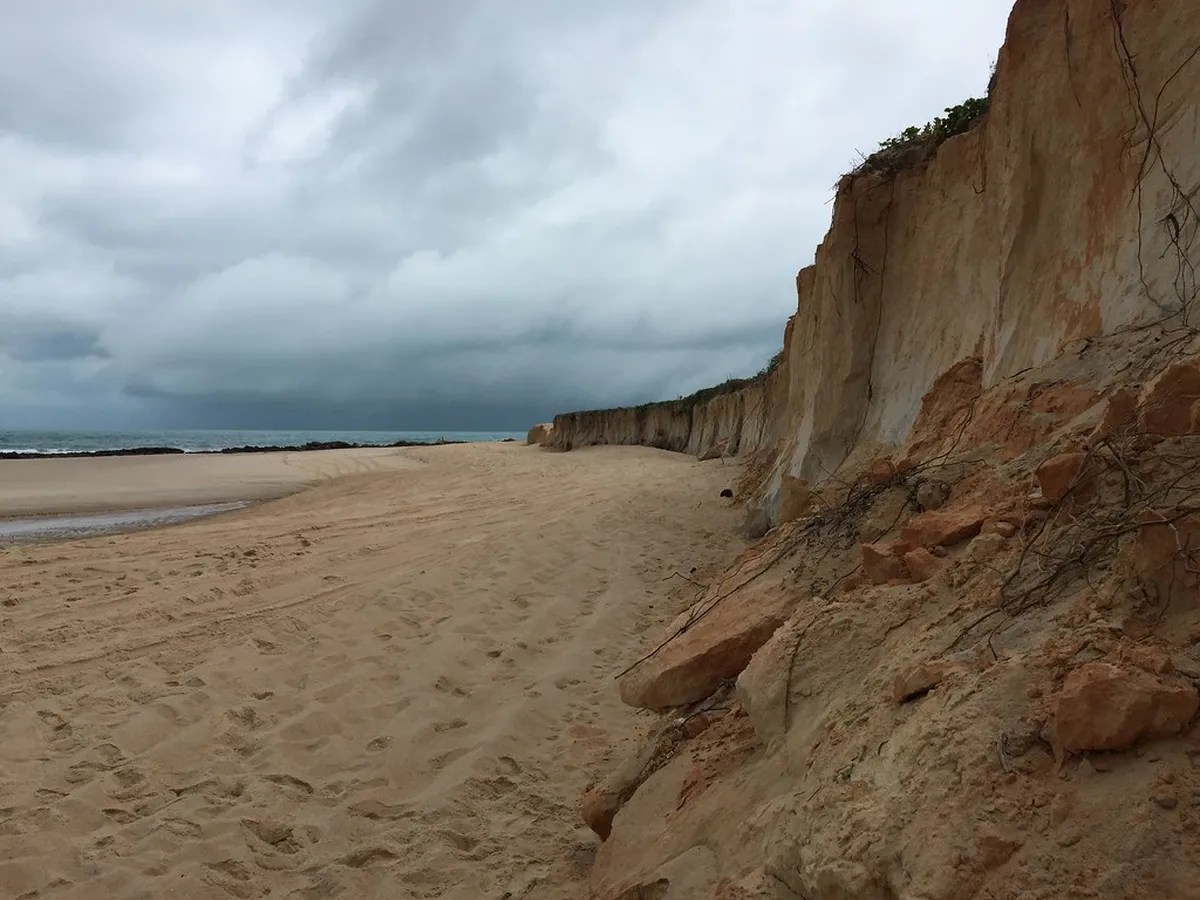
Winter months drop to 10–15 clear days in December and January. You can still sit on an empty Praia da Falésia in sunshine, but the wind off the Atlantic can be biting close to the water. Rainfall occurs on around 8–10 days per month at the winter peak. The IPMA Albufeira forecast (updated four times daily) is the most reliable local source for day-by-day conditions before you head to the beach. Check the best time to visit the Algarve for a broader regional comparison.
Sea Temperatures in Albufeira
Albufeira's beaches face the Atlantic Ocean, not the Mediterranean. The North Atlantic Current carries cool water southward along Portugal's coast, keeping sea temperatures noticeably lower than equivalent resorts in Spain or Italy. First-time visitors are regularly caught off guard by this. The table below shows the contrast between air and sea temperatures through the year — the gap in July and August is particularly striking.
| Month | Air Temp (high) | Sea Temp | Swimability |
|---|---|---|---|
| January | 16°C / 61°F | 15°C / 59°F | Cold — wetsuit needed |
| March | 18°C / 64°F | 15°C / 59°F | Cold — wetsuit needed |
| May | 22°C / 72°F | 17–18°C / 63–64°F | Bracing for most |
| June | 26°C / 79°F | 18–19°C / 64–66°F | Refreshing, manageable |
| July | 29°C / 84°F | 19–20°C / 66–68°F | Refreshing |
| August | 31°C / 88°F | 21°C / 70°F | Pleasantly cool |
| September | 27°C / 81°F | 21–22°C / 70–72°F | Best of the year |
| October | 23°C / 73°F | 20°C / 68°F | Good for confident swimmers |
| December | 16°C / 61°F | 15–16°C / 59–61°F | Very cold |
The western side of Albufeira tends to have slightly cooler water than eastern beaches near Vilamoura, due to Atlantic upwelling from deeper offshore trenches. If you plan to surf or snorkel in winter, a 4/3mm wetsuit is necessary. You can find month-by-month sea data in our dedicated Algarve sea temperature by month guide.

When Is the Best Time to Visit Albufeira?
For most international visitors, June is the single best month. Air temperatures are warm (24–27°C / 75–81°F), everything is fully open, the sea is manageable, and the town has a great atmosphere without the August frenzy. Hotel prices are still below the July–August peak, and securing a restaurant table is not a battle.
September is the second-best choice, especially for swimming and walking. The sea reaches its annual peak warmth of 21–22°C / 70–72°F, the crowds thin out after the first week, and the Old Town settles into a far more relaxed rhythm. Flights and accommodation drop noticeably in price after the first week of September.
For budget-focused travelers, May and October hit a sweet spot: comfortable warmth, reasonable prices, and far fewer queues. Winter suits long-stay visitors who prioritise local life over beach time — prices are at their lowest and the dramatic winter coastline has its own appeal.
UV, Wind, and the Hidden Burn Risk
One thing no competitor guide covers in enough detail: Albufeira's Atlantic sea breeze makes the UV intensity deceptive. Even in May or October, the UV index regularly hits 7–8 (high to very high) during midday hours. The constant onshore breeze keeps air temperatures feeling comfortable, so tourists spend far longer in direct sun than they would on a still, hot day. This is one of the most common first-timer mistakes on the Algarve coast.
The practical rule: apply SPF 50 before leaving your accommodation, not after you arrive at the beach. Reapply after any swim regardless of the stated water resistance — the Atlantic current is strong enough to strip sunscreen quickly. A sun hat and UV-blocking swimwear matter more here than in more sheltered Mediterranean resorts. Children and fair-skinned visitors should limit direct beach exposure to before 11:00 and after 16:00 during June through August.
Albufeira's Atlantic sea breeze makes UV intensity deceptive: you feel cool but UV hits 7–8 (high to very high) during midday hours. The constant breeze keeps you comfortable while the sun burns, making it one of the most common first-timer mistakes on the Algarve coast.
The Levante wind adds a secondary risk in summer: it pushes the surface layer of warm water offshore, temporarily lowering the sea temperature by 2–3°C in a single afternoon while simultaneously raising the air temperature. If you are planning a swim and the wind has shifted to the east, check local beach flags — the Portuguese standard flag system is reliable and lifeguards on Praia dos Pescadores and Praia da Oura enforce it properly during the monitored season (June 15 to September 15).
The Levante wind brings Saharan dust and can raise air temperatures by several degrees in just two or three days. When the wind shifts east, sea temperatures drop 2–3°C simultaneously while air feels warmer — check local beach flags before entering the water during summer months.
Best Time for Young Families (Easter to July)
Families with young children should target the window between the Easter break and early July. Temperatures stay around 22–27°C / 72–81°F, which is far kinder to sensitive skin than the 33°C of peak August. The town is lively but not overwhelming — you can push a stroller through the Old Town without navigating a wall of bodies.
Slide & Splash and Zoomarine both operate full-season hours from May onwards with much shorter queues than August. The beaches are lifeguard-attended, the sea is warming steadily, and family-friendly restaurants fill up less quickly. Accommodation prices are more reasonable, allowing for longer stays or better-positioned villas. Book your airport transfer and any waterpark visits in advance to avoid the June school-holiday rush.
Best Time for Older Visitors (September to October)
September and October are widely considered the golden months for mature travelers and couples. The intensity of August has faded, but the Atlantic has finally reached its warmest point of the year. Swimming is far more enjoyable than during the cooler spring months of May or June. The atmosphere shifts from party-centric to relaxed and unhurried.
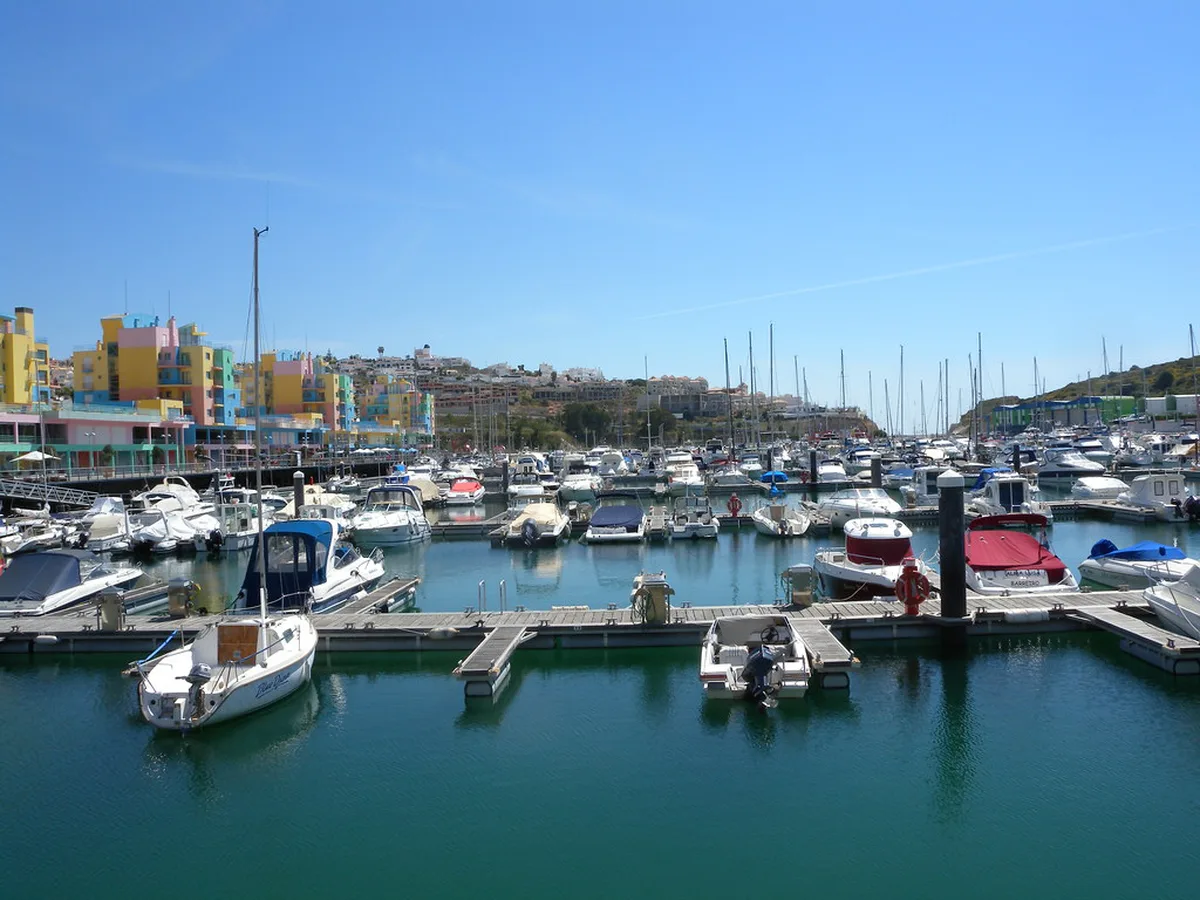
Walking tours through the historic centre are much more pleasant without summer humidity and crowds. Restaurant service improves noticeably when staff are less stretched. Flights drop significantly in price after the first week of September. This is also when local producers hold grape harvest events in the hills north of Albufeira, making for an easy half-day excursion from the coast.
What Stays Open in Low Season
Albufeira is the largest resort town in the Algarve and genuinely the best option for a winter break in the region — its size means far more remains open than in smaller coastal villages. The Old Town's permanent population of around 15,000 keeps a solid core of restaurants, cafes, and shops running year-round.
Slide & Splash typically closes from November to April. Zoomarine operates a reduced schedule and closes entirely for maintenance in January. Most beach-front kiosks and Strip bars close by late October. Boat tours to the Benagil Cave continue throughout winter but are weather-dependent — sea conditions in January and February regularly cancel departures for days at a time.
The Old Town's permanent restaurants, the covered market, and the majority of supermarkets stay open. Several good golf courses within 20 minutes of Albufeira operate year-round and hit their peak demand in winter from northern European visitors. If your trip depends on Slide & Splash or Zoomarine, check their official sites before booking — opening dates can shift by a week or two each year.
What to Pack for Each Season
Summer packing (June–August) is straightforward: lightweight linen or cotton clothes, swimwear, and SPF 50. One light layer for evenings is useful — the sea breeze can feel surprisingly cool after sunset even when the daytime high was 30°C. Footwear matters: the limestone calçada cobblestones in the Old Town become dangerously slippery when worn or wet, so avoid smooth-soled sandals.
Shoulder season (April–May and October) calls for the layering approach. Mornings can be cool enough for a light jacket; by midday you will want to peel back to a t-shirt. Pack a compact waterproof for occasional rain showers that arrive and leave quickly. Comfortable walking shoes with grip are better than sandals when doing cliff-path walks.
- Summer (June–August): lightweight clothes, SPF 50, sunhat, grip-soled footwear for cobblestones
- Shoulder season (May and October): light jacket, compact waterproof, comfortable walking shoes
- Winter (November–March): waterproof coat, mid-layer fleece, warm evenings wear — the damp cold feels sharper than the thermometer suggests
- Year-round: reusable water bottle, UV-rated sunglasses, reef-safe sunscreen (required on many Algarve beaches)
Albufeira Alternatives: Portugal's Other Beach Destinations
If the Albufeira vibe is not quite right, several nearby towns offer a different experience under similar weather conditions. Lagos is known for its bohemian feel and spectacular cliff formations at Ponta da Piedade. A detailed Lagos or Albufeira comparison covers the differences clearly. Carvoeiro offers quieter cove beaches and a more relaxed pace with far less nightlife.
For a more authentic Portuguese experience, Tavira in the eastern Algarve is worth considering — it has traditional architecture, island beaches accessible by ferry, and temperatures typically a degree or two warmer than Albufeira thanks to its sheltered position. Vilamoura suits marina-focused visitors and golfers. Check our Faro weather by month guide for a comparison of the regional climate differences across the eastern Algarve.
Beyond the Algarve, Cascais near Lisbon combines elegant beaches with a sophisticated atmosphere. Ericeira, a world-surfing reserve north of Lisbon, has excellent waves and a relaxed coastal village feel. The weather there is cooler and windier than Albufeira — suited to surfers and outdoor enthusiasts more than sun-seekers. The Visit Portugal coastal guide covers these options with current practical information.
Have You Booked Your Accommodation?
Weather patterns directly drive availability and pricing in Albufeira. For a July visit, book at least six to nine months in advance for the best rates and locations. If you are planning a winter stay, good deals appear just a few weeks before departure. Location matters by season: the Old Town is better placed for a quiet winter or shoulder visit; the Strip suits those visiting for summer nightlife.
Many villas include heated pools, which matter if you are arriving in April or late October — without heating the water will be uncomfortable for most guests. Check that your accommodation has air conditioning for summer and adequate heating for the damp winter nights. Visiting during the shoulder season often allows you to upgrade to a sea-view room for the same price you would pay for an inland room in August.
Find Even More Inspiration for Portugal
The weather in Albufeira is one piece of the holiday puzzle. Summer's flat, calm seas make it the best time for paddleboarding or a boat trip to the Benagil Cave — the cave is only accessible when Atlantic swells are low, which means roughly May to October for reliable access. Inland, the Monchique mountains sit around 450m above sea level and stay noticeably cooler throughout the summer, giving you a green retreat when the coast hits 33°C.
February and March bring the almond blossom season to the hills north of Albufeira — a genuinely spectacular display that none of the beach-focused summer visitors ever see. The Algarve in winter guide covers when the blossoms peak and which inland routes make the best drives from Albufeira. For broader Portugal planning, the Portugal weather and when to visit guide provides useful regional comparisons across the whole country.
Frequently Asked Questions
Is Albufeira warm enough in May for swimming?
Air temperatures in May are pleasant, usually reaching 22°C / 72°F. However, the sea remains quite cold at 17°C / 63°F. Most people find it too chilly for a long swim without a wetsuit.
What is the rainiest month in Albufeira?
November is statistically the rainiest month in Albufeira. It receives an average of 80mm of rain over 10 days. Despite this, you will still see plenty of sunshine between the showers.
Does Albufeira shut down in the winter?
Albufeira does not shut down entirely because it has a large local population. While water parks and some beach bars close, most restaurants in the Old Town stay open. It is much quieter than summer.
Albufeira is a versatile destination that offers something different in every season. By choosing the right month, you can match your holiday to your expectations for weather, atmosphere, and budget. Whether you want the heat of August or the peace of January, the Algarve rarely disappoints.
Remember to pack layers for the shoulder seasons and book early for the busy summer months. Factor in the UV and wind conditions covered above — they catch more first-time visitors off guard than the rain ever does. Safe travels and enjoy the spectacular sunshine of southern Portugal.
 Faro Weather By Month: 8 Key Climate InsightsJune 4, 2026