

Traditional Portuguese Dishes To Eat In Lisbon Travel Guide
Plan traditional portuguese dishes to eat in lisbon with top picks, neighborhood context, timing tips, and practical booking advice for a smoother trip.
On this page
Traditional Portuguese Dishes To Eat In Lisbon
Lisbon is a city where every street corner smells of grilled sardines and sweet cinnamon. The local food scene blends centuries of maritime history with fresh Atlantic ingredients, and the traditional portuguese dishes to eat in lisbon range from humble street sandwiches to slow-cooked stews that take an entire day to prepare. Every meal here carries a story.
You can discover family-run tascas tucked into the narrow alleys of Alfama, where recipes have barely changed in fifty years. These spots serve the most authentic flavors without modern pretense. Exploring Portuguese cuisine allows you to connect deeply with a culture shaped by the sea, the land, and five centuries of global trade.
This guide covers the essential traditional dishes across every category — seafood, meat, soups, desserts, and drinks — along with practical details on where to eat them, what they cost in 2026, and how to avoid the most common mistakes first-time visitors make at the table.
What Is Traditional Portuguese Food?
Portuguese cuisine is rooted in simplicity and quality ingredients. Olive oil, garlic, coriander, and sea salt appear in almost every dish. The country's Age of Discoveries brought back spices like piri-piri from Africa and paprika from the Americas, weaving global flavors into fundamentally Mediterranean cooking. Learn more about Portugal's culinary heritage and five icons on the official Portuguese tourism site.
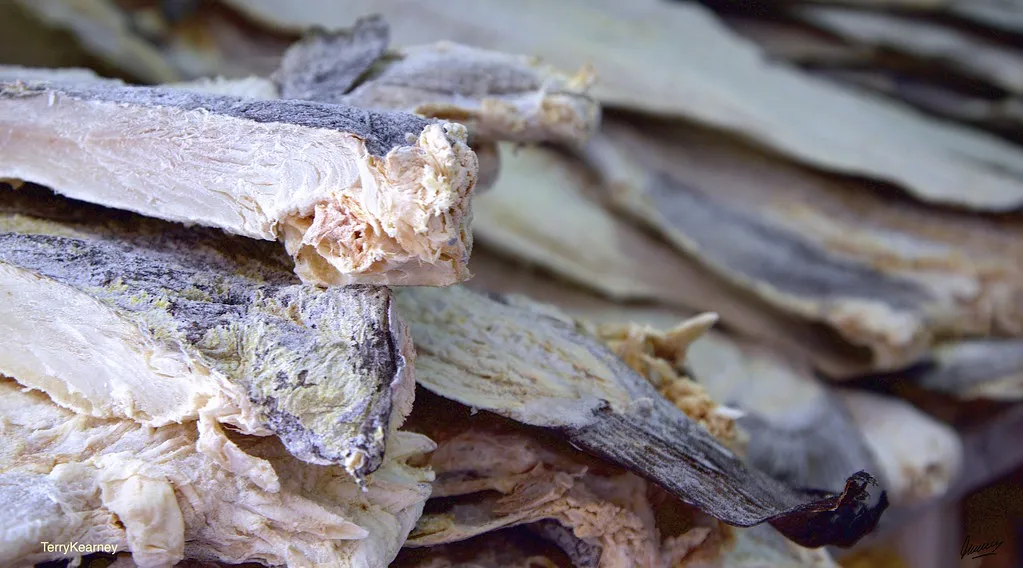
Seafood dominates because Portugal faces the Atlantic on two sides. Fish is grilled whole, baked in a crust of salt, shredded into egg dishes, or dried and salted to last the winter. Meat dishes tend toward slow-cooked pork and regional sausages, reflecting the country's rural interior. Bread appears at every meal — as a side, soaked in a stew, or stuffed with chouriço.
The cuisine also varies sharply by region. What you eat in Lisbon reflects its coastal identity: clams, octopus, sardines, and salt cod are staples. Many dishes visitors discover in the capital actually originated in the Alentejo, the Algarve, or the Minho — they migrated to Lisbon because the capital absorbs the whole country's culinary heritage.
Portuguese Seafood Dishes
Bacalhau — salted and dried cod — is Portugal's national obsession. It has been cured with salt since the 15th century when sailors needed food that would survive months-long voyages. The most popular preparation in Lisbon is Bacalhau à Brás: shredded cod mixed with scrambled eggs, crispy fried potatoes, and black olives. Expect to pay 12–16 EUR at a tasca. It is creamy, salty, and filling — the ideal introduction to the entire bacalhau canon.
Polvo à Lagareiro is the second dish every visitor should try. Boiled octopus is roasted in the oven and served on lightly crushed potatoes — called batatas a murro, or "punched potatoes" — drenched in olive oil and garlic. The octopus is tender enough to cut with a spoon. You will find it at most seafood restaurants in Alfama and Cais do Sodré for 18–26 EUR. It is rich, so order a half-portion if you plan to continue eating.
Ameijoas à Bulhão Pato are fresh clams steamed in white wine, olive oil, garlic, and an absurd amount of coriander. The dish is named after a 19th-century Lisbon poet who apparently loved them. Served with crusty bread for soaking up the broth, they cost 10–18 EUR depending on the restaurant. You can find an excellent version at Taberna da Rua das Flores in Príncipe Real. Sardinhas assadas — whole grilled sardines with sea salt — are the city's summer ritual, best from June through August when the fish are fattest and every street party in Alfama smells of smoke and salt.
Arroz de marisco deserves mention for visitors who want something more festive. This seafood rice is nothing like paella — it is wetter, brothier, and packed with prawns, clams, and sometimes monkfish. One pot easily feeds two people at 30–50 EUR and is best ordered at a lunch sitting when kitchens are at their freshest. Cervejaria Ramiro on Avenida Almirante Reis is the benchmark address in Lisbon, made famous by Anthony Bourdain's visit in 2013.
Portuguese Meat Dishes
The bifana is Lisbon's favourite fast meal. Thin slices of pork are marinated in white wine, garlic, and paprika, then fried and served in a crusty papo seco roll. The best versions cost 3–5 EUR from snack bars in Baixa and Intendente. Solar da Madalena near Intendente is a local legend — a bifana with a glass of wine costs under 6 EUR and the portions are enormous. Order it with a squeeze of mustard and eat it standing at the counter.
Carne de porco à Alentejana is surf-and-turf Portuguese style: cubed pork and fresh clams cooked together in white wine with garlic, coriander, and fried potatoes. The clams cut through the richness of the pork in a way that sounds odd on paper and tastes extraordinary on the plate. It is a dish from the Alentejo that migrated to Lisbon menus decades ago and never left. Budget 14–20 EUR at a neighbourhood tasca.
Alheira de Mirandela is a smoked sausage with a fascinating history. In the 16th century, Portuguese Jews created it to disguise non-pork sausages as pork ones, hiding their religion from the Inquisition. Made with chicken, bread, and garlic instead of pig, it is grilled and served with chips and a fried egg on top. Cozido à Portuguesa — a one-pot boil of pork ribs, chicken, sausage, cabbage, turnips, and potatoes — is the most rustic of the lot. It is heavy, old-fashioned, and worth trying at least once at a table with a group. Expect to pay 12–16 EUR per person at restaurants in Mouraria that still serve it on weekday lunches.
Portuguese Soups, Sides, and Snacks
Caldo verde is the green soup that appears at every birthday, wedding, and family Sunday lunch in Portugal. Potatoes, kale or collard greens, chouriço, and olive oil — that is the entire ingredient list. It is deeply comforting and costs about 4–6 EUR as a starter. Most tascas serve it year-round, but it feels best in the colder months from October through March when the streets are wet and the restaurants are steamy.
Açorda is less well-known and well worth seeking out. It is a bread-thickened stew made by soaking papo seco bread in a garlicky broth with coriander, olive oil, and a poached egg on top. The Lisbon version uses the local bread while the Alentejo version uses a denser regional loaf. Some restaurants add shrimp or bacalhau to make it a full meal. It is humble food — the kind of dish that kept rural workers fed on very little money — and the flavour punches far above its simplicity.
Bolinhos de bacalhau are salt cod fritters that appear everywhere as a starter or bar snack. They are crispy outside, creamy inside, and cost about 1.50–2 EUR each at a pastry counter. Pastéis de bacalhau are essentially the same thing. Croquetes de carne — beef croquettes with a shredded ragù filling — are the snack to order alongside a beer at most restaurants in Lisbon. Both pair well with a cold Super Bock.
Portuguese Desserts and Drinks
The Pastel de Nata is the most famous thing Portugal has exported to the world. A flaky puff pastry cup holds a rich custard made with egg yolks, sugar, milk, and a touch of vanilla. The custard caramelises on top in a very hot oven, creating blistered brown spots that are the mark of a well-made tart. They are best eaten warm, dusted with cinnamon and powdered sugar, alongside a strong espresso. The original recipe belongs to Pastéis de Belém in the Belém neighbourhood — they have been making them since 1837 and the queue is always long but moves fast. Read about the fascinating history of pastel de nata and its monastic origins before you visit. Manteigaria has several city-centre locations and matches the quality. Budget 1.20–1.50 EUR per tart.
Ginjinha is a sweet cherry liqueur served in tiny shot glasses, sometimes with a boozy cherry at the bottom. A Ginjinha bar on Largo de São Domingos near Rossio has been operating since 1840 and charges about 1.40 EUR per shot. It is a ritual — locals and visitors stand at the door, knock one back, and move on. Vinho verde, Portugal's lightly sparkling white wine from the northern Minho region, is the perfect all-day drink with seafood. A glass costs 3–5 EUR at most tascas. It is crisp, low in alcohol, and pairs with almost everything on this list.
For a more unusual souvenir that doubles as a meal, visit one of Lisbon's conservas shops — dedicated stores selling gourmet tinned fish in beautifully illustrated vintage tins. Conserveira de Lisboa on Rua dos Bacalhoeiros has been operating for decades and stocks sardines, mackerel, tuna, and octopus in olive oil, tomato, and spiced sauces. These are not supermarket tins — the best producers can their fish within 24 hours of the catch. A tin costs 4–12 EUR and travels home without a problem. You can learn more about Portuguese dishes with conservas to understand their cultural importance before you buy.
The Couvert System: What Every First-Timer Gets Wrong
In almost every sit-down restaurant in Lisbon, a waiter will place bread, olives, butter, cheese, or small fish pâtés on your table before you even open the menu. This is the couvert — a paid appetizer spread that looks like a complimentary welcome snack but is not. If you eat it, you pay for it. Prices typically run 2–5 EUR per person and are listed on the menu in fine print.
The rule is simple: you are under no obligation to accept any of it. If you do not want the couvert, say "não obrigado" (no thank you) or simply hand it back to the waiter. Most locals make this decision at the table immediately and think nothing of it. Tourists, unaware of the system, often eat the bread, enjoy it, and then balk at the bill. The couvert is not a scam — it is a legal practice clearly disclosed on menus — but it regularly catches first-time visitors off guard and inflates a modest meal by 10–15 EUR for a group of four.
The same attentiveness applies to house wine. When a waiter pours automatically from an unlabelled carafe, it is typically charged by the decilitre. Ask the price before you drink if you are budgeting. At a good tasca, a 2 dl glass of house red or white costs 1.50–3 EUR, which is excellent value — but only if you knew you were ordering it.
The couvert — bread, olives, or small pâtés placed on your table before ordering — is charged at 2–5 EUR per person. You are not obliged to accept it: simply say "não obrigado" or hand it back to the waiter before eating anything.
The Lazy Guide to Eating Well in Lisbon
The easiest way to eat well every day is to look for the Prato do Dia — the daily special. Most tascas write it on a chalkboard or paper insert tucked into the menu. A full plate (main course, side, bread, a drink, and sometimes dessert or coffee) typically costs 9–13 EUR. This is how office workers eat lunch in Lisbon and it is almost always better value than the à la carte menu.
Look for tascas with handwritten menus posted in the window or a chalkboard on the pavement. These spots change their menu daily based on what is fresh, which is the best signal of quality in a city surrounded by Atlantic fishing ports. Avoid any restaurant with a person standing outside trying to wave you in with a laminated picture menu — these cater almost entirely to tourists who have not walked one street further.
For a wider variety under one roof, visit the Time Out Market in Cais do Sodré. It is touristy and slightly overpriced relative to a neighbourhood tasca, but the vendors are vetted, the quality is reliable, and it solves the problem of a group where one person wants octopus and another wants a bifana. Neighbourhood alternatives with fewer tourists: Graça, Arroios, and Campo de Ourique all have dense concentrations of working local tascas where prices are lower and bookings are rarely needed.
Portuguese Food Tours in Lisbon
A guided food tour is the most efficient way to understand the city's culinary geography in three to four hours. Expert guides walk you through Mouraria, Alfama, or Baixa, stop at bakeries and market stalls, and explain the history behind each dish while you eat it. Most tours include five to eight tastings — enough to constitute a full meal — and cost 60–90 EUR per person in 2026.
The Tastes and Traditions of Lisbon Food Tour run by Secret Food Tours is one of the most consistently reviewed options and covers the historic core of the city. Booking early in your trip is smart: the tour helps you decode menus and identify the neighbourhoods worth returning to for dinner. Afternoon departures at 14:00 are the least crowded. Specialized options — cooking-class formats, market tours, wine-pairing evenings — run at a premium (90–130 EUR) but give you a hands-on understanding of how dishes like Bacalhau à Brás are actually assembled.
Cooking classes are the differentiating option for visitors who want to bring something practical home. Most half-day classes (09:00–13:00 or 15:00–19:00) cover two to three dishes, include a market visit, and finish with a seated lunch or dinner of what you cooked. Prices run 80–120 EUR per person. Look for operators based in Intendente or Mouraria — smaller class sizes, more authentic settings, and usually less English-language tour-group energy than the Belém or Bairro Alto options.
Pastéis de Nata are best eaten warm and fresh from the oven — Pastéis de Belém (open since 1837) and Manteigaria both serve them for 1.20–1.50 EUR each. Arrive before 11:00 or after 15:00 to avoid the longest queues at Belém.
Beyond Lisbon: Food Tours Across Portugal
While Lisbon is the culinary centre, other regions offer dishes that never quite make it to the capital's menus with the same authority. Porto is famous for the Francesinha — a stacked sandwich of cured ham, linguiça, and steak covered in melted cheese and drowned in a thick beer-and-tomato sauce. It is so specific to Porto that eating it anywhere else feels wrong. The city also has outstanding seafood rice, an excellent craft beer scene, and the Bolhão market, which reopened fully in 2023 after renovation.

Day trips from Lisbon open up further options. The Alentejo, two hours southeast by train, is the source of some of Portugal's finest pork — porco preto from Iberian black pigs that roam oak forests and feed on acorns. The dry-cured ham practically melts in the mouth and is available at decent Lisbon restaurants, but tasting it at the source in Évora or Beja is a different experience. Sintra, 40 minutes west by train, is worth visiting solely for its travesseiros — pastries filled with almond cream and egg custard — which cost about 2 EUR at the Piriquita bakery near the main square.
Wine tourism is increasingly well-organized from Lisbon. The Douro Valley (a full day by train or a guided tour) produces some of Europe's most characterful red wines and offers estate visits with lunch for 80–150 EUR. Closer to the city, the Setúbal peninsula produces excellent Moscatel and aged Periquita red wine at a fraction of the Douro's tourism prices. You can also find many of these regional specialties at tapas restaurants in Lisbon that source ingredients directly from the countryside.
Frequently Asked Questions
What are the most traditional portuguese dishes to eat in lisbon for first-time visitors?
First-time visitors should prioritize Bacalhau à Brás and the iconic Pastel de Nata. For a quick snack, a Bifana pork sandwich is essential. These dishes offer a perfect introduction to the city's balance of salty and sweet flavors. You can find more tips in our blog.
Is it expensive to eat and drink in Lisbon?
Lisbon remains one of the most affordable Western European capitals for dining. A full meal at a local tasca typically costs between 10 and 15 euros. Fine dining and tourist-heavy areas will naturally have higher prices. Budget travelers can easily find high-quality street food for under 5 euros.
Where do local people eat in Lisbon?
Locals typically eat at small neighborhood taverns called tascas, often located in residential areas like Graça or Benfica. They also frequent municipal markets for fresh ingredients and casual lunches. Avoiding the main tourist drags of Rua Augusta will lead you to more authentic local favorites. Look for busy spots with simple decor.
What food and drink is Lisbon known for?
Lisbon is world-famous for its salted cod dishes and the custard tarts known as Pastéis de Nata. The city is also known for Ginjinha cherry liqueur and fresh Atlantic seafood like grilled sardines. These items form the backbone of the local culinary identity. Every neighborhood has its own specialty or favorite local bakery.
How much time should you plan for a food tour in Lisbon?
Most guided food tours in Lisbon last between three and four hours. This provides enough time to visit several locations and learn about the city's history. It is best to schedule these for midday or early evening. Planning a tour early in your trip helps you navigate menus for the rest of your stay.
Exploring the traditional portuguese dishes to eat in lisbon is a journey of discovery and delight. From the first bite of a warm custard tart to the last sip of Ginjinha, the flavors are unforgettable. The city's culinary traditions are a source of great pride for its residents.
Take the time to wander off the beaten path and find your own favourite tasca. Whether you prefer fresh seafood or hearty meat stews, there is something for everyone here. We hope this guide helps you create delicious memories during your time in the Portuguese capital.
Lisbon's food scene continues to evolve while respecting its deep historical roots. Every meal is an opportunity to learn more about the people and their culture. Enjoy every bite as you explore one of the most flavorful cities in the world.

 How To Get To Guimaraes Travel GuideJune 8, 2026
 Ovos Moles De Aveiro Travel GuideJune 8, 2026