15 Best Tapas Restaurants in Lisbon: A Local Guide (2026)
Discover the 15 best tapas and petiscos restaurants in Lisbon for 2026. From hidden tascas to scenic rooftops, plan your foodie trip with our local guide.
On this page
15 Best Tapas Restaurants in Lisbon
After my fourth month-long stay in Lisbon, I've learned that the best meals rarely come on large plates. While Spain is famous for tapas, Portugal offers petiscos — a deep-rooted culture of sharing small, flavorful dishes with friends. During my last stay in Alfama, I spent hours chasing the perfect plate of peixinhos da horta, or green bean tempura. Finding the right balance between a local tasca and a modern wine bar is the key to a great evening.
This guide was refreshed in 2026 to reflect the newest openings and price changes across the city. Our editors have reviewed every neighborhood from the hilly streets of Graça to the chic corners of Príncipe Real. We aim to help you navigate the city's best restaurants in Lisbon by focusing on authentic flavors. Expect a mix of historic institutions and trendy newcomers that define the current culinary landscape.
Lisbon's food scene is evolving rapidly, yet it remains anchored in high-quality ingredients like Atlantic seafood and Alentejo pork. Whether you want a quick bite at a counter or a long sunset session on a rooftop, there is a spot for you. Let's dive into the essential stops for any serious foodie visiting the Portuguese capital this year.
Petiscos vs. Tapas: What's the Difference?
Many visitors use the terms interchangeably, but petiscos are the true soul of Portuguese social dining. Spanish tapas are often small snacks served alongside a drink — a courtesy more than a meal. Petiscos are usually slightly larger sharing portions, designed to constitute a full evening when ordered in rounds. The word comes from the verb petiscar, which means to eat small amounts of many different things over a long, leisurely sitting.

Common petiscos include marinated carrots, clams in white wine (amêijoas à Bulhão Pato), pica-pau (beef strips in tangy sauce with pickles), and various types of preserved tinned fish eaten straight from the can. In a traditional tasca these plates arrive in waves as the wine continues to flow — there is no rush to clear the table for a main course. Modern restaurants have elevated the petisco into a gourmet experience using truffle and Iberian black pig, but the core philosophy of community and sharing remains constant. You can read more about the flavors in our guide to Lisbon street food.
One practical note: petiscos culture moves slowly. Plan two to three hours for a proper session, not thirty minutes. Arriving before 19:00 almost always secures a table without a reservation at all but the most sought-after spots.
Arriving before 19:00 at most traditional tascas almost always secures a table without a reservation. Plan two to three hours for a proper petiscos session — the culture is built around leisurely, multi-round dining.
Imanol Barra Basca
This Basque-inspired spot in the Avenidas Novas district serves authentic pintxos displayed along a beautiful marble counter. Prices range from €3 to €7 per small plate, and they are open daily from noon until midnight. It is one of the best options in the city for solo diners — the counter layout puts you face-to-face with the action rather than staring at a wall.
The bag hook under the counter is a small but telling detail: the staff here thinks about the guest experience. Must-order dishes include the jamon croquetas (creamy inside, crunchy outside) and the bocadillo de burrata with tomato jam. Pair everything with a glass of Ramón Bilbao white and take your time — the chefs assemble fresh toppings throughout the afternoon and plates change as the day goes on.
Dona Quitéria
Set in a charming former grocery store near Praça das Flores in Príncipe Real, Dona Quitéria offers a vintage romantic atmosphere that feels genuinely lived-in rather than designed. Most sharing plates cost between €12 and €22, with the kitchen open Tuesday through Sunday for dinner. Book at least a week ahead — the dining room is small and word has spread.
The slow-cooked pork cheeks are the standout dish, famous among locals for their tenderness and rich, wine-dark sauce. The wine list leans heavily toward natural Portuguese producers, which pairs well with the earthy, ingredient-forward cooking style. This is the kind of place you linger at for three hours without noticing the time pass.
Alto do Bairro
Tucked into the upper reaches of Bairro Alto, this modern eatery specializes in creative twists on classic petiscos. Expect to pay around €15 to €25 per person, and they serve guests from 18:00 until late. The crowd here skews younger and the music is louder than in a traditional tasca, but the kitchen is serious.
The octopus salad is exceptionally fresh and functions as a light opener before heavier plates. The kitchen also does well with bacalhau preparations — try the codfish with chickpea purée if it appears on the daily menu. The narrow street outside fills up quickly after 20:00, so arrive early or accept a wait.
O Velho Eurico
Located in the historic Mouraria neighborhood, this reimagined tasca serves some of the most creative petiscos in the city. Expect to spend between €20 and €35 per person for a full spread of sharing plates and local wine. They are open for lunch and dinner from Tuesday to Saturday — booking several weeks ahead is not an exaggeration, it is a requirement.
The menu changes with the season and market availability, so specific dishes are hard to promise. What remains constant is the quality: produce sourced locally, fish from small Atlantic trawlers, and pork from Alentejo black pigs. This is the best single address in Lisbon if you can only visit one petiscos restaurant during your trip.
Tasca Baldracca
Run by chef Pedro Monteiro (also behind the food menu at Lisbon craft brewery Musa), Tasca Baldracca in Mouraria blends Iberian and Portuguese flavors with Brazilian and international influences. Small plates generally range from €10 to €18, and they welcome diners every evening from Tuesday to Saturday. The energy is loud, festive, and deliberately unpretentious.
Must-order dishes include the beef tartare with anchovy mayonnaise, the open sandwich with cuttlefish and chorizo, and the chicken gizzards tempura. The menu rotates regularly based on what the chef is excited about that week — ask the servers what arrived from the market that morning. According to Eater's local expert, this is one of the most reliably creative spots in the city right now.
The Food Temple
As one of the first fully vegan restaurants in the city, this hidden gem in Mouraria offers remarkable plant-based petiscos at prices that undercut most comparable venues. Dinner for two usually costs around €35, and they are open for evening service from Wednesday to Sunday. The stone steps outside have become an informal communal seating area on warm evenings.
The cooking draws on global spice traditions rather than mimicking meat dishes, which gives it an identity missing at many vegan restaurants. Dishes like roasted aubergine with harissa and preserved lemon, or smoked chickpea croquettes, hold their own against any animal-based petiscos in the city. Arrive by 19:30 to secure a spot outside before the neighborhood fills up.
Lisbon's Conservas Culture: Petiscos From a Can
One category that nearly every visitor misses is the conservas bar — restaurants where premium tinned seafood is not just an ingredient but the centerpiece of the meal. Portugal's canned fish industry produces some of the finest preserved sardines, mackerel, tuna, and octopus in the world, and a small cluster of Lisbon spots has turned eating straight from the tin into a genuine dining experience.
Loja das Conservas Petiscos, near Cais do Sodré, is the most dedicated example. You can taste sardines, mackerel sticks with lime mayo, salted cod croquettes, and tuna and curry samosas — all made from canned seafood and all uniquely crafted to showcase rather than disguise the tin. It is a genuinely one-of-a-kind petiscos experience that no Spanish tapas bar can replicate. The adjoining shop lets you buy tins to take home, which makes an excellent, lightweight souvenir.
More broadly, ordering conservas as a petisco at any traditional tasca is always a safe move. A tin of good-quality sardines in olive oil, eaten with crusty bread and a glass of Vinho Verde, costs under €8 almost everywhere and represents one of the most authentic things you can eat in Lisbon.
Taylor's Port Wine Shop and Tasting Room
Situated in Alfama, this elegant tasting room focuses on the pairing of port wine with artisanal Portuguese cheeses and charcuterie boards. Tasting flights and boards cost between €20 and €45, and they are open daily from 11:00 to 19:00. The library-like interior makes it a sophisticated escape from the crowded streets below.
The key is to ask the staff to build a pairing — a LBV port with queijo da Serra, or a 10-year tawny with presunto from the Alentejo. These combinations are taught to staff and represent one of the most genuine introductions to Portuguese wine culture available in the city center. Book a slot online to avoid the afternoon walk-in queue.
Noobai: Best Rooftop Petiscos in Lisbon
Perched on the Santa Catarina viewpoint (Miradouro de Santa Catarina), Noobai offers a multi-level terrace with panoramic river views and a relaxed daytime-to-night vibe. Expect to pay €12 to €25 for sharing plates, with the bar open daily from morning until late. The view draws crowds but the kitchen is more than just scenery — the sharing plates are solidly executed.
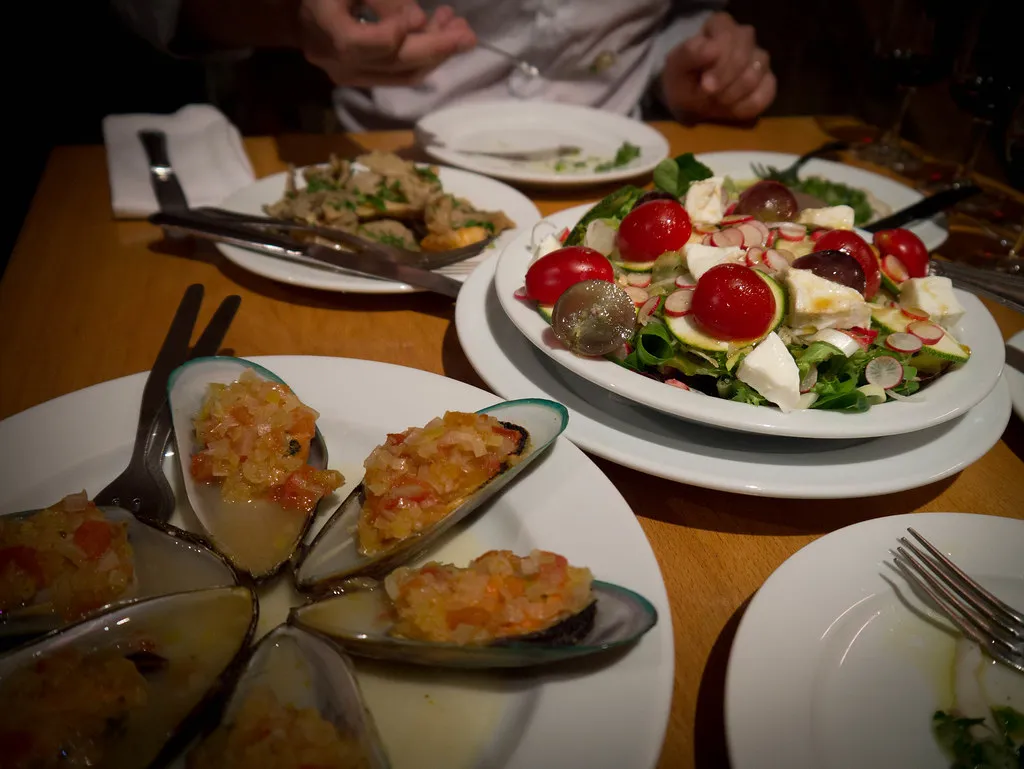
For the best experience, arrive between 17:00 and 18:30. You get the golden-hour light over the Tagus River and enough time to secure a prime terrace table before the evening rush. After 21:00 on weekends the terrace is standing-room only and service slows noticeably. Bring a light jacket even in summer — the Atlantic breeze off the river drops the temperature faster than most visitors expect.
Noobai is also one of the most accessible rooftop spots in the city. It sits at street level on the miradouro rather than requiring a hotel lift, which means families and visitors with mobility concerns can reach it without difficulty.
Ristorante Ponto Final: The Ferry Worth Taking
Taking the ferry from Cais do Sodré to Cacilhas (€1.30 each way, runs every 15 minutes) leads to this iconic riverside restaurant with an unbeatable view back across to Lisbon. A typical meal costs between €35 and €60 per person, and they are open daily except Tuesdays. Request a table right on the jetty to feel the Tagus River spray during your meal.
The trade-off here is logistics versus atmosphere. The ferry adds 30 to 40 minutes to your evening and Cacilhas itself is a working-class suburb without much else to do. But the view of Lisbon's waterfront from the south bank is arguably the best in the city, and the grilled fish — particularly the sea bass — is exceptional. Go on a calm evening when the river is flat, ideally for an early dinner before the tourist crowds arrive by ferry on weekend nights.
| Restaurant | Neighborhood | Price Range | Days Open |
|---|---|---|---|
| Imanol Barra Basca | Avenidas Novas | €3–€7 per plate | Daily (noon–midnight) |
| Dona Quitéria | Príncipe Real | €12–€22 per plate | Tue–Sun (dinner) |
| Alto do Bairro | Bairro Alto | €15–€25 per person | From 18:00 daily |
| O Velho Eurico | Mouraria | €20–€35 per person | Tue–Sat |
| Tasca Baldracca | Mouraria | €10–€18 per plate | Tue–Sat (evenings) |
| Noobai | Santa Catarina | €12–€25 per plate | Daily |
| Ponto Final | Cacilhas (ferry) | €35–€60 per person | Daily except Tue |
What to Skip: Avoiding the Tourist Traps
Not every restaurant with a tapas sign offers an authentic experience. Generic chains like Tapas n' Friends are found throughout the tourist center but often lack local character. These spots prioritize speed over the traditional slow-cooked flavors found in smaller family-run tascas. Avoid any place that has large plastic photos of food displayed on the sidewalk.
The restaurants lining Rua Augusta are notorious for being overpriced and underwhelming. You will often pay double for a plate of frozen calamari that lacks the freshness of a proper riverside restaurant. Walk just two blocks in either direction to find smaller streets with more local clientele. Handwritten menus and half-empty rooms at 19:00 are good signs — popular tascas fill up fast but don't need sidewalk touts.
One more thing: the bread, olives, and butter placed on your table at the start of a meal are not free. You will be charged per item if you touch them. If you don't want them, ask the waiter to remove them immediately. Being an informed diner saves you money for the petiscos that actually matter.
The bread, olives, and butter placed on your table at the start of a meal are not complimentary — you will be charged per item if you touch them. Ask the waiter to remove them immediately if you don't want the extra charge.
Learn to Make Petiscos: Cooking Lisbon
For those who want to take a piece of Lisbon home, Cooking Lisbon at Rua Bernardim Ribeiro 9 (near Marquês de Pombal) runs hands-on petiscos and wine sessions that condense the city's food culture into a single afternoon. Classes cost around €75 per person and run three to four hours. The wine and petiscos trivia format covers 10 tastings — Portuguese chouriço, regional cheeses, seasonal fish — while the instructor explains the cultural context behind each dish.
This is also a practical option for visitors who want to eat the best seafood in Lisbon but feel uncertain about ordering from an all-Portuguese menu. After the session, navigating a tasca menu becomes significantly easier. Book at least a week in advance — group sizes are small and spots sell quickly in peak season.
Planning Your Petiscos Evening
A well-structured petiscos evening in Lisbon moves by neighborhood rather than by individual restaurant. Start in Príncipe Real around 18:30 — Dona Quitéria or a conservas bar makes a good opener. Walk downhill through Bairro Alto to pick up a second round of plates, then finish near the river at Cais do Sodré for a late-night drink. Most tascas stop taking orders by 22:30 but bar service runs until midnight or later.
Reservations matter more than many guides admit. O Velho Eurico and Tasca Baldracca both require advance booking, sometimes weeks out in high season (June through September). For spontaneous nights, the Mouraria neighborhood still has enough walk-in tascas to fill an evening without a plan. Keep a digital map with saved pins — you will walk past places that look perfect and want to return the following night.
If you want a day-by-day structure, our colleagues at The Guardian's reader-submitted Lisbon guide offers neighborhood-by-neighborhood breakdowns that complement this list. Mixing humble tascas with one high-end stop like a Michelin-starred restaurant in Lisbon provides the most well-rounded view of the city's culinary range.
For the full picture of where to eat in the city, see our guide to the best restaurants in Lisbon. For more Lisbon food and drink, explore our guides to seafood restaurants and traditional Portuguese dishes.
Frequently Asked Questions
Do I need to book in advance for tapas bars in Lisbon?
Yes, for popular spots like O Velho Eurico, booking several weeks ahead is mandatory. Many traditional tascas are small and fill up within minutes of opening. Always call or use online booking tools where available.
What are the must-try Portuguese petiscos?
You should definitely try peixinhos da horta, pica-pau (beef strips), and amêijoas à Bulhão Pato (clams). These dishes represent the core of local sharing culture. Don't miss out on the various tinned fish options either.
Is Lisbon expensive for dining out on tapas?
Lisbon offers a wide range of prices, from $3 pintxos to $30 gourmet plates. A typical evening of petiscos and wine usually costs between $25 and $45 per person. It remains one of Western Europe's most affordable capitals.
Exploring the best tapas restaurants in Lisbon is about more than just the food; it is about the atmosphere. Whether you are sitting on a stone step in Mouraria or a chic rooftop in Chiado, the spirit of sharing is everywhere. According to Eater: Best Lisbon Restaurants, the city continues to push boundaries while respecting tradition. I hope this guide helps you find your new favorite petisco spot during your 2026 visit.
Remember to take your time and enjoy the slow pace of Portuguese dining. The best memories are often made over a simple plate of olives and a glass of cold Vinho Verde. For more tips on great dining, check out The Guardian: Great restaurants in Lisbon for reader-submitted favorites. Boa viagem and bom apetite!