10 Best Day Trips From Faro: The Ultimate Algarve Guide (2026)
Discover the 10 best day trips from Faro. Our guide covers travel times, car vs. train options, and top sights in Tavira, Lagos, Silves, and even Seville.
On this page
10 Best Day Trips From Faro
Faro sits at the geographic heart of the Algarve, which makes it the best base for exploring Southern Portugal in every direction. Within two hours you can reach Moorish hill castles, Atlantic surf beaches, traditional market towns, and even a Spanish metropolis. This guide covers the ten best day trips from Faro in 2026, with exact train times, bus routes, entry prices, and the practical details that most guides skip.
The Algarve divides neatly into two zones. The Eastern Algarve — Tavira, Olhão, and the lagoon islands of Ria Formosa — is calmer, cheaper, and easiest to reach by train. The Western Algarve — Lagos, Sagres, and the cliff coast — is more dramatic and almost always requires a car or a long bus journey. Knowing which direction you are heading shapes every planning decision.
Before heading out, check the Faro Old Town walking guide to make the most of your first morning in the city. For everything Ria Formosa, the Ria Formosa Natural Park guide covers island-specific ferry routes and wildlife tips in full detail. The train and bus departure points are located side by side near the marina — both are within a five-minute walk of the city center.
Tavira: The Most Charming Riverside Town
Tavira is the standout day trip from Faro for culture and history. The town sits 30 km east and is connected by a train that runs roughly every hour from 06:00 to 23:00. A one-way ticket costs €3.20 and the journey takes 35 to 40 minutes — the cheapest and most reliable excursion on this list.
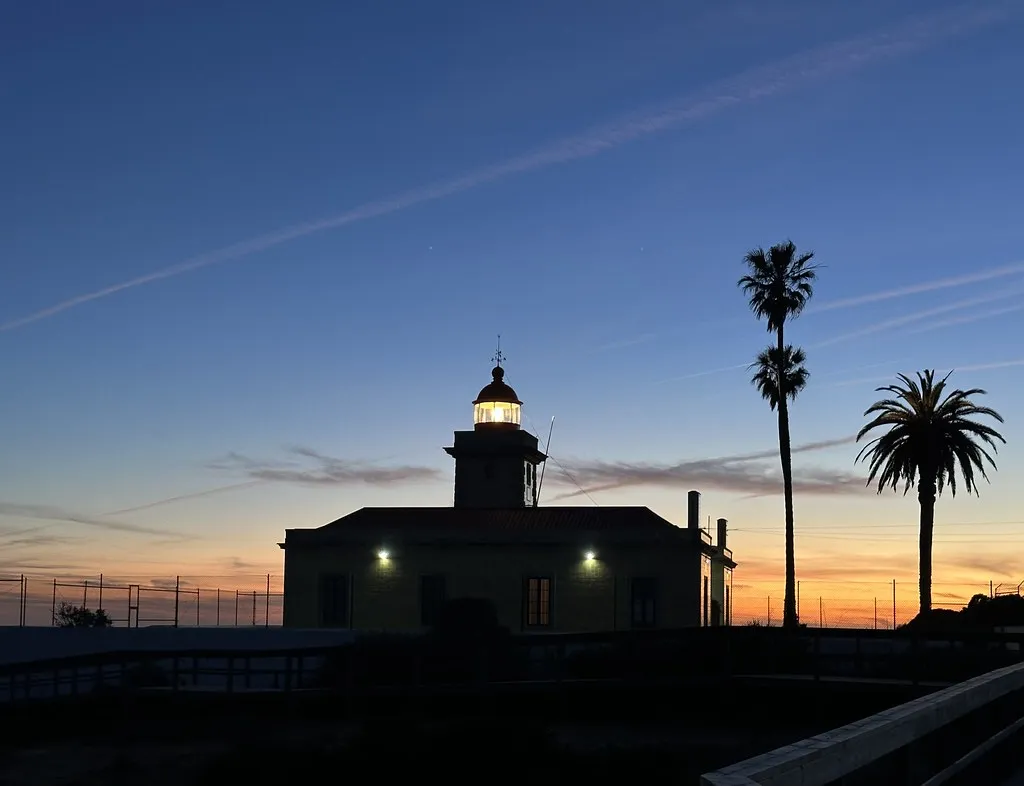
The focal point is the Ponte Romana, a seven-arched pedestrian bridge spanning the River Gilão. Despite its name, the bridge dates to the 12th century Moorish period. Cross it at mid-morning and walk up to the Castelo de Tavira for panoramic views over the terracotta rooftops — entry is free. Tavira also has 21 churches within town, including the Igreja da Misericórdia with its celebrated Renaissance façade and azulejo interior.
One practical detail that catches first-timers out: Tavira has two train stations. The main Tavira station sits at the western edge of the historic center. Porta Nova station is at the eastern end of town. The most comfortable approach is to arrive at Porta Nova and walk downhill into the center, then catch your return train from the main Tavira station — this way you never have to climb uphill at the end of a long day. If you arrive in the morning and plan to visit the castle first, disembark at Tavira station instead. Check the CP timetable on the Comboios de Portugal website before you travel to confirm which services stop at each station.
Tavira has two train stations — arrive at Porta Nova (eastern end) and walk downhill into the historic center, then return from the main Tavira station. This avoids a tiring uphill climb after a full day of sightseeing.
Lagos: Dramatic Cliffs and Golden Beaches
Lagos anchors the Western Algarve and is famous for the rock formations at Ponta da Piedade. The golden limestone stacks, sea arches, and hidden grottoes are best explored by boat — cave tours depart from the Lagos Marina and cost €20 to €30 per person for a one-hour circuit. Book ahead in summer, as tours sell out by mid-morning.
The train from Faro takes around one hour and 45 minutes, with a one-way fare of approximately €7.50. By car the drive covers 90 km and takes just over an hour on the A22. Parking near the historic center can be difficult in July and August. The large free car park on Avenida dos Descobrimentos, just outside the old town walls, is your best option — arrive before 09:30 to secure a spot.
Inside the old town, the Slave Market Museum (Mercado de Escravos) is the only one of its kind in Europe and costs €3 to enter. Praia Dona Ana and Praia do Camilo are the two most photogenic beaches, both a 15-minute walk south of the center. Plan for a full day: last direct trains back to Faro depart around 21:30, giving you a solid ten hours on the ground.
Silves: Ancient Moorish History and Castles
Silves was once the capital of the Algarve under Moorish rule and its red sandstone castle remains the best-preserved in the entire region. Entry to the Castelo de Silves costs €3 per adult and the site is open daily from 09:00 to 18:00. The views over the surrounding orange and almond groves from the battlements are worth every cent of the admission fee.
Getting there requires some planning. The Silves train station sits 2 km outside the town on a low plateau. Trains from Faro reach the station in about 50 minutes (change at Tunes), but the 2 km walk uphill to the castle in summer heat is punishing. A taxi from the station to the center costs around €5. By car the drive takes 45 minutes from Faro via the A22 and IC1. Parking is easy — there is a free lot directly below the castle walls. For more context on the historic site and surrounding region, the Silves tourism guide is a reliable starting point for planning.
The town itself is compact. After the castle, walk down to the Gothic cathedral (Sé de Silves) and the riverside promenade for a long lunch at one of the terrace restaurants. The surrounding valleys supply Algarve restaurants with their famous oranges — fresh juice here costs €1.50 and is noticeably sweeter than anywhere else in the region.
Loulé: Traditional Markets and Medieval Alleys
Loulé is a working inland market town 20 km north of Faro, and the contrast with the coastal resorts is sharp. The neo-Moorish municipal market building on Praça da República houses a permanent food hall selling local cheese, smoked sausage, dried figs, and honey. Daily opening hours run Monday to Friday from 07:00 to 15:00 and Saturday from 07:00 to 14:00. The market is closed on Sundays and largely empty on Mondays.
The reason to come specifically on a Saturday is the outdoor farmers' market that spills into the surrounding streets. Local producers bring seasonal vegetables, handmade pottery, leather goods, and live plants. This weekly market is the most authentic traditional market experience in the Algarve and the crowds tend to arrive by tour bus after 10:30. Arrive before 09:00 for the best selection and a quieter atmosphere.
Loulé is not served by train — you need a bus or car. Direct buses from Faro depart from the main bus terminal next to the train station, take around 30 minutes, and cost under €3 each way. By car the drive north on the N2 takes 20 minutes with free parking available beside the market. Spend three to four hours here, then continue north to Alte — a whitewashed village with a natural spring — if you have a car and want to extend the inland loop.
Olhão: Gateway to the Ria Formosa Islands
Olhão is the closest day trip from Faro — 10 minutes by train and under 15 minutes by car. The town itself is a working fishing port with two striking red-brick market pavilions directly on the waterfront. The fish and seafood market (open Monday to Saturday, 07:00 to 13:00) is the genuine article: stalls piled with local clams, octopus, and whole fresh fish. Pull up a stool at one of the tiny restaurants behind the market building for a grilled sardine lunch under €10.
The bigger draw from Olhão is the ferry connection to the barrier islands of Ria Formosa. Ferries to Ilha da Armona depart from the pier beside the market halls approximately every 45 minutes during summer (June–September) from 08:00 to 20:00 — a return ticket costs around €5. Ferries to Ilha do Farol run less frequently, roughly five times daily, with the first departure at 09:00. The last return from both islands in summer is around 19:30; confirm the current schedule at the ticket kiosk on the day, as timings adjust with the season. For full details on what to do once you reach the islands, the Ria Formosa Natural Park guide covers walking routes and wildlife in depth.
Walking behind the market buildings into the old fishermen's quarter — the Bairro dos Pescadores — reveals some of the most elaborately tiled houses in the Algarve. The cubist flat-roofed architecture here is unique in Portugal, a legacy of North African trading links. This neighborhood takes 30 minutes to walk through and costs nothing.
Albufeira: Lively Beaches and Sea Caves
Albufeira is the Algarve's most visited resort and the best choice if you want a beach day with plenty of energy around you. The Old Town sits on a cliff above Praia dos Pescadores (Fisherman's Beach), a small sheltered bay that is much calmer than the larger resort beaches to the east and west. The evening strip around Rua Cândido dos Reis is lively from June through September.
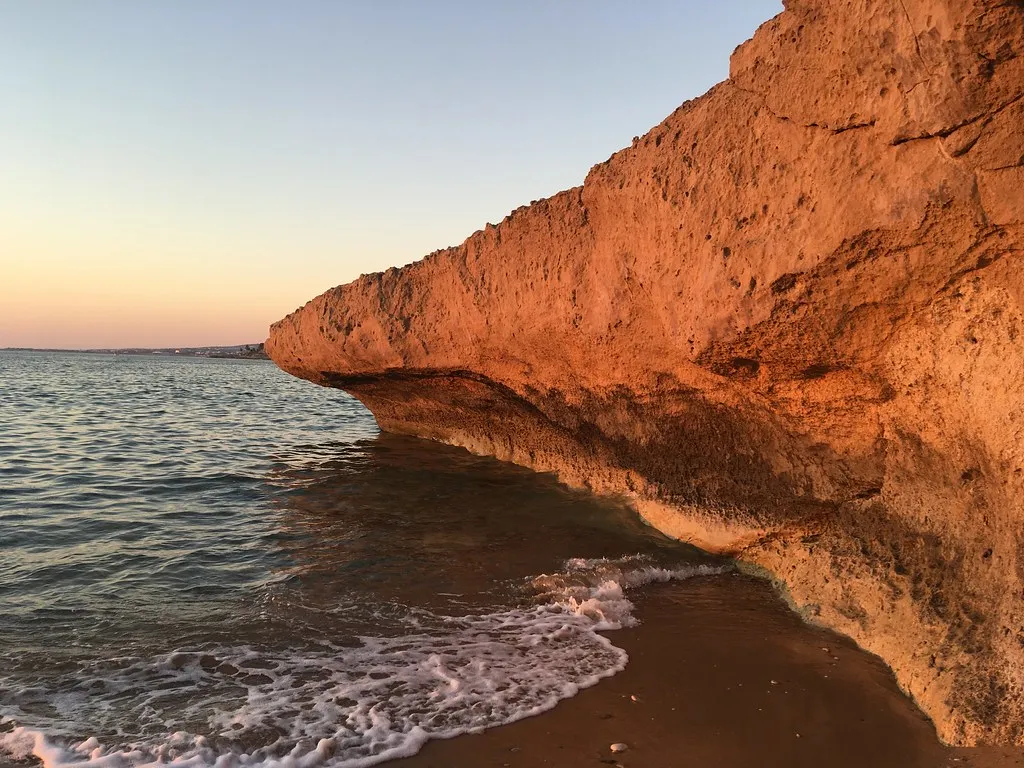
By train from Faro, the journey to Albufeira-Ferrerias station takes about 35 minutes. The station sits 3 km from the Old Town, so budget an additional €7 taxi or take the local bus connection. By car the drive takes 40 minutes on the A22 and parking at the marina area is plentiful. The most practical reason to hire a car for this excursion is to continue west afterward to the Benagil sea cave, which is accessible only by boat tour from Benagil beach — roughly 30 km further on. Boat tours from Albufeira Marina to the Benagil area cost around €35 per person.
Zoomarine theme park is located 5 km outside Albufeira and suits families with young children. Entry is around €30 per adult. In high season the queues for water slides can exceed 45 minutes, so arrive at opening time (10:00) or skip it in favour of a beach day, which costs nothing and is objectively better.
Vilamoura: Luxury Resorts and Marinas
Vilamoura is 30 km west of Faro and is the Algarve's most upscale resort destination. The marina is one of the largest in Southern Europe and walking along the promenade costs nothing — though a coffee at the waterfront cafes will run €3 to €4, noticeably above local prices. The surrounding golf courses rank among the best in Portugal, with green fees starting around €80 per round at Vilamoura Golf Club.
Getting there without a car requires a bus from Faro's main terminal, which takes around 45 minutes. Direct services run several times daily. By car the drive takes 30 minutes on the A22 and free parking is available in the residential streets just behind the marina. Most visitors spend three to four hours here, which is enough for the marina walk, a swim at Praia de Vilamoura, and a meal.
The Roman ruins at Cerro da Vila are a two-minute walk from the marina and admission costs around €2. The site contains well-preserved mosaic floors, a Roman fish-processing tank, and an intact Roman bath complex — easily the most underrated attraction in Vilamoura. Most visitors walk straight past it on the way to the marina without realizing it exists.
Seville: A Spanish Cultural Escape
Seville is 200 km from Faro and qualifies as a long day trip rather than a quick hop. ALSA buses run four times daily from the Faro bus terminal (adjacent to the train station) and the journey takes approximately 2.5 hours each way. Return tickets typically cost €15 to €25 booked online in advance; booking on the day risks paying more and losing your preferred seat. There is currently no direct passenger train between Faro and Seville.
Spain operates on Central European Time, which is one hour ahead of Portugal. This is the trip's biggest practical trap: if your bus departs Faro at 08:00 Portuguese time, you arrive in Seville at 11:30 Spanish time — your internal clock says 10:30, but museums and tourist sites are already open and partially full. Set your phone to Spanish time the moment you board. The last return bus from Seville to Faro typically departs around 18:00 Spanish time, getting you back by 21:30 Portuguese time. Book the return seat when you purchase the outbound ticket.
Twelve hours on the ground is the realistic minimum to see Seville properly. The Real Alcázar palace complex charges €14.50 for general admission and requires a timed-entry reservation — book this weeks ahead in summer, as it sells out. The Gothic cathedral (the world's third-largest) is next door and charges €12. Plaza de España is free and is 15 minutes on foot from the cathedral. Buy a day travel pass for Seville's tram and metro network for €5 to cover the longer distances.
Spain runs one hour ahead of Portugal. If your ALSA bus leaves Faro at 08:00, you arrive in Seville at 11:30 local time — not 10:30. Book your return seat when you purchase the outbound ticket, as the last return bus typically departs Seville around 18:00 Spanish time.
Sagres: Exploring the End of the World
Sagres occupies the southwestern tip of Portugal, 115 km from Faro, and the landscape feels genuinely remote. The cliffs here drop 60 metres straight into the Atlantic. Sagres Fortaleza — the fortress that once served as Portugal's maritime school — charges €3 entry and is open daily from 10:00 to 20:00 in summer. Cape Saint Vincent, 6 km further west, is the most southwesterly point of continental Europe and entry is free.
This is the one trip on this list that genuinely requires a car. The drive from Faro takes 90 minutes via the A22 and N125. There is no direct train and the bus connection involves multiple changes that consume most of the day. The wind at Cape Saint Vincent is extreme year-round — bring a windproof layer regardless of the temperature in Faro when you set out. Tonel Beach directly below Sagres is one of the Algarve's premier surf spots; consistent Atlantic swells attract experienced surfers from across Europe.
Combine the cape with a stop in Lagos on the return drive to make the most of a western day out. The round trip from Faro to Cape Saint Vincent and back via Lagos covers around 240 km total — a full but manageable day on the A22 motorway. Petrol stations are plentiful along the N125 between Lagos and Sagres.
Estoi: A Hidden Palace Just 15 Minutes Away
Estoi is the most underrated trip on this list and the easiest to combine with a morning in Faro itself. The village sits 15 km north of the city and is home to two distinct historic sites on the same road. The Roman villa ruins at Milreu — one of the most significant Roman sites in Southern Portugal — cost €2 to enter and are open Tuesday to Sunday from 09:30 to 12:30 and 14:00 to 17:00. The in-situ mosaic floors depicting fish and sea creatures are unusually well-preserved.
Five hundred metres up the road is the Palácio de Estoi, a pink Rococo palace surrounded by formal terraced gardens with azulejo-tiled fountains. The palace was converted into a Pousada hotel (a Portuguese state-run heritage inn), but day visitors can explore the gardens freely during opening hours. The combination of Roman ruins and 19th-century Rococo architecture within a ten-minute walk of each other is genuinely unusual and adds a strong differentiator versus every other Algarve day trip.
Bus number 65 from Faro's main terminal serves Estoi and takes around 30 minutes. By car it is a 15-minute drive north on the EN2, with easy parking in the village square. Spend two to three hours here before returning to Faro for lunch — the combination makes a low-cost, low-effort half-day that leaves the afternoon free for a beach visit or a second excursion.
Logistics: Car Rental vs. Public Transport
The regional train line running east from Faro to Vila Real de Santo António handles the Eastern Algarve efficiently. Olhão (10 min, €1.60), Tavira (38 min, €3.20), and the border town of Vila Real all sit on this line with frequent departures. For these destinations a car is unnecessary and parking in the old towns is a hassle.

Heading west by train is slower and less direct. Albufeira's station sits 3 km from the center; Lagos takes nearly two hours and the station is a 10-minute walk from the sights. Silves requires a change at Tunes and a taxi from the station. If you are spending three or more nights in Faro and plan to explore the western Algarve, a rental car for one or two days is the pragmatic choice. Pick-up desks are located inside the arrivals hall at Faro Airport, which is 6 km from the city center.
Here is a practical overview of travel times and costs from Faro for each destination on this list:
- Olhão — 10 min by train (€1.60) / 15 min by car
- Loulé — 30 min by bus (€2.80) / 20 min by car
- Tavira — 38 min by train (€3.20) / 35 min by car
- Estoi — 30 min by bus (€2.50) / 15 min by car
- Albufeira — 35 min by train to station + taxi (total ~€14) / 40 min by car
- Vilamoura — 45 min by bus / 30 min by car
- Silves — 50 min by train + taxi (total ~€10) / 45 min by car
- Lagos — 1h 45 min by train (€7.50) / 1h by car
- Sagres — car only, 1h 30 min
- Seville — 2h 30 min by ALSA bus (€15–25)
| Destination | Best Transport | Journey Time | One-Way Cost | Ideal For |
|---|---|---|---|---|
| Olhão | Train | 10 min | €1.60 | Fish market, ferry to islands |
| Tavira | Train | 38 min | €3.20 | History, riverside charm |
| Loulé | Bus | 30 min | €2.80 | Saturday market, medieval alleys |
| Estoi | Bus or car | 15–30 min | €2.50 | Roman ruins, Rococo palace |
| Silves | Train + taxi | ~55 min | ~€10 | Moorish castle, cathedral |
| Albufeira | Train + taxi | ~45 min | ~€14 | Beaches, sea caves |
| Lagos | Train or car | 1h 45 min / 1h | €7.50 | Cliffs, Ponta da Piedade |
| Sagres | Car only | 1h 30 min | Fuel cost | Atlantic cliffs, Cape St. Vincent |
| Seville | ALSA bus | 2h 30 min | €15–25 | Culture, architecture, Alcázar |
Buses for inland towns depart from the main terminal on Avenida da República, directly beside the train station. The Vamus Algarve website publishes current regional schedules. For the Seville bus, book through the ALSA website at least 48 hours in advance to lock in the lower fares. Visit what to do in Faro for local transport maps and the best streets to walk between the bus and train terminals.
Frequently Asked Questions
Do I need to rent a car in Faro for day trips?
You do not strictly need a car to enjoy the best day trips from Faro. Most eastern towns like Tavira and Olhão are connected by a reliable and affordable regional train line. However, reaching the rugged cliffs of Sagres is much easier with your own vehicle.
How long is the train from Faro to Tavira?
The train journey from Faro to Tavira typically takes about 35 to 40 minutes on the regional line. Tickets are very affordable, costing under €4 for a one-way trip. Ensure you check the return schedule, as trains usually run once every hour.
Can you do a day trip to Spain from Faro?
Yes, Seville is a very popular day trip from Faro and is accessible via a 2.5-hour bus ride. Companies like ALSA and FlixBus offer several daily departures from the Faro bus station. Remember that Spain is one hour ahead of Portugal time.
Faro is the perfect springboard for discovering the diverse landscapes of Southern Portugal and even neighboring Spain. From the Moorish history of Silves to the luxury yachts of Vilamoura, there is a destination for every type of traveler. By using the local train and bus networks, you can see the region's highlights without the stress of driving.
I hope this guide helps you plan an unforgettable stay in my favorite corner of the Algarve. Don't forget to explore the city itself, perhaps starting with our top things to do in Faro list. Safe travels and enjoy the stunning Atlantic views!
For the full city overview, see our guide to things to do in Faro. Pair this with our Faro in one day itinerary and Ria Formosa boat tours guides.