
Faro in One Day: The Perfect 1-Day Itinerary (2026)
Plan faro in one day itinerary with top picks, neighborhood context, timing tips, and practical booking advice for a smoother trip.
On this page
1-Day Faro In One Day Itinerary & Guide
Faro is the kind of city that most Algarve visitors see only from a taxi window. They land at the airport, clear customs, and head straight to Lagos or Albufeira without stopping. That is a real mistake. Faro's compact Old Town, bone-lined chapel, and protected lagoon add up to one of the most satisfying single days in southern Portugal.
This faro in one day itinerary is built for 2026 first-time visitors who want a structured, walkable day without wasting time. The plan runs roughly nine hours and covers the historic core, the Ria Formosa waterfront, and a proper seafood dinner. No car needed. No pre-booked tours required for most stops.
Follow this Faro old town walking guide alongside this plan to catch every hidden corner in Cidade Velha. The two complement each other well for anyone who wants more detail on the historic lanes.
Getting Oriented: Faro, Portugal
Faro sits at the southern tip of Portugal and serves as the capital of the Algarve region. It lies roughly three hours south of Lisbon by direct train. The airport is less than 15 minutes from the city center by bus or rideshare, which makes Faro one of the most accessible points in the entire Algarve.
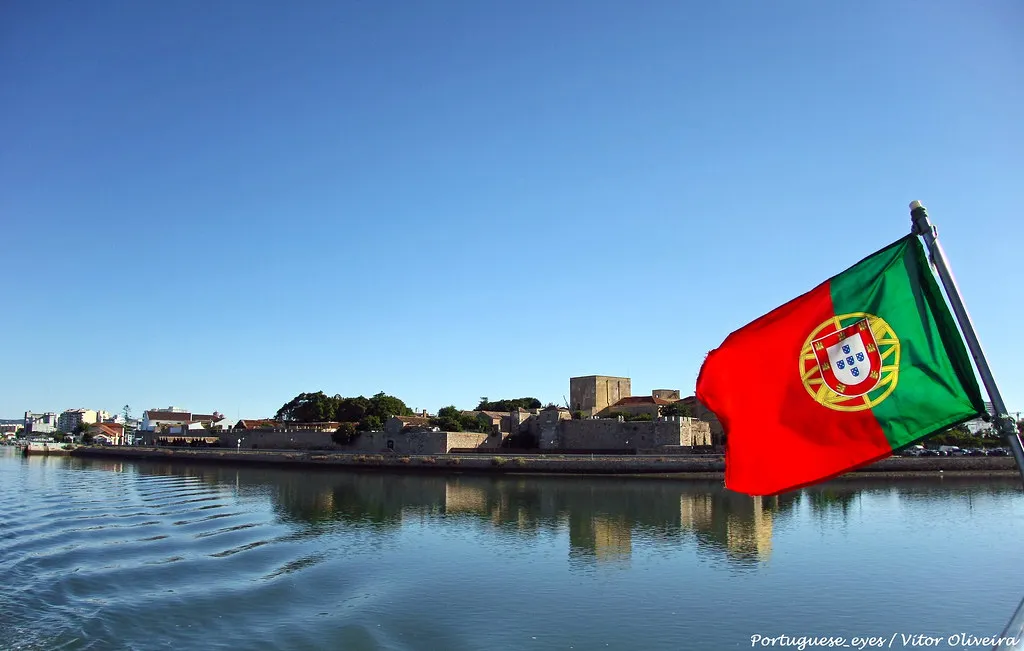
The layout is unusually compact. The train station, bus station, marina, Old Town (Cidade Velha), and main seafront promenade all sit within a ten-minute walk of each other. Unlike Albufeira or Portimão, there is no need to take local buses between attractions. Comfortable shoes and an early start are the only logistics you need to manage.
The city has been continuously inhabited since Roman times, later shaped by Moorish rule before becoming part of Portugal in the 13th century. Those layers show clearly in the street layout, the ancient walls built over Roman foundations, and the religious buildings dotted around the Old Town. That depth of history is what sets a day here apart from a beach-only Algarve trip.
One practical note: Faro Airport is genuinely close to the city, and planes fly overhead regularly. You notice it for the first hour, then stop. It does not spoil the experience, but it is worth knowing before you arrive.
How Long Should I Spend In Faro Portugal?
One full day is enough to see the historic core, take a short lagoon cruise, and eat a good dinner. You will not feel rushed if you start by 09:00. Two days lets you add Ilha de Faro beach, a longer boat trip into Ria Formosa, and a morning at the municipal market without doubling back on yourself.
Three days is worth considering if you want to use Faro as a base for eastern Algarve day trips — Tavira, Olhão, and Ilha da Culatra are all under an hour away by train or ferry. For most people flying in and out of Faro Airport, one overnight stay covers both the city highlights and a relaxed morning before a departing flight.
The city is significantly less touristy than Lagos or Albufeira, which means it rewards an unhurried pace. Avoid the temptation to cram in five museums. Two or three focused stops, combined with time to wander the cobblestone lanes and sit at a café, give a more honest picture of how Faro actually feels.
1-Day Faro Itinerary: The Full Walkthrough
Start at 09:00 at the Arco da Vila, the grand neoclassical gateway to the Old Town from the marina side. Storks nest in the arch's bell tower most of the year — look up before you walk through. On the other side, a quiet square opens up surrounded by historic facades, a complete contrast to the modern city streets just meters away.
Walk directly to the Faro Cathedral next. It dates to the 13th century and sits on the site of a former mosque. Entry costs €5 and includes the tower climb — the panoramic view over the rooftops to the Ria Formosa lagoon is the best free-to-climb vantage in the city. Plan 40 minutes here.
From the cathedral, walk five minutes to the Chapel of Bones (Capela dos Ossos) inside the Igreja do Carmo. The walls and ceiling are lined with the bones of over 1,000 Carmelite monks. For more on the bone chapel history, visit the Wikipedia source. Entry is €2. Arrive before 10:00 to avoid the tour groups — by noon the queue can stretch 30 people. The church garden and stork-nested rooftop are worth a slow look as you leave.
After the chapel, head to the Faro Municipal Market for lunch. The cantinas inside serve cheap, honest Portuguese food — a prato do dia (dish of the day) runs €7 to €9 including soup and a drink. Pick up fresh fruit to eat later in the Jardim da Alameda João de Deus, the large ecological garden two minutes away with peacocks, shaded benches, and picnic tables.
By 13:30, walk to the marina and join a boat tour of the Ria Formosa natural park. The official Ria Formosa Natural Park overview describes the 60-km estuary ecosystem. Shared one-hour tours cost around €20 per person; three-hour tours that reach barrier islands cost €35 to €45. Boats run throughout the day, but book 48 hours ahead in summer as the afternoon slots sell out. If you prefer dry land, the Mirador Ria Formosa viewpoint along the promenade gives a strong impression of the lagoon without getting on a boat.
Finish the day with dinner at the marina area. Local seafood restaurants serve from 19:00 until 22:00. Grilled octopus, cataplana de marisco (seafood stew), and clams with garlic and olive oil are the dishes to prioritize. Reservations help at the better restaurants — call or book online by mid-afternoon.
- 09:00 — Arco da Vila and Old Town walls (free, 30 min)
- 09:30 — Faro Cathedral and bell tower (€5, 40 min)
- 10:15 — Chapel of Bones, Igreja do Carmo (€2, 30 min)
- 11:00 — Wander Cidade Velha, city walls walk (free, 45 min)
- 12:00 — Faro Municipal Market, lunch (€7–9, 60 min)
- 13:30 — Ria Formosa boat tour or Mirador viewpoint (€20, 60–90 min)
- 19:00 — Marina dinner and sunset stroll
| Stop | Time | Cost | Duration |
|---|---|---|---|
| Arco da Vila & Old Town walls | 09:00 | Free | 30 min |
| Faro Cathedral & bell tower | 09:30 | €5 | 40 min |
| Chapel of Bones, Igreja do Carmo | 10:15 | €2 | 30 min |
| Cidade Velha wander & city walls | 11:00 | Free | 45 min |
| Faro Municipal Market lunch | 12:00 | €7–9 | 60 min |
| Ria Formosa boat tour | 13:30 | €20–45 | 60–90 min |
| Marina dinner | 19:00 | €14–18 | 90 min |
Arrive at the Chapel of Bones before 10:00 to avoid tour groups — by noon the queue can stretch to 30 people. The Cathedral tower climb (€5) gives the best panoramic view over the Old Town rooftops to the Ria Formosa lagoon.
What to See in Faro: The Stop Most Visitors Walk Past
The Cathedral, Chapel of Bones, and Arco da Vila appear in every Faro guide. They deserve the attention. But one stop that most visitors miss entirely is the Igreja de São Pedro, located just outside the Old Town walls — a five-minute walk from the Arco da Vila.
Before stepping inside, look down at the Portuguese pavement in front of the entrance. The traditional black-and-white stone design incorporates the words Petrus and Ichthys. Petrus is Latin for Peter, the apostle the church is named after. Ichthys — the fish symbol — was used by early Christians as a discreet sign of faith. The detail is easy to miss if you do not know to look for it, but it rewards close attention.
Inside, the contrast between the plain exterior and the ornate interior is striking. Gilded woodwork frames the altar, and blue azulejo tile panels line sections of the walls. It is uncrowded, free to enter, and takes around 20 minutes. For anyone interested in Portuguese tile work or religious architecture, this is the most undervisited stop in Faro.
The city walls themselves deserve a slow walk rather than a glance. Enter under the archway near Rua do Repouso and follow the wall left — there are steps up to a walkable section that gives elevated views over the Old Town rooftops without the €5 cathedral admission. It is a genuinely good alternative if the cathedral tower queue is long.
Food in Faro
Faro's food scene is built around the Ria Formosa lagoon. The protected waters produce exceptionally fresh shellfish — clams (amêijoas), oysters, and razor clams (lingueirão) show up on menus all over the city at prices well below Lisbon equivalents. A plate of clams with garlic, white wine, and coriander (amêijoas à Bulhão Pato) typically costs €12 to €16 at a marina-area restaurant.

For a quick, cheap breakfast, stop at Pastelaria Coelho near the Old Town. They open around 07:00 and serve pastéis de nata alongside other local pastries. A pastel de nata costs around €1.20. Faisca & Henriques is another strong option for pastries if you pass by mid-morning.
The Faro Municipal Market is the best spot for a budget lunch. The cantinas inside serve full meals for under €9. It is also worth spending 20 minutes walking the produce stalls — local fruit, fresh cheese, smoked meats, and fig-based products from the eastern Algarve fill the stalls, and the stallholders are friendly even if your Portuguese is nonexistent.
For dinner, the restaurant ATO is consistently recommended by locals. The menu changes with the seasons and leans toward creative Portuguese cooking. Reserve a table a day in advance — walk-ins are frequently turned away in summer. For something more classic, grilled fresh fish (peixe grelhado) with boiled potatoes and salad is the default honest meal across most traditional restaurants near the marina, priced around €14 to €18 per main.
Solo Travel in Faro
Faro is one of the easiest solo destinations in the Algarve. The compact layout means everything you need — hotels, train station, Old Town, restaurants — sits within a short walk. There is no need to navigate public buses between sights, which removes one of the common friction points for solo travelers arriving in a new city.
The streets feel well-used at all hours. Even the narrower alleys in Cidade Velha have a steady flow of locals going about daily life, which means wandering off the main route never feels uncomfortable. The marina promenade attracts people watching the sunset in the evening; it is a natural gathering point where sitting alone does not feel awkward.
Practical details that help: pack a crossbody bag rather than a backpack for easier navigation through narrow lanes and crowded market stalls. Faro is not prone to the petty theft that affects Lisbon's tourist districts, but standard awareness helps. A single espresso costs around €0.80 to €1.00 at a local café, making it easy to stop and regroup without spending much. The city is genuinely budget-friendly compared to the rest of the Algarve.
Is Faro Portugal Worth Visiting?
Yes — particularly if you are flying through Faro Airport or looking for a calmer counterpoint to the resort-heavy stretches of the western Algarve. The city delivers genuine Portuguese daily life, a compact historic core, and the Ria Formosa lagoon system, all without the aggressive tourism infrastructure of Lagos or Albufeira.
Budget travelers will find it refreshingly affordable. A full day of sightseeing — Cathedral, Chapel of Bones, a one-hour boat tour, market lunch, and a restaurant dinner — comes to roughly €55 to €70 per person. That covers paid entry at every attraction plus two proper meals. History-focused visitors get Roman-era foundations, Moorish architecture, 18th-century bone chapels, and Baroque church interiors in a single walkable afternoon.
The main thing Faro lacks is easy beach access. Unlike Albufeira or Cascais, the beaches require a bus or ferry ride (about €3 each way). If your priority is waking up at the sand, base yourself elsewhere. But if you want a city with actual history and a working local culture, Faro is one of the more honest stops in southern Portugal.
Where to Stay in Faro
Staying near the marina or the city center is the most practical choice for a one-day visit. The area puts you within ten minutes' walk of the train station, Old Town, and boat tour departure points. Hotel Sol Algarve Kavia sits about five minutes from the train station and ten minutes from the Old Town — a solid choice for solo travelers or anyone with an early flight. Check our where to stay in Faro guide for specific hotel reviews and options at different price points.
The Old Town has a small number of boutique guesthouses inside the historic walls. These offer a quieter atmosphere at night and rooftop views over the lagoon, but come at a slight premium and can book up quickly in July and August. The modern city center around Rua de Santo António provides more hotel density and lower rates, with easy access to the pedestrian shopping streets.
Faro Beach (Praia de Faro) is a third option, about 15 minutes from the center by Bus 16 or Uber. It suits travelers who want to wake up near the ocean, but you will spend time and money commuting back into town for sightseeing. For a one-day itinerary focused on the historic core, it adds unnecessary friction.
Day Trips From Faro Portugal
Faro is the most practical base in the eastern Algarve for short regional trips. Regional trains run hourly and are inexpensive — validate your ticket at the yellow machines on the platform before boarding.
Olhão is 15 minutes by train and worth a morning. Its covered market buildings are among the most impressive in the Algarve — two vast Moorish-influenced brick halls facing the waterfront, packed with fresh fish, produce, and cheap cantinas. The Olhão guide covers the market layout and what to buy. From Olhão you can also catch ferries to Ilha da Culatra, a car-free barrier island with one of the most remote-feeling beaches in the Algarve.
Tavira takes about 40 minutes by train. It has a Roman bridge, over 30 historic churches, an old Moorish castle, and a significantly slower pace than the western resort towns. Deciding between Faro or Tavira? comes down to whether you prefer a working regional capital or a quieter, more ornate historic town. The two are different enough to justify doing both if you have two days. Check our best day trips from Faro list for further options, including the Seville day trip (3+ hours each way by bus, €15 one way) for those with a full spare day.
Practical Tips and What to Book in Advance
Most of Faro's sights require no advance booking. The Cathedral opens daily from 10:00 to 18:00 (shorter hours November to March) and charges €5 at the door. The Chapel of Bones, at €2, also runs on a walk-in basis — the only variable is the queue. Arriving before 10:00 avoids the worst of the tour groups that build up by late morning.
Book your Ria Formosa boat tour 48 hours ahead during the June-to-September peak season. Afternoon sunset tours sell out fastest. Prices run €20 for a one-hour shared tour up to €45 for a three-hour island-hopping trip with a swimming stop. Formosamar is one of the established operators departing from the marina.
Afternoon Ria Formosa boat tours sell out fastest in summer — book at least 48 hours in advance. The Cathedral also keeps shorter hours from November to March, so check before you go.
For airport transfers, Bus 16 departs from the central bus station (Terminal Rodoviário) and reaches Faro Airport in about 20 to 30 minutes for under €3. Ubers and taxis cost around €10 to €15 and take 10 to 15 minutes. If you are arriving by train from Lisbon, the journey takes around 3.5 hours and costs approximately €15 to €25 depending on the service and how far in advance you book. Interregional trains are cheaper than the faster Alfa Pendular service.
Frequently Asked Questions
Is Faro worth visiting for one day?
Yes, Faro is perfect for a one-day visit. Its compact Old Town and marina are easily walkable. You can see the main historic sites in a single afternoon.
How do you get from Faro airport to the city center?
The best way is the number 16 bus. It costs about $3 and takes 20 minutes. Taxis and Ubers are also available for roughly $15.
Is the Bone Chapel in Faro scary?
The chapel is more historic than scary. It uses real human bones to decorate the walls. It serves as a reminder of life's fleeting nature.
Faro is the Algarve city that earns its reputation quietly. One structured day covers the Cathedral, Chapel of Bones, Ria Formosa waterfront, and a proper seafood dinner without any rushing. The compact layout means almost every hour is spent on the actual experience rather than logistics. If you are passing through the airport anyway, staying even one night turns a transfer into a genuinely worthwhile stop.
Pack sunscreen, wear comfortable walking shoes for the uneven limestone pavement, and arrive at the Chapel of Bones early. The rest of the day takes care of itself.
For the full city overview, see our guide to things to do in Faro.
 Algarve 3 Day Itinerary Travel GuideMay 17, 2026
 Algarve 5 Day Itinerary Travel GuideMay 17, 2026