11 Best Things to Do in Évora, Portugal (2026)
Plan things to do in Évora, Portugal with top picks, neighborhood context, timing tips, and practical booking advice for a smoother trip.
On this page
11 Best Things to Do in Évora, Portugal
After my third visit to this sun-drenched Alentejo capital, I can confidently say it remains Portugal's most underrated historical treasure. The city feels like an open-air museum where Roman ruins sit comfortably beside medieval walls and whitewashed houses. Choosing the best time to visit Évora is crucial because the summer heat in this region can be quite intense. I last refreshed this guide in October 2025 to ensure all pricing and opening hours remain accurate for your upcoming 2026 travels.
Two days are ideal for most visitors to see the major sights and the Almendres Cromlech. This pace allows for a relaxed Évora itinerary including a long Alentejo lunch. One day is possible but feels very rushed.
Walking through the narrow cobblestone streets, you quickly understand why UNESCO designated the entire historic center as a World Heritage site. The city serves as the heart of the Alentejo region, famous for its slow pace of life, cork forests, and exceptional wines. Most visitors arrive expecting only a quick stop, but the depth of history here often demands a more lingering approach. My first encounter with the Roman Temple at sunset changed how I viewed Portuguese history beyond the coastal cities.
Key Takeaways
- Best overall: The Roman Temple at sunset for the best lighting and fewer crowds.
- Best for families: The Public Garden (Jardim Público) for its space and peacocks.
- Best rainy-day: The Évora Museum (Museu Nacional de Frei Manuel do Cenáculo) for its extensive indoor collections.
- Best free activity: Walking the Rua do Cano to see houses built into the Silver Water Aqueduct.
About Évora, Portugal
Évora acts as a living timeline of Portuguese history, stretching from the Neolithic period to the golden age of the Renaissance. The city reached its peak in the 15th century when it served as a frequent residence for the Portuguese royalty. You will find various options on Airbnb that allow you to stay within these historic walls for an immersive experience. This proximity to history makes finding where to stay in Évora an easy task for architecture lovers.
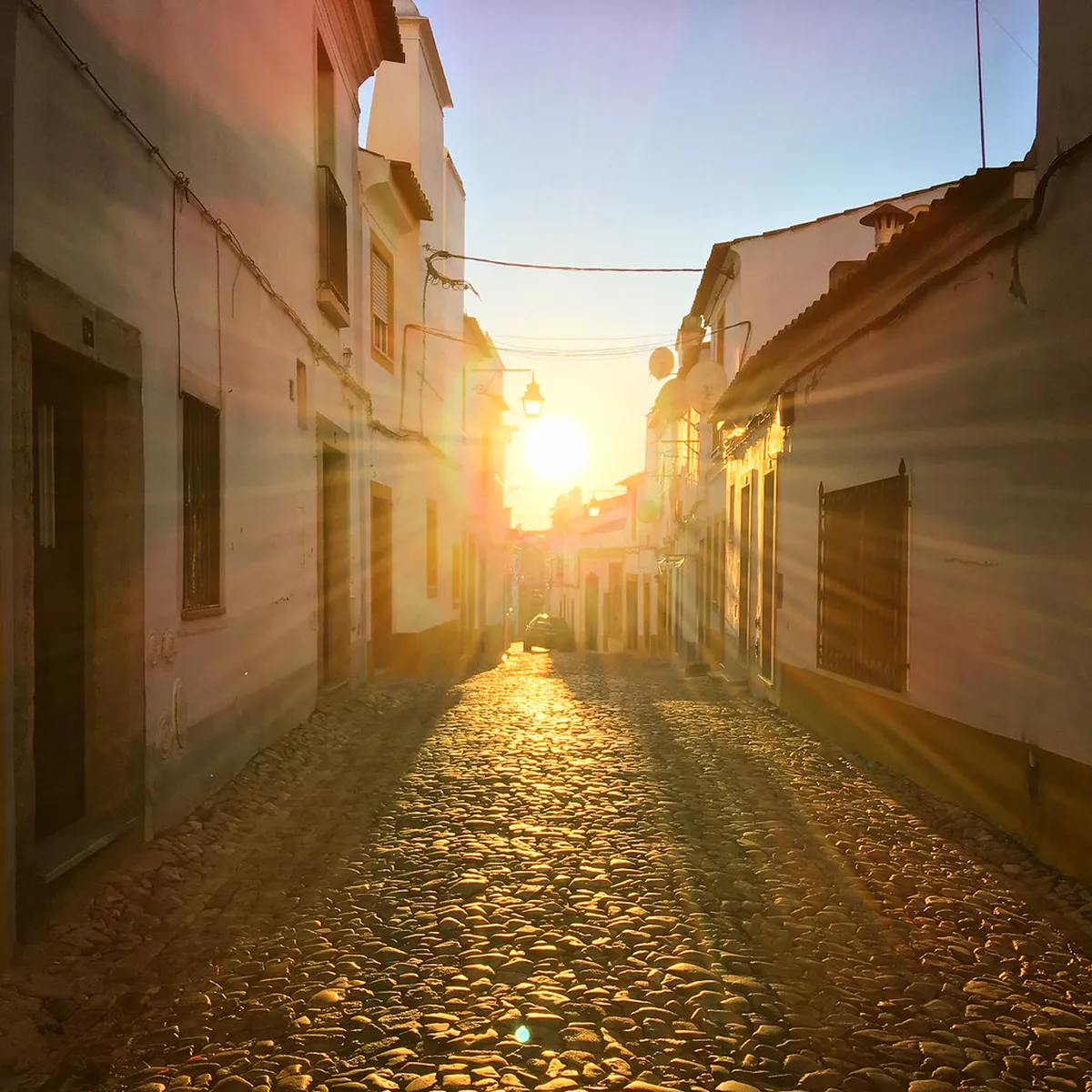
The surrounding landscape is defined by vast plains of olive trees and oak forests that produce much of the world's cork. Local culture here is distinct from Lisbon, focusing heavily on rustic gastronomy and a quieter, more contemplative lifestyle. While the city is compact, the density of monuments means you should wear comfortable shoes for all-day exploration. Many travelers find that the city's charm lies in its quiet courtyards and the sound of bells echoing from the cathedral.
History buffs will appreciate that the city was a major Roman stronghold known as Liberalitas Julia. The later Moorish influence is still visible in the winding, labyrinthine layout of the Mouraria district. This blend of cultures creates a unique visual texture that sets it apart from the more gothic northern cities. Understanding this context helps you appreciate the subtle architectural shifts as you move from one neighborhood to the next.
11 Best Things to Do in Évora
This list represents a curated mix of iconic landmarks and the quiet corners that define the city's true character. I have grouped these by their historical significance and ease of access to help you plan a logical walking route. Most of these attractions are located within the historic walls, making them reachable on foot from any central hotel. Be sure to check official websites for holiday closures, as some local sites follow traditional religious calendars.
The first cluster focuses on the high-profile sites near the cathedral, which usually see the most foot traffic. Following this, we move toward the university and the outskirts, where the crowds begin to thin out significantly. I recommend starting your day early to catch the soft morning light on the granite columns of the Roman Temple. Prices listed are typical for the 2025-2026 season and usually offer discounts for students or seniors over 65.
For those with extra time, the final items include essential day trips that reveal the prehistoric side of the Alentejo. These megalithic sites offer a stark contrast to the Roman and medieval architecture found within the city gates. Whether you are a solo traveler or visiting with family, these stops provide a comprehensive look at the region's heritage. Keep an eye out for the small blue and white tiles that mark many of these historic entrances.
- Capela dos Ossos (Chapel of Bones)
- This haunting 17th-century chapel is lined with the bones of over 5,000 monks to remind visitors of mortality.
- Located inside the Church of St. Francis, it costs approximately €6 per adult and is open daily from 10am to 6:30pm.
- The late afternoon light creates a somber atmosphere that truly emphasizes the famous inscription above the entrance.
- Visit early in the morning to avoid the largest tour groups that often arrive by bus from Lisbon.
- Templo Romano de Évora (Roman Temple)
- Often called the Temple of Diana, these 14 granite columns represent the most significant Roman ruin in Portugal.
- This landmark is free to visit at any time and sits prominently in the Conde de Vila Flor square.
- The floodlights at night provide a much more dramatic view than the harsh midday sun for photographers.
- Check out the Roman Temple of Évora guide for more details on its survival through the Middle Ages.
- Sé de Évora (Évora Cathedral)
- The largest medieval cathedral in Portugal features a fortress-like exterior and a stunning view from its rooftop terrace.
- Entry fees range from €3.50 to €5 depending on whether you include the cloisters and the museum.
- It is generally open from 9am to 6pm, though Sunday visits may be restricted during morning mass services.
- Read our Évora Cathedral guide to learn about the unique apostles carved into the main portal.
- Universidade de Évora (Évora University)
- Founded in 1559, this university features a beautiful courtyard and classrooms decorated with intricate 18th-century azulejo tiles.
- The Colégio do Espírito Santo is open to visitors for roughly €4 from 9:30am to 6:30pm daily.
- Walking through the silent, tile-lined corridors offers a peaceful escape from the busier tourist areas near the square.
- The library is a hidden gem that many visitors miss because they only stay in the main courtyard.
- Aqueduto da Água de Prata (Silver Water Aqueduct)
- This 16th-century engineering marvel once carried water 18 kilometers into the city and still dominates the northern skyline.
- You can view the most interesting sections for free where houses have been built directly into the arches.
- The best area to see this architectural fusion is along Rua do Cano in the northern part of the city.
- Walking the trail alongside the aqueduct is a great way to see the transition from urban to rural Alentejo.
- Praça do Giraldo (Giraldo Square)
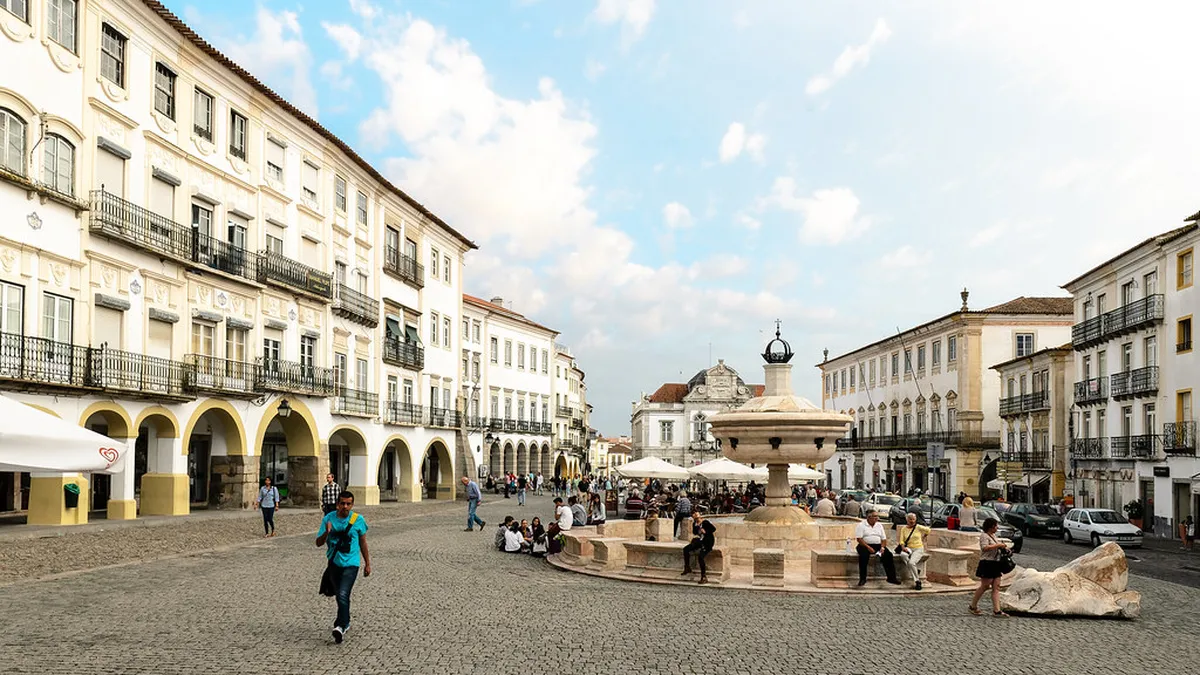
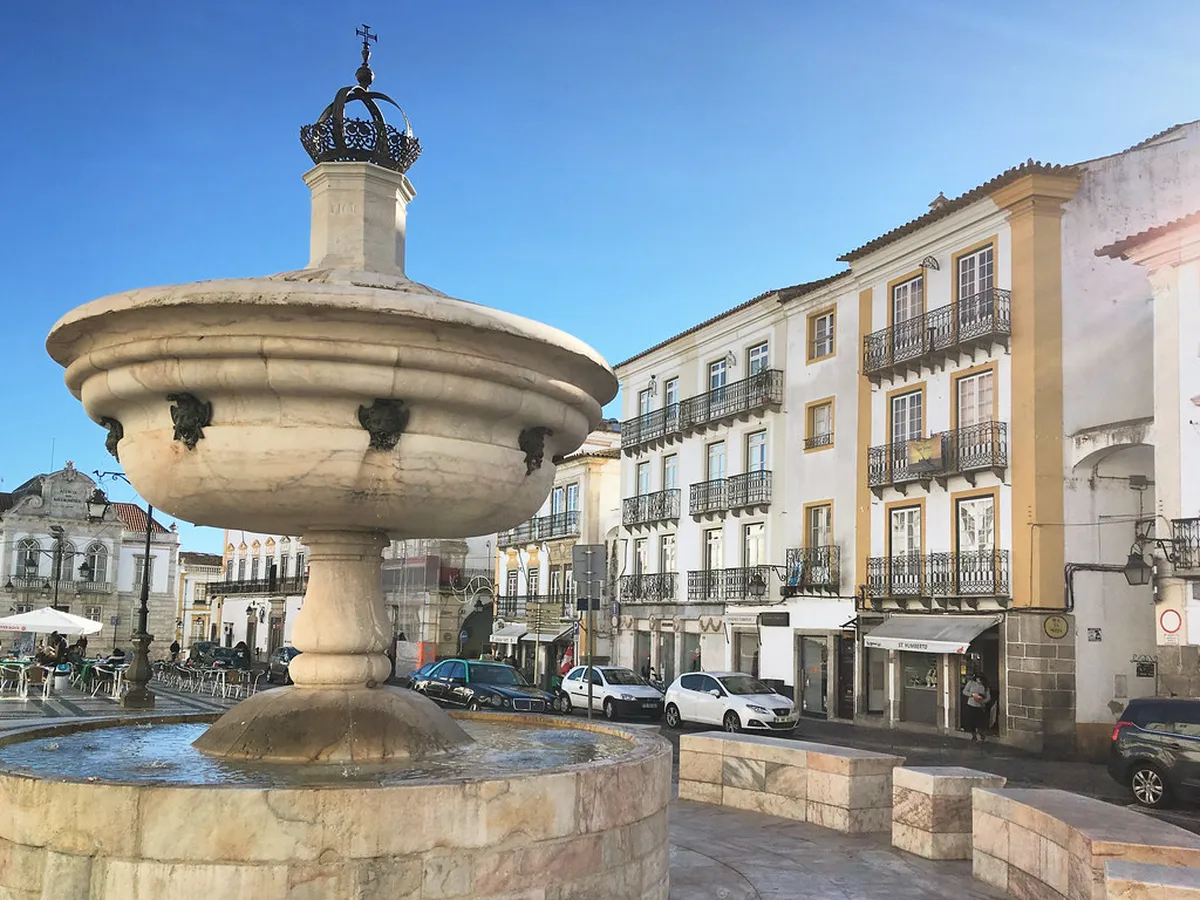
- This is the vibrant heart of the city, characterized by its Henriquina fountain and elegant gothic-style arches.
- The square is a public space and is free to enjoy 24/7, making it perfect for people-watching.
- Grab a coffee at Café Arcada and watch the local pace of life unfold beneath the yellow-hued buildings.
- Many of the city's best walking tours begin here near the tourism office on the northern side.
- Jardim Público & Palácio de Dom Manuel
- These lush public gardens house the ruins of a royal palace and a colony of very vocal peacocks.
- Entry to the gardens is free, and they are typically open from 7am until 8pm during the summer months.
- The 'Fake Ruins' built in the 19th century provide a whimsical backdrop for a relaxing afternoon picnic.
- This is the best spot in the city for families with children who need space to run around safely.
- Igreja da Nossa Senhora da Graça
- This Renaissance church is famous for the four massive granite figures, known as 'children,' sitting on its facade.
- The exterior is free to view, while the interior sometimes requires a small donation for entry during daytime hours.
- It is located just a short walk from the main square and represents a unique Italian-influenced style.
- The shadows cast by the giants on the roof are particularly striking during the golden hour before sunset.
- Cromeleque dos Almendres (Almendres Cromlech)
- This prehistoric site is one of the largest megalithic complexes in Europe, pre-dating Stonehenge by nearly 2,000 years.
- Located 15km outside the city, it is free to visit and accessible by a dirt road through cork forests.
- The site is open 24/7, but visiting at dawn offers a mystical experience without any other tourists present.
- Our Almendres Cromlech guide explains why these stones are arranged in a specific astronomical pattern.
- Fundação Eugénio de Almeida (Cartuxa Winery)
- Located just outside the city walls, this winery produces the famous Pêra-Manca wine in a historic setting.
- Tours and tastings usually cost between €20 and €45 and require advance booking on their official website.
- The Enoteca Cartuxa near the temple offers a more central way to sample their wines without a full tour.
- Check the Cartuxa Winery guide for tips on booking the more exclusive cellar tastings.
- Museu Nacional de Frei Manuel do Cenáculo
- This national museum houses an impressive collection of Roman artifacts and 16th-century Flemish paintings.
- Standard adult tickets cost €3, and the museum is open from 10am to 6pm, typically closing on Mondays.
- According to the museum's official collection page, it holds over 20,000 pieces reflecting the region's diverse history.
- The central courtyard provides a quiet place to sit and admire the Roman inscriptions found during local excavations.
More Churches, Palaces & Tiled Interiors
Beyond the headline landmarks, Évora rewards anyone who steps inside its lesser-visited churches and palaces, where the city's real artistic wealth hides behind plain granite facades. These four stops are all within a five-minute walk of Praça do Giraldo, and most are either free or charge only a small entry fee. They make ideal "in-between" visits when you are walking from one major site to the next and want to escape the midday heat.
- Igreja Real de São Francisco (Church of St. Francis) — The same complex that holds the Chapel of Bones is a destination in its own right. The single, soaring Manueline-Gothic nave (built between 1480 and 1510) is one of the widest of its kind in Portugal, with a barrel-vaulted ceiling and gilded side chapels. Entry to the church nave is free; the Chapel of Bones, the museum and the rooftop terrace are bundled into the combined ticket (around €6). Allow 30–45 minutes for the whole complex.
- Igreja dos Lóios (Church of São João Evangelista) — Tucked beside the Roman Temple on Largo Conde de Vila Flor, this 15th-century church is covered floor-to-ceiling in spectacular blue-and-white azulejo tiles painted by António de Oliveira Bernardes around 1711, depicting the life of São Lourenço Justiniano. It is privately owned by the Cadaval family, so it keeps shorter hours (typically 10am–6pm, closed Mondays) and charges roughly €5, often combined with the palace next door.
- Palácio dos Duques de Cadaval (Cadaval Palace) — Facing the same square, this part-medieval, part-Renaissance palace still belongs to the Cadaval ducal family and displays family portraits, illuminated manuscripts and religious art across its grand rooms. A combined ticket with the Lóios church usually runs €6–8. Its twin square towers are among the oldest surviving civic structures in the city.
- Casas Pintadas (The Painted Houses) — A short walk toward the Eugénio de Almeida Foundation, this Renaissance garden gallery preserves rare 16th-century mythological frescoes under an open loggia — mermaids, harpies and allegorical beasts that once decorated a noble home. Access is included with the Foundation's Art and Culture Centre ticket (around €5), making it an easy add-on for travelers interested in art beyond the religious canon.
If you only have time for one of these, choose the Igreja dos Lóios for the sheer density of its tilework — it is the best single example of Évora's celebrated azulejo tradition and a quieter alternative to the crowds at the Chapel of Bones. Art lovers with a half-day to spare can comfortably chain all four together, since they sit within the same compact corner of the UNESCO old town.
Is Évora Worth a Day Trip from Lisbon?
Many travelers wonder if an Évora day trip from Lisbon is sufficient to see the main highlights. While you can see the bone chapel and the Roman temple in a single day, you will miss the city's evening magic. The train from Lisbon takes about 90 minutes, making it a feasible but somewhat rushed excursion for most people. I usually recommend staying at least one night to enjoy the local wine bars after the day-trippers have left.
Staying overnight allows you to visit the Almendres Cromlech at sunset, which is nearly impossible without your own transport. The city's atmosphere transforms once the sun goes down and the monuments are illuminated against the dark sky. You can find great budget-friendly stays like the Heaven Inn Hostel if you decide to extend your stay. This extra time also gives you the chance to explore the day trips from Évora that lead to nearby marble towns.
If you are strictly limited on time, a guided tour can help you navigate the history more efficiently than going solo. However, the charm of the Alentejo is its slow pace, which is often at odds with a tight tour schedule. Consider your priorities: is it more important to tick off the sites or to feel the rhythm of the region? Most people who stay overnight report that the morning quiet before the buses arrive was their favorite part of the trip.
Planning Your Visit: Logistics and Timing
Timing your visit for the spring or autumn will save you from the scorching 40°C temperatures common in July and August. May is particularly beautiful as the wildflowers in the surrounding plains are in full bloom across the Alentejo. If you visit in winter, be prepared for chilly evenings, as the stone buildings are designed to keep the heat out. Check the Hostelworld listings for social accommodation options that often organize group dinners and walking tours.
When it comes to food, you must try the local 'açorda' or the black Iberian pork which is a regional specialty. I suggest browsing our list of best restaurants in Évora to find authentic spots away from the main square. Reservations are highly recommended for dinner on Friday and Saturday nights, even during the shoulder season. Look for 'Prato do Dia' at lunch for a high-quality, three-course meal that usually costs under €15.
Transportation within the city is strictly on foot, as the narrow streets are not designed for modern car traffic. There is ample parking just outside the city walls if you are arriving with a rental car from Lisbon. The walk from the train station to the center takes about 15 minutes and is mostly flat and easy to navigate. Local buses are available for trips to nearby villages, but they run infrequently on weekends and public holidays.
Best Picks for First-Time Visitors & Short Trips
If this is your first time in Évora and you are working with limited hours, focus on the four sights that give you the clearest sense of the city's layered history. The entire historic center is compact and almost entirely walkable — the old town measures barely 1 km across inside the medieval walls — so you can move between these on foot in minutes without ever needing a car or taxi. The granite cobbles can be uneven, so flat, comfortable shoes matter more than distance.
- Have only 2–3 hours (a short day trip)? Prioritize the Chapel of Bones, the Roman Temple, and Praça do Giraldo. This trio sits within a 600-metre triangle, costs little (only the Chapel charges entry), and captures the Roman, medieval and everyday faces of the city in one short loop.
- Have a full day? Add the Sé Cathedral and its rooftop terrace for the best panoramic view over the white-washed rooftops, then slot in the University of Évora's tiled cloisters and the Igreja dos Lóios. This is the most rewarding pace for a Lisbon day trip and still leaves time for a long Alentejo lunch.
- Have two days or are staying overnight? Use the second day for the Almendres Cromlech at dawn, the Água de Prata aqueduct along Rua do Cano, and a winery visit at Cartuxa. Spreading these across two days lets you experience the old town after the tour buses leave, which most visitors say is the highlight.
For first-timers deciding whether Évora is worth a slot on a tight Portugal itinerary, the honest answer is yes — even half a day delivers genuine UNESCO-listed history with almost no transit friction, since everything clusters inside the walls. The city earns extra value the longer you stay, but it never punishes a short visit the way sprawling capitals can.
What to Skip: Overrated Picks in Évora
While the Aqueduct of Silver Water is a marvel, I do not recommend walking the full 18-kilometer trail if you only have two days. The scenery becomes quite repetitive after the first few kilometers, and your time is better spent inside the city walls. Instead, view the aqueduct where it enters the city and spend that saved time at the university or the museum. Many visitors find the long trek exhausting and regret missing the more detailed historical sites in the center.
Avoid the generic souvenir shops directly facing the Roman Temple, as they often sell mass-produced items at a significant markup. You will find much more authentic cork products and local pottery in the side streets near the Mouraria district. I once bought a 'handmade' tile near the square only to find the exact same one in a Lisbon airport shop. True local craftsmanship is usually found in the smaller galleries that don't have aggressive street signage.
The Carriage Museum is interesting but can be skipped if you are not a dedicated fan of historical transportation. It is often included in combo tickets, but it lacks the emotional impact of the Chapel of Bones or the Cathedral. If you are short on time, prioritize the religious and Roman architecture that makes the city truly unique. Focusing on fewer sites allows for a deeper connection with the Alentejo's distinct atmosphere and history.
Frequently Asked Questions
How many days do you need in Évora?
Two days are ideal for most visitors to see the major sights and the Almendres Cromlech. This pace allows for a relaxed Évora itinerary including a long Alentejo lunch. One day is possible but feels very rushed.
Is the Chapel of Bones scary for children?
It depends on the child, but the atmosphere is more somber and reflective than frightening. Most school-aged children find the history fascinating rather than scary. Parents should explain the historical context beforehand.
Can you visit the Roman Temple at night?
Yes, the temple is located in an open public square and is accessible 24 hours a day. It is beautifully illuminated after dark, making it a perfect spot for night photography. There are no gates or entry fees.
Évora remains a cornerstone of Portuguese identity, offering a peaceful alternative to the crowded streets of Lisbon or Porto. From the chilling chapel of bones to the ancient Roman columns, every corner tells a story of survival and transformation. I hope this guide helps you navigate the golden streets of this Alentejo gem with confidence and curiosity.
Whether you come for the history, the wine, or the slow pace of life, the city is sure to leave a lasting impression. Safe travels as you explore one of the most beautiful and historically significant cities in Southern Europe. Don't forget to look up at the intricate chimneys and tile work that make this city a visual delight.
Explore More Évora Guides
Plan every part of your trip to Évora — from the best time to go and where to stay, to the UNESCO old town's landmarks, Alentejo food and wine, and easy day trips into the surrounding countryside.
Plan Your Trip
- Best Time to Visit Évora
- Évora Itinerary: One Day & How Long to Stay
- Where to Stay in Évora
- How to Get from Lisbon to Évora
Top Attractions
- Chapel of Bones (Capela dos Ossos)
- Roman Temple of Évora (Temple of Diana)
- Évora Cathedral (Sé de Évora)
- Almendres Cromlech: Megalithic Stone Circle
Food, Wine & Day Trips
 15 Magical Things To Do In Óbidos, Portugal (2026)June 11, 2026