
Évora Itinerary: One Day & How Long To Stay (2026 Guide)
Plan the perfect Évora itinerary. Discover if one day is enough, how to get there from Lisbon, and must-see sights like the Chapel of Bones and Roman Temple.
On this page
Évora Itinerary: One Day & How Long To Stay
I first visited Évora on a scorching July afternoon when the Alentejo sun felt like a heavy blanket. This ancient city is a treasure trove of Roman ruins and medieval charm that captivates every visitor. This guide is perfect for first-timers who want to see the best of the city without feeling rushed.
Yes, it is absolutely worth a day trip. You can see the Roman Temple, the Cathedral, and the Chapel of Bones within a single day. The train ride is convenient and takes only 90 minutes.
Last refreshed after my Autumn visit in 2024, this article reflects the latest prices and opening hours. Whether you are planning a day trip from Lisbon or an overnight stay, I have you covered. The city is preparing for a major cultural milestone that will soon change its quiet atmosphere forever.
Many travelers wonder if a single day is sufficient to see all the major historical landmarks here. I have spent countless hours wandering these cobbled streets to find the most efficient route for you. Follow this plan to experience the true essence of Portugal's most historic inland city.
At a Glance: One-Day Évora Itinerary
This quick overview helps you visualize your day before diving into the deeper logistical details. I recommend starting your journey early to beat the mid-morning tour buses arriving from Lisbon. The city center is compact and very walkable, making it easy to navigate on foot.
Most major sites are located within the ancient Roman walls and are close to one another. You will spend your morning exploring the darker side of history at the bone chapel. Afternoons are best spent admiring the Roman architecture and the soaring cathedral roof.
- Day 1: Alentejo history immersion
- Morning: 9:00 AM – 12:30 PM, historic walk
- Afternoon: 1:00 PM – 5:00 PM, monuments tour
- Evening: 6:00 PM – 9:00 PM, Alentejo dinner
The Perfect One-Day Évora Itinerary: A Step-by-Step Plan
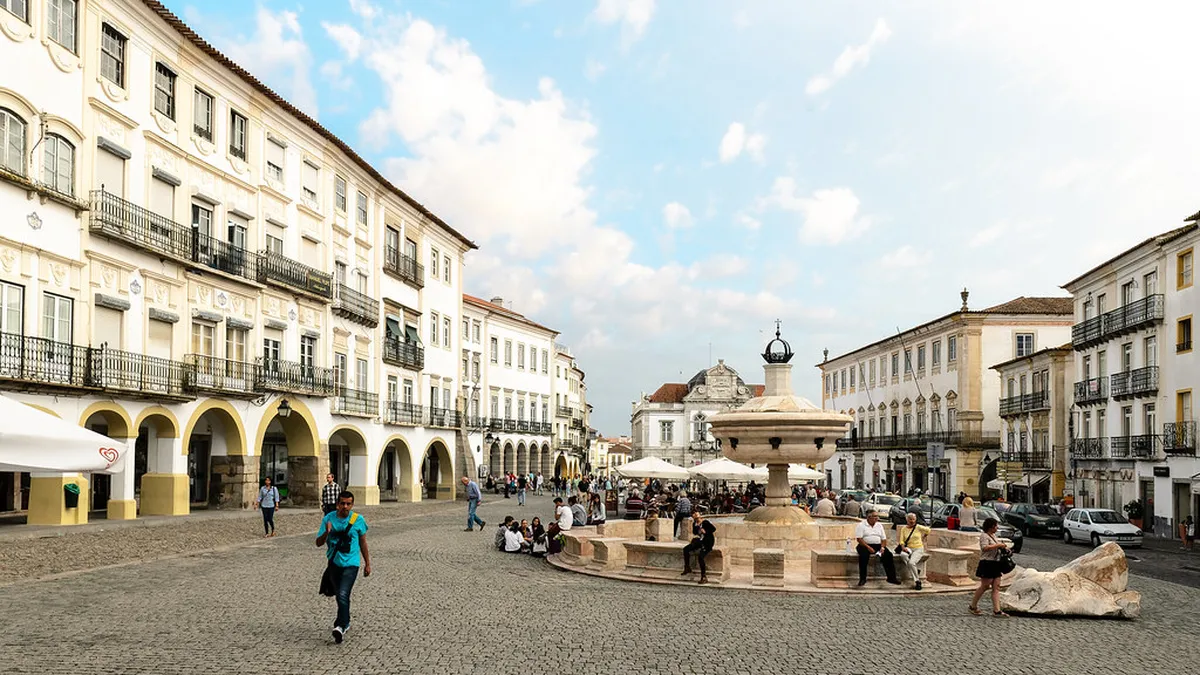
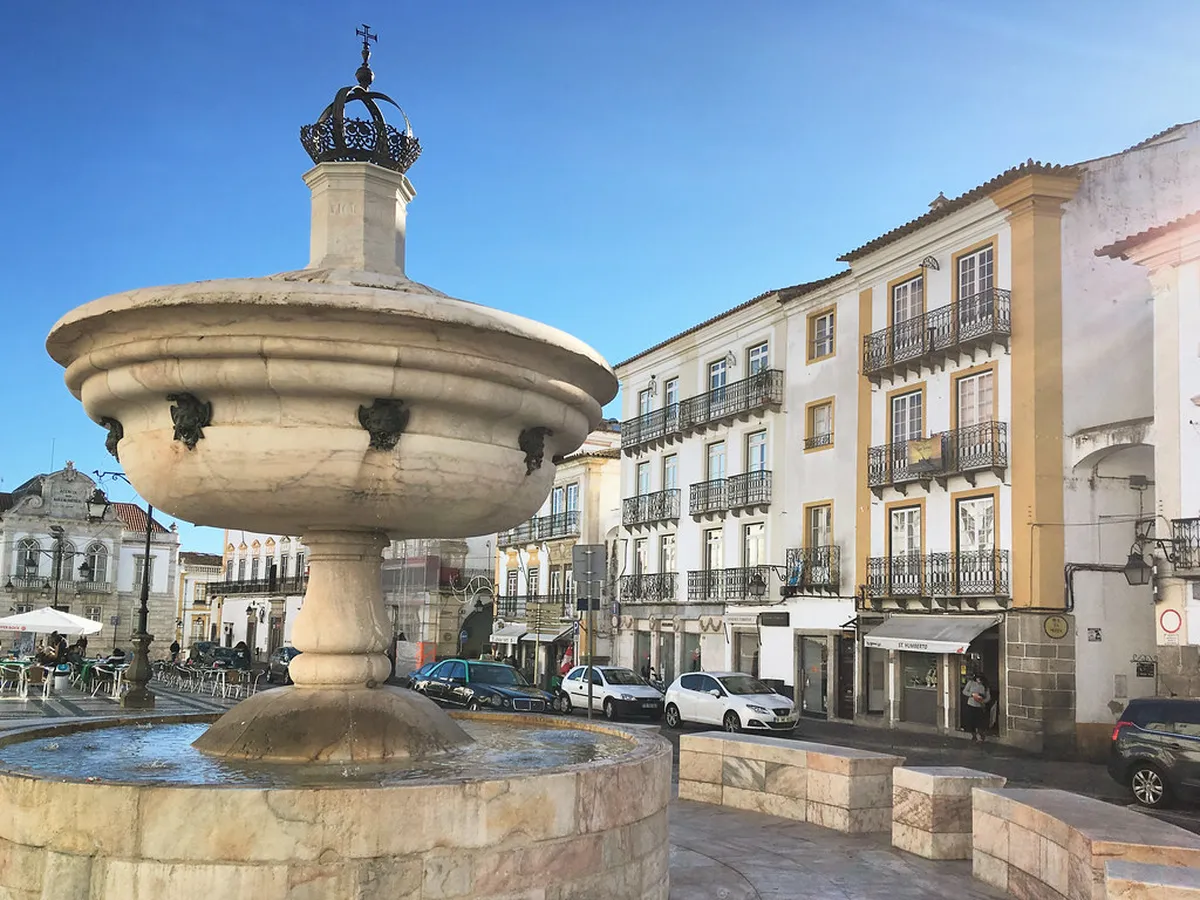
Start your morning at the Praça do Giraldo, the heartbeat of the city and a perfect coffee spot. From here, a short walk leads you to the famous Chapel of Bones. I remember the eerie chill I felt when I first stepped inside this bone-lined sanctuary. The chapel is open daily from 9:00 AM to 6:30 PM, with a short break at lunchtime.
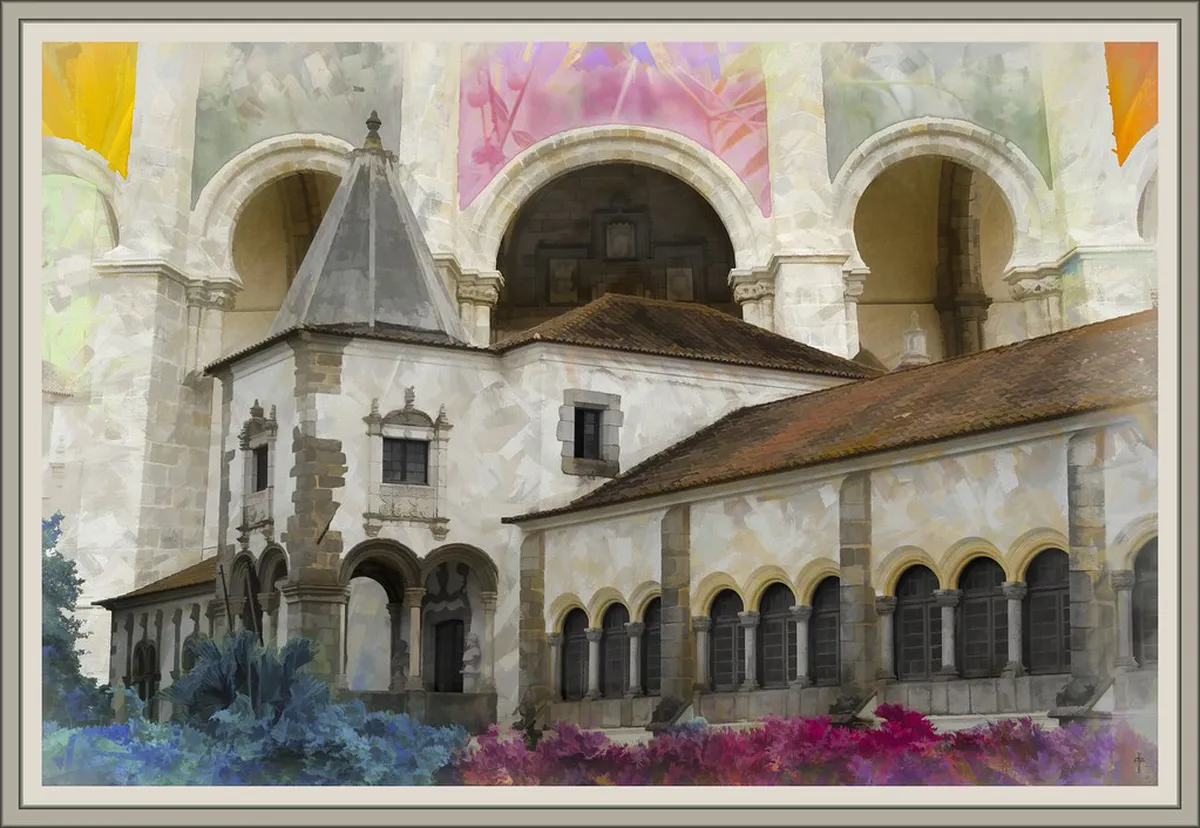
After lunch, head uphill toward the Roman Temple and the magnificent cathedral. The temple is free to visit and offers incredible photo opportunities against the blue Alentejo sky. Climbing the Évora Cathedral roof provides the best panoramic views of the surrounding plains. Most visitors spend about 45 minutes exploring the cloisters and the high stone terraces.
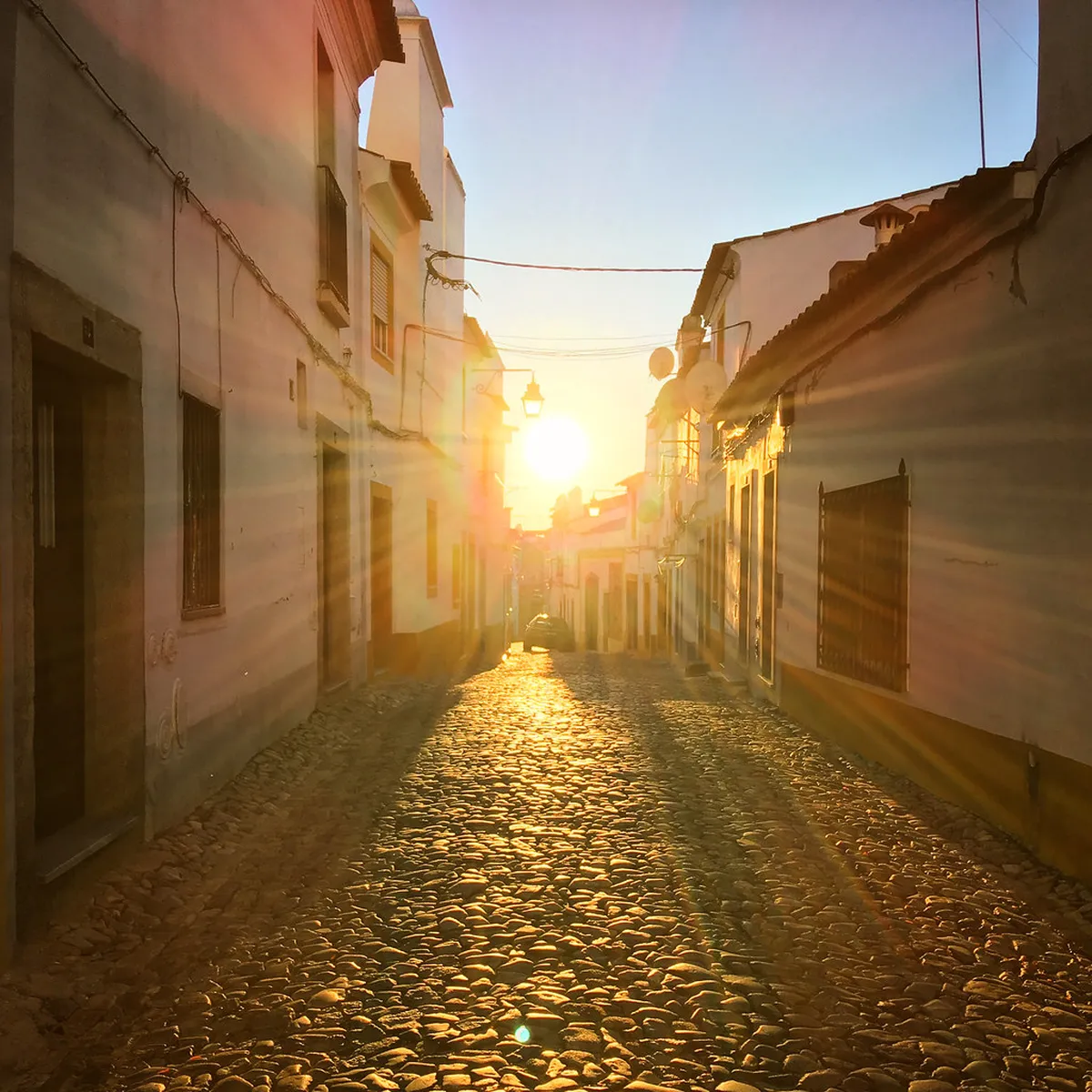
Finish your day with a slow walk along the medieval walls as the sun begins to set. The golden hour transforms the white-washed buildings into a glowing landscape of yellow and orange. We found that the best way to end the evening is with a glass of local wine. Check the Comboios de Portugal (CP) - Train Schedules if you need to return to Lisbon.
- Day 1: Alentejo history immersion
- Morning: 9:00 AM – 12:30 PM, historic walk
- Afternoon: 1:00 PM – 5:00 PM, monuments tour
- Evening: 6:00 PM – 9:00 PM, Alentejo dinner
- Time: 12 hours for a day trip
- Logistics: take the train from Lisbon station
- Optional: visit the Cartuxa winery instead
Because the entire historic core fits inside roughly one square kilometre, you can walk the whole loop without ever needing transport. Here is the exact route I follow, with realistic walking distances and times between each stop. The total on-foot distance is under three kilometres, so even unhurried walkers cover it comfortably in a day.
- 9:00 AM — Roman Temple (Templo de Diana): Start at the highest point of the city while the light is soft and the tour buses have not yet arrived. Allow 20 minutes; entry is free.
- 9:25 AM — Évora Cathedral & rooftop: A two-minute, 150-metre walk next door. Climb the roof first thing for the clearest panoramic views before the haze builds. Allow 45 minutes.
- 10:15 AM — Igreja de São João & the old University: A five-minute walk (about 300 metres) east. Wander the 16th-century cloisters and tiled classrooms of the historic Jesuit University. Allow 30 minutes.
- 11:00 AM — Chapel of Bones (Capela dos Ossos): A 10-minute, 700-metre walk downhill across town. Arrive before the mid-morning coach groups. Allow 30–40 minutes.
- 12:00 PM — Praça do Giraldo: A flat five-minute walk (about 350 metres) north into the main square. Pause for a coffee and a pastry, and people-watch under the arcades. Allow 30 minutes.
- 1:00 PM — Lunch in a backstreet tasca, then a gentle afternoon loop out to the Água de Prata Aqueduct, whose arches march straight into the city and shelter tiny houses tucked between the pillars. The aqueduct is a 12-minute walk from the square; allow an hour to stroll a stretch of it and back.
On the question of morning versus afternoon ordering: tackle the uphill monuments (Temple, Cathedral roof, University) in the cooler morning, then save the flat, shaded square and aqueduct for the hotter afternoon. If you arrive after lunch on a half-day visit, simply reverse the loop — Chapel of Bones and Praça do Giraldo first, climbing to the Roman Temple for golden-hour light at the end.
How Many Days Do You Need in Évora?
The honest answer is that one day is enough to tick off the headline monuments, but two days is the sweet spot if you want Évora to breathe rather than blur past. Here is how each length of stay actually feels on the ground, so you can match the trip to the time you have.
- Half day (4 hours): Doable if you arrive by mid-morning train. Stick to a tight triangle — Chapel of Bones, Roman Temple, and Praça do Giraldo — skipping the cathedral roof climb and any sit-down lunch. It is rushed, but you will still grasp why the city is a UNESCO World Heritage Site.
- One day (rushed but complete): Enough to walk the full loop above, climb the cathedral roof, and eat a proper Alentejo lunch. You will be moving steadily and will not have time for the Almendres Cromlech or a winery. This is the most common way visitors experience Évora as a day trip from Lisbon.
- Two days (ideal): The pace finally relaxes. Spend day one on the in-town monuments, then dedicate day two to the surrounding Alentejo — a sunrise visit to the Almendres Cromlech (older than Stonehenge), a wine tasting at Cartuxa, and a long, late lunch. Staying overnight also lets you see the floodlit monuments once the day-trippers leave.
The Half-Day Day Trip from Lisbon
If Évora is just one stop on a wider Portugal route, a half day still works. Catch the 8:00 AM Intercidades train, walk or taxi the 20 minutes into town, and follow the tight three-stop triangle above. Aim to be back at the station for an early-afternoon train, and you will have seen the city's essentials in under four hours without ever feeling you wasted the trip.
The Two-Day Alentejo Wine Version
With a second day, the Alentejo wine country becomes the headline rather than an afterthought. Drive (or join a tour) west to the Almendres Cromlech at first light, then spend late morning at the Cartuxa winery sampling the prestigious Pêra-Manca. Break for a long Alentejo lunch of black pork and local red, and finish with the hilltop village of Monsaraz at sunset. This two-day shape turns a quick monument tick-list into a genuine taste of inland Portugal.
How Long to Stay in Évora: Is One Day Enough?
Deciding how long to stay depends entirely on your interest in history and your preferred travel pace. A single day allows you to see the main UNESCO sites located within the city walls. I believe one day is sufficient for most travelers who are on a tight Portugal schedule. However, staying overnight allows you to experience the city after the day-trippers have departed.
The atmosphere changes significantly in the evening when the limestone monuments are illuminated. If you stay for two days, you can explore the Almendres Cromlech nearby. This megalithic site is older than Stonehenge and sits just a short drive from the center. I highly recommend an extra day if you want to visit local wineries or rural villages.
How to Get to Évora from Lisbon: Transport Options
The train is the most comfortable and scenic way to travel from Lisbon to the Alentejo. Direct trains depart from Sete Rios or Oriente stations and take roughly 90 minutes to arrive. Tickets usually cost around €12.50 each way, but discounts are available for early online bookings. The train station is a flat 20-minute walk from the historic center of the city.
Buses are another reliable option and depart frequently from the Sete Rios terminal in Lisbon. Driving offers the most flexibility, especially if you plan to visit the megaliths or local cork forests. The drive takes about 90 minutes via the A2 and A6 motorways, which involve some tolls. I suggest using the train if you only plan to stay within the city walls.
One detail most guides skip: the Évora train station sits outside the old town, and you will need to walk about 20 minutes uphill to reach the Praça do Giraldo. If the Alentejo heat is intense or you are short on time, a taxi from the station to the center costs roughly €6 to €8 and takes five minutes. Ride-hailing apps like Bolt and Uber operate in Évora but have limited driver coverage, so I treat a taxi at the rank outside the station as the more dependable option. The bus terminal is closer to the walls, leaving a shorter ten-minute walk into the heart of the historic center.
| Option | Journey time | Cost (one way) | Flexibility |
|---|---|---|---|
| Train (Intercidades) | ~1h 30m | ~€12.50 | Fixed schedule; 20-min walk into town |
| Bus (Rede Expressos) | ~1h 45m | ~€12.90 | Frequent departures; terminal nearer the walls |
| Car (A2/A6) | ~1h 30m | ~€20 fuel + tolls | Best for megaliths and wineries; parking is tight |
Must-See Sights: From Roman Ruins to the Chapel of Bones
The Chapel of Bones is undoubtedly the most famous and haunting attraction in the entire city, topping any list of the best things to do in Évora. Franciscan monks built this small chapel using the remains of over 5,000 skeletons to convey a message. Entry costs approximately €6 per person and includes access to the museum and the rooftop terrace. I recommend arriving right at 9:00 AM to avoid the large groups that arrive by mid-morning.
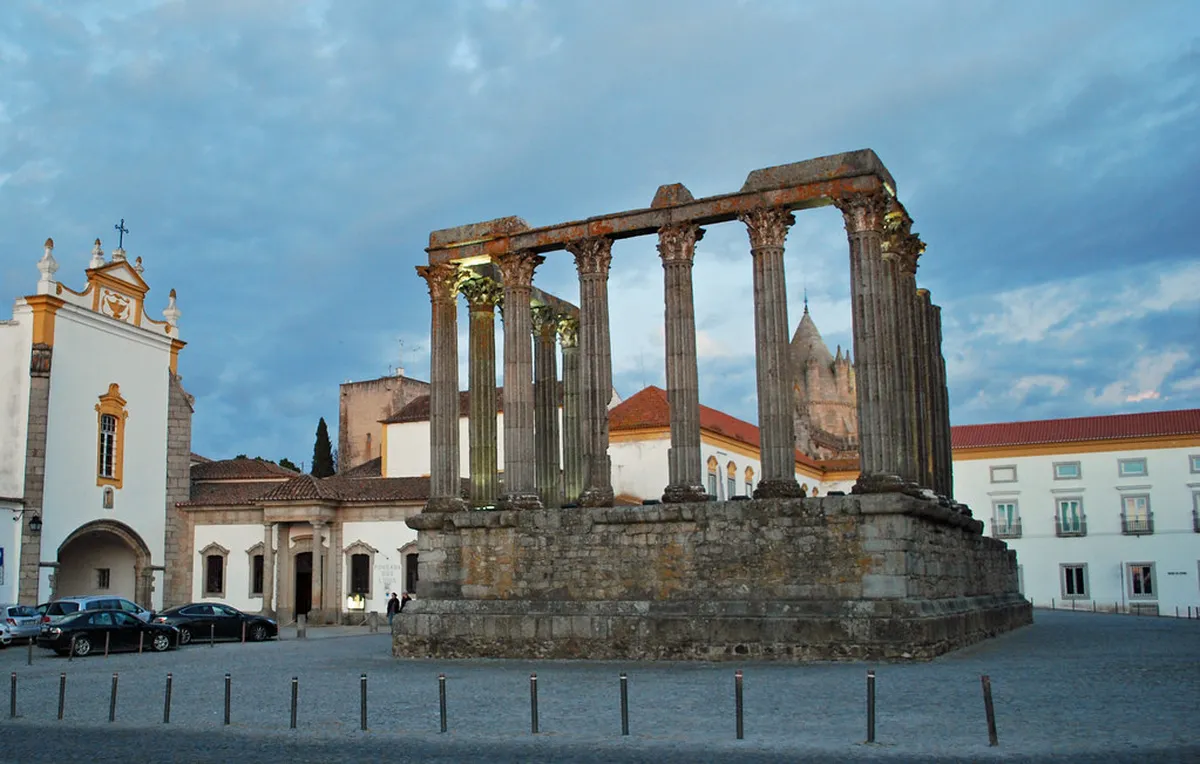
The Roman Temple stands as a proud reminder of the city's ancient roots under the bright sun. It is one of the best-preserved Roman structures in the Iberian Peninsula and is free to view. Nearby, the Praça do Giraldo serves as the perfect spot for people-watching and enjoying a local pastry. This square has been the center of local life since the medieval period.
Climbing the Évora Cathedral for Panoramic Views
The Sé de Évora is the largest medieval cathedral in Portugal and resembles a fortified castle. Its massive granite towers dominate the skyline and offer a unique blend of Romanesque and Gothic styles. Admission to the cathedral and the roof costs about €3.50 for a standard adult ticket. According to the Visit Évora - Official Cathedral Info, it is open daily for visitors.
Climbing the narrow spiral staircase to the roof is the highlight of any visit to the cathedral. The view from the top stretches across the red-tiled roofs to the golden Alentejo plains beyond. I found the stone terraces to be surprisingly peaceful even during the busier summer months. Make sure to wear sturdy shoes as the stone steps can be quite uneven and steep.
Where to Eat: Authentic Alentejo Tascas and Wine
The Alentejo region is famous for its hearty comfort food and world-class red wine production. You should try 'Migas', a traditional dish made from breadcrumbs, garlic, and olive oil with pork. I recommend looking for small, family-run tascas tucked away in the narrow side streets for authenticity. Some of the best restaurants in Évora require a reservation during the busy weekend service.
Black pork, or 'Porco Preto', is a local delicacy that you must sample while visiting this area. Pair your meal with a glass of Alentejo wine, which is known for its bold and fruity profile. Lunch is the main meal of the day here and typically occurs between 1:00 PM and 3:00 PM. Many smaller eateries close in the late afternoon before reopening for dinner at 7:30 PM.
Beyond the City Walls: Almendres Cromlech and Wineries
If you have a car, a short drive west leads you to the impressive Almendres Cromlech. This site features 95 standing stones arranged in a series of circles dating back thousands of years. I found that visiting during the sunset provides a magical atmosphere that is hard to replicate elsewhere. The site is free to enter and remains open to the public at all hours.
Wine lovers should consider a visit to the Cartuxa winery, located just outside the city perimeter. It is famous for producing the legendary Pêra-Manca wine, one of the most prestigious in Portugal. Tours and tastings should be booked at least two weeks in advance during the peak travel season. The winery offers a fascinating look at the traditional cork-aging process used in this region.
Essential Travel Tips: Weather, Parking, and Timing
The Alentejo summer heat is legendary and can often exceed 40 degrees Celsius in July and August. I suggest staying indoors or in the shade during the peak heat between 2:00 PM and 4:00 PM. Always carry a bottle of water and wear a hat when exploring the exposed Roman ruins. Spring and Autumn are much more comfortable seasons for a walking tour of the historic center.
Parking inside the city walls is extremely limited and often reserved strictly for local residents. I once made the mistake of parking near the cathedral and nearly had my car towed away. Use the large, free parking lots located just outside the city walls to avoid heavy fines. Walking from these lots to the main square takes less than ten minutes for most people.
Why Évora is the 2027 European Capital of Culture
The city has been selected as the European Capital of Culture for 2027. This prestigious title will bring a wave of new exhibitions, festivals, and infrastructure improvements to the region. I believe now is the perfect time to visit before the crowds increase significantly in the coming years. The local government is already working on restoring several historical monuments for the celebration.
This recognition highlights the city's unique blend of Roman, Moorish, and Christian heritage over the centuries. You can expect a vibrant calendar of events throughout 2027 that celebrate Alentejo traditions and arts. The designation will likely lead to more boutique hotels and improved transport links from Lisbon. Visiting now allows you to see the city in its more traditional and quiet state.
Where to Stay: The Best Base in Évora
If you decide to stay overnight, choosing the right neighborhood will enhance your overall experience. Staying within the historic city walls allows you to walk to all the major attractions easily. I recommend looking for a boutique guesthouse near the Praça do Giraldo for a central location. There are many options for Where to stay in Évora that fit various budgets.
For a more relaxed experience, consider a rural farm stay just a few miles outside the city. These 'Turismo Rural' properties offer a peaceful escape with swimming pools and views of the cork oaks. Rates for a mid-range hotel usually range from €80 to €130 per night during the shoulder season. Booking a few months in advance is wise if you plan to visit during a holiday.
Book in Advance: Reserve These Tickets Early
While the city is generally relaxed, a few key attractions require some forward planning to avoid disappointment. The Cartuxa Winery is the most popular tasting experience and fills up many weeks in advance. I suggest booking your winery tour at least 2 to 4 weeks before your planned arrival date. This ensures you get a spot for the specific tasting level you desire.
The Chapel of Bones does not always require advance booking, but it is a good idea in summer. Arriving 15 to 30 minutes before the opening time can save you from waiting in long queues. Train tickets from Lisbon should be purchased online a few days early to secure the best prices. Most other monuments can be visited by purchasing tickets directly at the entrance gate.
Add an Extra Day: Day-Trip Add-Ons
If you have more than 24 hours, the surrounding Alentejo countryside offers several incredible day-trip options. The hilltop village of Monsaraz provides stunning views over the Alqueva reservoir and the Spanish border. It is one of the most picturesque white-washed villages in all of Portugal and very peaceful. Driving there takes about 50 minutes from the center of the city.
Another great option is a visit to the marble towns of Estremoz and Vila Viçosa nearby. These towns are famous for their high-quality marble, which is used in palaces throughout the country. You can visit the Ducal Palace in Vila Viçosa to see the incredible use of local stone. These extensions turn a simple city visit into a deeper exploration of the Alentejo region.
Frequently Asked Questions
Is Évora worth a day trip from Lisbon?
Yes, it is absolutely worth a day trip. You can see the Roman Temple, the Cathedral, and the Chapel of Bones within a single day. The train ride is convenient and takes only 90 minutes.
How do I get from Lisbon to Évora by train?
Take a direct Intercidades train from Lisbon's Sete Rios or Oriente stations. The journey takes about 1.5 hours and costs roughly €12.50 each way. I recommend booking tickets early on the CP website.
What is the best month to visit Évora?
April, May, and October are the best months to visit. The weather is mild and perfect for walking through the historic center. Avoid July and August when temperatures often soar above 40 degrees.
Can you see Évora in 4 hours?
Yes, you can cover the essentials in four hours. Stick to a tight triangle of the Chapel of Bones, the Roman Temple, and the Praça do Giraldo, skip the cathedral roof climb, and keep lunch quick. It is rushed, but it works if Évora is just one stop on a longer Portugal trip.
How many days do you need in Évora?
One day is enough to see the main UNESCO monuments inside the walls, though it feels rushed. Two days is ideal: spend the first on the in-town sights and the second on the Almendres Cromlech and an Alentejo winery. A half day of about four hours covers only the top three sights.
Is the Chapel of Bones scary for kids?
The Chapel of Bones is more thought-provoking than frightening. Its walls are lined with neatly arranged bones and skulls, which most children find fascinating rather than scary. Younger or sensitive kids may prefer to wait outside, but the visit is short and the museum alongside it is family-friendly.
Évora is a city that rewards those who take the time to look beneath its ancient surface. From the haunting beauty of the bone chapel to the soaring views from the cathedral, it never fails to impress. I hope this itinerary helps you plan a memorable visit to this UNESCO World Heritage gem.
Whether you stay for a day or a weekend, the Alentejo hospitality will stay with you long after. Pack your walking shoes, prepare for the sun, and enjoy the slow pace of this historic Portuguese city.
 One Day in Guimarães Itinerary Travel GuideJune 8, 2026
 Roman Temple of Évora (Temple of Diana) GuideJune 8, 2026