

10 Best Free Things to Do in Aveiro Travel Guide (2025)
Discover 10 free things to do in Aveiro for 2025. Explore azulejos, striped houses, and canals with our expert budget-friendly travel tips and local insights.
On this page
10 Best Free Things to Do in Aveiro
I first visited Aveiro during a rainy spring weekend and quickly realized that the city's charm doesn't require a heavy wallet. While many travelers flock here for paid canal cruises, the most authentic experiences often cost nothing at all. This guide explores the best best things to do in Aveiro without spending a single Euro on admission fees.
I last refreshed this guide in March 2025 after a return trip to verify that these locations remain accessible to the public. Aveiro is often called the Venice of Portugal, but it has a distinct maritime soul that is entirely its own. To see the city properly, you should consult the Best Time To Visit Aveiro Travel Guide to avoid the heaviest Atlantic winds.
Before we dive into the list, I suggest skipping the expensive organized egg pastry workshops if you are on a tight budget. You can admire the craftsmanship in bakery windows for free and simply buy one treat to enjoy by the water later. Walking the city's flat streets is the ultimate way to soak in the Art Nouveau atmosphere without a tour guide.
10 Best Free Things to Do in Aveiro (2025)
The heart of Aveiro is defined by its salt-water canals and the colorful heritage that lines every cobblestone street. Most of the iconic sights are located within a compact walkable area, making it ideal for a self-guided afternoon tour. I recommend starting your journey at the train station and working your way toward the lagoon's edge.
While some museums charge small fees, the city itself acts as an open-air gallery of architecture and local traditions. You will find that the local community is incredibly welcoming to those who take the time to explore on foot. These ten picks represent the perfect balance of history, nature, and that famous Portuguese coastal aesthetic.
- Admire the Azulejos at the Old Train Station
- This historic building features stunning blue and white tile panels depicting traditional regional scenes of salt harvesting and fishing.
- It is located right next to the modern terminal and is free to view from the exterior at any time.
- Photographers should visit in the early morning to capture the tiles without the heavy shadows of the midday sun.
- Walk the Striped Streets of Costa Nova
- The famous 'Palheiros' are brightly painted striped houses that originally served as shelters for local fishermen along the coast.
- You can reach this area by a short bus ride or a long walk, and exploring the colorful boardwalk costs nothing.
- Check out our Costa Nova Aveiro guide for the best walking routes between the lagoon and the sea.
- Cross the Friendship Bridge (Ponte de Laços)
- This pedestrian bridge is covered in thousands of colorful ribbons tied by visitors as a symbol of friendship and love.
- It spans the canal near the Forum shopping center and is accessible 24 hours a day for a romantic stroll.
- Instead of buying a ribbon, look for the many creative messages left by others while enjoying the canal views.
- Explore the Art Nouveau Architecture Route
- Aveiro is a member of the Réseau Art Nouveau Network and features dozens of buildings with ornate floral facades and ironwork.
- The city center serves as a free museum where you can spot these masterpieces by simply following the canal-side streets.
- Look for the Major Pessoa House, which is the most famous example, though viewing the exterior is always free.
- Visit the Salinas de Aveiro (Salt Pans)
- The salt pans are an active industrial site where you can watch traditional harvesting methods that have existed for centuries.
- Walking paths around the pans are open daily and offer a unique look at the white salt pyramids reflecting in the water.
- Bring binoculars if you visit during the spring, as this area is a prime spot for spotting wild flamingos.
- Climb the I Heart Aveiro Steps
- This vibrant set of stairs is painted with colorful patterns and the iconic city slogan, making it a favorite for social media.
- The steps are located near the Cais da Fonte Nova and offer a great elevated view of the modern city architecture.
- This is a perfect spot to sit and rest for a few minutes while watching the sunset over the lagoon.
- Relax in Parque Infante D. Pedro
- This lush city park features a beautiful lake, stone bridges, and shaded paths perfect for escaping the afternoon heat.
- It is open daily from dawn until dusk and is completely free for families and solo travelers alike.
- The park often hosts free local craft markets on the weekends, providing a great window into the local community life.
- View the Ovo Mole Statue at Cais da Fonte Nova
- A giant monument dedicated to the city's famous sweet treat sits prominently near the water's edge in a modern plaza.
- The surrounding area is a popular local hangout spot and is free to access at all hours of the day.
- I found this area much quieter than the central canals, making it a great place for a peaceful morning walk.
- Wander Through the Mercado do Peixe
- The local fish market is a sensory experience where you can see the morning's catch and observe the local commerce.
- While the restaurants upstairs charge for meals, walking through the market floor is free and full of local character.
- Arrive before 10:00 AM to see the market at its busiest before the vendors start packing up for the day.
- Enjoy the Forum Aveiro Rooftop Garden
- The open-air shopping center features a landscaped rooftop garden with panoramic views of the central canal and moliceiro boats.
- Access is free during mall operating hours, which typically run from 10:00 to 23:00 daily.
- It is one of the few places where you can get a high-angle photo of the canals without paying for a hotel balcony.
Learn About the City's History from Train Station Tiles
The old train station is more than just a transit hub; it is a massive canvas of Portuguese history and identity. Each tile panel was hand-painted to tell a story about the hard work and maritime culture of the Aveiro district. You can see depictions of the traditional seaweed gathering and the salt production that once drove the local economy.
The building itself was completed in the early 20th century and stands as a testament to the city's former wealth. If you look closely, you will notice scenes of workers on the salt flats, fishermen navigating the canals, and locals going about daily life — all rendered in the unmistakable blue and white azulejo style. Taking the time to read the small descriptions (where available) helps you understand the evolution of the Aveiro lagoon.
The station is one of the most significant free cultural sites in the entire country and requires no booking or ticket. Arrive in the morning when light falls directly onto the tile panels, making the colors pop for photography. It is also a practical starting point if you arrive by train from Porto or Coimbra.
Take a Mini-Trip to Costa Nova
Costa Nova is one of the most visually striking places in all of Portugal, and exploring its painted streets costs absolutely nothing. The famous 'Palheiros' are candy-striped houses that sit on a thin sliver of land between the wild Atlantic Ocean and the calm Ria de Aveiro lagoon. Originally built as basic shelters for fishermen, many are now guesthouses or seafood restaurants, but the streetscape itself remains completely open to the public.
The best-painted facades line the lagoon side of the main avenue, where the light in the afternoon turns the colors vivid for photographs. Walk the entire strip in about twenty minutes, then cross to the ocean side for a free stretch of Atlantic beach that runs for several kilometers without a single entrance gate. If you visit during the late afternoon, the sunset from the dunes over the lagoon is exceptional.
Bus 15 from central Aveiro stops at Costa Nova in about 25 minutes and costs roughly €2 each way. If you are riding the free BUGA bikes (more on those below), the cycle path along the lagoon reaches Costa Nova and is one of the most scenic rides in the region. Plan to spend at least two hours here to cover both the striped houses and the beach.
Pose Next to the Ovo Mole Statue
Aveiro's most beloved pastry has its own monument, and it is hard to miss. A 12-meter-tall sculpture of an ovo mole — the egg yolk and sugar sweet declared a Protected Geographical Indication by the European Union — stands at the Cais da Fonte Nova, right next to the main canal. The surrounding plaza is open around the clock and makes for an easy photo stop.
The ovo mole is such a cultural institution that every bakery in the city sells them shaped like seashells, fish, and barrels. Confeitaria Peixinho, the oldest ovo mole shop in Aveiro (open since 1856), is just a short walk away. You do not have to buy anything to admire the statue, but spending €1–2 on a single piece of this EU-protected delicacy while sitting by the canal is one of the most honest ways to spend money in the city.
This area of the waterfront is noticeably quieter than the central moliceiro docks, which makes it pleasant for a slow morning walk before the tour groups arrive. From here, you can walk the parallel canal path all the way back toward the train station while catching views of the boats from the shore — free, and often more relaxing than being on the water itself.

Getting to Aveiro
Reaching the city is remarkably affordable if you use the regional train network from nearby hubs like Porto or Coimbra. The journey from Porto To Aveiro By Train Travel Guide takes about an hour and costs under five Euros for a one-way ticket. Once you arrive, the city is almost entirely flat, which makes walking the primary way to save money on transportation.
While the moliceiro boat rides are the most popular activity, they are not free and usually cost around €13 per person. You can enjoy the exact same views by walking the paved paths that run parallel to the main canals for several kilometers. Watching the boats navigate the low bridges from the shore is often more entertaining than being squeezed onto a crowded deck.
Bus 15 connects the city center to Costa Nova and the Barra beach in about 25–30 minutes. If you are arriving from Lisbon, any northbound Alfa Pendular or Intercidades train stops at Aveiro — the journey takes around 2.5 hours and the station itself, covered in 1916 azulejos, is the first free sight you see.
The Free BUGA Bike Scheme: Aveiro's Best-Kept Secret
The BUGA (Bicicleta de Utilização Gratuita de Aveiro) programme is one of the most useful free services in any Portuguese city, yet most visitors miss it entirely. The municipality provides free bicycles at kiosks around the city — the main kiosk is located beside the Mercado Manuel Firmino, near the central canal. To borrow a bike, you leave a form of ID (a passport or driving licence) as deposit, and the bike is yours for the day at no charge.
The BUGA kiosks typically operate from 07:30 to 19:30 in summer (roughly May to October) and 08:00 to 18:00 in winter. Arrive before 10:00 on weekends because stock runs down quickly. The bikes are heavy, upright city cruisers — not racing machines — but they are perfectly suited to Aveiro's flat terrain. There is also a dedicated cycle path that runs along the Ria de Aveiro lagoon all the way to Costa Nova, about 10 kilometers each way, giving you a completely free return journey to the striped houses.
The salt pans (salinas) are another ideal BUGA destination. The route south from the city center to the Ecomuseu da Marinha da Troncalhada takes about 15 minutes by bike and is almost entirely flat. You can lock your BUGA at the museum entrance, walk the salt pan paths for free, then cycle back before the kiosk closes. This combination — free bikes, free salt pan walk, free flamingo spotting in spring — is the single best budget afternoon in Aveiro.
Learn How Fresh Salt is Made at the Salinas
The salt pans south of the city center are one of Aveiro's most underrated free attractions. The Salinas de Aveiro are among the last active salt production sites in the region, and the walking paths that run alongside them are open to the public without charge. At the right time of year — typically July through September — you will see traditional 'marineiros' (salt workers) raking white crystals into conical pyramids using long wooden tools that have barely changed in centuries.
If you arrive before 18:00, stop at the Ecomuseu da Marinha da Troncalhada, a small open-air museum that explains the full salt production process from the tidal intake channels to the harvesting mounds. Entry to the outdoor sections is free; a small fee applies for the indoor exhibition. Even without paying, the outdoor interpretive panels and the sight of the salt pyramids reflecting in the shallow water make the detour worthwhile.
Spring visits (March through May) add a wildlife dimension that no competitor guide mentions: the Ria de Aveiro lagoon is a feeding ground for flamingos, egrets, and avocets during migration season. The shallow salt pans are particularly good viewing spots early in the morning before the heat drives the birds to deeper water. Bring a simple pair of binoculars and you will have a wildlife experience that rivals paid lagoon tours.
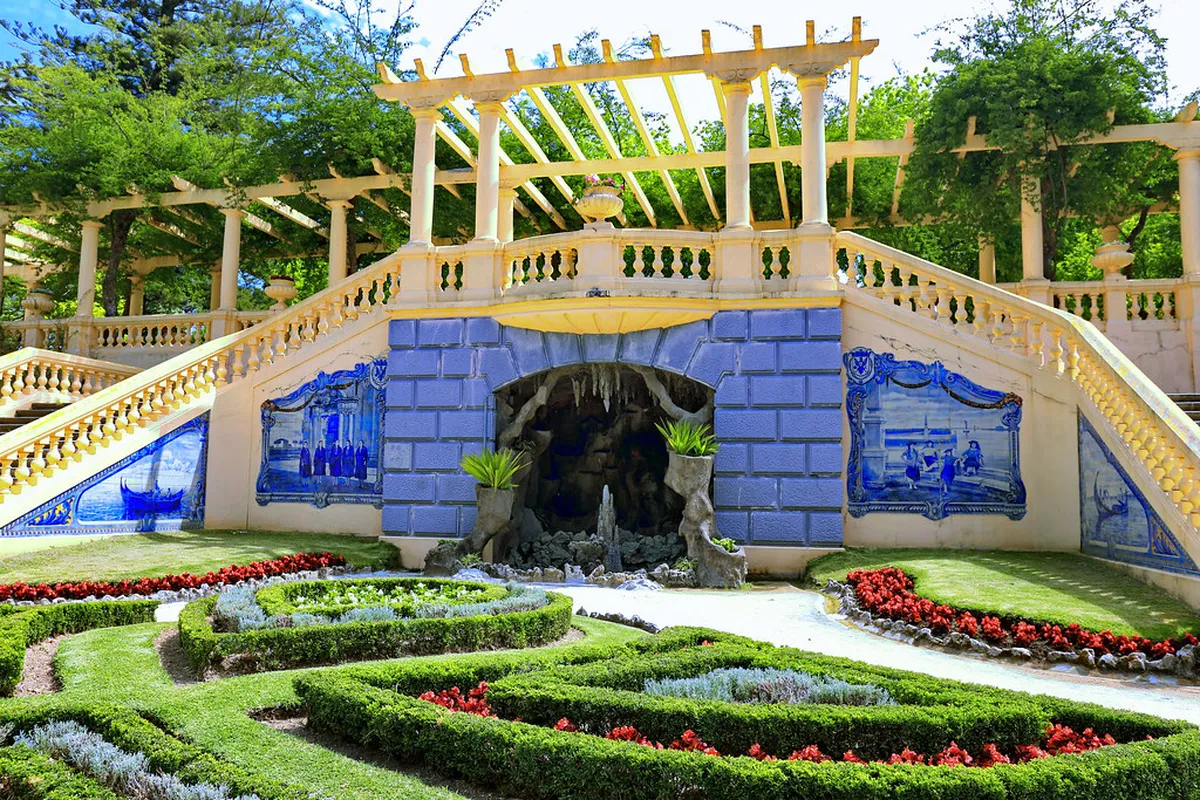
Where to Stay in Aveiro
Choosing the right neighborhood can drastically change your budget, as the central canal area commands the highest prices. I recommend looking for guesthouses in the Alboi or Rossio districts to stay within walking distance of all free attractions. You can find more detailed neighborhood breakdowns in our guide on Where To Stay In Aveiro Travel Guide for every budget.
Booking your accommodation at least two months in advance is crucial during the peak summer months of July and August. Staying near the train station is a practical choice for those planning day trips to the nearby beaches or Porto. Many local hostels offer free walking tours, which is a fantastic way to learn the city's secrets from a resident.
If you want a beach stay, Costa Nova has a handful of guesthouses and converted striped huts that put you right on the lagoon. This suits travelers who want to combine the free beach days with the free city walks across multiple nights. The bus into Aveiro runs regularly from early morning, so you do not lose access to the city by sleeping on the coast.
Grab a Creative Ice Cream Sundae
While exploring the canals, you might want a small treat that won't break your daily budget like a full sit-down dinner. The Gelateria Milano is a local favorite that offers creative sundaes and traditional gelato flavors. They often incorporate local ingredients, allowing you to taste the essence of the region for just a few Euros.
Sitting on their outdoor terrace provides a front-row seat to the canal action without the high price of a waterfront cafe. I suggest trying a flavor that mimics the local ovos moles if you want the traditional taste in a cold format. It is a perfect mid-afternoon break between visiting the Art Nouveau houses and the salt pans.
If you are watching every cent, the tripa de Aveiro is the most affordable pastry in the city — a thick crepe filled with cinnamon and sugar that you can pick up from street-side stands near Costa Nova for around €2. Do not confuse it with the Porto tripe stew of the same name. The two pastries (ovo mole and tripa) together tell you more about Aveiro's food culture than any paid tasting tour.
Did I Miss Any of Your Favorite Things to Do in Aveiro?
Every traveler finds a different corner of Aveiro to love, and the city is constantly adding new public art and spaces. Some visitors prefer the quiet of the University campus gardens, while others love the street art hidden in the narrow alleys. According to a popular Portugal itinerary, spending a full day wandering aimlessly is the best way to find hidden gems.
Is Aveiro worth visiting for just a few hours? I believe it deserves at least a full day to appreciate the changing light on the canals. If you have extra time, the beaches of Barra and Costa Nova are just a short bus ride away and offer endless free shorelines. The Atlantic views from the base of the Barra Lighthouse are particularly impressive during the winter months.
For a genuinely local free experience that does not appear on most visitor itineraries, walk through the Cathedral of Aveiro (founded in 1423) just a few blocks from the canal center. The exterior azulejos and the stone carvings are free to view at any time. The interior is open to visitors without charge during most of the day, and the quiet cloister garden is a welcome contrast to the busier waterfront.
Frequently Asked Questions
Is Aveiro worth visiting for a day trip?
Yes, Aveiro is perfect for a day trip because its main attractions are concentrated in a walkable center. You can see the canals, tiles, and salt pans in about six hours. Most visitors find that a single day provides plenty of time to explore the primary free sights.
How much time should I plan for free things to do in Aveiro?
Plan for four to six hours to cover the main city center and the train station. If you want to include the striped houses of Costa Nova, you should add another three hours to your schedule. This allows for a relaxed pace with time for photos.
What should travelers avoid when planning a budget trip?
Avoid eating directly on the main canal front where prices are often doubled for tourists. Walk two blocks into the residential streets to find local 'tascas' with affordable daily menus. Also, skip the paid boat tours if you prefer to save your budget for food.
Aveiro proves that you don't need a massive budget to experience the best of Portuguese culture and coastal beauty. From the intricate tiles of the station to the salt-scented air of the lagoon, the city's best assets are open to everyone. By focusing on these free activities, you can save your funds for a truly memorable meal or an extra night of travel.
I hope this guide helps you navigate the canals and colorful streets with confidence and ease. Be sure to check out our Aveiro Itinerary to help structure your visit effectively. The memories of the striped houses and the friendship bridge will surely be the highlight of your trip to this unique region.
 Aveiro Itinerary: The Best 2-Day Travel GuideJune 8, 2026
 Best Time To Visit Aveiro Travel GuideJune 8, 2026