10 Best Aveiro Beaches and Coastal Gems to Visit (2026)
Explore the best Aveiro beaches including Costa Nova and São Jacinto. Plan your 2026 trip with our expert guide on transport, ferry logistics, and local tips.
On this page
10 Best Aveiro Beaches and Coastal Attractions (2026)
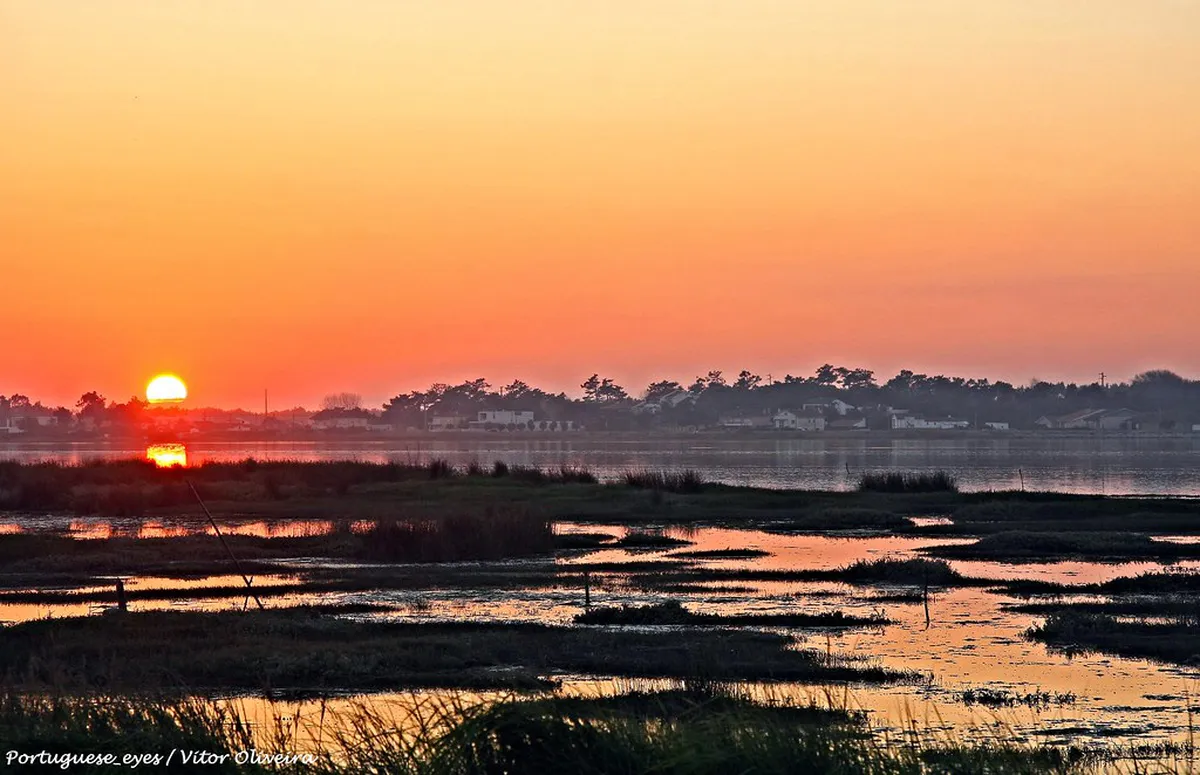
The coastline near Aveiro is one of central Portugal's most underrated stretches of Atlantic shore. While the city canals draw the selfie crowds, the real reward lies thirty minutes west — where the Ria de Aveiro lagoon meets open ocean and the landscape shifts between wild dunes, striped fishing houses, and a lighthouse visible 40 km out to sea.
This guide covers the beaches most worth your time in 2026, with honest trade-offs for each: how crowded they get, which are supervised by lifeguards, how to reach each one without a car, and when the ferry is genuinely the smarter call. Whether you are chasing surf at Furadouro, a quiet dune walk in São Jacinto, or the iconic photo at Costa Nova, the logistics below will save you an afternoon of confusion.
Costa Nova: The Iconic Striped Houses
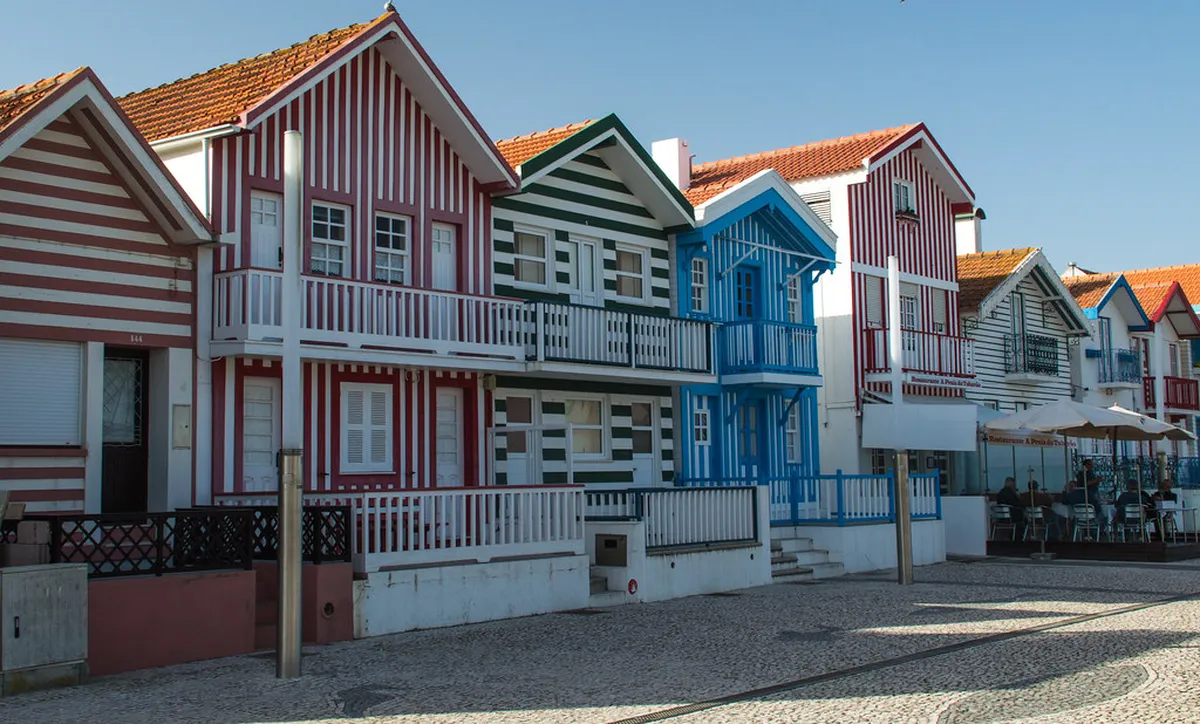
Costa Nova is the most photographed beach in central Portugal, and with good reason. The 'palheiros' — brightly striped wooden houses in red, green, yellow, and blue — were originally built by fishermen from Ílhavo in the 19th century as storage sheds and seasonal shelters. Today they line the narrow strip between the Atlantic and the lagoon, meticulously maintained and impossible to scroll past on Instagram.
The beach itself faces the open Atlantic, which means the surf is real. Waves are strong enough to entertain intermediate surfers but require caution from casual swimmers, especially outside of lifeguarded hours (typically 10:00–19:00 in summer). The lagoon side, just a two-minute walk across the peninsula, offers calm flat water and is far better for children and paddleboarding.
Walk the wooden boardwalk south from the main strip and you will leave the crowds behind within fifteen minutes. The path eventually connects toward Praia da Vagueira, passing quiet dune sections where locals picnic. The local fish market near the main road sells morning catches if you arrive before 09:00. See our full the Costa Nova striped-house village for deeper coverage of the architecture and lagoon walks.
Praia da Barra: Home to Portugal's Tallest Lighthouse
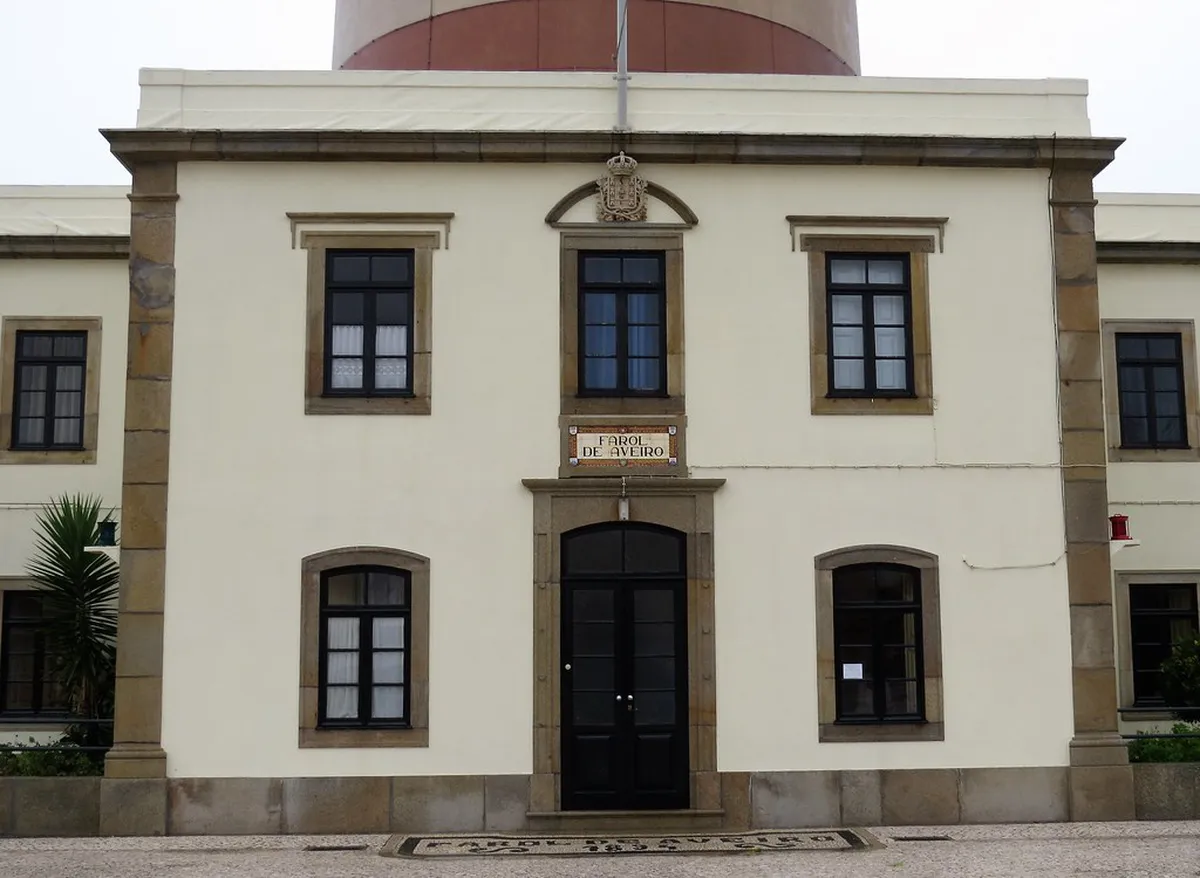
Praia da Barra sits immediately north of Costa Nova and is anchored by the Farol da Barra — built in 1893, 62 metres tall, and the highest lighthouse in Portugal. Its light is visible 40 km out to sea. Entry costs €5 and the tower is open every Wednesday afternoon for climbers willing to tackle the 294 steps to the top. The views on a clear day stretch from the lagoon mouth all the way to the dunes of São Jacinto.
The beach is broad and well-serviced, with beach bars, a lifeguard post (active June–September), and parking on the seafront road. It is the most accessible and most family-friendly option in the area. The trade-off is crowds: July and August turn the main stretch genuinely packed, and the L13 bus from Aveiro city centre can feel standing-room only at midday. Aim for a 09:00 arrival or come after 17:00 when tour groups thin out.
Barra is also the location of Forte da Barra, the 17th-century fort at the lagoon mouth. This is where the ferry to São Jacinto departs — a logistical detail that matters enormously if you are planning to visit both spots in one day (see the ferry section below).
São Jacinto: The Wild Nature Reserve Escape
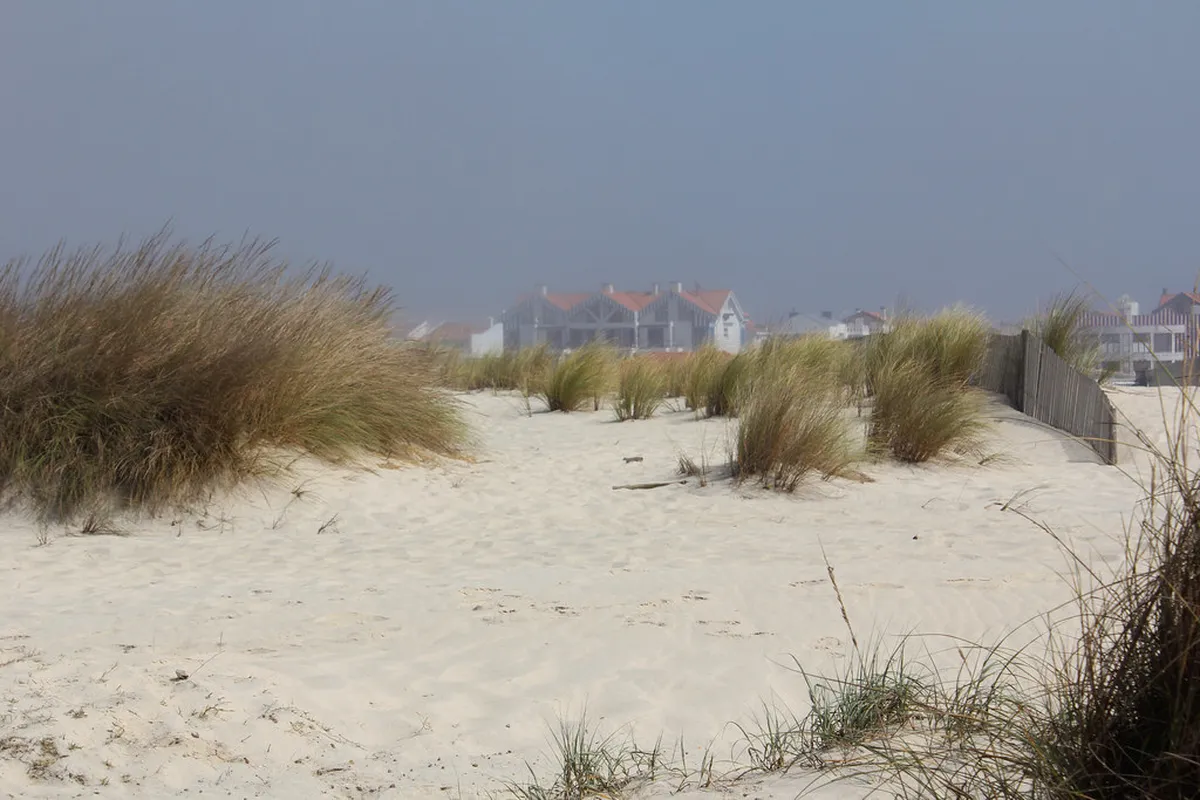
São Jacinto is the quietest and most dramatic beach in the Aveiro area. It holds Blue Flag status — one of very few in the entire municipality of Aveiro — and sits on the edge of the Reserva Natural das Dunas de São Jacinto, a protected zone of pine forest, scrub, and towering sand dunes. The village itself has a strong fishing identity and a slower pace that feels nothing like the busier southern beaches.
The nature reserve trails are the main draw beyond the beach. Well-marked wooden walkways pass through the dunes and pine forest, and the birdwatching is exceptional: oystercatchers, dunlins, and — in winter — waders that rarely show up elsewhere on the central coast. Reserve entry costs €2–5 depending on whether you join a guided tour. Guided tours should be booked in advance through the Aveiro municipality parks service.
The trade-off for this serenity is logistics. Dining options are limited to a handful of seafood restaurants near the small ferry pier — there are no beach bars along the sand itself. Pack water and snacks if you plan a long dune walk. Facilities thin out quickly once you leave the village. São Jacinto works best as a half-day excursion combined with a stop at Forte da Barra for the lighthouse before or after the ferry crossing.
Ferry vs. Car: How to Actually Reach São Jacinto
This is the detail that catches most first-time visitors off guard. Driving from Aveiro city centre to São Jacinto by road requires a 50+ km detour north through Estarreja, then south on the N327 along the lagoon — typically 45–55 minutes in light traffic. The ferry crossing from Forte da Barra takes around 25 minutes and drops you right at the São Jacinto village pier.
The ferry departs from Forte da Barra, which is in the Barra neighbourhood — not from Aveiro city centre. To reach the ferry terminal without a car, take the L13 bus from Avenida Dr. Lourenço Peixinho in Aveiro (stops approximately every hour) to the Barra stop, then walk roughly 10 minutes north along the waterfront to Forte da Barra. From there, the ferry crossing costs a few euros each way and runs regularly throughout the day in summer, with reduced frequency in winter.
A less-known advantage: the ferry is a car ferry. If you have a rental car, you can drive it onto the boat at Forte da Barra, cross to São Jacinto, and then drive north on the N327 along the lagoon edge to Torreira — one of the most scenic drives in the region. This avoids the full 50 km inland detour on the return leg and turns a simple beach visit into a proper lagoon loop. Check the current timetable at the Aveiro Transdev site or the aveirobus.pt schedule before you travel, as crossing times vary by season and the last ferry back departs well before dark.
Choosing Your Beach: Costa Nova, Barra, or São Jacinto?
The three main Aveiro beaches attract very different visitors. Here is an honest side-by-side to help you decide without overthinking it.
- Costa Nova — best for: culture lovers, photographers, lagoon walks. Crowds: high in summer. Lifeguards: yes (June–September). Key landmark: the striped palheiros. Weakness: the seafront road gets jammed on summer weekends.
- Praia da Barra — best for: families, groups, lighthouse fans. Crowds: highest of the three. Lifeguards: yes (June–September). Key landmark: Portugal's tallest lighthouse. Weakness: very exposed to afternoon wind and August crowds.
- São Jacinto — best for: nature, quiet, birdwatching, couples. Crowds: low year-round. Lifeguards: partial supervision, tidal restrictions apply. Key landmark: Blue Flag beach + dunes reserve. Weakness: ferry logistics, very limited dining.
If you only have one day: spend the morning at Barra for the lighthouse climb (Wednesday is the only day you can go up), then walk 20 minutes south to Costa Nova for lunch and the striped house photos. If you have two days, add São Jacinto as a half-day on day two via the car ferry from Forte da Barra.
Praia do Furadouro and Torreira: Further North, Worth It
Furadouro sits near the town of Ovar, about 30 km north of Aveiro, and is the area's best surf beach after Costa Nova. The waves here are consistent and the beach is backed by pine forest, which cuts the wind significantly compared to the exposed Barra shoreline. A cycling path connects Ovar town to the beach, and there is a campsite for those staying multiple nights. Furadouro is notably less touristy than the southern beaches — affordable cafes, no lighthouse tours, just good surf and honest local food.
Torreira is a longer journey but a more unusual experience. The town sits on the narrow strip of land between the sea and the Ria de Aveiro, meaning you can swim in the ocean in the morning and kayak or paddleboard on the lagoon in the afternoon. The beach has a long stretch of sand, dune walkways, and a monument honoring the 'Varina' — the women of Murtosa who historically transported fish by boat. Torreira is reachable by a combination of the Aveiro–São Jacinto ferry and the local bus north on the N327, or by car taking the full lagoon loop.
Best Time to Visit Aveiro Beaches
June and September are the sweet spot. The Atlantic water is warmer than in spring — typically 17–19°C — the main beaches have lifeguards on duty, and the crowds are noticeably thinner than the July–August peak. Prices for accommodation near the coast drop sharply after the first week of September while the weather remains reliably warm and dry through mid-October.
July and August are the busiest months. The L13 bus fills up fast, parking at Barra and Costa Nova gets expensive and scarce by 10:00, and São Jacinto ferry queues can stretch 30–45 minutes on summer Saturdays. If you must visit in high season, weekday mornings before 10:00 are the best window. The Costa Nova Sardine Festival in July and the Seafood and Cod Festivals in August (both in Ílhavo) add a festive atmosphere but also push accommodation demand up sharply.
The São Jacinto Dunas Festival typically takes place in late August and focuses on environmental conservation and local culture. It features live music, outdoor sports, and guided dune tours organized specifically for the event. If you are visiting around that window, book your ferry crossing and any accommodation in São Jacinto well ahead — the ferry runs extra trips during the festival but demand still peaks. Check our when to visit Aveiro guide for full monthly weather data before booking.
How to Get to Aveiro's Beaches from the City
The L13 bus is the primary public transport link between Aveiro city centre and the southern beaches. It departs from Avenida Dr. Lourenço Peixinho roughly every 45–60 minutes and stops at both Costa Nova and Barra. The journey takes around 30 minutes and costs under €3 each way. Check the aveirobus.pt timetable before you go — the service runs less frequently on Sundays and in winter.
To reach São Jacinto without a car: take the L13 to the Barra stop, walk 10 minutes to Forte da Barra, then take the ferry across (around 25 minutes, a few euros each way). The total one-way trip from Aveiro city takes approximately 70–80 minutes but is scenic and straightforward once you know the sequence. Furadouro and Torreira require a car or a combination of train (Aveiro to Ovar for Furadouro) and local bus. Cyclists will appreciate that the coastal terrain is almost completely flat — many visitors rent bikes in Aveiro and cover the Costa Nova–Barra stretch in under an hour each way.
If you are arriving in Aveiro by rail from Porto or Lisbon, the train journey is efficient — Porto to Aveiro takes around 45 minutes on the intercity service. Our the Porto to Aveiro train trip guide has updated 2026 timetables and ticket tips. From Aveiro station it is a short walk or taxi to the L13 bus stop for the coast.
Practical Tips for the Aveiro Coast
The Atlantic off Aveiro is cold year-round — water temperature rarely exceeds 19°C even in August, and it sits closer to 14–15°C in winter and spring. Wetsuits are standard gear for surfers at any time of year. For casual swimmers, the lagoon side of Costa Nova and the protected area near Barra lighthouse are significantly warmer and calmer than the open Atlantic beach. Families with young children should default to these calmer spots.
Wind is the variable most visitors underestimate. The afternoon sea breeze on the Atlantic-facing beaches can be strong enough to make sitting on the sand unpleasant by 15:00, particularly in summer. The lagoon side of any beach is almost always sheltered. If the wind picks up, crossing to the lagoon shore at Costa Nova or heading to the Ria-facing side at Torreira takes only minutes and transforms the experience entirely.
Dining at the coast is best done before 13:00 or after 15:00 to avoid peak lunch queues at the good restaurants. Costa Nova has the widest selection — fresh sardines and 'caldeirada' fish stew are the staples. São Jacinto has a handful of seafood restaurants near the ferry pier that lean toward grilled fish and vegan-friendly options. At Barra and Furadouro, beach bar snacks are plentiful but sit-down restaurants are fewer. For a city-side eating plan before or after your beach day, see our guide to Aveiro restaurants and local food.
For the wider city context, see our complete Aveiro tourism attractions guide.
Frequently Asked Questions
Which Aveiro beaches options fit first-time visitors?
First-time visitors should prioritize Praia da Barra and Costa Nova for their iconic sights and easy bus access. These spots offer the most amenities, restaurants, and famous photo opportunities within a short distance from the city center.
How much time should you plan for Aveiro beaches?
You should plan at least one full day to see the main coastal highlights like the striped houses and the lighthouse. If you want to visit the São Jacinto nature reserve, adding a second day is highly recommended for a relaxed pace.
What should travelers avoid when planning Aveiro beaches?
Travelers should avoid visiting the beaches during the windy late afternoons without a windbreak or proper clothing. It is also wise to skip the midday rush on the L13 bus to avoid standing in a crowded vehicle for thirty minutes.
The beaches of Aveiro reward visitors who look past the obvious. Praia da Barra delivers the lighthouse drama and family-ready sand. Costa Nova offers the architecture, the lagoon duality, and the best restaurant strip on the coast. São Jacinto gives you silence, a Blue Flag beach, and one of Portugal's best-preserved dune ecosystems — if you plan the ferry correctly. Add Furadouro for surf or Torreira for the lagoon loop, and the Aveiro coast fills three or four days without repeating itself. The key is knowing which beach suits what you are actually after — and now you do.
 Best Time To Visit Aveiro Travel GuideJune 8, 2026
 Costa Nova Aveiro Travel GuideJune 8, 2026