
Arouca 516 Bridge: 6 Things to Know Before You Visit
Plan your visit to the 516 Arouca Bridge with our guide on timed tickets, engineering facts, the Paiva Walkways connection, and travel tips from Porto.
On this page
Arouca 516 Bridge: 6 Things to Know
The Arouca 516 bridge stands as a marvel of modern engineering in the heart of northern Portugal. This massive structure offers a thrilling experience for travelers visiting the stunning UNESCO Arouca Geopark. Suspended high above the Paiva River, it provides unmatched views of the surrounding rocky landscape and lush greenery. Planning a visit requires some preparation to ensure you make the most of this record-breaking attraction.
Many visitors combine this adventure with a trip to the nearby city of Aveiro. You might consider looking into best things to do in Aveiro to round out your Portuguese itinerary. The bridge and the surrounding walkways offer a perfect blend of adrenaline and natural beauty. This guide covers everything you need to know for a successful trip to the 516 Arouca.
What is the 516 Arouca Bridge?
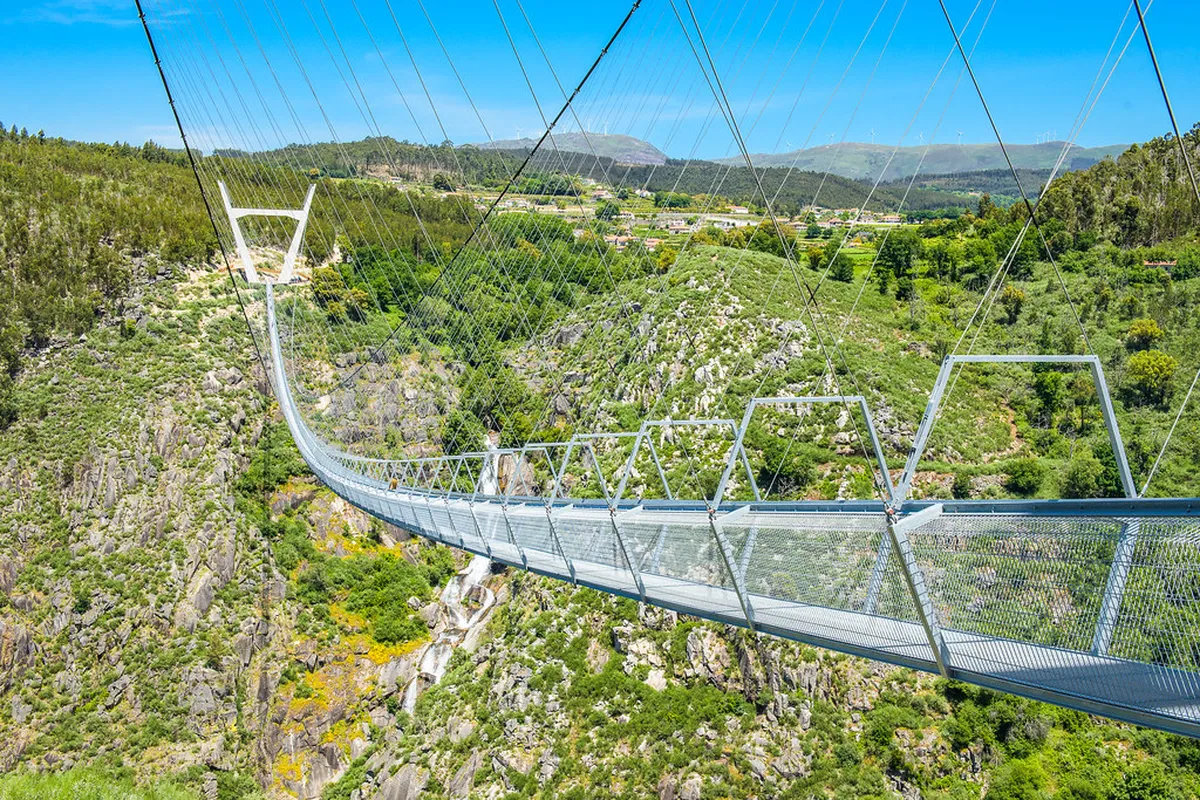
The arouca 516 bridge is one of the most impressive pedestrian suspension bridges in the world today. It is located within the Aveiro district, specifically inside the protected boundaries of the UNESCO Arouca Geopark. The bridge connects the shores of the Paiva River near the Alvarenga and Areinho areas. This region is famous for its geological heritage and diverse local wildlife.
Walking across the bridge feels like floating between two mountain peaks in a deep river valley. The metal grid floor allows you to see the rushing water directly beneath your feet. It serves as a gateway to exploring the rugged beauty of the Portuguese countryside. Most travelers find the scenery breathtaking regardless of the season they choose to visit.
The bridge was officially opened in 2021 to promote sustainable tourism in the region. It has since become a major landmark for adventure seekers visiting northern Portugal. Local authorities designed the project to highlight the natural wonders of the Paiva Gorge. Today, it stands as a symbol of pride for the local community in Arouca.
Record-Breaking Engineering and Design
The engineering behind the 516 Arouca is a genuine feat of modern construction. It measures exactly 516 meters in length and hangs 175 meters above the valley floor — high enough that the Paiva River below looks like a thin silver thread. The deck traces a gentle concave curve in its longitudinal profile, a shape drawn directly from the archetype of ancient Inca suspension bridges. That curvature is not decorative: it distributes load more evenly and reduces the lateral sway that open-span structures typically experience.
Two V-shaped concrete towers anchor the high-tensile steel cables at each end, and the capacity is rated for up to 100 people on the bridge at any one time — which is why timed tickets exist. The open-mesh steel walkway is deliberately transparent; the void under your feet is part of the design, not an engineering compromise. You can see 175 meters straight down to the gorge, and the views toward the Aguieiras Waterfall and Garganta do Paiva open up mid-span in a way that photographs rarely capture.
For context: the previous record holder was the Charles Kuonen Suspension Bridge in Switzerland, at 494 meters. The Arouca 516 surpassed it by 22 meters when it opened in April 2021. The Swiss bridge sits at a lower elevation and is narrower underfoot; the Arouca structure is wider and offers a considerably higher vertical exposure. Both are worthy of the title, but the Arouca experience is noticeably more visceral.
How to Combine the Bridge with Paiva Walkways
The Paiva Walkways — Passadiços do Paiva — run 8.7 kilometers of wooden boardwalk along the Paiva River gorge. The trail passes three natural features worth knowing by name: the Aguieiras Waterfall (Cascata das Aguieiras), the Gola do Salto, a natural whirlpool carved into the riverbed over centuries, and Vau River Beach, a calm pebble strand where swimmers gather in July and August. The bridge sits at the northern end of this system, directly above the waterfall, so you see it first from above and can descend to it on foot.
There are two ticket options on the official site. A bridge-only ticket covers the crossing but not the full walkways. A combination ticket covers both. If you plan to hike the full trail, buy the combination ticket — it costs a few euros more and saves you a separate walkways payment at the trailhead. Combining these two attractions is one of the best best day trips from Aveiro for nature lovers who want a full day in the Geopark rather than a 20-minute crossing and a drive home.
The trail runs roughly downhill from Areinho (bridge end) toward Espiunca. Allow three to four hours at a relaxed pace for the full 8.7 km, including stops for photos and a swim. Bring at least 1.5 litres of water per person — there are no refreshment points along the boardwalk itself, though the small village of Espiunca has a café at the finish.
Essential Booking and Ticket Information
There are no tickets for sale at the gate. The timed entry system is the only way in, and it runs exclusively through the 516 Arouca Official Site. When you book, you choose a specific date and time slot. Your slot is the time you cross the bridge, not the time you arrive at the car park — allow 20 minutes to walk from parking to the entrance. Arriving late to your slot can result in being turned away without a refund, so plan accordingly.
In 2026, adult tickets are priced in the range of 10–12 Euros for bridge-only access. The combination ticket that adds full Paiva Walkways access costs slightly more and is worth it if you plan to hike the trail. Discounts apply for children (typically under 6 are not admitted at all for safety reasons), students with valid ID, and seniors. Check the Ponte 516 Arouca Info page for the most current pricing before you book, as seasonal adjustments do occur.
Weekend slots in summer — June through September — sell out days or even weeks in advance. Book at least one week ahead for weekdays and two weeks ahead for Saturday or Sunday visits. The bridge operates reduced hours in winter, and management can close it at short notice when sustained winds exceed safe operational limits. Always check the forecast for the Arouca district before driving out — it is a mountain environment and conditions change faster than coastal Portugal.
Travel Logistics from Porto and Nearby Towns
The drive from Porto takes around 90 minutes. You head southeast through the IP3 and then onto smaller regional roads through the Arouca municipality. Travelers coming from Aveiro first drive inland toward Arouca and then follow signs for Alvarenga — the full route is about 70 kilometres and equally scenic. The How To Get To Aveiro Travel Guide covers the main transport routes into the district if you are arriving by train first. Use GPS from the moment you leave the motorway: mountain roads through the Paiva Gorge area are poorly signed and share single-lane sections with farm vehicles.
There are two main entrances. Areinho is the primary access point for the bridge. Alvarenga is the village on the far side and the terminus if you walk the full Paiva Walkways. Both have car parks. If you plan to do the full linear trail, you face a logistical problem that catches many first-timers: the boardwalk is not a loop. Walking from Areinho to Espiunca puts you 8.7 kilometres from where you parked. The solution is to leave one car at each end, book a shuttle (available in high season from the park operators — check the official site for the current schedule), or join an organised tour that handles the transport logistics for you.
Guided day trips from Porto typically include a minibus transfer, your bridge and walkways tickets, and a stop for lunch in Alvarenga, which sits in one of the best beef-producing valleys in northern Portugal — the veal dishes here are genuinely worth factoring into your planning. Tours remove the shuttle problem entirely and are a sensible option if you are visiting as a couple or solo without a second vehicle.
What the Experience Actually Feels Like
The walk from the Areinho car park to the bridge entrance takes about 20 minutes on a paved path that descends steeply toward the river. You present your ticket at the entrance gate, wait for your slot time if you are early, then step onto the mesh deck. The sway is real — the bridge moves, particularly in the middle section where span tension is lowest. Most walkers find it manageable. A small number turn back at the midpoint; if you know you have severe acrophobia, treat this as a genuine possibility rather than something willpower alone will override.
Visibility through the mesh floor is constant and unavoidable. The 175-metre drop is present underfoot for the entire 516-metre crossing. The railings are high and solid, but the visual exposure is the entire point of the design. Mid-span, on a clear day, you can see the Aguieiras Waterfall cascading into the Paiva Gorge to your left and the full length of the Garganta do Paiva canyon stretching south. This is the photographic centrepiece of the visit — bring a wide-angle lens or plan your phone's panorama mode.
The crossing itself takes 10–15 minutes at a normal walking pace. Most visitors spend 25–35 minutes total on the bridge, stopping frequently to photograph and absorb the views. You then walk back across or continue down toward the Passadiços boardwalk if you have the combination ticket. Budget one full hour just for the bridge component, and more if you intend to hike.
Safety, Fitness, and What to Bring
The bridge itself requires no particular fitness level beyond the ability to walk 516 metres on a flat surface. The access path is a different matter: you descend several steep staircases and ramps to reach the entrance from the car park. If you have knee problems or use a walking aid, factor in this descent (and the return climb). Children under six are not permitted on the bridge. All under-18s must be accompanied by an adult for the full crossing.
Footwear rules are enforced at the gate. Flip-flops, sandals, and heels are all prohibited — staff will turn you away. Wear closed-toe shoes with a firm sole. Hiking boots or trail-running shoes are ideal; standard clean trainers are fine. If you are continuing onto the Paiva Walkways after the bridge, those shoes also need to handle 8.7 km of wooden boardwalk and some rocky sections near the waterfall area.
Pack these before you leave the car:
- Sturdy closed-toe shoes (mandatory — no open-toed footwear permitted)
- At least 1.5 litres of water per person (no vendors on the boardwalk)
- Sunscreen and a hat — the bridge deck has zero shade
- Your ticket on your phone (screenshot it in case signal is poor near the entrance)
- A light windproof layer — the mid-span exposure can feel significantly colder than the car park
The bridge closes automatically in high winds. There is no compensation or rebooking guarantee if this happens on your slot day, so purchasing travel insurance that covers activity cancellations is worth considering if you are travelling specifically for this experience.
Frequently Asked Questions
Is the Arouca 516 bridge the longest in the world?
The Arouca 516 was the longest pedestrian suspension bridge when it opened in 2021. While newer structures have since claimed the title, it remains one of the most spectacular engineering feats in Europe. It still holds the record for one of the highest elevations above a river. See the Quest Travel Adventures Guide for more details.
How do I get tickets for the Arouca 516 bridge?
You must purchase tickets exclusively online through the official 516 Arouca website. Tickets are not sold at the physical location, so booking in advance is essential. Each ticket comes with a specific time slot for your crossing. This ensures the bridge never becomes overcrowded during your visit.
Can you walk the Paiva Walkways and the bridge on the same day?
Yes, most visitors combine both activities into a single day trip. The bridge ticket includes access to the 8.7km Paiva Walkways boardwalk. It is best to start early in the morning to finish the hike before sunset. Many people choose to start at the bridge and walk toward Espiunca.
Is the Arouca 516 bridge safe for people with a fear of heights?
The bridge is extremely safe and built with high-tensile steel cables. However, the open-mesh floor allows you to see 175 meters down to the river. If you have a severe phobia, the experience may be intense. The sturdy railings and wide path help many people overcome their initial nerves.
How long does it take to cross the Arouca 516 bridge?
The actual crossing takes about 10 to 15 minutes at a steady pace. Most visitors spend 30 minutes on the bridge to take photos and enjoy the views. You should also account for the 20-minute walk from the parking area to the entrance. Total time for the bridge experience is about one hour.
The arouca 516 bridge offers a world-class adventure for anyone visiting northern Portugal. Combining the thrill of the height with the natural beauty of the Paiva Walkways creates a memorable day. Remember to book your tickets early and wear the correct shoes for the rocky terrain. This landmark is a testament to the incredible landscapes found within the Arouca Geopark.
Whether you are a photography enthusiast or a hiking fan, the bridge will not disappoint. Check out more travel tips on the Portugal Wander blog for your next trip. The region offers so much more than just a bridge, from local food to historic villages. Enjoy your journey across one of the world's most impressive suspension structures.
 Best Time To Visit Aveiro Travel GuideJune 8, 2026
 Costa Nova Aveiro Travel GuideJune 8, 2026
 How To Get To Aveiro Travel GuideJune 8, 2026