
Best Time To Visit Aveiro Travel Guide
Plan best time to visit aveiro with top picks, neighborhood context, timing tips, and practical booking advice for a smoother trip.
On this page
Best Time To Visit Aveiro
Updated June 2026. The best time to visit Aveiro is between mid-May and late June for warm sun and fewer crowds. I visited in late May and found the canals vibrant without the heavy summer tourist rush. The breeze from the Atlantic kept the afternoons cool and perfect for walking.
Late spring and early fall are the sweet spots for this coastal Portuguese gem. Our late-May trip hit the Etesian-style Atlantic winds on three of seven days. You should pack a light windbreaker even if the forecast looks sunny. The city feels most authentic when the local students are still in town.
Season Comparison
Choosing the right month depends on your preference for heat and budget. Summer brings the most sun but also the highest hotel prices. Winter offers a quiet atmosphere though rain is much more frequent. Average temperatures range from 10°C / 50°F in winter to 25°C / 77°F in summer.
Spring sees the city gardens bloom with colorful flowers and mild air. Autumn remains warm through September with sea temperatures at their peak. Most outdoor festivals happen between June and August each year. The salt pans are most active during the dry summer months.
| Season | Weather | Crowds | Prices | Events | Best for |
|---|---|---|---|---|---|
| Spring (Mar-May) | 14-20°C / 57-68°F | Moderate | Mid-range | Easter, Feira de Março | Flowers, photography |
| Summer (Jun-Aug) | 20-28°C / 68-82°F | High | Premium | Festival dos Canais | Beaches, nightlife |
| Fall (Sep-Nov) | 15-23°C / 59-73°F | Low-Mid | Lower | Harvest | Relaxing, swimming |
| Winter (Dec-Feb) | 8-15°C / 46-59°F | Very Low | Budget | Christmas, São Gonçalinho | Museums, budget travel |
Month-by-Month Aveiro Weather
Aveiro's coastal position on the Ria de Aveiro lagoon gives it a milder, breezier climate than inland Portugal. Temperatures are moderated by the Atlantic, so peak summer rarely feels oppressive. Rain is concentrated between November and February, with July and August delivering the driest conditions of the year.
| Month | Avg High (°C) | Avg Low (°C) | Rain Days | Sea Temp (°C) | Verdict |
|---|---|---|---|---|---|
| January | 14 | 6 | 13 | 14 | Quiet, cold, cheapest rates |
| February | 15 | 7 | 11 | 13 | Still wet, some sunny breaks |
| March | 17 | 8 | 10 | 13 | Getting warmer, gardens bloom |
| April | 19 | 10 | 9 | 14 | Unpredictable but pleasant |
| May | 21 | 12 | 7 | 15 | Best balance of sun and calm |
| June | 24 | 14 | 5 | 17 | Ideal — warm, crowds building |
| July | 26 | 16 | 2 | 18 | Peak season, Festival dos Canais |
| August | 28 | 17 | 2 | 19 | Hottest, busiest, most expensive |
| September | 25 | 15 | 4 | 19 | Excellent — warm sea, fewer crowds |
| October | 21 | 12 | 8 | 18 | Golden light, quiet canals |
| November | 17 | 9 | 11 | 16 | Rain picks up, atmospheric |
| December | 14 | 7 | 12 | 15 | Quiet, Christmas lights |
September stands out on this table: sea temperatures hit 19°C — warmer than any summer month in most northern European countries — while rain days drop to just four and hotel prices fall noticeably after the August peak. If the ocean is part of your plan, September is the most efficient month in the year.
Spring Season (March - May)
Spring is a time of renewal and beauty in the city. Temperatures usually stay between 14-20°C / 57-68°F during these months. The city parks are lush and perfect for a quiet afternoon picnic. Walking along the canals is pleasant without the intense summer heat.
Rain showers are possible but they rarely last the whole day. April is known for being the most unpredictable month for weather. May offers the best balance of sunshine and comfortable walking temperatures. This is the ideal time for those who enjoy outdoor photography.
The Feira de Março (March Fair) runs through the entire month of March in the Parque de Feiras e Exposições and is one of Portugal's oldest travelling fairs. You will find amusement rides, live music, food stalls, and local exhibitions — a lively way to kick off the season. Holy Week processions in April fill the historic center with traditional music and candlelight. Booking accommodation a few weeks ahead is enough in spring; the city is busy but not overwhelmed.
Summer Season (June - August)
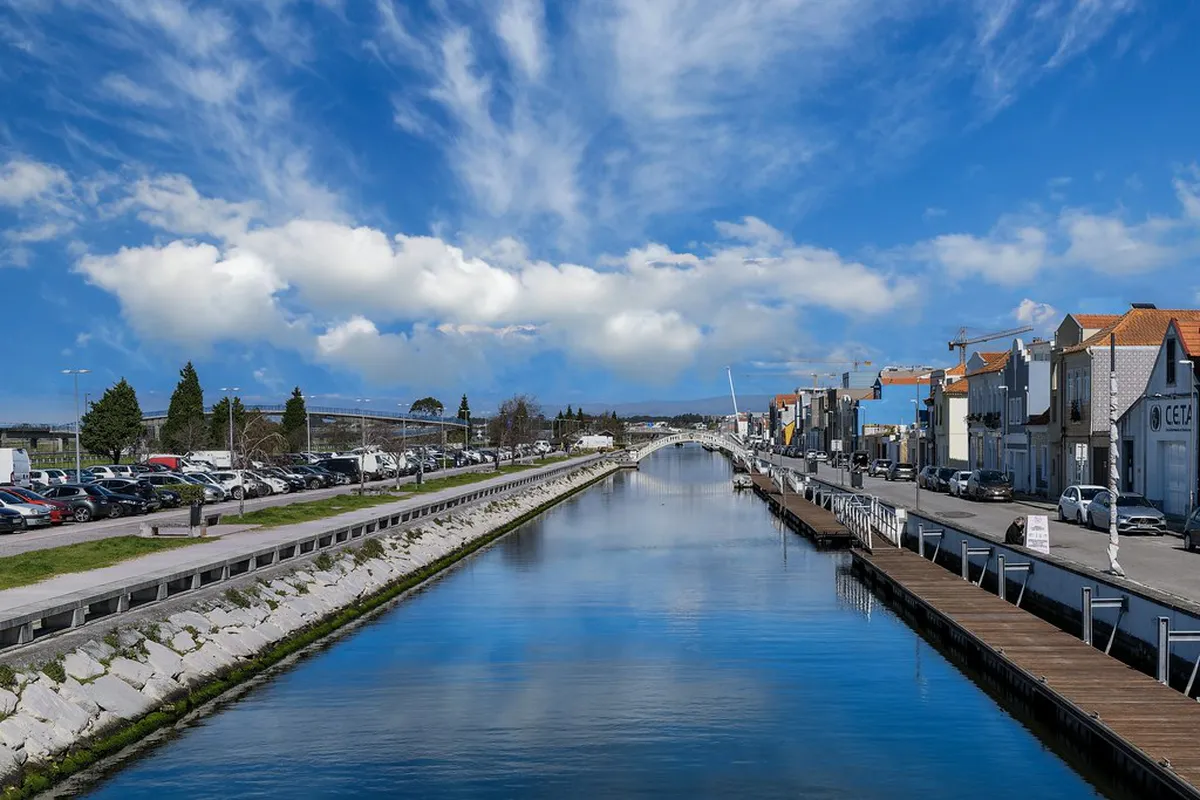
Summer is the peak of Aveiro's tourist calendar. Temperatures climb to 26-28°C / 79-82°F by August, and Costa Nova's beaches pack out with Portuguese families escaping the hotter inland cities. The Atlantic keeps the heat manageable in the city itself, but the beaches can feel genuinely hot by midday.
The Festival dos Canais runs every July and transforms the waterfront into an open-air stage for concerts, circus acts, and nighttime boat parades with fireworks reflected in the water. It is one of the most visually spectacular events in central Portugal and worth timing a trip around. Book accommodation at least two months ahead for festival weekend.
The trade-off in summer is price and crowd levels. Hotel rates can be 40-60% higher than in May. Moliceiro boat tours sell out by mid-morning on weekends, so book online the night before. Arriving at the canals by 09:00 gives you an hour of calm before the tour groups arrive. If you are beach-focused and do not mind the higher spend, July and August deliver the most reliable sunshine of the year.
Autumn Season (September - November)
Autumn brings a golden hue to the city's historic brick buildings. September often feels like a second summer with very warm days. The Atlantic water remains warm enough for swimming until mid-October. Crowds begin to thin out significantly after the first week of September.
Accommodation prices drop as the peak summer season officially ends. This is the window where you get June-quality weather at closer to March prices. Salt pan workers finish the harvest in early September, so a visit to the Ecomuseu Marinha da Troncalhada before the pans flood again rewards you with the full cycle of production. November brings cooler air and the start of the rainy season — still fine for museums and canal-side cafes, but pack accordingly.
Winter Season (December - February)
Winter is the right choice if your priority is budget and solitude. Hotel rates in January can be less than half of August prices for the same central properties. The canals are quiet and often draped in morning mist, giving the Art Nouveau facades a cinematic atmosphere that summer crowds make impossible to experience. Most museums stay open, and the Aveiro Museum inside the Convento de Jesus is the perfect place to spend a rainy afternoon.
The Romaria de São Gonçalinho in January is one of Portugal's quirkier festivals: locals throw hard biscuits called cavacas from the chapel rooftop to the crowd below in honor of the patron saint. It pairs religious ceremony with genuine communal joy and draws mostly Portuguese visitors, not international tourists — a rare chance to see local culture in action. Rain is frequent from November through February (10-13 days per month), so plan indoor anchors like the Art Nouveau Museum, the fish market, and long lunches at canal-side restaurants. Pack a proper waterproof jacket and you will be comfortable.
Must-See Attractions and When to Visit Them
The canals are the heart of the city's tourism industry. There are many best things to do in Aveiro during the sunny months. Moliceiro boats run most frequently between 10:00 and 18:00. Riding these boats at sunset provides the best lighting for photos.
The salt pans are a unique sight during the dry season. Workers harvest the salt mainly from July through early September. Visiting outside these months means you might see empty or flooded pans. Check the Aveiro Beaches and Coastal Gems to Visit if you plan to visit Costa Nova.
Local markets are most active on Saturday mornings throughout the year. The Mercado do Peixe (Fish Market) is a must-see for early risers: arrive by 08:00 Tuesday through Saturday for the full spectacle of freshly landed fish, live clams, and octopus. Ask a seller to point you toward the local eel stew — caldeirada de enguias — which you can order at nearby restaurants for lunch. By 11:00 the best stock is gone.
Aveiro sits on a coastal lagoon, so its weather is milder and breezier than inland Portugal. July and August are warmest and busiest, but late spring (May–June) and early autumn (September) give you warm canal cruises and quiet Costa Nova beaches without the peak-season crowds — and noticeably cheaper hotel rates.
Costa Nova and Its Striped Houses
Costa Nova sits 10 km from the city center and is easily reached by bus or bicycle along the lagoon path. The palheiros — fishermen's storage houses painted in bold horizontal stripes of red, blue, green, and white — are among the most photographed buildings in Portugal. They were originally built for storing fishing equipment and salted catch; the stripes made the houses identifiable from the sea. Today most are private homes or holiday rentals, but the main strip along Rua Vasco da Gama is completely open to walk and photograph.
The best light for photography falls in the morning before 10:00 or in the late afternoon from 17:00 onward. Summer weekends bring large numbers of day-trippers from Porto, so arriving early or on a weekday gives you the facades largely to yourself. The beach at Costa Nova is wide and backed by dunes; windsurfing and kite surfing schools operate from June through September. A half-day trip from Aveiro is the standard format — morning photos, seafood lunch at one of the waterfront restaurants, an afternoon on the sand.

Parks, Gardens, and Outdoor Spots by Season
The Parque da Infanta Dona Maria along the main canal is at its best in spring when the flower beds are in full color. Benches face the water and the pace slows enough that you can watch Moliceiro boats pass without buying a ticket. The Jardim do Rossio is smaller but placed in the historic core, making it a convenient rest stop between Art Nouveau walking routes.
The São Jacinto Dunes Natural Reserve deserves a half day on any nature-focused itinerary. The reserve covers over 700 hectares of pine forest, coastal marshland, and shifting Atlantic dunes on the barrier peninsula between the lagoon and the ocean. More than 100 bird species use it as a feeding and nesting ground, including herons, purple herons, and seasonal flamingo sightings. The best birdwatching windows are March through May during northward migration, and September through October on the return journey south. A free ferry from the town of São Jacinto crosses to the reserve entrance; the boat runs approximately every 30 minutes. Guided birdwatching tours can be arranged through local operators and are worth booking if you have binoculars and a field guide interest.
Family-Friendly and Budget-Friendly Options
Families with young children get the best value in June or early September. The weather is warm enough for beach days, the water is safe and guarded at Costa Nova and Praia da Barra, and hotel prices have not yet hit or have just passed their August peak. Moliceiro boat rides last 45 minutes, are calm enough for toddlers, and give children a story-book view of a city that genuinely looks unlike anything else in Europe.
Budget travelers should target January or February for the lowest hotel rates and November or March as runner-up options. Most museums offer free entry on certain Sunday mornings — verify the current schedule at the Aveiro Museum and the Art Nouveau Museum before you visit, as the policy has been consistent in recent years but is worth confirming. Cycling the lagoon path to Costa Nova costs nothing beyond a bike rental (around €10-15 per day from city-center shops) and takes about 40 minutes each way on a flat, well-maintained track.
Ovos Moles are the essential Aveiro souvenir and food experience. These egg-yolk-and-sugar sweets wrapped in rice paper shaped like shells and barrels carry Protected Geographical Indication status from the EU, meaning what you buy here is the genuine article. Confeitaria Peixinho has been making them by hand since 1856 and remains the benchmark. A box of 12 costs roughly €5-8 and keeps for several days, making them a practical and meaningful gift to bring home.
Museums, Art, and Culture
Aveiro is famous for its collection of Art Nouveau buildings. The museum dedicated to this style is best visited on weekday mornings. You will find fewer crowds before the tour buses arrive at noon. Most museums offer free entry on certain Sunday mornings each month.
The Aveiro Museum, housed inside the former Convento de Jesus, is one of Portugal's most important religious art collections. The tomb of Princess Joanna — daughter of King Afonso V, who became Saint Joanna of Portugal — is the centerpiece, carved in marble with intricate reliefs. Seventeenth-century azulejos, Flemish paintings, and the baroque cloister all compete for attention. Allow 90 minutes minimum. The museum is open Tuesday through Sunday and closes on Monday.
Cultural events peak during Holy Week in spring. Processions and traditional music fill the streets during this religious time. Summer brings outdoor concerts to the main city squares and parks. Check local listings for the 2026 festival calendar before you book. Indoor activities are perfect for the occasional rainy winter day — many smaller galleries host rotating exhibits of local Portuguese artists throughout the year.
How to Plan a Smooth Aveiro Day
Aveiro works well as a day trip from Porto (one hour by regional train, tickets from €3.55) or as a two- to three-night base for exploring the lagoon, coast, and hinterland. If you only have one day, a practical sequence is: morning at the Mercado do Peixe and canal-side cafes, a Moliceiro boat ride mid-morning before queues build, the Art Nouveau Museum after lunch, and an afternoon bus or bike ride to Costa Nova for the striped houses and beach. Return to the city for dinner along the Canal Central.
Two nights unlocks São Jacinto and the salt pans, which each need half a day and are best in the morning. Three nights allows a day trip to Coimbra (30 minutes south by train) or the Bairrada wine region, which produces some of Portugal's most underrated sparkling wines and robust Baga reds. Local operators run guided tours combining Aveiro canals with a Coimbra or Costa Nova extension — useful if you do not want to navigate public transport logistics yourself.
Essential Tips Before Visiting Aveiro, Portugal
Learning How To Get To Aveiro Travel Guide helps you plan your arrival perfectly. If you are coming from Porto, the Porto To Aveiro By Train Travel Guide route is very convenient. Trains run frequently and offer a scenic view of the northern coast. Booking your tickets in advance can save you money on high-speed lines.
The 'Nortada' is a strong north wind common on the coast. This wind can make the beaches feel much colder than the city. Always check the wind forecast before heading to the striped houses. The wind is most frequent between June and September and can turn a 28°C beach day into a shivering one within an hour.
What's Closed in Low Season: Some attractions have reduced operating hours. Moliceiro boats run fewer trips between November and March each year. Many beachside cafes in Costa Nova close entirely during the winter. Outdoor salt pan tours typically stop from October through April.
Finding Where To Stay In Aveiro Travel Guide is easier in the shoulder season. Hotels in the city center fill up quickly during the summer holidays. You must try the local Ovos Moles De Aveiro Travel Guide while exploring. These sweet treats are available year-round in almost every local bakery.
Frequently Asked Questions
Which best time to visit aveiro options fit first-time visitors?
First-time visitors should aim for late May or early September. These months offer the best weather for boat tours and beach visits. You will avoid the extreme heat and the largest crowds of July.
Is Aveiro worth visiting in the winter?
Winter is great for budget travelers and those who dislike crowds. While it can be rainy, the museums and cafes remain open. It is a very peaceful time to explore the historic center.
What is the hottest month in Aveiro?
August is typically the hottest month with temperatures reaching 28°C / 82°F. The ocean breeze usually prevents it from feeling too stifling. It is the peak month for beach tourism in the region.
Aveiro is a versatile destination that offers something unique in every season. The best time to visit Aveiro depends on your personal travel style. Whether you want summer sun or spring flowers, the city will charm you. Plan your trip around the shoulder months for the most balanced experience.
Remember to pack for the Atlantic breeze and wear comfortable shoes. The canals and colorful houses are waiting for your next great adventure. Safe travels as you explore the Venice of Portugal and its coast.

 Costa Nova Aveiro Travel GuideJune 8, 2026
 How To Get To Aveiro Travel GuideJune 8, 2026