
Best Time to Visit Évora Travel Guide
Plan the best time to visit Évora with top picks, neighborhood context, timing tips, and practical booking advice for a smoother trip to Portugal.
On this page
Best Time to Visit Évora
The best time to visit Évora is during the shoulder months of mid-May to mid-June or the entire month of September. I visited Évora last May when the Alentejo plains were still vibrant green and the wildflowers were blooming. Updated May 2024 from my spring 2024 visit, this guide reflects the latest local conditions and travel patterns. Choosing these specific windows ensures you avoid the blistering summer heat while enjoying long, sunny days.
August is typically the hottest month in Évora. Daily highs often reach 35°C / 95°F or higher. It is best to avoid heavy outdoor activities during the afternoon peak.
Planning an Évora itinerary requires careful consideration of the intense regional climate. The Alentejo region is famous for its dry heat and golden landscapes that change dramatically with the seasons. Travelers often underestimate how quiet the city becomes during the peak afternoon sun in July and August. You should check this Introduction to Evora for a foundational look at the city's history.
Season Comparison
Comparing the four seasons reveals distinct advantages for different types of travelers visiting the Alentejo. Spring offers the most visual beauty as the countryside transforms into a lush, colorful carpet. Summer brings intense heat but also the most vibrant festival atmosphere in the city center. Winter remains the quietest period, perfect for those seeking solitude among ancient Roman ruins.
Prices for accommodation fluctuate significantly based on the month you choose for your stay. Mid-season months provide a balanced mix of reasonable rates and pleasant walking temperatures. I noticed that crowds at the Roman Temple are much smaller during the Tuesday through Thursday window. Refer to the table below for a quick breakdown of what to expect throughout the year.
| Season | Weather | Crowds | Prices | Events | Best for |
|---|---|---|---|---|---|
| Spring (Mar–May) | 15–22°C / 59–72°F | Moderate | Mid-range | Easter Processions | Nature & Hiking |
| Summer (Jun–Aug) | 28–35°C / 82–95°F | High | Peak | St. John Festival | Nightlife |
| Fall (Sep–Nov) | 18–26°C / 64–79°F | Moderate | Mid-range | Wine Harvest | Food & Wine |
| Winter (Dec–Feb) | 8–15°C / 46–59°F | Low | Budget | Christmas Markets | History Tours |
Pick X If
Deciding on a travel window often depends on your personal priorities and budget constraints. Families might prefer the late spring when the weather is gentle enough for small children. Solo travelers often find the fall harvest season more social due to local winery events. Each traveler type has a specific 'sweet spot' that maximizes the value of their trip.
Budget-conscious visitors should look toward the late winter months for the best deals. While some smaller cafes might have shorter hours, the main attractions remain accessible and cheap. Photographers will find the golden hour in September provides the most dramatic lighting for the cathedral. Consider these recommendations to match your travel style with the right calendar dates.
- Pick spring if you want
- Blooming landscapes and mild hiking
- Pick summer if you want
- Late sunsets and lively festivals
- Pick autumn if you want
- Wine tastings and harvest celebrations
- Pick winter if you want
- Lowest prices and zero crowds
What to Pack
Packing for Évora requires a strategy that accounts for significant temperature swings between day and night. Even in the height of summer, the dry Alentejo air can cool down quickly after sunset. Comfortable footwear is non-negotiable because the historic center is paved with traditional, uneven cobblestones. Our late-May trip involved several chilly evenings that required a light jacket despite the warm afternoons.
Sun protection is essential regardless of the season due to the high UV levels in southern Portugal. Locals often wear breathable linen fabrics to stay cool during the peak heat of the day. If you plan to visit religious sites, ensure your clothing covers your shoulders and knees. Use the following checklist to ensure you have the essentials for a comfortable visit.
- Summer heat essentials
- High SPF sunscreen and hats
- Winter layering pieces
- Waterproof jackets and wool sweaters
- Footwear for cobblestones
- Sturdy walking shoes with grip
- Dining and evening wear
- Smart casual layers for restaurants
Maximum and Minimum Temperatures for Evora Portugal
Temperature ranges in Évora can be extreme compared to the more temperate coastal regions like Lisbon. During July and August, daily highs often exceed 35°C / 95°F, making outdoor sightseeing difficult. Nighttime temperatures during these peak summer months usually drop to a comfortable 18°C / 64°F. Climate data from official sources shows that January is consistently the coldest month of the year.
Winter lows can dip toward 5–8°C / 41–46°F, which feels colder due to the regional humidity. Spring temperatures are much more moderate, typically ranging between 12–22°C / 54–72°F during the day. I recommend checking the forecast daily as the transition between seasons can be quite abrupt. Understanding these maximums and minimums helps you plan your daily activity schedule more effectively.
Autumn Season (September - November)
The autumn season is a magical time to visit the Alentejo as the wine harvest begins. September offers warm days around 26°C / 79°F, while the evenings start to feel crisp and fresh. Many local vineyards, such as the Cartuxa Winery, host special events during this period. The landscape turns a beautiful burnt orange as the oak trees prepare for the winter months.
Crowds begin to thin out significantly after the first week of September as schools resume. This is the perfect time to find a table at the best restaurants in Évora without booking weeks ahead. Rainfall begins to increase slightly in November, but it rarely disrupts travel plans for long. Visiting in early autumn allows you to enjoy the best of both worlds regarding weather and access.
Average Sunshine Hours for Evora
Évora is one of the sunniest cities in Europe, boasting over 3,000 hours of sunshine annually. In the peak of summer, you can expect up to 11 or 12 hours of direct sunlight daily. Even in the depths of winter, the city often enjoys clear, bright blue skies for several hours. This abundance of light makes it a premier destination for outdoor photography and terrace dining.
The high sunshine hours contribute to the exceptional quality of the regional Alentejo wines. I found that the bright winter sun makes even the cooler days feel much warmer than expected. Be aware that the intense light can be tiring, so plan for indoor breaks during the afternoon. This consistent sunshine is a major draw for travelers looking to escape the grey skies of northern Europe.
Evora Portugal Average Weather
The general weather pattern in Évora is classified as Mediterranean with hot, dry summers and mild winters. Rainfall is concentrated between October and April, with very little precipitation during the summer months. A unique regional quirk is the 'siesta heat,' where temperatures peak significantly between 2 PM and 5 PM. Locals traditionally stay indoors during these hours to avoid the most intense solar radiation.
Spring weather can be unpredictable with occasional heavy showers followed by brilliant sunshine. I suggest checking the Comboios de Portugal schedule for indoor day trip options if rain is forecast. The dry air means that even high temperatures are more tolerable than in humid coastal cities. Overall, the climate is very reliable for those who enjoy warm, dry conditions for their vacation.
Average Rainfall and Wet Days in Évora
Évora receives roughly 600–650 mm of rain per year, almost all of it falling between October and April. The wettest months are typically November, December, and February, each averaging around 9 to 11 wet days. By contrast, July and August often pass with virtually zero rainfall, sometimes recording just one or two showers across the entire summer. This sharp seasonal split is the single most important thing to understand when timing an Alentejo trip.
The good news for shoulder-season travelers is that even the "wet" months rarely bring all-day rain. Showers tend to arrive in short, heavy bursts and clear quickly, leaving bright skies behind. In April, May, and September you can usually expect only three to five rainy days across the whole month, which is why these windows feel so reliable. If you are sensitive to grey skies, simply avoid late November through January, when overcast days are most common.
Spring Season (March - May)
Spring is, in my experience, the most visually rewarding time to visit Évora. From mid-March the Alentejo plains turn an electric green and the verges fill with wild poppies, lavender, and yellow rockrose. Daytime temperatures climb gently from around 15°C / 59°F in March to a very comfortable 22–24°C / 72–75°F by late May, ideal for walking the cobbled centre and exploring megalithic sites without breaking a sweat. Easter week brings traditional processions through the old town for travelers who enjoy local ritual.
The trade-off is that spring weather is the least predictable of the year, with the occasional heavy shower, and prices begin to rise as Easter and May bank holidays draw Portuguese visitors. Best for: nature lovers, photographers, and hikers heading out to the Almendres Cromlech. My pick for the sweet spot is the second half of May, when the wildflowers peak but the summer heat has not yet arrived. Book accommodation a few weeks ahead if your dates fall on a long weekend.
Summer Season (June - August)
Summer is the high season for festivals but the hardest season for sightseeing, and managing the heat is everything. June is still bearable, with highs around 28–30°C / 82–86°F, and it hosts the city's biggest party, the Feira de São João (Saint John's Fair) in the second half of the month, with concerts, funfair rides, food stalls, and crowds filling the fairgrounds. By July and August daily highs routinely hit 35–40°C / 95–104°F, and the historic centre falls silent during the fierce 2 PM to 5 PM peak.
If you do come in high summer, treat the day in two halves: sightsee early and late, and retreat indoors or beside a pool through the afternoon. Best for: travelers who want long, late sunsets, lively nightlife, and festival energy and who can tolerate intense heat. The trade-off is peak accommodation prices, sun fatigue, and limited midday walking. Families with young children and anyone heat-sensitive should plan outdoor excursions strictly for the cooler morning hours.
Winter Season (December - February)
Winter is Évora at its quietest and cheapest. Daytime highs sit around 8–15°C / 46–59°F, nights drop toward 5°C / 41°F, and the regional humidity can make it feel colder than the thermometer suggests, so pack proper layers and a waterproof. This is the rainiest stretch of the year, but the famous Alentejo sunshine still breaks through often, and a crisp, clear winter day exploring empty monuments is hard to beat.
The reward for the cooler weather is having the city largely to yourself: no queues at the Roman Temple, easy restaurant tables, and the lowest hotel rates of the year. Christmas markets and seasonal lights add atmosphere in December. Best for: history-focused travelers, budget travelers, and anyone who values solitude over warmth. Just check opening hours before you travel, as some sites and smaller wineries run reduced winter schedules (see the section on low-season closures below).
How Many Days to Spend and Getting There
Most travelers find that two full days is the ideal length for Évora itself. One day covers the UNESCO-listed historic core, the Roman Temple, the cathedral, and the Chapel of Bones, while a second day frees you up for wineries and the megalithic sites on the plains. If you only have time for a day trip, an early start lets you hit the headline sights, but you will feel rushed and miss the slower Alentejo rhythm that makes the city special. Add a third day if you want to fold in day trips from Évora to marble towns like Estremoz.
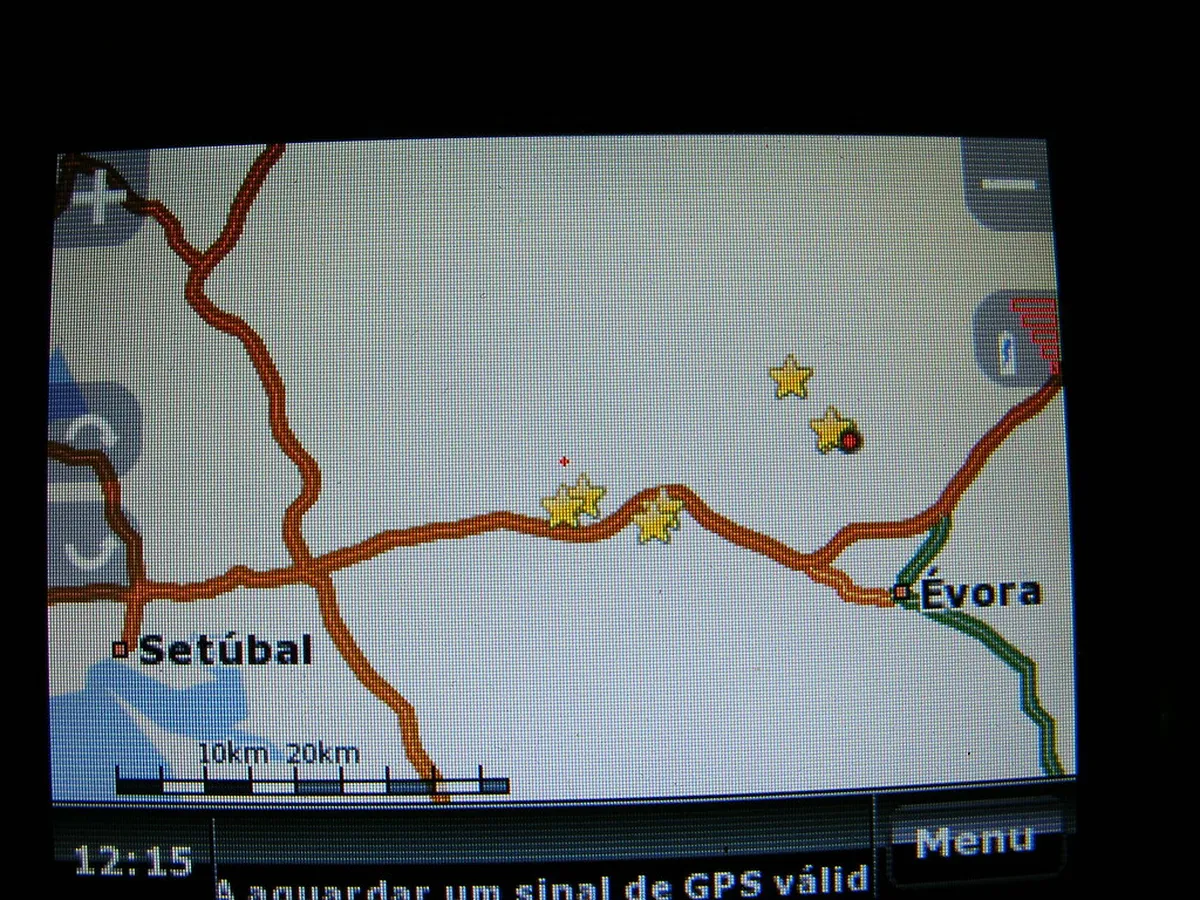
Getting here is straightforward. Évora sits about 130 km southeast of Lisbon, roughly a 1 hour 30 minute drive on the A6 motorway, which makes self-drive the most flexible option for reaching rural vineyards and standing stones. Direct trains run from Lisbon's Oriente station via Comboios de Portugal and take around 1 hour 30 minutes, while buses are a reliable budget alternative. The season barely affects travel times, but shoulder-season driving on the rural back roads is noticeably calmer and easier than in peak summer.
Must-See Time Évora Attractions
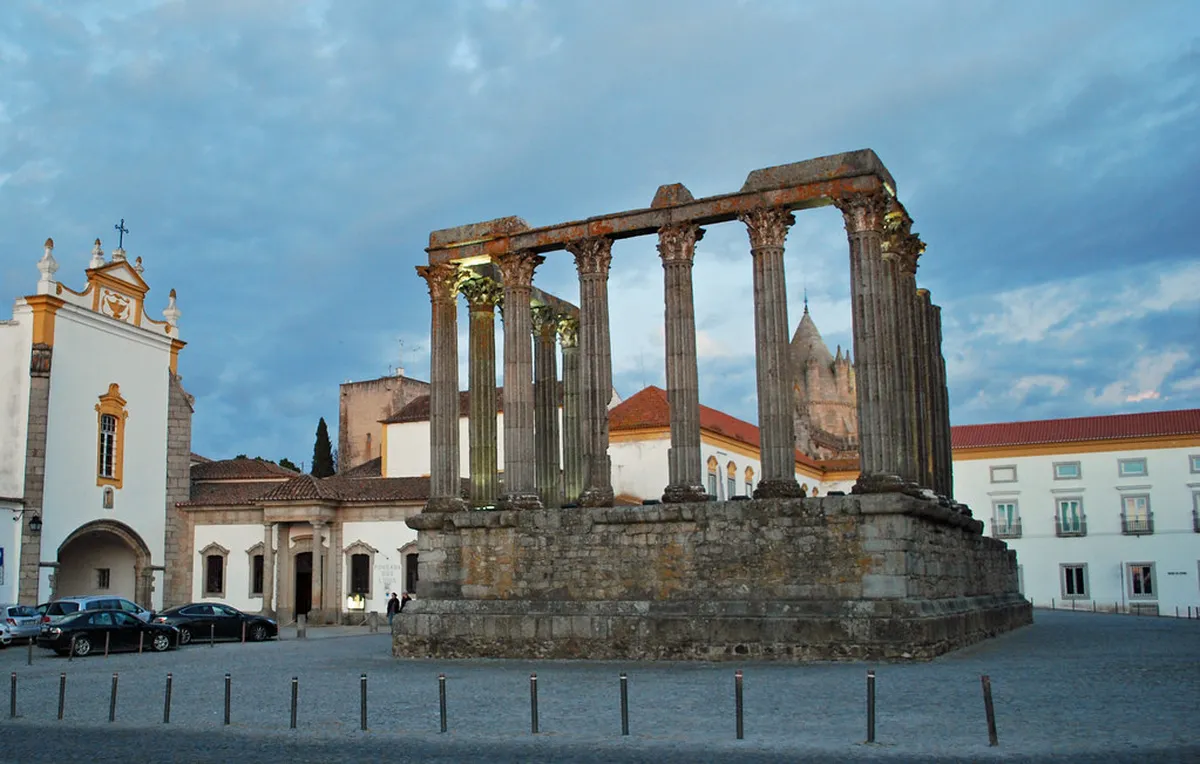
The Roman Temple of Évora is best viewed during the early morning or late afternoon. Harsh midday sun can wash out the details of the ancient stone columns in your photographs. For a break from the heat, the cool interior of the Évora Cathedral offers a peaceful refuge. The cathedral cloisters provide excellent shade and a unique perspective on the city's medieval architecture.
The Chapel of Bones is an essential indoor stop that is perfect for any weather. I recommend visiting this site right when it opens to avoid the largest tour groups. Exploring the top things to do in Évora is much easier when the temperatures are mild. Plan your outdoor walking tours for the morning to make the most of the cooler air.
The Best Things to Visit Around Évora
Taking day trips from Évora allows you to see the vast megalithic landscapes of the Alentejo. The Almendres Cromlech is a prehistoric site that feels particularly mystical during the spring equinox. You will likely need to use DiscoverCars to reach these remote rural locations easily. The surrounding cork forests are a unique sight that changes appearance depending on the harvest cycle.
Adrenaline seekers might enjoy a visit to Skydive Portugal for a view of the plains from above. Nearby marble towns like Estremoz offer fantastic weekly markets that are best visited on Saturday mornings. I found that the rural roads are much quieter and safer for driving during the shoulder seasons. These excursions provide a deeper understanding of the Alentejo region beyond the city walls.
What's Closed in Low Season
Travelers visiting between November and March should be aware of several seasonal closures in the region. Most outdoor hotel pools, including those at the best hotels in Évora, close for the winter. Smaller family-run wineries often reduce their tour schedules or close entirely on Sundays during the off-season. Some tourist-focused restaurants in the historic center may take their annual holidays during the month of January.
Public transport frequency to smaller villages can decrease once the summer tourist peak has ended. Monument opening hours are often shortened by one or two hours during the darker winter months. I noticed that several outdoor kiosks in the public gardens stop operating from October until April. Always verify the current opening times of specific sites before traveling during the low season months.
Frequently Asked Questions
What is the hottest month in Évora?
August is typically the hottest month in Évora. Daily highs often reach 35°C / 95°F or higher. It is best to avoid heavy outdoor activities during the afternoon peak.
Is Évora worth visiting in the winter?
Yes, Évora is excellent in winter for history lovers. You will enjoy lower hotel prices and empty monuments. Expect cool temperatures around 12°C / 54°F and occasional rain.
When is the wine harvest in the Alentejo?
The wine harvest usually occurs from late August through September. This is a fantastic time for vineyard tours. Many estates offer special tasting events and harvest activities.
What is the best month to visit Évora?
May and September are the best months to visit Évora. You get warm, dry days of 22–26°C / 72–79°F, far fewer crowds than summer, and mid-range prices. May brings spring wildflowers, while September lines up with the wine harvest.
What is the worst time to visit Évora?
The peak of summer, mid-July through August, is the hardest time to visit. Daily highs of 35–40°C / 95–104°F make midday sightseeing uncomfortable, accommodation is at its priciest, and the historic centre empties out during the afternoon heat.
Évora is a timeless destination that offers a unique experience in every season of the year. By choosing to visit in May or September, you maximize your chances of perfect weather and manageable crowds. Remember to pack for the dry Alentejo heat and plan your days around the intense afternoon sun. Whether you are exploring Roman ruins or sipping local wine, timing your visit correctly will enhance your journey.
 Roman Temple of Évora (Temple of Diana) GuideJune 8, 2026
 Where To Stay In Évora Travel GuideJune 8, 2026