10 Best Restaurants in Évora (Alentejo Cuisine) (2026)
Discover the 10 best restaurants in Évora for authentic Alentejo cuisine. Plan your 2026 trip with expert tips on dishes, costs, and local favorites.
On this page
10 Best Restaurants in Évora (Alentejo Cuisine)
During my fourth visit to Évora this past winter, I realized that Alentejo cuisine is a slow-motion philosophy. The region transforms humble ingredients like stale bread and wild herbs into complex, soul-warming masterpieces. This guide identifies the most authentic tables where you can experience these flavors firsthand.
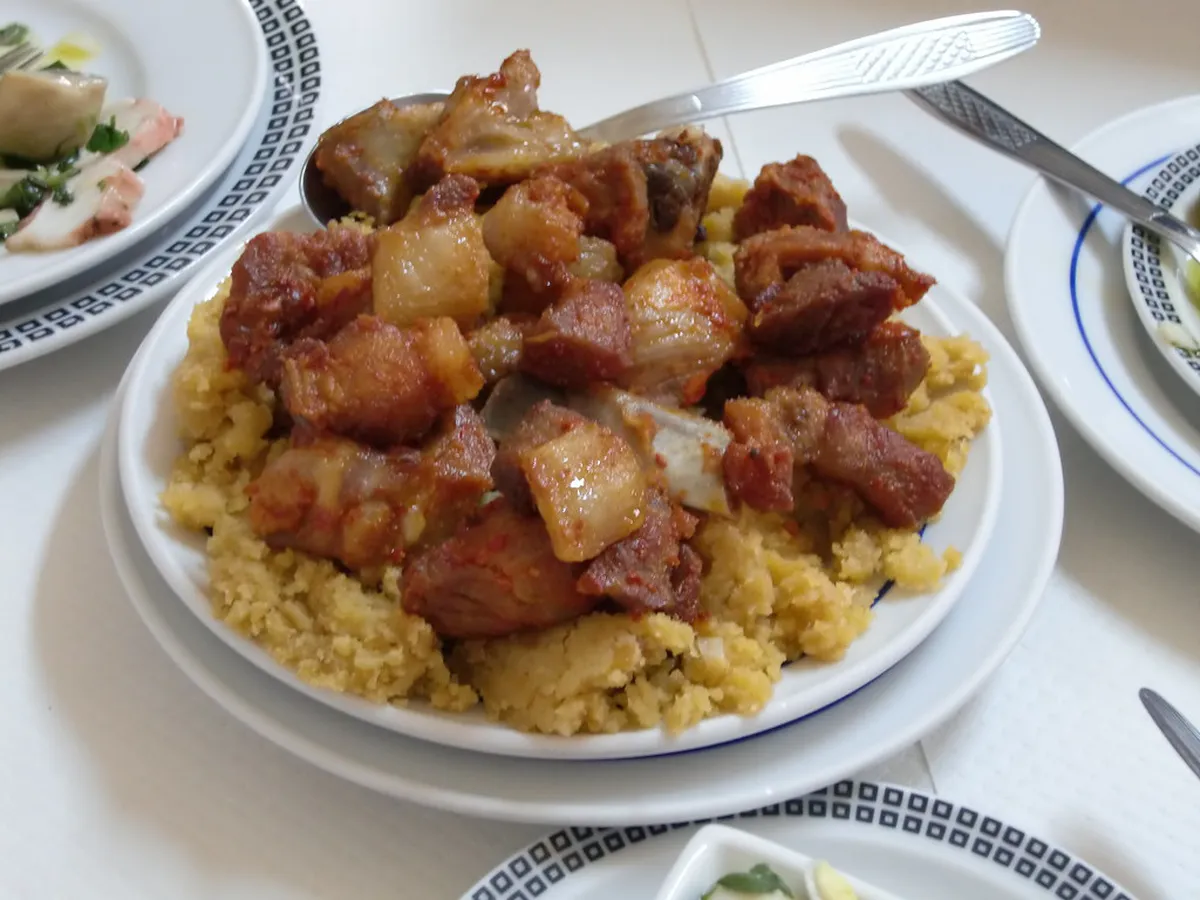
The most iconic dish is Migas à Alentejana, which features sautéed breadcrumbs served with fried pork. It perfectly represents the region's resourceful use of simple ingredients. You should also try the local lamb stew known as Ensopado de Borrego.
Last refreshed in March 2026, this list reflects the latest shifts in the local culinary scene. While many traditional spots remain steadfast, a few modern kitchens are now elevating rural recipes to fine-art status. Knowing where to sit makes the difference between a generic meal and a lifelong memory.
Évora serves as the heart of Portuguese grain production and olive oil heritage. Most visitors come for the historic landmarks, but the food is often what they remember most. Prepare your palate for rich pork, pungent cheeses, and some of the world's best red wines.
10 Best Restaurants in Évora (Alentejo Cuisine) (2026)
Selecting the right table in this UNESCO-listed city requires looking beyond the main squares. While Giraldo Square is beautiful for a drink, the best kitchens often hide in narrow, whitewashed alleys. Our editors have vetted these selections for consistency, service quality, and regional authenticity.
The following list includes everything from Michelin-starred elegance to family-run taverns with only eight seats. We have categorized them to help you choose based on your budget and desired atmosphere. Be sure to check our Évora itinerary to see how to fit these meals into your day.
Prices in Évora remain reasonable compared to Lisbon, though the high-end spots are catching up. Expect to pay more for rare black pork cuts or aged Alentejo wines. Always remember that the appetizers placed on your table at the start are not free.
- Dom Joaquim Restaurant
- This celebrated establishment focuses on traditional Alentejo food with a sophisticated, modern presentation.
- Expect to spend $25–$45 per person for a full meal including wine and dessert.
- Located just outside the city walls, it is open Tuesday through Saturday for lunch and dinner.
- The roast lamb is legendary here, so try to book your table at Dom Joaquim Restaurant well in advance.
- Botequim da Mouraria
- This tiny eight-seat counter offers one of the most intimate and authentic dining experiences in Portugal.
- Typical costs range from $20–$40 per person, though the owner’s wine recommendations can vary.
- It usually opens at noon and fills up instantly, so arriving 30 minutes early is essential.
- There are no reservations here, and watching the owner prepare your petiscos is part of the charm.
- Degust'AR
- Set within the M’AR De AR Aqueduto hotel, this restaurant offers a creative twist on regional staples.
- Dinner here typically costs between $50–$80 per person for a tasting menu experience.
- Check the official site for Degust'AR as hours often change seasonally.
- The atmosphere is refined and perfect for a romantic evening after visiting the nearby Roman Temple.
- Divinus Restaurant
- Dine under the vaulted ceilings of an ancient convent at this high-end gastronomic destination.
- Prices are higher here, often ranging from $60–$100 per person for premium wine pairings.
- The restaurant is open daily for dinner and is located inside the Convento do Espinheiro.
- Visit Divinus Restaurant for a unique blend of history and luxury flavors.
- Taberna Típica Quarta-Feira
- This family-run spot has no menu; you simply eat whatever the chef has prepared that day.
- The fixed price is usually around $35 per person, covering multiple courses and house wine.
- It is located in the northern part of the historic center and requires booking weeks ahead.
- The slow-cooked pork cheeks are often the highlight of this surprise-filled culinary journey.
- Café Alentejo
- Housed in a 16th-century tavern, this central spot serves classic comfort food in a rustic setting.
- Main courses usually fall between $15–$28, making it a great mid-range choice.
- They are open daily from 12:00 PM to 11:00 PM, which is rare for the area.
- Order the scrambled eggs with farinheira sausage for a true taste of local tavern culture.
- Origens
- This contemporary kitchen prioritizes seasonal produce sourced directly from Alentejo farmers and producers.
- A meal here generally costs $40–$60 per person depending on your wine selection.
- They are open for lunch and dinner from Wednesday to Sunday in the city center.
- The chef often comes to the table to explain the origin of each ingredient personally.
- Momentos
- This cozy restaurant is known for its friendly service and large portions of traditional stews.
- Budget-conscious travelers will appreciate the $18–$30 price range for a hearty meal.
- They are typically closed on Sundays and Mondays, so plan your visit for midweek.
- The dogfish soup, a local specialty known as Sopa de Cação, is excellently prepared here.
- L’AND Vineyards Restaurant
- Located a short drive from the city, this Michelin-starred venue focuses on the 'terroir' of Alentejo.
- Expect a premium price tag of $90–$150 per person for their seasonal tasting menus.
- You can find more details at L’AND regarding their current vineyard-to-table offerings.
- This is the perfect stop if you are planning day trips from Évora.
- Fialho
- Fialho is perhaps the most famous traditional restaurant in the city, serving elite Alentejo cuisine since 1945.
- Meal costs average $45–$70 per person, reflecting its status as a local institution.
- They are open for lunch and dinner but are usually closed on Mondays.
- The appetizer table is extensive here, but remember you only pay for what you actually eat.
The Delicious Dishes in Alentejo Gastronomy
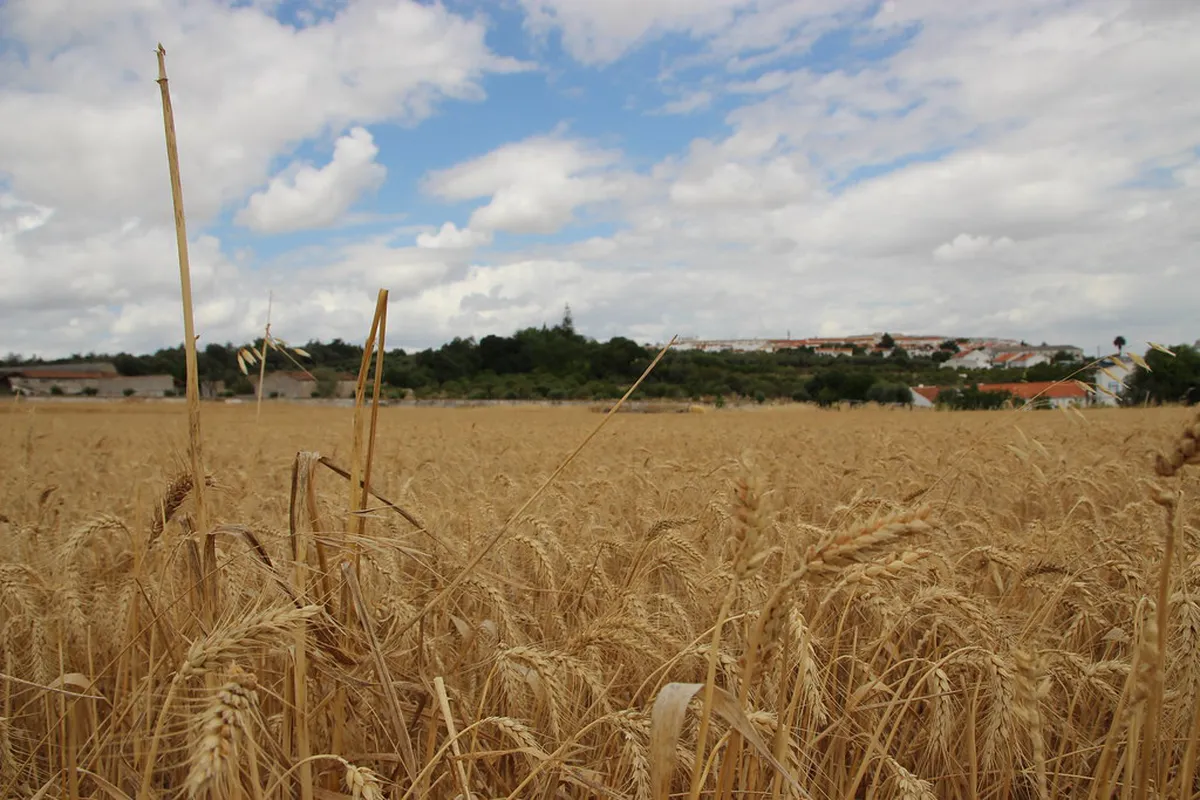
Alentejo cooking is often called 'peasant food' because it relies on simple, local harvests. Bread is the most vital component, appearing in dishes like Migas and Açorda. Migas consists of breadcrumbs soaked in water and sautéed with garlic, olive oil, and pork fat.
Meat lovers should look for Ensopado de Borrego, a rich lamb stew served over thick bread slices. The region is also famous for its black Iberian pigs, which forage for acorns in the cork forests. This diet gives the meat a distinct, nutty flavor that you won't find elsewhere in Portugal.
Seafood is less common inland, but Sopa de Cação remains a beloved exception. This shark-based soup is flavored heavily with vinegar, coriander, and garlic. It offers a refreshing tang that contrasts beautifully with the heavier meat dishes found on most menus.
Essential Alentejo Cooking Ingredients
The secret to the Best Restaurants in Évora (Alentejo Cuisine) lies in the purity of their ingredients. Olive oil is the foundation of almost every recipe, often produced in nearby groves. Local oils are known for their low acidity and fruity, slightly peppery finish.
Herbs like coriander, mint, and pennyroyal are used with a heavy hand in Alentejo. These greens provide a bright contrast to the richness of the pork and lamb. You will often smell the fresh coriander as soon as a bowl of Açorda hits your table.
Cheese also plays a major role, specifically the sheep and goat varieties from nearby Serpa or Évora. These cheeses range from soft and buttery to hard and intensely spicy. They are often served as an entry alongside local olives and crusty Alentejo bread.
Of these, Queijo de Évora deserves special attention. It is a hard, cured sheep's-milk cheese with a sharp, peppery bite that intensifies with age, and it carries a protected DOP (Denominação de Origem Protegida) status tied to the region. Order it as a starter board with a glass of red, or buy a small wheel from a charcutaria near Praça do Giraldo to take home.
Alentejo DOC Wine Pairings to Order with Your Meal
You cannot separate Alentejo food from Alentejo wine. The region is one of Portugal's most important wine zones, and the Alentejo DOC (Denominação de Origem Controlada) covers eight sub-regions, with Évora, Borba, Redondo, and Reguengos producing the bottles you will see most often on local lists. Most tascas pour a house red by the jug for just a few euros, and it is usually a perfectly honest match for the food.
As a rule of thumb, the bold, sun-ripened Alentejo reds were practically built to sit next to the region's rich pork and lamb. Use these pairings as a starting point when the wine list feels overwhelming:
- Porco preto and roast lamb — a structured red from grapes like Alicante Bouschet, Trincadeira, or Aragonez (Tempranillo). Their ripe tannins cut through the fat of black pork and slow-cooked borrego.
- Migas, açorda, and bread-based dishes — a lighter, juicier red or a chilled rosé keeps the meal from feeling too heavy.
- Sopa de cação and lighter starters — a crisp Alentejo white from Antão Vaz or Arinto, which balances the vinegar-and-coriander tang.
- Queijo de Évora and cheese boards — an older reserva red, or a small glass of a fortified or sweet wine to finish.
Many restaurants in this guide, especially Divinus, Degust'AR, and L'AND, build proper pairing menus and will happily walk you through them. If you want to go deeper, an Alentejo wine and food tour pairs cellar visits with regional tastings. For a closer-to-town option, see how a tasting at the Cartuxa Winery fits into a dining day.
Best Petiscos and Where to Eat Near Praça do Giraldo
Praça do Giraldo is the social heart of Évora, and almost every visit passes through it at some point. The square itself is best treated as a place for a coffee, a glass of wine, or an early-evening drink rather than a full meal — the tables with laminated photo menus directly on the plaza tend to be the most touristy and the least authentic. The good news is that genuinely excellent food sits just one or two streets back.
Petiscos are the Portuguese answer to tapas: small, shareable plates meant to slow down the evening and stretch a bottle of wine. They are the easiest, lowest-commitment way to taste a lot of Alentejo at once, and they are ideal for first-time visitors who want variety without ordering four full mains. Look for these on petisco boards around the Giraldo area:
- Carne de porco à alentejana — pork cubes marinated in red-pepper paste, fried with clams. The region's signature surf-and-turf.
- Pataniscas and bolinhos de bacalhau — salt-cod fritters, crisp outside and soft within.
- Plates of presunto, paio, and chouriço — cured meats from the black Iberian pig, often flamed tableside.
- Marinated olives, almonds, and Queijo de Évora — the classic table to nibble while you read the menu.
- Espinafres or grão (chickpeas) with bacalhau — a satisfying vegetable-forward option.
For sit-down meals near the square, walk a couple of blocks into the side streets toward Rua 5 de Outubro or the narrow lanes behind the cathedral, where family-run tascas plate honest food at fair prices. As a budget guide, a couple of petiscos and a glass of house red rarely top €15 a head, while a full three-course tavern dinner with wine usually lands around €20–€35. Reserve ahead for dinner on weekends, and remember the couvert (bread, olives, cheese set on the table) is charged only if you eat it.
Beyond Dinner: Bakeries & Cafés in Évora
Évora has a sweet side that dates back centuries to the local convents. Nuns once used egg whites to starch their habits, leaving an abundance of yolks for baking. This led to the creation of 'conventual sweets' like Queijadas de Évora and Pão de Rala.
Pastelaria Conventual Pão de Rala is a must-visit for anyone with a sweet tooth. Their signature cake is made from almond paste, eggs, and pumpkin jam. Expect to pay around $3–$5 for a generous slice and a cup of Portuguese coffee.
The dessert you should not leave Alentejo without trying, however, is sericaia. This baked egg-and-cinnamon custard has a cracked, soufflé-like top and is traditionally served warm with a sweet, syrupy Elvas plum (ameixa de Elvas) on the side. Most traditional restaurants in this guide finish the meal with it, and it is the perfect, not-too-heavy way to end an evening of pork and red wine.
For a lighter break, head to the cafés near the Roman Temple of Évora. While the prices are slightly higher, the views of the granite columns are worth the extra Euro. It is the perfect place to people-watch while enjoying a quick Galão.
How to Plan a Smooth Évora Dining Experience
Dining in Évora is a leisurely affair that should never be rushed. Lunch typically starts around 1:00 PM, while dinner rarely begins before 8:00 PM. Many of the best spots close between these two service windows.
Reservations are practically mandatory for the top-rated restaurants on weekends. Even on weekdays, the most popular taverns fill up within minutes of opening. If you haven't booked, try arriving exactly when the doors open to snag a walk-in spot.
What to skip: Avoid the restaurants directly on Giraldo Square that display large picture menus. These spots often serve frozen versions of local dishes at inflated prices. Walk just two blocks into the side streets for a much more authentic and affordable meal.
Frequently Asked Questions
What is the most famous dish to try in Évora?
The most iconic dish is Migas à Alentejana, which features sautéed breadcrumbs served with fried pork. It perfectly represents the region's resourceful use of simple ingredients. You should also try the local lamb stew known as Ensopado de Borrego.
Do I need to tip at restaurants in Évora?
Tipping is not mandatory in Portugal, but it is appreciated for good service. Rounding up the bill or leaving 5-10% is standard in mid-range and upscale restaurants. In casual taverns, leaving a few small coins is sufficient.
Is it easy to find vegetarian food in Évora?
Traditional Alentejo cuisine is very meat-heavy, but many modern restaurants now offer vegetarian options. Look for dishes featuring local mushrooms or asparagus. Always ask the waiter, as some vegetable soups may use meat-based broths.
Where should you eat in Évora as a first-time visitor?
For a first visit, step one or two streets back from Praça do Giraldo and choose a family-run tavern such as Café Alentejo, Dom Joaquim, or Fialho for classic Alentejo dishes. These offer the most authentic experience without needing a long drive out of town. Skip the photo-menu restaurants directly on the main square, and book ahead for dinner on weekends.
How much does a typical meal cost in Évora?
A few petiscos with a glass of house red rarely top €15 per person, while a full three-course tavern dinner with wine typically runs about €20–€35. Fine-dining and Michelin-level tasting menus such as Divinus or L'AND can reach €60–€150 per person. Remember the couvert (bread, olives, cheese) is only charged if you eat it.
Eating your way through Évora is the best way to understand the heart of the Alentejo region. Whether you choose a Michelin-starred meal or a simple tavern bench, the quality of the ingredients will impress you. Don't forget to pair your meal with a visit to the Cartuxa Winery for the full experience.
From the rich pork dishes to the delicate conventual sweets, every bite tells a story of heritage. Plan your reservations early and prepare for long, delicious afternoons under the Alentejo sun. Évora remains one of the world's great unsung culinary capitals for those who know where to look.
 10 Essential Guimarães Restaurants to Try (2026)June 8, 2026