Best Restaurants in Óbidos: Where to Eat Inside the Walls (2026)
Best restaurants in Óbidos for 2026 — top picks with addresses, dish recommendations, price ranges, and practical tips for dining inside and outside the medieval walls.
On this page
Best Restaurants in Óbidos: Where to Eat Inside the Walls (2026)
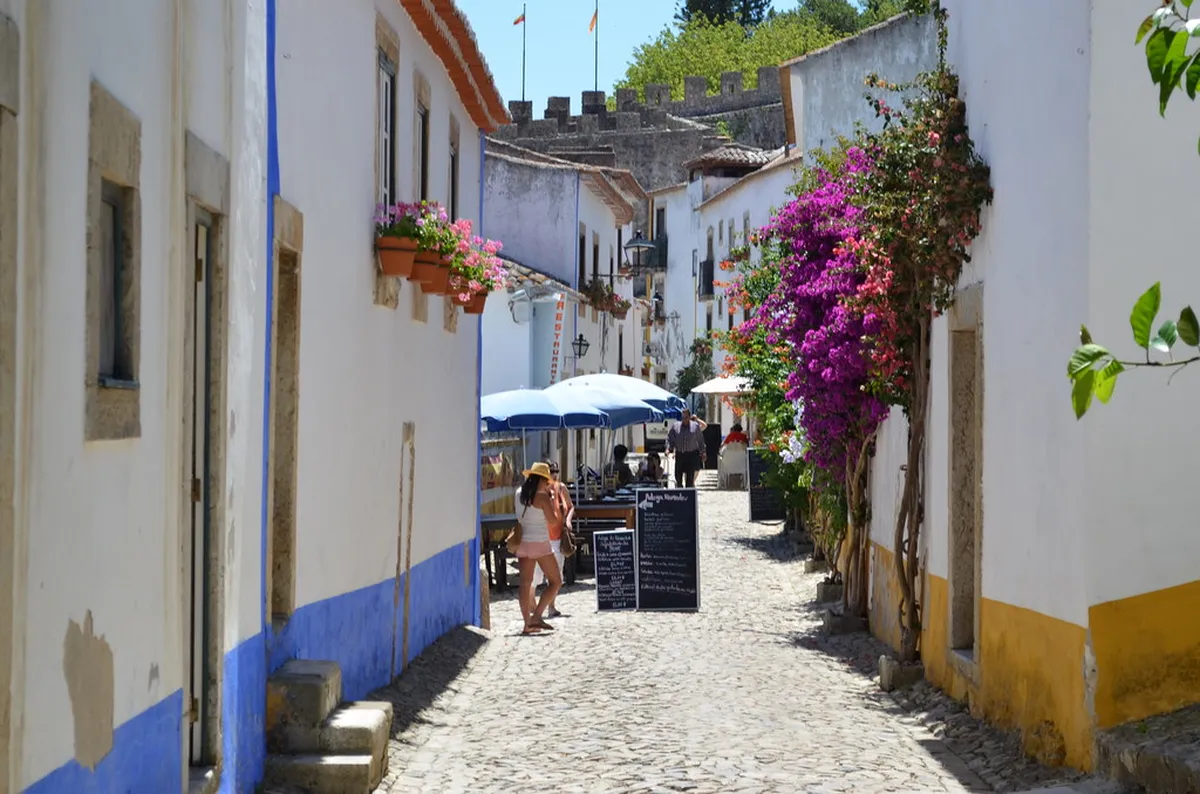
Óbidos looks like a film set — whitewashed houses, cobblestone lanes, a medieval castle overhead — and the restaurants here can feel equally staged if you eat in the wrong places. But step off Rua Direita into the side streets, or head just outside the walls toward the Lagoa de Óbidos, and you find a genuinely distinctive food scene built on eel stews, clams from the lagoon, convent sweets, and the cherry liqueur the town is famous for. This guide covers where to eat in Óbidos in 2026, with specific restaurants, dishes to order, and practical notes on timing and pricing.
First-time visitors should prioritize Tasca Torta or A Nova Casa de Ramiro for authentic Portuguese cuisine. These offer a welcoming atmosphere and classic dishes, providing a great introduction to local flavors. They are conveniently located within the walled village.
The dining scene splits roughly into two modes: petiscos-style tascas inside the walls, where you order several small plates and share, and proper sit-down restaurants with full menus, some inside the walls and several just outside. Knowing which format fits your appetite and schedule makes a real difference, especially if you only have a few hours.
What Makes Óbidos Food Distinctive
Óbidos sits in the Oeste region, a fertile agricultural strip between the Atlantic coast and the hills of Estremadura. The land here grows citrus, Rocha pears (the Pêra Rocha do Oeste is a DOP-protected variety exported worldwide), and feeds vineyards producing increasingly respected white and red wines. The proximity to the Lagoa de Óbidos — one of Portugal's largest coastal lagoons — supplies local restaurants with clams, eels, and coastal fish that you won't find in the same form anywhere else in Portugal.
The most iconic local dishes reflect this coastal-and-agricultural combination: caldeirada de peixe (a layered fish stew), ensopado de enguias (eel stew), enguias fritas (fried eels dusted with flour), and arroz de marisco (seafood rice). On the sweet side, the convents around Óbidos historically produced rich egg-yolk desserts — trouxas de ovos and lampreia de ovos — that still appear on menus in 2026. The ginjinha de Óbidos, the sour cherry liqueur served in small edible chocolate cups, is everywhere on Rua Direita and acts as both aperitif and dessert for many visitors. The ginja tradition pairs naturally with the ginjinha bar culture found in Lisbon.
Understanding this identity helps you order better. If a restaurant's menu has only generic grilled fish and piri-piri chicken, it's catering to passing tourists rather than drawing on local tradition. The best kitchens in Óbidos will feature at least one lagoon-sourced dish and one regional sweet on the menu.
Best Petiscos Tascas Inside the Walls
For a casual, shared-plate lunch or early dinner, the petiscos format — small plates ordered a few at a time, similar to Spanish tapas — suits Óbidos perfectly. These spots are lively, relatively affordable, and let you taste a wider range of the local larder in a single sitting.
Tasca10 (Rua Josefa de Óbidos 10) is one of the liveliest rooms inside the walls. The menu runs to marinated beef cubes in garlic and mustard (pica-pau), chouriço assado grilled tableside on a clay dish still sizzling when it arrives, fried cuttlefish (choco frito), and octopus. Portions are generous for the price, and a table of two can eat well for €25–35 including wine. Arrive before 13:00 or after 14:30 to avoid the peak lunchtime crush.
Real Casa do Petisco (Largo São João de Deus) sits on Rua Direita but has not surrendered to tourist pricing. It is one of the better spots to try amêijoas à bulhão pato — clams steamed in white wine and coriander — alongside smoked meats, regional cheeses, and alheira, the smoky northern sausage that is one of Portugal's most unusual cured meats. For dessert, ask for the Rocha pear poached in red wine with ginja foam (pera bêbeda com espuma de ginja) — a dessert that ties together two of the region's signature products in one plate. Budget €20–30 per person.
Tasca Torta (Rua Direita 79) is family-run and despite its prime tourist-strip location, serves honest food with fair prices. The arroz de tamboril (monkfish rice in tomato broth) and fried eels are standouts, and the daily-changing casseroles give regulars a reason to return. It is one of the few spots inside the walls where you will regularly see local workers eating lunch. Budget €15–25 per person.
Best Sit-Down Restaurants for a Full Meal
For a longer meal with full menus and table service, several restaurants inside and just outside the walls stand out consistently in 2026.
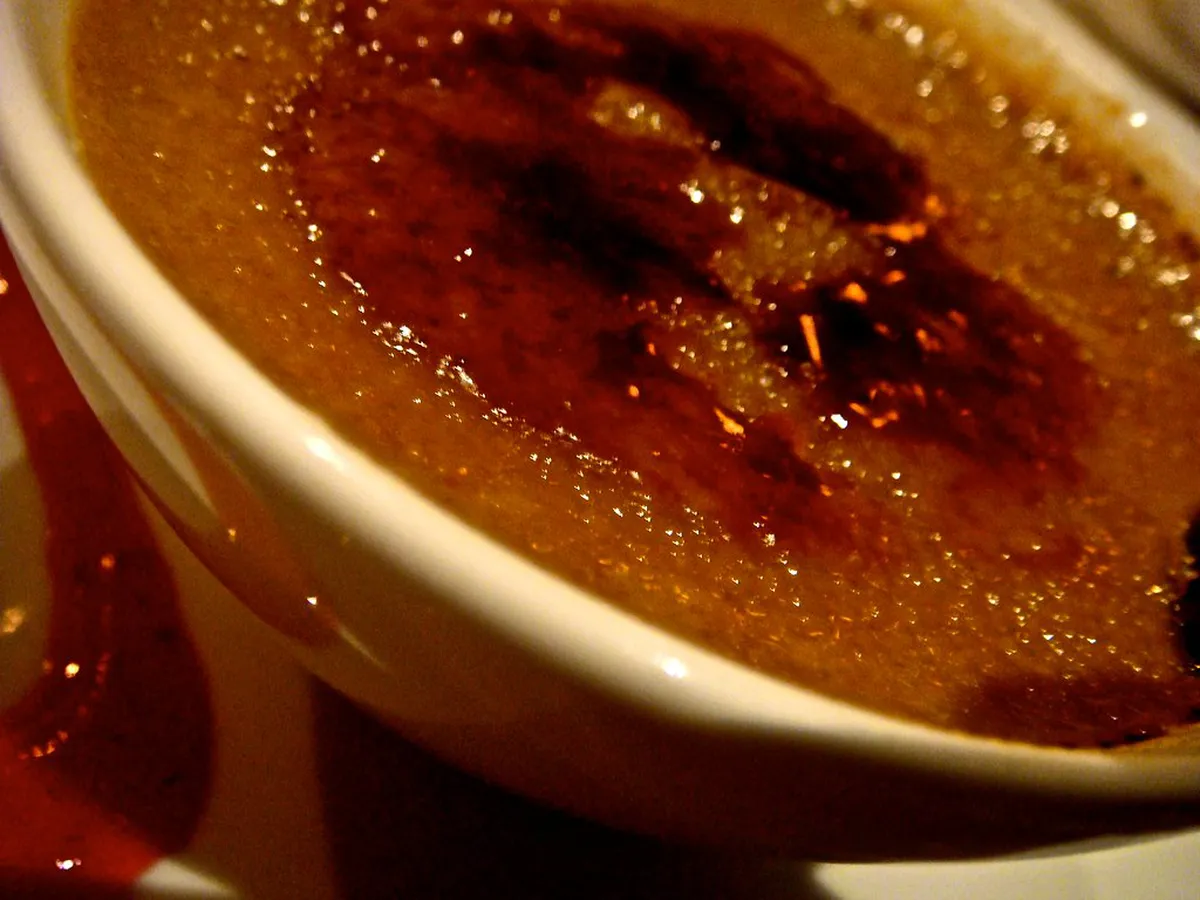
A Nova Casa de Ramiro (Rua Porta do Vale 12) has been a reference point for traditional Portuguese cooking in Óbidos for years. The dining room is set inside stone walls with wood beams, and the menu focuses on quality local products: bacalhau à lagareiro (salt cod roasted in olive oil), seafood rice, and charcuterie boards featuring Oeste region cheeses and sausages. Portions are large. This is not a cheap meal — expect €25–40 per person — but if you want to eat one proper, unhurried dinner in Óbidos, this is a safe choice. Booking ahead on weekend evenings is strongly advised.
Vila Infanta (Lago do Santuário do Senhor da Pedra) is slightly harder to find, away from the main drag, but rewards the detour. The kitchen handles açorda de marisco (a thick bread-and-seafood stew) and bacalhau com natas (creamy baked cod) with real care, and the lamb roasted with herbs and potatoes is one of the better meat dishes in the village. The setting is quieter than the busier tascas. Budget €20–35 per person.
1148 O Conquistador (Rua Josefa de Óbidos 20) takes its name from the year Óbidos was taken from the Moors. The kitchen reinterprets classics with a lighter hand — seared tuna with citrus, pork tenderloin with apple purée — and the dessert menu, which includes convent-inspired sweets alongside chocolate creations, is genuinely strong. The wine list focuses on small Oeste producers. Budget €25–40 per person.
O Caldeirão (Urbanização Quinta de São José Lote 21 E-F, just outside the walls) is large, functional, and popular with families and groups. The namesake caldeirada de peixe is the reason to come — a proper fisherman's stew with layered fish and potato. The seafood rice is served in steaming communal pots. Portions are famously large; order with restraint if eating à deux. Budget €20–30 per person.
O Melro (Rua do Comércio 22) has the best reputation among locals for consistent, unpretentious cooking. The eel stew (ensopado de enguias) and fried eels appear when in season, and the octopus rice (arroz de polvo) is deeply flavored. Priced for residents rather than visitors. Budget €15–22 per person.
Dining at the Castle
The Pousada Castelo de Óbidos restaurant inside the medieval fortress is the most special-occasion option in town. The building itself — thick stone walls, arched doorways — provides the setting. The menu is Portuguese fine dining: fresh clams from the Lagoa de Óbidos prepared Bolhão Pato-style in olive oil with garlic and white wine, tuna steaks, bacalhau à brás (a scrambled egg and cod preparation), and regional charcuterie tastings. Expect to pay €40–70 per person for a full dinner. Reservations are essential and should be made several days in advance during summer.
The important note: the Pousada is a hotel, and the castle interior itself is not open for general visits. You either dine or stay. If your budget does not stretch to dinner, a lunch visit is slightly less expensive and the setting is identical.
Craft Beer, Contemporary Food, and Ja!mon Ja!mon
LETRARIA Óbidos (Rua Padre Nuno Tavares) is a craft beer bar run by the Letra brewing project from northern Portugal. It has become the go-to for younger visitors and those who want something more relaxed after a day of castle walls and cobblestones. Dozens of Letra beers are on tap and by the bottle, from hoppy IPAs to darker stouts. The food is built to match: generous boards of cured meats and cheeses, burgers, fried chicken bites, and croquetes. Visit the Cerveja Letra website for current opening hours. Budget €15–25 per person.
Ja!mon Ja!mon (Rua da Biquinha, Largo do Chafariz Novo) is the most well-known restaurant in Óbidos for creative petiscos. Pork cheeks braised in red wine, stuffed mushrooms, grilled octopus, and duck rice (arroz de pato) are the highlights. It sits near Porta da Vila, making it convenient as an early evening stop before or after walking the walls. Prices are higher than a standard tasca — budget €25–35 per person — but the ingredients and plating are noticeably better. Booking is recommended for weekend dinner.
Ginja de Óbidos and the Chocolate Cup Tradition
Every visitor to Óbidos will encounter ginjinha de Óbidos within five minutes of walking through Porta da Vila. The sour cherry liqueur is served in small single-use edible chocolate cups, a tradition that has become so embedded in the visitor experience that it functions almost like a ticket to the village. Most shops along Rua Direita sell it; a single shot in a chocolate cup costs around €1.50–2.50.
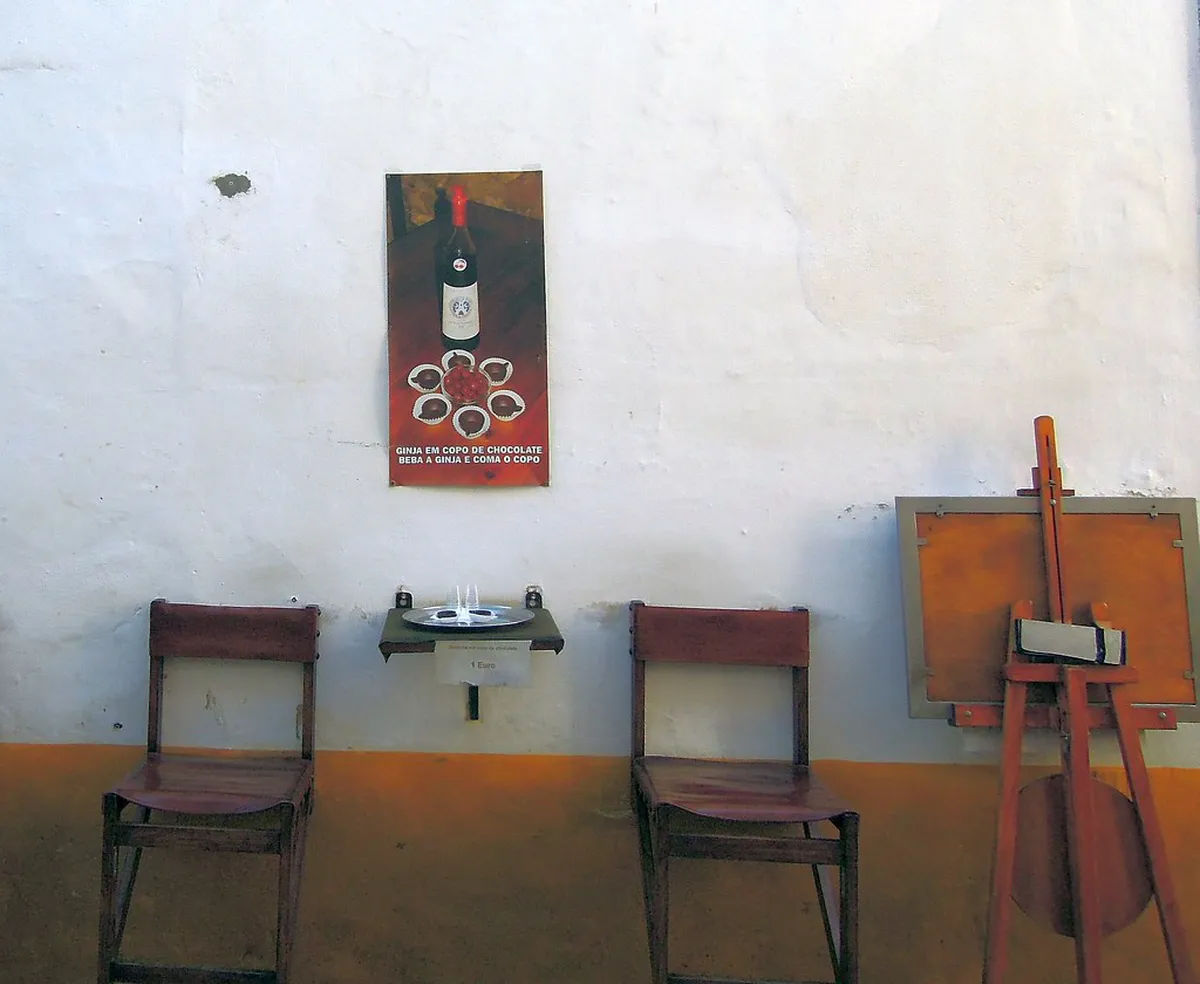
For a more curated tasting — including comparisons between producers and pairings with local cheeses and cured meats — Petrarum Domus runs guided ginja tastings inside the walls. The experience lasts about 45 minutes and costs around €12–15 per person. It is a better introduction to the liqueur than the quick roadside shots and is particularly worthwhile if you plan to buy a bottle to take home. The same house also stocks regional wines and local food products.
The ginja pairs well with the regional convent sweets: trouxas de ovos (thin egg-yolk crêpes soaked in syrup) and lampreia de ovos (a marzipan-like egg-and-sugar preparation shaped like a lamprey). Look for these in the bakeries off Rua Direita rather than the souvenir shops, where quality varies significantly.
How to Structure Your Dining Day in Óbidos
Most visitors treat Óbidos as a half-day trip and eat once, which is workable but misses the full food picture. Here is how to get more out of the dining options available, whether you are day-tripping from Lisbon or staying overnight.
For a day trip arriving by mid-morning: start with a coffee and a pastel de nata in one of the bakeries near Porta da Vila, then walk the walls (about 45 minutes, sturdy shoes required). Eat lunch at Tasca10 or Real Casa do Petisco — the petiscos format keeps lunch light enough that you are not immediately tired. Spend the early afternoon in the side streets and pick up a ginja shot in a chocolate cup before 15:00 when the tour groups thin out. If you can extend your stay to early evening, catch dinner at A Nova Casa de Ramiro or Vila Infanta with a booking.
For those staying overnight: eat dinner at one of the full-service restaurants rather than the petiscos spots, which work better at lunch. The village empties significantly after 19:00 and the atmosphere in the restaurants becomes noticeably more local and relaxed. Breakfast the following morning can include a stop at a bakery for regional sweets before the day-trippers arrive around 10:00.
One practical note that no menu will mention: in Portugal, the bread, olives, and cheese that appear automatically at the start of your meal — known as the couvert — are charged separately, typically €1.50–3.50 per person. You are not obliged to accept them. If you don't want the couvert, say "Não, obrigado" when it arrives, and it will be taken back without charge. This is common knowledge among residents but catches many first-time visitors off guard when the bill arrives.
Outside the walls, the area around the Lagoa de Óbidos (about 15 minutes by car toward Foz do Arelho) has seafood restaurants serving the freshest lagoon clams and coastal fish, at prices lower than inside the medieval centre. If you have transport, a lunch stop at the lagoon before or after visiting the village is one of the best value meals in the entire region. Check the Turismo Óbidos website for event dates too — the Medieval Market in July and the Chocolate Festival in spring both add dedicated food stalls that expand the usual dining options considerably.
Practical Notes for Eating in Óbidos
Óbidos is a small village and the best restaurants fill up quickly, especially from late June through August and during festival weekends. For A Nova Casa de Ramiro, Ja!mon Ja!mon, and the Pousada restaurant, booking 48–72 hours ahead is standard practice in peak season. Tasca10, Tasca Torta, and O Melro are harder to book in advance but move tables quickly — arrive at 12:30 for lunch or 19:00 for dinner to be safe.
Most restaurants inside the walls are open daily in summer but close one or two days per week in winter. Hours shift seasonally; the general pattern is 12:30–15:00 for lunch and 19:00–22:00 for dinner. A quick phone call on the day of your visit is the most reliable way to confirm. The prato do dia (dish of the day), usually offered at lunch only, is almost always the best-value option on the menu and typically showcases whatever is freshest from the market that morning.
Óbidos is also part of the Óbidos Literary Village project, which turned several abandoned spaces into bookshop cafés. These are worth a stop for coffee or a light lunch if you want a break from the main restaurant circuit — the atmosphere is quieter and the selection of local products is curated. See also our full guide to things to do in Óbidos and our dedicated page on the Ginja de Óbidos cherry liqueur for more on the regional drink culture.
Frequently Asked Questions
Which Óbidos restaurants options fit first-time visitors?
First-time visitors should prioritize Tasca Torta or A Nova Casa de Ramiro for authentic Portuguese cuisine. These offer a welcoming atmosphere and classic dishes, providing a great introduction to local flavors. They are conveniently located within the walled village.
How much time should you plan for Óbidos restaurants?
For a casual lunch, plan 1 to 1.5 hours, and for dinner, allow 1.5 to 2 hours, especially if you're enjoying multiple courses. If you visit a popular spot, allow extra time for potential waits. This ensures a relaxed dining experience.
What should travelers avoid when planning Óbidos restaurants?
Avoid restaurants directly on the busiest main street with aggressive touts or generic, multi-language menus with photos. These often cater to tourists and may offer less authentic food at higher prices. Seek out smaller, family-run establishments on side streets.
Is Óbidos worth including on a short itinerary for food lovers?
Absolutely. Even on a short itinerary, Óbidos offers a concentrated taste of Portuguese culture and cuisine. It's especially known for its Ginja liqueur and charming medieval setting. A half-day visit allows enough time for a delicious meal and a quick exploration of the village.
Óbidos rewards visitors who look past the ginja shops and souvenir stalls on Rua Direita. The local food identity — lagoon clams and eels, Oeste wines, convent sweets, and the petiscos culture of the tascas — is distinctive and worth several hours of unhurried eating. Choose one proper sit-down meal at somewhere like A Nova Casa de Ramiro or Vila Infanta, graze through a petiscos lunch at Tasca10 or Real Casa do Petisco, and allow time for a ginja tasting at Petrarum Domus. That combination captures what makes eating in Óbidos different from eating in any other medieval village in Portugal.
 10 Essential Guimarães Restaurants to Try (2026)June 8, 2026