
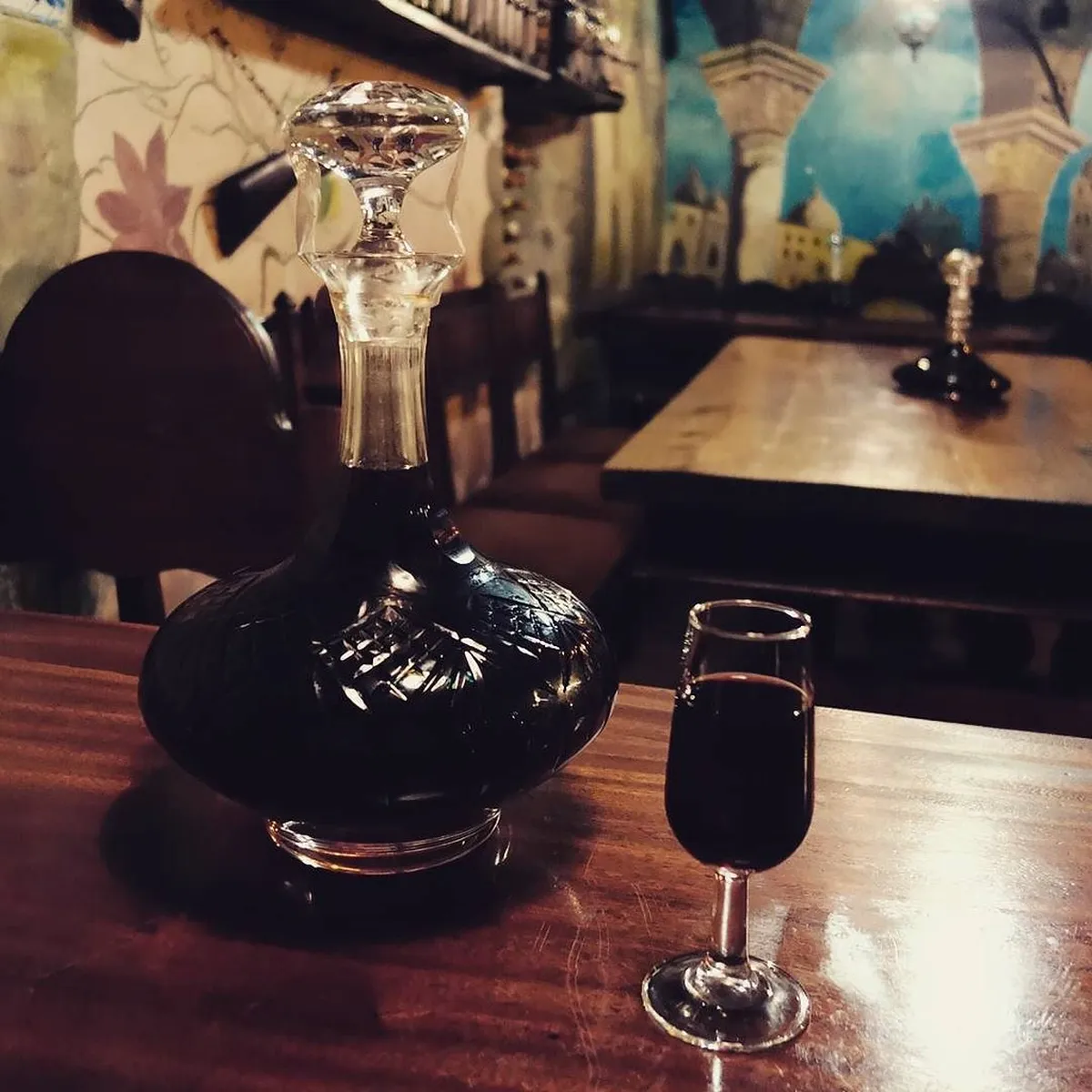
Ginja de Óbidos: Portugal's Famous Cherry Liqueur in a Chocolate Cup
Ginja de Óbidos is Portugal's signature sour-cherry liqueur, served in an edible dark-chocolate cup. Find out where to taste it, how it's made, what a bottle costs, and how to fit it into your Óbidos visit in 2026.
On this page
Ginja de Óbidos
No visit to Óbidos is complete without tasting Ginja de Óbidos — the sour-cherry liqueur that has defined this medieval town for generations. Dark red, intensely aromatic, and served in a small edible chocolate cup, it delivers one of Portugal's most distinctive food experiences in a single sip.
Ginja de Óbidos is a traditional Portuguese sour cherry liqueur, intensely flavored and often sweet. It is made from sour cherries (ginjas), alcohol, sugar, and sometimes cinnamon. The drink is a specialty of Óbidos and often served in small chocolate cups, which can be eaten after finishing the liqueur.
The drink is deceptively simple: sour morello cherries macerated in brandy and sweetened with sugar. But the version sold in Óbidos carries a Protected Designation of Origin (DOP) and a specific local recipe that sets it apart from the ginjinha you'll find everywhere else in Portugal. This guide covers everything you need to know before you arrive — where to taste it, who makes it, what to look for, and how to take the best bottle home.
What Is Ginja de Óbidos?
Ginja (also spelled ginjinha) is made from ginjas — a variety of sour Morello cherry that grows particularly well in the Sobral da Lagoa valley within the council of Óbidos. The cherries are harvested in summer, macerated in aguardente (grape brandy), combined with sugar, and left to age for several months. No artificial colouring or additives are used in the authentic versions.
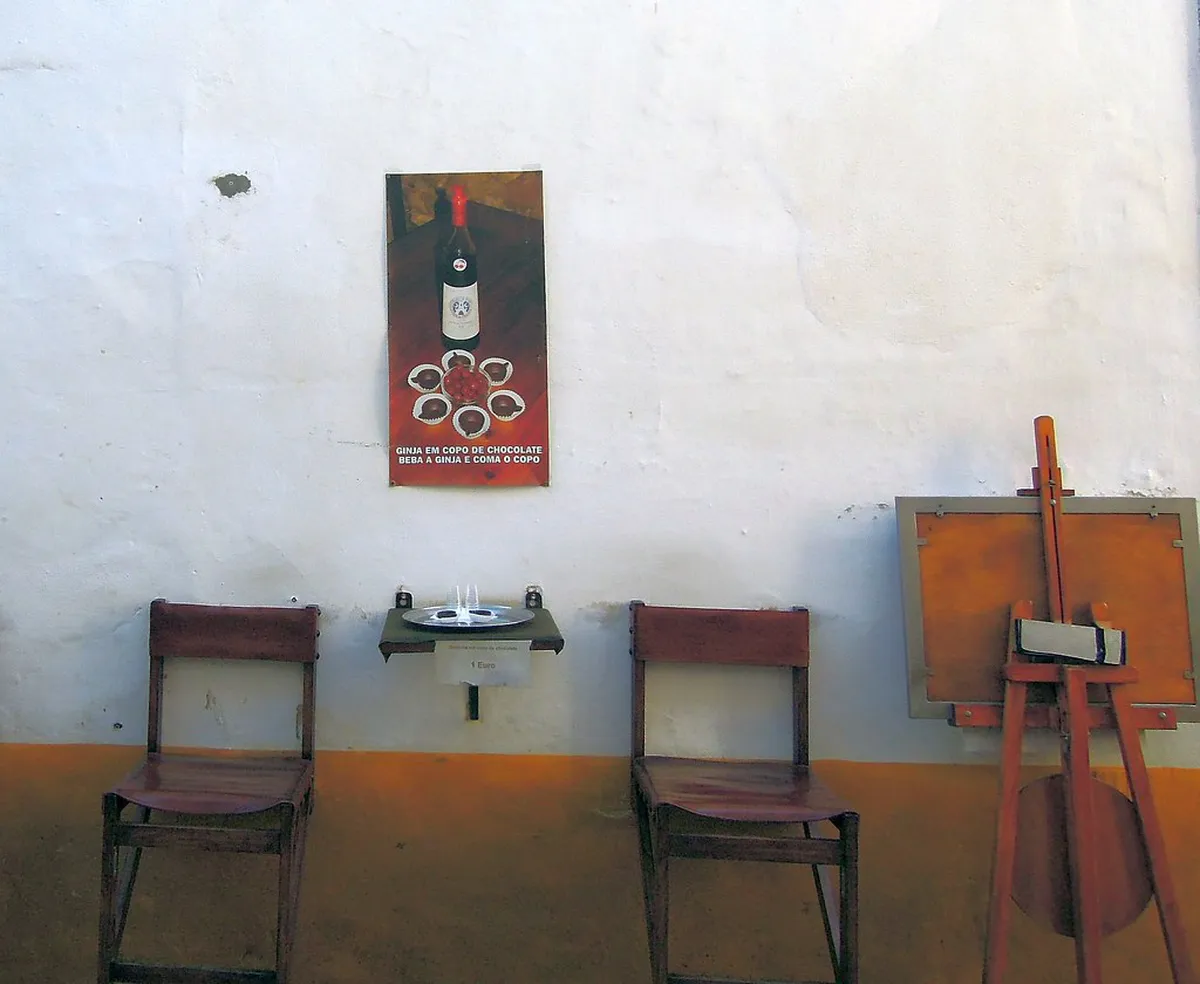
The liqueur typically reaches 18–23% ABV. It reads as sweet on the nose, but the tart cherry dominates mid-palate, finishing with a faint bitterness. The standard serving is a small shot — roughly 30 ml — poured into an edible chocolate cup. You drink the liqueur, then eat the cup. The combination works because the bitterness of dark chocolate counters the sweetness of the drink.
According to the Wikipedia article on ginjinha, the modern Óbidos recipe was codified in 1987 by Dário Pimpão, founder of the Oppidum brand. Pimpão described his product as "mild and aromatic, with a balanced alcohol content and velvety texture." He also introduced the chocolate cup as the standard way to serve it in the town. Before that, the drink existed but had no single established recipe or presentation.
What separates Ginja de Óbidos from the ginjinha sold in Lisbon is geography and terroir. The DOP certification means only producers using Óbidos-area cherries and the defined process can label their product Ginja de Óbidos. Lisbon's versions, sold at stand-up bars in Rossio, are made from cherries grown elsewhere. The flavour difference is real: the Óbidos version tends to be richer and more aromatic.
Where to Taste Ginja in Óbidos
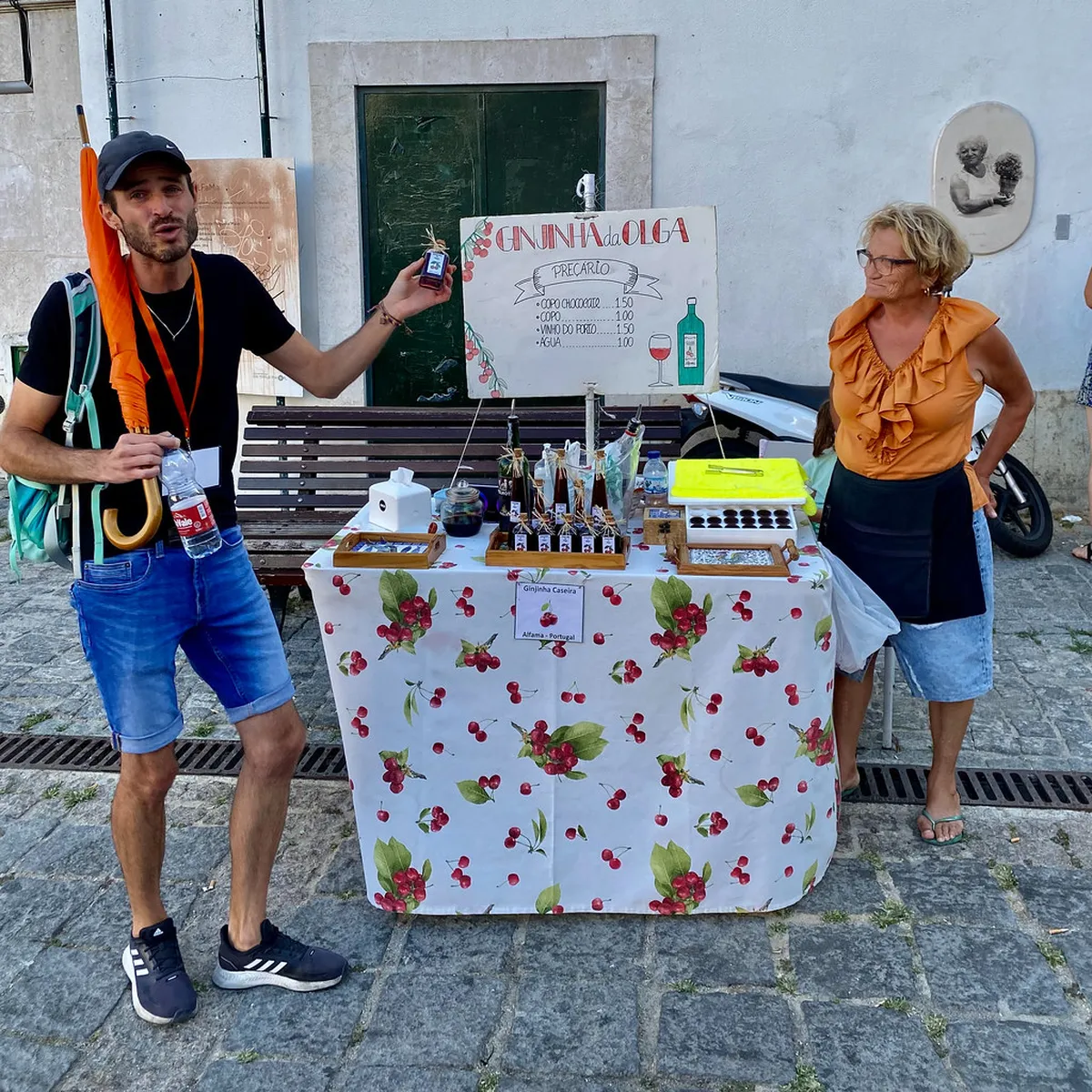
Ginja stalls and shops line Rua Direita, the main pedestrian street running from Porta da Vila to the castle. You will find at least a dozen vendors on this single street alone. Tasting is the norm: most shops pour you a free sample or sell individual shots for €1–€2. If you are comparing, work your way from the gate toward the castle so you can taste several without backtracking.
The best-known commercial brand is Oppidum, produced by the Pimpão family. Their bottles are labelled clearly and sold across Óbidos, as well as online through specialist Portuguese wine exporters. A standard 700 ml bottle costs around €12–€18 depending on the shop. The Oppidum product uses only hand-selected fruit with peduncles removed before maceration — a detail the producer highlights as critical to the final flavour.
Beyond Oppidum, several smaller family producers sell under their own labels or without any brand at all. These unlabelled bottles sold directly from the shop can be excellent or inconsistent — the price is lower (around €8–€12 for 700 ml) but you have no way to verify the batch without tasting first. Always taste before you buy a full bottle.
A handful of traditional pastry shops (pastelarias) on the quieter backstreets also serve ginja alongside travesseiros and queijadas. These spots see far fewer tourists than the Rua Direita vendors, and the atmosphere is more relaxed. They are worth finding if you want to sit down rather than stand at a counter.
The Chocolate Cup: What to Look For
Not all chocolate cups are equal. The best versions are made from dark chocolate (70% cocoa or above), have walls thick enough to hold the liqueur without immediately absorbing it, and snap cleanly when bitten. Thin, milk-chocolate cups dissolve too quickly and blend poorly with the cherry flavour. When you approach a vendor, look at the cups on display: they should be dark brown, uniform in shape, and not sticky to the touch.
The standard serving temperature for Ginja de Óbidos is 15°C to 17°C. On warm days some vendors chill their bottles; in winter the drink is often served at ambient temperature. Neither is wrong, but the slightly cooled version tends to sharpen the cherry aroma. Avoid any vendor pouring a shot from a bottle that has been sitting in direct sunlight — heat degrades the flavour.
You will sometimes find variants: ginja served with a whole cherry at the bottom of the cup, or ginja infused with cinnamon or vanilla. These are regional flavour variations rather than inferior products. Try the plain version first, then experiment if you want.
Buying a Bottle to Take Home
A 700 ml bottle of Oppidum is the most reliable souvenir choice. It travels well, is available at most shops on Rua Direita, and retails at roughly €12–€18 in Óbidos (slightly more expensive at Lisbon airport duty-free if you wait). Buy it on your way out of town rather than at the start of your visit so you are not carrying a glass bottle all day.
Miniature 100 ml bottles are available for around €3–€5 and make practical gifts. Many shops sell gift packs that include a small bottle, a handful of chocolate cups, and a pouch of dried ginjas. These pack flat and survive the journey home without risk. Budget roughly €10–€15 for a gift set.
If you want something beyond the standard Oppidum, ask for ginja sem igual or a single-producer batch. Some vendors stock limited runs from small orchards in the Sobral da Lagoa valley that are not distributed outside Óbidos. These usually cost €15–€25 for 700 ml and are worth the premium if you are interested in the full flavour range.
Check your airline's liquid allowance before you buy. EU flights allow up to 1 litre of spirits in checked luggage without declaration. Non-EU travellers should check customs rules for their destination — most allow one or two standard bottles duty-free.
The Old Town as the Backdrop
Óbidos is small — around 3,000 inhabitants — and the entire walled centre is a pedestrian zone. Cars are banned inside the walls, which makes wandering genuinely pleasant. The main gate, Porta da Vila, opens onto a chapel lined with blue-and-white azulejo tiles; this is the first thing you will see on arrival, and a signal of what the rest of the town offers.
Rua Direita runs the full length of the old town and is where most ginja shops are concentrated. It is also the most crowded stretch, especially between 10:00 and 16:00 when coach tours arrive from Lisbon's ginjinha bar culture. If you want quieter tastings, turn into the side alleys — streets like Rua de São Tiago and the lanes east of the castle wall see far fewer visitors and occasionally have their own small ginja vendors.
The Igreja de Santa Maria, near the central square, is worth a brief stop. It is where King Afonso V married his eight-year-old cousin in the 15th century — a historical footnote that tells you something about Óbidos's importance to the Portuguese crown. Entry is free. See our guide to things to do in Óbidos for a full walkthrough of the town's sights beyond ginja.
Walking the Walls: Bird's-Eye View
The medieval ramparts around Óbidos are walkable and free. The circuit takes roughly 45 minutes at a slow pace. The walls are about five metres high and half a metre wide; one side is protected by a low stone parapet, but the other side drops directly to the street below with no railing. This is not suitable for anyone with a fear of heights or poor balance, and it is worth keeping children close to the inner wall.
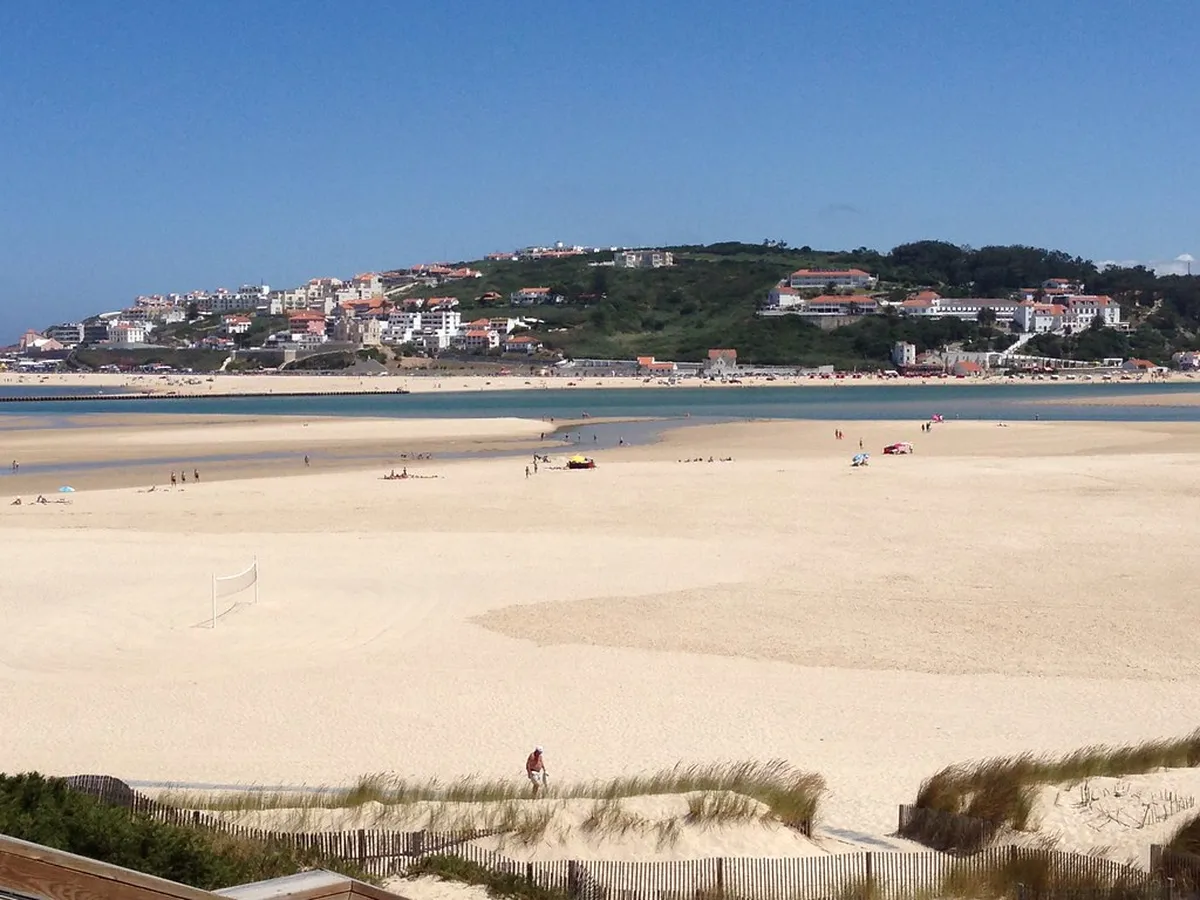
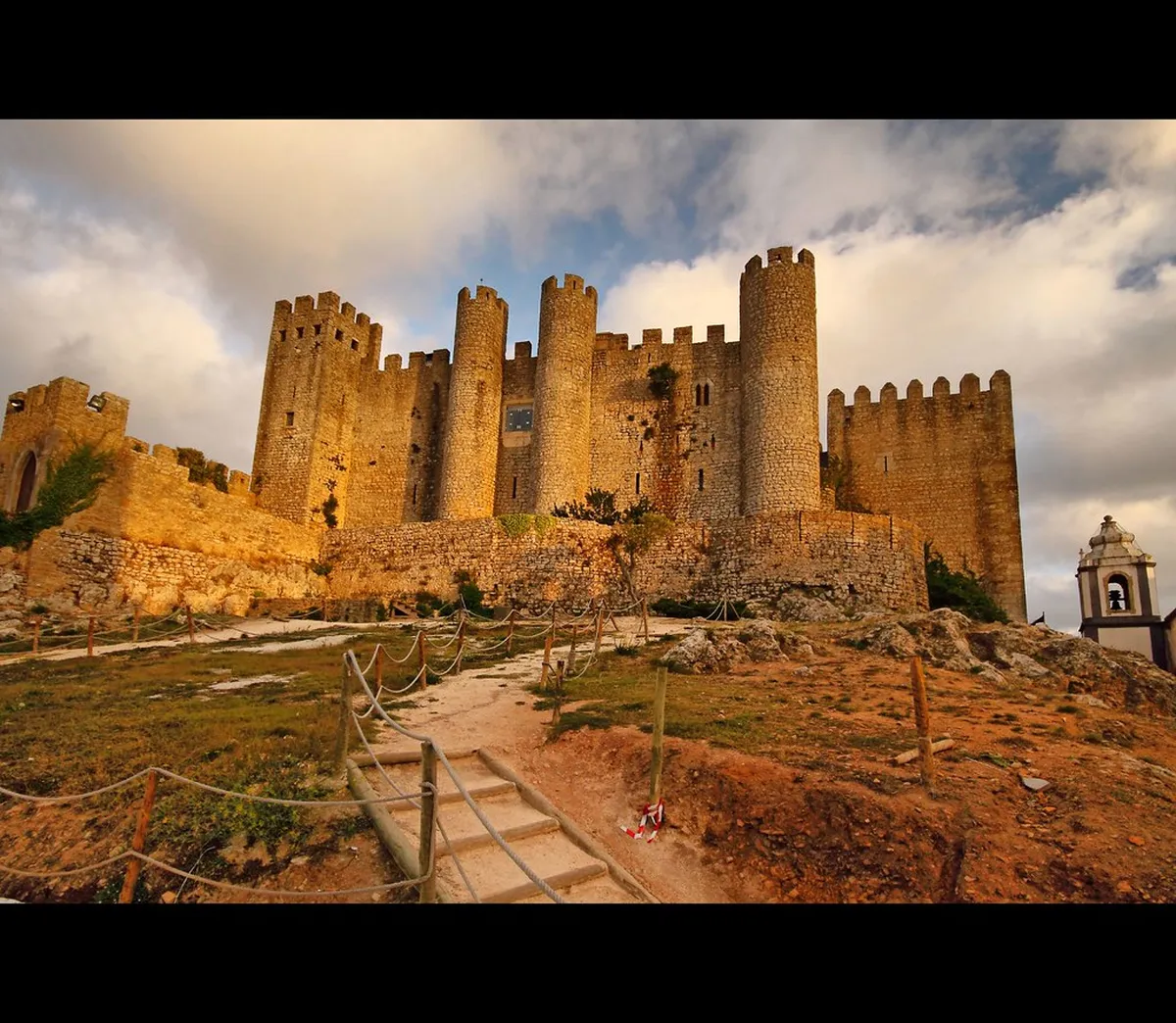
The view from the top is the best way to understand Óbidos's layout: the terracotta rooftops, the white-and-yellow washed houses, and the orchards and farmland stretching toward the lagoon. On a clear day you can see Óbidos Lagoon (Lagoa de Óbidos) to the northwest. The castle towers at the southern end of the walls are the highest point and offer the widest panorama.
Start the wall walk from the gate end (Porta da Vila), not from the castle end, so you finish near the castle and can end your visit with a ginja from one of the vendors on the main square. The walls are at their quietest before 09:00 and after 17:00.
Ginja at the Festival — and the Chocolate Connection
Óbidos hosts the Festival Internacional de Chocolate every year, typically in March or April. Ginja features prominently: you will find chocolatiers incorporating the liqueur into pralines, truffles, and cakes, and tasting stations that pair ginja shots with artisan chocolate. The festival draws large crowds and the town fills up quickly — book accommodation at least six weeks ahead if your dates coincide.
Outside festival season, the chocolate-and-ginja pairing is still central to the town's food identity. Several pastry shops sell ginja-filled chocolates in small boxes — a more shelf-stable souvenir than a bottle, and one that gets through airport security more easily. Prices are typically €5–€8 for a box of eight to twelve pieces.
If your visit falls outside festival season, check the Óbidos festivals and events calendar for other local celebrations. The Medieval Market (usually in August) and the Opera Festival are both well-attended events that change the atmosphere of the town significantly.
Practical Planning for Your Visit
Óbidos is 85 km north of Lisbon, easily reached by bus from Campo Grande station (Rede Expressos, roughly €10 return, journey around 75 minutes). There is no direct train. If you are driving, parking is available outside the walls — the town gate is too narrow for most cars. See our guide on the day trip from Lisbon to Óbidos for transport details and timetable tips.
The legal drinking age in Portugal is 18. Vendors may ask for ID if in doubt, especially in the evening. Portugal's drinking laws apply regardless of the visitor's home country — there is no 21-year threshold here.
Budget for ginja tastings: a shot in a chocolate cup costs €1–€2 at street vendors. Most tourists sample at three or four spots, so allow €5–€8 for tastings alone. A half-day in Óbidos — including entry to no ticketed sites — can be done on a total spend of €25–€35 per person, including lunch. For lodging inside the walls, the Pousada Castelo de Óbidos is the landmark choice; prices start around €200 per night and require advance booking, especially in summer. Read our one-day Óbidos itinerary to structure your full visit.
Arrive before 10:00 or after 16:00 to avoid the peak coach-tour window. The town is at its most atmospheric in the early morning when the vendors are setting up and the streets are nearly empty. Ginja shops typically open by 09:00 and close around 20:00 in summer, earlier in winter.
Frequently Asked Questions
WHAT IS GINJA DE OBIDOS?
Ginja de Óbidos is a traditional Portuguese sour cherry liqueur, intensely flavored and often sweet. It is made from sour cherries (ginjas), alcohol, sugar, and sometimes cinnamon. The drink is a specialty of Óbidos and often served in small chocolate cups, which can be eaten after finishing the liqueur.
Which ginja de obidos options fit first-time visitors?
First-time visitors should try Ginja served in a chocolate cup from one of the many street vendors in Óbidos's old town. This classic presentation offers a taste of both the liqueur and a local tradition. Look for established shops that offer samples before you buy a full shot.
How much time should you plan for ginja de obidos?
Allow at least an hour to leisurely sample Ginja at a few different spots within Óbidos. If you plan to visit a specific distillery or take a more in-depth tour, allocate two to three hours. This allows for enjoyment without rushing.
What should travelers avoid when planning ginja de obidos?
Avoid drinking too much Ginja too quickly, as its sweetness can mask its alcohol content. Also, do not forget to carry identification if you are close to the legal drinking age. Lastly, avoid purchasing from unofficial vendors to ensure quality.
Is ginja de obidos worth including on a short itinerary?
Yes, absolutely. Ginja de Óbidos is a quintessential part of the Óbidos experience and requires minimal time to enjoy. Even on a short itinerary, a quick stop for a Ginja tasting is highly recommended. It offers a unique cultural and culinary highlight.
Ginja de Óbidos is far more than just a drink; it is a delicious embodiment of the town's rich heritage. Its sweet and tart flavor, often served in an edible chocolate cup, offers a unique experience. This tradition captivates visitors from around the globe.
From exploring the ancient town walls to discovering hidden Ginja shops, Óbidos provides a perfect setting. The town invites you to immerse yourself in its history and culture. Every sip tells a story of local craftsmanship.
Remember to savor each moment and drink responsibly. Whether you are a first-time visitor or returning to this charming town, Ginja de Óbidos will leave a lasting impression. Plan your trip to discover this Portuguese delight.
Make sure to bring a bottle home to share the taste of Óbidos with friends and family. This sweet souvenir extends your travel memories. Enjoy the magic of Ginja de Óbidos.

 Óbidos Castle: Complete Visitor's Guide (2026)June 11, 2026