Lagoa de Óbidos: Complete Guide to the Lagoon, Beaches & Water Sports
Plan your visit to Lagoa de Óbidos — Portugal's largest coastal lagoon. Best beaches at Foz do Arelho and Bom Sucesso, kitesurfing seasons, birdwatching, and practical tips for 2026.
On this page
Lagoa de Óbidos: Complete Guide to the Lagoon, Beaches & Water Sports
Lagoa de Óbidos is Portugal's largest coastal lagoon, stretching roughly 7 square kilometres between the municipalities of Óbidos and Caldas da Rainha. A narrow sandbar separates the lagoon from the Atlantic, and the contrast on either side is striking: calm, shallow water perfect for beginners and families on one side, open ocean waves drawing surfers to nearby coastal spots like Nazaré on the other. Few places on the Silver Coast deliver this much variety within a hundred metres.
Obidos Lagoon offers a wide range of activities for all ages. Popular choices include kitesurfing, windsurfing, paddleboarding, and kayaking. Families often enjoy swimming and relaxing on the calm lagoon-side beaches. Birdwatching is also a favored activity due to the rich birdlife in the area.
This guide covers every part of the lagoon — the two main beaches, the best water sports and when to do them, the ecology of the Braço da Barrosa arm, the birdwatching, and how to get here from Lisbon or Óbidos town. Whether you are planning a day trip or a longer coastal stay, the details below will help you make the most of it in 2026.
Lagoa de Óbidos: Geography and Overview
The lagoon covers approximately 6.9 square kilometres and averages two metres in depth, although some channels reach five metres while tidal flats near the margins can be half a metre or less. It extends across two arms: the Braço do Bom Sucesso running west towards the Atlantic, and the Braço da Barrosa reaching east. The maximum length is around 6 km, with a width oscillating between 1 and 1.5 km.
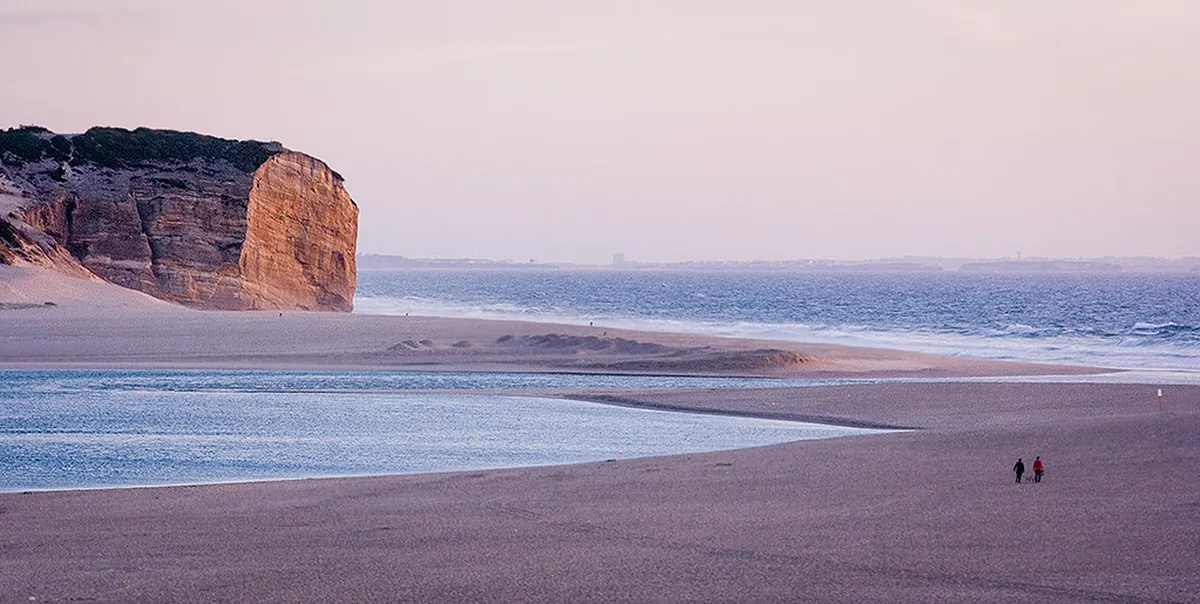
The lagoon connects to the ocean through a tidal opening known locally as the "Aberta," which is artificially maintained to ensure continuous exchange of water and sediment. This exchange keeps the lagoon water notably cleaner than a lake or river, and the salinity makes swimming feel more like the sea than a freshwater reservoir. The Aberta also creates the most important rule for swimmers: stay well clear of the channel near the mouth, where tidal currents run strong and unpredictable. The calm lagoon beaches further back — at Foz do Arelho and Bom Sucesso — are the safe places to swim.
The lagoon sits just 9 km from the walled medieval town of Óbidos, an easy ten-minute drive. From Lisbon the journey takes about one hour by car via the A8 motorway. Despite this proximity to both a major tourist destination and the capital, the lagoon remains genuinely quiet outside July and August, with a distinctly local Portuguese atmosphere for most of the year.
The southern shore has been developed into an exclusive golf corridor — four courses including Praia D'El Rey, Royal Óbidos, West Cliffs, and Bom Sucesso wrap the headland overlooking the Atlantic. None of the courses are visible from the lagoon itself, and they have not changed the ecology of the water. The northern shore, by contrast, stays rural, with pine-covered dunes, small fishing villages, and the main resort settlement of Foz do Arelho.
Foz do Arelho and Bom Sucesso: The Two Lagoon Beaches
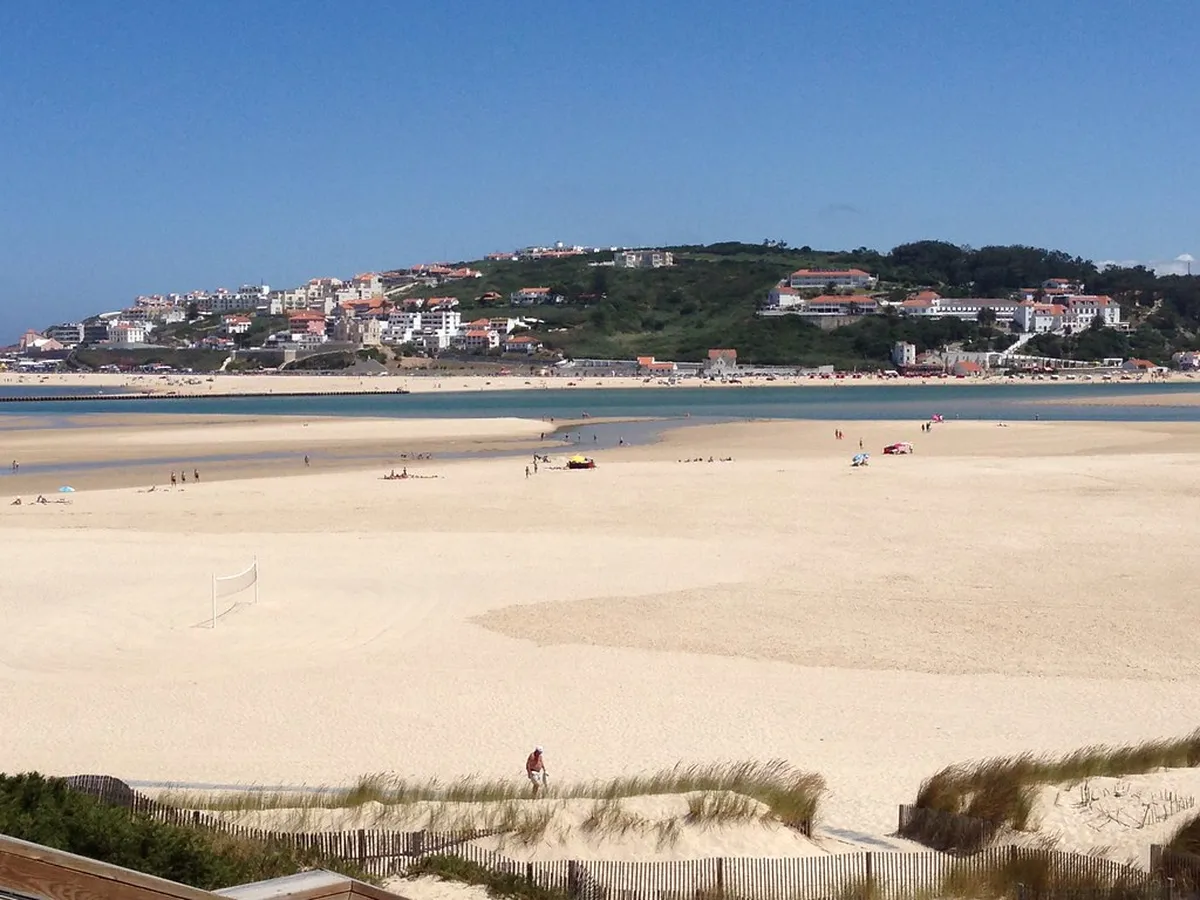
Foz do Arelho sits on the northern headland at the mouth of the lagoon. The beach here is split in two by the sandbar dune. The lagoon-facing side offers calm, shallow water — the ideal spot for families with young children, and the main swimming area for most day-trippers. The ocean-facing side is fully exposed to Atlantic swell, with strong winds and waves that suit surfers and bodyboarders but need more caution from casual swimmers. Both sides share the same car park, which fills quickly on summer weekends; arriving before 10:00 or after 16:00 is much easier for parking.
Bom Sucesso is the smaller village on the southern bank, connected to Foz do Arelho by a footpath and cycle track that runs along the lagoon edge — the best nature walk in the area. The beach at Bom Sucesso faces into the lagoon, so conditions are even calmer than the northern side at Foz do Arelho. This is the main hub for kitesurfing schools, and several operators are based here. The walk between the two villages takes around 45–60 minutes one way and passes through pine woodland, offering some of the best bird-spotting opportunities at the lagoon.
Nadadouro, on the northeastern shore, is the quietest part. It has no facilities, but the lagoon waters here are the most sheltered and the area is used by the Escola de Vela da Lagoa sailing school. The village has a concentration of rental villas popular with Portuguese families who return year after year — it is the most residential and tranquil section of the whole lagoon perimeter.
A good strategy for a day trip from Óbidos town is to spend the morning at Foz do Arelho beach, walk or cycle to Bom Sucesso for lunch, and return to the walled town in the late afternoon. The two main sites together fill a comfortable full day without any rush.
Water Sports on the Lagoon: What to Do and When
The lagoon's combination of calm water, reliable afternoon winds, and no ocean currents makes it one of the best learning environments for water sports on the Portuguese coast. The shallow depth means beginners can touch the bottom almost anywhere near the shores, and the absence of waves removes the biggest intimidation factor.
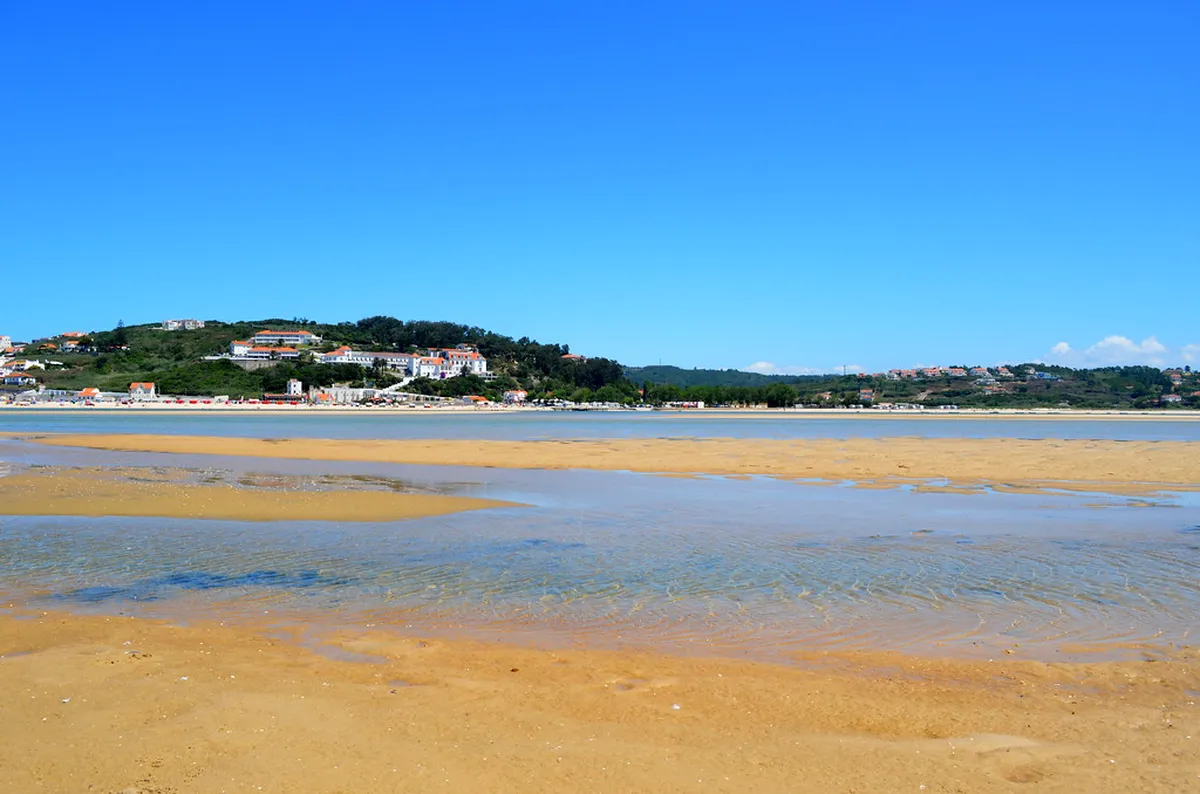
Kitesurfing is the signature activity, and Bom Sucesso is the primary base. The winds at the lagoon are typically onshore and consistent, which is better for learning than the unpredictable gusts along the open coastline. The season runs from May through to late August, when the northern wind called the Nortada blows most reliably in the afternoons. Two established schools operate from Bom Sucesso — The Kitesurf Lodge and Privat Kite — offering lessons for complete beginners through to advanced riders. Semiprivate lessons that combine one or two people keep prices lower than fully private sessions. Outside peak season (September to April), wind days are less consistent and schools may run reduced schedules.
Windsurfing, paddleboarding, and kayaking cover the calmer end of the spectrum. The Escola de Vela da Lagoa near Nadadouro is the main equipment hire point for these activities, stocking windsurf boards, kayaks, and SUPs. Paddleboarding at the quieter eastern end of the Braço da Barrosa arm is particularly good for birdwatching, as the flat water lets you approach the mudflats quietly without disturbing the waders. Sailing dinghies are also available for hire here, and conditions on the lagoon are forgiving for beginners on small boats.
Surfing belongs to the ocean side at Foz do Arelho, not the lagoon. Several surf schools operate from the ocean-facing beach, and lessons are offered year-round since Atlantic swell arrives in all seasons. Bodyboarding is popular with teenagers and younger visitors on the same stretch. Always check the flag system at the ocean beach — yellow and red flags signal patrolled areas, and the rip currents along the open coast can be strong in autumn and winter.
Braço da Barrosa: Birdwatching and Ecology
The eastern arm of the lagoon, the Braço da Barrosa, is the ecological heart of the whole system and the most rewarding area for birdwatchers. The official municipal tourism body of Óbidos lists over 175 bird species recorded here, and the lagoon holds Special Protection Area status under EU habitats legislation. The Braço da Barrosa has the last remaining gallery woodland on the lagoon, wetland vegetation in good condition, and extensive mudflats that are exposed at low tide — all of which create feeding and nesting habitat that no other section of the lagoon replicates.
Flamingos are the headline species and arrive in winter, typically from October through to March. Waders dominate in spring and autumn migration: Kentish plover and sanderling are common, and dunlin pass through in large flocks. Grey herons and little egrets are present year-round. Marsh harriers quarter the reed beds regularly, and osprey are seen throughout the year hunting over the open water. The mudflats near the Barrosa arm hold good numbers of Eurasian wigeon and common shelduck in winter.
Early mornings and late afternoons produce the most bird activity. The footpath from Bom Sucesso heading east along the southern bank provides the best viewing angles over the mudflats without disturbing the birds. Binoculars and a field guide are worth packing; Birdingplaces.eu maintains a species checklist and recent sighting log for the lagoon that is useful for planning a visit around target species.
Beyond birds, the lagoon supports mullet, sea bass, and sole — all caught commercially and served in the restaurants at Foz do Arelho. Otters are occasionally spotted near the quieter northeastern margins. The tidal exchange through the Aberta keeps invertebrate diversity high, and the crab and shellfish populations are a key reason the local seafood is genuinely fresh rather than trucked in.
Best Time to Visit Lagoa de Óbidos
June and September are the practical sweet spots. The weather is reliably warm and sunny, the lagoon water has reached a comfortable temperature for swimming, and the crowds are a fraction of July–August. Kitesurfing conditions in June are already excellent as the Nortada establishes itself, and September sees the winds hold steady while beach day-trippers thin out significantly. For birdwatching, spring (April–May) and autumn (September–October) bring the richest migration activity to the Barrosa arm.
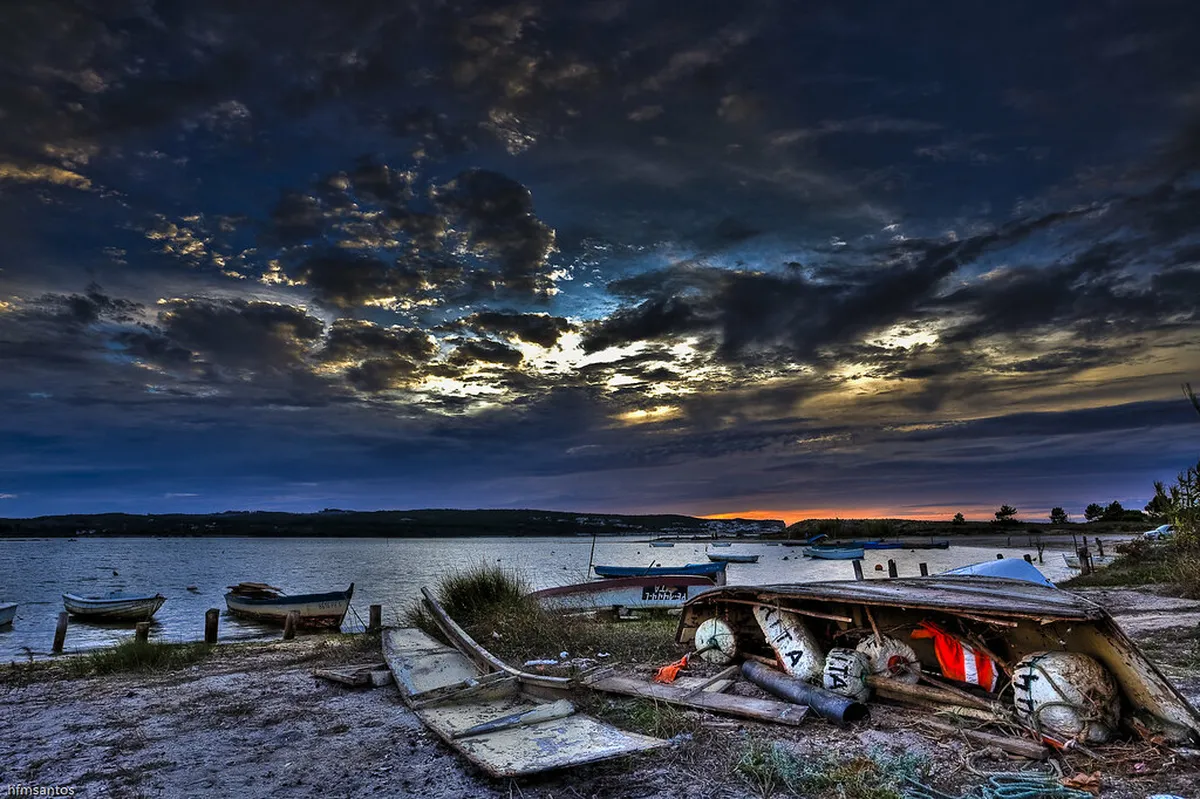
July and August deliver full Portuguese summer: beach temperatures above 30°C, the lagoon warm enough to sit in for hours, and every water sports school running at capacity. Weekends in these months bring very large Portuguese day-tripper crowds to Foz do Arelho beach, especially the lagoon-facing side. Arriving early (before 09:30) or staying for a late afternoon swim after most visitors leave at 18:00 makes the experience far more enjoyable. Accommodation books out weeks in advance and prices reflect peak demand.
Winter visits reward those who come primarily for birdwatching. Flamingos are on the lagoon from October through March, and the Barrosa arm can hold enormous flocks of ducks and waders on calm days. Swimming is possible for hardier visitors — the lagoon water rarely drops below 14–15°C — but most water sports schools close or reduce operations between November and March. The beaches are virtually empty, the seafood restaurants are open and uncrowded, and the light in winter is unusually clear. Read more about when to visit the Óbidos region to plan around local festivals and seasonal patterns.
Getting to the Lagoon and Getting Around
A car is the most practical option. From Lisbon, take the A8 motorway north towards Caldas da Rainha and follow signs for Foz do Arelho — the drive takes about one hour in normal traffic. From Óbidos town the lagoon is 9 km west along the N114 road, roughly a ten-minute drive. There is free parking at Foz do Arelho though it fills fast in summer; a secondary car park further back from the beach usually has space even when the beachfront lot is full.
Bus connections exist but are limited. The Rede Expressos service links Lisbon to Caldas da Rainha, and from there local buses run to Foz do Arelho. Schedules are infrequent and the last return bus to Caldas da Rainha is typically in the early evening — check current timetables before relying on this option. For visitors staying in Óbidos town itself, a taxi to Foz do Arelho costs around €12–15 one way.
Cycling is genuinely viable for getting between Foz do Arelho, Bom Sucesso, and Nadadouro once you are at the lagoon. The path along the southern bank between Bom Sucesso and the Barrosa arm is flat and easy, and the circuit around the full lagoon perimeter is around 20 km. Bikes can be rented at Huttopia Lagoa de Óbidos campsite (electric mountain bikes available) and from several operators in Foz do Arelho village.
Where to Stay and Where to Eat
Foz do Arelho village has the widest selection of accommodation: small hotels, guesthouses, and a growing number of holiday apartments and villas. The Huttopia Lagoa de Óbidos campsite sits a short walk from the lagoon beach and offers everything from canvas tents (Trappeur and Canadienne for groups of five, Bonaventure for couples) to dormitory beds — a practical option for solo travellers or those on a budget. The campsite runs a pool, kayak guided trips, and a café-bar open through summer. Nadadouro has the densest concentration of rental villas if you want a quieter base with self-catering space for a family week.
Staying in Óbidos town itself is a popular choice for visitors who want to combine the lagoon with the medieval walled centre, the chocolate festival in October, or the Christmas market. The drive to the lagoon is ten minutes, which makes day-trip logistics simple. Caldas da Rainha, 15 km away, has the cheapest hotels in the area and a wider range of supermarkets and pharmacies. See the where to stay in Óbidos guide for a full breakdown of neighbourhoods and price tiers.
The seafood in Foz do Arelho is the best practical reason to stay for at least one meal. The restaurants on the main promenade serve grilled fish — sea bass, sole, and mullet caught directly from the lagoon — at prices that reflect a local clientele rather than a tourist strip. The typical lunch formula is a set menu (ementa do dia) for around €10–14 per person including soup, a fish main, and coffee. Most restaurants close in the afternoon, so lunch service between 12:30 and 14:30 and dinner from 19:00 are the windows to work with.
Frequently Asked Questions
What are the best activities to do in Obidos Lagoon?
Obidos Lagoon offers a wide range of activities for all ages. Popular choices include kitesurfing, windsurfing, paddleboarding, and kayaking. Families often enjoy swimming and relaxing on the calm lagoon-side beaches. Birdwatching is also a favored activity due to the rich birdlife in the area.
Is Obidos Lagoon suitable for families?
Yes, Obidos Lagoon is highly suitable for families, especially those with young children. The lagoon's shallow and calm waters provide a safe environment for swimming and playing. Many beaches offer amenities and easy access, making it a stress-free destination for family outings.
Where can I stay near Obidos Lagoon?
Accommodation near Obidos Lagoon ranges from campsites and glamping sites to guesthouses and hotels. The nearby village of Foz do Arelho has several options, and the historic town of Óbidos is a short drive away. Booking in advance is recommended, particularly during peak season.
What kind of birdlife can be seen at Obidos Lagoon?
Obidos Lagoon is a significant birdwatching site, home to various species. You can spot waders like Kentish plovers, several types of ducks, and herons. Marsh harriers and ospreys are also occasionally seen. The diverse habitats support both resident and migratory birds.
What is the best time of year to visit Obidos Lagoon?
The best time to visit Obidos Lagoon is during the spring (April to June) and fall (September to October). These shoulder seasons offer pleasant weather, fewer crowds, and ideal conditions for most activities. Summer is popular but can be very busy and warmer.
Lagoa de Óbidos is one of the most complete coastal destinations on the Silver Coast. The combination of sheltered lagoon water, Atlantic surf, a protected wetland with over 175 bird species, and easy access from Lisbon means there is something substantive here for every type of visitor. Plan to arrive in June or September for the best balance of good weather, manageable crowds, and reliable kitesurfing winds — and leave enough time for the walk between Foz do Arelho and Bom Sucesso along the southern bank, which most day-trippers skip entirely.

 Óbidos Castle: Complete Visitor's Guide (2026)June 11, 2026