8 Key Elements of a Tavira Day Trip From Lagos
Plan the perfect Tavira day trip from Lagos. Includes train vs. car logistics, a 1-day walking itinerary, Michelin-rated dining tips, and beach escapes.
On this page
8 Key Elements of a 1-Day Tavira Day Trip From Lagos
Tavira sits at the far eastern edge of the Algarve, roughly 120 km from Lagos, and the distance is what keeps the crowds away. While the western Algarve delivers dramatic cliff scenery, Tavira delivers something rarer: a Portuguese town that has stayed genuinely Portuguese. White-washed houses, scissor-shaped rooftops, seven bridges over the Gilão River, and a baroque church on almost every corner — the historic centre is one of the most intact in the south. This guide focuses entirely on making the Lagos-to-Tavira day trip work logistically, and on getting the most out of the hours you have there.
Why Tavira is a Must-Visit Day Trip from Lagos
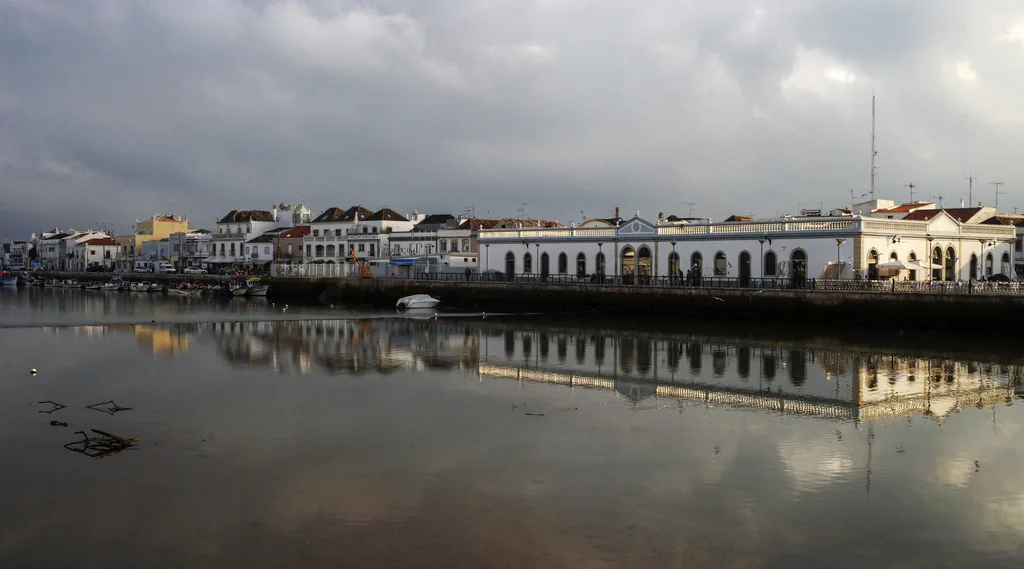
The Gilão River flows gently through the heart of town, dividing the Moorish quarter from the Renaissance side. Seven bridges stitch them together, and the light on the water in the morning is one of those small, memorable things. You will find far fewer crowds here than at the Benagil Cave during peak season, and the pace of the old town almost forces you to slow down. For current visitor information and opening hours, consult the Visit Portugal tourism board.
What makes Tavira worth the long journey from Lagos is that it rewards a structured visit. There is enough to fill a full day — the castle, the walking tour, the Ilha de Tavira ferry, the anchor graveyard — but nothing feels rushed if you plan the transport correctly. The eastern Algarve feels like a different country from the golf resorts of Vilamoura. Among the things to do in Tavira, each activity slots naturally into a day without feeling rushed. That contrast alone makes the trip worth the kilometres.
In 2026, Tavira continues to attract food-focused travelers as well as history enthusiasts. The town has a Michelin-recommended restaurant and a concentration of genuine local restaurants that have not pivoted to tourist menus. If you want good seafood in a town that still smells faintly of fish and tide, Tavira beats anywhere on the western Algarve coast.
Seven stone bridges connect the Moorish quarter to the Renaissance side of town across the Gilão River. Each bridge has its own name and history, and the Ponte Romana (Roman Bridge) is the most photographed. Walking the bridges is one of the most memorable parts of the Tavira experience.
Logistics: Navigating the Journey from West to East Algarve
Driving on the A22 is the fastest option. From Lagos to Tavira the journey takes around 1 hour 15 minutes without traffic. The A22 uses electronic tolls — if your rental car does not have a Via Verde transponder built in, ask the hire company about their daily toll package before you leave, or you will receive a bill in the post. If you prefer a shorter drive, Albufeira is a closer alternative, but Tavira's cultural depth justifies the extra distance. Parking near the Mercado Municipal (GPS 37.123, -7.643) is straightforward and a five-minute walk from the historic centre.
The regional train run by Comboios de Portugal (CP) is the more relaxed option but requires careful planning from Lagos. All westbound trains stop at Faro, where you change to an eastbound service to Tavira. The change at Faro adds around 15–20 minutes. Total journey time from Lagos to Tavira is approximately 1 hour 50 minutes to 2 hours 15 minutes depending on the connection — not three hours, provided you hit a good Faro connection. Check timetables at cp.pt before your trip. Round-trip train tickets from Lagos to Tavira cost approximately €15–22 in 2026.
The first viable Lagos departure for a day trip is typically the 07:35 service, arriving in Tavira around 09:30–09:45. If you miss that train and take the 09:00 departure, you will not reach Tavira before 11:00, which cuts your island beach time significantly in the afternoon. This is the most common first-timer mistake on the train route. Solo travelers and couples often prefer the train for the scenery over the salt pans near Faro. Groups of three or more usually find a rental car cheaper and faster.
Buses operated by Vamus also connect Tavira from most Algarve towns. The bus station in Tavira is centrally located (GPS 37.127, -7.652) and can be more convenient if you are not near a train station. Journey times by bus from Lagos run around 2 hours 30 minutes. Check timetables at vamus.pt.
| Transport Mode | Journey Time | Cost (2026) | Best For |
|---|---|---|---|
| Car (A22 toll) | 1h 15m | €8–12 toll | Groups of 3+, maximising island time |
| Train (Lagos–Faro–Tavira) | 1h 50m–2h 15m | €15–22 round-trip | Couples, solo travelers, scenic route |
| Bus (Vamus) | 2h 30m | €12–18 round-trip | Budget travelers, no car rental |
Morning Itinerary: Roman Bridge and the Moorish Quarter
Start at the Ponte Romana, the seven-arched stone bridge over the Gilão River. Despite the name, the current structure dates mostly from the 17th century — archaeologists have found Roman foundations below, which gave it the name. The best view of the bridge is from Rua Pelames on the eastern bank, a vantage point most visitors miss. Grab a coffee at one of the riverside cafés before the heat builds; this stretch of waterfront is genuinely pleasant before 10:00.
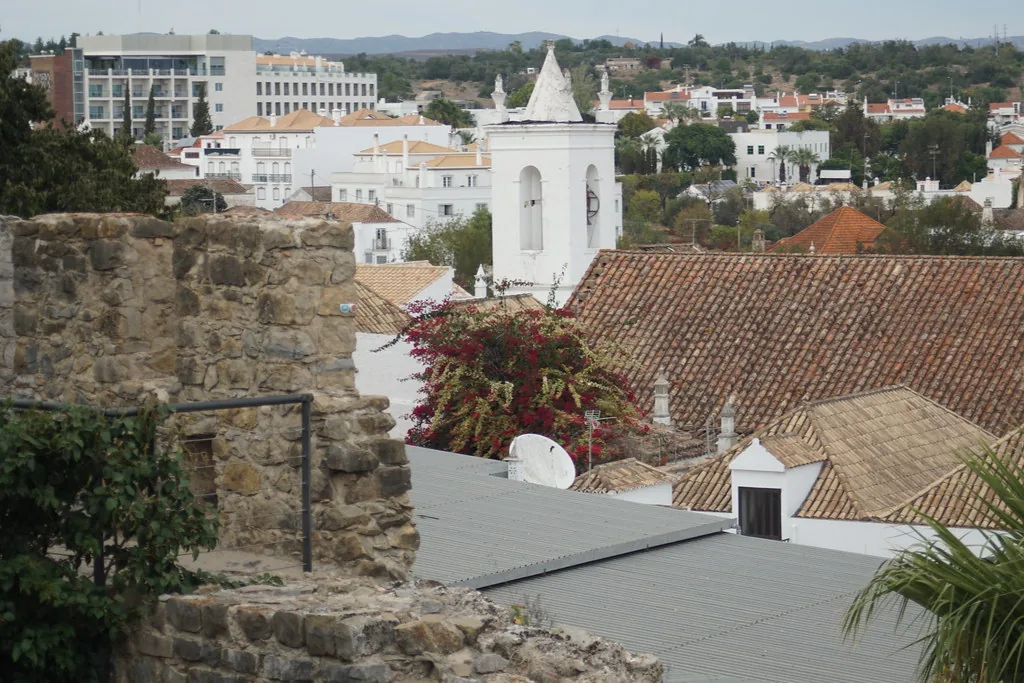
Cross the bridge into the Moorish quarter and climb through the cobblestone streets toward the castle. Look for the distinctive scissor-shaped rooftops (tesoura style) unique to eastern Algarve buildings — the design channels rainwater away from the roof tiles and is rarely seen elsewhere in Portugal. On the way up, duck into the Igreja da Misericórdia (number 4 on the walking route), a 16th-century Renaissance church with an extraordinary azulejo-tiled interior depicting the Works of Mercy. Admission is free.
Walk the route in roughly this order to avoid backtracking: Praça da República (the main square with its palm-lined café terrace) → Porta de D. Manuel gate → Igreja da Misericórdia → Palácio da Galeria museum → Castelo de Tavira → Igreja de Santa Maria do Castelo → Camera Obscura → back down to the Ponte Romana → Mercado da Ribeira. This loop covers around 3–4 km and takes 2.5–3 hours at a relaxed pace.
Tavira Castle and the Santa Maria do Castelo Church
The Castelo de Tavira stands at the highest point of the old town, and the climb is short but steep on cobblestones. Admission to the castle and its botanical garden is free; it is open daily from 10:00 to 17:00 (18:00 in summer). Once inside the ancient Moorish walls, you get a panoramic view across Tavira's rooftops to the Ria Formosa lagoon in the distance. The garden inside the walls is small but shaded — a welcome rest stop on a hot afternoon.
Immediately behind the castle stands the Igreja de Santa Maria do Castelo, a 13th-century church built on the foundations of a former mosque after the Christian reconquest. It holds the tombs of seven knights killed during a Moorish ambush in 1242, which gives the interior a weight that most Algarve churches lack. The Gothic doorway and gilded altarpiece are both worth the few minutes it takes to look properly. The lagoon views from the castle overlook the Ria Formosa natural park.
Adjacent to the church is the Camera Obscura, housed in a converted water tower. A 15-minute guided session uses an ancient optical system to project a live 360-degree moving image of the town from above. Capacity is limited; tickets cost around €5 and slots book up quickly in summer. If you plan to visit, book your slot first thing in the morning — the tower opens at 10:00 — or book online in advance.
Lunch Guide: Michelin-Rated Cuisine and Local Seafood
A Ver Tavira is the headline restaurant. It sits on a rooftop with panoramic views across the terracotta rooftops and is Michelin-recognised for its creative approach to Portuguese ingredients. For reservations and local dining guidance, contact the Câmara Municipal de Tavira (Tavira town hall). Tasting menus start at around €60 per person; à la carte is also available. Book two weeks ahead in July and August; a week ahead is usually enough outside peak season. It is a special-occasion lunch rather than a casual stop.
For a more local meal, the area around the Mercado Municipal has several small tascas serving grilled fish caught that morning. Restaurante D'Gusta at Cais das Quatro Águas is a local favourite for cataplana (seafood stew) and is worth the short walk south of the town centre. Budget for €15–25 per person with wine at these spots. Aquasul near the market is popular with residents, which is always a reliable indicator. Zeca da Bica is the best bet for budget-conscious travelers — daily lunch specials run under €12.
Tavira is not a town where lunch needs to be rushed. The comparison with Lagos is instructive: Lagos has excellent casual seafood, but Tavira has retained a greater concentration of locally-focused restaurants that have not adjusted their menus for tourists. If you are traveling primarily to eat well in the eastern Algarve, Tavira justifies the drive or train journey on that basis alone.
Afternoon Escape: Ilha de Tavira and the Anchor Graveyard
Ilha de Tavira is a barrier island within the Ria Formosa Natural Park, accessed by a short ferry crossing. There are two departure points: the town-centre pier at Cais da Ribeira, and Quatro Águas, about 2 km south of town. The Cais da Ribeira ferry runs from May to October only. Quatro Águas runs year-round. If you are visiting outside summer, Quatro Águas is the only option — something no competitor guide makes explicit, and which causes confusion for October and April visitors. The round-trip ferry ticket costs €2.50 for adults at both points.
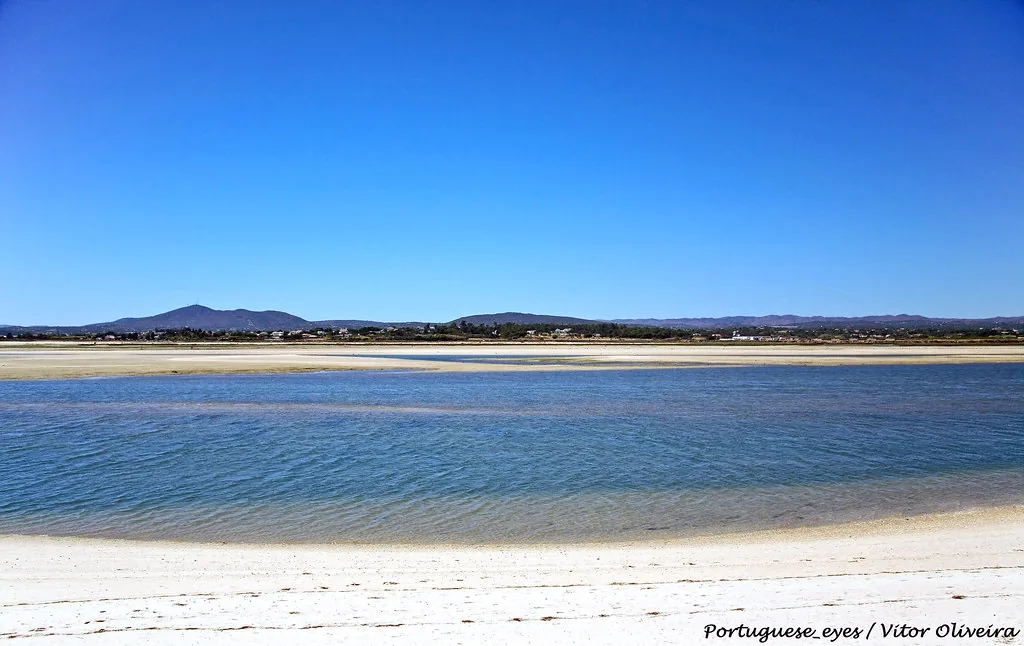
The island has miles of white sand and calm, shallow water — the Ria Formosa lagoon side is particularly good for children and those who prefer gentler waves. Walk west along the beach to reach the Cemitério das Âncoras (Anchor Graveyard) at Praia do Barril, about 1.5 km from the ferry landing. Over 100 rusting anchors stand planted in the sand as a memorial to the tuna fishing industry that once defined this coastline. The anchors were too heavy to recover when the fishing stations closed, so they were left in place. This site is much quieter and more atmospheric than the beaches near Carvoeiro.
Allow 2–3 hours for the island: crossing time, a swim, and the walk to the anchor graveyard and back. Factor in that the last ferry from the island runs around 19:00–20:00 in summer and earlier in shoulder season. If you are driving back to Lagos, leave Tavira no later than 18:30 to avoid arriving in Lagos after dark.
The Cais da Ribeira ferry to Ilha de Tavira runs only May to October. Outside these months, use the year-round Quatro Águas ferry (2 km south of town) instead. Many visitors are caught off-guard by this seasonal closure in spring and autumn.
Comparing Tavira to Other Popular Lagos Day Trips
A Silves day trip takes 35 minutes by train (€2.90 each way) versus nearly two hours to Tavira. Silves is a tighter day out: the red castle, cathedral, and riverside can be covered in 3–4 hours. Tavira needs a full day, and it rewards that time with more variety — river, old town, island, and anchor graveyard combined. If you have a short stay in Lagos, Silves is the more efficient pick. If you have a full free day and want the most striking contrast to the western Algarve, Tavira is the better choice.
A Sagres day trip is 45 minutes by car but requires a vehicle, as bus services to the headland are infrequent. Sagres offers raw Atlantic scenery and the Fortaleza de Sagres. Tavira offers culture, food, and a beach in a single structured day. The two are aimed at different travelers: Sagres for people who want wind and coast, Tavira for people who want history and a good lunch. A Monchique day trip is about 40 minutes by car and suits those who want hills and hot springs rather than coastline.
In rough terms: Silves is the easy half-day; Sagres is for outdoor and scenery seekers with a car; Tavira is the full cultural and culinary day, best with a car but doable by train if you take the early departure. Check the day trips from Lagos Portugal guide for a broader comparison of routes, distances, and transport options across the western Algarve.
Essential Tips for Planning Your Tavira Excursion
Wear proper walking shoes. The climb to the castle is short but steep on uneven cobblestones, and the Moorish quarter streets are narrow and rough underfoot. Bring a hat and sunscreen; in summer the sun reflects sharply off the white walls. Carry water, as the island has beach bars but they are crowded and slow in peak season.
Tuesday through Thursday are the quietest days to visit. Avoid arriving on a Monday if you plan to visit any museums, as some smaller institutions keep reduced Monday hours. The castle and church are open daily throughout the year. Strong south winds occasionally stop the ferry service to Ilha de Tavira — this is most likely in winter and early spring. Check local conditions the morning of your trip if you are visiting outside June–September.
If you are driving and want to see the Anchor Graveyard at Praia do Barril without the island ferry, you can park at Pedras d'El Rei and take the small tourist train across the sandbar (or walk 15 minutes). This is a good backup option on windy days when the Quatro Águas ferry is not running. The beach itself has excellent facilities including beach bars and showers.
Frequently Asked Questions
Is a day trip from Lagos to Tavira too long?
A day trip is feasible but requires an early start. Driving takes 75 minutes, while the train takes three hours. I recommend driving to maximize your time exploring the historic center and island.
Can you take the train from Lagos to Tavira?
Yes, regional trains run between the two towns daily. You must change trains at the Faro station during the journey. Tickets are affordable, usually costing under €25 for a round trip.
What is the best way to see Tavira in one day?
Start with a walking tour of the Roman Bridge and castle. Spend your afternoon on the island beach. Finish with a riverside dinner before heading back to the western Algarve.
Tavira is a gem that rewards those willing to travel across the Algarve. It offers a peaceful alternative to the busy beaches of the west. I hope this itinerary helps you plan a memorable day in this historic town. Safe travels as you explore the beautiful eastern coast of Portugal.