
Chapel Of Bones Évora (capela Dos Ossos) Travel Guide
Plan chapel of bones évora (capela dos ossos) with top picks, neighborhood context, timing tips, and practical booking advice for a smoother trip.
On this page
Chapel Of Bones Évora (capela Dos Ossos)
The Chapel of Bones Évora (Capela dos Ossos) stands as a striking monument to human mortality within the Alentejo region. Visitors often feel a mix of awe and reflection when they enter this unique 16th-century site. This historic landmark serves as one of the most significant 11 Best Things to Do in Évora, Portugal for curious travelers. Franciscan monks built the chapel to solve the problem of overcrowded cemeteries while teaching a spiritual lesson.
Yes, the Chapel of Bones is a must-visit for its historical and cultural significance. It offers a unique look at 16th-century religious philosophy and is a major highlight of the Alentejo. If you enjoy history and unique architecture, this site will be a memorable part of your trip.
Walking through the entrance, you are immediately greeted by a famous inscription that sets a somber yet fascinating tone. The walls and pillars are meticulously lined with thousands of human bones and skulls from local monks. This site is not merely a macabre display but a place designed for deep contemplation on life. Understanding the history of the chapel helps visitors appreciate its role in the religious heritage of Portugal.
History of the Chapel of Bones in Évora
The Capela dos Ossos was built in the 16th century by Franciscan monks attached to the Church of São Francisco. Évora had grown crowded with as many as 43 monastic cemeteries by the late Middle Ages, and the consecrated burial ground around the church was running out of space. Rather than simply relocating the dead, the monks exhumed the remains and gave them a single, permanent home that doubled as a teaching tool.
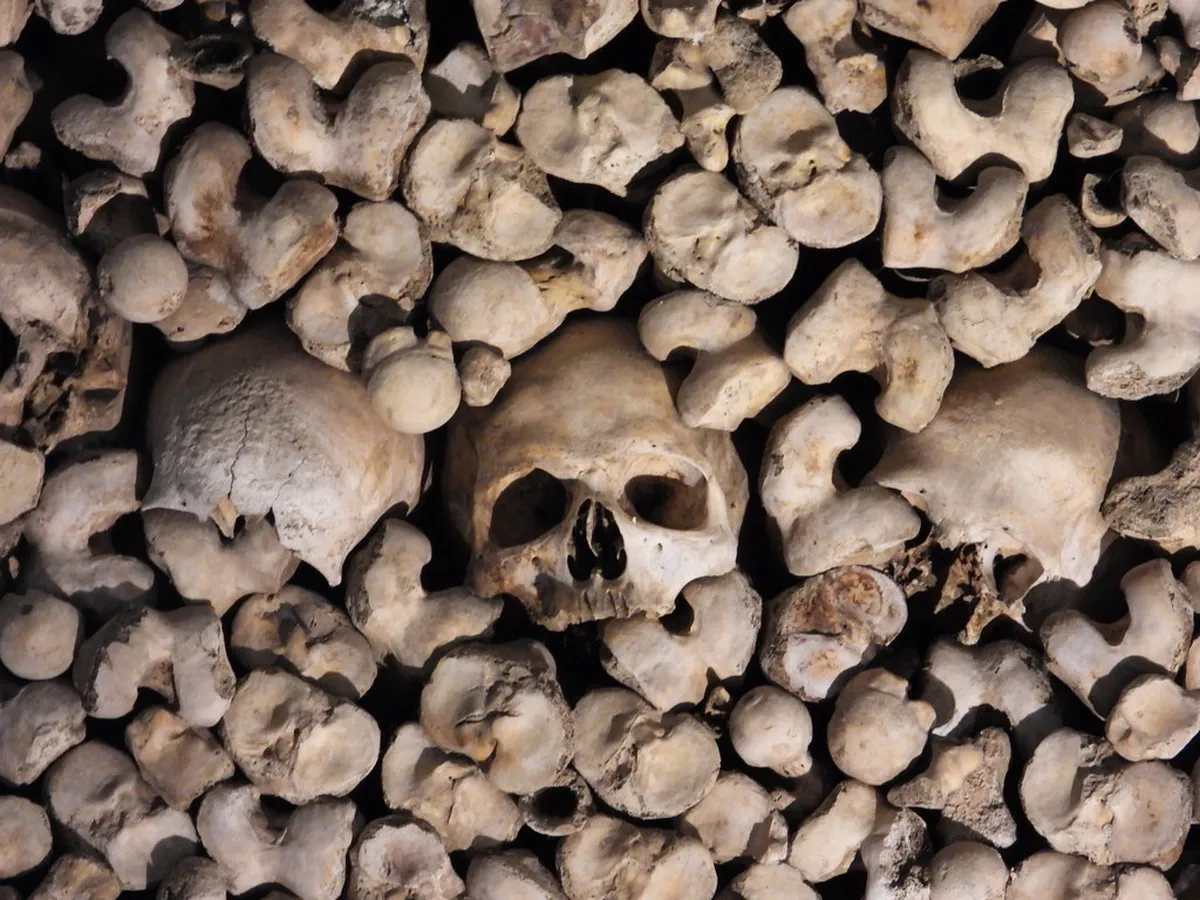
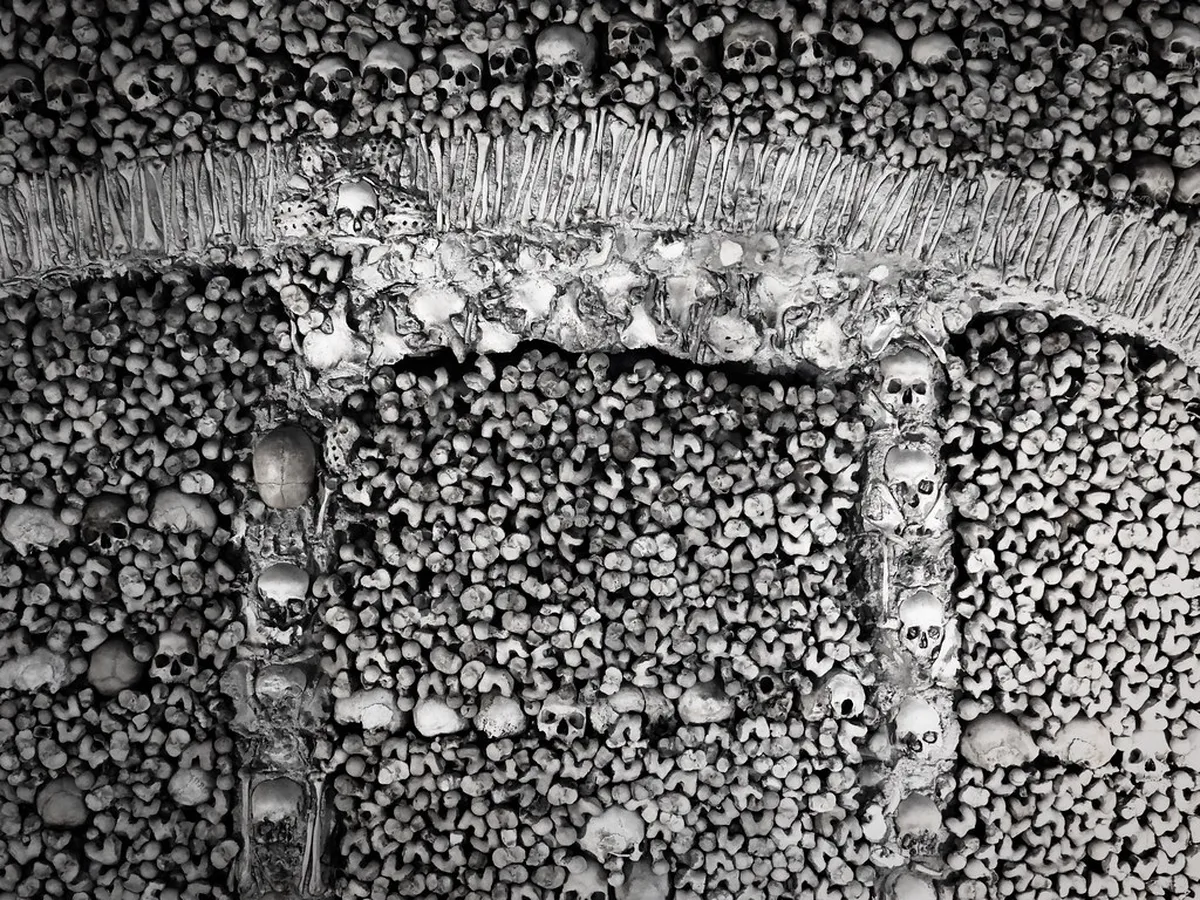
The chapel was designed during the Counter-Reformation, an era when the Catholic Church used vivid imagery to remind believers of mortality and the brevity of earthly life. The bones of roughly 5,000 monks and townspeople were carefully cleaned and arranged across the walls and the eight supporting pillars. Skulls are set directly into the mortar, while femurs and other long bones form the structural courses of the chamber, turning the dead into the literal architecture of the room.
Above the entrance the monks carved the chapel's most quoted line: Nós ossos que aqui estamos pelos vossos esperamos — "We bones that are here await yours." It frames the entire space as a memento mori, a meditation on death meant to focus the living on their spiritual lives. The 18th-century painted ceiling, added later, layers colourful religious frescoes over the pale bones below for a deliberately jarring contrast.
- Built: 16th century, by Franciscan friars of São Francisco
- Purpose: consolidate overflowing monastic cemeteries + serve as a memento mori
- Remains: approximately 5,000 monks and citizens of Évora
- Structure: eight bone-clad pillars, skull-studded walls, painted 18th-century ceiling
Should You Visit the Chapel of Bones?
For most travellers in the Alentejo the answer is yes — the Capela dos Ossos is the single most distinctive sight in Évora and one of only a handful of bone chapels in Europe. It is genuinely unlike anything else, and at around a 45-minute visit it slots easily into a half-day in the historic centre. If you are drawn to history, unusual architecture, or the macabre, it should sit near the top of your list.
It is worth being honest about who might want to skip it. The chamber is small and can feel claustrophobic when a tour group fills it, the lighting is deliberately dim, and the two preserved corpses on display unsettle some visitors. Very young children may find the bones frightening rather than fascinating, so it helps to explain the history first.
- Visit if: you love history, unusual sites, or photography and have at least 45 minutes
- Reconsider if: you are squeamish, claustrophobic, or travelling with easily-frightened small children
- Pair it with: the surrounding Church of São Francisco and the city's other landmarks for a fuller picture of the Alentejo's religious heritage — see the Introduction to Evora for wider context.
Évora Tours & Day Trips
You do not need a guided tour to enter the Capela dos Ossos — entry is straightforward and self-guided — but a tour can add context and solve the logistics of reaching Évora in the first place. The main choice is between a self-guided visit, a local walking tour of the historic centre, and a full day trip from Lisbon that bundles the chapel with other Alentejo highlights.
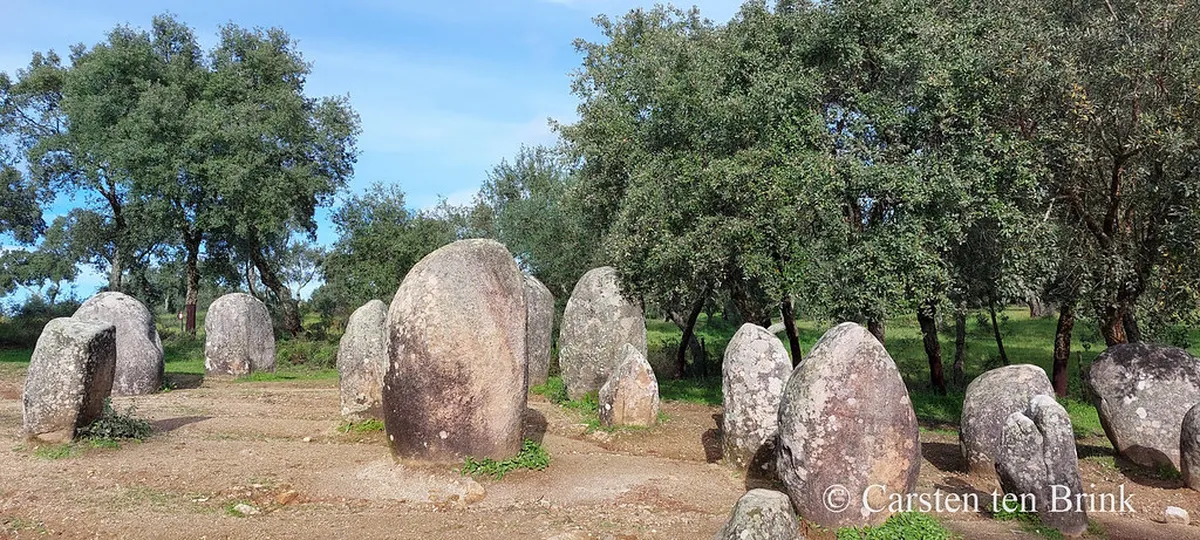
A guided day tour from Lisbon typically runs 8–10 hours and pairs the chapel and Church of São Francisco with stops such as the Roman Temple of Évora (Temple of Diana) Guide and the prehistoric Almendres Cromlech, with transport and a guide included. A local walking tour (1.5–2 hours) is the better value if you have already made your own way to the city and just want the history brought to life. Independent visitors keep the most flexibility and pay only the entry ticket, but take on the planning and travel themselves.
- Self-guided visit — cheapest and most flexible; you pay only admission and explore at your own pace. Best for confident independent travellers.
- Local walking tour (1.5–2 hrs) — adds expert commentary on the chapel, church and old town; best if you are already in Évora and want depth without logistics.
- Full day trip from Lisbon (8–10 hrs) — solves transport and bundles multiple sights; pricier and less flexible, but ideal if you have only one day and no car.
The Inscription: "We Bones That Are Here Await Yours"
The line carved above the doorway is the chapel's signature and the first thing every visitor reads. In Portuguese it runs Nós ossos que aqui estamos pelos vossos esperamos, usually translated as "We bones that are here await yours." Attributed to a Franciscan friar of the community, it sets the tone before you take a single step inside: the room is not a curiosity but a direct address from the dead to the living.
The message is the heart of the chapel's memento mori tradition — a reminder, common in Counter-Reformation Europe, that death comes for everyone and that worldly status counts for nothing in the end. Reading it slowly before you enter changes how the bone-lined walls land; many visitors say it is the inscription, more than the bones themselves, that stays with them.
It is worth pausing here for another reason: this is the single most photographed and quoted detail of the whole site, so take your moment with it before the next tour group arrives. Once inside, you will see the same theme echoed in the painted ceiling and in the arrangement of skulls and femurs that follows the friars' deliberate, contemplative design.
How to Get to Évora & Plan Your Visit
Évora sits about 130 km east of Lisbon in the Alentejo, roughly a 1.5-hour drive. The easiest options without a car are the direct train from Lisbon's Oriente station (around 1.5 hours) or the Rede Expressos coach, both of which leave you a short walk or quick taxi from the walled historic centre. Once you are inside the walls, everything — including the Capela dos Ossos on Praça 1º de Maio — is comfortably reachable on foot from Giraldo Square.
Timing matters more than route. Large tour groups tend to arrive in the late morning, so aim for opening time or the slot just before the lunch closure for a quieter chamber and softer light for photos. The ticket office is at the side entrance of the Church of São Francisco, and queues build during peak summer midday, so buying early in the day saves time.
Give yourself half a day to do the area justice. After the chapel, the surrounding old town rewards a slow wander — whitewashed lanes, artisan shops selling Alentejo cork and pottery, and other landmarks all within walking distance. To see how the chapel fits a fuller schedule, check a suggested Évora Itinerary: One Day & How Long To Stay.
The Chapel of Bones & Museum
The museum attached to the chapel is much more than just a waiting area for the main attraction. It houses a significant collection of liturgical objects that tell the story of the Catholic Church in Portugal. You can see beautifully carved wooden altars and gold-leafed religious figures from the Baroque period. Visiting the Évora Cathedral (Sé de Évora): Visitor Guide can help you compare these styles with other local churches.
One of the most modern additions to the museum is the access to the rooftop terrace. From this vantage point, you can see across the rooftops of Évora toward the surrounding countryside. It provides a unique perspective on the city's layout and its historic defensive walls. The terrace is an excellent spot for taking panoramic photos of the Alentejo landscape.
The museum galleries are climate-controlled, which offers a nice break from the summer heat. Take your time to read the descriptions of the paintings, which often include English translations. Understanding the religious symbolism in the art adds another layer of meaning to the bones in the chapel. Many of these pieces were salvaged from other local convents that were closed in the 19th century.
Where to Stay in Evora in Portugal
Choosing the right place to stay can greatly enhance your visit to the historic center of Évora. There are several high-quality FIND A HOTEL NOW options within walking distance of the chapel. Staying inside the city walls allows you to experience the atmosphere of the town after the day-trippers leave. You will find everything from luxury hotels in former convents to cozy family-run guesthouses.
The Albergaria do Calvario is a highly-rated choice for those seeking a boutique experience. It is located in a quiet part of the city but remains close to all the major attractions. For more variety, check out the Where To Stay In Évora guide for specific neighborhood advice. Booking in advance is recommended during the spring and fall when tourism is at its peak.
Budget travelers can find several hostels that offer both dorms and private rooms at low prices. Many of these hostels are located in renovated historic buildings with plenty of local character. Staying in a central location saves you money on transportation since the city is very walkable. Look for accommodations that offer rooftop terraces to enjoy the evening breeze.
Igreja de Sao Francisco – The Church of San Francisco
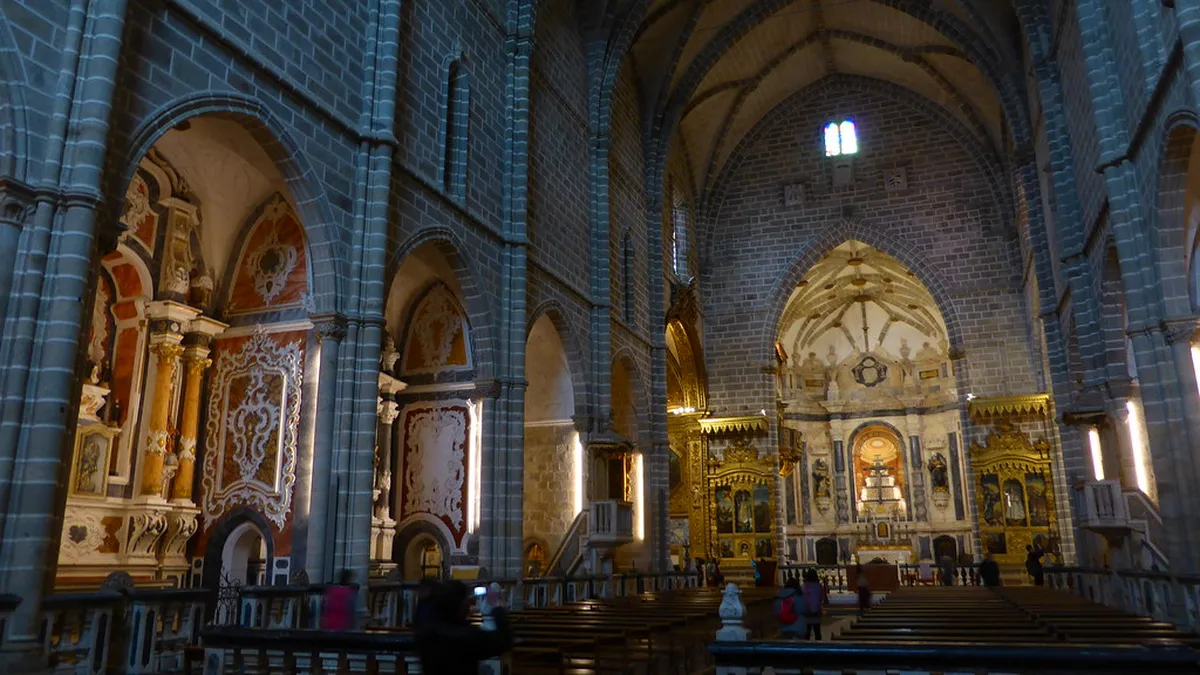
The Church of San Francisco is the grand structure that houses the famous bone chapel within its walls. Built between 1480 and 1510, it features a unique blend of Gothic and Manueline architectural styles. The exterior of the church is massive and imposing, reflecting the power of the Franciscan order at the time. Step inside to see the high vaulted ceilings and the intricate carvings on the main altar.
One of the most interesting parts of the church is the Royal Gallery used by Portuguese kings. Évora was a favorite residence for the monarchy, and they frequently attended services here. The church interior is decorated with beautiful tiles and altarpieces that survived the 1755 earthquake. It provides a sense of the scale and grandeur of religious life in medieval Portugal.
While most people come for the bones, the main chapel of the church is equally impressive. It contains several smaller side chapels that are richly decorated with gold and marble. The silence and scale of the main nave offer a different kind of spiritual experience than the bone chapel. Be sure to respect the worshippers if a mass is being held during your visit.
Tourist information for the Capela dos Ossos
The chapel is located on Praça 1º de Maio and is easily reachable on foot from Giraldo Square. In 2026, the chapel is expected to maintain its standard operating hours from 9:00 AM to 6:30 PM. Note that the site usually closes for a short lunch break between 12:45 PM and 2:30 PM. Checking the official schedule before you arrive is always a good idea to avoid disappointment.
Accessibility has improved in recent years with the installation of an elevator for the museum levels. However, the historic streets leading to the church are made of cobblestones and can be uneven. Comfortable walking shoes are essential for exploring the area around the chapel and the church. You can also find several options on Airbnb located very close to the church entrance.
Photography is permitted inside the chapel, but the use of flash is strictly prohibited to protect the remains. Be mindful of other visitors and try to keep noise levels to a minimum while inside. The chapel can get quite warm in the summer, so visiting in the early morning is advised. Most visitors spend about 45 minutes to an hour exploring the chapel and the museum galleries.
Inside the Bone Chapel
Entering the bone chapel is a sensory experience that stays with you long after you leave. The air feels cooler than the outside, and the dim lighting creates a somber, reflective atmosphere. You will notice that the walls are not just covered in bones but are built with them. The sheer number of remains, estimated at over 5,000 monks, is difficult to comprehend at first.
Two desiccated corpses, one of an adult and one of a child, used to hang from the walls. They are now kept in glass cases to ensure their preservation for future generations of visitors. These figures serve as the most direct and startling reminders of the chapel's core message. Many travelers find this part of the visit to be the most emotionally challenging.
The Franciscan monks who built the chapel intended it to be a place of prayer and meditation. By surrounding themselves with death, they sought to focus more clearly on their spiritual lives. This philosophy was common during the Counter-Reformation period in Europe. It is a fascinating destination for anyone taking an How to Get from Lisbon to Evora: The Best Travel Options to see something truly unique.
Frequently Asked Questions
Should You Visit the Chapel of Bones in Evora?
Yes, the Chapel of Bones is a must-visit for its historical and cultural significance. It offers a unique look at 16th-century religious philosophy and is a major highlight of the Alentejo. If you enjoy history and unique architecture, this site will be a memorable part of your trip.
How much time should you plan for Chapel of Bones Évora (Capela dos Ossos)?
Most visitors spend between 45 and 60 minutes exploring the chapel and museum. This allows enough time to see the bone-lined chamber, the sacred art gallery, and the rooftop terrace. If you are a photography enthusiast, you might want to add an extra 20 minutes for the views.
What is the best time to visit the Bone Chapel?
The best time to visit is right at opening time or shortly before the lunch break to avoid crowds. Weekdays are generally quieter than weekends when more domestic tourists visit. Check the Best Time to Visit Évora for more seasonal weather advice and travel tips.
The Chapel of Bones Évora (Capela dos Ossos) remains one of the most thought-provoking sites in all of Portugal. It challenges visitors to think about life and death while showcasing incredible artistic dedication. A visit here provides a deep connection to the history of the Alentejo and its religious traditions. Whether you are a history buff or a curious traveler, this chapel is an unforgettable stop on any itinerary.
 Best Time to Visit Évora Travel GuideJune 8, 2026