
How to Visit Citânia de Briteiros from Guimarães: 6 Essential Tips
Discover how to reach Citânia de Briteiros from Guimarães. Includes transport options, taxi-sharing tips, must-see ruins, and museum info for a perfect day trip.
On this page
How to Visit Citânia de Briteiros from Guimarães: 6 Essential Tips
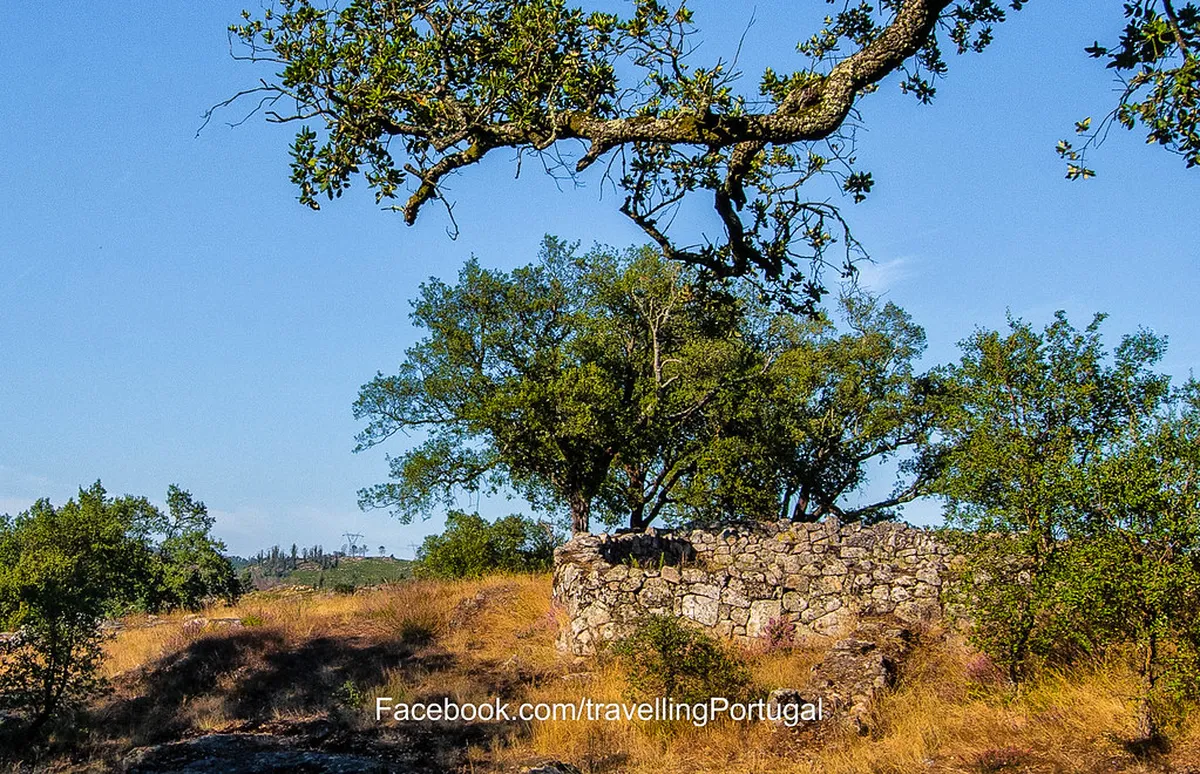
Guimarães earns its UNESCO World Heritage status on medieval charm alone, but the most striking historical experience within reach sits 15 kilometres north of the city centre. Citânia de Briteiros is a sprawling Iron Age hillfort that once housed more than 1,000 people — and it rewards the extra planning it takes to get there. This guide covers everything you need for a smooth day trip from Guimarães in 2026.
The site demands a little more logistical thought than a standard museum visit, mainly because public transport options are thin. Get the transport question sorted first and the rest of the day takes care of itself.
The Historical Significance of Citânia de Briteiros
Citânia de Briteiros is one of the most excavated and best-documented archaeological sites in the northwestern Iberian Peninsula. It represents the Castro culture — a network of fortified hilltop communities that dominated what the Romans called Gallaecia from roughly the 1st millennium BC onward. The site covers about 50 acres on a high outcrop with sweeping views of the Ave River Valley, and it remained occupied from around 200 BC until the Roman annexation of the region in 19 BC and beyond.
The Castro people were Celtic-influenced and highly organised. Approximately half of the pre-Latin place names in Gallaecia carry Celtic roots, a linguistic fingerprint that still shapes the toponyms of northern Portugal and Galicia today. The term "citânia" itself refers specifically to a large, proto-urban castro — a distinction that marks Briteiros as something considerably more sophisticated than a simple fortified village.
Francisco Martins Sarmento began systematic excavations here in 1875, making this one of the earliest major archaeological projects in Portugal. His work brought international attention to the Castro culture and set the template for how Iberian pre-Roman sites are studied. The Martins Sarmento Society, a foundation devoted to his legacy, continues to operate the site and its museum today. For a deeper background, see the Citânia de Briteiros Wikipedia entry.
Transport Options: Getting from Guimarães to the Site
The site sits on the N309 road near the village of Briteiros, about 15 km from Guimarães city centre. There is no direct tourist shuttle and the bus schedule is infrequent, so most independent visitors choose between a shared taxi, a private rental car, or the local bus combined with a walk.
A taxi is the most practical option for those without a car. A round trip from Guimarães — including waiting time while you explore — typically runs €30–€40 when negotiated upfront. The key tactic: arrive at Guimarães train station and ask other travellers if they want to split the fare. Because Citânia de Briteiros draws a self-selecting audience of history-focused visitors, you can almost always find one or two people willing to share at the station, bringing your individual cost down to €10–€15. Negotiate the full round-trip price with the driver before you set off, not on arrival. For first-hand confirmation of this approach, see the account at Simple Travel Our Way.
The local bus from Guimarães runs towards Briteiros roughly once a day on weekdays — always verify the current timetable at the Guimarães bus station before relying on it. From the village of Briteiros, the site is a signposted walk of about 1.5 km uphill. Driving your own or a rental car is the most flexible option: parking is available at the site entrance, and the drive from central Guimarães takes under 20 minutes on the N101 and N309.
Citânia de Briteiros sits approximately 15–20 km north of Guimarães city centre. Combined admission to the ruins and the Museum of Castro Culture costs around €3–€4 per adult in 2026, making it one of Portugal's most affordable archaeological experiences. Round-trip shared taxi fares typically range from €10–€15 per person when split with fellow visitors.
Key Archaeological Highlights: The Council House and Ramparts
The site contains the ruins of at least 150 stone buildings connected by cleared pathways, giving you a genuine sense of an ancient street plan rather than isolated rubble. The Council House — Casa do Conselho — is the standout single structure: a circular building nearly 12 metres in diameter, positioned prominently near the hilltop. Researchers believe it served as an assembly hall for community leadership, and its scale relative to surrounding dwellings makes its civic function immediately legible.
The defensive system is more layered than it first appears. The hillfort has four concentric ramparts of massive dry-stone construction. The innermost encloses most of the residential ruins; the outer three extend further down the slope. Some experts argue those outer ramparts served as much for prestige and visual power as for active military defence. Read the detailed site description at Archaeology Magazine.
The terrain at Citânia de Briteiros is steep, uneven, and involves walking over ancient stone pathways and rampart walls. Sturdy walking boots or good hiking trainers are essential—sandals and casual shoes will cause problems on the exposed, rocky slopes. The hilltop can get very hot and exposed in summer, so bring water, sun protection, and a snack. Allow at least 90 minutes for the ruins alone, and budget extra time if mobility is limited.
Reconstructed vs. Original: What First-Timers Get Wrong
One detail that catches visitors off guard: two of the circular buildings on site were reconstructed in the late 19th century by Sarmento himself. Roofed with stone corbelling in the style believed original, they look strikingly complete compared to the open foundations around them. Many visitors photograph them assuming they are pristine ancient survivals — they are Victorian-era interpretations built on original footprints, and the reconstructed houses are clearly marked on the site map at the entrance.
The distinction has a practical consequence. The reconstructed dwellings sit toward the upper part of the site and tend to absorb most of a first-timer's time and attention. Some of the most significant structural remains — including the water-channel system that fed the bathhouse — are along the lower paths and get missed. Allow at least 90 minutes for the ruins alone, and save the museum for after so it can answer the questions the site raises.
The Ancient Bathhouse and Castro Engineering
The bath complex at Citânia de Briteiros predates the Roman annexation of 19 BC, making it one of the earliest examples of organised communal bathing in the region. It was discovered during excavations in the 1930s and features a decorated stone slab along with the remnants of a water-pumping system fed from a nearby spring. Stone gutters running along the main pathways channelled rainwater and spring water down the hillside to supply the complex.

The heating arrangement has parallels with later Roman hypocaust systems, though whether this reflects direct Roman influence or independent development remains debated among researchers. What is clear is that the bathhouse served a significant social function — the scale of the infrastructure required to run it suggests it was a central institution, not a peripheral amenity.
The monumental carved stone slab from the bathhouse is one of the most important single artefacts associated with the site. It is no longer in situ; it was moved to the Museum of Castro Culture in the village of Briteiros for preservation, which is one strong reason not to skip the museum portion of your visit.
The Museum of Castro Culture (Museu da Cultura Castreja)
The Museu da Cultura Castreja sits in the village of Briteiros, a short distance from the archaeological site. Your entry ticket covers admission to both the ruins and the museum — they operate on a single combined ticket, so there is no need to pay separately. In 2026, admission is approximately €3 per adult, with reduced rates for students and seniors.
The museum houses pottery, tools, jewellery, and structural fragments recovered during more than a century of excavation. The decorated stone slab from the bathhouse is the centrepiece. Informative panels trace the chronology of the site from its pre-Iron Age origins through the Roman period and into its rediscovery by Sarmento. Models show how the settlement would have looked at its peak occupation.
A practical note: the museum is the better starting point if you want context before walking the site, but many visitors find it more rewarding to go to the ruins first and use the museum to answer the questions the site raises. Either order works. Plan roughly 45 minutes for the museum if you engage with the exhibits rather than passing through quickly.
Practical Visitor Information: Tickets and Timing
The site is open year-round. In 2026, summer hours typically run 09:00–18:00 and winter hours 09:00–17:00; check the Martins Sarmento Society's site before visiting as closures on public holidays occur. The combined ruins-and-museum ticket costs around €3 for adults, with reduced rates for students and seniors.
Allow a minimum of three hours for the full visit. The terrain is steep and the pathways are uneven stone — sturdy trainers or walking boots are essential, sandals are not. The site has no café, so bring water and a snack, especially in summer when the exposed hilltop gets hot.
Spring (March–May) and autumn (September–October) offer the best conditions: milder temperatures and lower visitor numbers. If you are combining the day with Guimarães itself, leave the city by 10:00, spend the morning on site, have lunch in Briteiros village, and use the early afternoon for the museum before returning. A Guimarães travel tips overview can help you plan the full day.
Frequently Asked Questions
How do I get to Citânia de Briteiros from Guimarães without a car?
You can take a local bus from Guimarães to the village of Briteiros, followed by a short walk to the site. Taxis are also available from Guimarães train station, and you might find other travelers to share the fare. This method offers a convenient and direct option.
Is Citânia de Briteiros worth visiting?
Yes, Citânia de Briteiros is highly recommended for history enthusiasts and anyone interested in pre-Roman Portugal. It offers a unique glimpse into the Iron Age Castro culture and boasts impressive archaeological remains. The site provides a captivating and educational experience.
How much does a taxi cost from Guimarães to Citânia de Briteiros?
A round-trip taxi from Guimarães to Citânia de Briteiros typically costs between 30 and 40 Euros. Sharing a taxi with other visitors from the train station can significantly reduce the individual cost. This makes it a more accessible option.
How much time do you need at Citânia de Briteiros?
Plan for at least three hours to fully explore Citânia de Briteiros and the Museum of Castro Culture. This duration allows for comfortable walking through the extensive ruins and sufficient time in the museum. The terrain can be challenging, so allow for a relaxed pace.
What is the Museum of Castro Culture?
The Museum of Castro Culture (Museu da Cultura Castreja) is located near Citânia de Briteiros. It houses artifacts and exhibits related to the Castro culture and the archaeological site. Your entry ticket to the ruins includes admission to this informative museum. It provides valuable context for your visit.
Citânia de Briteiros rewards the extra logistical effort it requires. The combination of impressive scale, layered history, and the practical detail of a combined ticket that stretches across both the hillfort and its museum makes this one of the most complete archaeological day trips in northern Portugal. Get the transport sorted, wear the right shoes, and give yourself at least three hours on site.
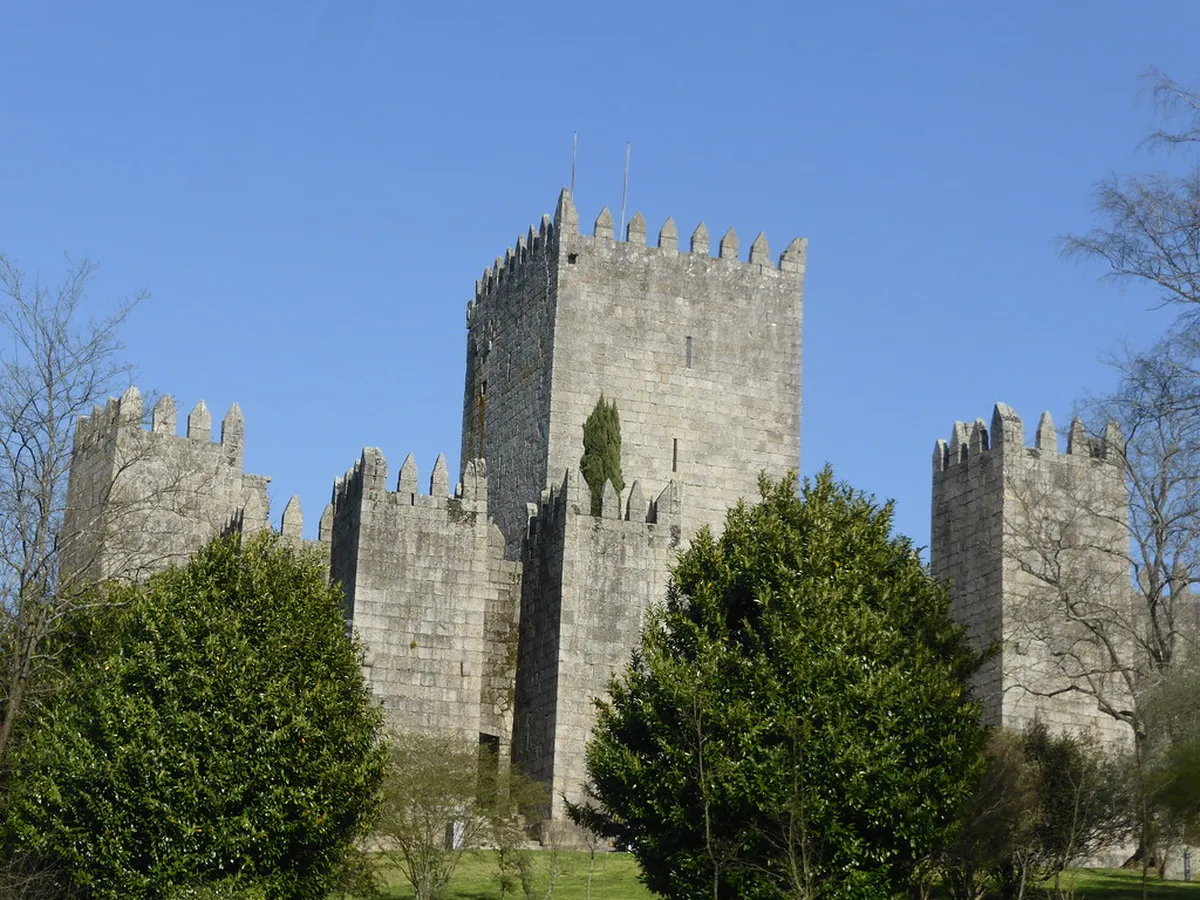
From the four-rampart defensive circuit to the pre-Roman bathhouse, every section of this hillfort adds a new layer to the story. Combine it with a morning at Guimarães Castle and you have a day that spans nearly a thousand years of history without leaving the greater Guimarães area. See the full day-trips guide for other excursions worth pairing with your visit.
 Óbidos Castle: Complete Visitor's Guide (2026)June 11, 2026
 10 Best Tips for Timing Your Visit to GuimarãesJune 8, 2026
 9 Essential Tips for Visiting Guimarães CastleJune 8, 2026