Day Trips From Guimaraes: 3-Day Minho Itinerary
Plan your day trips from guimaraes with this 3-day guide. Discover Braga, Gerês, and Viana do Castelo with expert tips, costs, and transit advice.
On this page
3-Day Itinerary: Best Day Trips From Guimaraes
Guimarães is the birthplace of Portugal — a medieval city where the country's first king, Afonso Henriques, was born in 1109. It earns a full day of exploration on its own, and it also sits within easy reach of Braga, Penha hill, and some of the most dramatic scenery in northern Portugal. This guide covers the best day trips from Guimarães across three full days, from the UNESCO-listed historic centre to baroque sanctuaries and pre-Roman hillforts that most visitors never find. If you are still deciding whether the region is worth your time, read Is Guimarães Worth Visiting? My Honest Portugal Review first.
The city is well connected by train and bus, which means you do not need a rental car for most excursions. Buses between Guimarães and Braga run roughly every 30 minutes and cost under €3 one way. For Peneda-Gerês and some archaeological sites, a car or organised tour gives you more flexibility. Most of the trips described below can be combined or swapped depending on your interests and the weather.
We designed this itinerary after multiple visits to the Minho region in 2026. The order is deliberate: start with the city itself on Day 1 before venturing into Braga on Day 2 and the wilder landscape on Day 3. Pack comfortable shoes — cobblestone is everywhere, and the castle requires a short uphill walk.
Highlights of a Day Trip to Guimarães
The historic centre of Guimarães is a UNESCO World Heritage Site and compact enough to cover on foot in four to five hours. Start at Largo da Oliveira, the most photographed medieval square in northern Portugal. The Gothic canopy shrine at its centre dates from 1342, and the surrounding cafés open by 08:30 — arrive early for a quiet coffee before the tour groups arrive.
From Largo da Oliveira, follow the lane uphill to the Paço dos Duques de Bragança. This 15th-century palace, built by the first Duke of Braganza with distinctively French-influenced brick chimneys, houses over 60 rooms of tapestries and period weapons. Entry costs €5 in 2026, and the first visit of the day fills fastest — aim for 10:00 to avoid queuing behind school groups.
The Castelo de Guimarães sits just above the palace on a granite outcrop. This 10th-century fortress was built by Countess Mumadona Dias to defend the monastery from Viking and Moorish raids, and it is where Afonso Henriques was born. You can walk the battlements for panoramic views over the city and surrounding hills. Entry is included with the palace ticket if bought as a combined pass (€8). The inscription "Aqui Nasceu Portugal" — Here Portugal Was Born — is carved into the old city wall a short walk from the castle and makes for the clearest summary of why this city matters.
Round out the morning at the Igreja de São Miguel do Castelo, a tiny Romanesque chapel wedged between the palace and the castle. It holds the original baptismal font used at Afonso Henriques's christening in 1110. Most visitors walk straight past it — don't. For broader context on what to see beyond the castle zone, check the 12 Best Things To Do In Guimaraes: A Local's Travel Guide guide.
Guimarães Castle: A Medieval Marvel Steeped in History
Castelo de Guimarães is not the largest castle in Portugal, but it may be the most historically loaded. Construction began under Countess Mumadona Dias around 950 AD to protect the monastery and its community from Norse and Moorish raids. The walls were later reinforced and expanded through the 12th and 13th centuries as Portugal consolidated itself as a kingdom. The central keep, added in the 1200s, gives the best elevated views and is accessible via a steep internal staircase.
The castle was almost demolished in the 1800s for road-building stone. A heritage campaign saved it, and it was declared a National Monument in 1881. Today the main tower contains a compact timeline exhibition tracing the castle's construction phases and its role in Portugal's founding wars. Allow 45 minutes for a thorough visit, or 25 minutes if you only plan to walk the walls and take photos.
Opening hours in 2026 are 10:00–18:00 daily (closed on public holidays). The stand-alone castle ticket is €2; the combined castle and palace ticket is €8 and saves time at the entrance. Early morning light hits the granite towers from the east, making 10:00–11:00 the best window for photographs from the courtyard below.
Buy combined castle and palace tickets (€8) when you arrive at the entrance to skip queuing a second time. School groups typically arrive after 11:00, making morning visits significantly less crowded.
Day Trip to Braga: Bom Jesus and the Cathedral
Braga is 25 km west of Guimarães and deserves a full day on its own. The bus journey from Guimarães bus terminal takes about 35 minutes and costs €2.50 one way in 2026. Buses run roughly every 30 minutes from 06:30 to 21:00, so there is no need to rush your departure. The first stop for most visitors is Bom Jesus do Monte, reached by a further 5 km taxi or Uber ride from Braga city centre (around €6–8).
Bom Jesus do Monte is one of the most visited religious sites in Portugal and a UNESCO World Heritage Site since 2019. The 577-step Baroque staircase is its defining feature: each flight is decorated with fountains representing the five senses, allegorical statues of the Stations of the Cross, and symbolic pools that, when viewed from the bottom, align into the shape of a chalice. Pilgrims climb on their knees. Most tourists walk down from the top — a satisfying compromise that lets you study the stonework at close range. The water-powered funicular (€2 one way, dating from the 1880s) is worth a trip for the engineering alone; it is one of the oldest funicular railways in the world still running on hydraulic power.
After Bom Jesus, the Santuário de Nossa Senhora do Sameiro is a 10-minute drive away and the second largest Marian sanctuary in Portugal after Fátima. It sits at the highest point in Braga and offers sweeping views across the city. Mass is held daily; non-religious visitors can walk the terraced gardens and the outer colonnade without any charge.
Braga Cathedral (Sé de Braga) anchors the city centre and is the oldest functioning cathedral in Portugal, with construction beginning in 1070. The interior blends Romanesque stonework, Manueline tracery, and Baroque gilded organs. The tomb of Henry of Burgundy and his wife Teresa de León — the parents of Portugal's first king — is here. Entry to the main nave is free; the treasury and cloister cost €4. Plan lunch in the Praça da República nearby, where the outdoor restaurants serve bacalhau and rojões at €12–18 per main.
Exploring the Minho Region by Bus and Train
Guimarães has two main departure points for day trips. The train station sits 700 metres south of the historic centre and connects to Porto's São Bento station in 75–85 minutes (€3.60 one way, €7.20 return in 2026). Trains run roughly hourly on weekdays and with wider gaps on Sundays — always check the Comboios de Portugal timetable at cp.pt before planning your return. The bus terminal is a 10-minute walk from the old town and handles most routes within the Minho, including Braga and Vieira do Minho.
For Peneda-Gerês National Park on Day 3, a car makes a significant difference. Public buses from Guimarães reach Gerês village, but the schedule is limited to two or three departures daily and the return timing can cut your day short. Renting a car from Guimarães for one day costs around €35–50 including insurance. Alternatively, book a small-group tour from Braga or Porto which picks up passengers in Guimarães — several operators offer this with pickup stops at the castle area.
For Braga, buses are actually more convenient than the train because the bus drops you closer to the city centre. The Transdev bus (line 73) runs direct between Guimarães and Braga in 35 minutes. The Guimarães–Porto train is the better option for Porto day trips: the station-to-station journey is smooth and the São Bento arrival puts you within walking distance of the Ribeira district. Use the How To Get To Guimaraes Travel Guide guide to plan onward connections from Porto before you arrive.
| Destination | Distance | How to Get There | Travel Time |
|---|---|---|---|
| Braga | 25 km | Bus (line 73, Transdev) | 35 minutes |
| Bom Jesus do Monte | 30 km | Bus to Braga + taxi/Uber | 40–50 minutes |
| Porto | 70 km | Train (Comboios de Portugal) | 75–85 minutes |
| Citânia de Briteiros | 15 km | Car or taxi | 25 minutes |
| Peneda-Gerês National Park | 60 km | Car (recommended) or bus | 60–90 minutes |
One practical note: buy your return bus or train ticket when you arrive at the destination, not the day before. Regional tickets in northern Portugal are not sold out in advance except during festivals. Keeping flexibility in your return time is more valuable than pre-booking.
Peneda-Gerês is best visited with a rental car; public buses run only two to three times daily and the return schedule may force you to cut your visit short. A one-day car rental with insurance costs €35–50 and gives far more freedom to explore the national park.
Braga or Guimarães: How to Choose Your Base
Many travelers face a choice between the two cities when planning a northern Portugal trip. Guimarães is smaller, more intimate, and preserves a genuine medieval atmosphere that feels lived-in rather than tourist-ready. The historic centre is compact and walkable, and the city genuinely goes about its daily business around you. Braga is the larger of the two — Portugal's third city — with more religious landmarks, a stronger dining scene, and better transport connections to Porto and Viana do Castelo.
If you only have one day for the Minho region, choose one city and give it the time it deserves. Trying to cover both Guimarães and Braga in a single day is possible but leaves most visitors feeling rushed. Each city takes a full four to five hours to explore properly, and the 35-minute bus connection between them eats into both. The only viable same-day combination is an organised tour with a driver, which handles the logistics and keeps you on schedule.
For accommodation, staying in Guimarães gives you quieter evenings and a more authentic setting — the hotels near Oliveira Square put you inside the UNESCO zone itself. Check the Where to Stay in Guimarães: Best Areas & Hotels guide for specific hotel picks across all budgets. Braga is the better base if you plan to visit Bom Jesus early in the morning before the tour coaches arrive, or if you need a direct connection to Porto each evening.
Citânia de Briteiros: The Iron Age Hillfort Most Visitors Miss
Fifteen kilometres northeast of Guimarães lies one of the most significant pre-Roman archaeological sites in Iberia: Citânia de Briteiros. This Iron Age Castro settlement sits on a hilltop at 338 metres and covers over 24 hectares. At its peak, between 200 BC and 300 AD, it was home to around 5,000 people. The site was excavated from 1875 by archaeologist Francisco Martins Sarmento, and much of what he found is now in the Museu da Cultura Castreja in Guimarães itself — making the two sites natural companions.
What you see at Briteiros today are the stone foundations of hundreds of circular and rectangular houses, laid out in a clear street grid with drainage channels still visible. Two houses have been fully reconstructed to their original thatched-roof profile, giving a rare sense of how the settlement actually looked. Entry costs €4 in 2026 and the site is open 09:30–18:00 from Tuesday to Sunday. The hilltop views over the Ave valley are excellent even if you have no interest in archaeology.
No competitor guides for this route cover Briteiros, and it rarely appears in general Portugal itineraries. Getting there independently requires a car (25 minutes from Guimarães via the N309) or a taxi (around €15 one way). Some Guimarães-based tour operators include it as an add-on to a castle visit, typically a half-day combination that costs €30–40 per person. This excursion suits history-focused travelers, families with curious teenagers, and anyone who has already done the castle and palace and wants something completely different for the afternoon.
Penha Hill and Peneda-Gerês: Outdoor Options
Monte da Penha rises 617 metres just south of Guimarães and can be reached by the Teleférico de Guimarães cable car, which departs from a station 15 minutes' walk from Largo do Toural. Return tickets cost €4.50; single tickets are €2.30. The cable car runs approximately every 20–30 minutes, with hours typically 10:00–18:00 (extended to 19:00 in summer). Check the schedule before walking to the station, because missing the last car down means a long forest walk back.
At the summit, the Santuário da Penha is a striking modernist structure from the 1930s that integrates the bare granite boulders into its walls. The surrounding 50 hectares of walking paths wind between enormous weathered rocks with panoramic views across the Minho on clear days. The site combines religious pilgrimage with accessible hiking — the network of short trails suits all fitness levels and takes 1.5–2 hours to explore comfortably.
For a longer wilderness day, Peneda-Gerês National Park is 60 km north and the only national park in Portugal. The Arado Waterfall and the Roman road through the Geira route are the two best entry points for first-time visitors. Park entry is free, but most guided activities — canyoning, kayaking, guided hikes — cost €50–80 per person and require advance booking in July and August. Plan for a 10–12 hour day if combining both the park interior and the village of Gerês. See the one day in Guimaraes guide if you want to combine Penha with a half-day in the old town before heading north.
Add Porto If You Have an Extra Day
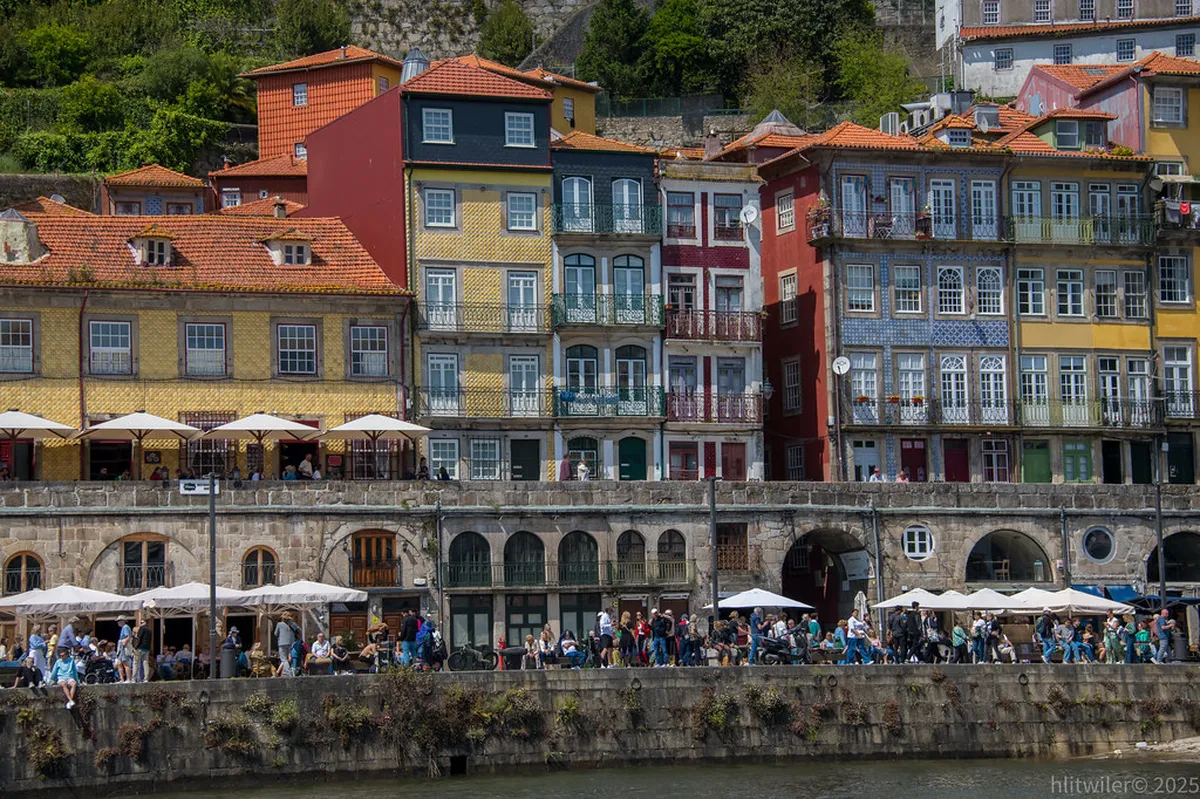
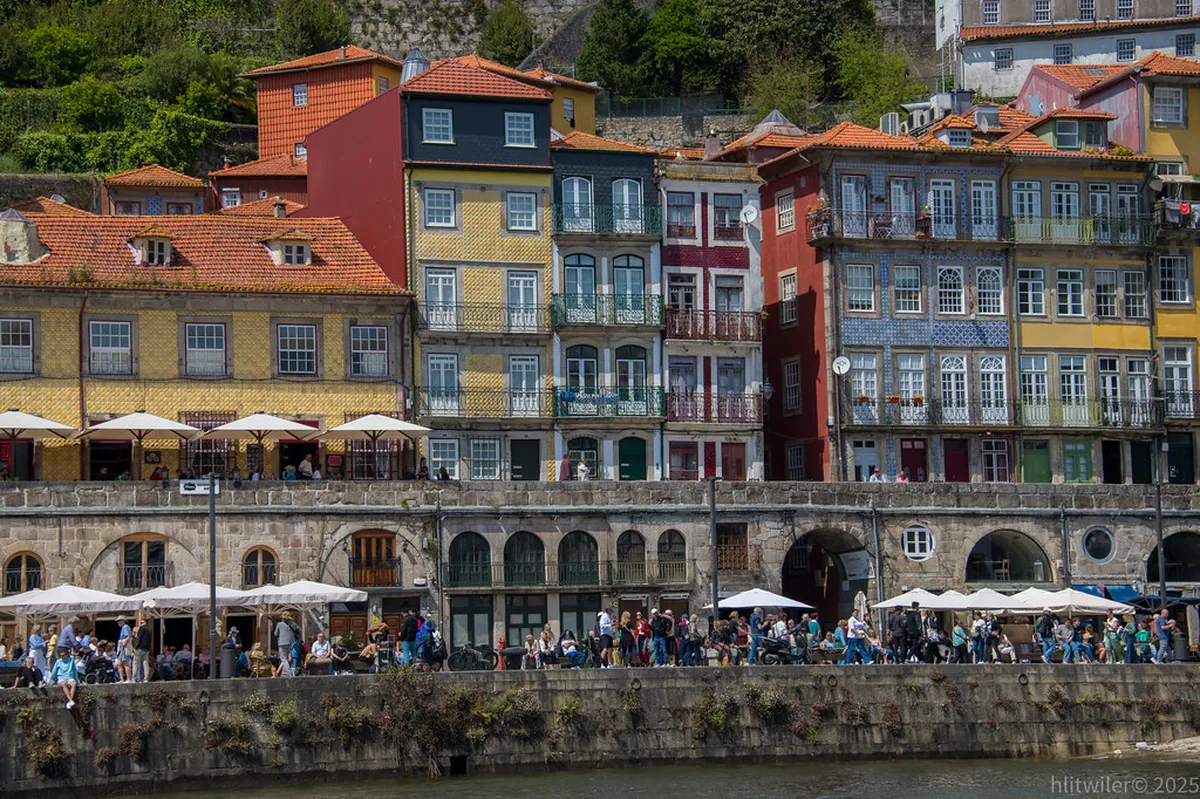
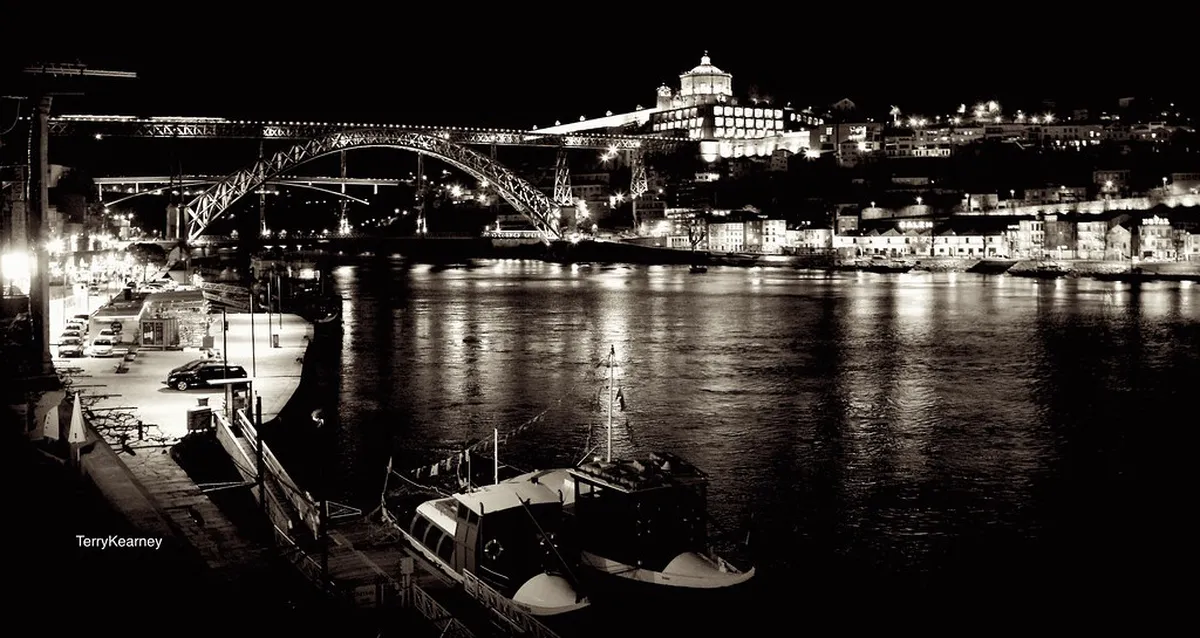
Porto is 75 minutes by train from Guimarães (€3.60 one way from São Bento, with trains running roughly hourly). It is a completely different experience to the Minho — larger, louder, more cosmopolitan, and built around the dramatic gorge of the Douro river. Most visitors spend the morning in the Ribeira waterfront district and the afternoon in the port wine lodges of Vila Nova de Gaia, which sit directly across the river. Most lodges require a booking and charge €15–30 for a tasting, and they are generally open 10:00–18:00.
The Dom Luís I bridge connects the two banks on two levels — pedestrians cross the upper deck for the best views over the city. A single afternoon in Porto is enough to see the bridge, the Ribeira, and one wine cellar visit without feeling rushed. For a more structured Porto day, check the Guimaraes Travel Tips Travel Guide page for advice on combining both cities in the same trip without backtracking.
Frequently Asked Questions
Which day trips from guimaraes options fit first-time visitors?
Braga and Viana do Castelo are the best options for first-timers. They offer a mix of history, religious sites, and coastal views. Both are easily accessible by public transport from the city center.
How much time should you plan for day trips from guimaraes?
Plan for a full 8 to 10 hours for each major day trip. This includes travel time and leisurely breaks for lunch. Starting by 9:00 AM ensures you see the main sites before closing.
What should travelers avoid when planning day trips from guimaraes?
Avoid visiting major museums on Mondays as most are closed then. Do not underestimate the walking involved in the hilly sanctuaries. Always check the bus schedules back to Guimarães before you start exploring.
Guimarães is the perfect launching pad for discovering the wonders of northern Portugal. From the castle where the country was born to the baroque grandeur of Braga and the forgotten Iron Age hillforts in the surrounding hills, variety is everywhere within a 30–60 minute radius. Use the transport notes above to plan your days without a car where possible, and keep at least one afternoon free for wandering the old town itself. The memories of these ancient stones and green mountains will stay with you long after you leave.
Remember to take your time and soak in the local atmosphere at every stop. Northern Portugal rewards those who travel with curiosity and patience. Safe travels on your upcoming adventure through this historic and beautiful region.
 Porto To Guimaraes Day Trip Travel GuideJune 8, 2026