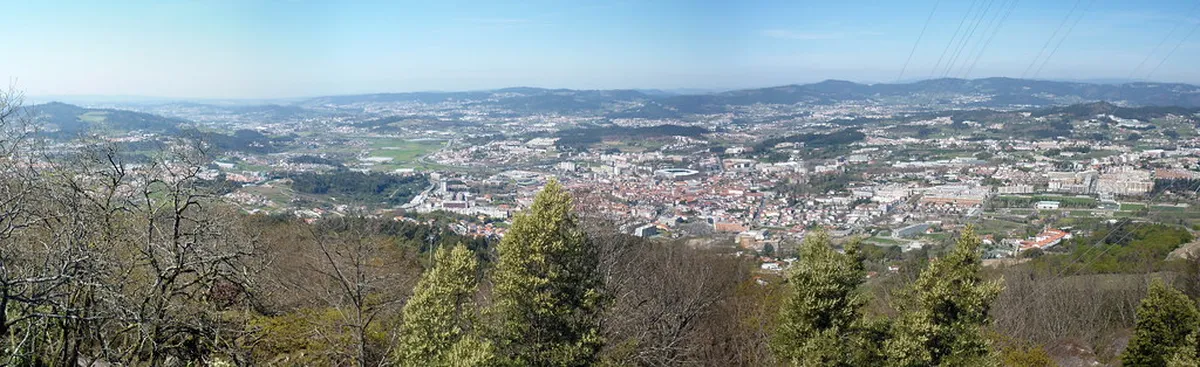
6 Essential Tips for Visiting Peneda-Gerês National Park from Braga
Plan your trip from Braga to Peneda-Gerês National Park with our guide on transport, top waterfalls, Roman ruins, and a perfect 1-day itinerary.
On this page
6 Essential Tips for Visiting Peneda-Gerês National Park from Braga
Peneda-Gerês National Park sits just forty-five minutes from Braga by car, making it one of the most rewarding 10 Best Day Trips From Braga: The Ultimate Minho Guide in all of Northern Portugal. Portugal's only national park covers over 70,000 hectares of granite peaks, ancient oak forests, submerged villages, and cold mountain rivers. Wild Garrano horses still roam the high plateaus while wolves patrol the forests after dark. Most visitors from Braga can see the park's main highlights in a single long day if they leave early and plan their route well.
The park has no gates, no entry fee, and no official opening hours. It is a living landscape — about twenty small villages still exist inside its boundaries, and locals have farmed and grazed cattle here since Roman times. That combination of untouched nature and deep history is what makes Gerês different from every other green space in Portugal. This guide covers everything you need to know to get there, get around, and get the most out of your 2026 visit.
Master the Logistics: Getting from Braga to the Park
The Transdev 201 bus connects Braga to the park and is the only public transport option worth considering. Buses depart from Braga's Central Bus Station on Rua General Norton de Matos, adjacent to the main shopping district. The ride to the village of Gerês takes about 90 minutes along the winding N308 road. Check 10 Essential Braga Travel Tips: The Ultimate Guide for the most current schedule, but in summer 2026 the first departure tends to leave Braga around 07:45 and the last return bus from Gerês is typically around 18:30 — missing it means a taxi back, which costs roughly €35–45. Book your return time in your head before you leave.
Last bus from Gerês back to Braga departs around 18:30 in summer. Missing this return is common and forces a costly taxi ride (€35–45). Set an alarm or check the current schedule in advance at the Transdev station or online.
Driving is faster and gives you access to far more of the park. From central Braga take the N103 east toward Ponte de Barca, then turn north onto the N308 just before Caniçada. This puts you at the Campo do Gerês park gate in under an hour. Fuel up in Braga before you go — petrol stations inside the park are scarce. Car rental agencies near Braga train station offer daily rates from about €35 in low season, rising to €60–80 in July and August.
Your choice of park gate matters as much as your choice of transport. The Campo do Gerês gate (also called Porta do Campo do Gerês) is the closest to Braga and opens directly onto the Ethnographic Museum, the Roman road, and the Vilarinho da Furna reservoir. The Vila do Gerês gate, a further ten minutes south, has more restaurants, a thermal spa, and easier parking for larger groups. Most Braga day-trippers do best starting at Campo do Gerês in the morning and finishing the afternoon at Vila do Gerês before driving home.
Parking inside the park is free and informal — pull off the road wherever there is a safe gravel shoulder. In July and August the lay-bys near Cascata do Arado and Pedra Bela fill by 10:00, so arrive early or expect a ten-minute walk from wherever you end up. There are no ticketed car parks and no parking apps to worry about.
Must-See Peneda Attractions and Historic Landmarks
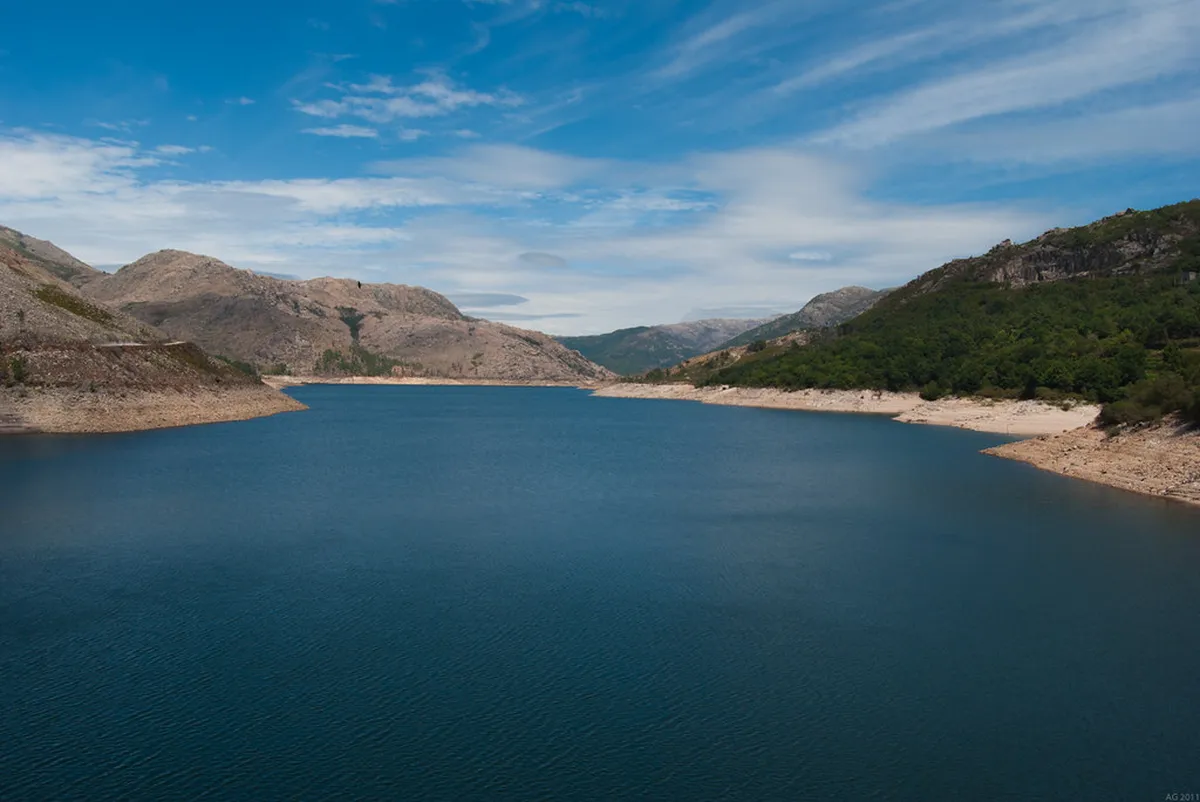
The submerged village of Vilarinho da Furna is the park's most haunting attraction. The Portuguese government flooded this community in 1971 to build the Cávado river dam, and the stone walls of the old houses disappeared underwater. What makes this site a logistical puzzle for visitors is that the ruins are only visible when reservoir levels drop enough to expose them — and that window is narrower than most guides admit. The ruins typically emerge from late July through September, with August and early September being the most reliable months. If you visit in June or October you may find nothing but water. Check current water levels by searching "Vilarinho da Furna" on the ICNF national park authority portal before you go.
Vilarinho da Furna ruins are underwater most of the year. Water levels are controlled by EDP (Portugal's energy utility) and only drop July–September. Visiting June or October often shows nothing but water. Check recent Google Maps photos before your trip to confirm current visibility.
The Roman Geira, formally known as Via XVIII, is a better-preserved historical site that rewards visitors year-round. This Roman military road connected Bracara Augusta (today's Braga) with Astorga in Spain, and original granite milestones still stand every Roman mile along the route. The most walkable section for a day-tripper starts just behind the Campo do Gerês museum and runs northeast through the Mata da Albergaria oak forest. A 4–5 km out-and-back walk takes about 90 minutes and stays mostly flat, passing at least six numbered milestones.
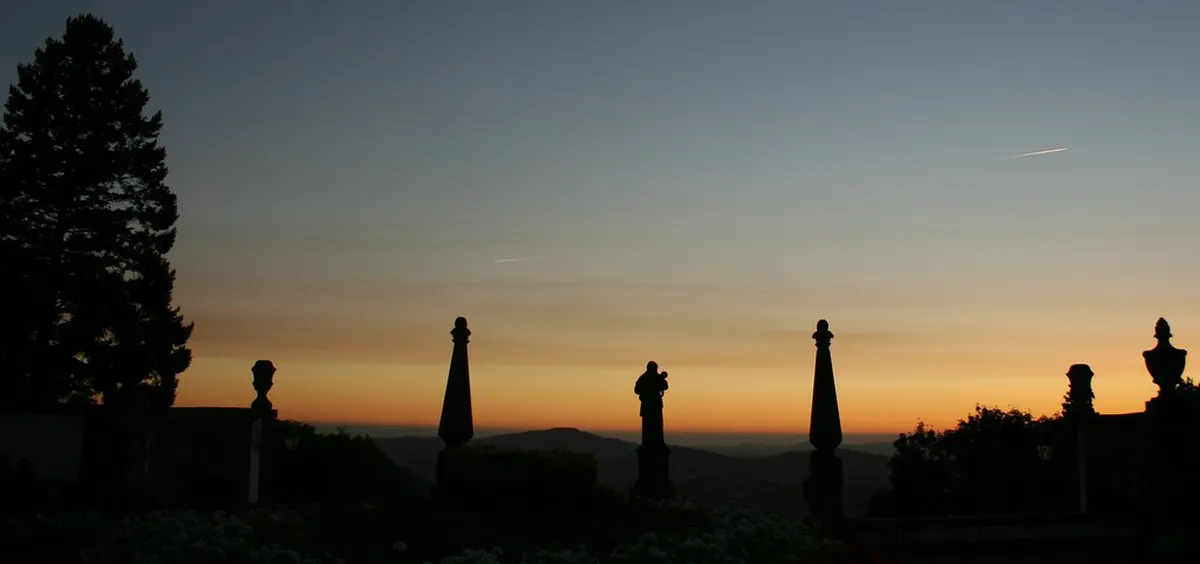
Sao Bento da Porta Aberta is a religious sanctuary that many secular visitors overlook on their itineraries, but it deserves a thirty-minute stop. This hilltop church is Portugal's second-largest pilgrimage site after Fatima, drawing hundreds of thousands of devotees each year, particularly around the feast of São Bento in March and July. The views from the esplanade over the Cávado valley are striking, and the site is easy to combine with the drive south from Campo do Gerês toward Vila do Gerês. There is free parking at the church and a small cafe that serves coffee and pastries.
Ancient stone bridges scattered across the park complete the historical picture. The Ponte de Sao Miguel, reached by a short forest trail from the road, spans a mountain stream that feeds into cold natural pools below — popular for swimming in summer. These medieval bridges were built without mortar, fitted entirely from local granite, and have survived centuries of spring floods. They make excellent photo stops and are usually uncrowded even in peak season.
Museums, Art, and Culture in the Gerês Region
The Ethnographic Museum in Campo do Gerês is the park's most important cultural institution and a logical first stop for any visit. The museum chronicles the history of Vilarinho da Furna — the community flooded to build the dam — through tools, photographs, handmade furniture, and oral histories collected before the village was evacuated. One wing covers the biodiversity of the park's oak and pine forests, and another documents the musical traditions that remain central to northern Portuguese rural life. Admission is cheap (around €2) and the staff are genuinely helpful — they can print you a basic trail map and explain the best sections of the Roman road if you ask.
What makes the Ethnographic Museum particularly valuable for families is the way staff engage with children. Even with a language barrier, the team uses maps, gestures, and hands-on exhibits to keep young visitors interested. It is one of the few indoor attractions in the park that can fill a rainy morning without feeling like a compromise. Plan about 45–60 minutes here before heading out onto the trails.
Small religious art and folk crafts appear throughout the mountain villages if you take time to look. Local chapels hold carved wooden altars and brightly painted santos that date back centuries. Artisans in the villages of Montalegre and Arcos de Valdevez occasionally sell handmade linen and woolen goods from their doorsteps. These are not tourist shops — there are no price tags and no English spoken, but pointing and smiling works fine. Traditional festivals run through summer 2026 in several hamlets; check local notice boards when you arrive.
Parks, Gardens, and Outdoor Spots for Nature Lovers
Pedra Bela is the park's signature viewpoint and one of the most photographed spots in Northern Portugal. From this broad granite ledge you look down over the Rio Homem gorge, the serpentine reservoir, and a wall of dark forest stretching to the Spanish border. The viewpoint sits a short, steep walk from a roadside pull-off on the M504. It is worth visiting twice — once in the morning for the light on the water and again in late afternoon when the peaks glow gold. For more details on the park's geology and ecosystems, consult the Wikipedia park overview. See this view of the park from Clarisse Cunha (Wikimedia) for a sense of scale.

Cascata do Arado is the most accessible major waterfall in the park and should be on every itinerary. A signed trail from the car park near Ermida leads downhill for about 1.5 km to a tiered falls that drops roughly 30 metres into a clear pool. The hike takes 30–40 minutes each way on a good path. The pools at the base are icy even in July, but that has never stopped Portuguese families from swimming there. A second beautiful waterfall perspective is documented by Gabriel González (Wikimedia).
.jpg)
Mata da Albergaria is a protected mixed oak forest where the Roman road runs straight through the canopy. Vehicle access is restricted here to preserve the ground cover, so you must arrive on foot or by bicycle. The combination of Roman milestones, moss-covered boulders, and ancient gnarled trees creates an atmosphere that feels entirely separate from the rest of the park. This is the one section of the park where spending an hour walking slowly is better than rushing to the next attraction.
River beaches along the Cávado and Homem rivers give you a place to cool off after hiking. Alqueirão is the best-equipped, with a sandy foreshore, changing facilities, a small café, and calm water suitable for children. Kayaks and paddleboards can be rented on site during summer. The Water Park Gerês, a floating inflatable park on the reservoir near the Cávado, adds slides and climbing structures and is staffed by lifeguards — a solid option if you have kids who want something more active than swimming.
Family-Friendly and Budget-Friendly Options in Peneda
The park costs nothing to enter, and most of its best attractions are free. The Roman road walk, Pedra Bela viewpoint, river swimming at Ponte de Sao Miguel, and the short hike to Cascata do Arado all require only fuel and time. Families with younger children do well to combine the Ethnographic Museum (about €2 per adult, under-12s often free) with the river beach at Alqueirão — both are within fifteen minutes of each other near Campo do Gerês and require no difficult hiking.
| Attraction | Entry Fee | Time Required | Best For |
|---|---|---|---|
| Roman Geira Trail | Free | 90 min | History buffs, walkers |
| Cascata do Arado | Free | 75 min round trip | Hikers, swimmers |
| Pedra Bela Viewpoint | Free | 20 min walk | Photographers, sunset views |
| Ethnographic Museum | €2 | 45–60 min | Cultural history, rainy days |
| Water Park Gerês | €10–15 | Half day | Families with children |
| Vilarinho da Furna Ruins | Free | 30 min (when visible) | Jul–Sep season visitors |
Water Park Gerês is the single best option for families with active children who have already exhausted the hiking trails. The park operates from late June through early September, and entry costs approximately €10–15 per person depending on age and session length. Lifeguards are on duty at all times. Arrive before noon to secure a good spot on the riverbank before the afternoon rush.
Eating on a budget is straightforward if you step back from the main tourist drag in Vila do Gerês. The village of Campo do Gerês has a handful of small restaurants where the prato do dia — a daily special — costs €7–10 and typically includes a soup, a main course of roasted kid or salt cod, and bread. The region is known for Barrosã beef, a slow-raised local breed with protected status, and ordering it here costs roughly half what you would pay in Braga or Porto. Pack lunch from a Braga supermarket if you want to keep costs down further — every viewpoint and river beach has picnic tables.
Hiking is free and the trail network is extensive. Stick to the lower-elevation waymarked trails (marked with yellow and red stripes on rock faces) if you have young children or elderly travelers in your group. The Trilho da Albergaria, a circular loop through the oak forest, is flat enough for most fitness levels and takes about two hours at a relaxed pace. Always carry two litres of water per person — the park has almost no drinking fountains.
When to Visit Peneda-Gerês from Braga
May, June, and September are the best months for a day trip from Braga. The weather is warm and mostly dry, the days are long, and the trails are not yet packed with the Portuguese families who descend in July and August during school holidays. In peak summer the most popular spots — Cascata do Arado, Pedra Bela, Alqueirão beach — can feel genuinely crowded by midday. If you must go in July or August, leave Braga no later than 07:30 to secure parking and beat the heat on any hiking. The Visit Portugal tourism site provides current travel information and seasonal recommendations.
October is excellent for hikers who accept the possibility of rain. The park empties almost overnight once Portuguese schools return in September, and you can walk the Roman road or the Mata da Albergaria forest in complete quiet. Autumn light on the oak forest is especially good for photography. November to March can be cold, wet, and grey at altitude — not impossible, but not ideal unless you are specifically interested in the park's winter atmosphere.
One seasonal factor most guides miss: if you want to see the ruins of Vilarinho da Furna above the waterline, you must visit in August or early September. The reservoir level is controlled by EDP (Portugal's energy utility) and the ruins only emerge when summer evaporation and low rainfall drop the water level enough. No other month reliably exposes the old village walls. If seeing the submerged village is your primary reason for visiting, plan your Braga trip accordingly and check recent photos on Google Maps before you go.
How to Plan a Smooth Peneda Day Trip from Braga
Leave Braga by 08:00 to give yourself the full day. The drive to Campo do Gerês takes under an hour with no traffic. Start at the Ethnographic Museum, which opens at 09:00 — 45 minutes here gives context to everything else you will see. Then walk the first section of the Roman Geira trail behind the museum before the heat builds. This morning segment covers the two biggest historical draws in roughly two hours without heavy exertion.
Drive to Cascata do Arado by midday. The trail to the falls and back takes about 75 minutes and earns a swim in the pool at the base. Bring a towel. After drying off, head to the riverside café at Alqueirão or the village restaurants in Campo do Gerês for lunch around 13:30. The afternoon belongs to Pedra Bela (15 minutes from Arado by car) for the views, and then Sao Bento da Porta Aberta on the drive south toward Vila do Gerês. A walk along the Cávado riverfront in Vila do Gerês from about 16:30 is a gentle end to the day before the drive home.
If you are relying on the Transdev 201 bus, this itinerary compresses but stays workable. The bus drops you near Vila do Gerês, not Campo do Gerês, so reverse the order: start at the riverfront and thermal spa area, walk to Sao Bento, and take a taxi (€8–10) up to the Campo do Gerês museum and Roman road section in the early afternoon. Confirm the last bus departure time before you leave Braga — missing it in the evening is the single most common mistake bus-dependent visitors make. Following a 10 Essential Stops for a One Day in Braga Itinerary model will help you think through the timing in advance.
Plan to be back in Braga by 19:30. The mountain roads are easy in daylight but narrow, and livestock — cattle, sheep, and the wild Garrano horses — cross the road without warning, especially at dusk. A meal in Braga after returning is a good reward. Check out more 12 Best Things to Do and Places to Stay in Braga if you are spending more than a day in the city before or after your park visit.
Frequently Asked Questions
How do I get from Braga to Peneda-Gerês by bus?
You can take the Transdev 201 bus from the Braga Central Bus Station. The ride takes about 90 minutes and drops you in the village of Gerês. It is a budget-friendly way to see the park. Learn more about How to Get to Braga: 6 Best Ways to Travel first.
Is a day trip from Braga to Peneda-Gerês worth it?
Yes, it is absolutely worth the trip for the stunning mountain scenery and waterfalls. You can see the main highlights like Pedra Bela and Vilarinho da Furna in one day. Starting early from Braga is the key to a successful visit.
Do I need a car to visit Peneda-Gerês National Park?
While a bus exists, a car is much better for reaching remote waterfalls and viewpoints. Many of the best spots are far from the main bus stops. Driving allows you to set your own schedule and explore deeper into the mountains.
What is the best entry gate for the park when coming from Braga?
Porta do Campo do Gerês is the best entry gate for travelers starting in Braga. It is only about 45 minutes away by car via the N103 road. This gate provides immediate access to the Roman Geira and the ethnographic museum.
Visiting the Peneda-Gerês National Park from Braga is an experience you will never forget. The mix of ancient history, rugged nature, and local culture creates a unique travel atmosphere. Whether you hike the Roman roads or swim in mountain pools, the park offers something special. Be sure to check out more 12 Best Things to Do and Places to Stay in Braga after your mountain adventure.
Remember to respect the natural environment by staying on the marked trails. This protected area relies on visitors to keep it clean and beautiful for the future. Pack your camera and your walking shoes for a wonderful day in the wild. The mountains are waiting to show you the true heart of Northern Portugal.
 Day Trips From Guimaraes: 3-Day Minho ItineraryJune 8, 2026
 How Many Days In Guimaraes Travel GuideJune 8, 2026