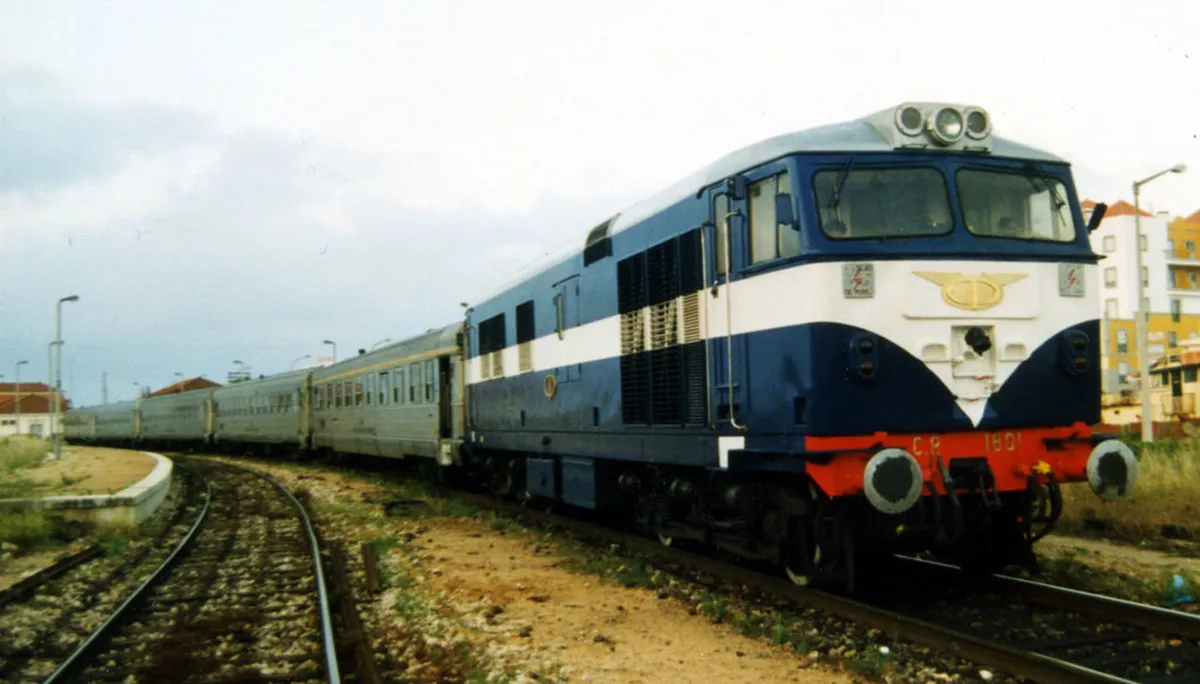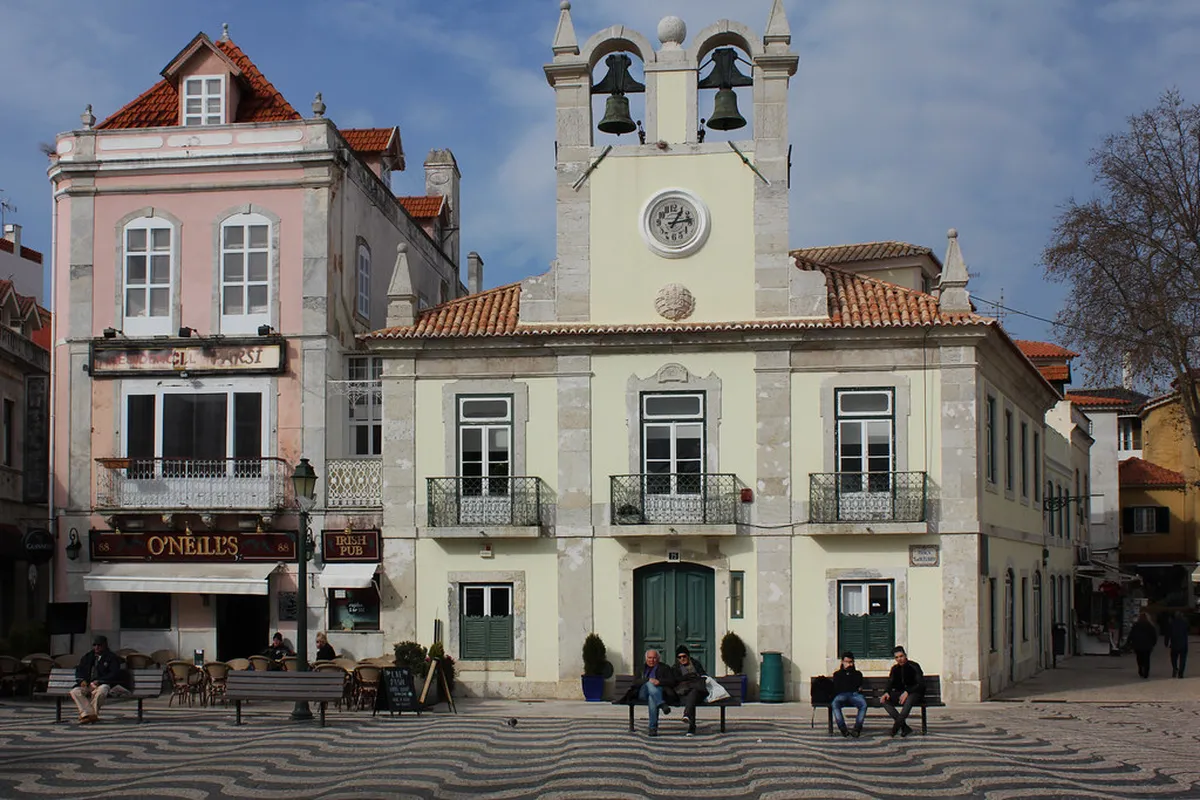

How to Get to Braga: 6 Best Ways to Travel
Discover the best ways to get to Braga from Porto, Lisbon, and the airport. Compare train, bus, and car options with local tips for a seamless journey.
On this page
How to Get to Braga: 6 Best Ways to Travel
Braga sits 55 km north of Porto and is one of the easiest day trips in northern Portugal. The Urban train is the default for most visitors — cheap, frequent, and central. If you are flying into Porto Airport, the direct Get Bus shuttle skips the city entirely and lands you in Braga in under an hour. This guide covers every realistic option for 2026, with current fares and the practical details competitors often leave out.
Quick comparison — Porto to Braga:
- Urban Train (São Bento): €3.60 adult one-way, 54–71 min, departs every ~60 min — best default
- Alfa Pendular (fast train): €16–€22, 38 min, seat reservation required — speed at a price
- Rede Expressos / FlixBus: from €3.00, ~60 min, Campo 24 de Agosto terminal
- Uber / Bolt: ~€43 door-to-door, 45 min — best for groups of 3–4
- Get Bus (OPO Airport): €9 adult / €4.50 child, ~50 min, 8–11 daily departures
- Lisbon Alfa Pendular: €35–€50, ~3.5 hours from Oriente station
| Transport Mode | Cost (Adult One-Way) | Journey Duration | Frequency | Best For |
|---|---|---|---|---|
| Urban Train (CP) | €3.60 + €0.50 card | 54–71 min | ~20 daily + 7 weekday | Budget day-trippers |
| Alfa Pendular Train | €16–€22 | 38 min | Less frequent | Speed priority |
| FlixBus / Rede Expressos | €3–€10 | ~60 min | Several daily | Reserved seats, luggage |
| Uber / Bolt | ~€43 (surge to €65) | 45 min | On-demand | Groups of 3–4+ |
| Get Bus (OPO Airport) | €9 adult / €4.50 child | ~50 min | 8–11 daily | Direct from airport |
| Private Transfer | €55–€65 | 45 min | Book ahead | Multiple bags, late arrival |
Porto to Braga by Train (The Most Popular Way)
The Urban train run by CP – Comboios de Portugal is the most reliable and affordable way to reach Braga. A single adult ticket costs €3.60, with children paying €1.80. There are no return tickets — a return trip is simply two singles (€7.20 for adults). All fares are loaded onto a rechargeable Siga card, which costs €0.50 at the ticket machine on your first purchase.
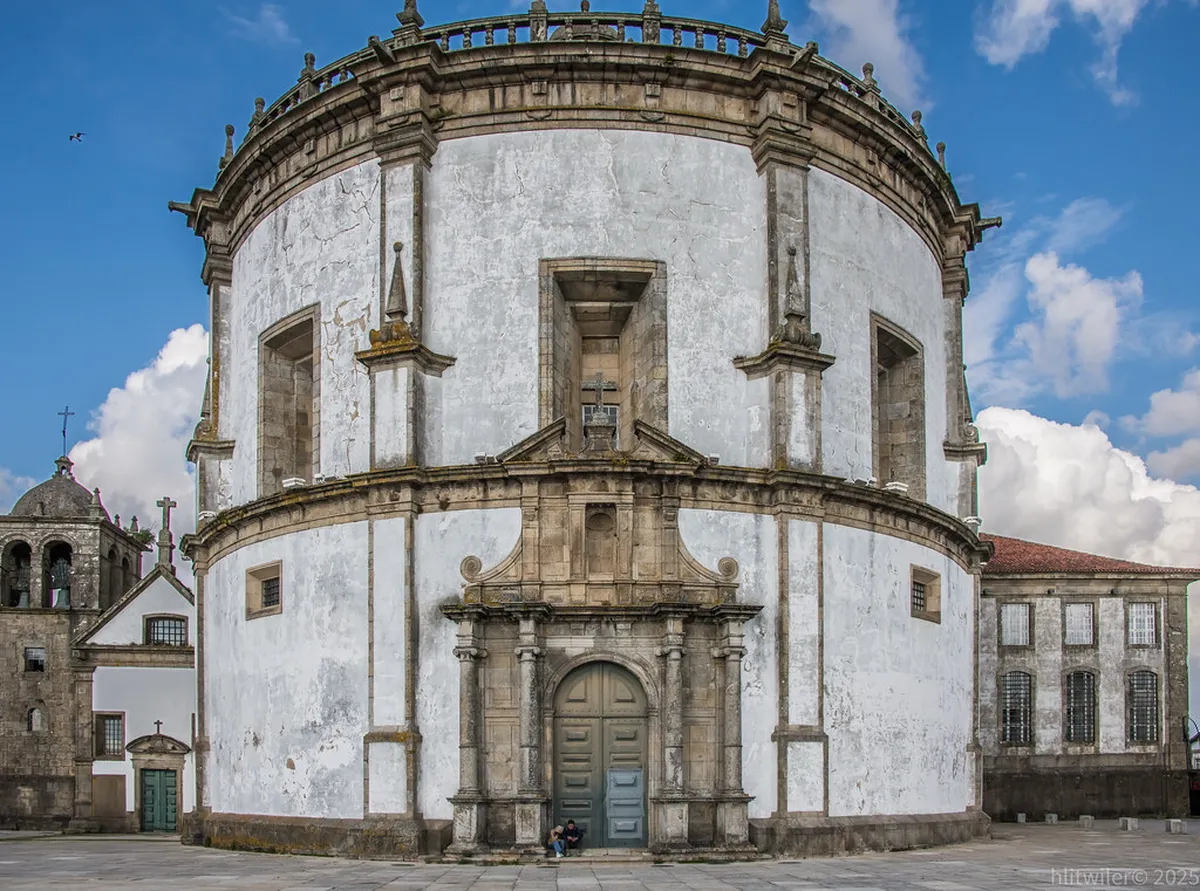
Depending on the service, the journey takes either 54 minutes or 71 minutes. Faster 54-minute services skip fewer intermediate stops and run predominantly on weekday schedules. The first departure from São Bento is at 06:40 (or 06:05 Monday to Friday) and the last return from Braga leaves at 23:30. There are around 20 daily departures, with seven extra weekday services. Seats cannot be reserved — it is first come, first served.
If you want speed over price, the Alfa Pendular intercity train covers Porto to Braga in just 38 minutes. Tickets cost €16–€22 depending on class and availability, and a seat reservation is mandatory. For two passengers, this approaches the cost of an Uber, so most solo travelers stick with the Urban service. The Alfa Pendular departs from Campanhã, not São Bento.
One practical rule: validate your Siga card against the yellow reader on the platform no more than 10 minutes before departure. Validating too early makes the ticket technically invalid and can result in a fine during inspection. Keep the card after your trip — if you plan a second day trip (to Guimarães, for instance), you can top it up and save the €0.50 card fee.
Validate your Siga card no more than 10 minutes before the train departs. Validating too early (15, 20, or 30 minutes ahead) technically invalidates the ticket and can result in a €50 fine if inspected. CP inspectors strictly enforce this rule, even on local trains.
São Bento vs. Campanhã: Which Station to Use
This question trips up first-time visitors more than anything else. São Bento (GPS 41.145, -8.610) is the right starting point for the Urban train to Braga. It sits in the heart of Porto's tourist district, a short walk from the Ribeira, and is served by the D (yellow) metro line. The station is a small terminus, so all platforms are steps from the ticket hall and trains wait before departure. While you are there, look at the azulejo tile panels in the waiting room — 20,000 blue and white tiles painted between 1907 and 1913 depicting scenes from Portuguese history.
Campanhã (GPS 41.150, -8.584) is a larger through station on Porto's eastern side. It is the better choice if you are already staying near there, arriving by intercity train from Lisbon, or catching the Alfa Pendular to Braga. At Campanhã you need to navigate tunnels or footbridges to reach the correct platform, and trains arrive with less time to spare. For most tourists, São Bento is simpler.
One edge case worth knowing: some CP timetable results show trains departing from Campanhã only, particularly during early morning and late evening slots. Always check the departure station on your specific train before heading to São Bento. The CP website and app both display this clearly.
Porto to Braga by Bus (The Budget Option)
Buses are faster on paper — around 60 minutes versus the Urban train's 71 minutes on slower services — but schedules are less frequent. Rede Expressos and FlixBus both serve the Porto–Braga corridor. Tickets start from around €3.00 on FlixBus when booked in advance, and typically run €5–€10 on Rede Expressos. Both companies depart from the Campo 24 de Agosto bus terminal in Porto, which is accessible via the B (red) metro line.
The biggest advantage of the bus is a reserved seat. Unlike the Urban train, you will not end up standing in the aisle during busy holiday weekends. Most long-distance coaches also have free Wi-Fi and USB charging points. The Braga bus station is centrally located near the main shopping district, roughly 500 m from the historic center — similar walking distance to the train station.
For day-trippers, the train remains the easier default because it runs more often and you do not need to book in advance. The bus makes more sense if you have luggage, want a guaranteed seat during peak times, or catch a FlixBus deal that undercuts the train fare.
Driving or Rideshare (Uber/Bolt) from Porto
The A3 motorway links Porto to Braga in around 45 minutes with light traffic. Toll charges for a one-way trip run approximately €4.00. Driving is the fastest point-to-point option and eliminates the need to catch the bus to Bom Jesus do Monte from the city center. Parking in central Braga is manageable — underground garages near Avenida da Liberdade are the simplest option, typically charging €1.00–€1.50 per hour.
Uber and Bolt are both active in northern Portugal. A standard ride from central Porto to Braga costs approximately €43, though this rises by up to 50% during rush hour and at weekends. For a group of three or four sharing the fare, rideshare often beats the train on both convenience and cost per person. There are significantly more drivers available in Porto than in Braga, so always book your return ride before you are ready to leave — waiting times from Braga can be longer.
Bolt tends to be slightly cheaper; Uber generally offers a higher standard of vehicle. Booking a "Comfort" level car on either app costs roughly 15% more than standard but secures a more spacious ride and tends to attract more drivers during busy periods. Both apps require a payment method linked to a euro-friendly bank card to avoid foreign transaction fees.
Getting to Braga from Porto Airport (OPO)
If you land at Porto Airport (OPO), skip the metro into the city center entirely. The Get Bus direct shuttle departs from Stop D outside the arrivals terminal and goes straight to Braga in approximately 50 minutes. Tickets cost €9 for adults and €4.50 for children. You can pay the driver in cash or buy online at getbus.eu. There are 8 daily departures on weekends and 11 on weekdays — check the timetable before you land, as the gaps between buses can be over an hour.
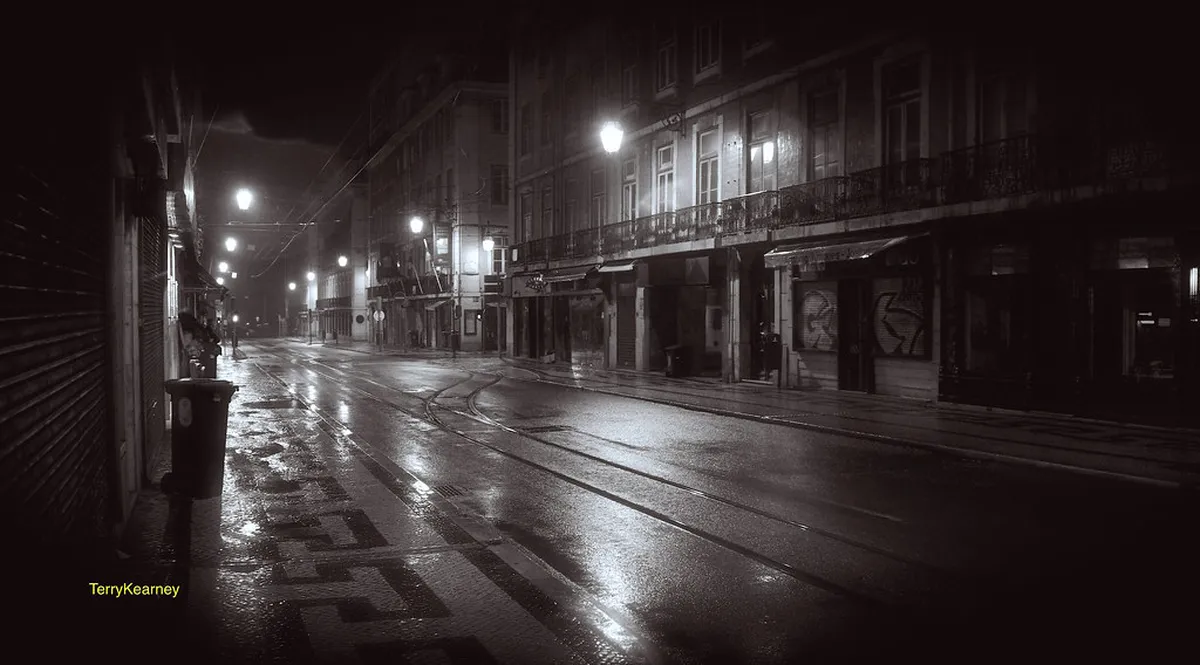
The Get Bus drops passengers at Braga's bus station (GPS 41.555, -8.425), which is slightly north of the historic center — a 10-minute walk or a short taxi ride. This is still faster and cheaper than taking the metro to São Bento (around 35 minutes) and then boarding the train (another 54–71 minutes). A private transfer from OPO to Braga typically starts at €55–€65 for a standard sedan and makes sense if you have multiple bags or arrive late at night.
Uber or Bolt from the airport direct to Braga costs approximately €35 — cheaper than the Porto-to-Braga ride because the airport sits north of the city and is already partway to Braga. This is the fastest option and worth considering if you land during off-peak hours when surge pricing is low.
Traveling from Lisbon to Braga
The Alfa Pendular is the standard choice from Lisbon. The fastest services cover the journey in around 3 hours 30 minutes; slower Intercidades trains take 4–5 hours. Alfa Pendular tickets cost €35–€50 depending on booking window and class. Intercidades trains are cheaper — often 30–50% less — and worth considering if you book a few weeks ahead. There are more than 10 daily departures from Lisbon Oriente station, which connects to the airport and city center via the red metro line.
All Lisbon long-distance trains stop at Porto Campanhã. From there, change to the Urban service for the final leg to Braga. The connection at Campanhã is usually straightforward — platforms are signed and trains run frequently. If you book the Alfa Pendular all the way to Braga, the train continues past Campanhã without requiring a change. Check your ticket to confirm the final destination.
Budget travelers can take the Rede Expressos coach from Lisbon's Sete Rios bus terminal direct to Braga in around 3.5–4 hours for roughly €18–€25. This avoids any train connection and drops you centrally. Book in advance during summer and Easter week when seats sell out.
From Braga Station: Getting Around Once You Arrive
Braga's train station sits on the western edge of the city (GPS 41.548, -8.434). The historic center is a pleasant 500 m walk along Rua Andrade Corvo, passing through the 18th-century Arco da Porta Nova arch. The Cathedral, main squares, and most cafes are within 10 minutes on foot. The bus station, where the Get Bus from the airport arrives, is slightly further north — about a 10-minute walk to the same center.
Bom Jesus do Monte is a different matter. The sanctuary sits 5 km outside the city center and is not within walking distance. Bus 2 departs from Avenida da Liberdade in central Braga and runs to the foot of the stairway. The bus costs around €1.80 and runs roughly every 30 minutes. The funicular from the base of the staircase to the top costs €2.00 per person. Alternatively, an Uber from the city center to Bom Jesus runs around €7–€10.
Here is the move that no competitor spells out clearly: if you are doing a day trip from Porto and end at Bom Jesus, book your Uber back to Porto directly from Bom Jesus rather than taking the bus back to the city center and then catching the train. The fare from Bom Jesus to Porto is similar to the Porto-city-center fare (around €43–€50) but saves 30–45 minutes and avoids the bus leg entirely. This is especially useful late in the afternoon when Urban trains are crowded and children are exhausted.
Skip the bus back to central Braga and book Uber or Bolt directly from Bom Jesus to Porto at the end of your visit. The fare is €43–€50 and saves 30–45 minutes compared to taking Bus 2 back to the city, catching the train, and waiting for connections. This is especially valuable on late-afternoon returns during peak season.
Combining Braga and Guimarães in One Day
Both cities are often done together as a Porto day trip. The local train between Braga and Guimarães takes around 40–55 minutes and costs €3.60 on the Urban (Siga card) network — the same fare as Porto to Braga. Because both legs use the same Siga card, you only pay the €0.50 card fee once. A single-day itinerary works cleanly: Porto → Braga → Guimarães → Porto, with morning in Braga and afternoon in Guimarães, arriving back in Porto by early evening.
The one ticket nuance to get right: the Braga–Guimarães leg is classified as a Regional service in some timetables and an Urban service in others depending on the departure. The Urban fare is cheaper (€3.60). When loading your Siga card, select the Urban option at the machine rather than the Regional fare, which costs more for essentially the same journey. If in doubt, ask at the ticket window — staff at Braga station are accustomed to this question from tourists.
Check the 12 Best Things to Do and Places to Stay in Braga guide to plan how long you need in the city before catching the connection south to Guimarães. Most visitors find two to three hours enough for the Cathedral, the historic center, and a coffee before moving on.
Essential Braga Planning Cheatsheet (Local Tips)
Download the CP app before you travel — it shows live train times, delays, and lets you buy tickets digitally. The Siga card can also be topped up via the app, which avoids queues at the machines. Carry a small amount of cash for Bus 2 to Bom Jesus and the funicular, as card readers are not always available on local buses.
The city is very walkable once you are in the historic center — flat, well-signed, and compact. Braga's Easter Week (Semana Santa) in late March or April draws large crowds and is one of the most striking religious festivals in Portugal. If you visit then, book accommodation well in advance and expect trains to be busier than usual on the Thursday and Sunday of Holy Week.
- Siga card reuse: keep it for the return trip and any same-day side trips — saves €0.50 per additional journey.
- Validate no more than 10 minutes before departure or risk a fine.
- CP ticket machines accept cash and card and offer English, French, Spanish, and German menus.
- The main ticket window at São Bento gets busy at rush hour — use the machines.
- Missed the last Urban train (23:30 from Braga)? FlixBus occasionally runs late-night services — check the app before you panic.
- Braga is a university city; restaurants near the Sé Cathedral are significantly cheaper than tourist-facing spots elsewhere.
Frequently Asked Questions
How much does the train from Porto to Braga cost?
A one-way trip on the Urban train costs €3.60 for adults and €1.80 for children, plus a one-time €0.50 Siga card fee. Faster Alfa Pendular trains are more expensive at €16–€22. Booking early on the CP website can save you money on long-distance routes.
What is the best time to visit Braga?
Spring and early autumn offer the most pleasant weather for walking the historic center. Holy Week is a famous time to visit for religious festivals. Summer can be quite hot, so plan outdoor visits for the early morning.
Is a day trip to Braga from Porto worth it?
Yes, a day trip is highly recommended because the train journey is very short and easy. You can see the main Cathedral and Bom Jesus in about six hours. Many travelers combine it with a visit to nearby Guimarães.
Braga is a beautiful destination that is very easy to reach from Porto. Whether you choose the train or the bus, you will enjoy the journey. There are many 12 Best Things to Do and Places to Stay in Braga once you arrive safely. Enjoy your time exploring one of the oldest and most charming cities in Portugal.
 How To Get To Aveiro Travel GuideJune 8, 2026