Is Braga Worth Visiting? 10 Things to Know Before You Go
Is Braga worth visiting? Discover if Portugal's oldest city is right for you with our guide to pros, cons, top sights like Bom Jesus, and local travel tips.
On this page
Is Braga Worth Visiting? 10 Things to Know Before You Go
Yes, Braga is absolutely worth visiting for its rare blend of ancient religious heritage and youthful, student-driven energy. If you prefer a compact medieval village feel, Guimarães is the better single-day alternative — but Braga rewards anyone willing to spend a full day or an overnight. I last updated this guide in June 2026 after revisiting the Minho region in the spring.
During my stay, I was struck by how the city balances its role as Portugal's Catholic stronghold with a thriving university scene that keeps prices low and the squares animated at night. The historic center feels lived-in and authentic rather than a museum for tourists. You will find that meals and transport cost significantly less here than in Lisbon or even nearby Porto.
The Verdict: Is Braga Worth Visiting?
Braga is the oldest city in Portugal and offers a depth of history that few other places can match. As the self-styled "City of the Archbishops," it has been the ecclesiastical capital of the country since Roman times — a fact that shapes everything from its architecture to the rhythm of its streets. Yet it is also home to the University of Minho, which injects a completely different energy into its cafes and squares each evening.
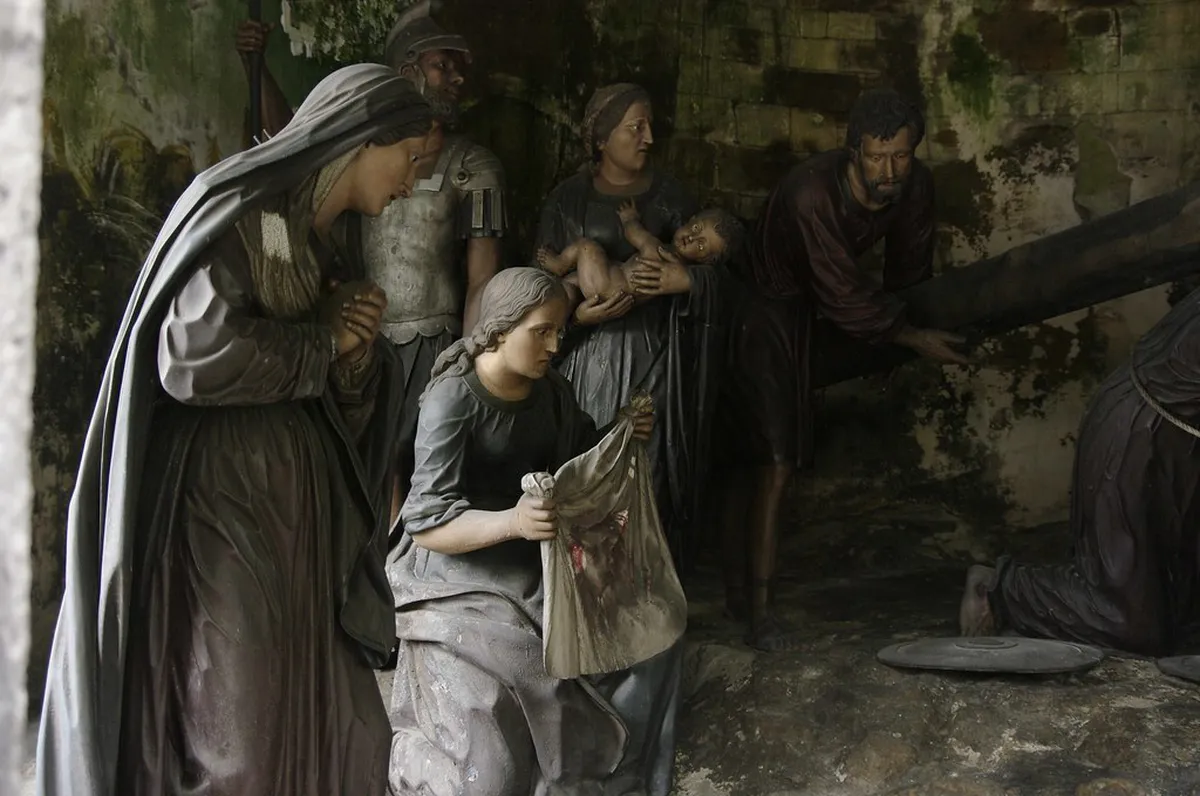
I found that the atmosphere shifts dramatically between the solemn cathedral quarter and the bustling university district just fifteen minutes' walk away. This contrast makes Braga more than a destination for pilgrims or history buffs. It feels like a real Portuguese city where people work, study, and socialize daily — which is exactly what most travelers are looking for when they want to go beyond Lisbon and Porto.
Verdict: Yes, worth a full day at minimum; an overnight stay is better. Best for: History lovers, architecture enthusiasts, and budget-conscious travelers who want an authentic northern Portuguese experience. Skip if: You are strictly looking for beaches, modern cities, or fast-paced nightlife. Consider instead: Guimarães for a more compact medieval experience if you are genuinely short on time.
Pros of Visiting Braga: Why Travelers Love It
The sheer concentration of architectural wonders within a walkable area is remarkable. You can move from a Roman-era cathedral to a baroque hilltop sanctuary to a flower-filled garden in the space of an afternoon, without needing taxis or much planning. The public spaces — particularly the Santa Barbara Garden beside the medieval Archbishop's Palace — are beautifully maintained and entirely free to enter.
Braga is one of the most affordable mid-size cities in Portugal. The large student population from the University of Minho keeps restaurant prices honest, and many of the top sights charge between €2 and €5 for entry or nothing at all. It also sits within easy reach of Peneda-Gerês National Park if you want to extend your trip into genuine wilderness.
- Stunning hilltop views from Bom Jesus do Monte
- Very affordable food and drink prices compared to Porto and Lisbon
- Beautifully preserved baroque and Romanesque architecture
- Far fewer tourist crowds than the major southern hubs
- Excellent walkability across the flat historic center
- Lively student nightlife scene on weekend evenings
Braga's affordability is unbeatable for a city of its size: most restaurant meals cost €8–€12, with daily specials near the university dropping to under €10. The funicular at Bom Jesus is worth riding purely for its historic hydraulic water-counterbalance system (one of only a handful still operating in Europe) — at €2 per person, it beats climbing the 573-step baroque staircase in summer heat.
Cons of Visiting Braga: The Potential Downsides
While the historic center is flat and easy to walk, the top attractions — Bom Jesus do Monte and Sameiro Sanctuary — sit on steep hills outside the city. This can be tiring in summer heat, and visitors with limited mobility will need to rely on the funicular or public bus rather than walking. Some areas beyond the historic core feel unremarkable, with standard suburban streets that offer nothing of interest to visitors.
The city's religious focus can feel overpowering if you are not drawn to churches and cathedrals. English is less widely spoken here than in the major southern tourist hubs, though most hotel staff and younger residents manage fine. Weeknight evenings can be quiet outside of term time, with fewer dining options open late compared to Porto.
- Significant uphill travel required to reach the main sanctuaries
- Limited nightlife on weeknights, especially outside university term time
- Fewer international flight connections than Porto
- Summer heat and humidity can make walking uncomfortable
- English less widely spoken in smaller restaurants and shops
The main sanctuaries (Bom Jesus do Monte and Sameiro) require significant uphill travel, and July–August Minho heat combined with humidity makes walking uncomfortable by midday. Visitors with limited mobility should budget for the funicular (€2) or local bus fare rather than relying on stairs. Arrive before 10:00 AM to avoid peak heat and crowds.
Top Things to Do in Braga: Beyond the Churches
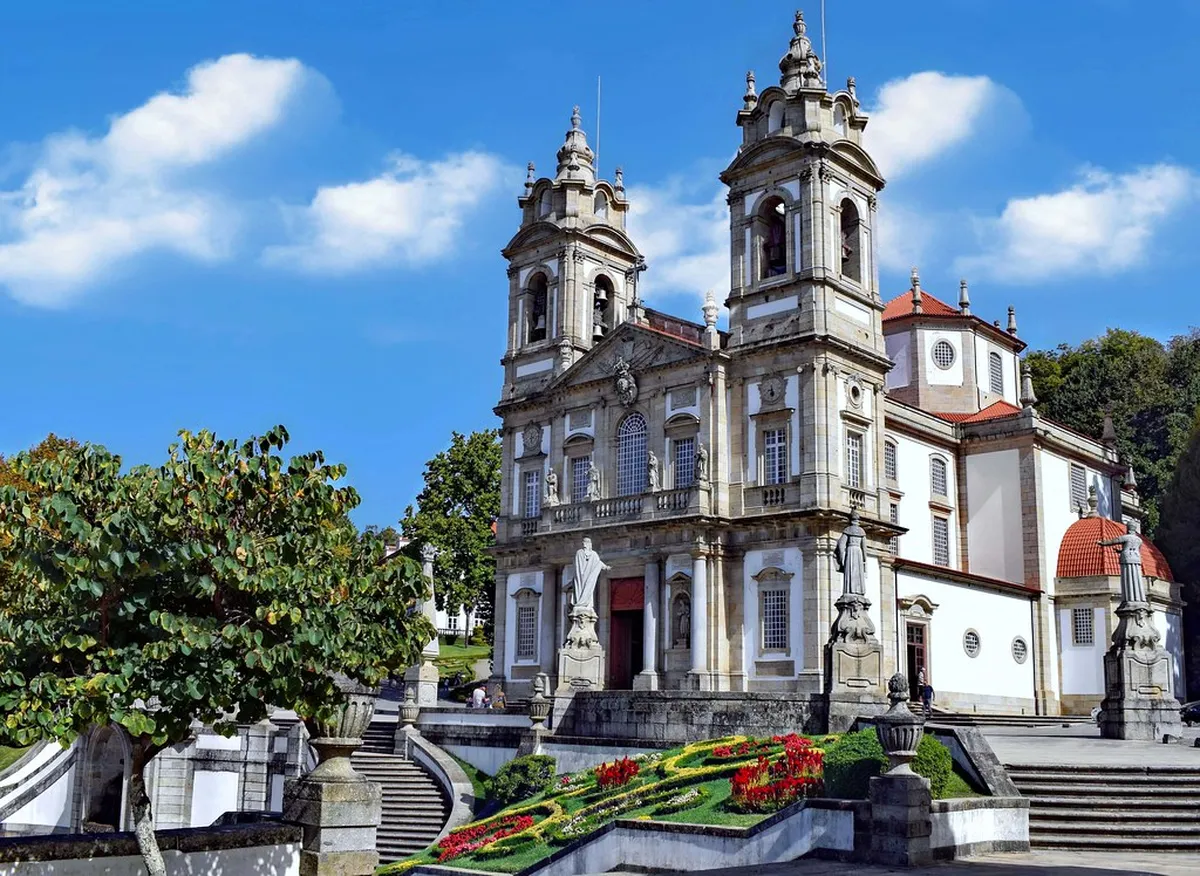
A visit to Bom Jesus do Monte is the absolute highlight for most visitors. The sanctuary is open daily from 08:00 to 19:00 and entry to the park and grounds is free. The famous funicular costs €2.00 per person one-way and is more interesting than it first appears: it runs on a hydraulic water-counterbalance system, one of only a handful still operating in Europe, where the descending car's water tank fills to pull the ascending car upward. Riding it is worth doing for the engineering curiosity alone, not simply to avoid the 573-step Baroque staircase. If you want to climb the stairs on the way up, take the funicular back down — your knees will thank you. For the best photography light, arrive before 10:00 when the sun hits the white facade from the east.
The Braga Cathedral (Sé de Braga) is another must-see, representing a layered mix of Romanesque, Gothic, and Baroque styles accumulated over a thousand years. The complete ticket covering the main cathedral, five chapels, and the high choir costs €5.00 per adult and is worth taking. It is generally open from 09:30 to 12:30 and 14:30 to 17:30. Note that covered shoulders and knees are required inside the chapels — a light scarf or layer is essential if you visit in summer.
Beyond the religious sites, I highly recommend spending time in the Santa Barbara Garden, in the esplanadas of Cafe A Brasileira on Rua do Souto, and at Frigideiras do Cantinho — a historic pastry shop built directly on top of Roman ruins, which you can see through glass panels in the floor. You can find more ideas across our full list of 12 Best Free Things to Do in Braga. For evening culture, the Theatro Circo hosts ballet and live music in a stunningly restored 19th-century hall, while the modern Gnration cultural center runs contemporary art shows and occasional clubbing nights.
How to Get to Braga from Porto (Train, Bus, or Car)
The most convenient option is the Comboios de Portugal urban train service from Porto's São Bento or Campanhã stations. Trains run frequently throughout the day and the journey takes about 75 minutes. A standard round-trip ticket costs around €7.00 per person, making it one of the best-value rail routes in Portugal. If you are coming directly from Porto's Francisco Sá Carneiro Airport, the Get Bus service runs every 30 minutes and reaches Braga in about 40 minutes for €9.00 per adult.
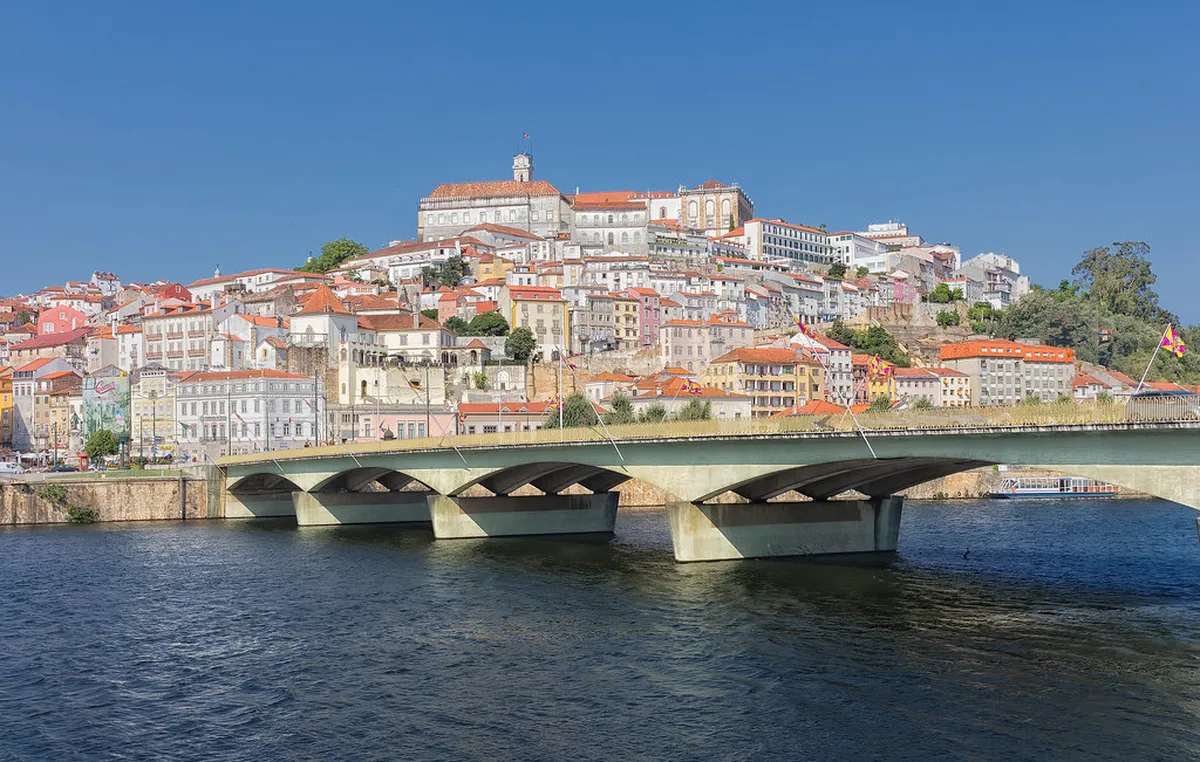
If you prefer to drive, the A3 motorway takes roughly 45 minutes from central Porto. Parking in the historic center can be tight and often requires payment, but the Meliã Braga Hotel & Spa near the university has its own parking, which makes it a practical base if you arrive by car. I found that taking the train was far more relaxing for a day trip, but a car becomes useful if you plan to combine Braga with Guimarães or want easy access to Bom Jesus without relying on the bus. You can find more detailed route options in our guide on How to Get to Braga: 6 Best Ways to Travel.
Buses from Porto's main terminal are also available through Rede Expressos and can be faster than the urban train. Tickets average around €6.00 and the journey runs closer to 50 minutes on a clear run. The bus is worth considering if there are disruptions to the rail service.
How Long to Spend in Braga: Day Trip vs. Overnight
A single long day is enough to cover the Cathedral, the historic center, and Bom Jesus if you start before 10:00 and move efficiently. Many Porto-based travelers visit exactly this way and leave satisfied. However, the city takes on a noticeably different character once day-trippers leave and local students fill the squares for evening drinks — which you miss entirely on a day trip.
An overnight stay allows you to visit the Sameiro Sanctuary at sunset for panoramic views across the Minho valley, eat a proper dinner at an authentic local restaurant, and explore the 10 Best Hidden Gems in Braga without a return train time hanging over you. Two nights makes sense only if you plan to use Braga as a base for Peneda-Gerês National Park or the Vinho Verde wine region, both of which require at least half a day on their own.
The city rewards a slower pace. If you have the flexibility, stay overnight, dine at a restaurant near the university, and walk the historic center the following morning before the day-trip crowds arrive from Porto. The atmosphere before 10:00 is genuinely different — quieter, more local, and worth the extra night's accommodation cost.
Where to Stay: Best Neighborhoods and Hotels
The historic center is the best area to base yourself, putting you within walking distance of the cathedral, the main pedestrian street of Rua do Souto, and the best cafes in town. For a luxury experience, the Vila Gale Collection Braga is housed inside a beautifully restored 16th-century hospital building, complete with vaulted ceilings, a garden, and two pools — at around €175 per night it is the most atmospheric option in the city.
The INNSiDe by Meliá sits right in the city center with a sleek, modern feel and historic touches; expect to pay €150–€200 per night. The Hotel Bracara Augusta is a solid 4-star in a central location at around €130 per night. Budget travelers will find Basic Braga, just next to the train station, to be immaculately clean and well-located at around €55 per night. If you are arriving by car, the Meliã Braga Hotel & Spa near the university offers on-site parking and a wellness center at around €100 per night.
There are also several charming guesthouses and B&Bs tucked into the narrow streets of the historic core, where even mid-range options offer excellent value compared to Porto prices. Check our full guide on Where to Stay in Braga: 10 Essential Planning Tips and Areas for more neighborhood-by-neighborhood detail.
Dining in Braga: Local Specialties to Try
The food in Braga is hearty, traditional Minho cuisine, and often served in very generous portions. Bacalhau à Braga — fried salt cod with onions, potatoes, and olive oil — is the local staple and appears on almost every menu. Papas de Sarrabulho, a rich pork and rice dish cooked with blood pudding, is rarer and more of an acquired taste but worth ordering if you see it. For dessert, Pudim Abade de Priscos is a dense, bacon-fat-enriched pudding that is uniquely local and nothing like anything you find in Lisbon.
Because of the large student population, eateries near the university area consistently serve 'prato do dia' daily specials for under €10.00. Frigideiras do Cantinho in the historic center is famous for its frigideiras — thin flaky pastry filled with spiced minced meat — and is built directly above Roman ruins visible through glass panels in the floor. Velhos Tempos near the Gnration cultural center is a reliable choice for codfish and roasted veal. For a modern take on Minho ingredients, Tabique and Retrokitchen (which also has solid vegan options) are both popular with locals.
Vinho Verde, the slightly effervescent young wine from the surrounding region, is the obvious pairing for any meal here. A glass rarely costs more than €2–3 in local restaurants. You can find a curated list of our picks in our guide to the best 10 Best Braga Restaurants and Local Dining Guide.
Braga vs. Guimarães: Which Should You Choose?
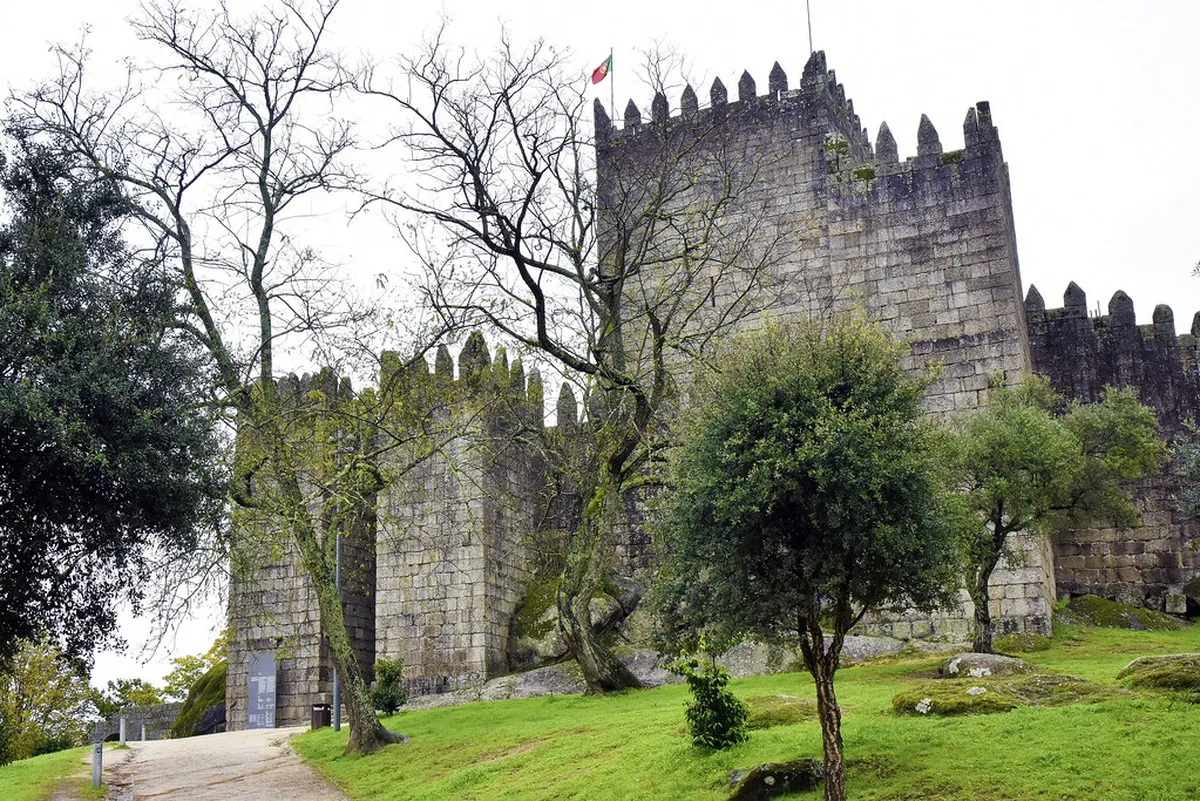
This is the question most Porto-based travelers wrestle with, and the answer depends on what you want from the day. Braga is larger, more urban, and built around grand baroque architecture and religious monuments — its scale and student energy give it a livelier, more contemporary feel. Guimarães is smaller, more compact, and distinctly medieval: cobblestoned streets, a hilltop castle, and the atmosphere of a UNESCO-listed village make it feel like stepping into a different century entirely. As the birthplace of Portugal's first king, Afonso Henriques, it also carries the "Cradle of Portugal" title that history lovers will find deeply satisfying.
If you only have one day and must choose: pick Braga if you want a full mix of religious monuments, cafes, student energy, and a more urban Portuguese feel. Pick Guimarães if you prefer a self-contained medieval ensemble and don't mind that the city is quieter and wraps up earlier. The two cities are connected by a direct train (around 40 minutes), so combining both in one ambitious day is possible — but plan carefully, as you will feel rushed and sacrifice the best parts of each. Our full comparison is in the Braga vs Guimarães guide, which includes a suggested sequence if you do attempt both.
If you are traveling by car, the combination is easier: drive to Guimarães first (it is slightly further from Porto), spend the morning there, then drive 20 minutes to Braga for the afternoon and evening. Return via the A3 motorway. This sequence means you see Bom Jesus in afternoon light rather than morning — not ideal for photography, but perfectly fine for the experience itself.
Planning Your Trip: Weather and Best Time to Visit
The best time to visit is during the shoulder seasons of spring and early autumn. April and May offer mild temperatures, beautiful blooms in the city gardens, and the chance to catch Braga Romana — a late-May street festival that transforms the historic center into a Roman-era fair with roasted meat, mead, improvised theatre, and craftwork. It is free to wander and genuinely atmospheric. June brings the São João festival, but the city becomes very crowded and accommodation prices rise.
July and August are the peak months with the highest visitor numbers and the most intense heat. The Minho summer is humid as well as hot, which makes the uphill walk to Bom Jesus uncomfortable by midday — another reason to arrive early. September is the best compromise: warm and dry, smaller crowds, and Bom Jesus is at its most photogenic in the softer autumn light. Winters in Minho are famously wet — locals have an old nickname for the region ("Chamber Pot of Portugal") that accurately captures how frequently it rains between November and February. That said, hotel prices are at their lowest and the cathedral district looks atmospheric in the mist.
One practical note for 2026: the Semana Santa (Holy Week) processions in spring are one of the most significant religious events in Portugal and draw pilgrims from across the country. If you want to witness them, book accommodation several months ahead as the city fills up fast. Always check our Best Time to Visit Braga: 8 Seasonal Planning Insights guide for updated seasonal events before you finalize your dates.
Frequently Asked Questions
Is Braga worth a day trip from Porto?
Yes, Braga is an excellent day trip from Porto. It is easily accessible by train in about 75 minutes. You can see the main sights like Bom Jesus and the Cathedral in one full day.
How many days do you need in Braga?
One full day is enough for the highlights, but two days are better. Staying overnight allows you to explore the historic center at a slower pace. You can also visit nearby sanctuaries without rushing.
Is Braga expensive to visit?
No, Braga is one of the more affordable cities in Portugal. Meals and local transport are cheaper than in Lisbon or Porto. Many of the top attractions are either free or have low entry fees.
Braga is a city that rewards those who take the time to look beyond the surface. It offers a rare blend of ancient religious tradition and a modern, youthful spirit that few Portuguese cities can match. Whether you come for the hydraulic funicular at Bom Jesus, the frigideiras at a Roman ruin pastry shop, or simply an affordable dinner at a student-filled esplanada, you won't leave disappointed.
I found the city to be one of the most authentic stops on any Northern Portugal itinerary. It is a place where history feels alive rather than preserved purely for tourists. Plan your visit in 2026 before word fully gets out — it is still markedly quieter than the south, and that is a large part of its charm.
For the wider city picture, see our things to do in Braga guide.