12 Best Free Things to Do in Braga (2026)
Discover the 12 best free things to do in Braga, Portugal. Explore Bom Jesus, hidden Roman ruins, and local markets with this expert budget travel guide.
On this page
12 Free Things to Do in Braga: A Local's Budget Guide
Braga is one of northern Portugal's most rewarding cities for budget travelers. The ancient capital of the Minho region packs Baroque staircases, Roman ruins, medieval gardens, and a thriving university scene into a compact walkable core — and most of it costs nothing to enjoy. This guide covers 12 genuinely free experiences, with honest notes on what actually costs money so you are not caught out.
Knowing Is Braga Worth Visiting? 10 Things to Know Before You Go is easy once you understand how the city works: the best sights are on the street, not behind ticket desks. Whether you are on a day trip from Porto or staying for the weekend, this list gives you a full day of no-cost sightseeing.
Sé de Braga: Portugal's Oldest Cathedral
Construction on the Sé de Braga began in 1070 under the reign of King Afonso Henriques, making it the oldest cathedral in the country. Over nine centuries it accumulated Romanesque, Gothic, Manueline, and Baroque layers — the result is one of the most architecturally layered buildings in Portugal. The ornate exterior facade and the surrounding historic courtyards are free to access at any time.
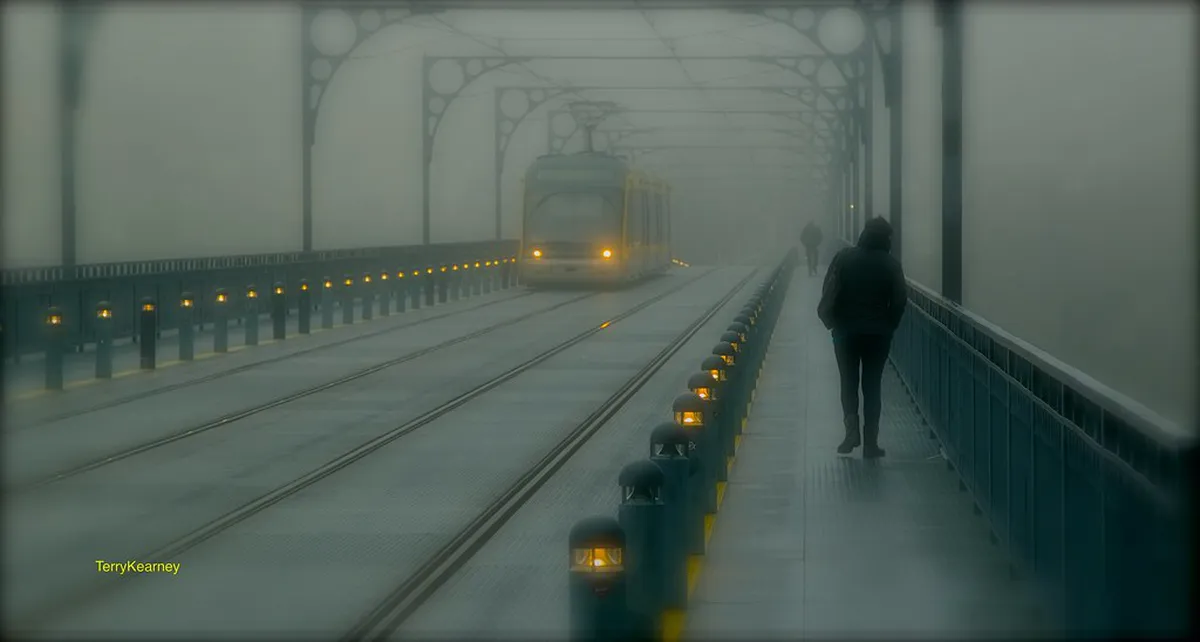
Opening hours for the free exterior and public nave area run 09:30–12:30 and 14:30–17:30 (until 18:30 in summer). If you pay the €5 museum ticket you gain access to the cloisters, the high choir, and the treasury — a worthwhile add-on for architecture enthusiasts, but entirely optional. The exterior alone rewards a good 20 minutes of close attention: look for the gilded Manueline towers and the side statue of Our Lady of the Milk on the eastern wall.
The cathedral sits at the heart of the old town, within easy walking distance of every other free sight on this list. Most visitors approach from Rua do Souto, the main pedestrian axis. Stop for a coffee at one of the esplanadas (outdoor cafe terraces) facing the facade — sitting in the square is free and very much part of the local ritual.
The Sé de Braga exterior and public nave are accessible 09:30–17:30 daily (until 18:30 in summer). If you visit between 12:30 and 14:30, the cathedral is closed for lunch — plan your visit accordingly, especially on busy weekend days when time is tight.
Bom Jesus do Monte: Climbing the Iconic Baroque Stairway
The Sanctuary of Bom Jesus do Monte is UNESCO World Heritage listed and the defining image of Braga. A 116-metre zigzagging granite staircase climbs through a forest of fountains, chapels, and allegorical statues representing the five senses. The grounds are open daily 08:00–20:00 and entrance is free. The funicular costs €2.50 one-way (2026 price) but skipping it is not a hardship — the climb is the point.
To get there without a taxi, take Próximo bus number 2 from Praça da República. A single fare costs €1.70 with a reloadable Via Verde card or around €2.00 cash. The bus stops at the base of the staircase in roughly 15 minutes. This is the bus hack that most generic guides skip: the route runs every 30–40 minutes throughout the day, making it a reliable and cheap option.
Allow at least two hours on site. The gardens at the top reward exploration beyond the main church steps: there is a small lake with rowing boats (paid, around €4), artificial grottoes with wishing wells, and wide terraces with views over the Braga basin. The church interior is free and open during the same hours as the grounds. Early morning visits before 09:00 offer the staircase almost entirely to yourself.
| Free Attraction | Hours | Access | Best Time |
|---|---|---|---|
| Bom Jesus do Monte | 08:00–20:00 | Free entry | Before 09:00 |
| Sameiro Sanctuary | 07:30–20:00 | Free entry | Sunset (windy) |
| Arco da Porta Nova | 24 hours | Exterior only | Early morning |
| Praça da República | 24 hours | Open square | 17:00–20:00 |
| Jardim de Santa Bárbara | Daily, no set hours | Free garden | Late April–June |
Sanctuary of Our Lady of Sameiro: Panoramic City Views
Perched on the highest hill in the Braga area at 572 metres, the Sanctuary of Our Lady of Sameiro is far less visited than Bom Jesus yet arguably more dramatic for views. The white domed basilica — built in 1863 — stands against open sky, and on a clear day you can trace the landscape all the way toward the Atlantic coast to the west. Grounds and church are free, open daily from 07:30 to 20:00.
The honest trade-off: Sameiro is exposed. Wind is almost constant and temperatures at the summit run 4–6 degrees cooler than in the city below, even in summer. Bring a light jacket regardless of the forecast. This is also why sunset here is spectacular but cold — arrive by 19:00 in summer for the best light on the marble facade, then plan to descend promptly after. The illuminated basilica at night is genuinely striking if you can arrange transport down.
Reach Sameiro via Próximo bus 24 from the city center, or combine it with Bom Jesus on the same half-day outing since both hills are accessible by car in sequence. A taxi from the center costs around €8 one-way. There is no funicular here — the approach road winds through eucalyptus forest and the final 200 metres to the summit are on foot.
Arco da Porta Nova: The Symbolic Entrance to the Old Town
The Arco da Porta Nova is an 18th-century triumphal arch marking the western gateway into Braga's historic center. Sculptor André Soares designed it with two deliberately different faces: the west side is neoclassical with a stone coat of arms of Archbishop Gaspar de Bragança; the east side is more restrained with a recessed niche housing Nossa Senhora da Nazaré. It has never had a door — famously, because the city felt safe enough to leave it permanently open.
The arch is on Rua Dom Diogo de Sousa, about five minutes' walk from the train station. Walking through it costs nothing and takes about ten seconds, but budget a few extra minutes here. The views back toward the station and forward into the pedestrian core are among the most photogenic angles in Braga. Early morning, when the streets are quiet and the granite glows in low light, is the best time for photographs.
The arch also functions as your orientation anchor. Once through it, the cathedral is straight ahead, Praça da República is to the right, and the Archbishop's Palace garden is to the left. Plan your entire old-town walking loop from this starting point.
Praça da República: People-Watching at the Arcada
Praça da República, known locally as A Arcada, is the social heart of Braga. A large central fountain anchors the square, surrounded by flower beds, tiled benches, and the historic arcade of 18th-century portico buildings housing traditional cafes. Sitting here for an hour — watching students, pilgrims, market-goers, and office workers cross the square — is free and quietly satisfying.
The square is at its best between 17:00 and 20:00, when the afternoon light falls across the arcade and locals take over the outdoor tables for the early evening ritual. The historic Café A Brasileira faces the square and has been running since the early 20th century. A coffee there costs around €1.20 at the counter — standing room is the local way. The square is open 24 hours and always free to enter.
Jardim de Santa Bárbara: A Medieval Floral Escape
The Jardim de Santa Bárbara dates to the 17th century and is consistently described by bracarenses (Braga locals) as the most beautiful public garden in the city. Geometric beds of roses, hydrangeas, and seasonal flowers are laid out against the austere medieval walls of the former Archbishop's Palace on one side and the Gothic Palace of Dona Linda on another. The contrast of vibrant color against dark granite is striking.
The garden is open daily at no cost and takes about 30 minutes to walk through at a relaxed pace. Visit between late April and June to see the rose beds in full bloom. The garden sits directly behind the Archbishop's Palace on Largo do Paço, which is itself a beautiful square worth a few minutes. This cluster — garden, palace exterior, and square — forms one of the tightest concentrations of free sightseeing in northern Portugal.
Palácio do Raio: Admiring the Blue Azulejo Facade
The Palácio do Raio — also called Casa do Mexicano — is the most visually arresting building in the city center. Its entire facade is covered in deep blue azulejo tiles in a Rococo pattern, with carved granite window surrounds and decorative cartouches. Built in the 1750s for merchant João Duarte de Faria, it sits on Rua do Raio, about five minutes from Praça da República. Viewing the exterior from the pavement is free at any hour.
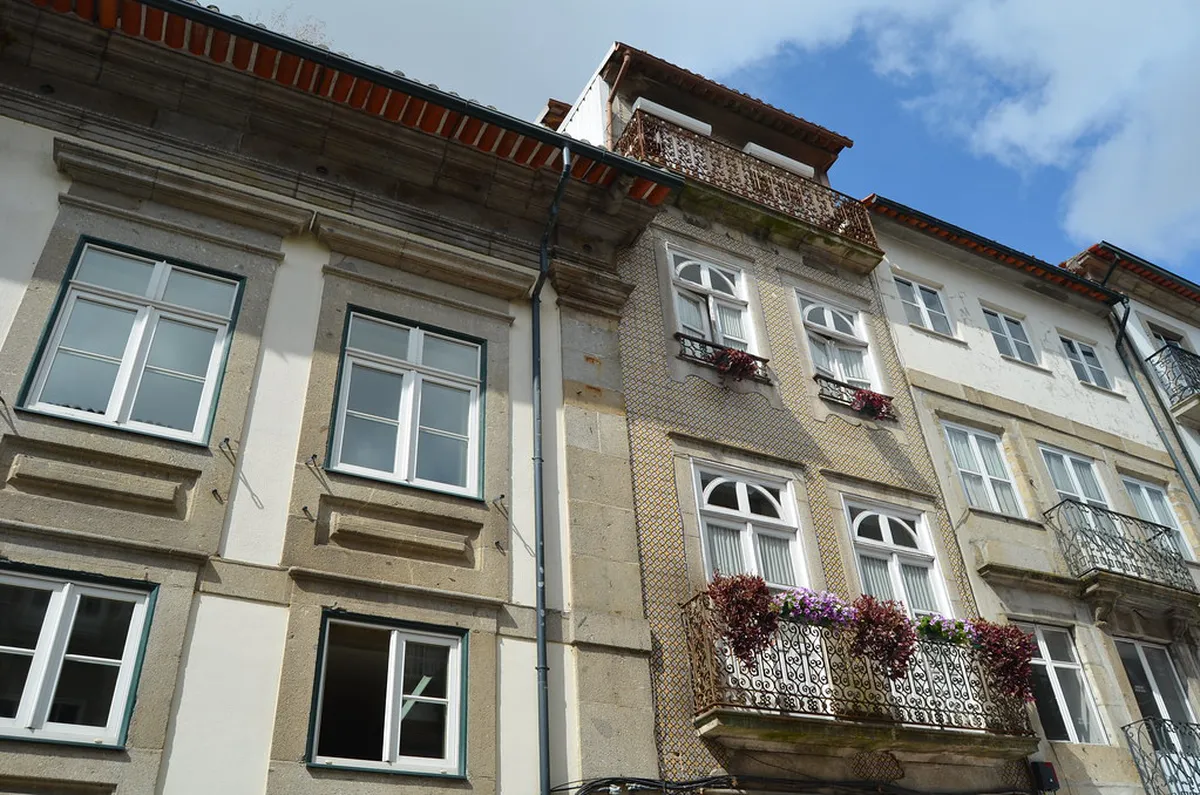
The interior hosts a small museum with period furniture and a beautifully tiled staircase. Admission to the museum is free, but photography inside is not permitted — an unusual restriction worth knowing before you enter. Opening hours are Tuesday to Sunday 10:00–18:00. Early morning on Rua do Raio, before the street fills, gives the cleanest photographs of the tile facade with minimal distractions.
Roman Heritage: Tracing the Ruins of Bracara Augusta
Braga was founded by Emperor Augustus around 20 BC as Bracara Augusta, the administrative capital of Gallaecia. The Roman city extended across much of what is now the historic center, and fragments of it are visible from the street without paying for museum entry. The most accessible free viewpoint is the Roman Theater (Cine-teatro), where glass panels in the pavement and a gated viewing section expose the excavated stone foundations a few meters below street level. It sits near the intersection of Rua do Alcaide and Rua de São Geraldo.
Other street-level Roman evidence includes sections of the Roman wall visible on Rua Afonso Henriques and column drums incorporated into later medieval buildings throughout the center. The Visit Portugal Braga profile lists current excavation sites, which occasionally open for public viewing during archaeological heritage events. For the full paid experience, the Museu D. Diogo de Sousa covers the Roman and medieval layers in depth (€3 entry).
The pre-Roman Celtic settlement at Citânia de Briteiros, about 15 kilometers southeast of the city, is a different excursion entirely — over 150 round stone hut foundations dating to 300 BC, two reconstructed on site. It requires a car or a taxi and charges a small entry fee, but the scale of the site justifies a half-day visit if you are already spending multiple days in the area.
Street Art: Discovering Braga's Modern Urban Canvas
Braga's street art scene has grown significantly in the past five years and now provides a genuine counterpoint to the Baroque churches. Large-scale murals by Portuguese and international artists cover building walls throughout the university district, the train station underpass, and the neighborhoods flanking Rua do Carmo. All of it is viewable for free at any time of day.
The concentration around Minho University — the campus is a 15-minute walk from the train station — is particularly dense. Student-commissioned work covers entire building facades here. For a self-guided route, use the Google Maps layer "Braga Street Art" or ask at the tourist office on Avenida da Liberdade for the printed street art map they distribute free. The tour from the train station to the university and back takes about 90 minutes at a comfortable walking pace.
Braga Municipal Market: An Authentic Local Experience
The Mercado Municipal de Braga on Rua do Mercado, north of the historic center, runs Monday through Saturday from 07:00 to 19:00. Walking through the stalls is free. Local farmers sell fruit, vegetables, regional cheeses, chouriço, fresh fish from the Minho coast, and occasionally handmade lace and embroidery from the surrounding villages. Saturday morning is the peak day — arrive before 09:00 to see the market at full capacity before the best produce sells out.
On the first Sunday of each month, the Feira da Velha flea market sets up along the streets near the historic center, typically from dawn until around 13:00. Antiques, vintage clothing, second-hand books in Portuguese, and household items spread across several blocks. The flea market is free to browse and gives a very different view of the city from the religious tourism circuit. Timing a visit to catch it requires planning but is worth the effort.
For budget eating after the market, the tascas (small traditional restaurants) on Rua Dom Paio Mendes serve a prato do dia (daily lunch special) for €7–9 including bread, soup, main, and sometimes wine. This is where construction workers and office staff eat at midday — the cooking is regional Minho food, not tourist-adapted, and the portions are substantial.
Chapel of São Frutuoso: Braga's Oldest and Most Overlooked Building
Almost every guide to Braga's free sights ignores the Chapel of São Frutuoso de Montélios, tucked into the Igreja de São Jerónimo in the parish of Real, about three kilometers west of the center. It is one of the oldest Christian buildings on the Iberian Peninsula — the original structure dates to the 7th century AD, built in the plan of a Greek cross by the Visigothic bishop São Frutuoso. Admission is free.
The exterior looks unassuming from the road, but step inside the nave of the adjacent Baroque church and turn right: a small doorway leads into the pre-Romanesque chapel. The stonework is austere and ancient, with horseshoe arches and carved decorative bands that predate the Moorish invasion. It was damaged during the Islamic period and repaired in the 9th and 10th centuries — the repair work is visible in the masonry if you look closely. Opening hours typically follow the Baroque church schedule: Tuesday to Sunday 09:00–12:30 and 14:00–18:00.
Reaching it requires a 30-minute walk or a short taxi ride (around €6 from the center). Próximo bus routes do pass through Real, though frequency is limited. The chapel is rarely crowded, and the combination of its age, condition, and total lack of tourist infrastructure makes it the most authentically quiet free visit in the Braga area — a real contrast to the heavily visited Baroque circuit in the center.
Holy Week and Braga Romana: The Two Great Free Events
Semana Santa (Holy Week), held in the week before Easter, is Braga's most famous event and Portugal's largest religious festival. The city streets are decorated with violet fabric hangings, flower petals, and sand tapestries. Candlelit processions move through the old town every evening from Palm Sunday through Good Friday, with the Ecce Homo procession on Good Friday being the largest. All processions are free to watch from the street. The crowds are substantial — book accommodation six to eight weeks in advance if you plan to attend, as prices double and availability disappears.
Equally worthwhile but less discussed is Braga Romana, held on the last weekend of May. The entire historic center is converted into a Roman market: participants in full Roman military and civilian dress fill the streets, roasted meats and mead are sold from market stalls, impromptu gladiatorial demonstrations take place in the main squares, and craftspeople work with period tools. Entry to the festival area is free. This is the closest thing Portugal has to a full Roman-reenactment street festival and draws tens of thousands of visitors across the weekend.
Braga Romana 2026 runs on the final weekend of May. Book accommodation 6–8 weeks ahead, as rooms fill quickly during both Semana Santa (week before Easter) and Braga Romana. The festival draws international historians and re-enactment enthusiasts, making it a uniquely crowded but genuinely worthwhile free event worth planning your trip around.
How to Get to Braga on a Budget
From Porto, the cheapest and most reliable route is the urban train from São Bento or Campanhã station. A single ticket costs €3.50 and the journey takes just over an hour. Check current schedules at Comboios de Portugal (CP) — trains run roughly every 30 minutes during peak hours. The station drops you five minutes' walk from the Arco da Porta Nova, the natural starting point for the old town circuit.
From Lisbon, the Alfa Pendular high-speed service runs 10 or more times daily from Oriente station. Journey time is 3.5 to 5 hours and tickets start from €14 booked in advance. From Porto Airport, the Get Bus shuttle connects directly to Braga in about 40 minutes for €9 adult / €4.50 child — a strong option if you want to bypass Porto entirely on arrival.
Within Braga, the Próximo local bus network covers the entire city including both hilltop sanctuaries. A Via Verde contactless card brings fares to €1.70 per journey; cash fare is around €2.00. Most of the historic center is pedestrianized and easily walkable, so bus trips are only needed for Bom Jesus (bus 2) and Sameiro (bus 24). Learning How to Get to Braga: 6 Best Ways to Travel by train from Porto is genuinely one of the best value transport moves in northern Portugal.
Planning Your Visit: Where to Stay and How Long to Spend
One full day covers the free highlights in the historic center with no rushing. Two days allows a morning at Bom Jesus and Sameiro, an afternoon in the old town, and a second morning for the market and street art circuit. If you are using Braga as a base for exploring the wider Minho region — Peneda-Gerês National Park to the northeast, the Lima Valley to the north — then three to four nights makes sense.
The best area to stay is within walking distance of the Arco da Porta Nova, putting you between the train station and the cathedral. Budget guesthouses in this zone start from around €45 per night for a private room. You can find more details on Where to Stay in Braga: 10 Essential Planning Tips and Areas for all budget levels. Staying central means you can walk to virtually every free attraction on this list without needing any transport at all.
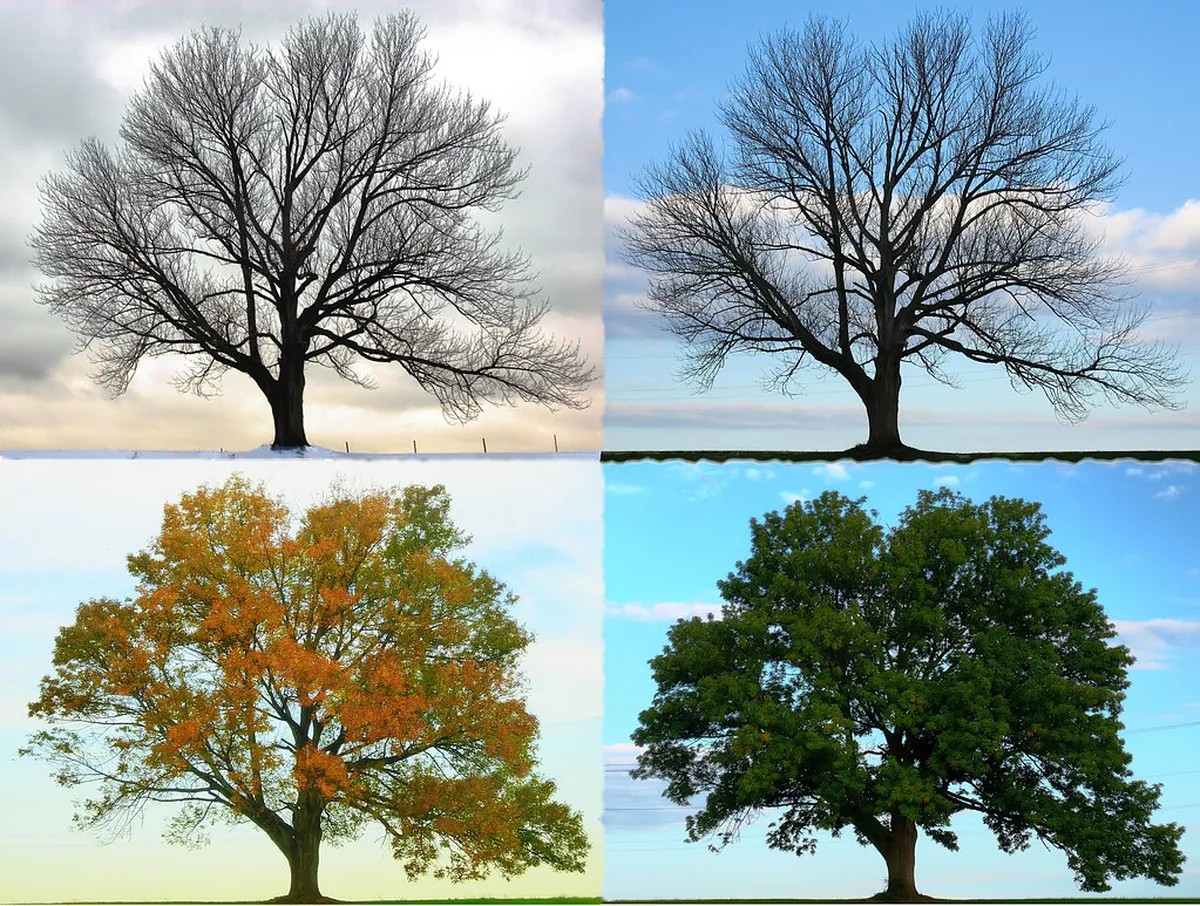
For timing, spring (March to May) is the best all-round window: mild temperatures for walking, the rose gardens at their peak, and the chance to catch Holy Week or Braga Romana. September and October are a strong second choice — summer crowds have gone, prices drop, and the weather remains warm and dry. Winter can be genuinely wet (Braga earns its local nickname "Chamber Pot of Portugal" for its November–February rainfall), though the cathedral and covered markets are unaffected. Check our guide on How Many Days In Braga: 3-Day Itinerary & Planning Tips to build the right length of trip. Comparing your options is easier once you have read 6 Essential Comparisons: Braga vs Guimarães Travel Guide — both cities are free-friendly, but in different ways.
Frequently Asked Questions
Is the Braga Cathedral free to enter?
The main nave of the Braga Cathedral requires a small entry fee, but you can view the impressive exterior and courtyards for free. Access to the surrounding historic squares is always open to the public.
How do I get to Bom Jesus do Monte for free?
While the bus to the base has a small cost, climbing the famous Baroque staircase is entirely free. You can enjoy the gardens and the panoramic views at the top without paying an entrance fee.
What are the best free events in Braga?
The Holy Week (Semana Santa) processions are the most famous free events, featuring historic parades through the streets. The Braga Romana festival in May also offers free historical reenactments and markets.
Braga proves that you do not need a large budget to experience the best of Portuguese culture and history. From the heights of Bom Jesus to the quiet beauty of the Santa Bárbara garden, the city is full of no-cost treasures. I hope this guide helps you navigate the ancient streets and discover the unique charm of the Minho region.
Remember to wear comfortable shoes and keep an eye out for the small details that make this city special. Whether you are visiting for the day or staying longer, Braga will leave a lasting impression without breaking the bank. Enjoy your journey through Portugal's historic heart and happy travels.
 10 Best Things to Do in Braga with Kids (2026)June 4, 2026
 10 Best Hidden Gems in Braga (2026)June 4, 2026