
How Many Days In Braga: 3-Day Itinerary & Planning Tips
Discover how many days in Braga you really need. This 3-day itinerary covers Bom Jesus, the Cathedral, and local secrets for first-timers.
On this page
How Many Days in Braga: A Complete 3-Day Itinerary
Braga is one of Portugal's most rewarding cities and one of the easiest day trips from Porto. Whether you have a single afternoon or a full long weekend, this guide gives you a clear answer on how long to stay — and exactly what to do with your time.
The city is compact, walkable, and genuinely affordable. Most travelers arrive from Porto, and the urban train makes the logistics simple. But those who stay overnight discover a different side of the city: student-filled squares after dark, empty churches at dawn, and a pace that rewards slowing down. You can learn more about Is Braga Worth Visiting? 10 Things to Know Before You Go in our dedicated guide, but the short answer is yes — even for a half day.
This itinerary covers every duration from a tight day trip to a three-night stay. Prices below are in EUR and reflect 2026 rates.
How Many Days Do You Need in Braga?
One full day is enough to cover the essentials: the Sé Cathedral, a walk through the historic center, and the funicular ride up to Bom Jesus do Monte. If you are arriving from Porto on a day trip, that single day will feel satisfying rather than rushed, as long as you start early and move with a plan.
Two days is the sweet spot for most visitors. You can add the Sameiro Sanctuary, linger over lunch, and explore the Biscainhos Museum without any time pressure. The evening atmosphere — students and locals filling the cafes around Praça da República — is something you only experience if you stay overnight.
Three days lets you use Braga as a base for the wider Minho region. Day three is naturally reserved for Guimarães or a drive into Peneda-Gerês National Park. If your Portugal itinerary includes the north, three days in Braga is a productive anchor that opens up the whole region.
1-Day Itinerary: The Essential Highlights
Take the urban train from Porto São Bento station. Trains run at least once per hour and the journey takes 54–71 minutes depending on the service. A return ticket costs €7.20 for adults on a Siga smart card. Arrive by 09:30 to get ahead of the tour groups.
- 09:30 — Walk the 300 metres from the station to the Arco da Porta Nova, the grand 18th-century gateway into the historic center.
- 10:00 — Visit the Sé de Braga. The cathedral dates to 1089 and is the oldest in Portugal. Allow at least an hour. Entry to the cathedral and museum is €5.
- 11:30 — Walk south to the Jardim de Santa Bárbara. The formal garden set against the Gothic walls of the Archbishop's Palace is one of the most photographed spots in the city.
- 12:30 — Lunch on the pedestrianised streets around Praça da República. Dona Sé, right next to the Cathedral, is reliable and well-positioned. Budget €12–15 for a two-course meal with wine.
- 14:00 — Take Bus 2 from Avenida da Liberdade to Bom Jesus do Monte. The journey takes about 30 minutes and a single ticket costs €1.55 payable by contactless on board. Alternatively, Uber or Bolt from the center costs about €5–6.
- 14:30 — Ride the historic funicular to the summit (€2.50 single / €4.00 return). Walk down the 577-step baroque stairway to appreciate the fountains, chapels, and forced-perspective architecture as it was designed to be experienced.
- 17:00 — Return to the city center and catch a train back to Porto from around 18:00.
Total spend for the day including transport, cathedral entry, funicular, and lunch sits comfortably under €35 per person. Braga is one of the least expensive cities in northern Portugal for visitors.
Arrive by 09:30 to get ahead of tour groups. If visiting in summer, climb Bom Jesus before 09:00 or after 17:00 to avoid the exposed stairway in full sun — the 577 steps drain quickly in 28–32°C heat.
2-Day Itinerary: Religious Landmarks and Local Life
Day one follows the same route as the day trip above. With an overnight stay, you can afford a slower morning on day one — start at the Cathedral at 09:00 rather than rushing from Porto's station. The evening is yours to explore the cafes and wine bars around the historic center. Café Vianna under the Arcada arches, open since 1871, is a good first stop.
On day two, begin with the Palácio dos Biscainhos museum (€5). The 17th-century baroque palace has carriages on the ground floor and a room dedicated entirely to the ritual of drinking hot chocolate — a colonial luxury once more expensive than gold. The baroque garden behind the palace is one of the most peaceful spots in the city.
- Morning: Palácio dos Biscainhos museum and garden. Allow 90 minutes.
- Midday: Walk to the Sameiro Sanctuary. It sits higher than Bom Jesus with broader views across the Minho valley. Bus 46 runs from Avenida da Liberdade. The sanctuary is quieter than Bom Jesus, especially on weekday mornings.
- Afternoon: Visit the Palácio do Raio on Largo Carlos Amarante. The vivid blue azulejo tiles on its facade make it unmissable. The granite detailing underneath, designed by André Soares in 1752, is extraordinary — no two window pediments are alike.
- Evening: Dinner at O Jacó near the train station for traditional Minho cooking, or Retrokitchen for something lighter and more modern.
If you visit Braga on a Tuesday, build your morning around the Mercado Municipal on Rua do Mercado. This is where local vendors sell Minho produce: cornbread (broa), regional cheeses, smoked sausages, and seasonal vegetables. It is not a tourist market. Come before 10:00 for the busiest stalls and pick up supplies for a picnic at Bom Jesus or Tibães. The market winds down by midday.
Bus schedules drop significantly on Sundays and public holidays — frequency sometimes falls to one bus per hour. Check tub.pt/percurso/2 before planning your sanctuary visits, and consider Uber or Bolt (€5–6, 10 minutes to Bom Jesus) as the faster and more flexible alternative during low-frequency hours.
3-Day Itinerary: Day Trips and Hidden Gems
Days one and two follow the plan above. Your third day is best used for Tibães Monastery or a half-day excursion to Guimarães. Choose based on your preference for solitude or medieval atmosphere.
Tibães Monastery is a 10-minute Uber ride from the center (€6–8 one way). It was the mother house of the Benedictine order in Portugal and one of the few major religious sites near Braga that most visitors skip entirely. The gilded altarpieces are every bit as elaborate as Bom Jesus, but without the crowds. The grounds stretch into farmland and woodland trails. Entry costs €4 and the site is closed on Monday mornings.
In the afternoon of day three, return to the city for a Vinho Verde tasting session. The Minho is the heartland of this wine. Look for a wine bar around Praça da República that focuses on single-quinta producers from the Lima, Cávado, and Ave river valleys — these are more complex than the mass-market versions exported abroad. A flight of three to four glasses with local cheese typically costs €10–14.
If you visited Tibães in the morning, round off day three with a slow walk through Braga's restaurant neighborhoods around Largo São João do Souto. The pedestrianised streets here are less visited than those near the Cathedral and more representative of how the city actually functions day-to-day.
Braga vs. Guimarães: Which One to Visit?
This is the most common question from first-timers planning a northern Portugal itinerary. The honest answer: they serve different purposes and are best visited separately. Guimarães is more concentrated and immediately charming — a medieval castle, cobblestone streets, and a UNESCO-listed center that feels like a single coherent museum. Braga is messier, larger, and more alive. It takes longer to understand but rewards more once you do.
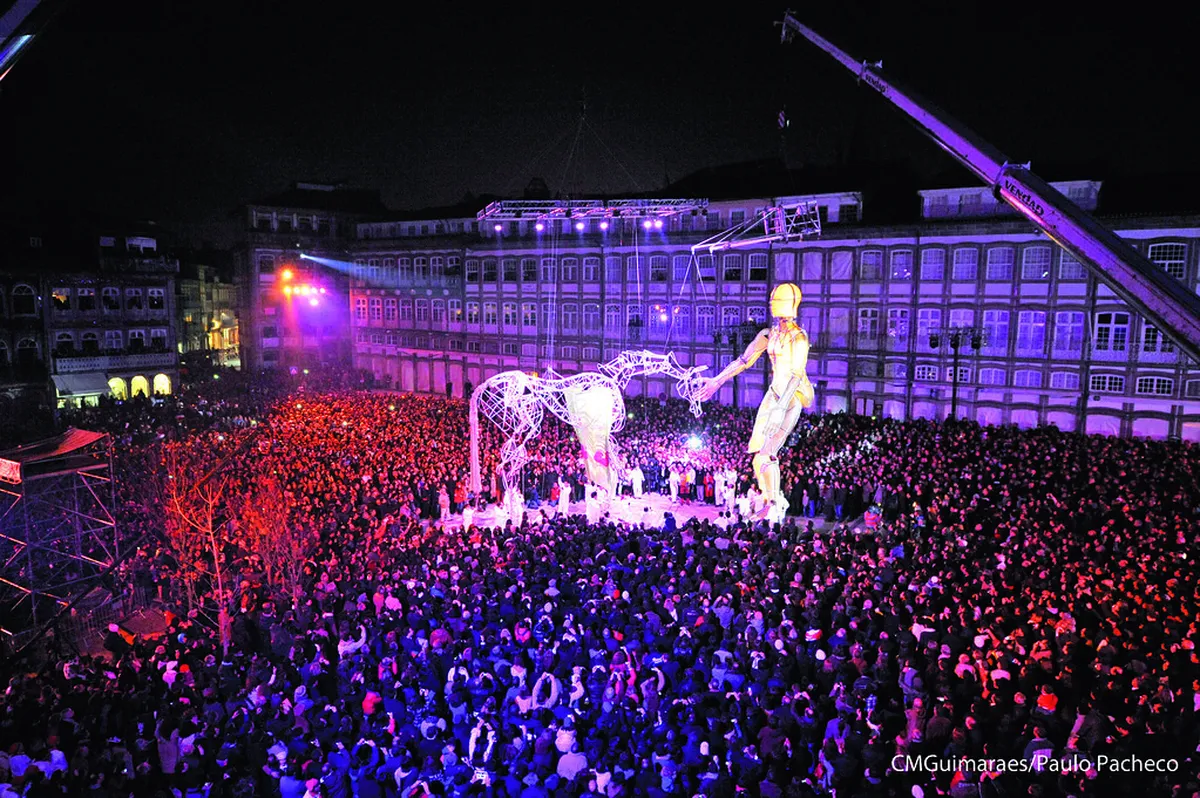
If you only have one day and have never been to northern Portugal before, go to Guimarães first. It is easier to fall for quickly and the sights cluster tightly around the castle. Save Braga for a return trip when you have two days to give it.
If you have already visited Guimarães, Braga wins on sheer variety: the Cathedral, Bom Jesus, Sameiro, Biscainhos, Palácio do Raio, and the student atmosphere at night cover far more ground. If you plan to do both in one trip, do not try to combine them in a single day. The train from Braga to Guimarães takes about 45 minutes, but rushing through both cities means you see neither properly. Each deserves its own day.
| Duration | Must-Do Sights | Highlights | Budget (per person) | Best For |
|---|---|---|---|---|
| 1 Day (Day Trip) | Sé Cathedral, Bom Jesus do Monte | Funicular ride, baroque stairway, Cathedral museum | Under €35 (train + entry + lunch) | Travelers from Porto with tight schedules |
| 2 Days (Overnight) | 1-Day sights + Sameiro Sanctuary + Palácio dos Biscainhos | Student atmosphere, cafes at Praça da República, baroque gardens, local wine bars | €45–60 (accommodation + activities) | First-time visitors wanting authentic pace |
| 3 Days (Long Stay) | All of 2-Day + Tibães Monastery | Day trips to Guimarães (45 min) or Peneda-Gerês National Park, Vinho Verde tastings, slower neighborhood walks | €75–100+ (accommodation + regional exploration) | Travelers using Braga as a Minho region anchor |
Where to Stay in Braga
The historic center is the best base for first-time visitors arriving by train. You step off the platform and are inside the old town within minutes. Hotels here tend to occupy renovated town houses and converted mansions. Most major sights are under 15 minutes on foot, and you avoid the need for taxis in the evenings. Parking in the center is limited, so if you are driving, check that your hotel has a garage before booking.
Choosing Where to Stay in Braga: 10 Essential Planning Tips and Areas near Bom Jesus suits couples who want quiet evenings with views over the Minho valley. Hotel do Parque overlooks the sanctuary gardens and is a short ride from the center. The surrounding area is peaceful once the day visitors leave by late afternoon. Expect room rates around €80–130 per night in 2026 depending on the season.
The Avenida da Liberdade area is practical for families or travelers with cars. Rooms tend to be larger, parking is easier, and the main bus routes to Bom Jesus and Sameiro run along this road. The historic center is a 15-minute walk. For those using Braga as a base for Minho day trips, the Lamaçães neighborhood offers larger hotels with pools at more competitive rates, roughly €60–90 per night.
How to Get Around the City
Walking is the primary mode of transport inside Braga's historic center. The core is compact and almost entirely flat — a welcome contrast to Porto's steep streets. You can cross the pedestrianised center in under 20 minutes on foot. The station is 300 metres from the Arco da Porta Nova, the historic gateway, so you are inside the old town immediately on arrival.
For the sanctuaries outside the center, Bus 2 (operated by TUB, Transportes Urbanos de Braga) runs to Bom Jesus from Avenida da Liberdade and the train station. A single ticket costs €1.55, payable by contactless on board. Check the timetable at tub.pt/percurso/2 — frequency drops significantly on Sundays and public holidays, sometimes to one bus per hour. Bus 46 covers the Sameiro Sanctuary route.
Uber and Bolt both operate reliably in Braga. A ride from the center to Bom Jesus costs €5–6 and takes around 10 minutes. This is the faster and more flexible option, especially if you are traveling with children or in summer heat. The funicular at Bom Jesus costs €2.50 single or €4.00 return and has been running since 1882 — it is the world's oldest water-powered counterbalancing funicular. For Tibães Monastery, there is no direct bus, so a taxi or Uber (€6–8 each way) is the practical choice.
Best Time to Visit Braga
Spring — April to June — is the most rewarding season. Temperatures sit between 17°C and 23°C, rain is decreasing, and the city is at its most photogenic. Holy Week (Semana Santa) is Braga's biggest annual event: processions of hooded brotherhoods carrying torches fill the streets, buildings are draped in red and purple cloth, and the atmosphere is unlike anything else in Portugal. For the latest calendar and travel tips, check Visit Portugal. Hotels book out months in advance for Holy Week, so plan early if you want to be there for it.
September and October offer warm days, fewer crowds, and lower hotel rates (€55–85 per night compared to summer peaks of €90–130). These are the best months if you want Bom Jesus in reasonable weather without queues. Summer — July and August — is busy and hot, with temperatures regularly reaching 28–32°C. The Bom Jesus stairway is exposed and draining in full sun; go before 09:00 or after 17:00 if you visit in summer.
Winter is cool and wet but has its own appeal. Room rates drop to €45–70, churches and museums are almost empty, and Braga's religious calendar continues through Advent with nativity displays and evening processions. If the weather turns bad at any point, the Biscainhos Museum and the Cathedral cloisters both offer significant shelter, and the covered cafes around Praça da República make a rainy afternoon genuinely pleasant.
Is Braga Worth Visiting?
Yes, especially for travelers who find Lisbon too crowded or Porto too hectic. Braga runs on its own rhythm, shaped by a large university population and a deep religious calendar. A coffee in Praça da República still costs under €1. A three-course lunch with wine runs €12–15. The city is genuinely affordable by 2026 European standards.
For history, Braga is exceptional. Bracara Augusta, the Roman foundation, is still visible in the city's street grid and in excavations beneath the modern center. The Cathedral predates Portugal itself. The Archbishop's Palace complex covers most of a city block. No other city in northern Portugal concentrates this density of religious and civic architecture in such a walkable space.
The main objection you will hear is that Braga feels like a place people live rather than visit. That is true — and it is also precisely what makes it more interesting than a city built around tourism. Spend two nights here and you will see what most visitors miss in a hurried day trip from Porto.
Frequently Asked Questions
Is one day enough for Braga?
One day is enough to see the Cathedral and Bom Jesus. However, you will miss the smaller museums and the relaxed evening atmosphere. Two days allow for a much better pace.
How do I get from Porto to Braga?
The easiest way is by the urban train from Porto-Sao Bento. Trains run hourly and cost about €3.20 each way. The journey takes roughly 70 minutes through the countryside.
What should I do in Braga when it rains?
Visit the Biscainhos Museum or the Raio Palace to stay dry. The Cathedral cloisters also offer significant shelter while exploring. Many cafes in Praça da República have covered seating.
Braga is a city that rewards those who slow down and explore. Whether you stay for one day or three, the history is captivating. Use the itineraries above as a framework and adjust for your own pace — the city is compact enough that you can always add or drop a sight on the day.
For more planning tips, check out our guide on 3 days in Lisbon Itinerary. Don't forget to try the local Tíbias de Braga — sweet egg-cream pastries sold in pastelarias around Praça da República. Safe travels as you explore the Minho.
See our Braga attractions guide for the broader overview.
 Day Trips From Guimaraes: 3-Day Minho ItineraryJune 8, 2026
 9 Essential Tips for Visiting Guimarães CastleJune 8, 2026
 Porto To Guimaraes Day Trip Travel GuideJune 8, 2026