10-Day Portugal Without A Car Itinerary (by Train & Bus)
Plan your perfect 10-day Portugal trip without a car. This day-by-day itinerary covers Lisbon, Porto, and the Algarve using only trains and buses.
On this page
10-Day Portugal Without A Car Itinerary (by Train & Bus)
This 10-day Portugal itinerary is built entirely around trains and buses — no rental car needed, no parking headaches, and no navigating Lisbon's one-way streets. It covers Lisbon, Sintra, Porto, the Douro Valley, and the Algarve using Comboios de Portugal (CP) trains and Rede Expressos coaches as the primary transport backbone.
Knowing How Many Days in Portugal: 10-Day Essential Itinerary you need is the first step toward a great trip. Ten days hits the sweet spot: long enough to feel Lisbon's fado-soaked evenings, Porto's port-wine cellars, and the Algarve's sea-carved cliffs without sacrificing a single day to a rental-car return queue.
This guide is written for first-time visitors and solo travelers who want a practical, decision-ready plan — including exact train names, fare tips, booking windows, and the station-to-town logistics that most guides skip entirely.
How to Get Around Portugal Without a Car
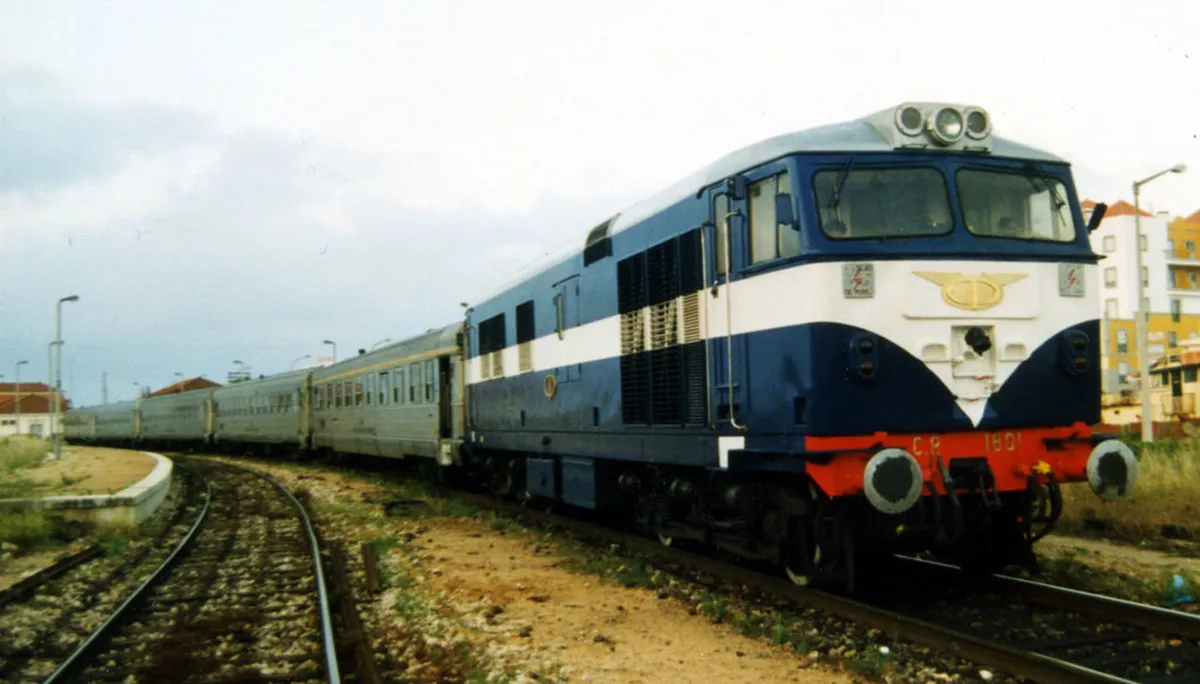
Portugal's public transport network is more capable than most first-timers expect. The national rail operator Comboios de Portugal (CP) runs two long-distance train categories that matter: the Alfa Pendular, a tilting high-speed train linking Lisbon and Porto in about 2 hours 50 minutes, and the Intercidades (IC), a slower intercity service that's typically 30–45 minutes cheaper. For most journeys on this itinerary, book the Alfa Pendular — the comfort and time saving justify the small extra cost.
For coastal towns and smaller destinations the train doesn't serve, Rede Expressos coaches fill the gap reliably. The Algarve, Óbidos, and Nazaré all connect via Rede Expressos from Lisbon. Coaches are comfortable, punctual, and often the only car-free option to reach the western Algarve beaches. Book tickets at rede-expressos.pt or at the ticket desk inside Sete Rios bus terminal in Lisbon.
Within cities, both Lisbon and Porto have excellent metro systems. Lisbon's metro runs from 06:30 to 01:00 and connects the airport to the city center in about 25 minutes on the red line. Porto's metro (also called the Metro do Porto) runs to Campanhã station and all the way to the airport. Pick up a reloadable Andante card in Porto or a Viva Viagem card in Lisbon — both work across metro, trams, and some buses.
If you prefer the road for day trips, a 10-day Portugal road trip itinerary covers the same geography with more flexibility but requires driving confidence in historic centers. For this car-free plan, stick to the rail and bus network described below.
The Best Time to Visit Portugal
March through April and October through November are the strongest months for a car-free Portugal trip. Crowds are manageable, the weather is mild (18–24°C in Lisbon), and train seats are far easier to book without the pressure of peak summer demand. May and September are also good, though temperatures in the Algarve can spike above 30°C and popular trains book out weeks ahead.
Avoid July and August if possible. Sintra runs out of timed-entry palace tickets weeks in advance, the Alfa Pendular is booked solid on Friday afternoons, and the Algarve's best bus routes run standing-room only between Lagos and Portimão. The Douro Valley is an exception — September harvest season is spectacular and worth the crowds if you can plan around it.
December and January bring the rainy season and shorter daylight hours. Transit still runs reliably, but several Algarve boat tours and beach services close or reduce frequency. If your travel window is fixed to winter, budget a day of weather contingency and pre-book indoor alternatives like Lisbon's National Azulejo Museum or Porto's Serralves Museum of Contemporary Art.
How Many Days in Portugal Do You Need?
Ten days covers the country's three main regions — Lisbon, Porto, and the Algarve — with enough buffer to absorb a slow morning or a transit delay without collapsing your schedule. If you have 2 weeks in Portugal, you can add Évora's Roman temple, Coimbra's Joanina Library, or the coastal towns of Nazaré and Aveiro without rushing.
With 7 days, focus exclusively on Lisbon (4 nights) and Porto (3 nights). Skip the Algarve — the bus south takes six hours from Porto and burns a full travel day each way. The Douro Valley works as a day trip from Porto on the scenic Linha do Douro train, making it a strong 7-day closer.
With 10 days, this itinerary works as written. Split roughly as 3 nights Lisbon, 1 night Sintra (optional) or return to Lisbon, 3 nights Porto, then 3 nights across Lagos and Faro in the Algarve. The Alfa Pendular handles the Lisbon–Porto leg; Rede Expressos covers the journey south.
With 14 days, add Coimbra as a stopping point between Lisbon and Porto (the Alfa Pendular stops there), slot in a night in Tomar for the Convent of Christ, and spend a day at Sagres on the Algarve's far western tip — reachable by Eva Transportes bus from Lagos. Fourteen days transforms this from a highlights tour into a genuinely deep Portugal trip.
Travel Tips for Navigating Portugal by Train
The single biggest money-saving move on this itinerary is booking Alfa Pendular "Promo" fares. CP releases Promo tickets roughly 5–8 days before departure and they sell out quickly, but when you catch one, the discount is 40–65% off the standard fare. Lisbon to Porto on a Promo ticket can drop from around €35 to €14. Book at cp.pt or via the CP mobile app, which also shows real-time platform changes and delays.
Luggage deserves its own strategy. Older Portuguese train carriages have shallow overhead racks designed for hand luggage, not 25-litre rolling cases. For day trips from Lisbon, use the luggage lockers at Lisbon Oriente station (the main intercity hub) rather than dragging bags across town. In Porto, lockers exist at Campanhã (the main arrival station) — São Bento, the photogenic tile-covered terminal in the city center, is a terminus for regional trains only and has no left-luggage service. Campanhã is where long-distance trains arrive; a short urban metro ride connects it to São Bento and the center.
Always validate your ticket on regional and suburban trains. Urban CP services (commuter lines around Lisbon and Porto) require you to tap or stamp before boarding. Skip this step and inspectors issue on-the-spot fines of €100+. Long-distance Alfa Pendular and Intercidades tickets with assigned seats don't need separate validation — your boarding pass is sufficient.
The CP app is reliable for schedules, but pair it with Google Maps or Citymapper for walking directions from stations to your hotel or attraction. Citymapper covers Lisbon and Porto with real-time metro and tram data; it's noticeably more accurate than Apple Maps for Portuguese transit connections.
Booking Alfa Pendular Promo fares 5–8 days in advance can save 40–65% off standard fares. Sign up for CP push notifications to catch price drops on your planned routes, and check the CP app daily if you have a flexible travel window.
The Last Mile: Getting from Station to Town
Every car-free guide tells you which train to take. Almost none of them tell you what happens after you step off the platform. This section covers the station-to-historic-center gaps that first-time car-free travelers consistently underestimate.
Sintra: The train from Lisbon's Rossio Station arrives at Sintra station in about 40 minutes. From the station, bus 434 runs a circular loop stopping at Sintra Vila (town center), Castelo dos Mouros, and Pena Palace. Bus 435 covers Quinta da Regaleira and Monserrate Palace on a separate loop. Buy a combined 434/435 day pass (around €15 in 2026) at the bus stop kiosk outside the station rather than per-journey — it's almost always cheaper. Leave Lisbon by 09:00 to be at Pena Palace before the coach tour groups arrive around 10:30.
Coimbra: The Alfa Pendular stops at Coimbra-B, a suburban station 3 km from the historic center and the university hill. From Coimbra-B you transfer to a short regional shuttle train (included in your through-ticket) that runs to Coimbra-A station in the city center. From Coimbra-A, the old town and the university are a steep 15-minute uphill walk. There is no cable car or funicular — if you have a large bag or limited mobility, a taxi from Coimbra-A to the university quarter costs around €5.
Óbidos: Óbidos has no train station. The Rodotejo "Rapida Verde" bus from Lisbon's Campo Grande station (Terminal 2) runs roughly once an hour and costs €8 each way — buy your ticket from the driver. The bus drops you at a layby about 500 metres from the fortified gate. From the bus stop, the gate and medieval walls are a flat 5-minute walk along a paved road. There is no luggage storage in Óbidos, so leave bags at Lisbon Oriente lockers before making this day trip.
Faro (Algarve): Faro's train station is a 10-minute walk from the old town ferry pier and the Ria Formosa waterfront. It's flat, well-signed, and easy even with luggage. From Faro, regional trains connect west to Lagos and east to Vila Real de Santo António along the Linha do Algarve — this is the spine of car-free Algarve exploration.
Always download an offline map of each city (Google Maps or Maps.me) before arriving. Portuguese train and bus terminals can be confusing, and cell signal is spotty in rural areas. Offline maps let you navigate station-to-hotel without burning data or wasting 15 minutes searching for a free WiFi connection.
Average Trip Costs for Non-Drivers
Traveling car-free in Portugal is genuinely affordable. Skipping a rental car saves roughly €40–€70 per day once you factor in fuel, parking (Lisbon city-center parking can run €2–€3 per hour), and the time stress of finding spaces in Porto's narrow riverside streets.
- Lisbon to Porto (Alfa Pendular): €14–€35 per person depending on Promo availability. Book 5–8 days out for the best fares; standard fare is around €35.
- Porto to Lagos (Rede Expressos coach): approximately €25–€30 per person for the 5–6 hour journey. Direct coaches run daily; book at least 3 days ahead in summer.
- Lisbon day transit (Viva Viagem card, 24h pass): €6.60 covers unlimited metro, tram, and bus within central Lisbon zones.
- Sintra 434/435 bus day pass: approximately €15 per person in 2026.
- Douro Valley train (Porto to Pinhão on Linha do Douro): €12–€18 each way; one of the most scenic rail journeys in Europe.
- Accommodation mid-range: €80–€130 per night for a central 3-star hotel in Lisbon or Porto; €60–€90 in the Algarve outside peak August.
A realistic 10-day budget for a solo traveler spending carefully is €1,200–€1,600 all-in (accommodation, transit, food, entry tickets). A couple sharing a room can drop per-person cost to €900–€1,200. The Lisbon Card (€22 for 24h, €38 for 48h) is worth buying if you plan to visit three or more museums — it includes unlimited metro use and free entry to most major Lisbon sites.
The Ultimate 10-Day Portugal Itinerary Summary
This quick-reference table shows the route, main transit leg, and overnight base for each section of the trip. All journey times are approximate and based on 2026 CP and Rede Expressos schedules.
| Period | Region | Transit Leg | Duration & Fare | Base |
|---|---|---|---|---|
| Days 1–3 | Lisbon | Arrive at Humberto Delgado Airport; metro red line | 25 min, €1.80 | Baixa or Chiado |
| Day 3 | Sintra | Train from Rossio | 40 min, €2.50 | Return to Lisbon |
| Day 4 | Óbidos | Rodotejo bus from Campo Grande | 60 min, €8 | Return to Lisbon |
| Days 4–7 | Porto | Alfa Pendular from Lisbon Oriente | 2h50, €14–€35 | São Bento or Bonfim |
| Day 6 | Douro Valley | Linha do Douro from São Bento to Pinhão | 2h30, €12–€18 | Return to Porto |
| Days 7–10 | Algarve | Rede Expressos coach from Porto to Lagos | 5–6h, €25–€30 | Lagos → Faro |
The route runs Lisbon → Porto → Algarve with no backtracking. If you fly home from Lisbon, add a €20–€25 regional train from Faro to Lisbon (3h30 on the Alfa Pendular via Albufeira) on Day 10 morning, which still gives you a full last evening in Lisbon.
Days 1–3: Lisbon and Sintra Logistics
How to get there: Metro red line from the airport to Oriente in 25 minutes (€1.80 with Viva Viagem card), then blue line connections to the center. Alternatively, the Aerobus (bus 1) stops at Marquês de Pombal and Cais do Sodré for €4.
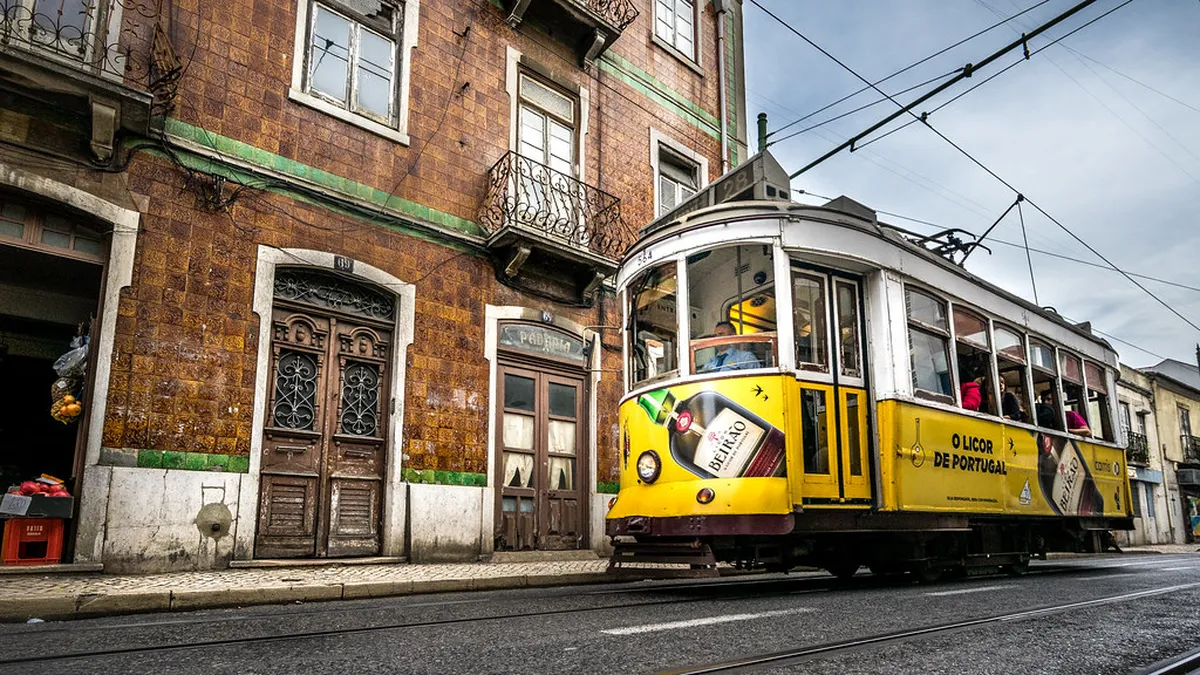
Day 1 works best as an Alfama and Baixa orientation walk. Skip Tram 28 — it's an extreme pickpocket target and usually standing-room only. Instead, walk up from Praça do Comércio through Baixa to Rossio Square, then take an Uber or Bolt to Miradouro da Graça for the city-wide viewpoint. The walk back downhill through Alfama's tiled lanes takes 45 minutes and covers the Cathedral, Sé de Lisboa, and the Fado Museum naturally.
Day 2 suits Belém. Take the 15E tram from Cais do Sodré (about 20 minutes, included on the Viva Viagem) or a train from Cascais line at Cais do Sodré station to Belém stop (5 minutes, €1.80). See the Jerónimos Monastery (pre-book timed entry, €10, gets crowded by 11:00), Belém Tower, and the Monument to the Discoveries. Stop at Pastéis de Belém — the queue moves fast, and these custard tarts are worth it.
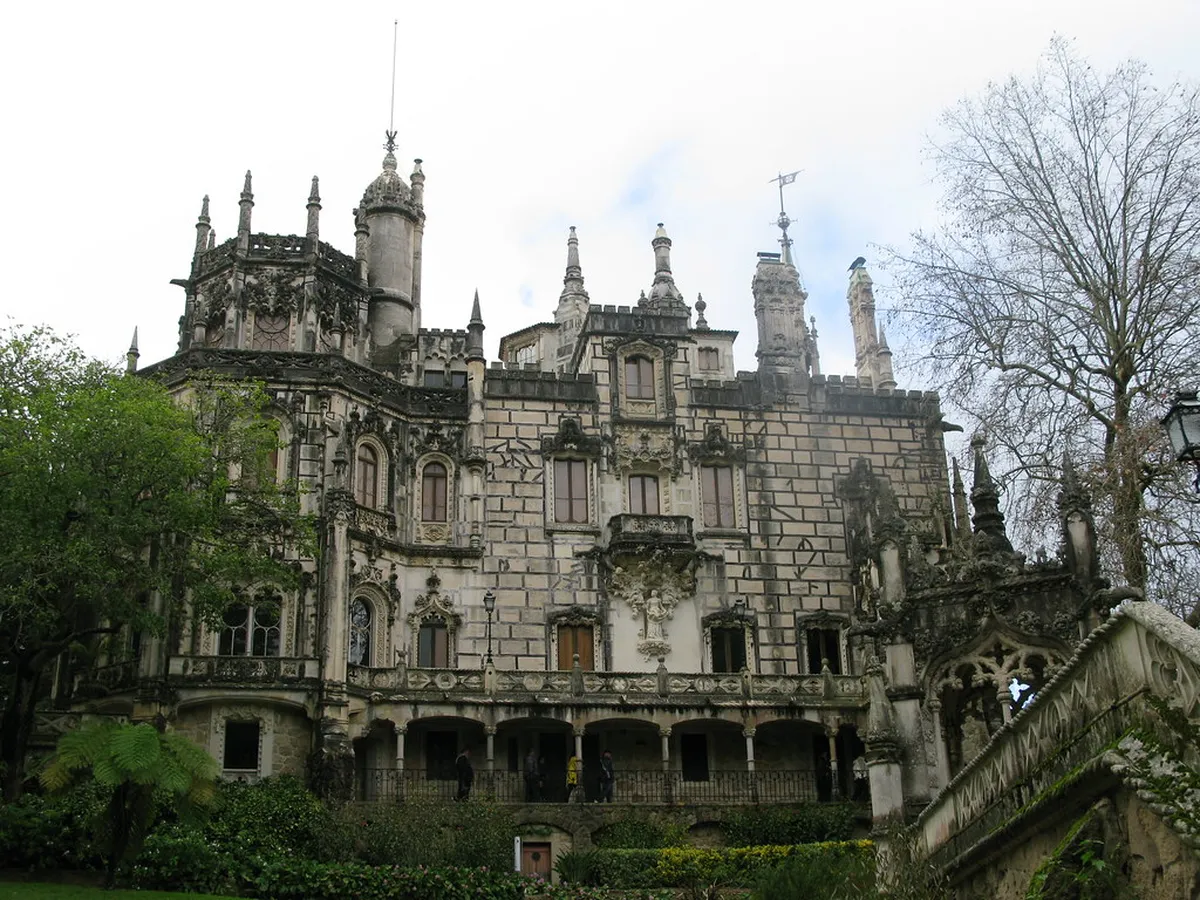
Day 3 is Sintra. Train from Rossio, catch the 434 bus loop and prioritize Pena Palace (timed entry mandatory, book at least 2 weeks ahead via parquesdesintra.pt, around €17 in 2026). After Pena Palace, walk downhill through the park to Quinta da Regaleira — the Initiation Well is about a 15-minute walk from the palace exit. The 435 bus covers Monserrate Palace if you still have energy by mid-afternoon. Return trains to Lisbon run every 20 minutes from Sintra station until around 00:30.
Days 4–7: Porto and the Douro Valley by Train
How to get there: Alfa Pendular from Lisbon Oriente to Porto Campanhã (2h50, book as far ahead as possible for Promo fares). From Campanhã, take the purple metro line (Line E) two stops to Trindade, then transfer to the yellow line (Line D) to São Bento if you want to arrive at the iconic tile-covered central station. The whole metro transfer takes about 15 minutes and costs €1.85 with an Andante card.
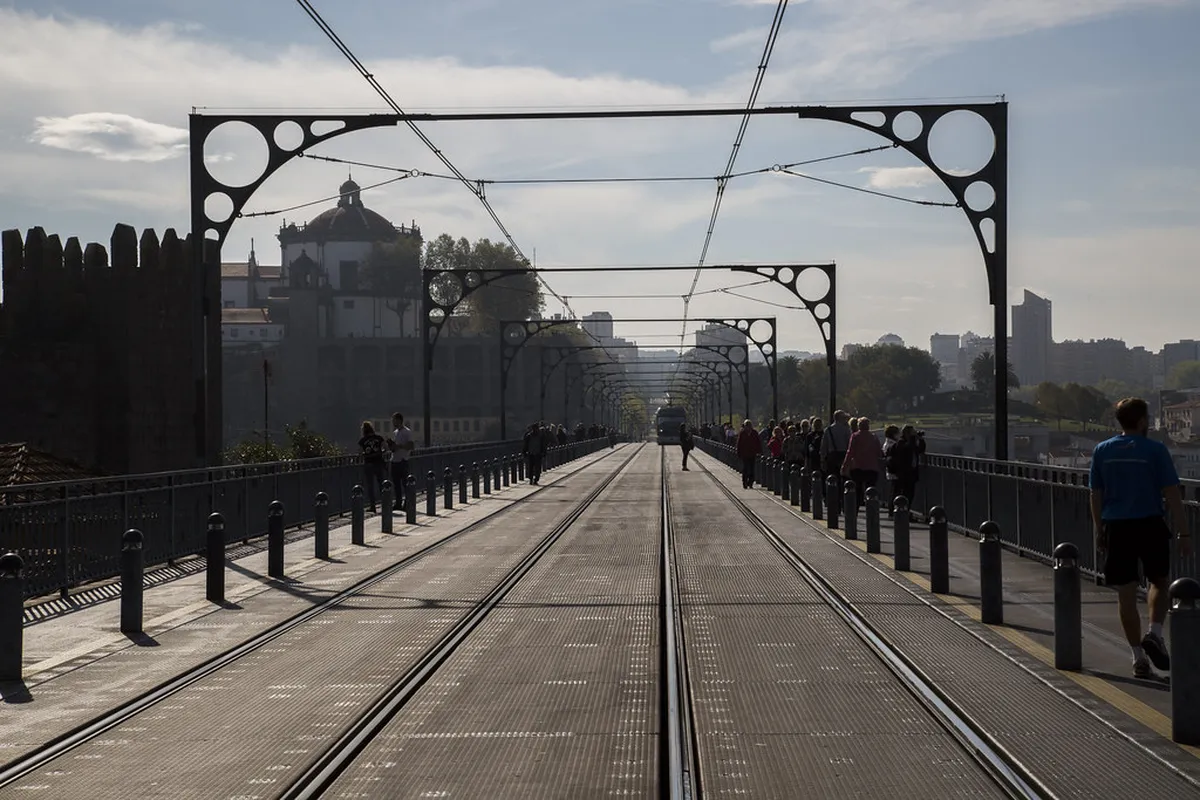
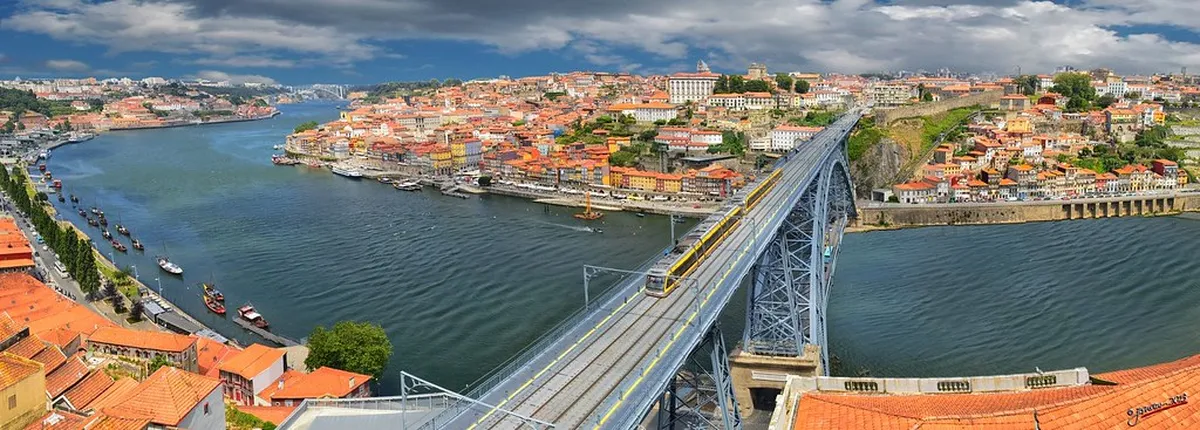
Porto's historic center is entirely walkable once you're based there. Day 4 afternoon suits a Ribeira waterfront walk and the Dom Luís I Bridge crossing to Vila Nova de Gaia for port wine tasting at Sandeman, Cálem, or Taylor's (tastings from €12–€20, tours from €18). Day 5 covers São Bento's azulejo panels (free to enter the station), Clerigos Tower (€5 entry, 240 steps, best views at 09:00 before coach groups), Livraria Lello bookstore (€5 entry, credited against book purchase), and the Bolhão Market for local cheese and presunto.
Day 6 is the Douro Valley. Take the Linha do Douro regional train from São Bento to Pinhão (departures around 09:15, arrive Pinhão around 11:45 — check CP for current times). The train hugs the river through vineyards carved into schist terraces — this is consistently rated one of Europe's great scenic rail journeys. In Pinhão, several quintas (wine estates) offer tastings within walking distance of the small station. Ramos Pinto and Quinta do Crasto are both accessible without a car. Return train leaves Pinhão around 17:00; check the current schedule on the CP app as Douro Valley services have limited frequency.
Day 7 can go to Braga and Guimarães (urban trains from São Bento to Braga take 1h, then a regional bus connects to Guimarães in 45 minutes) or serve as a final Porto free day. If you choose the day trip, prioritize Guimarães over Braga — the UNESCO-listed medieval center is more walkable and photogenic, and the castle and Ducal Palace together fill 3–4 hours.
Days 8–10: Exploring the Algarve Without a Car
How to get there: Rede Expressos runs direct coaches from Porto (departing around 07:30–08:00 from Garagem Atlântico) to Lagos in the western Algarve, arriving around 13:30–14:00. This is a full travel day — pack a lunch, download offline maps, and book your seat in advance. Alternatively, take the Alfa Pendular from Porto to Faro (via Lisbon, roughly 5h total with connection) and base in the Algarve's eastern hub before working west.
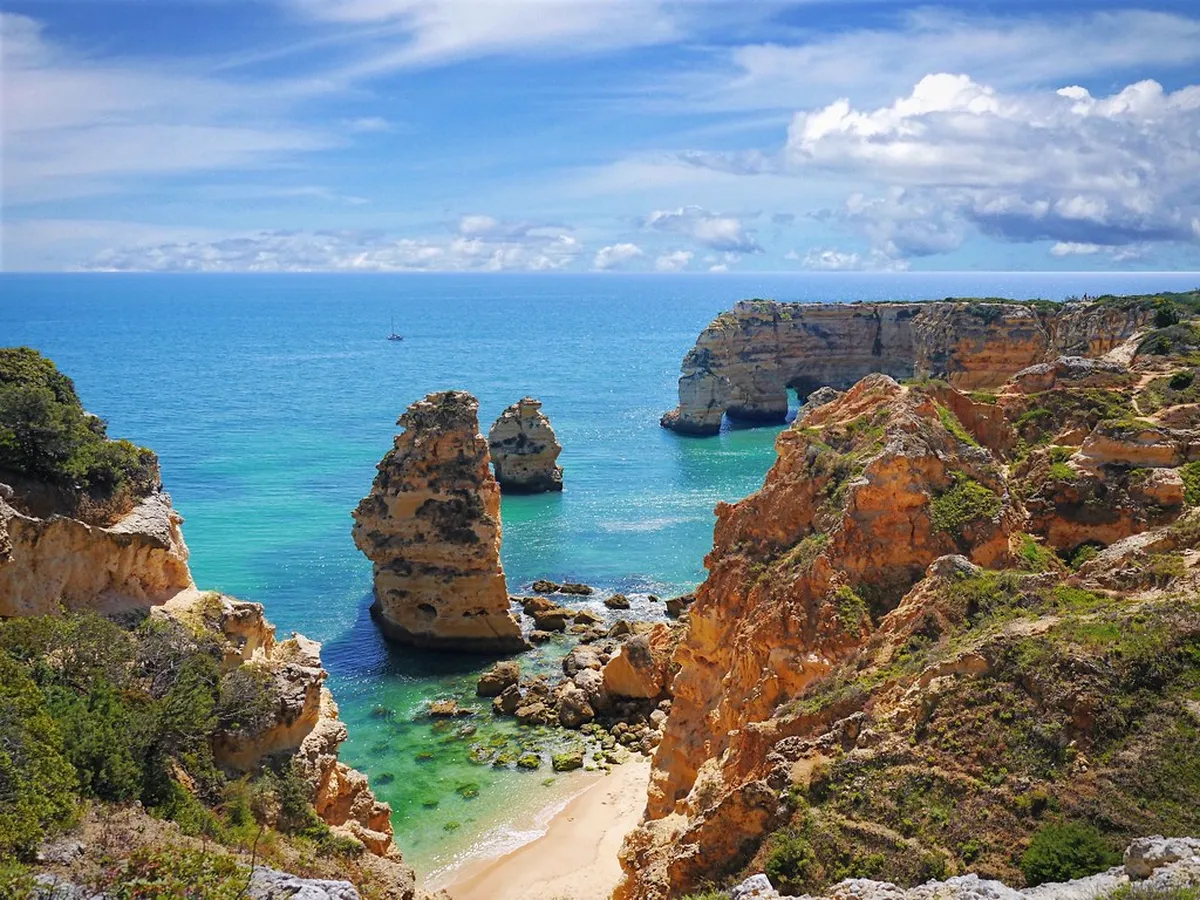
Lagos is the best car-free western Algarve base. The Linha do Algarve regional train links Lagos east to Portimão, Albufeira, Faro, and Tavira — so day trips along the coast don't require a car. For Ponta da Piedade's sea stacks and grottos on Day 8, it's a 20-minute walk south from Lagos town center or a short taxi ride (€5–€7). Benagil Cave on Day 9 requires a boat tour from Carvoeiro or Praia de Benagil — book the morning 09:00 slot online the day before (around €20 per person) and get there by taxi from Lagos or by regional train to Portimão then taxi (total €15–€20 each way).
Day 10 works well as a Faro day. Regional train from Lagos to Faro takes about 1h45 on the Linha do Algarve. Faro's old town (Cidade Velha) is 10 minutes' walk from the station through the marina. The walled old town, the Ossos Chapel (bone chapel in the Igreja do Carmo), and the Ria Formosa Nature Park ferry are all accessible on foot or by short boat from the town pier. If you're flying home from Faro airport, it's a 10-minute taxi ride from the old town (€8–€10); the airport has no direct rail connection from the city center, so budget 30 minutes.
Designing Your Own Portugal Itinerary
The modular logic of this 10-day plan is simple: base yourself in cities that have good train connections, use day trips to reach smaller towns, and sequence the route so you're never backtracking. Lisbon → Porto → Algarve is the most efficient direction — the train network runs this way, and the weather gradient (cooler north, warmer south) means you end the trip on the beach, which most people prefer.
If you only have 7 days, drop the Algarve and tighten to Lisbon (3 nights) + Sintra day trip + Porto (3 nights) + Douro Valley day trip. You'll still see the best of Portugal without a single flight or long bus leg.
If you want to extend to 14 days, add Coimbra (stop on the Alfa Pendular, visit the Joanina Library — timed entry required, book online at uc.pt, around €15) and Tomar (regional train from Coimbra, 1h30; the Convent of Christ is a 15-minute walk uphill from the station). Both work as overnight stops or long day trips, and neither requires a car. In the Algarve, add Sagres at the far western tip — Eva Transportes bus from Lagos runs once or twice daily and takes about 1h15. Sagres has dramatic cliffs, a working fortress, and almost no mass tourism, making it the best car-free differentiator in the region.
Alternative hubs worth knowing: Tomar and Coimbra are far easier to navigate car-free than romantic but isolated Óbidos or the Douro villages. If you're a first-time solo traveler who wants a slower pace with genuine town life, a night in Tomar or Coimbra gives you that without relying on taxis or tour buses. Both have good hotel infrastructure within walking distance of their train stations.
Where to Stay in Portugal Without a Car
Choosing the right base is critical when you are relying on trains and buses. Stay near the Baixa or Chiado districts in Lisbon to be within walking distance of major transit hubs. Check availability on Booking.com to find central hotels with high transit scores.
The Hotel Da Baixa offers a perfect location for exploring the capital's historic center on foot. In Porto, the Hotel Infante Sagres is within walking distance of both São Bento station and the Ribeira waterfront. For Lisbon arrivals who land late, the Corpo Santo Lisbon near the riverfront is a strong option.
One practical note on accessibility: many of Portugal's historic center hotels are inside buildings without lifts, and cobblestone streets (calçada) are genuinely difficult with roller luggage. If you have mobility considerations, filter explicitly for "lift" and "accessible room" when booking, and plan to take taxis for the final few hundred metres from any tram or metro stop to your hotel door.
Frequently Asked Questions
Is it easy to get around Portugal without a car?
Yes, Portugal has an excellent network of trains and buses connecting major cities. The high-speed Alfa Pendular trains are efficient, while Rede Expressos buses reach smaller coastal towns. Most historic centers are very walkable.
How do I buy train tickets in Portugal?
You can purchase tickets at station counters or via the Comboios de Portugal website. Using the CP mobile app is the easiest way to manage your bookings. Buy tickets early for significant discounts.
Is the train or bus better in Portugal?
Trains are generally faster and more comfortable for long distances between major cities. Buses are better for reaching specific coastal regions like the Algarve. Both options are very affordable for travelers.
Exploring Portugal without a car is a rewarding way to see the country like a local. The combination of high-speed rail and regional buses makes this 10-day itinerary seamless and enjoyable. With the Promo fare booking strategy and the station-to-town logistics in this guide, you have everything you need to navigate Portugal's trains and buses with confidence.
Remember to book Pena Palace and Alfa Pendular Promo fares well in advance, keep your luggage light enough for cobblestones, and leave the Lisbon Oriente lockers to handle the rest. Safe travels as you discover the incredible history and beauty of Portugal by rail and bus.
 How to Get to Braga: 6 Best Ways to TravelJune 4, 2026