2 Weeks In Portugal Itinerary (14-day Road Trip) Travel Guide
Plan 2 weeks in portugal itinerary (14-day road trip) with top picks, neighborhood context, timing tips, and practical booking advice for a smoother trip.
On this page
2 Weeks In Portugal Itinerary (14-day Road Trip)
I built this 2 weeks in Portugal itinerary after my fourth visit to the country. This guide helps first-time visitors navigate a north-to-south road trip without the usual overwhelm. Last updated for 2026 to reflect current ticket prices, booking windows, and access changes. Portugal offers a stunning mix of historic cities, medieval villages, wine country, and rugged Atlantic coastline.
Fourteen days is enough time to cover the major highlights comfortably without spending every evening repacking a suitcase. We found that a rental car provides the most flexibility — it opens up small towns that trains simply do not reach. Many visitors wonder how many days you actually need to see Portugal properly, and the honest answer is that two weeks is the practical minimum for this route. This 10 Essential Sections for a Portugal Road Trip Itinerary sequences stops to minimize backtracking while giving each place enough time to breathe.
At a Glance: 14-Day Portugal Itinerary
This route runs north to south, starting in the central region with quieter towns before building up to Porto, then pivoting south through Sintra, Lisbon, and finally the Algarve. The logic is intentional: you hit the busiest cities mid-trip when you are warmed up, and you finish with beach days when you want to decompress. The total driving distance is roughly 1,400 km over the full 14 days — manageable if you avoid driving more than 2.5 hours on any single day.
- Day 1 — Caldas da Rainha: Pottery market in the morning, thermal park in the afternoon, quiet dinner at a local tasca.
- Day 2 — Óbidos: Early walk on the medieval town walls, Ginja tasting in chocolate cups, overnight in a stone guesthouse inside the walls.
- Day 3 — Aveiro: Moliceiro canal boat ride, striped houses of Costa Nova, Ovos Moles sweets by the waterfront.
- Days 4–6 — Porto: Dom Luís I Bridge and Gaia wine cellars on Day 4; São Bento Station azulejos and Clérigos Tower on Day 5; Livraria Lello and Crystal Palace Gardens on Day 6, with a Douro Valley excursion option.
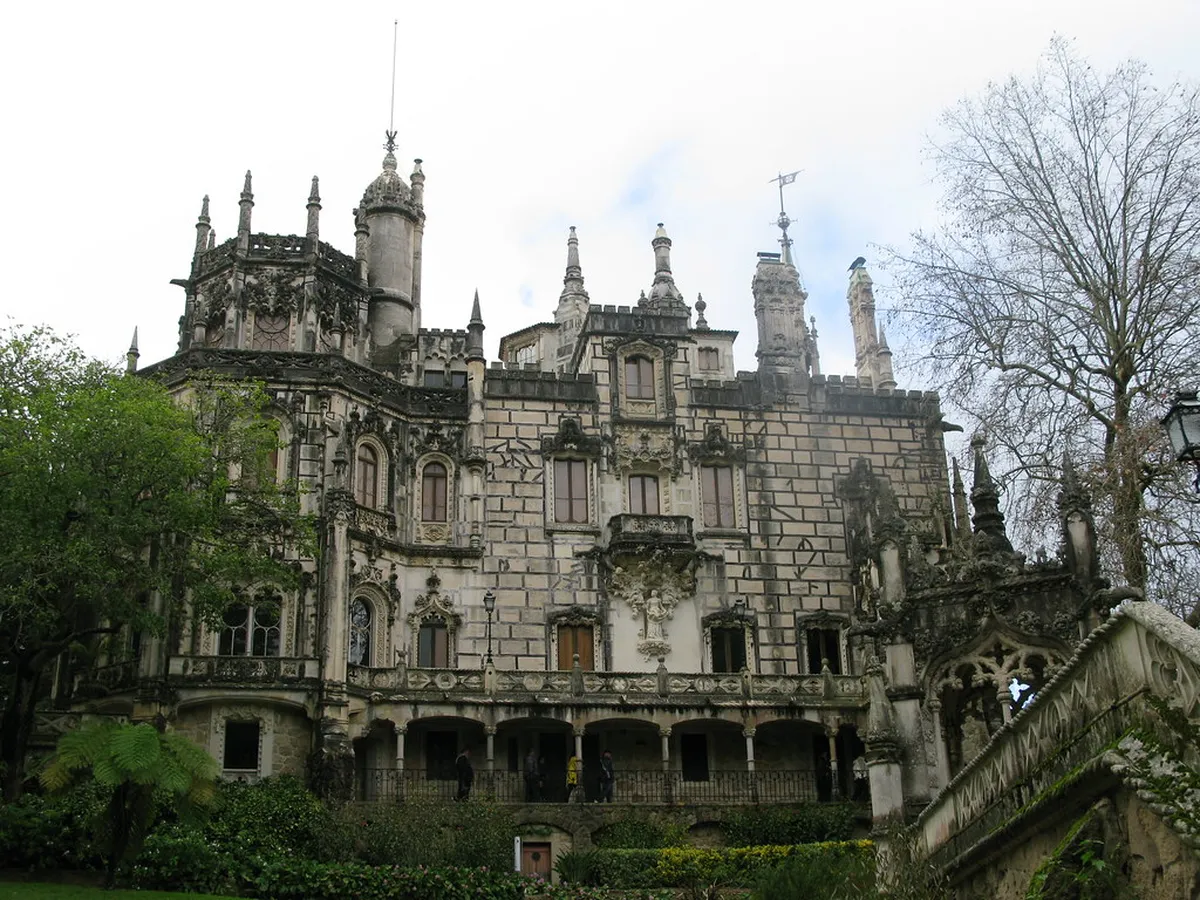
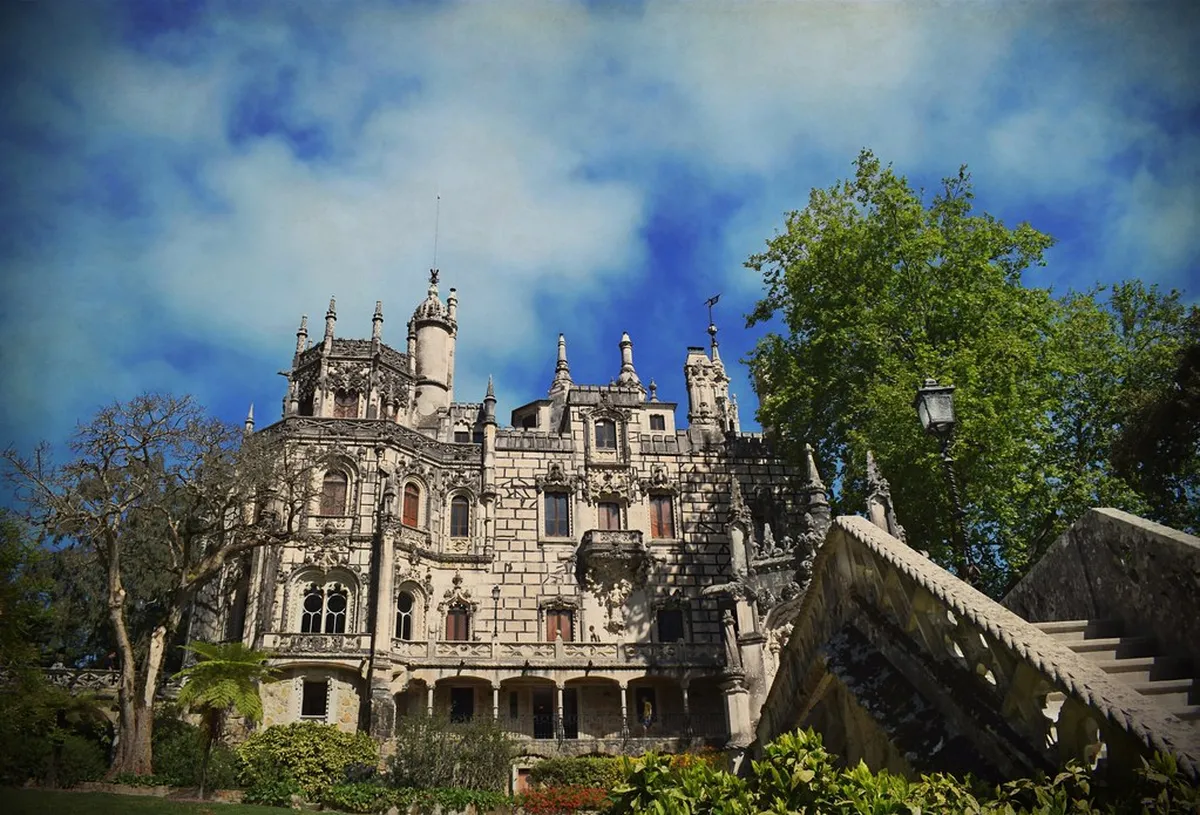
- Days 7–8 — Sintra: Pena National Palace and Moorish Castle on Day 7; Quinta da Regaleira and Monserrate on Day 8, finishing at Cabo da Roca for sunset.
- Days 9–11 — Lisbon: Alfama and São Jorge Castle on Day 9; Belém monuments on Day 10; Tile Museum and LX Factory on Day 11.
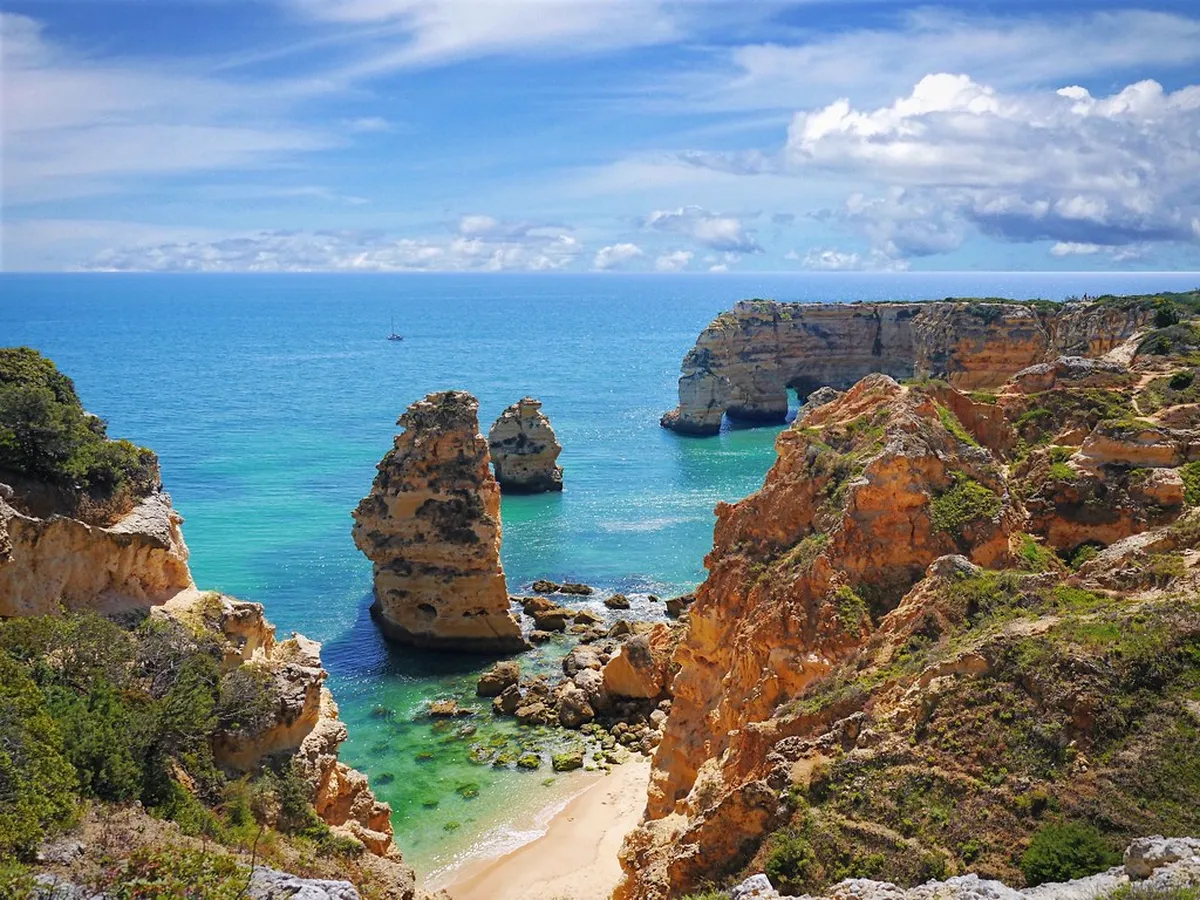
- Days 12–13 — Algarve: Ponta da Piedade and Lagos on Day 12; Benagil Cave boat tour and Marinha Beach on Day 13.
- Day 14 — Lisbon (departure): Chiado coffee walk, car return, airport transfer.
Itinerary Overview: Two Weeks in Portugal Day by Day
The first three days ease you into the trip with smaller towns. Caldas da Rainha is often skipped by faster itineraries, but it anchors Day 1 well — the Bordallo Pinheiro ceramic factory outlet is worth an hour if you collect pottery. Óbidos is genuinely better overnight: once the day-trippers from Lisbon leave, the town transforms. Most museums in smaller towns close on Mondays, so plan accordingly if your trip starts mid-week. Check the 2-week Portugal travel itinerary packages if you prefer pre-arranged logistics for this opening stretch.
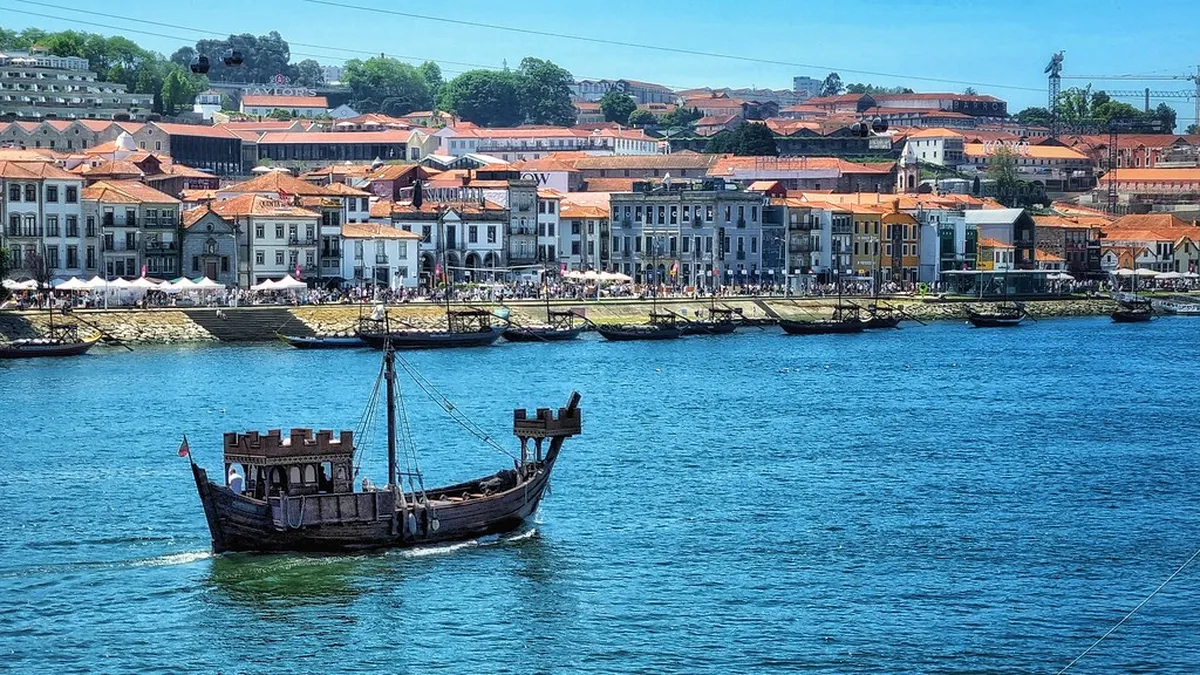
Porto needs three full days, not two. The city rewards slow walking — up the steep lanes of Miragaia, through the Bonfim neighbourhood markets, across the upper deck of Dom Luís I Bridge at dusk. Wine cellar tours in Vila Nova de Gaia run roughly €15–25 per person and include tastings; Taylor's, Graham's, and Sandeman all have excellent cellar experiences. Book Livraria Lello tickets online before you arrive — walk-in entry is limited and the queue wastes a morning. On Day 6, consider a half-day to the Douro Valley: it is 90 minutes each way from Porto by car, and a river cruise at Pinhão paired with a winery visit at Quinta do Pôpa gives you a clear picture of why this UNESCO landscape matters to the country.
Book Pena Palace, Livraria Lello, and Benagil Cave tours at least 6–8 weeks ahead for July–August travel. These attractions sell out weeks in advance; morning time slots go first.
Sintra requires patience more than anything else. The road to Pena Palace is narrow and congested by 09:30 in summer — arrive before 09:00 or take the 434 tourist bus from Sintra train station. Book Pena Palace entry at least 30 days in advance; same-day tickets are rarely available from June to September. Quinta da Regaleira is slightly easier to book but still sells out in peak weeks. Sintra also sits at altitude: even in July the hilltop sites are noticeably cooler than the coast, so carry a layer.
Stay overnight in Sintra rather than commuting from Lisbon. You'll beat the tour groups to Pena Palace (arrive by 09:00), have the medieval village to yourself after 18:00, and avoid 3-hour return commutes.
The Algarve stage is a 3-hour drive from Lisbon. Lagos is the best base for Days 12–13 — central, walkable, with direct access to Ponta da Piedade and easy proximity to the Benagil area. Benagil Cave boat tours depart from Praia de Benagil and must be booked 1–2 weeks ahead in summer. The tour takes about 45 minutes and costs around €20 per person. If you prefer kayaking into the cave independently, that option is also available from the same beach.
Where to Stay in Portugal: Neighbourhood Matters
Accommodation choices in Portugal can make or break the trip, and the issue is rarely price — it is location and access. Historic buildings across Lisbon, Porto, and Coimbra almost never have elevators. If you are travelling with heavy luggage, young children, or mobility constraints, check the floor level before booking and contact the host directly. Many listings bury this detail in the fine print.
In Lisbon, the Alfama district is atmospheric but inaccessible by car at the door. Aim for somewhere in Baixa or Chiado if you need a rental car parked nearby — many hotels in these neighbourhoods offer garage access or have an arrangement with a nearby lot. For Sintra, staying inside the historic center (rather than commuting from Lisbon) is genuinely worthwhile on Day 7–8: you beat the crowds to Pena Palace and have the village to yourself in the evenings after 18:00.
Porto's best hotel zone is between Rua das Flores and São Bento Station — walking distance to the Ribeira riverfront, the Bolhão Market, and Clérigos Tower. Apartments are plentiful here, but confirm whether there is an elevator before booking. For the Algarve, Lagos old town keeps you central; if you prefer quieter beaches over the tourist strip, Carrapateira on the Atlantic coast is a solid alternative with less crowding than Portimão or Albufeira.
Driving in Portugal: What to Expect
When 10 Essential Tips for Renting a Car in Portugal, request a Via Verde transponder at pick-up — this is the electronic tag that lets you pass through toll booths on highways without stopping. Without it, you will either need exact change at manual booths or you risk fines for using electronic-only lanes. Tolls on the A1 Lisbon–Porto corridor average about €20–25 each way; budget accordingly for the full trip. Manual transmission cars cost significantly less to rent than automatics, so if you are comfortable driving a stick, the savings over 14 days are real.
Highways are well-maintained and generally safe. The biggest hazards are urban: parking in historic centers like Porto, Lisbon, and Óbidos is extremely limited inside the old town perimeters. Book accommodation with private garage access where possible, or use large peripheral car parks and walk in. The IC19 road to Sintra is the single most congested stretch on this itinerary — on weekends in summer, allow an extra 30–45 minutes. Secondary roads in the Alentejo and northern mountains are narrow but beautiful; slow down on blind bends.
Download offline Google Maps before you leave. Mobile signal in the Douro Valley and parts of the Algarve interior drops without warning, and losing navigation in the middle of a vineyard road is a predictable inconvenience. Fill up at highway service stations rather than waiting for village pumps — fuel is slightly cheaper on highways and easier to find.
What to Do in Portugal: Highlights of Each Stop
Lisbon rewards wandering more than ticking boxes. The essential sites — São Jorge Castle, Jerónimos Monastery, Belém Tower, the National Tile Museum — all justify their queues, but the city's best moments happen between them: a ginjinha at a counter-top bar in Rossio, a miradouro (viewpoint) at dusk with locals rather than tourists, an hour in the Mercado da Ribeira on a quiet Tuesday morning. Ride Tram 28 once for the experience, then switch to walking — it is faster and you see more.
Porto's standout experiences divide neatly into two registers. The historic register: São Bento Station's azulejo panels depicting Portuguese history, the Palácio da Bolsa's ornate Arab Room (guided tour required, €10, worth it), the view from the top of Clérigos Tower. The contemporary register: the Serralves Museum of Contemporary Art in a garden setting, the street-art corridor along Rua de Miguel Bombarda, the Foz district where the Douro meets the ocean. Both registers are equally valid — a three-day stay gives you time for both.
In the Algarve, the western stretch between Lagos and Sagres is the most dramatic. Ponta da Piedade is the essential viewpoint — golden limestone arches over turquoise water — accessible by a short walk from Lagos old town or by kayak from the beach below. The Sagres Fortress at the southwestern tip of Europe is worth the 45-minute drive from Lagos: the windy headland and the geometry of the Rosa dos Ventos (compass rose) on the ground are unlike anything else on the coast. For families, the beaches around Meia Praia east of Lagos are long, gently shelved, and far less crowded than Praia da Rocha.
Alentejo Wine Country: The Stop Most Itineraries Skip
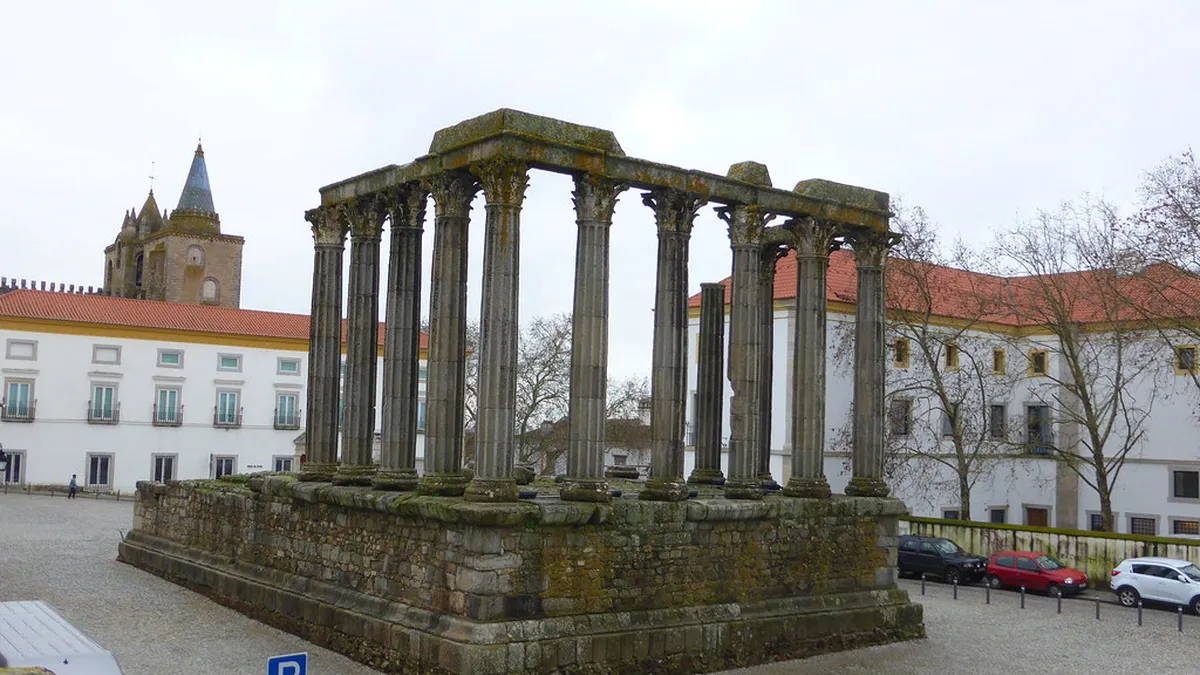
The standard 14-day Portugal route runs Lisbon → Algarve in a straight line, skipping the Alentejo entirely. That is a mistake if you have any interest in wine, cork forests, or the kind of landscape that feels genuinely off the tourist track. The Alentejo covers roughly a third of Portugal's land area and produces some of the country's best reds — Trincadeira and Aragonês grapes baked by long dry summers into wines that are dense and distinctive.
Rerouting through the Alentejo adds roughly one extra day but requires no backtracking if you sequence it between Lisbon and the Algarve. Drive southeast from Lisbon to Évora (1.5 hours), spend a morning at the Roman Temple, the Bone Chapel, and Giraldo Square, then continue to the Monforte–Estremoz area for an afternoon winery visit. The next morning, drive south to Lagos via the IP2 — about 2.5 hours — and you arrive in the Algarve without having retraced a single kilometre. The Alentejo is also where you will find the most genuinely quiet accommodation in Portugal: converted farmhouses (monte alentejano) surrounded by olive and cork groves, with no elevator problems because there are no stairs at all.
If adding a full Alentejo day feels like too much, a half-day stop in Évora en route from Lisbon to the Algarve still captures the region's mood. The Cromeleque dos Almendres — a Neolithic stone circle 15 km west of Évora, older than Stonehenge and almost always uncrowded — takes 30 minutes to visit and reframes how long human presence in this landscape actually goes back.
What This Trip Costs: A Realistic Daily Budget for 2026
Portugal remains one of the more affordable Western European destinations, but costs have risen noticeably since 2022 as tourism has surged. Budget travellers staying in hostels and eating at tascas can manage on €80–100 per person per day including transport. Mid-range travellers (private rooms, sit-down meals, a wine cellar tour or two) typically spend €150–200 per person per day. The figures below assume two people splitting a rental car and accommodation.
| Stop | Nights | Accommodation (€/night) | Meals (€/person/day) | Highlights |
|---|---|---|---|---|
| Caldas da Rainha | 1 | €60–90 | €25–40 | Pottery market, thermal park |
| Óbidos | 1 | €60–90 | €25–40 | Medieval walls, ginja tasting |
| Aveiro | 1 | €60–90 | €25–40 | Canal boats, Costa Nova, Ovos Moles |
| Porto | 3 | €100–160 | €30–50 | Wine cellars (€20–30), Dom Luís Bridge, markets |
| Sintra | 2 | €100–160 | €30–50 | Pena Palace (€20), Quinta da Regaleira (€10), Cabo da Roca |
| Lisbon | 3 | €100–160 | €30–50 | Jerónimos (€15), Tile Museum, LX Factory |
| Algarve (Lagos) | 2 | €100–160 | €30–50 | Ponta da Piedade, Benagil Cave (€20), beaches |
| Return to Lisbon | 1 | €100–160 | €30–50 | Departure day, car return |
- Car rental: €40–70 per day for a compact manual; automatic adds €20–30. Via Verde transponder is €1.90 per day plus tolls.
- Tolls (full route, north to south): approximately €80–100 total for the 14-day trip.
- Accommodation: €60–90 per night in smaller towns; €100–160 per night in Lisbon, Porto, and Sintra for a decent private room with good location.
- Meals: Lunch at a tasca with a set menu (prato do dia) costs €9–14 per person including a small carafe of house wine. Dinner at a mid-range restaurant is €20–35 per person.
- Key entry fees: Pena Palace €20 (online), Jerónimos Monastery €15, Quinta da Regaleira €10, Livraria Lello €8 (voucher deductible on a book purchase), São Bento wine cellar tour with tasting €20–30.
The biggest budget variable is the Algarve boat tours, which cluster between €15–25 per person. If you are travelling in July or August, book everything — accommodation included — at least 6–8 weeks out. Prices in the Algarve specifically rise 30–40% in peak summer, and availability in the best locations evaporates fast. Spring (April–May) and autumn (September–October) offer the best combination of value and weather for this itinerary.
Book in Advance: Essential Portugal Reservations
Portugal's popularity has made advance booking non-negotiable for the headline attractions. Timed entry slots for major sites sell out weeks ahead in summer, and the morning sessions go first. Plan this part of your itinerary before you book flights.
Pena Palace in Sintra requires a time slot booked through the official Sintra Monuments website — aim for the 09:00 or 09:30 entry to beat the tour groups. Book at least 30 days ahead from June to August. Livraria Lello in Porto sells entry vouchers online; walk-in entry is available but the queue routinely stretches 45 minutes at midday. The Benagil Cave boat tour books out 1–2 weeks ahead in high season — look for operators based at Praia de Benagil rather than agencies in Portimão, who tend to be pricier. Consider checking Portugal Group Tours if you want fully pre-arranged logistics for attractions, transfers, and accommodation in a single booking.
Fado dinner shows in Lisbon should be reserved at least a week out. The better houses — Clube de Fado in Alfama, Mesa de Frades — book up fast. For a more local experience with lower prices, walk into a tasca in Mouraria on a weekday evening; some offer spontaneous fado without a dinner reservation.
Is 2 Weeks in Portugal Enough?
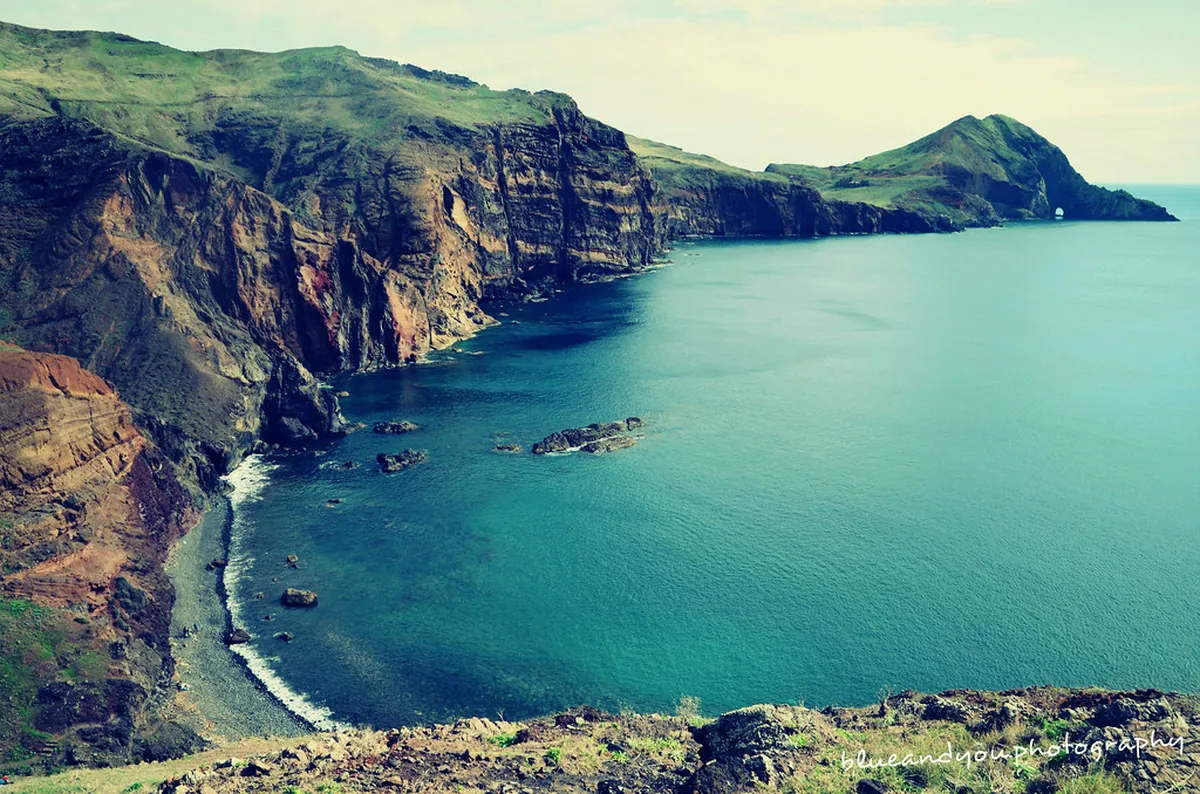
Fourteen days covers the country's main regions at a pace that is active without being exhausting. You will see the major cities, one fairy-tale village cluster, a wine region, and the south coast. What you will not see: the Minho in the far north, the Douro Valley beyond a day trip, the Azores islands, and the quiet interior of the Beiras. Those regions are worth a return visit and justify a longer trip.
The pace of this itinerary builds in multi-night stays at every major stop, which prevents the constant packing and unpacking that makes road trips tiring. Porto and Lisbon each get three nights. You can use that time to take a slower morning, linger over lunch, or simply sit at a café and do nothing useful — which, in Portugal, is always the right decision. If you prefer an even slower pace, consider a 10-day Portugal road trip itinerary focused on two or three regions rather than the full country.
For a Lisbon to Porto Road Trip: 10 Best Stops and Driving Route without the Algarve, you could compress the same cultural highlights into 10 days and spend more time on detours into the Minho wine country and the Douro Valley. That version suits travellers who prioritise wine, hiking, and cities over beach days. The 14-day version balances all of it — which is why it remains the most common itinerary structure for first-time visitors to Portugal.
Add an Extra Day: Évora or Coimbra
If you have 15 days, the easiest addition is Coimbra between Aveiro and Porto. The University of Coimbra, founded in 1290, is one of the oldest continuously operating universities in the world. The Biblioteca Joanina inside — a Baroque library with painted ceilings and gilded shelving — is one of the most extraordinary interior spaces in Portugal. Entry to the university complex costs around €19 and is timed; book online. After the university, walk down to the Mondego River and eat at a restaurant in the Baixa district before driving north to Porto.
Évora is the other obvious extension, either as a day trip from Lisbon or as an overnight stop before heading south to the Algarve. The Roman Temple of Diana in the city center, the medieval walls, and the Chapel of Bones at the Church of Saint Francis can all be covered in a half-day. Add the Cromeleque dos Almendres stone circle 15 km west of the city and you have a full, genuinely memorable day that no other stop on this itinerary duplicates.
Frequently Asked Questions
Which 2 weeks in portugal itinerary options fit first-time visitors?
A route covering Lisbon, Porto, and the Algarve is best. It balances famous landmarks with coastal relaxation. This 14-day plan ensures you see the essential cultural highlights comfortably.
How much time should you plan for 2 weeks in portugal itinerary?
Plan for exactly 14 days to avoid rushing. This allows for three days in major cities and travel time. You will have space for spontaneous stops along the coast.
What should travelers avoid when planning a Portugal road trip?
Avoid driving inside historic city centers like Alfama. Streets are narrow and parking is extremely limited. Use peripheral car parks and explore the old districts on foot.
This 2 weeks in Portugal itinerary gives you a complete picture of the country — medieval villages, Atlantic coast, wine country, and urban culture — without rushing any single stop. The north-to-south sequence minimises backtracking, and the multi-night stays in the major cities mean you spend less time checking in and more time exploring. Book the headline attractions before you leave home, carry a layer for Sintra, and build at least one slow afternoon into every city. Portugal is generous with its rewards when you give it enough time.