
10 Best Day Trips From Braga: The Ultimate Minho Guide (2026)
Discover the 10 best day trips from Braga, including Guimarães and Peneda-Gerês. Get expert tips on bus routes, train times, and hidden 2026 gems.
On this page
10 Best Day Trips From Braga
After three visits to the Minho region over five years, I have found that Braga serves as the ultimate base for northern exploration. The city sits at a geographic crossroads, making it easier to reach mountain peaks and coastal villages than from Porto. I recently refreshed this guide in June 2026 to ensure all transport schedules and entry fees reflect the latest changes. If you are wondering Is Braga Worth Visiting? 10 Things to Know Before You Go as a long-term hub, these excursions provide a resounding yes.
The Minho is defined by its deep green valleys, granite architecture, and a slower pace of life that feels remarkably authentic. You can start your morning with a strong espresso in a medieval square and end it hiking near Roman ruins. Many travelers make the mistake of staying only in the city center, missing the rugged beauty of the surrounding district. This list focuses on reachable escapes that highlight the diversity of the oldest region in Portugal.
Top-Rated Day Trip Destinations from Braga
The Minho region offers a dense concentration of historical and natural sites within a 60-minute radius of Braga. I have organized these picks to cover iconic landmarks, quiet riverside retreats, and challenging mountain trails. Most are accessible via public transport, though a few remote spots benefit from a rental car. Peneda-Gerês National Park, Portugal's only national park since 1971, also holds UNESCO biosphere reserve status for its rare alpine wildlife. Before you head out, check the local weather — the northern mountains can be quite misty even in summer.
Prices for entry to major monuments generally range from €3 to €10 per person. Most museums and historical sites are open from 10:00 to 18:00, often closing for a short lunch break. I recommend starting your day before 09:00 to beat the tour groups arriving from Porto. Keep some small change for bus fares, as many regional drivers do not accept large bills or contactless cards.
Start your day trips early—before 09:00 if possible. Tour coach groups from Porto typically arrive between 11:00 and 14:00, making mid-day visits crowded at popular sites like Guimarães Castle and Bom Jesus. Early arrivals also give you a better chance of catching return buses before the evening (weekend schedules are sparse).
- Guimarães Castle — 25 minutes by train; the "Birthplace of Portugal," combined ticket with the Palace of the Dukes costs €6
- Peneda-Gerês National Park — 50 minutes by car; Portugal's only national park, free entry, ideal for a 4×4 tour to reach the lagoons
- Ponte de Lima — 45 minutes by bus from Central de Camionagem; oldest town in Portugal, biweekly Monday market
- Viana do Castelo — 60 minutes by bus; hilltop Santa Luzia sanctuary, funicular costs €2
- Barcelos — 20 minutes by train; home of the rooster legend, enormous Thursday market, free entry
- Amarante — 45 minutes by car or bus; riverside town famous for the São Gonçalo bridge and 'foguetes' pastries
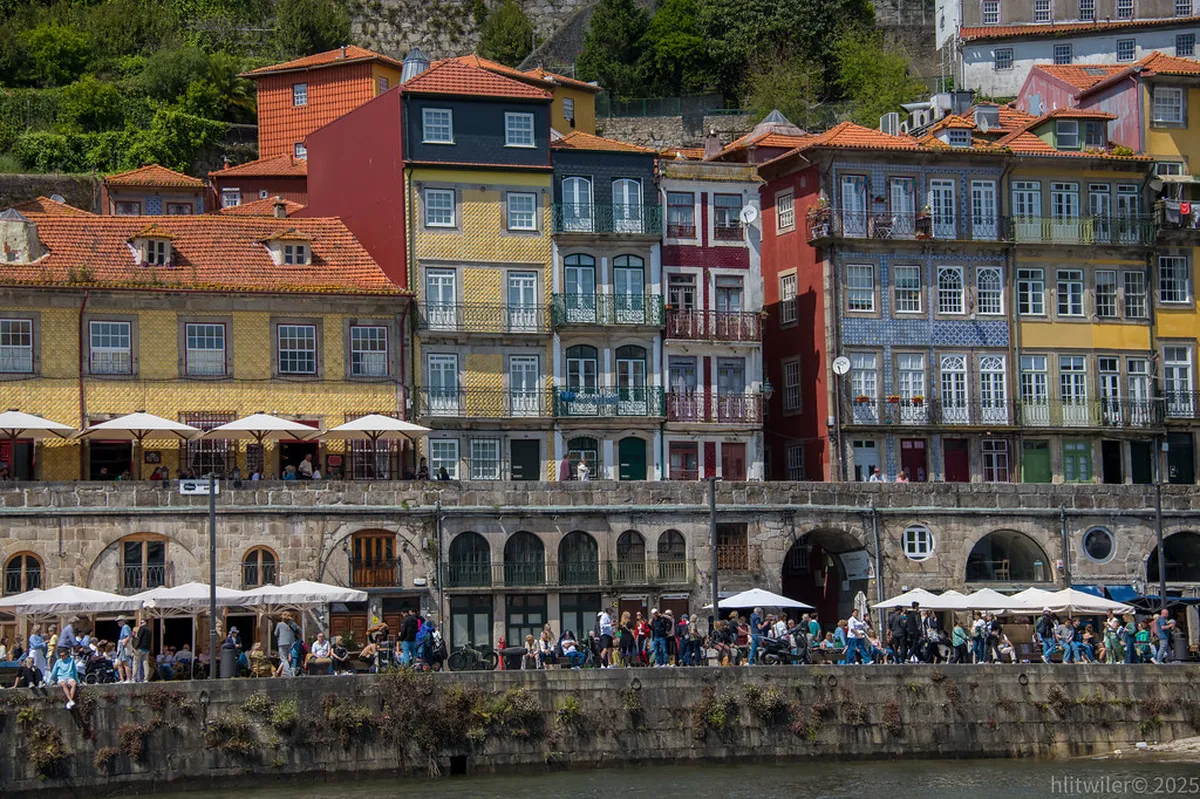
- Porto — 55 minutes by urban train (€3.50 one-way); Ribeira district and port wine cellars from €15
- Monastery of Tibães — 15 minutes by taxi or bus 37; Benedictine gilded church, tickets €4, Tuesday–Sunday
- Citânia de Briteiros — 20 minutes by car; Iron Age Castro ruins, entry €3, open daily 09:00–18:00 in summer
- The Braga Letters Walking Route — zero travel time; free historic core walk finishing at Largo Carlos Amarante
| Destination | Distance/Time | How to Get There | Cost (per person) | Best For |
|---|---|---|---|---|
| Guimarães | 25 min by train (via Lousado) | Train from Braga station | €2–3 | Medieval castles, UNESCO streets |
| Bom Jesus + Sameiro | 30 min by bus | TUB Linha 2 from Avenida da Liberdade | €1.55 bus + €2–4 funicular | Baroque staircases, panoramic views |
| Barcelos | 20 min by train | Train from Braga station | Under €2 | Thursday rooster market, free entry |
| Ponte de Lima | 45 min by bus | Bus from Central de Camionagem | €4 return | Roman bridge, riverside walks, Monday market |
| Viana do Castelo | 60 min by bus | Bus from Central de Camionagem | €5 return | Hilltop sanctuary, coastal views |
| Peneda-Gerês National Park | 50 min by car | Car rental or guided tour | Free park (€50+ car rental) | Waterfalls, lagoons, wild nature |
| Amarante | 45 min by car/bus | Car or regional bus | €4–6 return | Riverside charm, São Gonçalo bridge, pastries |
| Porto | 55 min by urban train | CP train from Braga station | €7.20 return (€3.50 each way) | City culture, port wine, Ribeira district |
Highlights of Braga's Historic Centre: Sé, Santa Bárbara, and the Baroque Quarter
Braga's old town is almost entirely flat — a genuine relief after the relentless hills of Porto — and the main loop covers about 6 kilometres on wide, mostly pedestrianised streets. The walk begins at the Arco da Porta Nova, an 18th-century gateway that marks the edge of the historic centre. Braga train station is just 300 metres west of the arch, so you step directly from the platform into the medieval quarter with no wasted time.
The Sé de Braga is the oldest cathedral in Portugal, consecrated in 1089 and predating the founding of the country by nearly 50 years. Entry to the cathedral nave is free; the treasury and old cathedral cost €5 combined. Inside, Romanesque pillars give way to Gothic columns, baroque gilding, and an extraordinary pair of horizontal-trumpeted organs that face each other across the nave — almost never mentioned on the cathedral plaques but worth seeking out.
From the Sé, head north toward Jardim de Santa Bárbara, a small formal garden set against the Gothic eastern wing of the Archbishop's Palace. The contrast between manicured flowerbeds and weathered 14th-century stone is genuinely striking and earns its status as the most photographed corner of the city. Continue east along Rua Dr. Justino Cruz to Praça da República, Braga's main square since the 14th century. Café Vianna has served coffee beneath the Arcada arches since 1871 and is the correct stop for a mid-morning espresso before the afternoon sanctuary visit.
The walk's final cluster sits on Largo de Santa Cruz. The Palácio do Raio is immediately recognizable by its vivid blue azulejo tile facade, added in the 19th century over André Soares's original 1752 granite work — look closely and no two window pediments are identical. Across the square stands the Igreja de São Marcos, the best photo opportunity in the city if you position yourself with the facade at 45 degrees in late afternoon light.
Bom Jesus do Monte and the Sameiro Sanctuary: A Half-Day Double
Bom Jesus do Monte sits 6km east of Braga and is, for many visitors, the defining experience of the entire trip. The monumental baroque stairway zigzags 116 metres up a wooded hillside through fountains, chapels, and life-sized terracotta scenes of Christ's Passion. The staircase splits into three symbolic sections: the lowest winds through shaded woodland; the middle Stairway of the Five Senses features fountains pouring water from the carved figures' eyes, nose, ears, and mouth; the upper Stairway of the Three Virtues leads to the church courtyard. A clever forced perspective narrows the steps as they rise, making the church appear larger from below.
Getting there is straightforward. TUB bus Linha 2 departs from Avenida da Liberdade and Braga train station, takes about 30 minutes, and drops you at the base of the stairway. A single ticket costs €1.55, payable by cash or contactless card. Be aware that bus frequency drops to roughly one per hour on Sundays and public holidays. The alternative is Uber or Bolt, which runs about €5–6 each way and drops you directly at either the base or the summit. If there are two or more of you sharing the fare, the ride-share is the smarter option. The world's oldest water-powered funicular has been running since 1882 and costs €2.50 single or €4.00 return; it is worth taking at least one way.
What no competitor guide mentions: 2km further up the same ridge from Bom Jesus stands the Sameiro Sanctuary, a far less crowded hilltop basilica dedicated to Our Lady of the Immaculate Conception. A forest path connects the two sanctuaries, walkable in about 25 minutes through old cedar and oak trees. Sameiro's terrace commands a wider panoramic view than Bom Jesus and on clear days the Atlantic coast is visible to the west. Combine both in one afternoon by descending the Bom Jesus staircase first, then walking the ridge path to Sameiro, and returning to Braga by Uber from the Sameiro car park — the whole circuit takes about three hours and costs nothing beyond the Uber fare.
Guimarães Castle: Walking the Birthplace of Portugal
Guimarães is the city where Portugal was born in the 12th century, and the castle on the hill is the clearest symbol of that founding. The 10th-century granite fortress features towers you can climb for views over the medieval roofscape, and the combined ticket with the adjacent Palace of the Dukes of Braganza costs €6 for adults. Both are open daily from 10:00 to 18:00; arrive by 10:00 to photograph the castle courtyard before the school groups arrive from Porto. The UNESCO-listed historic center earned its World Heritage designation in 2001 for its authenticity and medieval architecture.
The most important logistics detail: the Guimarães train station is about 1.5km from the castle. From the station, walk north along Alameda Dr. Alfredo Pimenta — a wide, flat boulevard — to reach the medieval center in 15 to 20 minutes. This route is almost entirely flat and avoids the steeper back streets entirely. If that walk feels long after the morning train, the taxi rank outside the station charges €4–5 to the castle gate. The return journey downhill is easy and pleasant on foot.
Once you've toured the castle and palace, spend at least an hour wandering the UNESCO-listed historic center below. Praça de Oliveira is the most atmospheric square, ringed by medieval arcades and the Igreja de Nossa Senhora da Oliveira. Rua de Santa Maria is the best street for handcraft shops. If you have energy after lunch, the Telepherique cable car to Monte da Penha (€5 return) offers a forest with granite caves at the summit and a completely different perspective on the Minho valley.
Always confirm your return transport before you settle in for lunch. Regional buses, especially on weekends, have limited schedules—missing the last bus from Guimarães or Ponte de Lima at 17:00–18:00 means a €15+ Uber ride back to Braga. Check the return departure time at the station upon arrival, not when leaving the site.
I recommend visiting Braga vs Guimarães for a deeper comparison before choosing which to prioritize, especially if you only have one day in the region. Guimarães rewards those who linger; rushing it in an hour on a combined day feels like a waste of a UNESCO city.
Braga, Guimarães or Both? The Decision Guide
This is the question I get asked most. Both cities are excellent in genuinely different ways, and the right answer depends on what you are trying to experience rather than which city is objectively "better."
- Choose Guimarães if you love medieval castles, UNESCO street architecture, and a compact center that can be absorbed in a focused four-hour visit.
- Choose Braga if you want a wider variety of sights — the cathedral, baroque palaces, and Bom Jesus together create a fuller day — plus a more authentic Portuguese city atmosphere with real locals using the streets.
- Choose both in one day only if you accept that you will see the surface of each without entering any interiors properly. Start at Guimarães Castle at 10:00, train to Braga by 14:00, walk the historic center, and finish at Bom Jesus before 18:00. Exhausting but possible.
- Choose two separate days if your schedule allows. This is the correct answer for anyone who wants to understand Northern Portugal rather than just photograph it.
The train connection between the two cities is not direct; most services require a change at Lousado, which adds time and complexity. Buses run more frequently on this route. If you are doing a combined day, I suggest going to Guimarães first — it is easier to control your time at the castle — and arriving in Braga with enough afternoon light for the sanctuaries.
Family-Friendly and Budget-Friendly Day Trip Options
The Minho is genuinely well-suited for families and budget travelers who prefer not to rent a car. Barcelos is the easiest family pick: the Thursday market is free, the rooster legend makes for a memorable story for kids, and the 20-minute train from Braga costs under €2 each way. The large Campo da Feira where the market takes place is flat, stroller-accessible, and bustling enough that children are genuinely engaged without any entrance fees at all.
Ponte de Lima is the best option for a mix of scenery, history, and low cost. The bus from Braga's Central de Camionagem takes 45 minutes and costs around €4 return. Walking across the Roman and medieval bridge is free. The International Garden Festival (May to October) is an added bonus for design-conscious visitors, with outdoor landscape installations at tickets priced around €5. The Toys' Museum in the town center is well-regarded for families with younger children.
For those on the tightest budget, the Braga Letters Walking Route is the best zero-cost day. The entire route from Arco da Porta Nova through the Jardim de Santa Bárbara and on to Largo Carlos Amarante can be completed in about three hours at a leisurely pace. Pack a lunch from the Mercado Municipal on Rua do Caires and eat in the Santa Bárbara Garden, which charges no entry fee. The total cost of this day is essentially the price of a coffee at Café Vianna.
Logistics: Exploring the Minho by Bus and Train
The transport hub in Braga splits between the train station on the west side of the historic center and the bus terminal — Central de Camionagem — to the north. The rule of thumb is simple: use the train for Porto and Guimarães (via Lousado), and use the bus terminal for everything else. Tickets for urban CP trains between Porto and Braga cost €3.50 one-way, loaded onto a reusable Siga card (€0.50 deposit). The return fare from Porto to Braga is €7.20 for adults.
For destinations like Ponte de Lima and Viana do Castelo, the Central de Camionagem is your departure point. Regional operators Transdev and Rede Expressos run the main routes to smaller Minho towns. Schedules can be sparse on weekends, so always check the return time upon arrival — missing the last bus from Ponte de Lima on a Sunday is a genuinely inconvenient experience. Bus Linha 2 (TUB) runs to Bom Jesus from Avenida da Liberdade for €1.55 single, with frequency dropping on Sundays. You can check the timetable at tub.pt.
Ride-sharing apps Uber and Bolt are active in Braga and useful for short hops to Tibães or the sanctuaries. Driving in the Minho is generally easy on the main N roads, though parking inside medieval centers like Guimarães is a genuine headache. Use the large underground lots on the outskirts of the historic zones. Gas stations are plentiful along the main highways but become rare once you enter Peneda-Gerês National Park, so fill up before the Terras de Bouro junction.
For a full breakdown of getting to Braga from Porto and beyond, see the How to Get to Braga: 6 Best Ways to Travel guide with current platform and ticketing details.
Is a Guided Tour of Braga Worth It? Cost vs. Convenience
A self-guided day in Braga typically costs around €30, covering transport from Porto, a modest lunch, and a few entry fees. Professional group tours start at €80–100 and include return transport from Porto, entrance tickets, and a guide who explains the architectural symbolism that written plaques rarely convey. The Braga Cathedral alone has enough iconographic layers to fill an hour of expert commentary — most independent visitors walk past the horizontal organ trumpets without realizing their unusual design is unique in Portugal.
Tours earn their price in three specific situations: when you want to reach Bom Jesus and Sameiro without managing multiple bus connections; when you are traveling with children and need someone else to handle the logistics; and when you are visiting for only half a day from Porto and need the itinerary pre-optimized. For those scenarios, the 4×4 Tour of Gerês Park is worth considering if nature is your priority, as independent access to the park's hidden lagoons genuinely requires a vehicle.
Solo travelers often find the social value of a small group tour worth the extra cost for a full-day excursion. However, Braga's historic center is so compact and walkable that a guide is unnecessary for the main pedestrianised streets. I recommend independent travel for the city core and guided tours only for the remote Minho — the schist villages of the high peaks or the deeper park trails — where unmarked rural roads make getting lost a real risk. Check 10 Essential Braga Travel Tips: The Ultimate Guide to see which local operators have strong 2026 reputations.
If traveling in a group of three or more, run the numbers before booking: three people splitting an Uber to Bom Jesus and paying individual entry fees often undercuts the per-person group tour price while maintaining the flexibility to linger at Sameiro without the coach schedule.
Quick-Reference Day Trip Guide: Transport, Cost, and Vibe
Use this summary to match the right destination to your energy level and interests before you leave Braga.
- Guimarães — 25 min train (Lousado change), €2–3 each way, vibe: medieval history, castle-and-cobblestones. Best for first-time visitors to Northern Portugal.
- Peneda-Gerês — 50 min by car (no practical public transport to the lagoons), free park entry, vibe: wild nature, waterfalls, Roman roads. Requires a car or guided tour.
- Ponte de Lima — 45 min bus from Central de Camionagem, ~€4 return, vibe: slow riverside, oldest town in Portugal. Best on Monday market day.
- Viana do Castelo — 60 min bus, ~€5 return, vibe: coastal elegance, hilltop sanctuary. Best for architecture lovers and sea views.
- Barcelos — 20 min train, under €2 each way, vibe: rooster folklore, giant open-air market. Only worth the trip on Thursday.
- Amarante — 45 min by car or bus, vibe: romantic riverside, pastry culture, art museum. Best combined with a long lunch.
- Porto — 55 min urban train, €3.50 each way, vibe: city day out, port wine caves, Ribeira crowds. Best for those who want more urban energy.
- Bom Jesus + Sameiro — 30 min TUB bus Linha 2 (€1.55), vibe: baroque pilgrimage, wide panoramas, forest walks. Best combined as a half-day afternoon circuit.
The one rule I always give visitors: do not try to combine more than two destinations in a single day. You will spend more time on regional buses than actually absorbing the places. Pick a pairing — Guimarães in the morning and Bom Jesus in the afternoon works perfectly — and give each one your full attention.
Frequently Asked Questions
What is the best way to get from Braga to Guimarães?
The most efficient way is taking a direct bus from the Central de Camionagem, which takes 25 minutes. While trains are available, they often require a time-consuming transfer at Lousado station. Buses run frequently throughout the day for a low cost.
Can I visit Peneda-Gerês National Park using public transport?
Yes, you can take a bus from Braga to the village of Gerês, but exploring the park's waterfalls requires a car. Most iconic lagoons are miles apart on steep mountain roads. I recommend a guided tour or car rental for this specific trip.
Is one day enough to see both Braga and Guimarães?
It is possible but very rushed, as both cities have enough sites to fill a full day. You would likely miss the interiors of the palaces and cathedrals. I suggest choosing one city or staying overnight to enjoy both properly.
Braga is more than just a city of churches; it is a gateway to the soul of Northern Portugal. Whether you choose the medieval stone of Guimarães or the wild waterfalls of Gerês, the Minho never fails to impress. I hope this 2026 guide helps you navigate the regional transport and find the hidden gems that make this area special.
Remember to pack a light jacket for the mountains and comfortable shoes for the granite cobblestones. If you need more help planning your stay, check out my 10 Essential Stops for a One Day in Braga Itinerary for a perfect city start. Safe travels through the greenest region of Portugal!
 Day Trips From Guimaraes: 3-Day Minho ItineraryJune 8, 2026
 10 Hidden Gems in Guimarães to Discover (2024)June 8, 2026