Faro vs Albufeira: Which Algarve Destination is Right for You?
Deciding between Faro vs Albufeira? Compare beaches, nightlife, costs, and vibes to find your perfect Algarve base with our 2026 travel guide.
On this page
Faro vs Albufeira: Which Algarve Destination is Right for You?
Choosing between Faro and Albufeira is one of the most common decisions travelers face when planning an Algarve trip in 2026. Both cities sit within 40 km of each other along the same southern coast, yet they feel like entirely different worlds. Faro is the regional capital — a living city where university students and local families outnumber tourists for most of the year. Albufeira is the Algarve's undisputed resort hub, built almost entirely around the summer holiday experience.
The short answer: pick Albufeira if you want to walk to the beach and stay in the thick of the action. Pick Faro if you value authentic Portuguese atmosphere, a lower price point, and a better base for exploring the wider region by train. If you have more than five days, the best move is to stay in both — they are 40 minutes apart by train and the contrast is genuinely eye-opening.
| Category | Faro | Albufeira |
|---|---|---|
| Vibe | Local, historic, year-round | Resort-focused, energetic |
| Beach access | Ferry / bus needed (~15 min) | Walking distance from centre |
| Avg. accommodation | €60–€140/night | €80–€250/night (peaks Jul–Aug) |
| Avg. daily cost (pp) | ~€160 | ~€183 |
| Nightlife | Student bars, wine lounges | The Strip — full party scene |
| Best season | Year-round | April–October (many places close Nov–Mar) |
| Airport (FAO) | 6 min by taxi / 15 min bus | 40 min by taxi or bus |
| Day trips by train | Excellent (Tavira, Olhão, Lagos) | Limited (station is 3 km from centre) |
An Overview of Faro and Albufeira
Faro is the gateway to the Algarve and the administrative capital of the region. With a population of around 65,000, it functions as a real city where locals live and work throughout the entire year. You can explore the best things to do in Faro within its historic walls and still be on an island beach by midday. According to Wikipedia's Faro entry, the city is anchored by a well-preserved medieval Old Town and the Ria Formosa Natural Park — a 60 km lagoon system that borders much of the eastern Algarve coastline.
Albufeira started as a quiet Moorish fishing village and transformed over the past four decades into the most visited resort town in Portugal. Its permanent population is around 21,000, but the summer influx pushes the effective daytime population into the hundreds of thousands. For detailed information about the region's attractions and planning, Visit Portugal's official tourism site provides comprehensive guides. The town is famous for its golden sandy beaches directly accessible from the centre, a lively dining scene, and The Strip — one of Southern Europe's most concentrated nightlife areas.
Both cities are in the Faro district and share the same Algarve climate: hot, dry summers and mild winters with around 300 days of sunshine per year. The key differences come down to purpose, pace, and beach access. Faro is a functional Portuguese city that happens to be a good tourist base. Albufeira is, at heart, a holiday resort that has grown large enough to have a city centre. Understanding that distinction shapes every choice you will make — from where to eat to which neighbourhood to book a room in.
Faro Airport (FAO) is just 6 minutes by taxi from Faro city centre, making it an ultra-convenient base for your arrival and departure. From Albufeira, the same airport is a 40–55 minute taxi ride, adding significant time and cost to your trip unless you plan to stay multiple nights.
Vibe and Atmosphere: Historic Charm vs. Resort Energy
Faro's Old Town sits inside Moorish-era walls that have been standing since the 9th century. Inside you will find the Faro Cathedral, the Igreja do Carmo with its famous Bone Chapel, cobblestone squares where locals take their afternoon coffee, and wine bars that stay busy long after midnight. The presence of the University of the Algarve gives the city a youthful undercurrent — especially in the lower town around Rua Conselheiro Bívar — without turning it into a tourist monoculture.
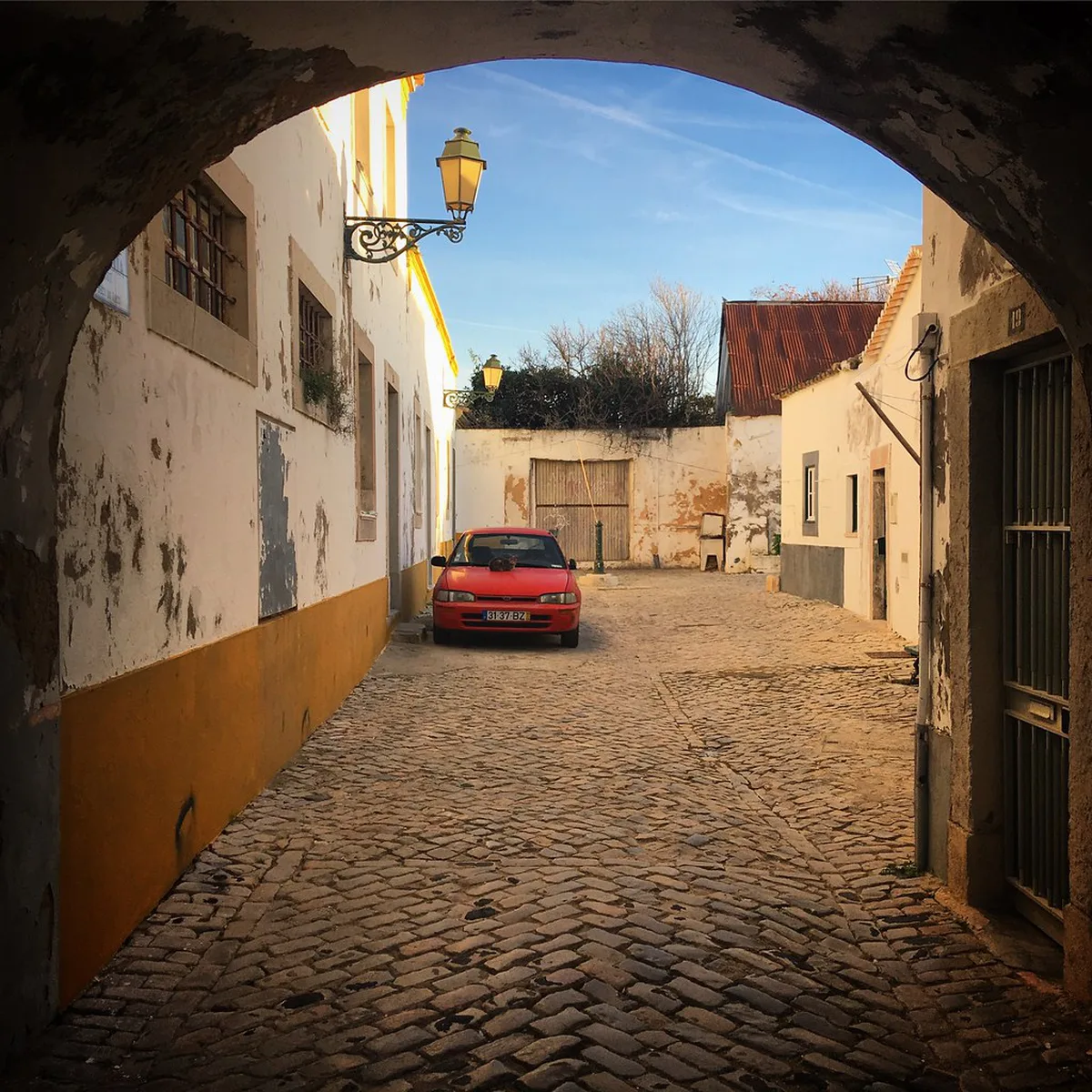
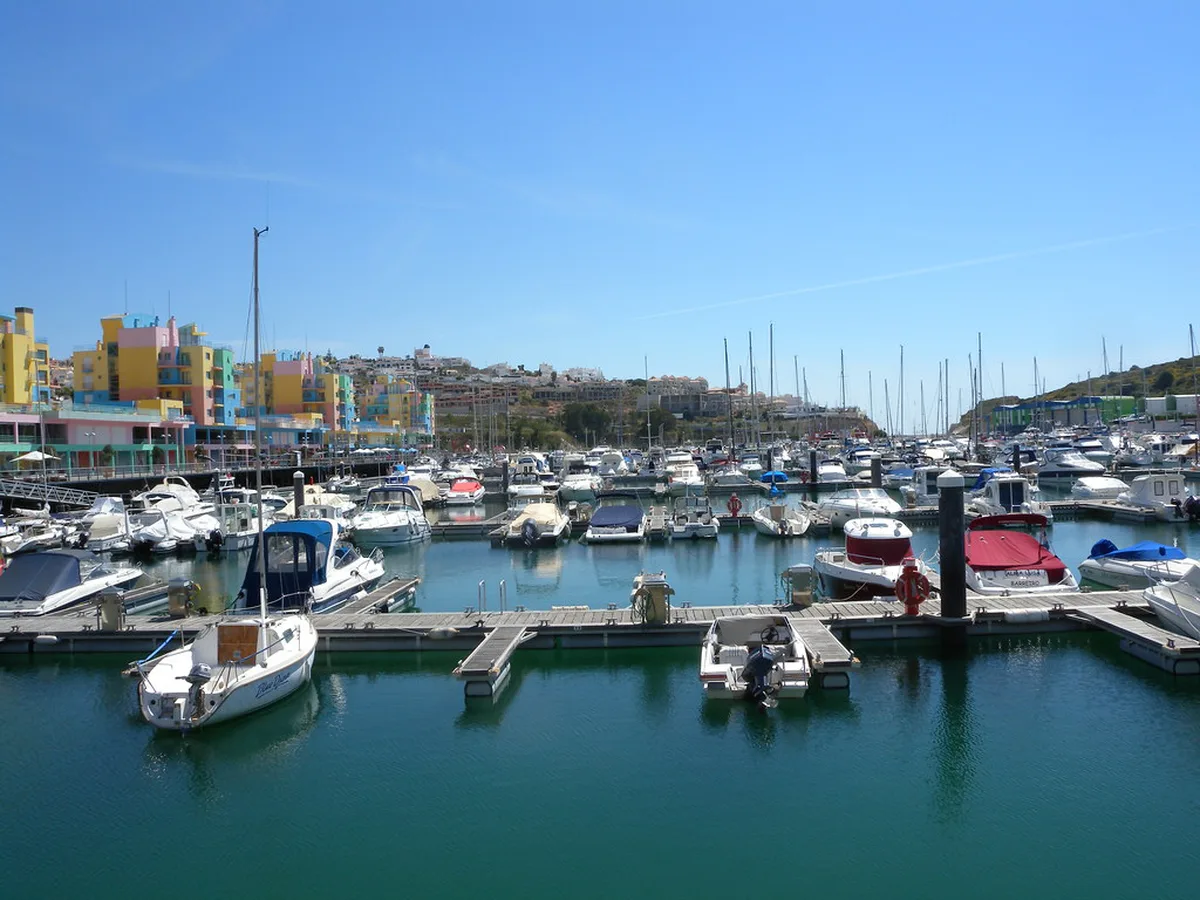
Albufeira has an Old Town too, centred on Largo Engenheiro Duarte Pacheco, with whitewashed buildings and narrow alleys that genuinely reward an evening stroll. But the old town represents a small fraction of the overall Albufeira experience. The resort strip, the marina, and the dense hotel zones surrounding both areas have reshaped the town's identity so completely that the fishing-village origins feel almost ornamental. Most visitors never venture beyond the beach, the main square, and the Strip.
The seasonal contrast is one of the most underappreciated differences. Faro operates as a living city twelve months of the year. Restaurants stay open, markets run weekly, and locals are always present. In Albufeira, a large number of bars, restaurants, and shops close between November and March, and the town contracts noticeably. If you are visiting in the shoulder season — October, April, or early May — Faro is the more reliable choice for finding things open and a social atmosphere that actually functions.
The Two Albufeiras: Why Where You Book Matters
Albufeira is effectively two destinations in one, and booking in the wrong zone is one of the most common trip-ruining mistakes visitors make. The Old Town and surrounding beaches — including Praia dos Pescadores directly below the main square — is where families and couples tend to stay. It is relatively quiet, the streets are walkable, and the restaurant scene is mixed enough to include proper local cooking alongside the tourist menus.
Areias de São João, known universally as The Strip, sits about 2 km east of the Old Town along the EN395 road. This is a completely different environment: a dense corridor of themed bars, neon-lit clubs, late-night takeaway joints, and accommodation blocks catering almost exclusively to stag and hen parties and young groups from the UK and Ireland. Clubs here run until 06:00 in peak season, and the noise carries well beyond the immediate strip itself. It is the best party scene in the Algarve — but completely wrong for a family or a couple seeking a quiet dinner.
When booking Albufeira, check the map before confirming. Hotels and apartments in the Old Town area (near Rua 5 de Outubro or above Praia dos Pescadores) are 20 to 30 minutes' walk from The Strip. Olhos de Água, 5 km east, offers a gentler coastal atmosphere with its own fishing-harbour beach and is popular with families who want Albufeira-style beach access without the Strip noise. The distinction between these zones does not appear on most hotel booking pages but makes an enormous difference to the kind of holiday you will actually have.
Booking accommodation near The Strip (Areias de São João) if you are not seeking a party atmosphere is a common mistake. Nightclubs run until 06:00 in peak season with noise carrying well beyond the strip itself. Always verify your exact location and booking zone before confirming your reservation, especially if traveling as a couple or family.
Beaches and Coastal Access: The Big Difference
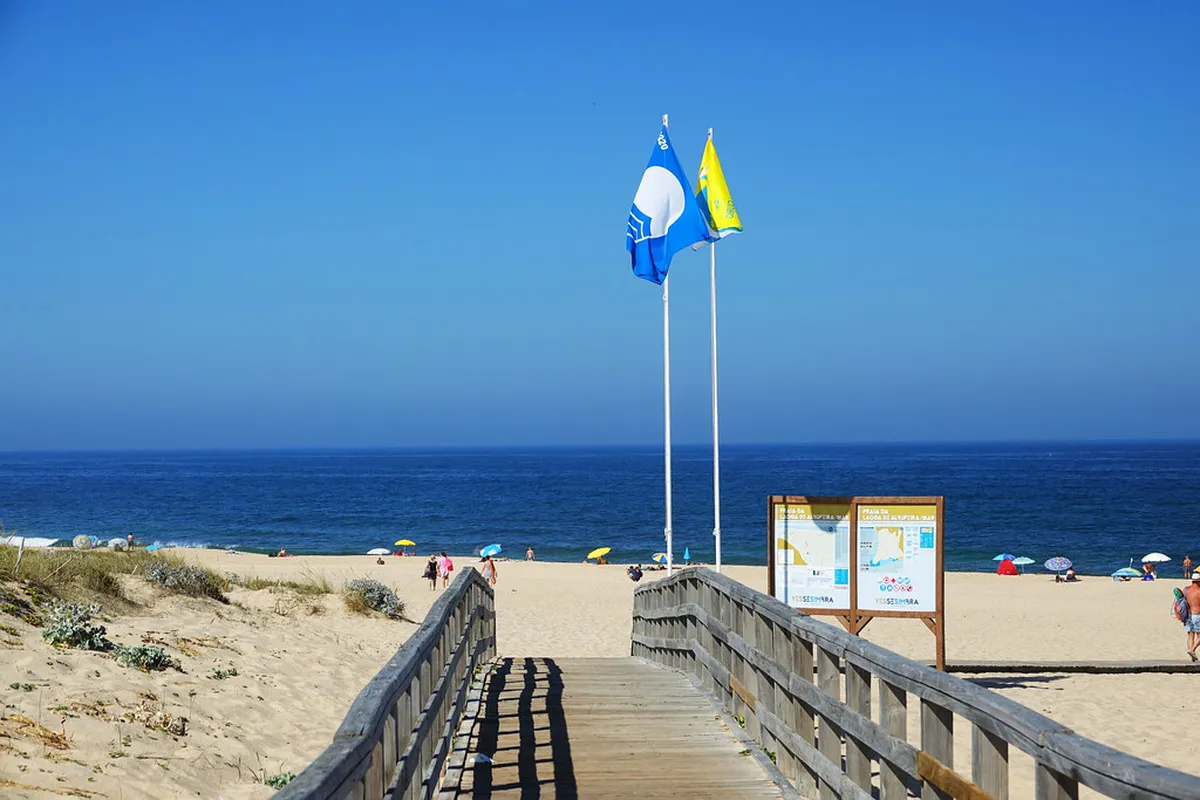
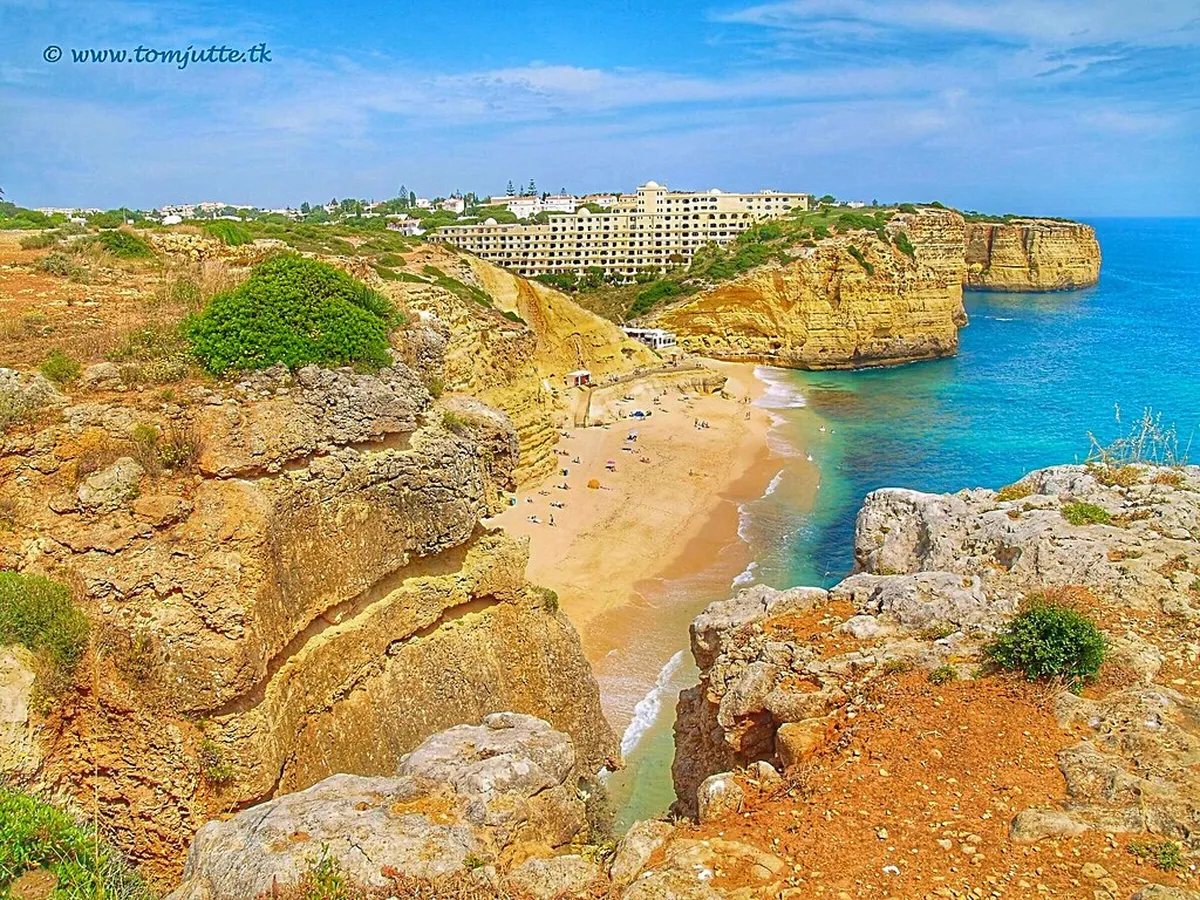
The most practical difference between the two cities is how you reach the sand. Albufeira's Praia dos Pescadores is a 5-minute walk from the main square — cross the tunnel under the old town and you are on a broad, well-serviced beach with sunbed rental, lifeguards, and beach bars. Praia da Oura, close to The Strip, offers the same convenience. For those willing to travel 10 to 15 km, Praia da Falésia delivers dramatic 6-km-long red cliffs and wide sands that are among the most photographed in Portugal.
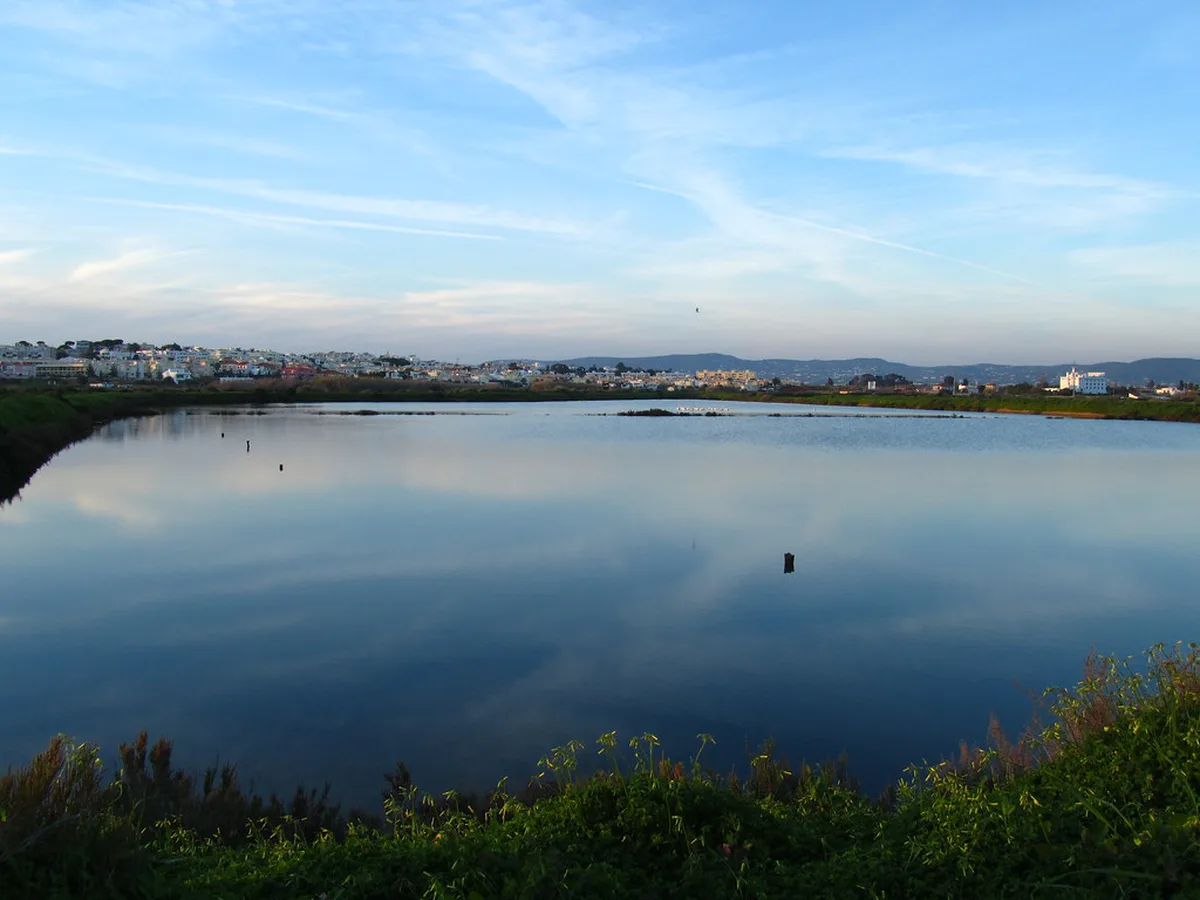
Faro requires a transport step to reach the beach, and that step catches a lot of visitors off guard. The city centre sits on the edge of the Ria Formosa lagoon, not the open sea. To swim in the Atlantic you take a ferry from the pier near Largo de São Francisco to one of two barrier islands: Ilha de Faro (10 minutes, ferry runs April–October, roughly €4 return) or Ilha Deserta (25 minutes, year-round from Cais das Portas do Mar, around €11 return). Ilha Deserta is entirely undeveloped — no cars, no beach bars, just a long wild beach and one restaurant at the ferry dock. It is genuinely one of the most beautiful and uncrowded beaches in the country.
The ferry factor is either a minor inconvenience or a highlight depending on your mindset. The journey through the lagoon channels passes flamingos, herons, and the flat salt-marsh islands that make up the Ria Formosa. Explore the best beaches near Faro and you will understand why many visitors end up preferring the extra effort. But if you want to wake up and be in the sea in under ten minutes, Albufeira wins that comparison without contest.
Nightlife and Dining: From Quiet Squares to The Strip
Albufeira's Strip is the defining nightlife destination of the Algarve and one of the most concentrated bar corridors in Southern Europe. From around 23:00 to 06:00 in July and August, Rua São Gonçalo de Lagos and the surrounding streets are packed with thousands of people moving between bars and clubs. It is unambiguously the best place in the region if a big night out is the goal. The old town square has a more subdued but still lively scene with live music, outdoor seating, and a mix of nationalities. Dining in Albufeira is broad: you can find grilled sardines and cataplana alongside English breakfasts and themed burger restaurants. The widest selection of restaurants in the Algarve is here, though the quality to price ratio is uneven in the most tourist-heavy zones around the beach.
Faro has a smaller but sharper food and drink scene. The student population and the mix of civil servants and local professionals who live in the city create demand for places that actually have to be good to survive. Rua do Prior and the streets around it are thick with wine bars and tapas spots. For a proper sit-down meal, look for places serving fresh local cataplana — a copper-pot seafood stew — or dishes built around the regional favourites: clams with coriander (amêijoas à Bulhão Pato), perceves, and charcoal-grilled fish from the Ria Formosa. A lunch special in a side-street restaurant will cost €10 to €13 including a glass of wine and bread — a price point that is genuinely hard to find in Albufeira in summer.
The nightlife comparison depends on what you want. If the goal is dancing until dawn with hundreds of strangers from across Europe, nothing in Faro comes close to The Strip. If the goal is a good bottle of Alentejo red at a candlelit table in a medieval courtyard followed by live fado music, Faro has no real competition from Albufeira. Many visitors who stay in Albufeira for a week end up taking an evening trip to Faro specifically for the food — the 40-minute train ride is direct and the last train back runs late.
Cost Comparison: Is Faro or Albufeira More Expensive?
Faro runs cheaper across nearly every category, and the gap widens significantly in July and August when Albufeira's peak-season pricing kicks in. The average all-in daily cost for one person is around €160 in Faro versus €183 in Albufeira — a difference that compounds quickly over a week. Accommodation is the biggest driver. A well-reviewed mid-range hotel in Faro's Old Town costs €80–€120 per night in summer. The equivalent standard in central Albufeira or near The Strip runs €130–€200, and prices for beachfront rooms can exceed €300 in peak weeks.
| Expense | Faro | Albufeira |
|---|---|---|
| Budget hotel (per night) | €60–€90 | €80–€130 |
| Mid-range hotel (per night) | €90–€140 | €130–€220 |
| Lunch menu (local restaurant) | €10–€13 | €14–€18 |
| Dinner (mid-range, per person) | €18–€30 | €22–€40 |
| Ferry to beach | €4–€11 return | Free (walk) |
| Taxi to airport | €10–€15 | €40–€55 |
One cost that often surprises visitors is the transport penalty of using Albufeira as a base. Faro Airport (FAO) is 6 minutes by taxi from Faro city centre and served by direct bus (line 16 from the airport, €2.35, 20 minutes). From Albufeira, the same airport is a €40–€55 taxi ride or a 40-minute bus journey. Over a week's holiday with multiple arrivals and departures, that adds up. Faro also saves money on day trips: the train network connects directly from Faro station to Tavira, Olhão, and Lagos. From Albufeira, the train station is 3 km from the centre, and the regional train service to the west is slower and less frequent.
For budget travelers and solo travelers, Faro is consistently the stronger option. The city has several well-regarded hostels with strong social scenes — notably built around the university crowd — at €20–€35 per night in a dorm. Albufeira has hostels too, but the price-per-quality ratio is less favourable, and the social scene in Albufeira's hostels tends to be more chaotic and party-oriented rather than travel-focused. For more context on how Faro stacks up against other Algarve options, see Lagos vs Faro and the broader Lagos vs Albufeira vs Faro comparison.
Day Trips and Regional Connectivity
Faro has one of the best public transport hubs in Southern Portugal. The train station and long-distance bus terminal sit side by side in the city centre, and they connect to virtually the entire Algarve without a car. Heading east, you can reach Olhão (13 minutes, €2.20), Tavira (40 minutes, €3.70), and Vila Real de Santo António on the Spanish border (1h 20min, €5.40) — all charming, relatively un-touristy towns that make excellent day trips. Heading west, Lagos is 1h 40min by regional train (around €7). None of these trips require a car, and the trains are comfortable and frequent.
Albufeira's connectivity is more limited. The train station is at Ferreiras, roughly 3 km from the beach area, and reaching it requires a bus or taxi from town. The regional bus network runs to Faro, Portimão, and Lagos, but journey times are longer and schedules less predictable than the train. The town is primarily designed for people who stay in one place and enjoy what is immediately around them — which, given the beaches and activity options, is perfectly sufficient for many travelers. For anyone who wants to see multiple Algarve destinations from a single base, Faro is the better logistical choice.
Day trips by car are equally good from both cities. The western Algarve — Sagres, Cape St. Vincent, Carrapateira, and the Costa Vicentina nature reserve — is 1.5 to 2 hours from either base. Silves, the old Moorish capital with its red sandstone castle, is 30 minutes from Albufeira and 45 minutes from Faro. If you are renting a car, the difference in day-trip range between the two cities narrows considerably; without one, Faro wins clearly.
Best for Different Travelers: Families, Couples, Solo Trips
Families are often steered toward Albufeira, and for good reason: the beaches are immediately accessible, there are water parks (Slide & Splash and Aquashow are both within 15 km), dolphin-watching tours depart from the marina daily in summer, and the volume of family-friendly accommodation options is unmatched. The critical caveat is to book in the Old Town area or in Olhos de Água, not near The Strip — a mistake that puts families within earshot of nightclubs until sunrise. Faro is a reasonable family base for those who want a quieter experience, with the Ria Formosa nature park offering excellent birdwatching and kayaking that genuinely engages children.
Couples are split more evenly. Albufeira has the sunset boat trips, the cliff-top restaurants with Atlantic views, and the density of activity options that makes planning easy. Faro offers something harder to manufacture: actual Portuguese romance — a candlelit dinner in a centuries-old square, a slow afternoon walking the city walls, a boat trip to a deserted island where the only soundtrack is wind and water. If the couple wants active days and lively evenings, Albufeira. If the priority is intimacy and local culture, Faro edges it. Both cities make reasonable bases for exploring the wider Algarve, and those interested in specific comparisons should review Faro vs Lagos and Lagos vs Albufeira before finalizing plans.
Solo travelers consistently find Faro the stronger pick. The university culture creates a hostel scene that is genuinely social and oriented toward meeting other independent travelers rather than group holidays. The train network means you can explore the region freely without depending on group tours or rental cars. Faro is also compact enough that arriving at the airport and being settled into a hostel within 20 minutes is realistic, which matters when you are arriving tired or late. Albufeira's solo scene is more party-oriented — it works well if that is the goal, but less so for travelers who want to actually talk to people or explore at their own pace.
Practical Logistics: Getting There and Getting Around
Faro Airport (IATA: FAO) serves both cities and is the main entry point for the Algarve. It received over 11 million passengers in 2024 and has direct connections to most major European airports year-round. From the airport to Faro city centre, the journey is 6 minutes by taxi (€10–€15) or 20 minutes by bus line 16 (€2.35, runs every 30 minutes in peak season). For visitor information about the Algarve, consult Visit Algarve's official portal. From the airport to Albufeira, you can take the Algarve Line bus to Faro and change, or book a direct transfer; taxis run around €40–€55 depending on traffic. Door-to-door to Albufeira takes 40–55 minutes.
Within Faro, walking covers most of the Old Town and the marina in under 20 minutes. The city centre is flat and pedestrianised in the key areas. Bus lines connect the centre to the ferry pier for the Ria Formosa islands. Within Albufeira, the Old Town and beach area are walkable, but reaching the Strip from the Old Town takes 25–30 minutes on foot or 5 minutes by taxi. There is a free tourist shuttle running between the two zones in peak season. Neither city is well served by Uber in shoulder season — availability drops sharply outside July and August.
From Lisbon, the Alfa Pendular train reaches Faro in under 3 hours (from €20 booked in advance via CP — Comboios de Portugal). There is no direct Lisbon-Albufeira train; you would change at Faro and continue by bus or taxi. For both destinations, flying into FAO and transferring is faster and often cheaper than coming by train from Lisbon. Rental cars are available at the airport from around €25–€40 per day in shoulder season and are genuinely useful for anyone wanting to explore villages and rural Algarve not served by trains.
The Verdict: Should You Choose Faro or Albufeira?
Albufeira wins for: immediate beach access, the best nightlife in the Algarve, family activity density in peak season, and the sheer volume of accommodation options at every budget level. If you are coming to the Algarve for a classic summer holiday — beach every day, cold drinks, organised boat trips, and a big night out — Albufeira delivers more efficiently than anywhere else in the region. Just book in the Old Town zone or Olhos de Água if noise and families are factors, and book The Strip zone if a party atmosphere is the actual goal.
Faro wins for: authentic Portuguese atmosphere, year-round viability, lower costs across all categories, better public transport connections to the wider Algarve, solo traveler infrastructure, and the genuinely unique experience of the Ria Formosa. It is also the right choice for anyone flying in and out of FAO who does not want to waste holiday time and money on airport transfers. Faro is consistently underestimated — many visitors spend 3–4 days there expecting a transit hub and leave wishing they had stayed longer.
If you have 7 days or more in the Algarve, the optimal move is three nights in Faro and four in Albufeira, using the train to move between them. This split lets you arrive efficiently, explore eastern Algarve day trips from Faro, then settle into Albufeira's beach-holiday rhythm for the second half. Many travelers who do this report that the Faro days were unexpectedly the highlight. See the Lagos vs Albufeira vs Faro comparison if you are also weighing Lagos as part of a longer western Algarve trip.
Frequently Asked Questions
Is Faro or Albufeira better for beaches?
Albufeira is better for beaches because they are within walking distance of the town center. In Faro, you must take a ferry or bus to reach the sand. This makes Albufeira much more convenient for sunbathers.
Is Faro cheaper than Albufeira?
Faro is generally cheaper than Albufeira for dining and accommodation. Since it is a residential city, prices remain more stable throughout the year. Albufeira sees significant price hikes during the summer peak season.
Can you do a day trip from Faro to Albufeira?
Yes, you can easily travel between the two cities by train or bus. The journey takes approximately 30 to 45 minutes depending on the transport mode. This makes it easy to enjoy both vibes during one trip.
Ultimately, both Faro and Albufeira offer unique reasons to visit the Algarve. Faro provides the history and local charm that many travelers crave in Europe. Albufeira delivers the classic sun, sand, and sea experience that defines a summer holiday. Whichever you choose, you are sure to enjoy the incredible hospitality of Portugal.