Faro vs Lagos: 8 Key Differences to Help You Choose
Deciding between Faro vs Lagos? Compare vibes, costs, beaches, and transport with our expert guide to choosing the perfect Algarve base for your 2026 trip.
On this page
Faro vs Lagos: 8 Key Differences to Help You Choose
Faro and Lagos sit 90 kilometres apart on the same southern coast, yet they deliver completely different trips. Faro is the Algarve's working capital — historic, compact, and priced for locals. Lagos is a cliff-coast resort town built around beaches, boat tours, and evening energy. Knowing which one suits your travel style saves you from spending a week in the wrong place.
This guide cuts through the overlap and gives you a direct comparison across eight categories: atmosphere, beaches, things to do, costs, transport, day trips, seasonal behaviour, and who each town is actually best for. If you are still deciding where to base yourself for your 2026 Algarve trip, the answer is here.
Quick Decision Snapshot: Faro vs Lagos
Most visitors can make the right call in under a minute using four criteria: airport distance, beach type, nightlife level, and whether you need a rental car. The table below covers all four.
| Faro | Lagos | |
|---|---|---|
| Airport distance | 5 min (in-town) | 75–90 min by train or car |
| Beach type | Flat lagoon islands, ferry required | Cliff coves, 10-min walk from centre |
| Nightlife level | Low–moderate, wine bars, early close | Moderate–high, bars open past midnight |
| Car necessity | Not needed — train covers eastern Algarve | Helpful for western cliff beaches and Sagres |
Pick Faro if you want easy airport access, lower prices, and a base for the eastern Algarve. Pick Lagos if you want to wake up five minutes from world-class cliffs and have nightlife within walking distance.
Faro Airport is just 5 kilometres away, with buses to the city centre costing only €2.35. Reaching Lagos from the airport by public transport costs €7.50 and takes 1 hour 45 minutes — a significant time and cost difference for short trips.
Vibe and Atmosphere: Local Culture vs. Holiday Buzz
Faro feels like a real Portuguese city. The streets around the Old Town fill with students, commuters, and local families going about their day. The university (Universidade do Algarve) keeps around 15,000 students in town, which sustains an authentic café and bar culture that has nothing to do with beach tourism. You will hear more Portuguese than English in the central plaza.
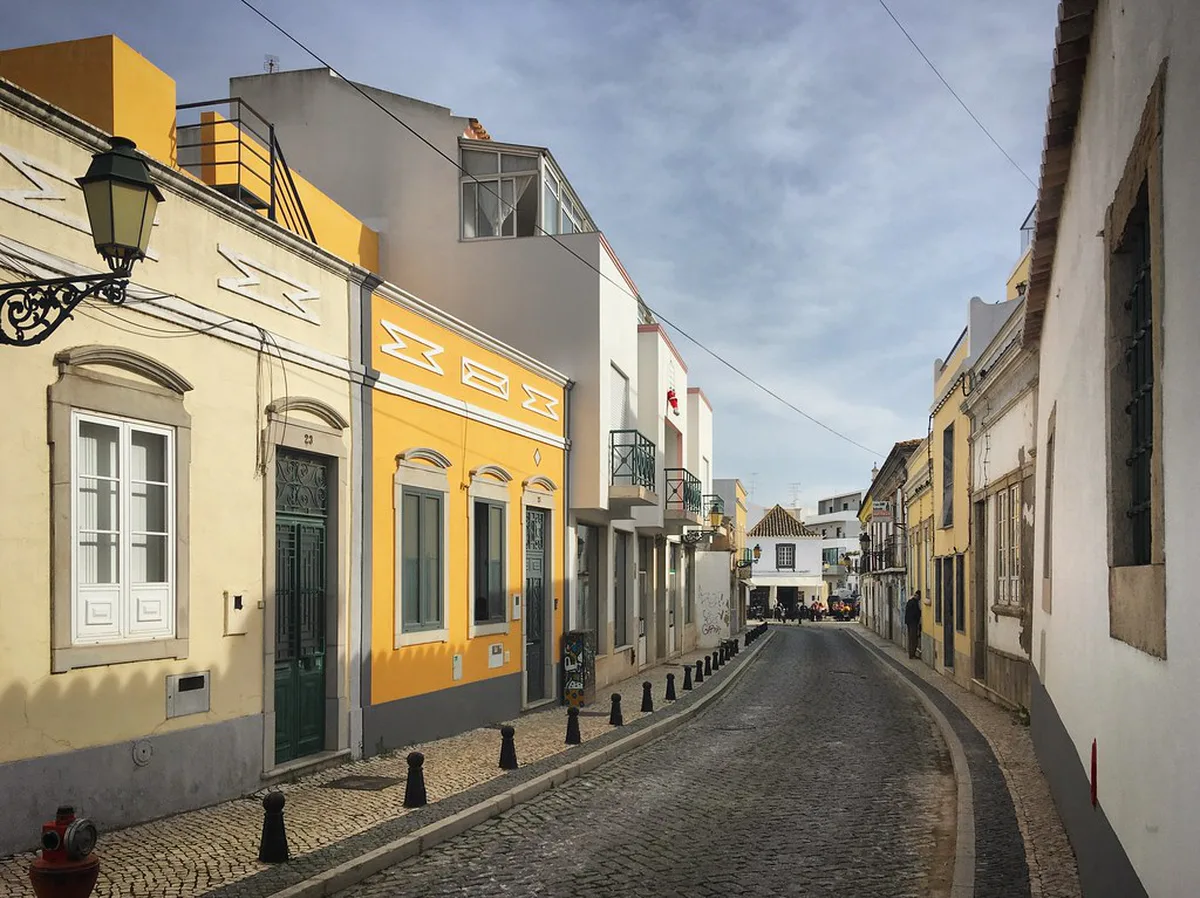
Lagos operates on a different rhythm. Its historic centre is charming — cobbled lanes, a 16th-century fort, independent restaurants — but the background hum is tourists. English is the working language. Shops open late to catch evening strollers. This is not a criticism; it is simply what Lagos is built for. For many visitors, that energy is exactly what they want from the Algarve. See the Lagos municipality for local event calendars and seasonal programming.
The seasonal contrast is stark. Faro maintains its pace year-round because its economy is not solely dependent on summer visitors. Lagos sees a visible shift by mid-October: tour operators close, many restaurants shorten hours, and hostel common rooms empty out. If you are travelling outside peak season, this difference matters considerably.
Beaches and Natural Scenery: Cliffs vs. Lagoons
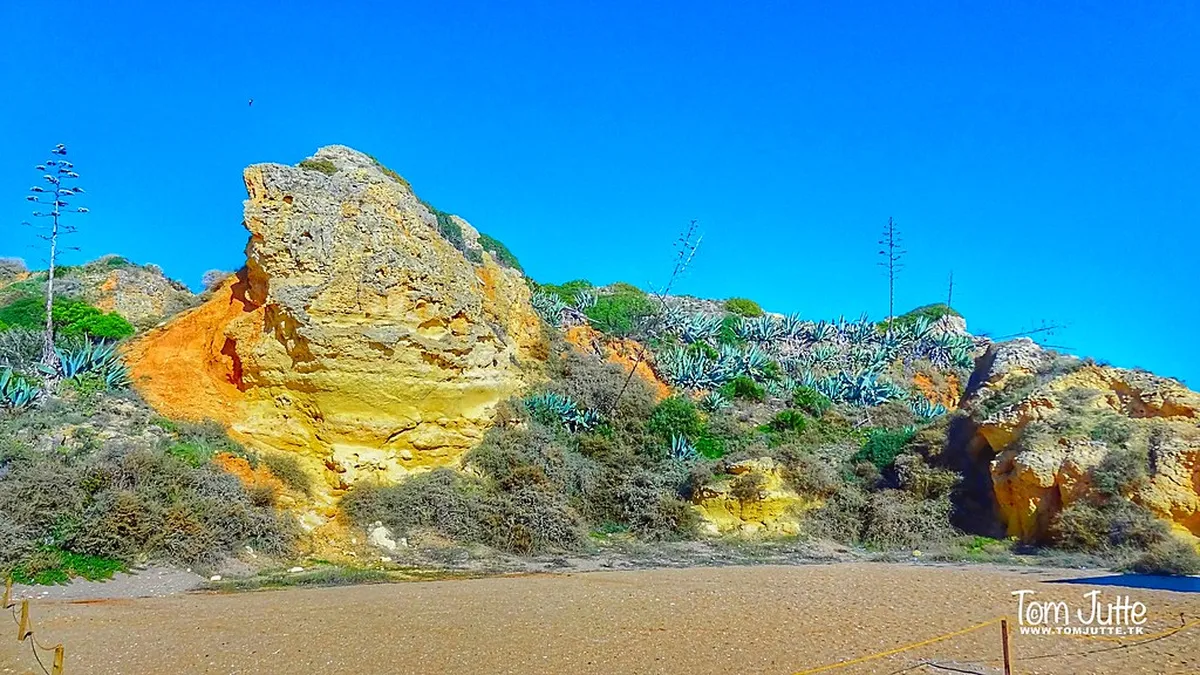
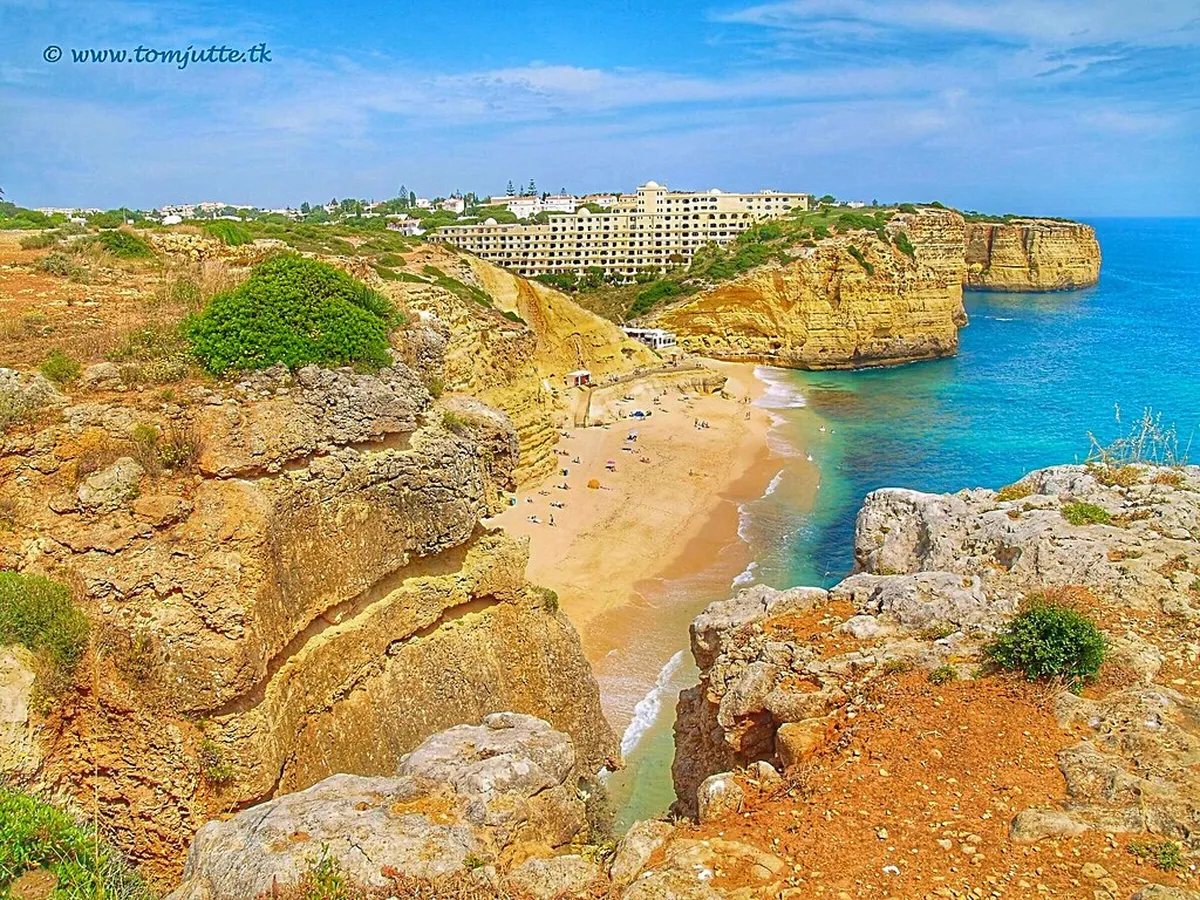
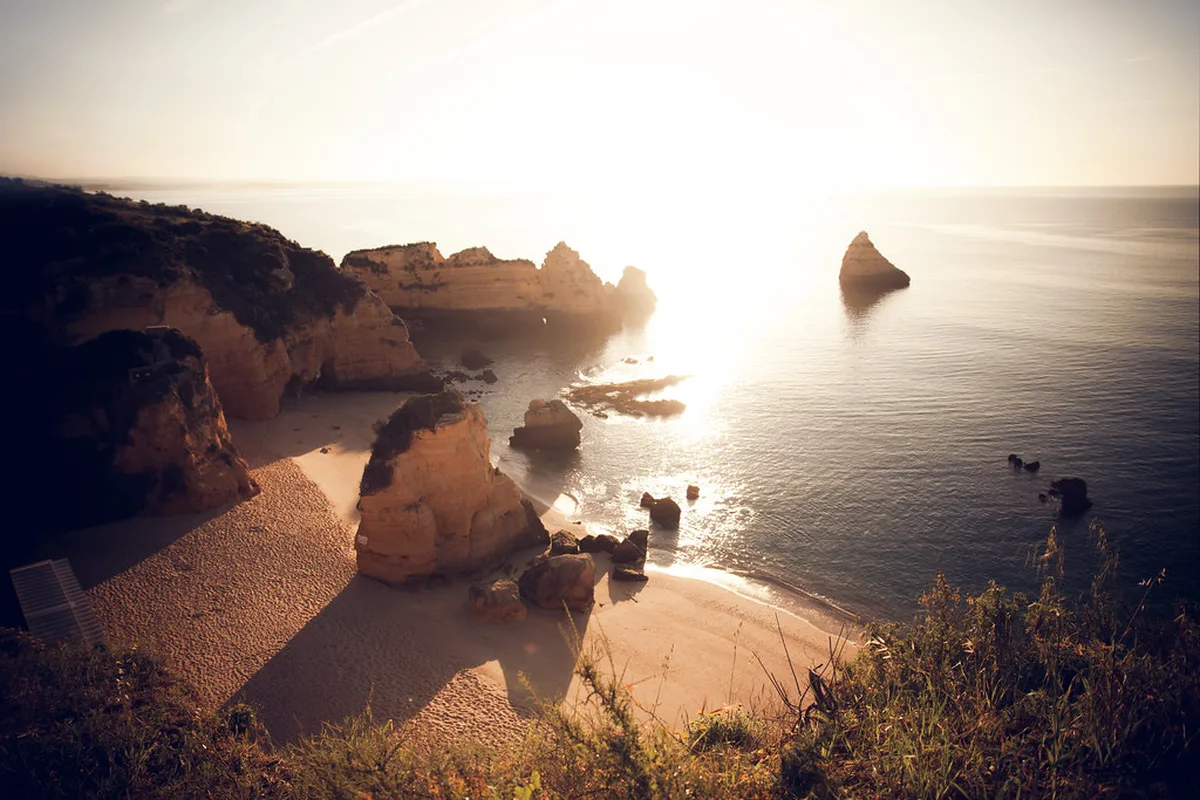
Lagos wins on beach drama. Praia do Camilo, Praia Dona Ana, and Ponta da Piedade sit within a short walk of the town centre. The golden limestone cliffs frame coves of turquoise water — this is the image most people picture when they think of Lagos and the Algarve. You can walk from your hotel to a world-class beach in ten minutes without a car or a ferry ticket.
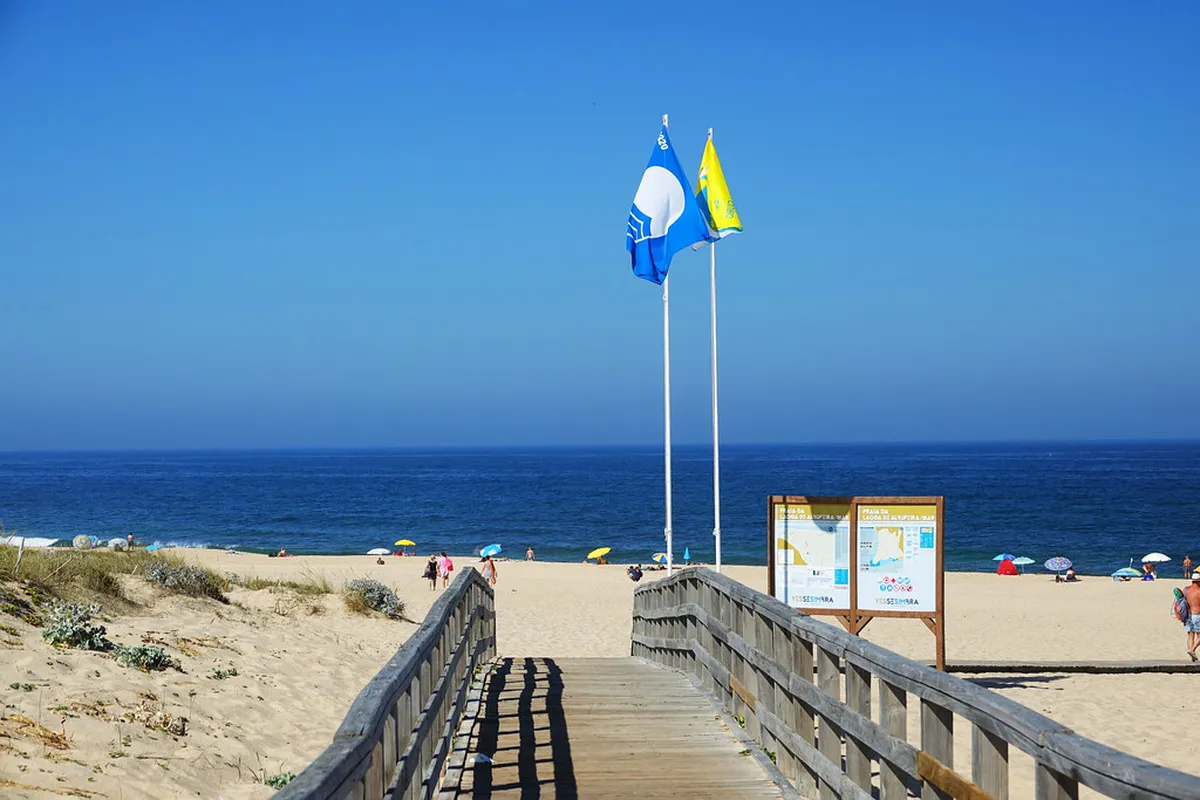
Faro's beaches require more effort but reward patience. The city backs onto the Ria Formosa Natural Park, a 60-kilometre lagoon system of tidal channels, salt flats, and barrier islands. You take a short ferry (around €2.50 return) to reach Ilha de Faro or Ilha Deserta. These island beaches are wide, quiet, and largely crowd-free even in August because the extra logistics deter casual day-trippers. For those who find the busy cliff coves of Lagos too packed, Faro's islands are a genuine alternative. Read more about the best beaches in the Algarve for a full regional overview.
Bird watchers and nature lovers land firmly in Faro's column. The Ria Formosa is one of the most important wetland habitats in southern Europe, home to the rare purple gallinule (galinha-sultana) and thousands of migratory flamingos and spoonbills. Guided boat tours of the park run from around €25 per person.
Top Things to Do and Must-See Attractions
In Lagos, most of the headline activity is outdoors. A boat tour to the Ponta da Piedade sea caves costs around €15–20 per person and takes roughly 45 minutes. Kayaking the same route is slower and more physical but lets you enter caves that larger boats cannot reach. The Castelo dos Governadores and the old slave market (Mercado de Escravos) add historical depth if you want a break from the coast. Surfing lessons are easy to find near the town — Porto de Mós beach has several schools charging around €35 for a two-hour session.
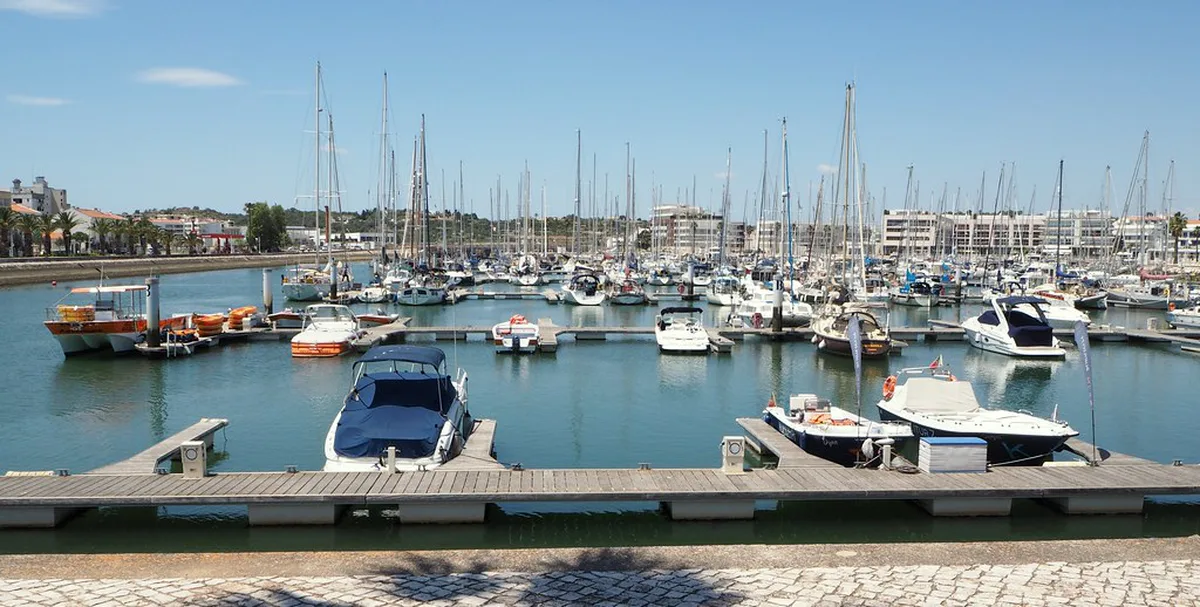
Faro's must-sees are compact enough to cover in a half-day walk. The Cidade Velha (Old Town) contains the Sé cathedral, the Bishop's Palace courtyard, and Roman walls you can lean against at street level. The Igreja do Carmo's ossuary — its walls lined with the bones of 1,245 monks — is genuinely memorable and costs €3 to enter. The Municipal Museum at the old convent is free on Sunday mornings. Faro is also the most practical departure point for day trips to Lagos itself, or east to Tavira and Olhão.
If Benagil Cave is on your list, note that it sits closer to Albufeira and Carvoeiro than to either Lagos or Faro. Boat trips from Lagos to Benagil take around 90 minutes each way. From Faro, the round trip by car or bus is about 1 hour 15 minutes to Carvoeiro, where shorter Benagil tours depart.
Cost Comparison: Budgeting for Your Algarve Trip
Faro is the cheaper base. A mid-range dinner for two in the Old Town typically runs €30–45, and local tascas still offer a prato do dia (daily lunch special) for €9–11 including bread and a drink. Budget accommodation — hostels and guesthouses — starts around €20–35 per night per person. Mid-range hotel rooms in Faro run €70–110 in high season, sometimes 30% lower than equivalent options in Lagos.
Lagos carries a clear premium, especially in July and August. Hotel nights can run €120–200 for a comfortable double, and marina-area restaurants charge €50–75 for two at dinner. The upside is that Lagos has more variety: international restaurants, wine bars, and a competitive hostel scene that keeps budget options available around €25–35 per bed. Day-trip costs add up faster from Lagos because the best nearby beaches (west coast, Sagres) involve either car hire or tour fees. For a side-by-side cost comparison of Lagos and Albufeira, check out our Lagos vs Albufeira guide.
Faro also saves money on arrival. If you fly into Faro Airport (FAO), the bus to the city centre takes 15 minutes and costs €2.35. From the same airport to Lagos by public transport costs €7.50 and takes 1 hour 45 minutes by train. Car hire from the airport for one week in summer averages €40–70 per day; booking 8–10 weeks ahead can cut that to €25–35.
Logistics: Getting There and Getting Around
Faro Airport (FAO) is the Algarve's only commercial airport, which means it functions as the entry and exit point for both towns. From the airport, Faro city centre is 5 kilometres away — bus line 14 and 16 run roughly every 30 minutes during the day for €2.35. Lagos is 75 kilometres west. The Linha do Algarve train departs from Faro station (a 10-minute walk from the Old Town) and reaches Lagos in approximately 1 hour 45 minutes; fares are around €7.50 one way. FlixBus also runs Faro–Lagos for a similar price with slightly shorter travel times on some departures.
You do not need a car in Faro. The city is compact and walkable, and the train serves a string of eastern Algarve towns — Olhão (11 min, €1.80), Tavira (30 min, €3.50), Vila Real de Santo António (1h 05min, €6.50) — all without needing to drive. For Lagos, the situation is different. The train station sits a 20-minute walk from the town centre and beach access, and the best western Algarve destinations (Sagres, Costa Vicentina, Praia da Bordeira) require either a car or a guided tour. Renting a car specifically to base yourself in Lagos and explore west makes sense; renting one just to stay within Faro city limits does not.
Travelling from Lisbon: direct FlixBus to Lagos takes 3.5–4 hours with no transfers. Train to Faro from Lisbon takes around 2h 50min but has been subject to strike disruptions on the CP Intercidades line — check schedules at least 24 hours before departure. Both routes cost roughly €15–25 booked in advance.
Day Trips: Which Base Gives You More
Faro punches above its weight as a day-trip hub. From Faro station you can reach Tavira (often called the most beautiful town in the Algarve), Olhão's famous fish market, and the Spanish border town of Vila Real de Santo António all by train, without a car. The eastern Algarve feels less discovered than the west — fewer coach tours, more local colour. A day on Ilha Deserta, one of the barrier islands in the Ria Formosa, is possible and back for under €15 in total transport costs.
Lagos anchors the western side of the region. From Lagos you can reach Sagres and the dramatic Cabo de São Vicente (Europe's south-westernmost point) in under 45 minutes by car or bus. The drive north into the Serra de Monchique mountain range takes about an hour and offers a completely different landscape of eucalyptus forest and thermal spa villages. For those focused on dramatic coastal scenery, Lagos provides better access to the wild Vicentine coast than Faro does.
If you want to see both sides of the Algarve, the most practical plan is to base yourself in Faro and do Lagos as a day trip (train, roughly €15 return), then continue west to Sagres by car from Lagos on that same day. The Faro, Lagos and Albufeira comparison covers how to structure a multi-stop itinerary across the three main Algarve towns.
Off-Season and Year-Round Livability
This is the distinction that most comparison articles skip over, but it matters if you are travelling outside July and August. Faro stays alive in the off-season. The university calendar runs from October through June, and Faro's 65,000-person permanent population supports restaurants, cafés, and bars that have no reason to close for winter. Visiting in November or February, you will find the Old Town fully operational: the bone chapel, cathedral, and Ria Formosa boat tours all run year-round. Hotel rates drop 40–50% compared to peak summer, and you can walk the lagoon waterfront without crowds.
Lagos tells a different story from mid-October onwards. A large share of its economy is tourist-dependent. By November, many restaurants near the beaches reduce to weekend hours, some hostels close entirely, and the social scene contracts sharply. The town retains its beauty — the cliffs are arguably more dramatic in winter light — but the practical experience of a week-long stay is thinner. If your trip falls between November and March, Faro is the substantially better choice.
Lagos experience drops noticeably off-season: many restaurants and hostels close or reduce hours from November onwards. If you are planning a winter or spring visit, Faro stays fully operational year-round and is the more practical base.
Digital nomads and longer-stay visitors have also noted this split. Faro has co-working spaces near the marina (Espaço Coworking Faro, from around €80/month for hot-desk access) and reliable fibre broadband in most accommodation. Lagos has options but fewer dedicated work spaces, and the summer-to-winter drop in social infrastructure can feel isolating for a month-long stay. For anyone planning a remote-work stint in the Algarve, Faro is the more sustainable base.
Best Fit: Solo Travelers, Families, and Nightlife
Solo travelers are well served by Faro. The compact layout makes orientation easy on day one, and the proximity to the airport means less transit stress after a long flight. Faro's hostel scene is smaller than Lagos's but genuine — you will find common rooms with real conversations rather than party-circuit throughput. The eastern Algarve day trips to Tavira and Olhão are ideal for the solo traveler who wants cultural exploration without joining a tour group.
Families with young children tend to do better in Lagos. The cliff beaches are enclosed enough to feel safe, the historic centre is stroller-friendly, and activities like boat tours and kayaking suit mixed-age groups well. The one caveat: in peak summer (July–August), the popular beaches at Praia do Camilo and Ponta da Piedade fill by 10:00 and parking becomes stressful without a plan. Arriving early or booking a boat tour that departs from the marina solves both problems.
For nightlife, Lagos is the clear winner over Faro — though neither town competes with Albufeira's Strip. Lagos has a strip of bars along Rua Soeiro da Costa and Rua Candido dos Reis that stay open past midnight in summer, with a few clubs running until 04:00. Faro's nightlife clusters near the marina and the Rua do Prior area; it is better suited to wine-bar evenings than all-night sessions. If late-night energy is your main goal, consider Albufeira as your third option. For a full breakdown between the two coastal rivals, see our detailed Faro vs Albufeira comparison.
The Verdict: How to Choose Your Perfect Base
Choose Faro if your trip is short (two to three days), budget-conscious, or timed for the shoulder or off-season. It also wins on logistics: the airport connection alone can save two hours of transit at both ends of a short break. The eastern Algarve day trips from Faro — Tavira, Olhão, the Ria Formosa islands — are genuinely excellent and mostly car-free.
Choose Lagos if beaches are your primary goal and you have four or more days. You want to wake up close to the cliffs, spend mornings on boat tours to Ponta da Piedade, and have dinner on a cobbled street that feels lively. The higher price tag is the trade-off, and it is a fair one if sun-and-sea is what you are paying for.
If you have a week or more, do both. Three nights in Faro at the start of your trip covers the airport arrival, Old Town, and a day trip east to Tavira. Then take the train west to Lagos for four nights and focus on the cliffs, boat tours, and the Sagres day trip. You get two completely different Algarves in one itinerary, and you never backtrack to the airport.
Frequently Asked Questions
Is Faro or Lagos better for beaches?
Lagos is better for beaches if you want dramatic cliffs and easy walking access. Faro's beaches are on islands and require a boat or bus to reach. Lagos offers the iconic cove scenery most travelers expect.
Is it cheaper to stay in Faro or Lagos?
Faro is generally cheaper for both accommodation and dining. It is a working city rather than a tourist resort, so prices reflect local rates. Lagos has higher prices, especially during the peak summer months.
Do you need a car if staying in Faro?
You do not strictly need a car in Faro. The city is walkable and has excellent train and bus links to other towns. However, a car helps if you want to explore remote mountain villages.
Faro and Lagos offer two distinct versions of the Portuguese holiday experience. One provides a deep look into local life while the other showcases natural beauty. Both cities are safe, welcoming, and full of incredible seafood and sunshine.
Make your choice based on your budget and your love for the ocean. The Algarve will not disappoint you regardless of where you decide to stay. Enjoy your 2026 trip to this beautiful corner of the Iberian Peninsula.