
Where to Stay in Algarve: 9 Best Areas and Hotels (2026)
Discover where to stay in Algarve with our 2026 guide. From the cliffs of Lagos to the islands of Tavira, find the best hotels and towns for your trip.
On this page
9 Best Areas to Stay in Algarve (2026)
The Algarve stretches over 150 kilometres of southern Portugal coastline — and where you sleep changes your entire trip. A base in Lagos puts cliff beaches within walking distance. A base in Tavira puts you on a quiet river with island beaches reachable by ferry. The two spots are nearly two hours apart by train.
This guide breaks the region into its three natural zones — Western, Central, and Eastern Algarve — so you can match your accommodation to your travel style before booking. Whether you have a car or not, whether you want nightlife or silence, there is a right base for you. We have also named specific hotels in each zone to cut through the noise.
Prices quoted are typical mid-range rates for 2026 in euros. Peak season (July–August) can add 40–80% to listed rates. Shoulder season (May, June, September, October) offers the best combination of warm weather and reasonable prices.
Western Algarve: Best for First-Timers and Surfers
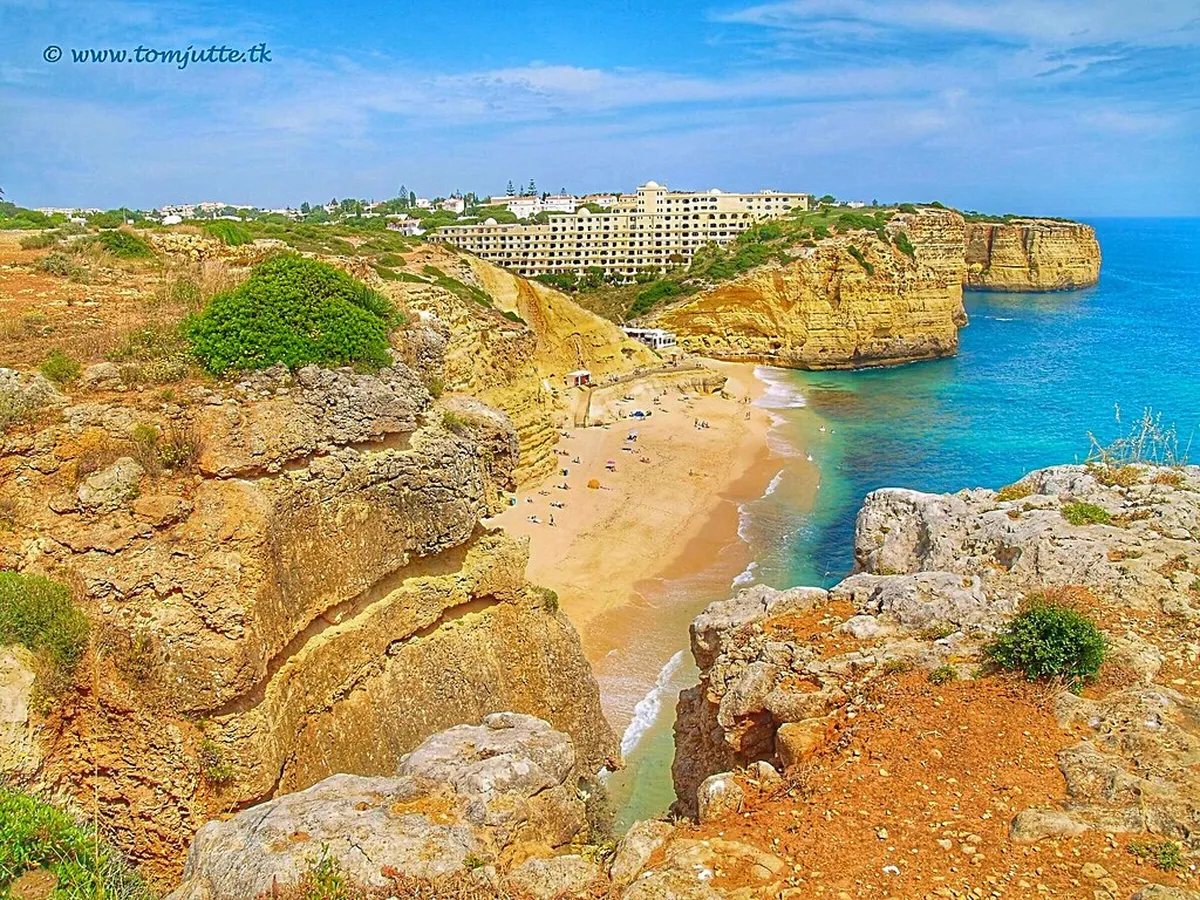
The western coast is defined by towering limestone cliffs, hidden sea caves, and Atlantic swell that draws surfers from across Europe. This is the Algarve most visitors picture before they arrive: golden grottos, turquoise coves, and dramatic rock arches. According to the official Algarve tourism board, this zone remains the most visited for its combination of natural drama and world-class beach infrastructure. Most first-timers find the mix of scenery and infrastructure here ideal for a first stay.
Peak season (July–August) adds 40–80% to mid-range rates and sees the busiest crowds. Booking at least 4–6 months ahead is essential if you plan to travel in summer.
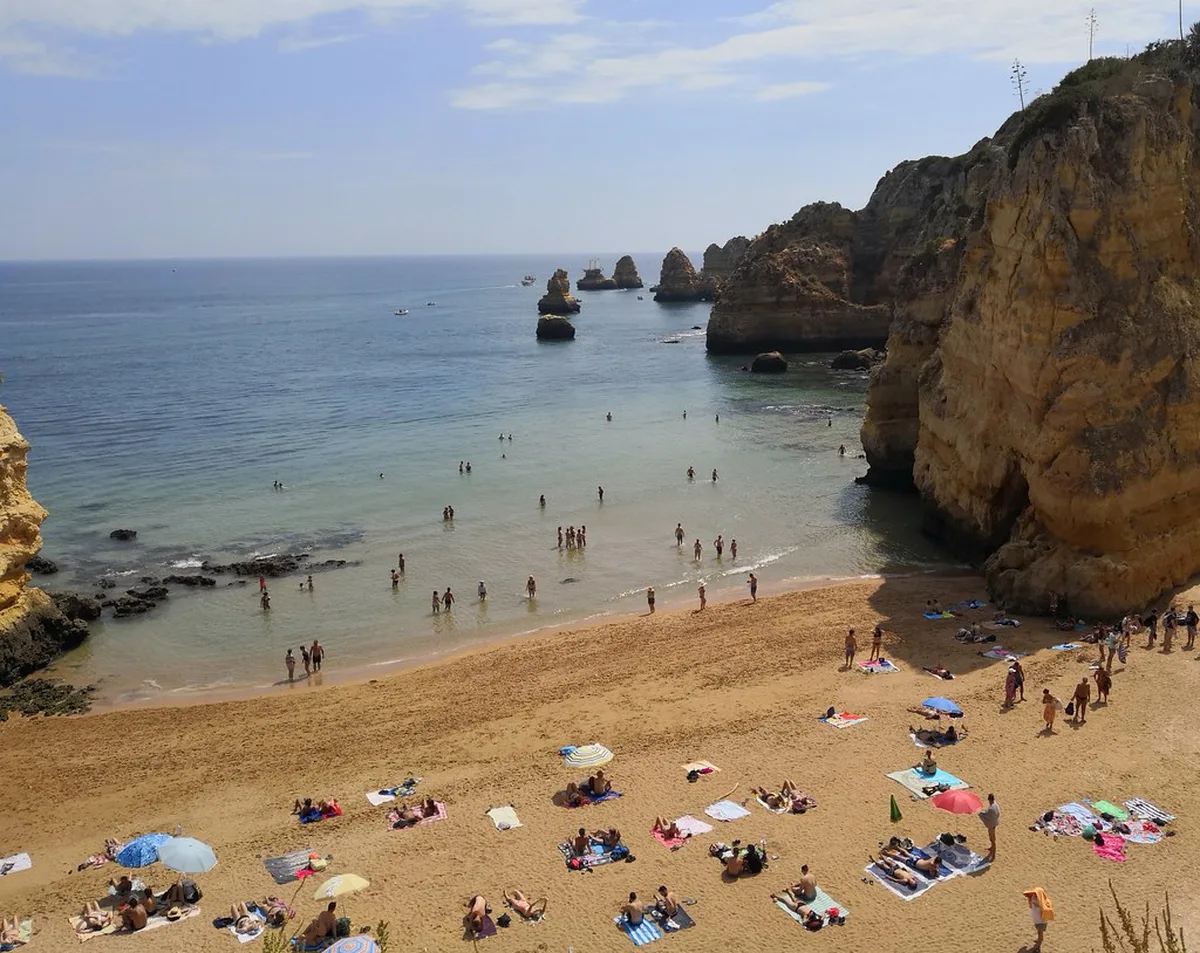
Lagos is the anchor town of the west. It has a walkable historic centre, a daily market, a marina with boat tours, and some of the Algarve's most photographed beaches — Dona Ana, Camilo, and Ponta da Piedade — all within 15 minutes on foot or by local bus. Hotel rates run €80–€200 per night for central guesthouses. For a deeper look at neighbourhoods and accommodation zones, see our guide on where to stay in Lagos.
Sagres sits at Europe's southwestern tip, 35 kilometres west of Lagos. It is raw, windy, and genuinely remote — the right choice for surfers and those who want to escape the crowds entirely. Budget €65–€170 per night for surf lodges or guesthouses near the fort. Martinhal Sagres Beach Family Resort is the standout luxury option at the far end of this range. Sagres has far fewer restaurants and services than Lagos, so factor that in if you are travelling with children or older family members.
Carvoeiro, technically on the border of west and central, is a former fishing village built into the cliffs. It remains small, photogenic, and relatively uncrowded outside of August. The Tivoli Carvoeiro Algarve Resort (5-star, cliffside infinity pool) is the premium option here, while Pestana Palm Gardens suits families seeking self-catering suites. A scenic boat cruise to the Benagil caves departs frequently from Carvoeiro beach — this is the most popular day excursion in the western Algarve.
| Area | Best for | Vibe | Nightly Rate |
|---|---|---|---|
| Lagos | First-timers, photographers | Vibrant, touristy, walkable historic centre | €80–€200 |
| Sagres | Surfers, peace-seekers | Raw, windy, remote, minimal crowds | €65–€170 |
| Carvoeiro | Scenic escapes, families | Photogenic village, cliffside, quiet outside peak | €100–€250 |
Central Algarve: Best for Nightlife and Families
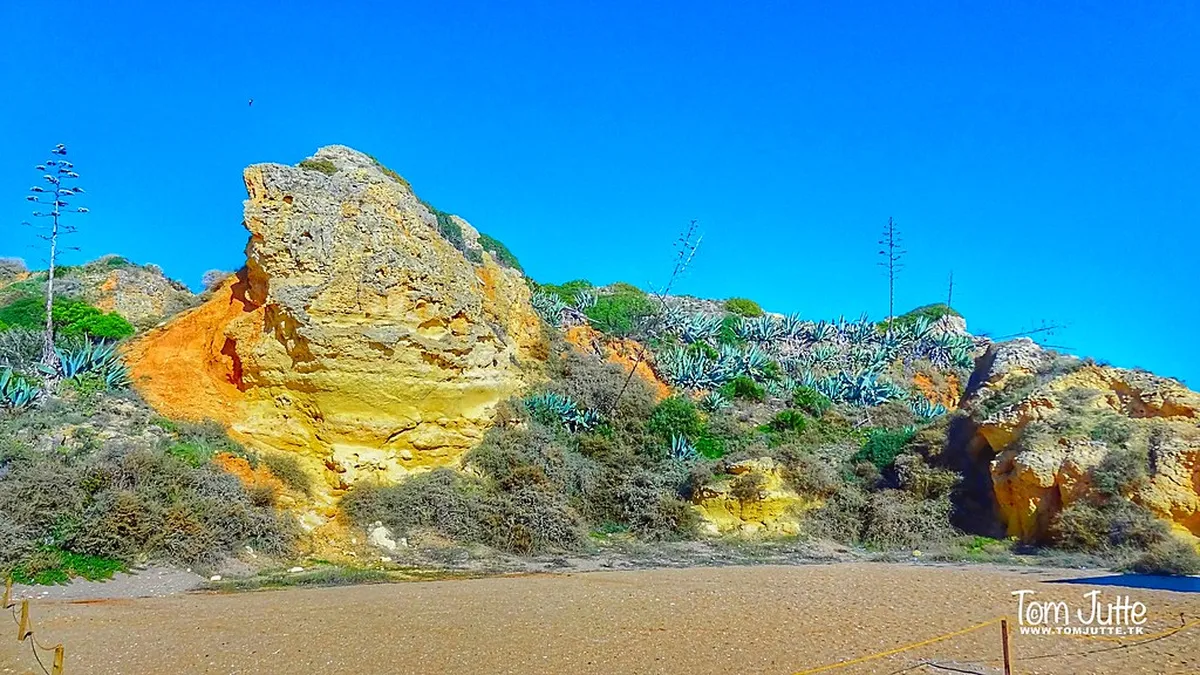
The central strip is where most package holidays land. Towns here are built around resorts, golf courses, and long sandy beaches backed by rust-orange cliffs. It is more commercial than the west or east, but the resort infrastructure — kids' clubs, all-inclusive options, large pools — makes it the most practical zone for families and those who prefer to have everything on-site. For families deciding between staying here versus the quieter western towns, Portugal's national tourism guide highlights the central zone's suitability for multi-generational holidays.
Albufeira is the undisputed nightlife capital of the region. The Old Town has cobbled streets and traditional restaurants; the Strip (about 2 km away) runs until dawn with bars and clubs catering mainly to British and Irish visitors. Families and couples tend to stay well outside the Strip. EPIC SANA Algarve Hotel is the most impressive 5-star property here, sitting directly on Praia da Falésia with an infinity pool and a full wellness spa — expect €220–€480 per night in high season. The Salgados Dunas Suites near Salgados Beach is better for families with young children, offering spacious suites and access to nature trails.
Vilamoura is Albufeira's quieter, more polished neighbour. A marina flanked by superyachts, five championship golf courses, and a clean casino complex give it a sophisticated edge. The Anantara Vilamoura Algarve Resort and the Tivoli Marina Vilamoura are both 5-star properties with world-class spas; rates start around €180 per night in May and climb past €500 in August. If you want the central zone without Albufeira's party reputation, Vilamoura is the better choice.
Portimão is a working city rather than a resort town, which gives it a more authentic feel. The main draw is Praia da Rocha: a wide, 2-kilometre beach backed by dramatic sandstone cliffs just south of the city. The Bela Vista Hotel & Spa (5-star, a restored 1918 mansion directly on Praia da Rocha) is one of the most characterful hotels in the entire Algarve. Budget travellers will find Portimão has far more affordable accommodation than Albufeira or Vilamoura, with central options from €60–€120 per night.
Eastern Algarve: Best for History and Quiet Escapes
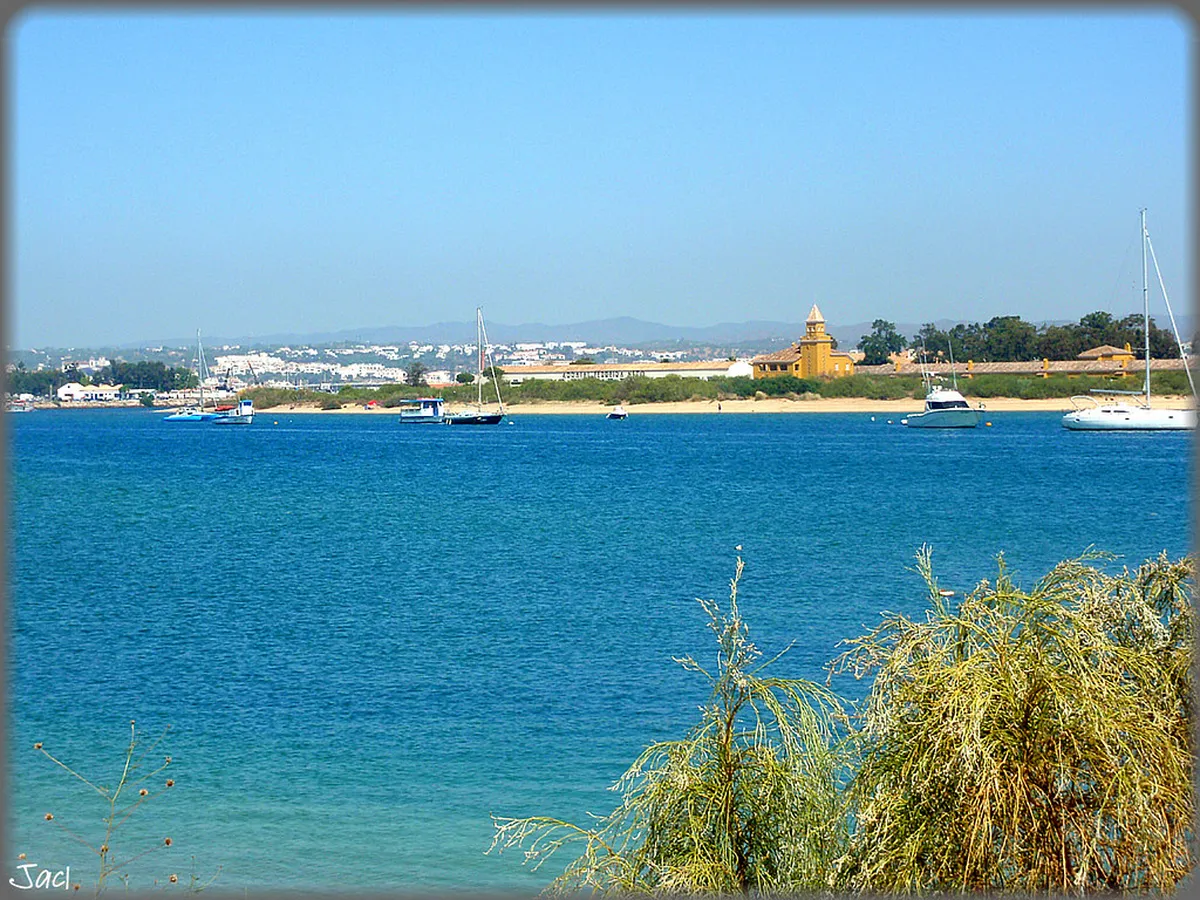
East of Faro the pace drops considerably. The landscape flattens into the Ria Formosa, a 60-kilometre lagoon system designated as a Natural Park. Long sandy barrier islands protect the coast from the Atlantic, meaning most beaches here are reachable only by short ferry rides from the mainland. The architecture is better preserved, the produce — salt, clams, oysters, citrus — is exceptional, and the towns have not been rebuilt around tourism.
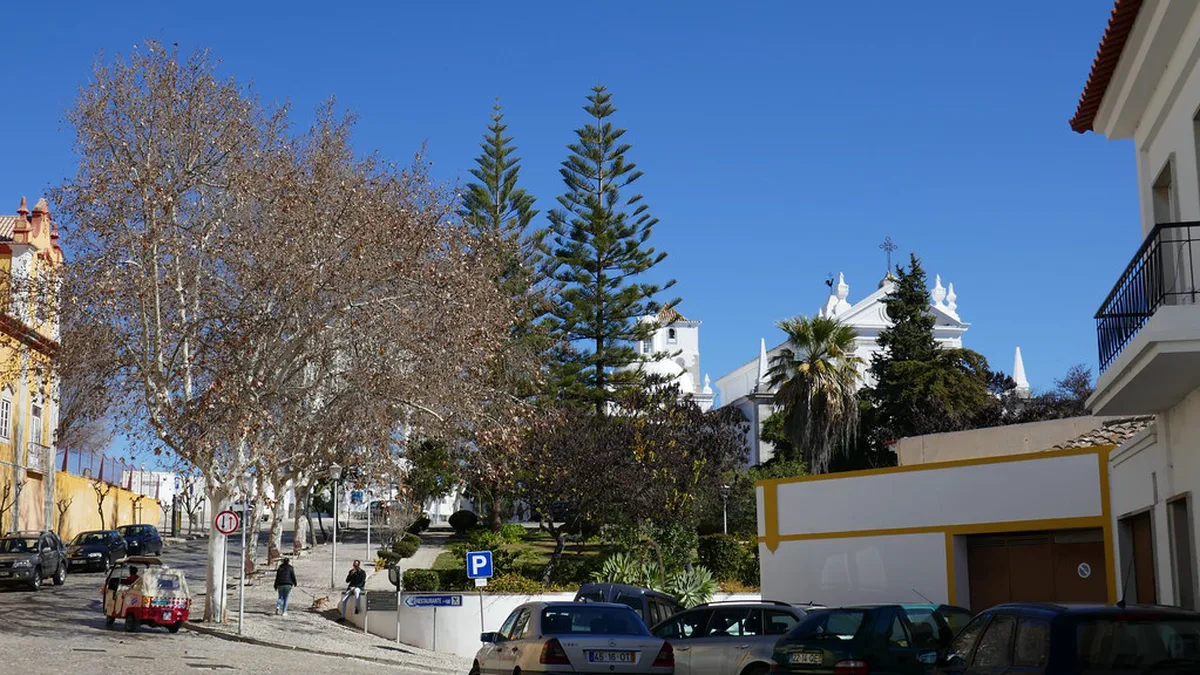
Tavira is widely regarded as the most beautiful town in the Algarve. Roman bridges, whitewashed churches with scissor-tile roofs, a riverside market, and a hilltop castle give it a depth that resort towns lack. Ilha de Tavira — a long sand island facing the Atlantic — is 15 minutes by ferry from the town quay. Hotel stays in Tavira's centre run €75–€190 per night. The Pousada Convento de Tavira (a 16th-century convent converted into a 4-star hotel) is the most distinctive property; the Colégio Charm House is a smaller, more personal alternative. Our detailed breakdown of the best towns in the Algarve ranks Tavira highly for travellers with more than five nights to spare.
Faro is the regional capital and the arrival point for most visitors flying into the Algarve. Many tourists skip it entirely, which is their loss. The walled Cidade Velha (Old Town) is compact and walkable, with a cathedral, a Roman arch, and several good restaurants within a short radius. According to the Faro municipal council, the city's historic district hosts year-round cultural events and festivals that draw both European and international visitors. The Hotel Faro & Beach Club has a rooftop terrace and marina views from €90–€170 per night. Ferries to the Ria Formosa islands depart directly from the town pier, putting Ilha do Farol within 20 minutes. For a full rundown of the city's best neighbourhoods and hotel zones, see our guide on where to stay in Faro.
Olhão is a working fishing port with Moorish-influenced cubist architecture and arguably the best market halls in southern Portugal. The two waterfront pavilions designed in the style of Gustave Eiffel house a daily fish market (Monday to Saturday) and a produce market. Ferry connections to Culatra and Armona islands run from Olhão's pier throughout the day. Accommodation is mostly independent guesthouses and renovated townhouses from €60–€150 per night — the Pure Formosa Concept Hotel is a compact 3-star option with a rooftop pool.
Cliff Beaches vs. Island Beaches: What No One Tells You
The Algarve's two most famous beach types require completely different logistics, and this shapes where you should stay more than any other factor. In the western and central zones, the most photogenic beaches sit at the base of 20–40 metre limestone cliffs. Access typically means descending steep staircases — Praia do Camilo has 200 steps, Praia da Marinha involves a 10-minute cliff walk, and several beaches near Sagres have no ramp access at all. For travellers with mobility limitations, young children in pushchairs, or anyone uncomfortable on uneven cliff paths, these beaches are harder to enjoy than they look in photos.
Many iconic western beaches require steep cliff descents (up to 200 steps). If you have mobility challenges, travel with small children in pushchairs, or prefer level beach access, the eastern Algarve's ferry-accessible island beaches are a safer choice.
In the eastern Algarve the dynamic is opposite. The lagoon geography means beaches are flat, sandy, and wheelchair-accessible — but you must take a short ferry to reach them. From Tavira the ferry to Ilha de Tavira runs from 08:00 to roughly 24:00 in summer (last boat back around 23:00) and costs around €2 per person return. From Olhão ferries serve Culatra and Armona year-round. From Faro the crossing to Ilha do Farol takes about 20 minutes. The boats are frequent in summer but reduce to a handful of runs per day between November and March — something to account for if you are travelling off-season.
For families with pushchairs, older travellers, or anyone with knee or hip problems, the eastern lagoon beaches are considerably more accessible than the iconic cliff beaches of the west. This is the practical detail that most comparison articles skip.
Where to Stay in the Algarve Without a Car
Getting around without a rental car is possible — but only if you choose your base with the train network in mind. The Linha do Algarve connects Lagos in the west to Vila Real de Santo António on the Spanish border via Faro. There are roughly 12–14 services per day in each direction. The journey from Faro to Lagos takes about 1 hour 40 minutes and costs around €7–€9. Faro to Tavira is 40 minutes and costs about €3.30. Tickets are bought at station machines or via the CP app.
The critical limitation: the train does not serve Albufeira town directly (the station is 6 km from the beach), Carvoeiro, Praia da Rocha, or Sagres. Bus connections from the train station to these spots exist but add 20–40 minutes and require coordination with infrequent schedules. If you want to stay in the western zone without a car, Lagos is the only realistic base — you can walk to Dona Ana and Camilo beaches, and local buses serve Praia da Luz and Meia Praia. Sagres is accessible from Lagos by bus once or twice a day, making it a feasible day trip but not a good car-free base.
In the east, Faro and Tavira are the two best car-free bases. Both have direct train access, ferry connections to island beaches, and enough restaurants and culture to fill several days without needing to move. Olhão is also on the train line. Ride-sharing via Uber or Bolt is available and affordable for short gaps — a fare from Faro airport to Faro city centre runs around €10–€15. The Algarve bus network (EVA Transportes) covers routes the train misses, but services are infrequent outside summer months.
Top-Rated Hotels and Beachfront Resorts
Below are the most consistently recommended properties across all three zones in 2026, grouped by zone and travel style.
- EPIC SANA Algarve Hotel (Albufeira, central): 5-star beachfront on Praia da Falésia; infinity pool, full spa, five restaurants. Best for couples and families wanting an all-in-one resort.
- Tivoli Carvoeiro Algarve Resort (Carvoeiro, west/central): 5-star clifftop resort with panoramic ocean views, two pools, and direct access to coastal walking trails. Best for those who want dramatic scenery without Albufeira's crowds.
- Pestana Palm Gardens (Carvoeiro): 5-star resort with suites and villas featuring full kitchens — a top pick for families on extended stays. Multiple pools and a wellness spa on-site.
- Salgados Dunas Suites (Albufeira, central): Spacious suites near Salgados Beach with easy access to golf and nature trails. Suits families who want space without the Strip atmosphere.
- Bela Vista Hotel & Spa (Portimão, central): The most characterful luxury property in the central zone, housed in a 1918 mansion right on Praia da Rocha. Only 36 rooms — book early.
- Martinhal Sagres Beach Family Resort (Sagres, west): 5-star beachfront with kids' clubs, multiple pools, and surf school access. The best family resort in the western zone.
- Pousada Convento de Tavira (Tavira, east): A restored 16th-century convent with a serene courtyard. The most distinctive heritage stay in the eastern Algarve.
- Hotel Faro & Beach Club (Faro, east): 4-star with rooftop terrace and marina views. The best central Faro option for travellers using the city as a base for day trips.
For mid-range and budget options in Lagos specifically — including guesthouses within walking distance of the cliffs — see our focused guide on where to stay in Lagos Portugal.
Essential Tips for Planning Your Algarve Stay in 2026
Book accommodation at least four to six months ahead if you plan to travel in July or August. The best boutique hotels in Lagos, Tavira, and Carvoeiro sell out by March for peak season. Shoulder months — May, June, and September — offer warm water (17–20°C), fewer crowds, and prices 30–50% lower than July rates.
Plan a minimum of four nights if you are staying in one zone. Five to seven nights is more realistic if you want to explore beyond your base. The Algarve is not a quick stopover — the distances between the east and west mean that day-tripping from one end to the other eats most of your day. Many experienced visitors split a 10-day trip between two bases: Lagos or Carvoeiro in the west, and Tavira or Olhão in the east.
Tipping is not mandatory in Portuguese restaurants but is appreciated; rounding up the bill or leaving 5–10% is the norm. Most locals speak English fluently in tourist areas, but a few words of Portuguese — obrigado (thank you), com licença (excuse me) — are well received. Water temperatures rarely exceed 22°C even in peak summer, so bring a wetsuit if you plan to surf in Sagres or on the west coast.
Frequently Asked Questions
Which part of the Algarve is best for first-time visitors?
Lagos is the premier choice for most first-time travelers. It combines a walkable historic center with stunning beaches like Dona Ana. Most visitors find the balance of nightlife and culture very appealing here.
Is it better to stay in Lagos or Albufeira?
Lagos is better for those seeking historic charm and dramatic cliffs. Albufeira is superior for travelers who want vibrant nightlife and large resort amenities. For a detailed comparison, see Lagos vs Albufeira. Both towns offer excellent dining and easy beach access.
Can you get around the Algarve without a car?
Yes, you can use the regional train and bus network between major hubs. Staying in Faro or Lagos is essential for easy transport links. Check things to do in albufeira for central hub activities.
Choosing the right area in the Algarve will define your entire Portuguese vacation experience. Whether you want the rugged cliffs of Lagos or the peaceful islands of Tavira, there is a perfect spot. Take the time to consider your transport options and beach access preferences before booking your final hotel or villa.
The southern coast remains one of the most beautiful and accessible regions in all of Europe. Plan your trip for the shoulder season to enjoy the best weather without the heavy summer crowds. We hope this guide helps you find the ideal base for your 2026 adventure in the sun.
 10 Best Towns in the Algarve (2026 Travel Guide)May 17, 2026