
How To Get To Guimaraes Travel Guide
Plan how to get to guimaraes with top picks, neighborhood context, timing tips, and practical booking advice for a smoother trip.
On this page
How To Get To Guimaraes
Guimarães sits about 55 kilometres northeast of Porto in the Minho region of northern Portugal. Most visitors arrive from Porto, which has the most frequent and affordable transport connections. The journey is short enough to do as a day trip, yet the city rewards those who stay overnight.
The city holds UNESCO World Heritage status for its medieval centre and is widely known as the birthplace of Portugal. Understanding is Guimarães worth visiting helps you decide how much time to allocate before you book your travel. This guide covers every practical option — train, bus, rideshare, driving, and airport transfers — with fares and timings current for 2026.
Porto to Guimarães by train
The train is the most popular way to travel between Porto and Guimarães and for good reason. Comboios de Portugal (CP) runs an urban service that departs from São Bento station in the heart of Porto, close to the Ribeira district and the main tourist areas. A single ticket costs €3.60 for adults and €1.80 for children, loaded onto a rechargeable Siga card that costs €0.50 on first purchase.
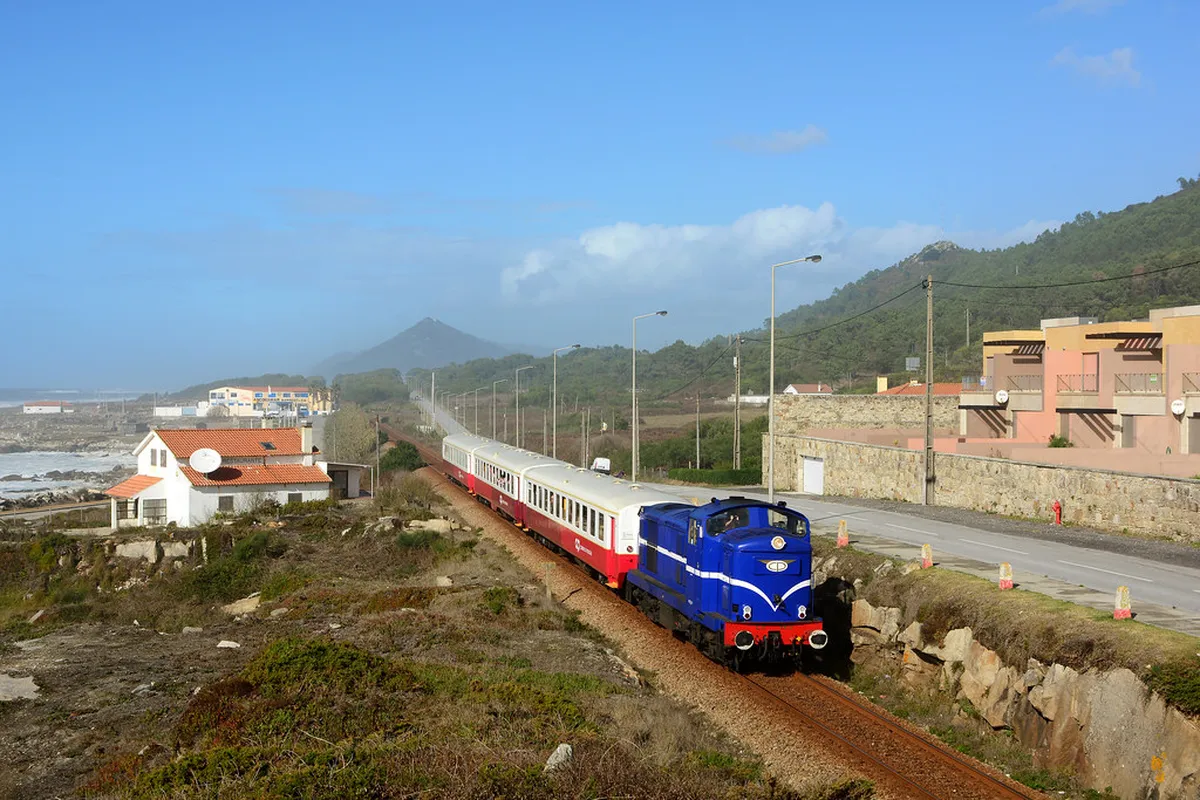
The journey takes between 1 hour 10 minutes and 1 hour 20 minutes depending on the service. There are around ten daily departures, with extra services on weekday mornings. The first train leaves Porto at approximately 07:20 (06:20 on weekdays) and the last trains from Guimarães in the evening depart around 20:18, 21:51, and 22:55. Check the current timetable at cp.pt before your visit, as afternoon gaps can be two hours at weekends.
You must validate your Siga card against the yellow or red pedestals on the platform no more than 10 minutes before departure. The trains are modern, accessible, and safe on all services including late evening. Guimarães is the final stop on the line, so there is no risk of overshooting. From Guimarães station, the historic centre is a 10-minute walk north along Avenida Dom João IV.
Remember to validate your Siga card at the yellow or red pedestals on the platform before boarding — no more than 10 minutes before your train departs. This step is mandatory and easy to miss if you are unfamiliar with Portuguese rail etiquette. Failure to validate means risking a fine, even though you hold a paid ticket.
The carriage split: how to avoid ending up in Braga
This is the most important practical detail for first-time visitors travelling by train, and almost no guide makes it prominent enough. Some Porto–Guimarães trains split at Lousado junction mid-journey: a portion of the carriages branches off toward Braga while the rest continue to Guimarães. If you board the wrong carriage you will find yourself in the wrong city with a significant detour to fix.
Always check the carriage destination board before boarding — each carriage displays its final destination. At São Bento, the platform staff can confirm which carriages are going to Guimarães. If the platform is busy, ask at the ticket window before heading down. This split does not affect every service, but it affects enough of them that local travellers treat it as routine.
The simplest rule: board any carriage marked "Guimarães" or ask a CP staff member to point you to the correct section. Once you are past Lousado and the train is still moving northeast, you are on the right carriage.
Some Porto–Guimarães trains split at Lousado junction mid-journey: part of the train branches toward Braga while the rest continue to Guimarães. Always check the carriage destination board before boarding, and ask platform staff if you are unsure which section goes to Guimarães. Boarding the wrong carriage means arriving in Braga instead and requiring a significant detour to reach your destination.
Porto to Guimarães by bus
The bus is the fastest way to get from Porto to Guimarães by public transport. FlixBus and Rede Expressos both operate routes departing from Campanhã station in Porto, with journey times of around 45 minutes. Tickets start from €2.95 and can be booked online or purchased at the station. Multiple departures run throughout the day and evening, making it flexible for day trips.
From the Guimarães bus terminal, the historic city centre is about a 15-minute walk. The terminal connects to the Guimarães Shopping centre on the western edge of the city. If you prefer not to walk, local taxis are available outside the terminal.
The bus is the better choice if your Porto base is near Campanhã or if the train timetable does not align with your plans. For most visitors staying in central Porto, the train from São Bento is more convenient since it sits closer to accommodation in the tourist core.
| Mode | Time | Cost | Notes |
|---|---|---|---|
| Train (CP Urban) | 1h 10m – 1h 20m | €3.60 (adult), €1.80 (child) | Modern, direct from São Bento; carriage split to Braga on some services; final stop at Guimarães; Siga card validation required |
| Bus (FlixBus/Rede Expressos) | 45 mins | €2.95+ | Fastest public option; departs Campanhã; book online or at station |
| Rideshare (Uber/Bolt) | 40–50 mins | €30–35 (standard), €40–50 (surge) | Most flexible; door-to-door; best supply from Porto end; 15% premium for Comfort/XL |
| Driving (rental car) | 40 mins | Tolls + parking | Fastest overall via A3/A11 motorways; paid lots under €10/day; free parking fills early on weekends |
Rideshare: Uber and Bolt from Porto
Uber and Bolt both operate between Porto and Guimarães and offer a comfortable, flexible alternative to public transport. The base fare from central Porto is approximately €30–35 for a standard car, rising to €40–50 during peak hours or surge periods. A Comfort or XL vehicle costs around 15% more but provides extra space, which matters on a long journey with luggage or young children.

The biggest advantage is flexibility at the end of the day. Unlike the train, which has a two-hour gap between afternoon departures at weekends, a rideshare lets you leave whenever you are ready. Families with tired children particularly benefit from this option. Book from Porto rather than from Guimarães where possible — driver supply is significantly higher on the Porto end, which means shorter wait times and more stable pricing.
Uber tends to offer higher vehicle standards while Bolt is usually cheaper on direct comparison. Download and register both apps before your trip to compare prices on the day. Link your account to a card that does not charge foreign currency fees if your home currency is not euros.
Porto airport to Guimarães
If you are arriving directly at Francisco Sá Carneiro Airport and heading straight to Guimarães, there is no need to travel into Porto city centre first. The GetBus service departs from Stop D outside the arrivals terminal and runs directly to the Guimarães bus station. A single ticket costs €9, the journey takes around 50 minutes, and tickets can be purchased from the driver with cash. There are seven daily departures (nine on weekdays) — check the current schedule at getbus.eu before you fly.
Uber or Bolt from the airport is the fastest and most convenient option for groups or families. Expect to pay around €30–40 for the direct journey, with fares lowest during mid-morning and highest during evening rush hour. A taxi from the airport costs significantly more, typically €80–100, and is not worth the premium when rideshare apps are reliable and widely available.
Taking the metro into Porto city centre and then catching the train to Guimarães is possible but adds 45–60 minutes and is only worthwhile if you want to spend time in Porto before continuing north. For a straightforward airport-to-Guimarães transfer, GetBus or a rideshare app is the practical choice.
Driving to Guimarães from Porto
Guimarães is 47 kilometres from Porto and the drive via the A3 and A11 motorways takes around 40 minutes without traffic. This is the fastest method overall and gives you the flexibility to extend your visit or continue to other nearby towns. Tolls apply on the motorway sections, so make sure your rental car has a working via verde transponder or that you understand the toll payment method before departure.
Parking in the city is available in paid lots near the historic centre, and daily rates typically stay under €10. There is a free car park on Rua de Dona Mafalda near the castle area, but it fills early on summer weekends and public holidays. Arriving before 10:00 gives you the best chance of a free space. The historic centre itself is largely pedestrianised, so plan to park and walk once you arrive.
Guimarães Castle and the Ducal Palace
The Guimarães Castle is the anchor of any visit to the city. Built in the 10th century to defend the local monastery from Moorish and Norman attacks, it stands on a hill above the historic centre and is a 10-minute walk from Largo da Oliveira. Admission is €5 and the castle is open daily from 10:00 to 18:00. Visit Portugal provides additional official tourism details. Walk the top of the walls for the best panoramic views across the Minho countryside.
Directly adjacent is the Ducal Palace of the Bragança, a medieval chateau-style palace that was the former residence of the first Dukes of Bragança. Entry is €10 standard, though tickets were discounted to €5 in 2025–2026 due to a partial closure for restoration work. The palace exhibits are well curated with multilingual guides, and most visitors rate it the more rewarding of the two sites. Buy tickets in advance online to skip the queue, which can run long in peak season.
Between the castle and the palace sits the small Romanesque church of São Miguel do Castelo, dating to the 13th century. Entry is free and it is rarely crowded, making it a quiet contrast to the two headline monuments.
How long to spend in Guimarães
Deciding how many days in Guimarães depends on your pace and interests. A focused day trip of six to eight hours from Porto covers the castle, the Ducal Palace, Largo da Oliveira, and a coffee at Largo do Toural with time to spare. Most international visitors travelling on a tight schedule find this enough. Start at the top of the hill with the castle and work downhill — this is the most efficient route and the order most walking-tour guides recommend.
Staying overnight changes the experience significantly. The day-tripper crowds thin out by early evening and the illuminated squares and stone buildings take on a different atmosphere after dark. Two days allows you to add the cable car up to Penha Mountain, explore the Citânia de Briteiros archaeological site 15 kilometres away, and browse the Museum Martins Sarmento (open Tuesday to Sunday, entry around €1.50–3). Note that several churches including Igreja de Nossa Senhora do Carmo are closed on Sundays and Mondays, so mid-week visits give you the fullest access.
Families with children generally benefit from two days at a slower pace. The castle grounds offer space to explore, and Penha Mountain has viewpoints and picnic areas that give children room to move after a morning of medieval history.
Journey from Guimarães to Braga
Many visitors combine Guimarães and Braga in a single day, since the two cities sit just 25 kilometres apart and represent complementary chapters of northern Portugal's history. Braga is defined by its religious architecture — the Bom Jesus do Monte sanctuary is the most famous sight — while Guimarães covers the secular, royal, and medieval foundations of Portugal as a nation.
The fastest connection is by bus, operated by Transdev and Ave Mobilidade, with a journey of around 50 minutes to one hour. Buses depart from the Guimarães bus terminal throughout the day. A direct train is also possible but typically requires a transfer, making it less efficient for a day excursion. Driving or taking a rideshare takes about 25 minutes via the A11 motorway and is the better option if your time is limited.
If you are choosing between the two cities rather than combining them, Guimarães is better suited to those interested in medieval castle architecture and the founding narrative of Portugal. Braga rewards visitors with more religious and Baroque art, a livelier café culture, and a younger university population. Many travellers find a half day in each — arriving by bus or rideshare and departing by the same — fits naturally into a two-night base in Porto.
Suggested route for visiting Guimarães
A well-planned Porto to Guimarães day trip works best starting at the top of the hill and working downward. From the train or bus station, walk north to the castle and Ducal Palace first, when your energy is highest. Allow 1.5–2 hours for both monuments combined. Continue downhill toward Igreja de Nossa Senhora do Carmo (open Monday to Friday, 09:30–17:00, free entry) and then on to Largo da Oliveira for coffee or lunch.
After Largo da Oliveira, walk five minutes south to Largo do Toural — the main civic square lined with cafés and 18th-century architecture. From here, it is worth the short detour to Santos Passos Church on Campo da Feira, where €1 buys access to the upper terrace with what many consider the best panoramic view in the city. End the day by taking the teleférico cable car up to Penha Mountain for the sunset view, then return by cable car or on foot to the station for your train or bus back to Porto.
On Sundays, adjust the route: the Ducal Palace and castle are still open, but Igreja de Nossa Senhora do Carmo and Church of Saint Francis (entry €3, adults; free under 12) are closed. The Museum Martins Sarmento is open at weekends from 10:30 but closes on Mondays. Check opening hours before you go if those specific sites are on your list.
Exploring the Minho region beyond Guimarães
Guimarães is a convenient base for a wider circuit through the Minho. The Citânia de Briteiros, one of the largest Iron Age hill fort sites in the Iberian Peninsula, is 15 kilometres north of the city and accessible by car or taxi in around 20 minutes. It rarely draws the crowds of the city sights and offers a striking contrast to the medieval architecture downtown.
Regional buses from the Guimarães terminal connect to smaller villages in the Ave Valley, where you will find stone-built churches, working quintas producing Vinho Verde, and local markets. The Minho's signature wine — light, slightly sparkling, and served cold — pairs well with the roasted kid and caldo verde that dominate menus in this part of Portugal. You will also find detailed Guimarães travel tips to help with local customs and seasonal events.
Frequently Asked Questions
Where is Guimarães?
Guimarães is located in the Minho region of northern Portugal, about 55 kilometers northeast of Porto. It is easily accessible by train or car from major northern cities. This strategic location made it a key site during the formation of the country. Check out our 12 Best Things To Do In Guimaraes: A Local's Travel Guide guide for more.
How long to spend in Guimarães?
One full day is typically enough to see the major historic sites like the castle and palace. If you want to explore Penha Mountain or nearby Citânia de Briteiros, consider staying for two days. This allows for a more relaxed pace and evening walks in the old town.
Is how to get to guimaraes worth including on a short itinerary?
Yes, it is highly recommended because the transport links from Porto are very efficient. You can see a UNESCO World Heritage site in just half a day if necessary. The city offers a unique medieval atmosphere that differs significantly from the coastal cities.
Getting to Guimarães is straightforward from Porto by train, bus, or rideshare, with each option suiting different budgets and schedules. The train from São Bento is the classic choice for solo travellers and couples; the bus from Campanhã is marginally faster; rideshare makes the most sense for families or groups who want door-to-door comfort and flexibility on the return.
Whichever route you choose, the key is to check the timetable before you go — especially on weekends when afternoon train gaps and the carriage split at Lousado catch out first-time visitors. With that sorted, Guimarães delivers one of the most rewarding day trips in northern Portugal.
Combine this with our guide to the best things to do in Guimarães for a fuller itinerary.
For more on your trip, see our guides to Porto To Guimaraes Day Trip Travel Guide and Where to Stay in Guimarães.
 10 Best Tips for Timing Your Visit to GuimarãesJune 8, 2026