
Guimaraes Travel Tips Travel Guide
Plan guimaraes travel tips with top picks, neighborhood context, timing tips, and practical booking advice for a smoother trip.
On this page
Guimaraes Travel Tips
Guimarães is one of the most rewarding day trips in northern Portugal. The entire historic center is a UNESCO World Heritage Site — compact, walkable, and packed with medieval buildings that have been carefully maintained rather than left to crumble. Known as the birthplace of the Portuguese nation, the city carries its history with genuine pride rather than tourist polish. In 2026, Guimarães holds the title of Europe's Green Capital, making this a particularly good year to visit.
How to Get to Guimarães from Porto
The train from Porto to Guimarães is the easiest option for most visitors. Trains depart from São Bento station roughly every hour on weekdays, from around 06:00 to midnight. The journey takes just under an hour and a one-way ticket costs approximately €4. You can also depart from Campanhã station, which has connections to more destinations if you are combining Guimarães with onward travel.
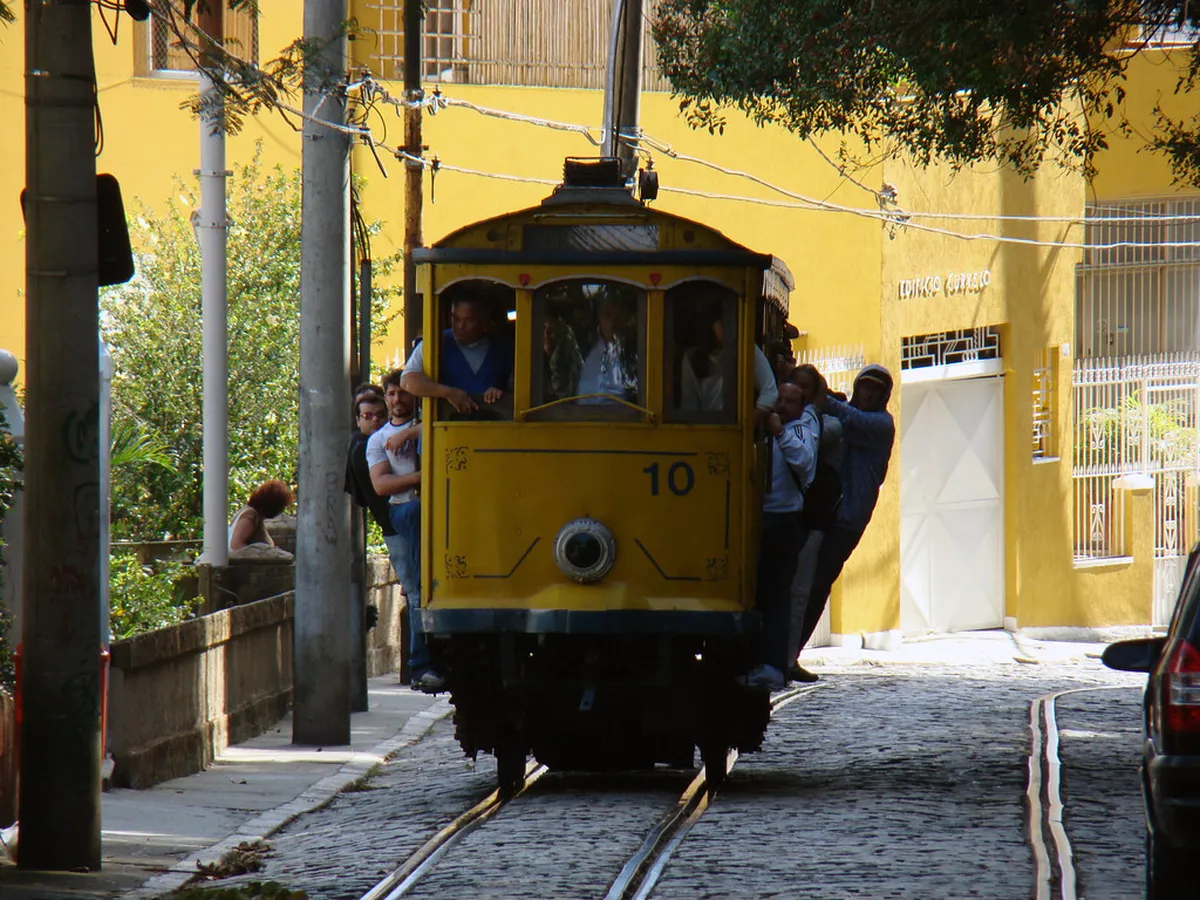
One practical warning: some trains leaving São Bento split partway along the route, with some carriages continuing to Guimarães and others branching off to Braga. If you board the wrong carriage, you will end up in Braga. Check the carriage destination displayed on the train door before boarding, or ask a station attendant. This is an easy mistake to make and catching the correct carriage takes only a moment of attention.
By bus, operators including Rede Expressos and Flixbus run frequent services from Porto's Campanhã station throughout the day, with one-way fares generally under €10. If you are driving, Guimarães is roughly 40 minutes from Porto along well-maintained highways. Parking in the city center is available at Parque do Campo de S. Mamede and Parque das Hortas, and a full day of paid parking costs no more than €10. From Lisbon, the drive is about 3.5 hours; by public transport, you need to travel to Porto first and change at Campanhã.
Must-See Guimarães Attractions
Guimarães Castle is the city's most recognizable landmark and the logical starting point for any visit. The Guimarães Castle sits on a fortified hilltop and dates to the 10th century, though most of what you see today is from the 12th and 13th centuries. Entry costs around €5. There is not a huge amount to see inside — thick walls, eight towers, and an inner courtyard — but walking the ramparts gives excellent views over the old town and the Palace chimneys below. It is worth an hour of your time.
Immediately below the castle, the Palace of the Dukes of Bragança is the more impressive of the two monuments. Built in the early 15th century for the 1st Duke of Bragança, the palace was later abandoned, used as a military barracks, and substantially rebuilt between 1937 and 1959 into the museum it is today. The courtyard arcade and the grand interior halls hung with 17th-century tapestries are highlights. Combined tickets for both the castle and the palace are available at the palace ticket office and offer a small saving on separate admission.
Just beside the castle, do not walk past the tiny Igreja de São Miguel do Castelo without going inside. The chapel is modest in size but carries significant historical weight — it is the site where Afonso Henriques, Portugal's first king, is said to have been baptized. Historians dispute this, but the baptismal basin at the front of the chapel and the inscribed stone floor still make it a genuinely atmospheric stop. Entrance is free and the visit takes only a few minutes.
Near the castle complex, the Aqui Nasceu Portugal inscription — meaning "Portugal Was Born Here" — appears on a stone wall and makes for the iconic photograph most visitors come to take. It is a short walk from both the castle and palace.
The Historic Center on Foot
The historic center is best explored without a fixed route. The streets are compact enough that aimless wandering will bring you past all the key squares and landmarks within a couple of hours. Cobblestones are ubiquitous — comfortable, flat-soled shoes are not optional. The streets can be uneven enough to make heels or thin-soled trainers uncomfortable over a full day of walking.
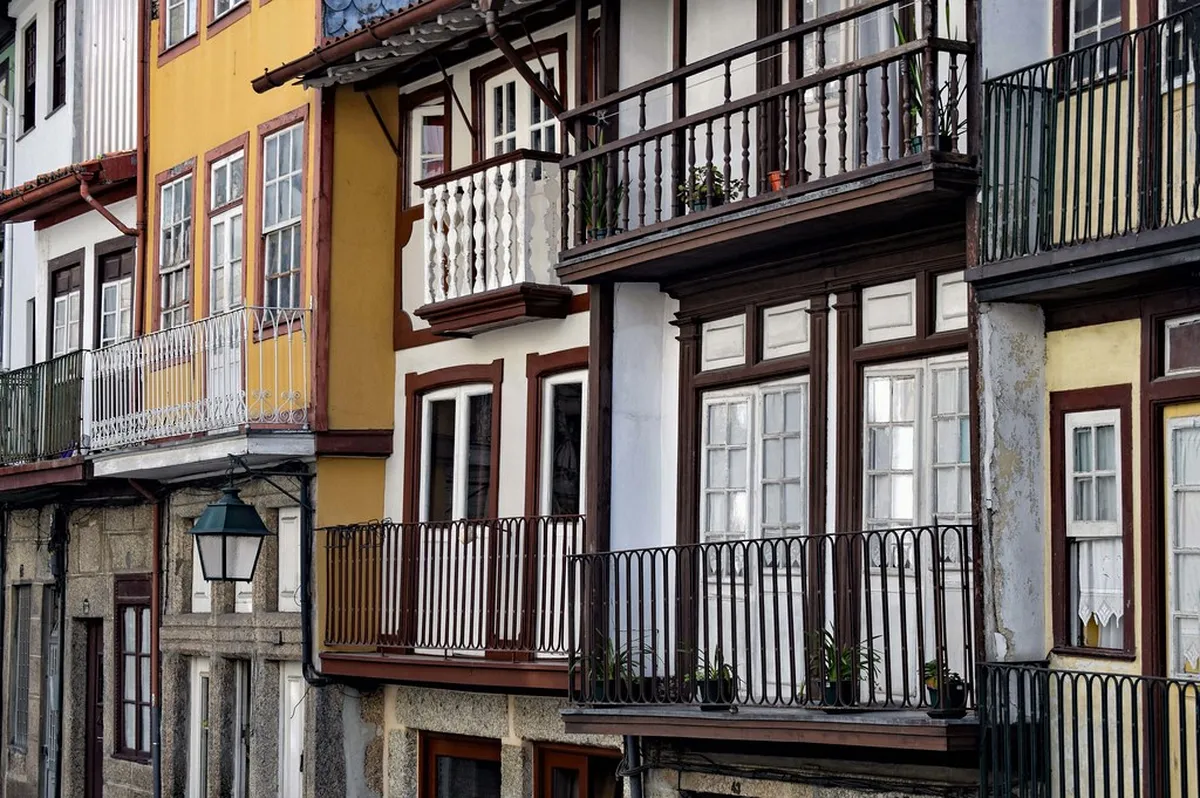
Rua de Santa Maria is the medieval street that connects Largo da Oliveira to the palace and castle. Dating to the 12th century, it was built for exactly this purpose and many of its original stone facades, arched doorways, and wooden balconies remain intact. Walking it rather than the parallel modern roads is worth doing; it takes about the same amount of time and feels completely different.
Largo da Oliveira is the main square at the heart of the old town. A new olive tree stands where a legendary ancient one once grew, in front of the Igreja de Nossa Senhora da Oliveira. The square is surrounded by medieval buildings, arcaded galleries, and cafés with outdoor tables that stay busy from early morning until late at night. The Gothic Padrão do Salado monument in the square commemorates a 14th-century Portuguese military victory. If you visit around midday and hear organ music drifting from the church, step inside — there are regular performances and the upper balcony gives you a close view of the organ itself. Entry to the church is free.
The Muralhas de Guimarães, the surviving stretch of medieval city walls, runs near the castle area. You can climb to the top at Porta do Burgo and walk roughly 250–300 metres of the old fortification. The walkable section ends near Largo da República do Brasil, where the views down the garden avenue to the Santos Passos Church are among the best in the city. The walls are free to access; they were open at 11:00 on weekdays during our most recent check.
Cobblestones are ubiquitous throughout the historic center. Comfortable, flat-soled shoes are essential—heels or thin-soled trainers will become uncomfortable over a full day of walking. Plan to wear sturdy, supportive footwear to enjoy wandering the medieval streets at a relaxed pace.
Museums, Art, and Culture in Guimarães
The Museu de Alberto Sampaio is the strongest museum in the city for visitors interested in medieval art and Portuguese history. Housed inside a former 12th-century monastery adjacent to the Igreja de Nossa Senhora da Oliveira, it holds an impressive collection of religious silverwork, ceramics, textiles, and sculptures from the Middle Ages. Among the highlights are personal belongings attributed to Afonso Henriques. Admission costs a couple of euros, and the peaceful cloister alone is worth a look even if you spend only 30–40 minutes inside. It also provides welcome shade and cool air during summer heat.
The Igreja de São Francisco, the Church of Saint Francis, sits in the lower part of the old town and rewards visitors who seek it out. The interior features elaborate 18th-century azulejo tile panels covering the nave walls — a full narrative of scenes from the life of Saint Francis. Entry is free and the church is quiet compared to the busier squares nearby. Allow 20–30 minutes.
Guimarães was named European Capital of Culture in 2012, and the infrastructure from that period remains a genuine asset. The Vila Flor Cultural Center hosts regular concerts, dance performances, and exhibitions year-round. If you are staying overnight, check the event calendar in advance. The centre's café also operates as one of the more interesting bars in town on evenings with no scheduled performance.
Shoppers interested in local crafts should look for Bordado de Guimarães, a traditional style of embroidery made in the region. Several shops in the historic center sell embroidered textiles that make functional and genuinely local souvenirs.
Parks, Gardens, and Outdoor Spots in Guimarães
Parque da Penha is the outdoor highlight of any Guimarães visit. The park sits atop Monte da Penha, rising 586 metres above the city, and is defined by its unusual landscape — giant moss-covered boulders, lush forest paths, small caves and grottos, and expansive panoramic views back over Guimarães and the surrounding Minho countryside. The Sanctuary of Penha stands at the summit, and the viewpoint behind the church is one of the best vantage points in the entire region.
The Penha cable car offers the most enjoyable way up. The ride itself provides memorable aerial views over the rooftops. Adult tickets cost €7.50 return; children pay €3.50. You can also walk to the top in under an hour via a marked trail. Once at the summit, allow two to three hours to explore the main trails, viewpoints, and boulder formations at a relaxed pace. Bring water. The park has a restaurant, Adega do Ermitão, tucked into the forest near the top — a useful stop for lunch if you plan an extended visit.
Largo da República do Brasil provides the best green space within the city itself. This 19th-century avenue is lined with garden beds that bloom through spring, summer, and autumn, and it leads directly to the Santos Passos Church (Igreja de Nossa Senhora da Consolação e Santos Passos) at its end. The Baroque twin-towered church façade forms one of the most photographed views in Guimarães. Entrance to the church is free; a €1 donation allows you to climb to the upper floor for a panoramic view back down the avenue toward the old town. It is an underrated viewpoint and worth the euro.
What to Eat and Drink in Guimarães
Vinho Verde is the default drink of the Minho region and Guimarães is right at its source. The wine is light, slightly fizzy, and released young — typically 3 to 6 months after harvest — which gives it a fresh, fruity character. Praça de São Tiago, the square adjacent to Largo da Oliveira, is the ideal place to sit down with a glass. This square was historically a gathering point for pilgrims on the Camino de Santiago, which is where its name comes from. The bars and restaurants here tend to be slightly less crowded than those directly on Largo da Oliveira.
Guimarães has its own monastery-style sweets, the doces conventuais, that are worth seeking out. The most distinctive is the Torta de Guimarães — a half-moon pastry with layered, slightly crunchy pastry on the outside and a rich filling of egg, almond, and pork fat inside. It is not vegetarian but it is genuinely good. The Toucinho do Céu is the richer, denser egg-and-almond cake alternative. Casa Costinhas and Pastelaria Clarinha are the two most reliable places to try them, both in the historic center. These are not expensive — a couple of pastries costs well under €5. If you want to bring some home, buy a small box; they travel reasonably well.
For a full meal, the Mercado Municipal is worth a visit even if you are not buying. The covered market hall runs six days a week and is one of the most active in northern Portugal, with vendors selling vegetables, fresh fish, bacalhau (salted cod), and seasonal produce. It gives a clear picture of what locals actually eat. Bacalhau prepared as bacalhau à braga — fried with onions and potatoes — is the regional interpretation and appears on most traditional restaurant menus. Caldo Verde, the cabbage and potato broth ubiquitous across northern Portugal, is a reliable and filling cheap option at any tasca in the city.
Family-Friendly and Budget-Friendly Options in Guimarães
Guimarães works well for families. The historic center is compact and most of the main sights are within easy walking distance of each other — children who tire of walking can be kept moving simply by the variety of squares, churches, and castle ramparts rather than any single long museum visit. The cable car up to Penha is a hit with most children, both for the ride and the boulder formations and small caves at the top.
Budget travelers will find Guimarães among the more affordable cities in northern Portugal. Wandering the historic center costs nothing. The church of Nossa Senhora da Oliveira is free; the medieval city walls are free; the Santos Passos Church and its viewpoint cost only a €1 donation. The free things to do in Guimarães add up to a nearly full day without spending on admission. The main paid attractions are the castle (around €5) and the Palace of the Dukes of Bragança (similar price), and a combined ticket saves a little on both. Daily lunch specials — the Prato do Dia — at local tascas typically run €8–12 including a drink.
For families with mobility limitations, most of the historic center's main squares are accessible on foot with care, though cobblestones are unavoidable on some streets. Electric tuk-tuk tours are available for a complete circuit of the historic center at around €20 per person — one of the few contexts in Portugal where they are genuinely useful rather than tourist gimmicks. Parque da Penha's main viewpoint is reachable via the cable car even for visitors who cannot manage the walking trails.
Citânia de Briteiros and Nearby Day Trips
The Citânia de Briteiros is about 20 minutes from Guimarães by car and is one of the most significant archaeological sites in northern Portugal. The ruins date to the Iron Age and are among the last preserved examples of the Castro culture — the Celtic-influenced people who occupied the Iberian Peninsula centuries before the Roman conquest. The site covers a hilltop and includes the reconstructed stone foundations of dozens of circular dwellings. The setting and scale are genuinely impressive, and the entry fee is modest. If you have a car for the day, combining it with Guimarães makes sense.
Braga is the other natural day-trip pairing. Around 25 kilometres from Guimarães, it is reachable by train in about 30 minutes. Braga's historic center is larger and more architecturally layered than Guimarães, and the Bom Jesus do Monte sanctuary on a forested hillside above the city is among the most visited religious monuments in the country. It is possible to visit both cities in a long day from Porto, though most people find a single full day in each city more satisfying than rushing both.
Peneda-Gerês National Park lies to the north of Guimarães. It requires a car to explore properly and is better treated as a separate overnight itinerary than a bolt-on addition to a Guimarães day trip. If you are planning an extended stay in northern Portugal, pairing Guimarães with at least one night in the Gerês area is worth considering.
Practical Tips for Visiting Guimarães in 2026
The best time to visit is spring (March–May) or autumn (September–October). Summer — especially July and August — brings crowds and heat; the cobblestone streets amplify warmth and shade is limited. The city is busy at weekends year-round because of its proximity to Porto. If a quieter visit matters to you, aim for a weekday. Guimarães was named Europe's Green Capital for 2026, which means a more extensive schedule of sustainability events, outdoor programming, and cultural initiatives across the year — worth checking the local events calendar before you go.
Cash is useful in Guimarães even though card payment is widely accepted. Smaller tascas, market vendors, and some church donation boxes operate cash-only. ATMs are available throughout the city center and there is no shortage of them, but it is worth arriving with at least €20–30 in coins and small notes for incidental payments and market purchases. Withdraw from a bank-branded ATM rather than independent machines to avoid unnecessary fees.
Opening hours for the main attractions vary seasonally. Both the castle and the palace are generally open 10:00–18:00, but verify current hours on their official pages before your visit as closures for maintenance or national holidays do occur. The Museu de Alberto Sampaio is typically closed on Mondays. The medieval city walls have open-access hours but the exact schedule is not always posted clearly — arriving before noon is a reliable way to find them accessible.
Accommodation in the historic center puts you within walking distance of every main sight. Review where to stay in Guimarães for a breakdown of options by budget and location. If you want to stay somewhere genuinely memorable outside the center, the Pousada Mosteiro de Guimarães is a five-star hotel set inside a converted hilltop monastery and is frequently cited as one of the most atmospheric places to stay in northern Portugal.
Cash is essential in Guimarães—many smaller tascas, market vendors, and some church donation boxes operate cash-only. ATMs are widely available throughout the city center, but bring at least €20–30 in coins and small notes before you arrive. Use bank-branded ATMs rather than independent machines to avoid unnecessary fees.
How to Plan a Smooth Guimarães Day
A single full day covers all the main sights in the historic center comfortably. Start with breakfast on Largo da Oliveira — a cappuccino and a pastry at one of the square's cafés is the most pleasant way to begin. From there, walk up Rua de Santa Maria to the Palace of the Dukes of Bragança, then continue up to the castle. Allow around 90 minutes for both monuments and the Igreja de São Miguel do Castelo nearby. Finish the castle loop by walking back down along the medieval walls toward Largo da República do Brasil.
After the castle area, explore the center at your own pace. Peek into the Igreja de Nossa Senhora da Oliveira in Largo da Oliveira — aim for late morning when organ performances sometimes take place. Walk to the Museu de Alberto Sampaio if you want 30–40 minutes of medieval art and a quiet interior. Take an afternoon break for Vinho Verde and petiscos in Praça de São Tiago before heading out to Parque da Penha via the cable car for the late afternoon views.
Two days allows a more relaxed pace. A second day adds the Citânia de Briteiros (requires a car) or a half-day in Braga, plus time to wander the old town without any schedule pressure. An one-day Guimarães itinerary works well if Porto is your base and you are fitting Guimarães in as a day trip. Check opening times for attractions before you go, as some have Monday closures or seasonal hour changes.
Frequently Asked Questions
Where is Guimarães?
Guimarães is located in Northern Portugal, within the Braga District. It lies about 50 kilometers (31 miles) northeast of Porto. The city is easily accessible by train or bus from major Portuguese cities. Its convenient location makes it a popular day trip destination.
Which guimaraes travel tips options fit first-time visitors?
First-time visitors should focus on the historic center, a UNESCO World Heritage site. Explore Guimarães Castle, the Palace of the Dukes of Bragança, and Largo da Oliveira. Consider a cable car ride up Penha Mountain for panoramic views. These sites offer a comprehensive introduction to the city's rich history.
How much time should you plan for guimaraes travel tips?
A full day is sufficient to cover the main attractions of Guimarães's historic center. However, two days allow for a more relaxed pace and deeper exploration. This includes visiting museums or hiking in Parque da Penha. An one-day in Guimarães itinerary can guide your visit.
What should travelers avoid when planning guimaraes travel tips?
Avoid visiting during the peak summer months of July and August if you dislike crowds. Also, do not rely solely on credit cards; carry some cash for smaller establishments. Avoid wearing uncomfortable shoes, as the cobblestone streets require sturdy footwear. Do not forget to book popular tours in advance during busy seasons.
Is guimaraes travel tips worth including on a short itinerary?
Absolutely, Guimarães is highly worth including even on a short itinerary. Its compact historic center allows for efficient sightseeing. The city offers a significant historical and cultural experience. It is an excellent complement to a 7-day North Portugal itinerary.
Guimarães offers a captivating journey through Portugal's origins and vibrant culture.
These Guimaraes travel tips aim to enhance your visit, making it both smooth and memorable.
From ancient castles to charming squares, the city invites deep exploration. Always remember to wear comfortable shoes for the cobblestone streets.
Embrace the local flavors and rich history for an unforgettable travel experience.
 Óbidos Castle: Complete Visitor's Guide (2026)June 11, 2026