
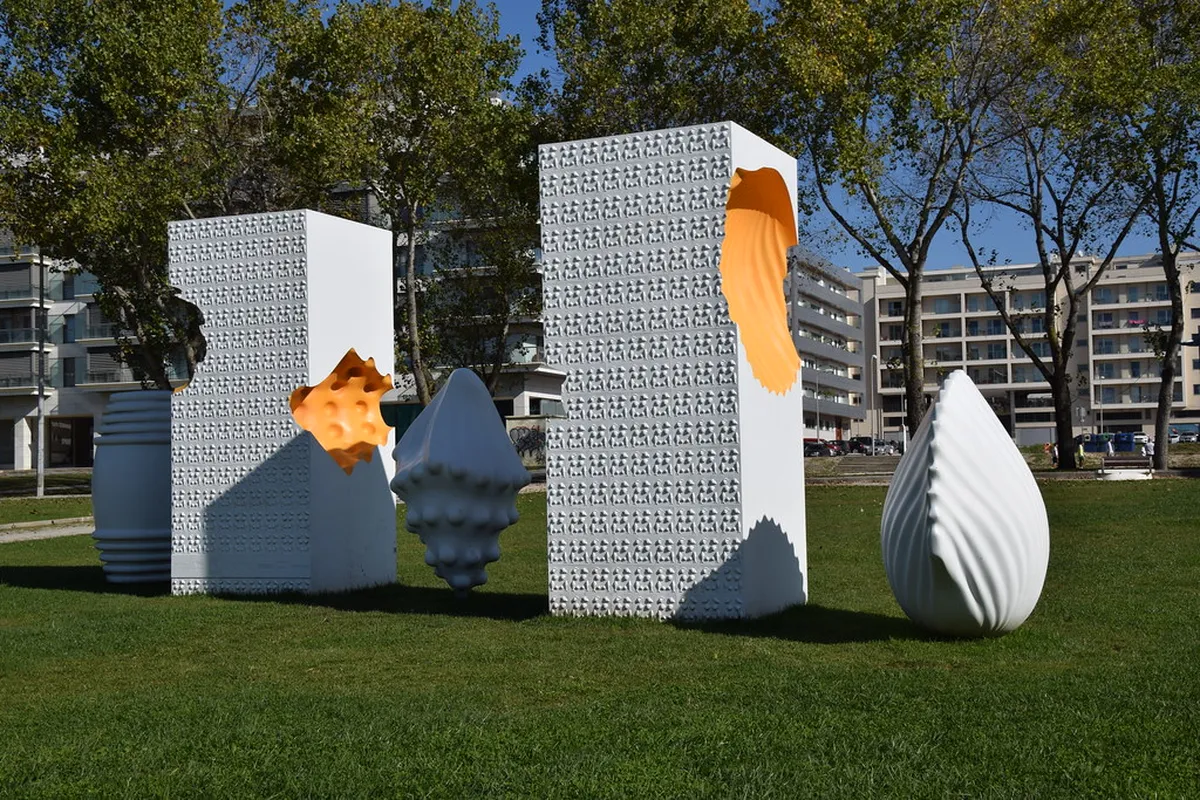
Ovos Moles De Aveiro Travel Guide
Plan ovos moles de aveiro with top picks, neighborhood context, timing tips, and practical booking advice for a smoother trip.
On this page
Ovos Moles De Aveiro
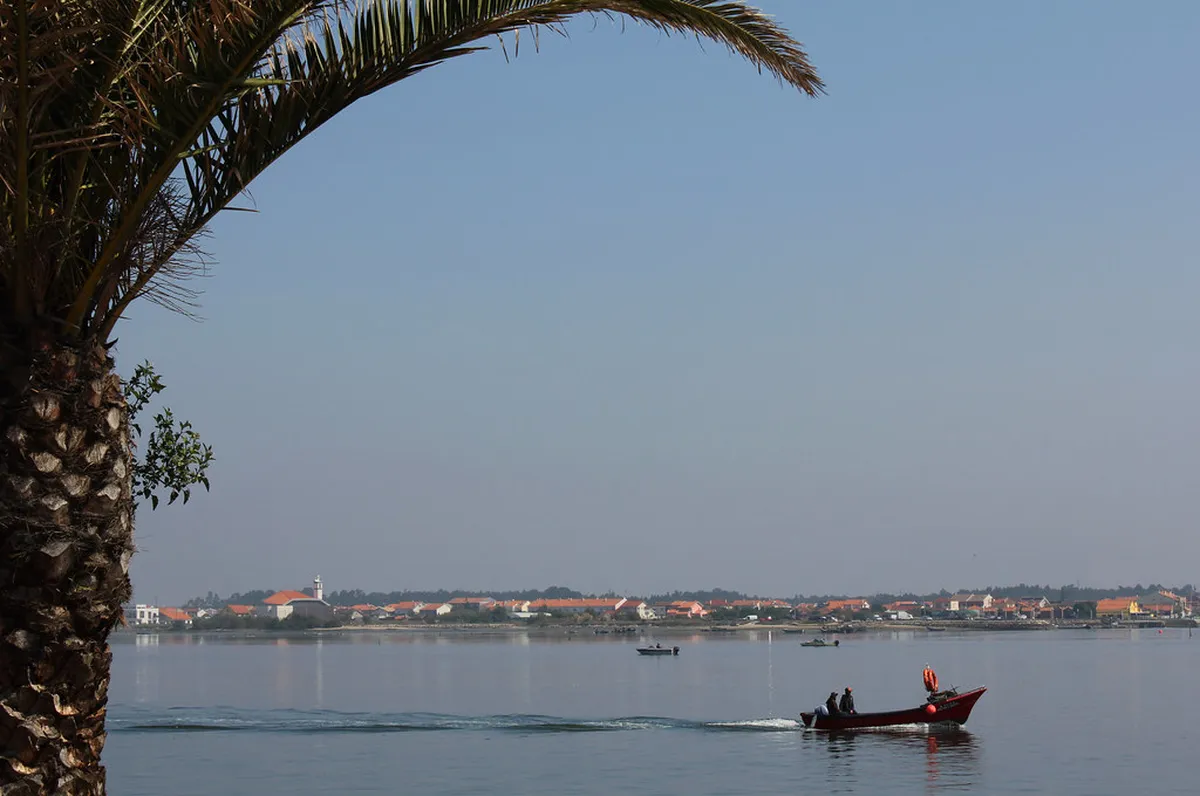
Aveiro is a stunning coastal city in Portugal known for its vibrant canals and colorful moliceiro boats.
The local delicacy known as ovos moles de aveiro attracts food lovers from across the entire globe.
These sweet treats offer a unique taste of history that defines the identity of this charming region.
Planning a visit involves discovering the best things to do in Aveiro while sampling these sugary delights.
What Is Ovos Moles?
Ovos moles translates literally to "soft eggs" — a name that captures the essence of the filling perfectly. The cream is made by cooking egg yolks together with refined sugar until the mixture thickens to a smooth, velvety custard. That golden filling is then spooned into thin wafer shells, which are moulded into shapes drawn from Aveiro's maritime world: clams, whelks, fish, and barnacles.
The texture is the real selling point. The outer shell snaps cleanly, and the interior cream dissolves on contact with the tongue, releasing a deep, almost honeyed sweetness. There are no spices or additional flavourings — the richness of the yolks does all the work. For something so simple in its ingredients, ovos moles achieves a sophistication that is hard to replicate outside the confeitarias of Aveiro.
Beyond the maritime shapes, the sweets are also sold pressed into small wooden barrels (barricas) or porcelain pots painted with lagoon scenes and moliceiro boats. These containers double as keepsakes and are the format most Aveiro visitors bring home as gifts.
A Taste of History
Ovos moles owes its origins to the convent kitchens of Aveiro. Nuns in the city's female religious communities used egg whites in large quantities — to starch their habits and, according to some accounts, to clarify wines. The surplus yolks needed a purpose, and the sweet, syrup-based paste they produced became the foundation of a confectionery tradition that outlasted the convents themselves.
Sugar, made newly plentiful by Portuguese trade routes from Brazil and the Atlantic islands, combined with those excess yolks to create a recipe that was refined over generations. When the religious communities were suppressed in the 19th century, the recipes passed into the hands of lay confectioners and bakery families. Confeitaria Peixinho, founded in 1856, is the oldest surviving example — and it still uses what it claims is the century-old original formula.
The connection to Aveiro's fishing and lagoon culture shaped the visual vocabulary of the sweets. Craftspeople at the confeitarias pressed the wafer shells into moulds shaped like the sea creatures and boats that defined daily life in the city. That design language persists unchanged in 2026, making ovos moles one of the most coherent examples of food heritage in Portugal. Visitors can learn more about this religious and culinary history at the Aveiro restaurants and local food guide.
Ingredients and Taste
The recipe for authentic ovos moles is disarmingly short: egg yolks, caster sugar, and water. A pinch of salt is sometimes added for balance. The sugar is dissolved with water over gentle heat until it reaches a thread stage — around 105°C — before the sieved yolks are tempered in slowly and the whole mixture is cooked over low heat until it thickens to a custard-like consistency.
What makes the result taste so distinct from a generic custard is the ratio: the traditional recipe leans heavily towards sugar, giving the filling a glossy, almost jammy density that holds its shape inside the wafer shell without being runny. The colour is a bright golden yellow, which fades with heat and is why authentic producers are careful never to let the mixture boil.
The wafer casing is made from a simple flour-and-water paste pressed into thin sheets, similar to the communion hosts used in Catholic churches — a nod to the convent origin. It has very little flavour of its own, functioning purely as a neutral shell that contrasts with the richness inside. The combination is deliberately simple, and that simplicity is what makes the quality of the egg yolks so important.
Genuine ovos moles de Aveiro carry PGI (Protected Geographical Indication) status, so look for the official seal at historic confeitarias like Confeitaria Peixinho rather than supermarket imitations. A small wooden barrel makes the most authentic souvenir, and the soft egg-and-sugar filling keeps for about a week unrefrigerated.
Approved by the European Commission
Ovos moles de Aveiro were the first Portuguese confectionery product to receive Protected Geographical Indication (PGI) status from the European Union. This classification, granted by the European Commission, means that only sweets produced in Aveiro using the traditional recipe and techniques can legally carry the name. It sits alongside designations like Champagne or Parmigiano-Reggiano in the EU's quality framework.
In practice, PGI means the filling must be made with fresh egg yolks and sugar, the shapes must follow the regulated maritime or barrel forms, and production must remain within the defined geographical zone. Certified producers display an official PGI seal on their packaging. If you do not see that seal, the product is either a generic "soft egg" sweet or an imitation made outside the protected zone.
The distinction matters for buyers. Supermarkets in Porto and Lisbon stock egg-yolk sweets labeled as ovos moles, but most of these are not PGI-certified. The authentic product — with its regulated ingredients, hand-pressed shells, and traceable provenance — is only reliably available from the certified confeitarias in Aveiro itself.
Where to Buy Ovos Moles in Aveiro
The highest concentration of certified shops sits in the Rossio area and along Rua de Coimbra, within easy walking distance of the main canal. Most confeitarias open by 09:00 and run until early evening. Arriving before noon gives you the best selection of freshly filled shells; afternoon batches can sell out at the smaller shops.
Confeitaria Peixinho (Rua João Mendonça 21) is the oldest bakery in Aveiro, founded in 1856. It produces ovos moles using what the family describes as the original 19th-century recipe. The interior is formal and old-fashioned, lined with glass cases of maritime-shaped sweets. Individual pieces cost around 1.50 EUR. The shop also makes other egg-yolk variations, including queijinhos de amêndoa — almond-and-egg-yolk pastries — for those who want to try something adjacent.
Maria da Apresentação da Cruz is a smaller, family-run operation with a more rustic feel. Prices per piece tend to sit around 1.20 EUR. It attracts fewer tourists than Peixinho and is preferred by some locals for that reason. Stock can be limited on busy summer weekends, so mornings are safer.
Oficina do Doce (Cais da Fonte Nova, managed by Grupo Fabridoce) operates more as an experience venue than a traditional confeitaria. It is the best option if you want to watch production, take a workshop, or buy in bulk for gifts. Individual tasting is possible, and the gift packaging here is more polished than at the older shops. See the next section for workshop details.
For a self-guided tasting route, combine all three in one morning. The walk between Peixinho and the Oficina do Doce takes under 15 minutes along the canal. Pair it with a moliceiro canal tour to extend the half-day into a full cultural loop.
Grupo Fabridoce and the Oficina do Doce
Grupo Fabridoce is the company behind the Oficina do Doce, a purpose-built facility on the waterfront at Cais da Fonte Nova. It represents the modern institutional face of the ovos moles industry — professionally managed, scaled for groups, and designed to explain the full production process to visitors who want context beyond a simple purchase.
The ground floor functions as a retail shop with a wide range of certified products and gift packaging options. The upper floors house the production workshop and the tasting and teaching spaces. Unlike the older confeitarias, the Oficina do Doce is set up to handle school trips, corporate groups, and individual travelers simultaneously, so the experience can feel slightly less intimate than a family bakery — but the information density is higher.
The location on the canal waterfront is also convenient. It sits at the same landing point used by moliceiro boats, so combining a canal trip with a visit here requires no extra walking. Getting to Aveiro from Porto by train takes about 45 minutes; the Oficina do Doce is then a 10-minute walk from the train station. Full transport details are in the Aveiro transport guide.
Oficina do Doce Pastry Workshop
The workshop at Oficina do Doce lets participants try the most technically demanding part of the production process: pressing and sealing the wafer shells. Expert pastry staff walk you through the history first — roughly 15 minutes — before moving to the hands-on component, where you fill and close your own set of shells.
The session runs approximately 45 minutes in total and costs between 5 and 10 EUR per person. Booking ahead online is strongly recommended. During July and August the sessions fill days in advance, and walk-in availability disappears by mid-morning. The workshop runs in Portuguese and English; French is occasionally available on request.
The practical result is a small box of shells you made yourself, which makes for an unusually honest souvenir. The workshop is best suited to adults and older children; the filling process requires steady hands and patience with a small piping setup. Combine it with an early visit to Confeitaria Peixinho to compare the handmade artisan product against the workshop result — the difference in shell consistency is instructive.
Packaging, Shelf Life, and Taking Them Home
Ovos moles are sold in three main packaging formats. The simplest is a paper bag (saco de papel) for immediate consumption — this is what you get if you buy two or three pieces to eat while walking by the canal. For gifts, the standard option is a rigid cardboard box (caixa para oferta) in various sizes, typically holding 6, 12, or 24 pieces. The premium format is a small wooden barrel (barrica de madeira) filled with the cream directly — no wafer shells — sealed and decorated with Aveiro motifs.
Shelf life is a practical concern that none of the main competitors address clearly. The wafer-shell pieces last approximately five to seven days unrefrigerated if kept in a dry place and away from direct sunlight. The wooden barrel format keeps slightly longer — up to ten days — because the cream is not exposed to air until opened. Neither format is suitable for checked luggage on long-haul flights unless wrapped in a rigid container, as the shells are fragile and crack under pressure. For travel exceeding a few hours, the barrel is the safer choice.
Gift packaging with the PGI seal is available at all three main producers. If you are buying for someone who cannot visit Aveiro, the Oficina do Doce and Confeitaria Peixinho both offer postal delivery within Portugal, though international shipping is not consistently available. Check directly before assuming you can order online from abroad.
How to Plan a Smooth Ovos Moles Visit
A dedicated ovos moles morning takes two to three hours if you combine a confeitaria visit, the canal area, and the Oficina do Doce. Starting at Confeitaria Peixinho by 09:00 gives you access to the freshest morning batch and lets you reach the Oficina do Doce before the group bookings arrive around 10:30. Most shops cluster within a 15-minute walk of each other in the central district.
If your time in Aveiro is limited, follow a structured Aveiro one-day itinerary that weaves the confeitaria stops into a broader route covering the canal, the fish market, and the Art Nouveau buildings. The flat, walkable layout of central Aveiro means you can realistically fit a full cultural circuit and three separate tastings into half a day without rushing.
Budget around 10 to 20 EUR for tastings and a small gift box. The best time to visit Aveiro for shorter queues is outside the July and August peak; spring and early October offer mild weather and fewer crowds at the most popular shops. Details on seasonal timing are in the best time to visit Aveiro guide.
Family and Budget Tips
Families can enjoy the ovos moles culture without spending heavily. Buying a wooden barrel shared between several people costs less per serving than purchasing individual maritime-shaped pieces. The barrel format also travels better in a bag, making it practical for families moving between cities on the Porto to Aveiro train.
Some shops offer a degustation plate — three or four pieces of different shapes for a fixed price of around 3 to 4 EUR — which works well for children trying ovos moles for the first time. The sweetness is pronounced and the portions small, so one or two pieces satisfies most younger visitors. The Oficina do Doce workshop is particularly well-received by children old enough to follow simple instructions, roughly eight and above.
For the most economical approach, focus on the Rossio-area shops rather than the tourist-facing boutiques nearer the main attractions cluster. Prices per piece in the side streets tend to be 20 to 30 cents cheaper than at the most prominent canal-front locations.
Frequently Asked Questions
Where to eat ovos-moles in Aveiro?
You can find the best versions at Confeitaria Peixinho and Maria da Apresentação in the city center. These shops maintain traditional recipes and offer a fresh experience. Visiting during the Best Time To Visit Aveiro Travel Guide ensures you avoid the largest crowds at these popular spots.
What Is Ovos Moles?
Ovos moles are a traditional Portuguese sweet made from egg yolks and sugar. They are encased in thin wafer shells shaped like maritime symbols. The filling is creamy, rich, and reflects the city's long-standing convent-based culinary history.
How much time should you plan for ovos moles de aveiro?
A simple tasting takes about 15 minutes, but a workshop at Oficina do Doce requires at least one hour. Most travelers spend half a day combining a tasting with a canal tour. This allows for a relaxed pace while exploring the city's sweet heritage.
Is ovos moles de aveiro worth including on a short itinerary?
Yes, it is a mandatory experience even if you only have a few hours in the city. The sweets are small and easy to eat while walking between major landmarks. They represent the most famous cultural export of the entire region.
Exploring the world of ovos moles de aveiro is essential for any traveler visiting central Portugal.
These sweets offer a direct connection to the city's religious and maritime past through their unique flavors.
Whether you take a workshop or enjoy a quick snack by the canal, the experience is truly unforgettable.
Make sure to grab a box for the Porto To Aveiro By Train Travel Guide journey back to your hotel.

 Best Time To Visit Aveiro Travel GuideJune 8, 2026
 Costa Nova Aveiro Travel GuideJune 8, 2026