
Ria Formosa Boat Tours and Islands: The Ultimate Visitor Guide
Discover the best Ria Formosa boat tours and islands. Compare Faro island hopping, private catamaran charters, and wildlife tours with our expert local guide.
On this page
Ria Formosa Boat Tours and Islands
The Ria Formosa is a 18,000-hectare lagoon system stretching across five municipalities in the southern Algarve. It is one of Portugal's 7 Natural Wonders, and its barrier islands protect the coastline from the full force of the Atlantic. Visitors typically depart from Faro, Olhão, or Tavira depending on which islands they want to reach. The waters inside the lagoon are calm and flat, making seasickness almost unheard of even on longer tours.
Boat tours here are not a tourist gimmick. They are the only practical way to reach most of the islands, each of which has no road connection to the mainland. The key decisions are which departure point suits your itinerary, which vessel type fits your group, and whether you want a guided tour or a simple ferry crossing. This guide covers all three so you can plan a day that matches your priorities.
Overview of the Ria Formosa Natural Park
The Parque Natural da Ria Formosa is a protected wetland of international importance under the Ramsar Convention. It combines saltwater lagoons, tidal mudflats, salt pans, and a chain of sandbar islands that together form one of Europe's most productive coastal ecosystems. The park shelters the mainland cities of Faro and Olhão from storm swells and serves as a nursery for fish, crustaceans, and bivalves harvested by local fishermen. For official details on the park's conservation status and visitor infrastructure, visit Portugal's tourism authority page.
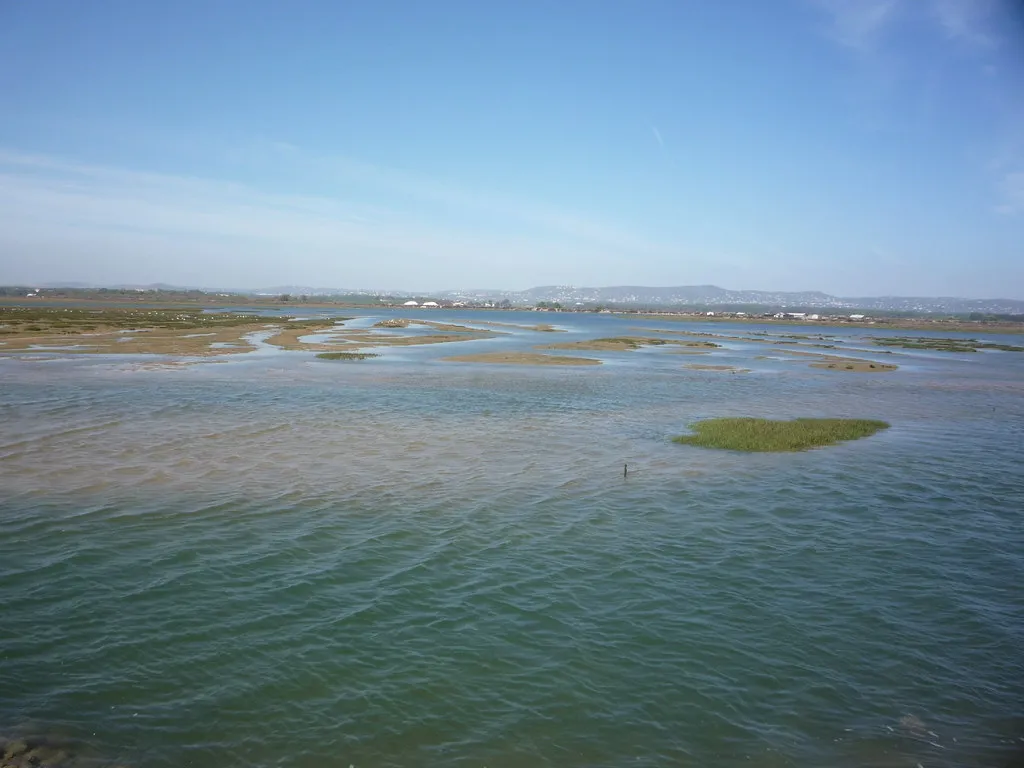
The barrier islands shift slowly over time as wind and tide redistribute sand. This means the park looks genuinely different every few years, and even repeat visitors find new channels and sandbanks. Tides rise and fall by roughly one metre, which exposes vast mudflat areas at low water and creates a rich feeding ground for wading birds. Boat operators time their departure to make the most of tidal windows, so your guide's schedule is set for practical reasons, not just convenience.
You can read more detail about the ecology and access logistics in our Ria Formosa Natural Park guide. For a broader view of what to do in the city before or after a boat excursion, our things to do in Faro page has a full overview. The park is open year-round and boat services run in every season, though summer departures are more frequent and easier to book without advance planning.
Must-See Ria Attractions and Natural Wonders
The saltwater lagoons are the visual centrepiece of any boat tour. On a calm morning the water surface is mirror-flat and reflects the blue sky, making it difficult to tell where the lagoon ends and the horizon begins. Below the surface, the seagrass meadows host one of the highest concentrations of seahorses recorded anywhere in the world. Local regulations prohibit anchoring in these areas to protect the seagrass beds.
Cabo de Santa Maria is the southernmost point of mainland Portugal, located at the tip of Ilha Deserta. A wooden boardwalk leads two kilometres through open sand dunes to a simple monument made from driftwood and sea debris. The walk is flat and takes about 30 minutes each way. Most boat tours that stop at Deserta allow enough time for guests to make the round trip to the cape if they want to.
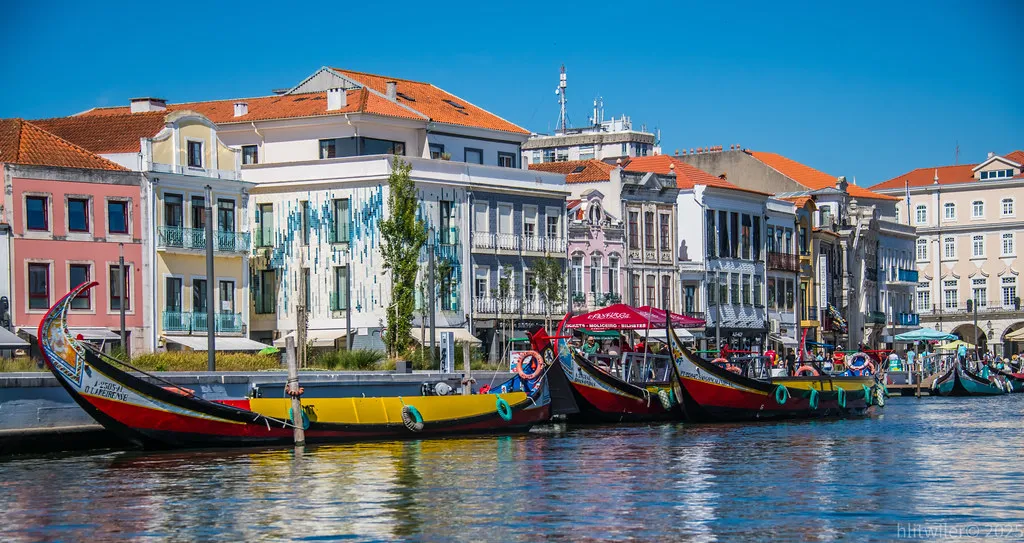
The tidal mudflats are visually less dramatic than the beach islands but are arguably the ecological heart of the park. You will see clam harvesters working by hand in the shallows and traditional flat-bottomed boats used for fishing and aquaculture. These mudflat scenes are among the most photographed moments on guided tours. Operators navigate slowly through these channels to give guests time to observe without disturbing the workers.
The Best Islands to Visit: Deserta, Culatra, Farol, and Armona
Ilha Deserta (officially Ilha da Barreta) is the most isolated island in the park and has no permanent residents. There is one building on the entire 8-kilometre coastline: Estaminé, an eco-restaurant serving fresh seafood under the dunes. You must book a table at Estaminé well in advance because walk-ins are rarely possible in summer. The island has no other shade structures, no shops, and no fresh water, so bring everything you need before boarding the boat.
Ilha Deserta has no shade, no shops, and no fresh water apart from Estaminé restaurant. Bring at least 1.5 litres of water per person, SPF 50 sunscreen, and a hat — there is nowhere to buy supplies once you land.
Ilha da Culatra is home to a permanent fishing community of around 1,000 people. There are no cars, no paved roads, and no supermarkets — just sand paths, colourful terraced houses, and family-run restaurants serving the catch of the day. The harbour is lively in the mornings with boats unloading fish and nets being repaired. Culatra gives the trip a cultural dimension that purely beach-focused islands cannot match.
Ilha do Farol sits on the western end of the same sandbar as Culatra, separated by a 2.5-kilometre beach path. It is dominated by a large working lighthouse and has a small holiday village of whitewashed houses. Unlike Culatra, most properties on Farol are seasonal holiday homes, so it has a quieter, more resort-like atmosphere. The beach on the Atlantic side is wide and the surf is gentle by ocean standards.
Ilha da Armona is less visited by commercial tours but is worth knowing about for families with young children. The water on the lagoon side of Armona is shallow and warm, reaching knee height well out from shore — ideal for toddlers and non-swimmers. A small seasonal village operates cafes and simple restaurants during summer. Ferries from Olhão reach Armona in about 15 minutes, making it the fastest island to access from the eastern departure point.
Fishing Villages and Cultural Heritage on the Water
The Ria Formosa's cultural identity is inseparable from fishing. The communities on Culatra and Armona have sustained themselves for generations through clam diving, net fishing, and shellfish aquaculture. Boat tours pass close enough to working vessels that you can see fishermen hand-sorting clams into baskets — a technique unchanged since the early twentieth century. Many operators provide brief commentary about the fishing calendar and the species harvested.
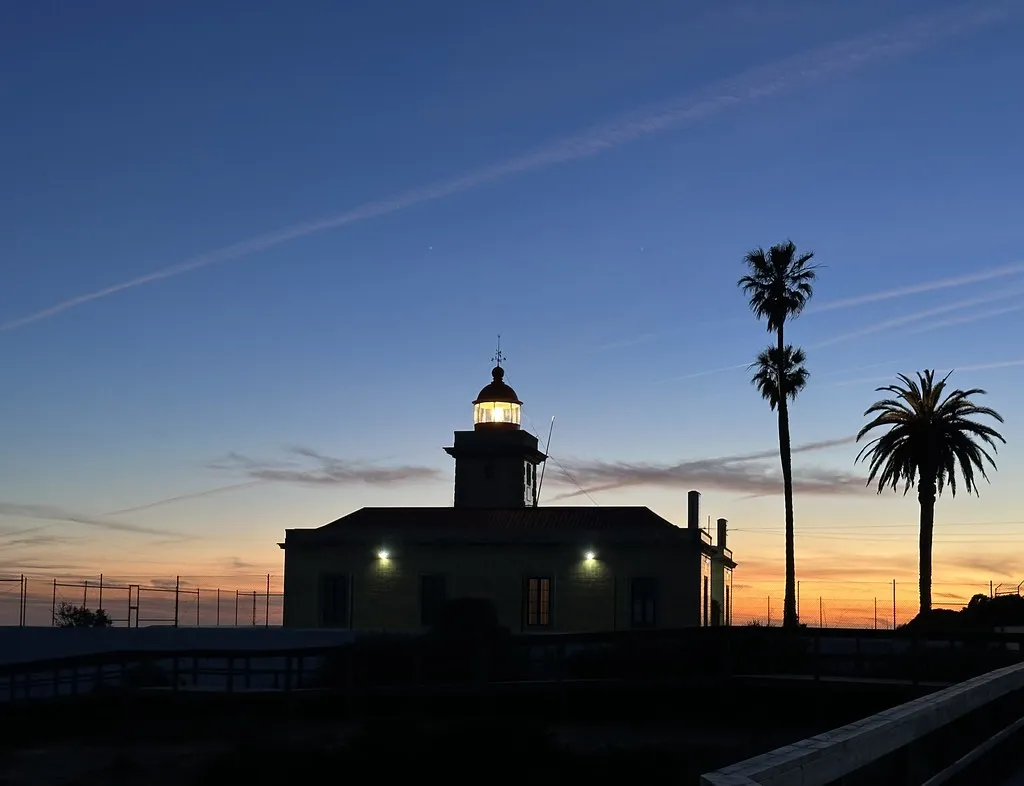
Architecture visible from the water tells its own story. The small cottages on Culatra are built low and painted in bright colours as a practical response to Atlantic winds. On Farol, the lighthouse dates to 1851 and was critical for safe navigation into Faro harbour before modern GPS. You can see the lighthouse tower clearly from the lagoon side on any tour that passes between the two islands.
After your boat tour, a Faro Old Town walking guide makes a natural continuation. The walled city was a major trading port in the Moorish period, and the harbour where boats depart today has been in use for over 1,000 years. The connection between the city and the lagoon shaped Faro's entire urban layout, which is visible from the water as you leave the pier.
Comparing Ria Formosa Boat Tour Options: Catamaran vs. Speedboat
Catamarans are the most popular choice for mixed-age groups. The twin-hull design gives a stable, level platform that barely rocks even when crossing the deeper tidal inlets. The wide deck gives children room to move around safely, and most boats have shaded seating areas and on-board toilets. A standard group catamaran tour visiting Deserta and Culatra lasts 3 to 4 hours and costs around 30 to 45 EUR per adult.
Speedboats cover more ground faster but the ride can be rough in the open channels between the main islands. This is not the right choice for infants under 18 months, guests with back problems, or anyone prone to motion sickness. For active adults and older children it is genuinely exciting, covering a 1 to 2 hour circuit for roughly 25 to 40 EUR. The trade-off is less time at each stop because the boat is constantly moving.
Private charters — whether a motor yacht or a private catamaran — give you full control over the itinerary. You can spend longer at Estaminé, skip crowded stops, or anchor for swimming in a quiet channel. Prices for a full-day private charter run from 400 to 800 EUR for the boat, regardless of group size up to the vessel's capacity. For a family of five or six, the per-person cost of a private charter is not dramatically higher than a group tour once you factor in the itinerary flexibility.
- Group catamaran tour: 3 to 4 hours, 30 to 45 EUR per person, best for families and first-timers
- Speedboat tour: 1 to 2 hours, 25 to 40 EUR per person, best for active adults wanting maximum island coverage
- Sunset cruise: 90 minutes, around 15 to 20 EUR per person, best for couples or end-of-day relaxation
- Private full-day charter: 6 to 8 hours, 400 to 800 EUR per boat, best for groups wanting custom itineraries
Birdwatching and Wildlife Spotting by Boat
The Ria Formosa sits on a major Atlantic flyway and receives large numbers of migratory birds from October through March. Flamingos are the most sought-after species and congregate in the shallower lagoons well away from the main boat channels. Specialist birdwatching tours follow what guides call the "Flamingo Route" — a circuit through the northern mudflats closest to the mainland that standard island-hopping tours skip entirely. Autumn is the peak window, typically late September through November, when flocks of 200 or more are common. The Wikipedia article on Ria Formosa documents the lagoon's Ramsar wetland designation and the approximately 30,000 annual migratory birds the region receives.
Resident species visible year-round include little egrets, grey herons, spoonbills, avocets, and black-winged stilts. Ospreys are regular visitors from September to April. The seagrass beds visible through the clear water support the seahorse population, and guides on slower boats sometimes stop to point them out with polarised glasses. Mediterranean chameleons live in the dune scrub of the outer islands and are occasionally spotted on Deserta if you walk away from the main boardwalk.
For the best wildlife results, book the earliest departure of the day — typically 09:00 or 09:30 from Faro pier. Bird activity peaks in the two hours after sunrise before boat traffic builds. A camera with at least 200mm of focal reach is useful; standard phone cameras are not adequate for flamingo shots at lagoon distances. Many birdwatching-specific operators provide binoculars and printed species checklists as part of the tour price.
Sunset Cruises and Evening on the Water
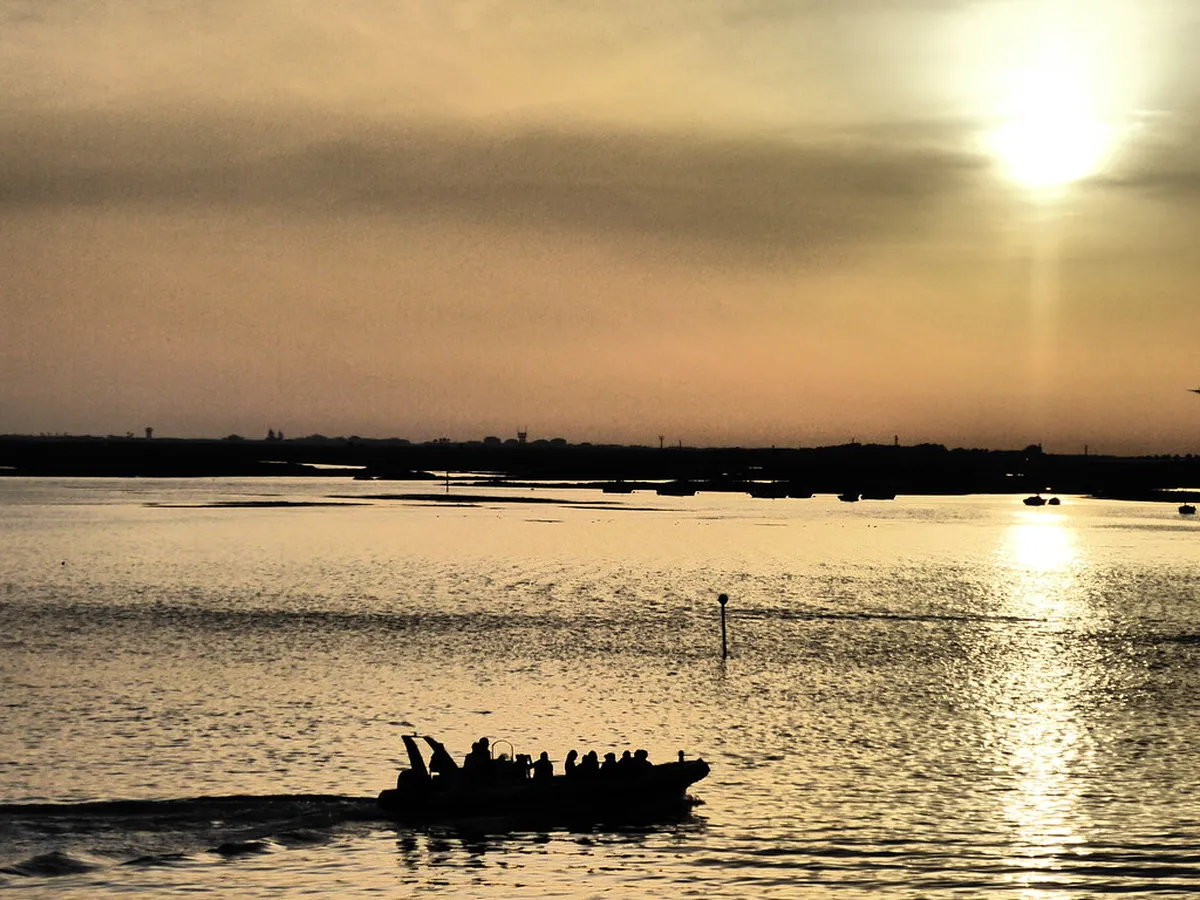
A sunset cruise is a completely different experience from a daytime island-hopping tour. The route typically heads west toward Praia de Faro, following the inner lagoon channel as the light drops. The sky goes through orange, pink, and deep purple over about 30 to 40 minutes, reflecting off the glassy water. Temperatures drop enough by 20:00 that a light jacket is useful even in July and August.
Most evening tours last around 90 minutes and cost 15 to 20 EUR per person. They do not stop at islands — the focus is on the light, the landscape, and the atmosphere. Some operators include a glass of wine or sparkling water in the price. Photographers get the most out of the golden hour between 19:30 and 20:30 in summer, when the silhouettes of traditional fishing boats make for strong foreground subjects.
If you want to combine a sunset cruise with dinner, plan to be back at the pier by 21:00 and make a restaurant reservation in Faro's old town in advance. The old town is a 10-minute walk from the pier. This is also a practical option for families who find a full daytime tour too long for younger children — a 90-minute evening cruise is easy to manage with a toddler who has already napped in the afternoon.
Departure Point Comparison: Faro, Olhão, and Tavira
Which town you depart from has a significant effect on which islands you can reach efficiently. Faro is the best starting point for Ilha Deserta and Ilha do Farol. Both islands are reachable in 20 to 30 minutes from Faro pier, and most commercial boat tours depart from the harbour near the Eva Senses Hotel — look for the "Red Desk" area, which is the main check-in point and a common source of confusion for first-time visitors. The pier is a 10-minute walk from the train station.
Olhão is the better departure point for Ilha da Armona and Ilha da Culatra. Ferries from Olhão reach Armona in about 15 minutes and Culatra in around 30 minutes. The ferry terminal is directly beside the Olhão fish market, making it easy to combine a morning market visit with a midday island crossing. If your primary interest is the fishing village atmosphere rather than the isolated beaches, Olhão is more efficient than Faro.
Tavira gives access to a different section of the lagoon entirely. The islands reachable from Tavira include Ilha de Tavira and Praia das Cabanas, both of which have a different character — longer, narrower, and backed by lower dunes than the western islands. Faro or Tavira is a real decision worth making in advance. Tavira also gives access to the famous Barril Beach, known for its anchor cemetery and quieter atmosphere. If your hotel is in the eastern Algarve, starting from Tavira avoids a long transfer.
Family-Friendly and Budget-Friendly Options
The cheapest way to reach the islands is the public ferry service from Faro or Olhão. Ferries are a transport service, not a guided tour — they drop you at the pier and leave on a schedule. There is no commentary and no island-hopping. But for a family that simply wants a day at the beach on Culatra or Armona, a return ferry costs roughly 4 to 6 EUR per adult and is perfectly adequate. You can check the Ilha de Faro beach guide for tips on the most accessible beaches near the city.
Small-group guided tours offer the best balance of value and experience for most visitors. Groups are typically capped at 12 to 15 people, which keeps the experience personal without the cost of a private charter. Many operators offer family rates with children under 12 paying half price. Booking directly with the operator rather than through a third-party platform often saves 10 to 15 percent, and most have English-speaking guides who tailor their commentary to the group's interests.
For families with children under two years old, the catamaran is strongly preferable to any open speedboat. The shaded seating, on-board toilet, and stable platform make a full 3-hour tour manageable. For seniors or anyone with limited mobility, ask the operator about boarding access before booking — most catamarans require stepping over a low gunwale, and some pontoon boarding platforms are easier than others depending on tidal height at departure time.
Practical Booking Tips: Costs, Timing, and What to Bring
Book at least 48 hours in advance from June through September. Peak summer sees popular tours selling out by mid-morning for same-day departure, and the best catamaran operators fill their boats quickly. Online booking is the most reliable method and allows you to read verified reviews before committing. Always check the cancellation policy — most reputable operators offer a free reschedule if the weather is unsuitable, but not all issue cash refunds.
For the best wildlife sightings, book the earliest departure of the day — typically 09:00 or 09:30 from Faro pier. Bird activity peaks in the two hours after sunrise before boat traffic builds. A camera with at least 200mm of focal reach significantly improves your chances of capturing flamingos at lagoon distances.
What to bring matters more on these tours than on most day trips. Ilha Deserta has no shade except inside Estaminé. Sun protection is not optional: SPF 50 sunscreen, a wide-brimmed hat, and UV-rated sunglasses. Bring at least 1.5 litres of water per person for any tour lasting over two hours. Lightweight shoes with a closed toe are useful if you plan to walk the boardwalks on Deserta or the sandy paths on Culatra, where flip-flops sink into soft sand.
The standard 3 to 4 hour island tour leaves time in the evening for Faro's dining scene. Consider a nightlife circuit after dinner — our Faro nightlife guide covers the best areas near the old town and the marina. If you want to extend your Algarve stay with another day trip, the eastern Algarve towns are all within an hour of Faro. A full-day tour of the lagoon combined with an evening in the city makes one of the most satisfying days in southern Portugal.
Frequently Asked Questions
What are the highlights of the Ria Formosa?
The highlights include the pristine sands of Ilha Deserta and the authentic fishing culture on Culatra. You will also enjoy spotting flamingos and exploring the iconic lighthouse on Farol Island. For more ideas on what to see, check our our complete Faro guide guide.
Which Ria Formosa boat tours and islands options fit first-time visitors?
First-time visitors should choose a 3-hour catamaran tour that stops at both Deserta and Farol. This provides a balanced mix of nature and local culture without being too long. It is the most popular way to see the park highlights in a single afternoon.
How much time should you plan for a Ria Formosa boat tour?
You should plan for at least three to four hours for a standard island hopping experience. This allows for travel time and short stops to explore the beaches or villages. Full-day tours are also available if you want to spend more time swimming and relaxing.
What is the difference between a ferry and a boat tour in Faro?
A ferry is a basic transport service that takes you directly from the city to one specific island. A boat tour is a guided experience that visits multiple locations and includes commentary about the park. Tours are better for sightseeing while ferries are better for budget beach days.
Exploring the Ria Formosa by boat is an essential experience for anyone visiting the Algarve region. The combination of stunning natural beauty and rich cultural heritage makes every trip unique and memorable. Whether you choose a fast speedboat or a relaxing catamaran, the islands will leave a lasting impression. Plan your adventure today to discover why this park is one of Portugal's greatest natural treasures.
For the full city overview, see our guide to planning your Faro trip. Pair this with our Ria Formosa Natural Park and Ilha de Faro beach guides.
 Faro Weather By Month: 8 Key Climate InsightsJune 4, 2026
 Faro Old Town Walking Guide (2026)May 26, 2026