Portugal Festivals By Month 2026: The Complete Event Calendar
Plan your 2026 trip with our month-by-month Portugal festival guide. Includes dates for Santos Populares, NOS Alive, Carnaval, and local cultural gems.
On this page
Portugal Festivals By Month 2026: The Complete Event Calendar
Portugal's festival calendar is one of the most densely packed in Europe. A country of just over ten million people hosts more than 700 officially registered cultural festivals and fairs every year, most of them centuries old and almost none of them well-known outside the country. That combination — scale and obscurity — is what makes building a trip around the Portuguese calendar so rewarding.
The year stretches from the January bread-carrying procession in Santa Maria da Feira through the sardine-smoke and street parties of June, the cliffside music festivals of August, the grape harvests of September, and the theatrical Christmas markets of December. No month is without a reason to arrive. For a broader view of when to travel, see our guide on the best time to visit Portugal — it covers weather, crowds, and cost by season.
What makes the Portuguese festival experience distinct is the layering of the sacred and the secular. A street parade in Porto on 23 June can move from fireworks and grilled sardines to a solemn mass at dawn, all within the same neighbourhood. Wine, food, and music are rarely absent for long. This calendar gives you the dates, costs, transport logistics, and honest trade-offs for each major event in 2026.
January: Festival of Fogaceiras, Santa Maria da Feira
The Festa das Fogaceiras on 20 January is one of the most unusual and authentically Portuguese events in the entire calendar. Young girls in traditional dress carry castle-shaped fogaças breads on their heads through the streets of Santa Maria da Feira, fulfilling a centuries-old vow made by the community to give thanks for deliverance from plague. The tradition dates back nearly 500 years and has never been commercialised.
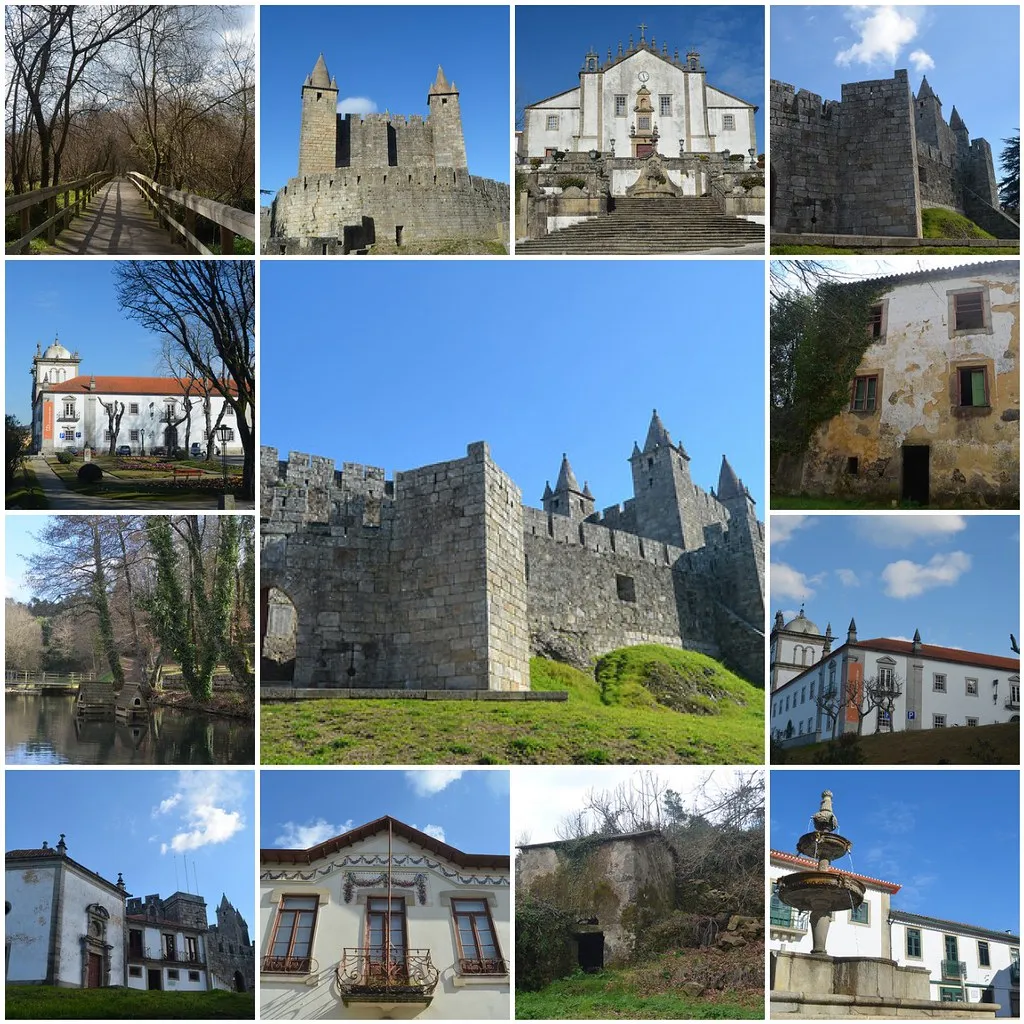
The event is free to attend and takes place in a town about 30 km south of Porto. Getting there requires a car or a short regional train from Porto to Ovar followed by a taxi, since the local bus connections on 20 January are limited. English-language signage and tourist infrastructure are minimal — this is a community event for locals, not a packaged attraction, which is exactly what makes it worth the effort.
January is low season throughout Portugal, so accommodation is cheap and easy to find. Pair the Fogaceiras with a stay in Porto and a day in Aveiro and you have a solid three-day northern itinerary for the quietest, coldest, most character-filled period of the year.
February: Carnaval de Torres Vedras and Loulé
Portugal runs two Carnaval traditions that deserve separate attention because they feel entirely different. Torres Vedras, 50 km north of Lisbon, hosts what is considered the most politically sharp and satirical Carnaval in the country — a tradition dating to 1876 in which elaborate floats lampoon politicians, public figures, and recent events with a level of irreverence that would be remarkable anywhere in Europe. The 2026 Grand Parade runs on Sunday 15 February along Avenida 1 de Maio. Grandstand tickets typically cost €10–€25; street viewing is free.
Loulé's Carnaval, in the central Algarve, is the region's biggest street celebration — flower-covered floats, live samba bands, and a crowd that draws visitors from across northern Europe seeking a warm-weather alternative to the wet northern Carnavals. The main parade is also on Shrove Sunday, 15 February 2026. Entry along the route is free; ticketed grandstand areas cost €5–€15. Loulé sits 15 km north of Faro and 25 km from Albufeira, making it easy to combine with an Algarve stay.
A third option worth knowing: the Carnival of Podence in the Trás-os-Montes region (14 February 2026) is recognised by UNESCO as Intangible Cultural Heritage of Humanity. The event centres on the Caretos — masked figures in colourful fringed costumes and cowbells who run through the village ringing bells, playing pranks, and acting out ancient pagan rituals tied to the end of winter. It draws only a few thousand visitors and requires a car to reach, but it offers the most raw and archaeologically interesting Carnaval experience in Portugal. For those who want authenticity over spectacle, Podence is the version none of the major tour operators package. Our Portugal in February guide covers accommodation and logistics for all three Carnaval locations.
March/April: Festival Internacional do Chocolate, Óbidos
The Festival Internacional do Chocolate transforms the walled medieval town of Óbidos, 80 km north of Lisbon, into a chocolate-lovers' circuit across two weekends in late March and early April 2026. Local and international chocolatiers line the cobblestone lanes; the signature experience is jinjinha (cherry liqueur) served in a chocolate cup. Entry to walk the village is free; tasting sessions and workshops charge €3–€8.
The trade-off is crowd density. Óbidos is one of the most photogenic medieval villages in Portugal and its streets are genuinely narrow — on peak Saturday afternoons in late March, the main lane can become shoulder-to-shoulder from the gate to the castle. Families with pushchairs will struggle. The practical rule: arrive before 11:00 or after 16:00 to move freely. Weekday visits during the festival period are noticeably quieter and the chocolatiers are more willing to talk through their products.
The festival is a good day trip from Lisbon by Rede Expressos coach (roughly 1 hour 15 minutes from Campo Grande terminal). If you want to stay overnight and explore the surrounding Estremadura region, book at least 6–8 weeks ahead — the small number of quality guesthouses inside the walls sell out fast for festival weekends.
May: Serralves em Festa and Rally Portugal
May holds two events that require very different types of planning. Serralves em Festa, held at the Serralves Foundation estate in Porto (Rua Dom João de Castro 210), is a 40-hour non-stop arts marathon — film, dance, theatre, live music, and contemporary art installations running continuously from Saturday morning through Sunday night. It is entirely free, drawing over 200,000 visitors across one weekend. Bus lines 201 and 203 run from central Porto; a taxi from São Bento station takes around 15 minutes. The 2026 edition typically falls on the first weekend of June, though check serralves.pt as exact dates are confirmed a few months prior.
Rally Portugal, held in the forests around Matosinhos and Fafe, is a round of the FIA World Rally Championship and one of the most spectacular motorsport events in Europe. Dust clouds, near-vertical forest stages, and enormous crowds lining dirt tracks are the defining images. The rally typically runs over a long weekend in late May, with free spectator zones and paid grandstand areas at the Porto street stage. Getting to the forest stages requires a car or an organised shuttle from Porto.
May is also when the Fátima pilgrimage reaches its annual peak. The Sanctuary of Fátima, 130 km north of Lisbon, receives hundreds of thousands of pilgrims on 12–13 May for the anniversary of the first apparition in 1917. This is not a festival in the entertainment sense, but it is one of the most significant gatherings in the Portuguese cultural calendar, and it has a direct effect on accommodation availability across central Portugal for the surrounding week. Book well ahead if you are in the region.
June: Santos Populares de Lisboa and São João do Porto
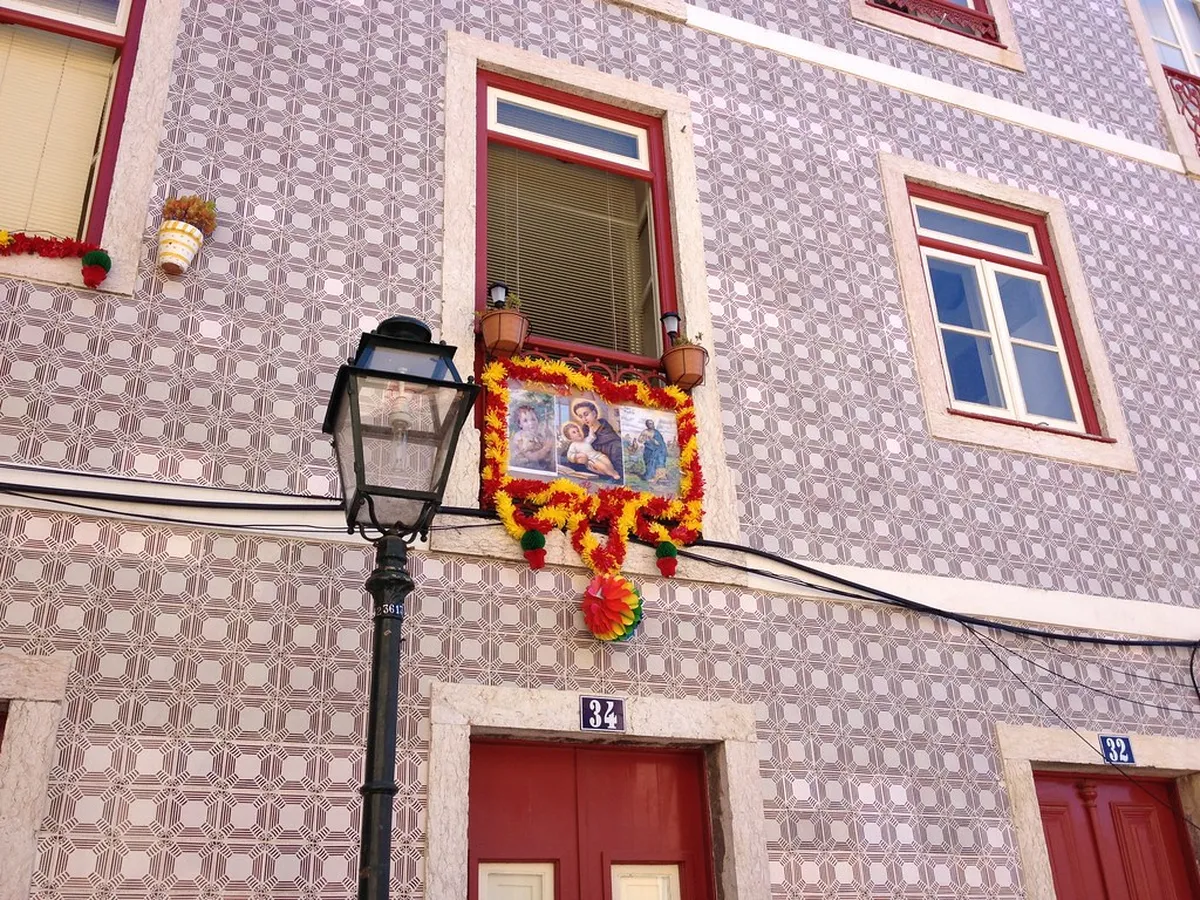
June is Portugal's biggest month for festivals, and it is worth understanding the structure before you book. The Santos Populares — the popular saints' festivals of Lisbon — run throughout the entire month, reaching their peak around the Feast of Saint Anthony on the night of 12–13 June 2026. Alfama, Mouraria, and Bairro Alto become open-air dance floors; the smell of grilled sardines drifts across every neighbourhood. All street events are free. A portion of sardines with bread at a street stall costs €4–€8. The Marchas Populares parade along Avenida da Liberdade runs on 12 June and is the most photographed event of the month.
The Day of Portugal, on 10 June 2026, is a national public holiday celebrated countrywide with ceremonies, concerts, and local events. It falls in the middle of the Santos Populares period, which means Lisbon is essentially in full festival mode for the second week of June. The official Lisbon Festivities programme on Visit Lisboa outlines the full month schedule of neighbourhood parties (arraiais), the Marchas Populares parade, and the Weddings of Saint Anthony ceremony. Metro services run extended hours during festival nights; take the metro to Intendente or walk the Alfama hill from the waterfront.
Porto's Festa de São João on the night of 23–24 June is one of the most atmospheric nights in the Iberian Peninsula. Locals wander the city wielding plastic hammers and garlic flowers, launching paper lanterns from Ponte Dom Luís I. The entire Ribeira waterfront and Miragaia neighbourhood becomes one continuous street party from dusk until well after dawn. Entry is free across all street celebrations; some ticketed concert stages along the waterfront charge €5–€20. Midnight fireworks launch from the bridge over the Douro — arrive by 23:00 for a viewing position. For a deeper look at what June holds beyond the festivals, our Portugal in June guide covers the full picture including weather, beaches, and day trips.
Accommodation in both cities fills fast for June. For Lisbon's Santos Populares, March bookings are increasingly the norm as the event's international profile grows. Book accommodation for São João at least 8–10 weeks ahead.
For Lisbon's Santos Populares (peaking 12–13 June), March is now the realistic booking window for quality accommodation in Alfama or Mouraria. Metro services run extended hours during festival nights — the metro to Intendente is the easiest way in.
July: NOS Alive and Super Bock Super Rock
NOS Alive is Portugal's flagship rock and alternative festival, held at Passeio Marítimo de Algés on the western edge of Lisbon. It consistently attracts A-list international headliners and draws 180,000+ attendees across three days. The 2026 edition typically runs around 9–11 July; confirm exact dates and lineup at the official site when announcements go live. Day tickets usually cost €75–€95; weekend passes run €180–€220 based on recent editions. Getting there is straightforward: take the Cascais line train from Cais do Sodré to Algés station — trains run every 20 minutes and the station is directly outside the venue.
Super Bock Super Rock, held at Meo Arena and surrounding outdoor stages in Parque das Nações, takes place in mid-to-late July with a distinct indie, electronic, and alternative identity. It draws a younger and more cosmopolitan crowd than NOS Alive and is known for shorter queues and a more relaxed atmosphere. Day tickets typically cost €55–€80; multi-day passes €120–€160. Take the Metro Red Line to Oriente station, five minutes on foot to the venue.
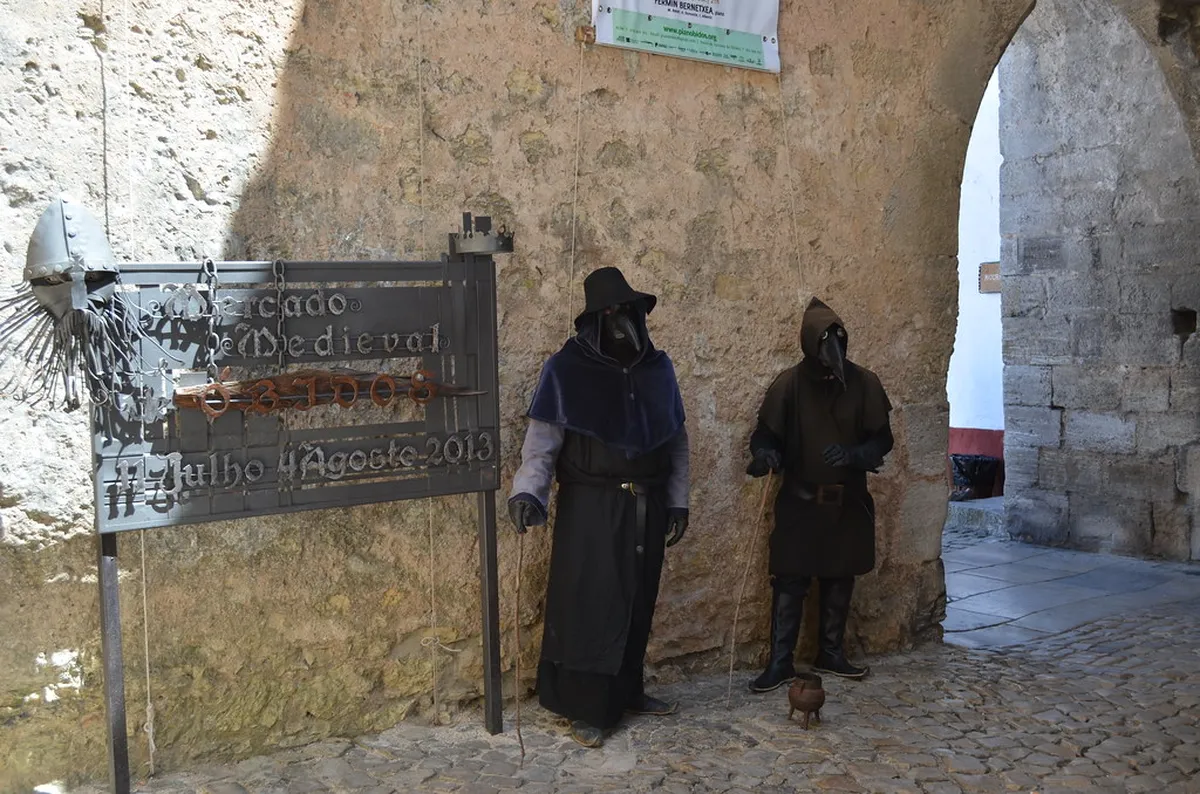
July also sees the Óbidos Medieval Market, which runs from around 10–26 July 2026 and transforms the walled town into a living recreation of a 15th-century market. Merchants in period costume sell crafts and food; falconry displays, jousting, and troubadour music fill the castle grounds. Entry is free. Wild boar skewers, honey cakes, and mead are the food staples; budget €10–€20 for a full meal. This is one of the most-attended free cultural events in Portugal and pairs well with the Chocolate Festival visit earlier in the year for a double Óbidos itinerary.
August: MEO Sudowest and Festas do Mar, Cascais
MEO Sudowest occupies its own category among Portugal festivals: a cliffside event on the wild Alentejo coast, where the Atlantic Ocean is the backdrop for five days of music across every genre. The beach at Zambujeira do Mar, 170 km south of Lisbon and 130 km west of Beja, is one of the most dramatic festival settings in Europe. The 2026 edition typically runs in the first week of August (around 5–9 August; confirm at the official site). Day tickets typically cost €60–€90; full-event passes with camping run €200–€280.
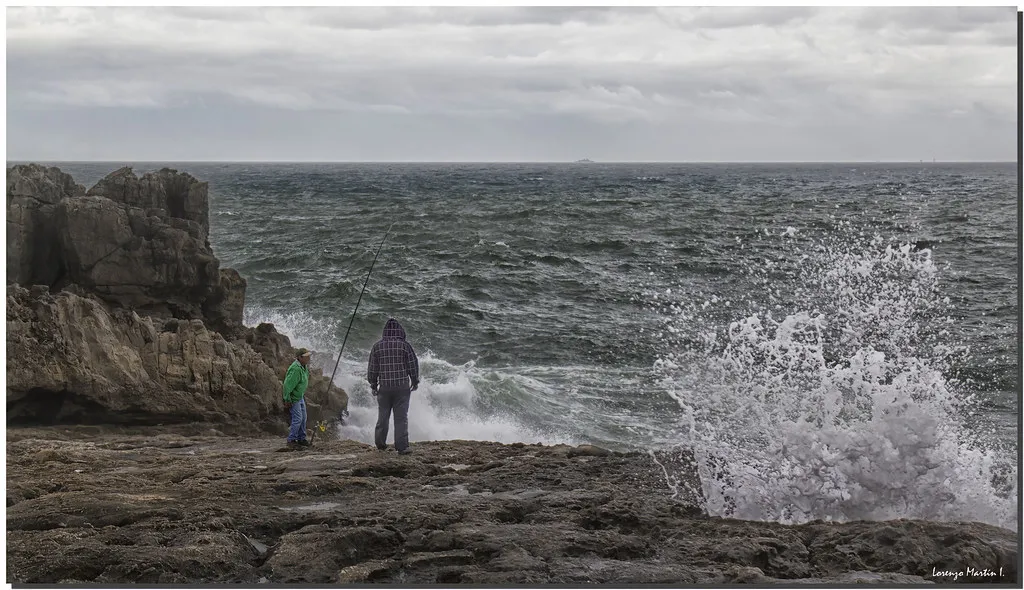
The logistical reality of MEO Sudowest is important: there is no direct public transport to the site. Shared shuttles operate from Lisbon and Lagos, but they sell out and require advance booking. Driving from Lagos takes around 90 minutes. On-site camping is the primary accommodation option and camping pitches sell out when tickets go on sale — do not buy a ticket and assume you can sort lodging later. For those based in the Algarve, a guesthouse in Odemira or Sines is the practical base if you prefer not to camp.
MEO Sudowest has no direct public transport to the Zambujeira do Mar site. Shuttle buses from Lisbon and Lagos sell out quickly — book your shuttle at the same time as your festival ticket, and secure a camping pitch before they sell out at ticket launch.
Cascais hosts Festas do Mar across two weekends in mid-August — live music on Largo Luis de Camões, fireworks over the bay, and a seafood market near the Mercado da Vila. Entry is free for all outdoor events; the main Saturday fireworks display is at midnight. Getting to Cascais is easy: the Cascais line train from Cais do Sodré runs every 20 minutes and takes 40 minutes. One logistical note that locals know: Cascais and Óbidos both close their main car parks by 09:00 on peak festival days. If you are driving, arrive early or park outside the town and walk. Attempting to find street parking after 10:00 on a festival Saturday wastes the morning.
September: Festival of the Iberian Mask, Lisbon
The Festival of the Iberian Mask takes place in Lisbon in late September (the 2026 edition is expected around 21 September). It brings masked folk traditions from across the Iberian Peninsula and beyond into the city — the Caretos of Trás-os-Montes, the Botargas of Castile, the Zambaioni of Sardinia, and dozens of other ancient masquerade traditions gather in one place. Performances, workshops, and processions take place across multiple venues in the city centre.
This is one of the most intellectually interesting festivals on the Portuguese calendar because it draws out the pagan substratum underneath Portugal's Catholic surface. The masks represent figures from fertility rites, harvest ceremonies, and winter solstice traditions that predate Christianity by centuries. For travelers interested in cultural anthropology rather than just spectacle, this is the event that rewards the deepest thinking.
September weather in Lisbon is reliably warm and dry, crowds are lower than June and July, and accommodation prices have dropped from summer peaks. It is one of the best months to combine a city stay with a cultural event without fighting peak-season logistics. Our Portugal in October shoulder season guide covers the transition into autumn, which starts in the final weeks of September.
October/November: Marathons, Fátima, and Gastronomy
The Lisbon Marathon typically runs in early December, but Porto Marathon (8 November 2026) is the standout autumn sporting event. The route passes through the historic centre, along the Douro waterfront, and through the Foz neighbourhood — a genuinely scenic course that attracts over 30,000 runners from across Europe. Expect road closures across the city from early morning and significant hotel price increases for that weekend. Book accommodation at least three months ahead if you are participating.
October also brings the second Fátima pilgrimage of the year, on 12–13 October, for the anniversary of the last apparition. Like the May pilgrimage, it draws hundreds of thousands of pilgrims to the sanctuary and affects accommodation across central Portugal. The National Gastronomy Festival in Santarém, typically held in October or November, celebrates regional Portuguese cuisine with tastings, cooking demonstrations, and producer stalls. It is one of the best-value events on the calendar — entry is low cost and the food quality is exceptional — but advance booking is required for the best tasting sessions as the more interesting producer tables sell their allocations quickly.
November is the quietest month in Portugal's festival calendar and the wettest in terms of rainfall across the north. It is, however, a genuinely good time to visit if your priority is wine: the Douro Valley harvest finishes in October and the new wine is available throughout November. Quinta open days and producer tastings are informal but widely offered, particularly around Pinhão and Régua.
December: Wonderland Lisboa and Christmas Traditions
Wonderland Lisboa has established itself as Portugal's most-photographed Christmas market, set across the lawns of Parque Eduardo VII in central Lisbon. The market runs from late November through early January, combining artisan craft stalls, international street food, an ice rink, and live performances. The 2026 edition (for Christmas 2026) typically opens in late November. Entry to the market grounds is free; ice rink sessions cost €8–€12 including skate hire. The Ferris wheel runs around €5 per ride. A comfortable two-hour visit with food and drinks but without the ice rink typically costs €10–€15 per adult; budget €25–€35 if you plan to skate.
Timing matters significantly at Wonderland Lisboa. Tuesday through Thursday afternoons (13:00–17:00) are consistently the quietest windows. The busiest days are weekends in December, the 8 December public holiday (Imaculada Conceição), and Christmas Eve. Wednesday early evenings in the first two weeks of December offer the best balance of festive atmosphere and manageable crowds. Metro Blue or Yellow Line to Marquês de Pombal is the easiest access; from Cascais, take the CP Cascais line to Cais do Sodré (€2.55 with Navegante card, trains every 20 minutes) and connect to the metro.
Beyond Lisbon, Portuguese Christmas traditions are rooted in the north. Midnight mass on 24 December (Missa do Galo) remains a genuine communal event in rural Minho and Trás-os-Montes towns rather than a tourist performance. Braga, the religious capital of Portugal, holds some of the most elaborate Christmas illuminations in the country and is an easy day trip from Porto. The Sintra Christmas market, inside the historical centre, is smaller but arguably more beautiful than Wonderland for adults without children.
Three Portugal Festivals Worth the Extra Planning
The events above dominate the travel articles. Three events that almost never appear in English-language festival guides deserve specific mention because they represent something the mainstream calendar misses.
The Carnival of Podence (14 February 2026) in the remote Trás-os-Montes village of Podence is inscribed on UNESCO's Representative List of Intangible Cultural Heritage of Humanity (2019). The Caretos — men in fringed costumes, cowbells, and striking tin masks — perform rituals rooted in pre-Christian agricultural cycles. The crowd is mostly Portuguese; the atmosphere is genuinely strange and ancient. Getting there requires a car from Bragança (40 minutes) or Macedo de Cavaleiros. It is the single most archaeologically interesting event in the Portuguese calendar and has almost no tourist infrastructure, which means the experience is entirely unmediated.
The Festival Nacional de Gastronomia in Santarém (October/November) is the reference event for understanding Portuguese regional cooking. Unlike urban food festivals that feature trendy restaurants, Santarém showcases producers and traditional recipes from across the country's interior — açorda, migas, cabrito, lampreia, ensopado de borrego. The best tasting sessions are run by producer cooperatives rather than chefs, and they sell out. If this is your priority, register online as soon as the programme is published.
The Fátima pilgrimages on 12–13 May and 12–13 October are the largest regular gatherings in Portugal by attendance — consistently drawing 300,000–500,000 people to the Sanctuary of Fátima in a single night. They are not a festival in the entertainment sense, but understanding the rhythm of Portuguese life is impossible without understanding Fátima. The overnight vigil on 12 May, when pilgrims process into the sanctuary by candlelight, is one of the most visually dramatic scenes in the country regardless of your religious position.
How to Plan for Summer Festivals in Portugal
Summer is the most demand-compressed period in the Portuguese travel calendar. June, July, and August festivals run in rapid succession, and the accommodation and transport markets respond accordingly. For Santos Populares in Lisbon (peaking 12–13 June), March is now the realistic booking window for good options in Alfama or Mouraria. For NOS Alive (typically 9–11 July), the Cascais–Oeiras rail corridor books out within days of lineup announcements. For MEO Sudowest in August, treat accommodation as part of the ticket purchase: buy camping when you buy your pass.
Transport within Portugal for multi-festival itineraries works best with a mix of public transport and car rental. The Cascais line train handles Lisbon and the coast without parking stress. Porto is entirely walkable and well-served by metro. The problems arise when you want to move between regions — from Lisbon to the Alentejo for MEO Sudowest, or from Porto to the Trás-os-Montes for the Carnival of Podence. Public transport is cheap but slow and infrequent for rural routes. A rental car covers these gaps and pays for itself quickly when you are not paying for four train or coach connections. The counterargument: parking in central Lisbon during Santos Populares is nearly impossible. The practical compromise is to use public transport for urban festival days and a rental car for rural or multi-region days.
Budget planning for summer festivals should account for price surges that go beyond accommodation. Restaurants in Alfama and Ribeira charge premium prices during Santos Populares and São João respectively. Taxis and rideshares surge during post-midnight festival hours when public transport is crowded. Keeping €30–€50 per day in cash is useful for street food stalls, informal parking attendants, and village fairs where card terminals are unreliable.
Frequently Asked Questions
Are Portugal festivals free to attend?
Many traditional street festivals like Santos Populares are free to enter. However, major music festivals like NOS Alive require paid tickets. Always check the official event website for pricing details.
What is the biggest festival in Portugal in 2026?
The Santos Populares in June is the largest cultural celebration in the country. It transforms Lisbon and Porto into massive open-air parties. Millions of locals and tourists participate every year.
Is Wonderland Lisboa free to enter?
Yes, entry to the Wonderland Lisboa grounds is typically free for all visitors. You will only pay for specific activities like the ice rink. It is very popular with families in December.
Explore More Portugal Seasonal Guides
Plan your trip around Portugal's best seasons, weather windows, and regional highlights.
Best Time to Visit Portugal
- Best Time to Visit Portugal 2026: Complete Seasonal Guide
- Portugal Weather by Month
- Portugal in June 2026
- Portugal in October: Shoulder Season Guide
Best Time to Visit — By Region
Portugal festivals by month 2026 offer a diverse range of cultural experiences. From the chocolate in Óbidos to the sardines in Lisbon, there is something for everyone. I hope this calendar helps you choose the perfect time for your visit. Enjoy the music, the food, and the incredible warmth of the Portuguese people.
Remember to book your travel and accommodation well in advance for summer. Check the best time to visit Portugal for more general travel advice. Safe travels and enjoy the amazing festivities across the country in 2026.